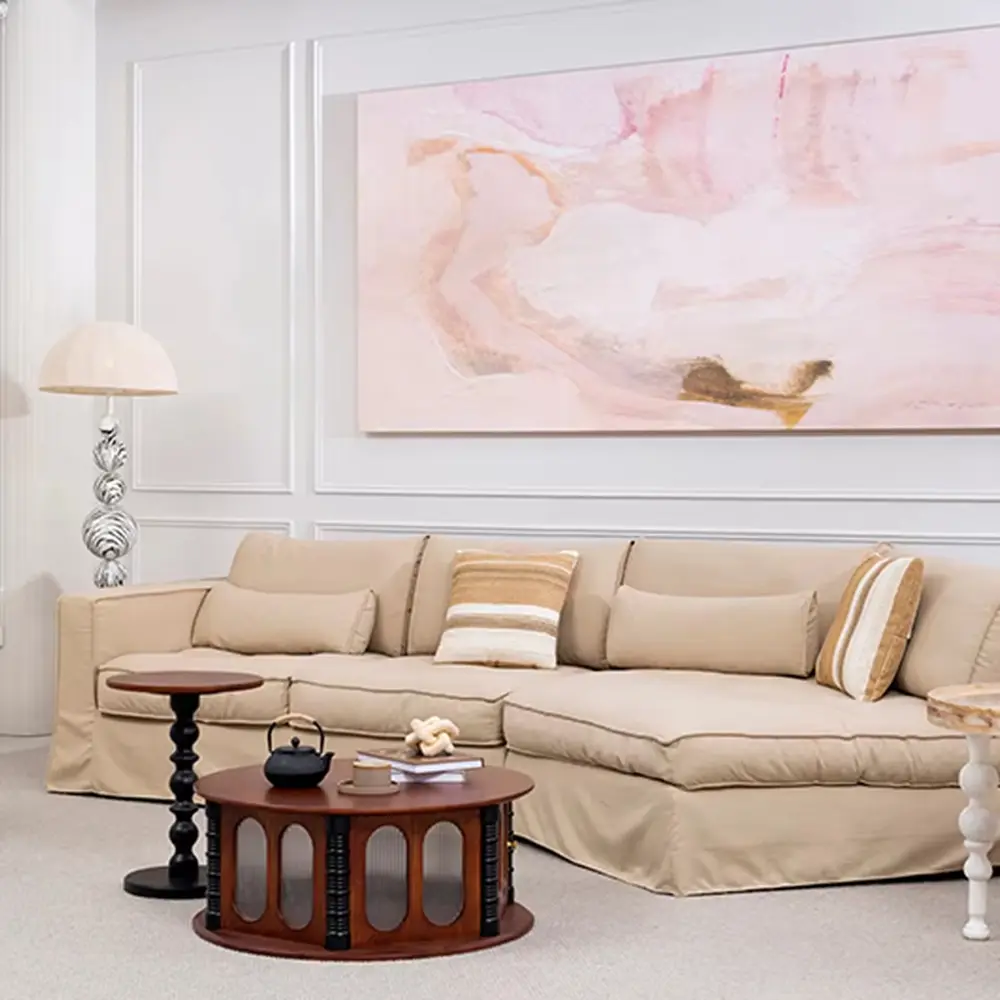
Fabric Sofas Supplier & Wholesaler Serving the Toronto Market
Factory-direct modular, sectional and minimalist fabric sofas engineered for Toronto condos, townhomes, hospitality projects and contract buyers — with OEM/ODM flexibility, Canadian compliance support and resilient China–Canada logistics.
Send Inquiry Now
Market Whitepaper · Toronto, Ontario
Why Toronto Buyers Are Reshaping Fabric Sofa Sourcing
Toronto is the largest furniture consumption market in Canada and one of the most demanding in North America for fabric upholstery performance. A dense urban core of high-rise condominiums, a sprawling low-rise townhome belt, a mature contract-hospitality sector and a design-led interior community all converge on the same requirement: modular, breathable, washable fabric seating delivered on a predictable schedule and compliant with local standards. This document explains how a Foshan-based manufacturer — Foshan Qingyumai Technology Co., Ltd. — engineers fabric sofa programs specifically for this market, and what wholesale buyers, developers and design firms should evaluate before placing a container.
Condominium Density
Downtown Toronto's high-rise corridors demand compact, modular fabric seating that fits freight elevators and lobbies.
Mixed Housing Stock
Townhomes in Mississauga, Vaughan and Markham need deeper seating and washable covers for family use.
Contract Hospitality
Hotel, short-term rental and showroom programs require contract-grade rub counts and fire-retardant options.
Design-Led Retail
Toronto interior studios source private-label fabric sofas with custom dimensions and branded labels.
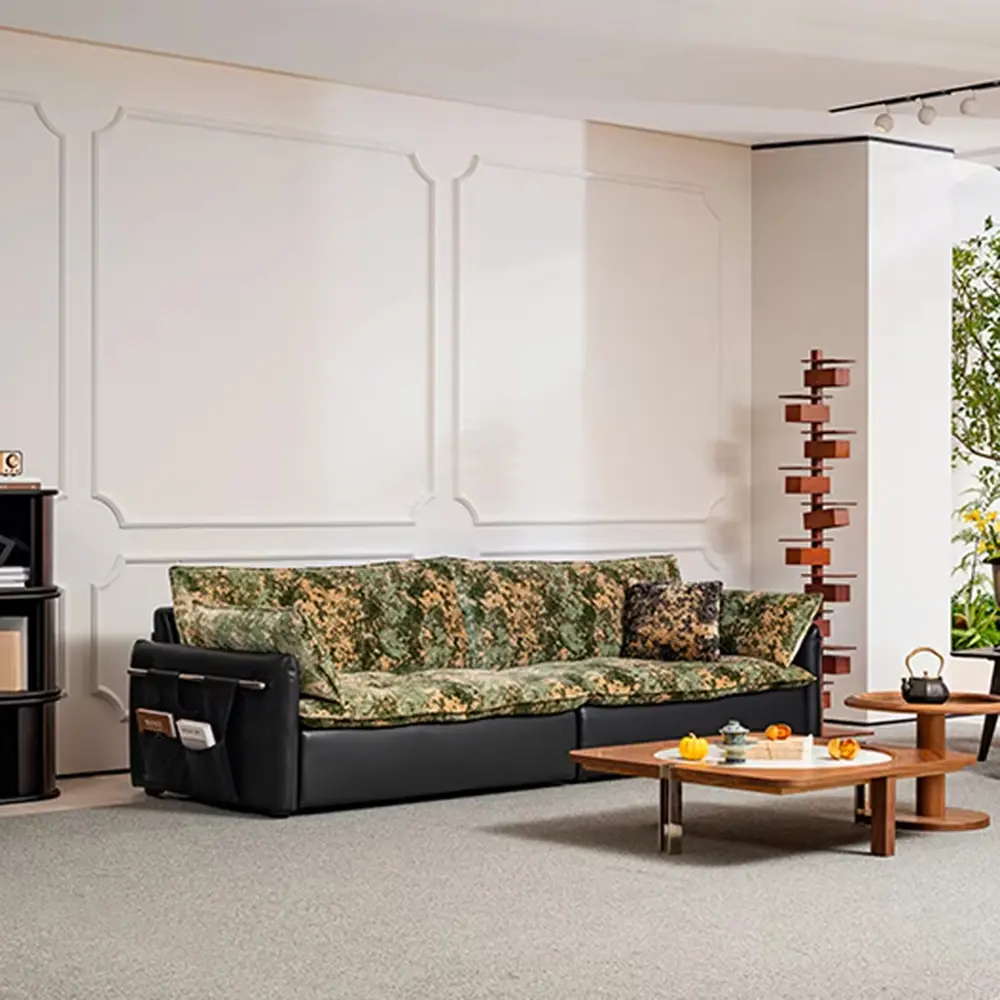
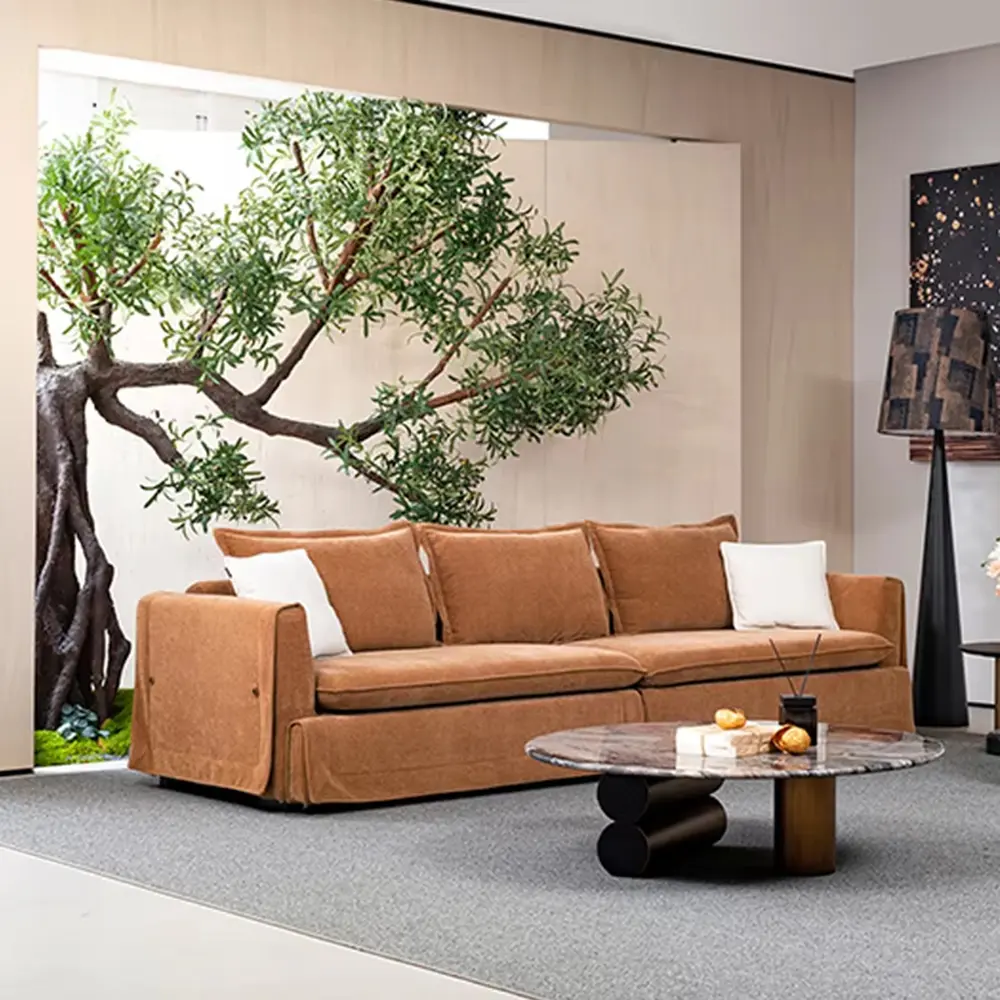
Featured Fabric Sofa Models · Toronto Program
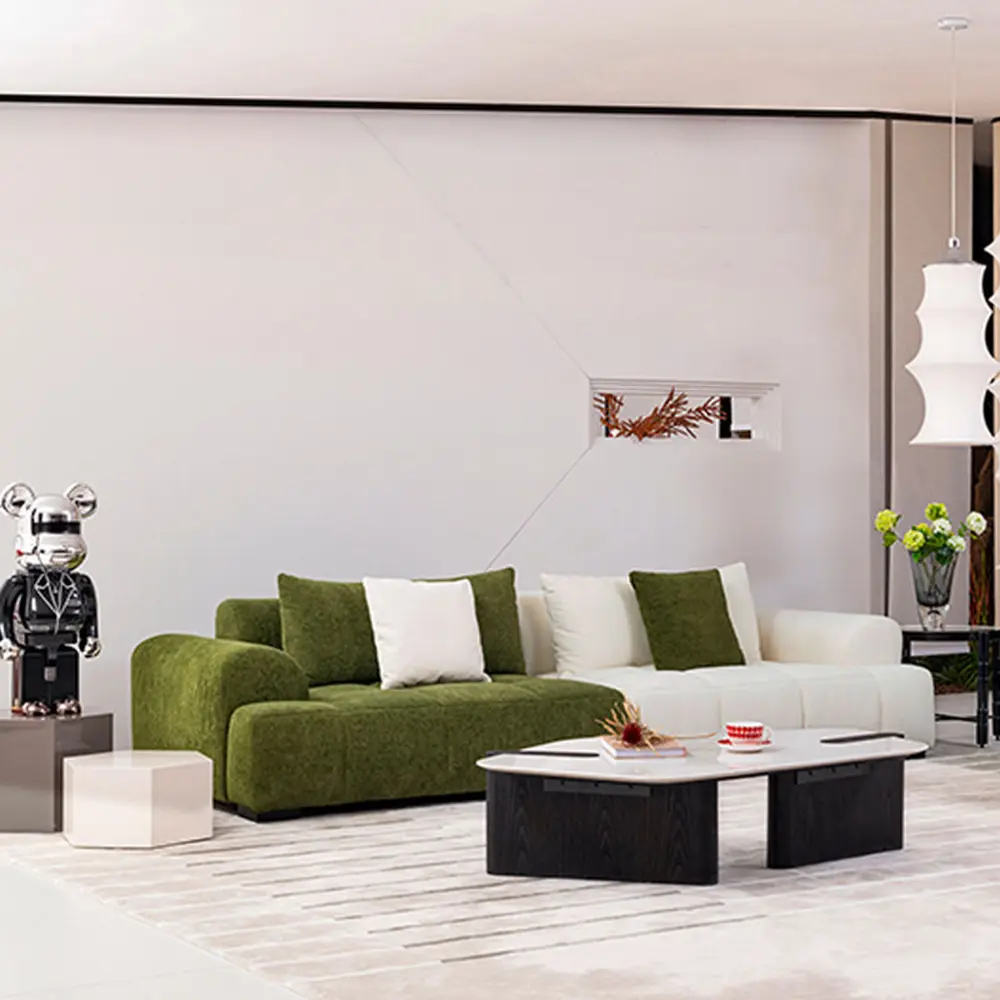
Local Commercial Landscape
Toronto's Fabric Sofa Market: Conditions, Channels and Application Scenarios
Ontario's furniture retail and contract ecosystem operates on a distinctly different rhythm from the U.S. Sun Belt. Buyers here navigate a condensed outdoor season, a long indoor living cycle, stringent condominium building rules, and a consumer base that expects visible sustainability credentials. Understanding these conditions is the first step toward designing a fabric sofa program that actually sells in the Greater Toronto Area (GTA).
Retail Channels in the GTA
Independent furniture retailers along the Castlefield Design District, regional chains in Mississauga and Vaughan, and a growing direct-to-consumer segment all compete for the same middle-income buyer. Wholesale differentiation increasingly depends on fast special-order lead times and washable, family-safe fabrics rather than pure price.
Condominium Reality
Toronto's downtown core contains one of North America's highest concentrations of high-rise residential towers. Elevator dimensions, common-area loading rules and staged move-in scheduling all make modular, flat-packed fabric sofas strongly preferred over fixed-frame sectionals.
Hospitality & STR
Downtown Toronto's hotel pipeline and a large short-term rental market create recurring contract demand for fabric lounge seating with commercial-grade abrasion ratings and cleanable covers.
Cold-Season Performance
A long indoor heating season means dry air and static-prone environments. Fabric selections must balance tactile softness with low-pilling, static-resistant weave structures — an area where cotton-linen blends and quality chenille outperform cheap polyester.
Compliance-Minded Consumers
Ontario buyers increasingly look for low-VOC foams, FSC-certified wood frames and fabric lines that meet flammability expectations for residential and commercial interiors. Documentation now sells furniture.
Design Community Influence
Interior designers and showrooms concentrated around King East and Castlefield actively influence specification. OEM programs with custom dimension, color and label flexibility are effectively the entry ticket to this channel.
Localized Application Scenarios
Where Fabric Sofas Actually Ship in Toronto
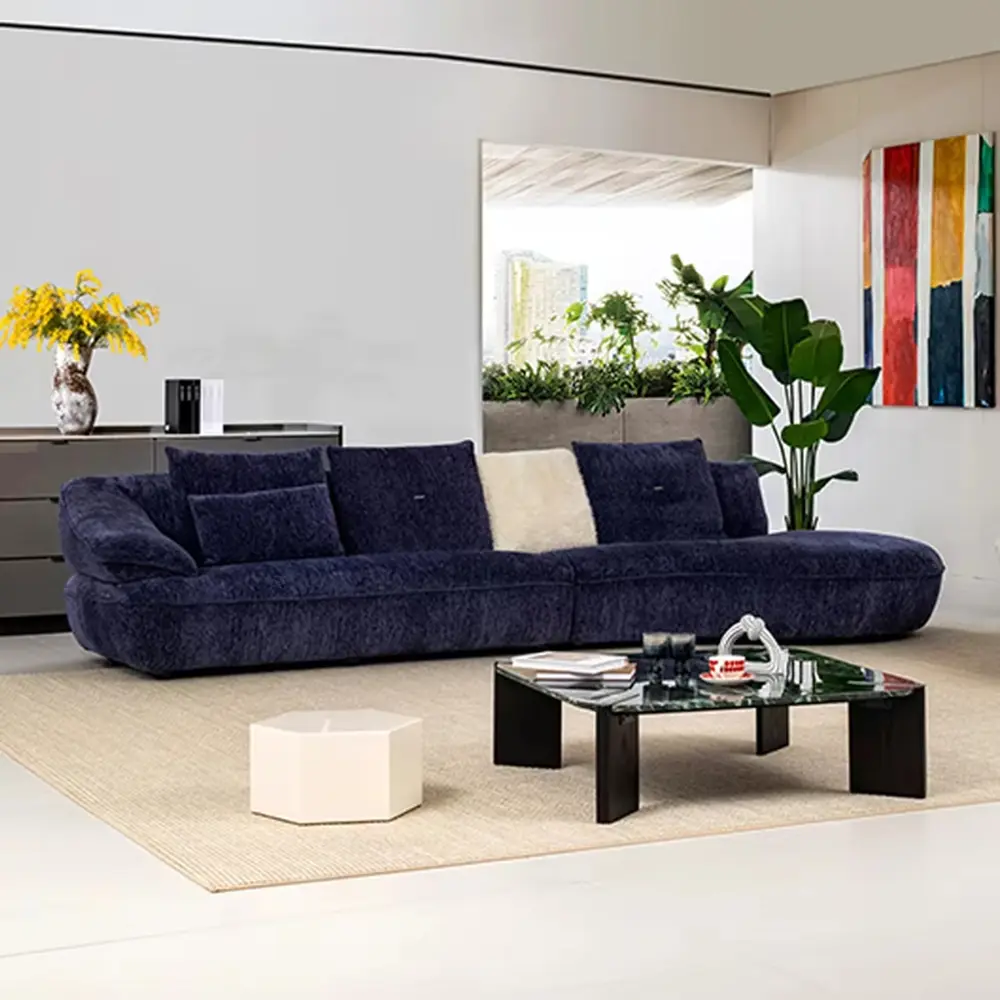
Scenario 01
Downtown Condominium Living Rooms
Typical format: 2-piece modular fabric sectional sized to fit a 9'–11' wall. Emphasis on flat-pack delivery, tool-light assembly, removable covers and quiet visual profiles.
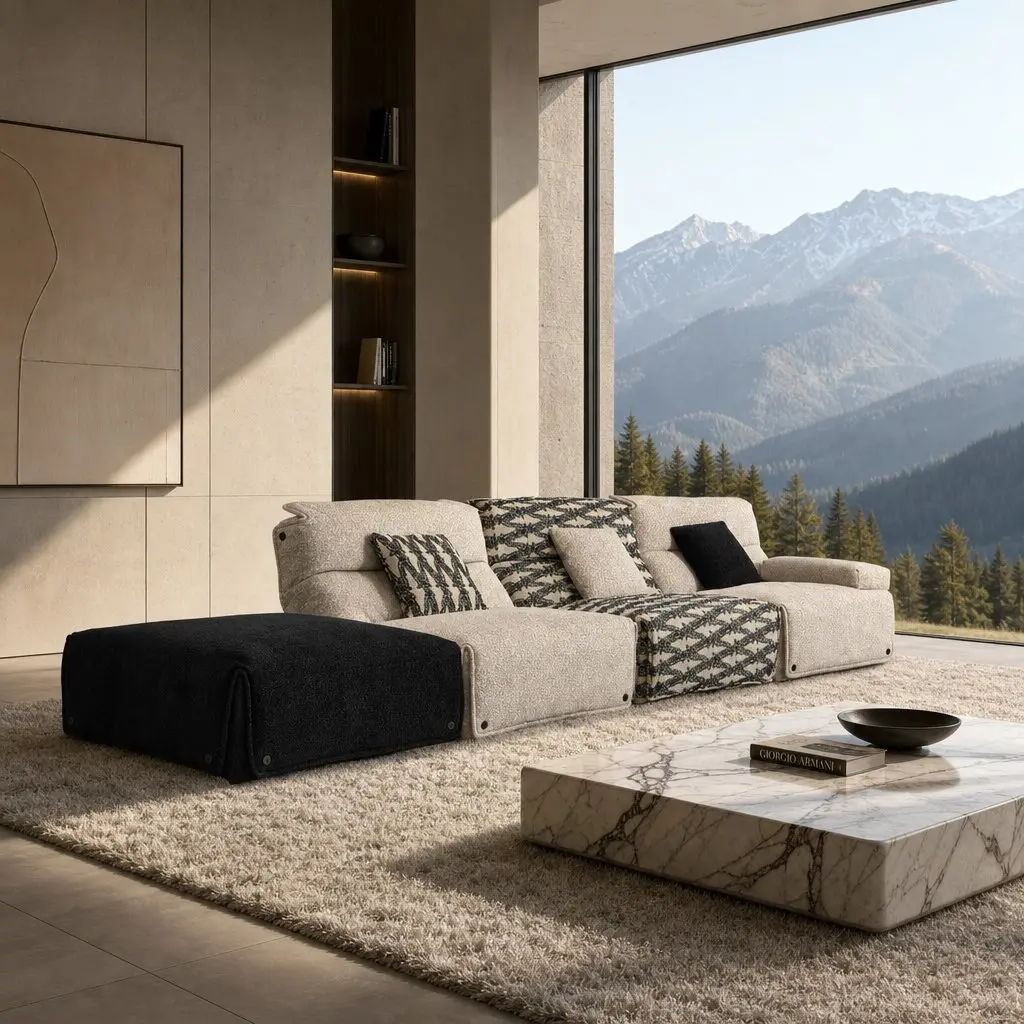
Scenario 02
Townhome & Family Living Rooms
Deep L-shape cotton-linen sofas with washable slipcovers for households with children and pets. Strong demand in Mississauga, Vaughan, Markham and Oakville.
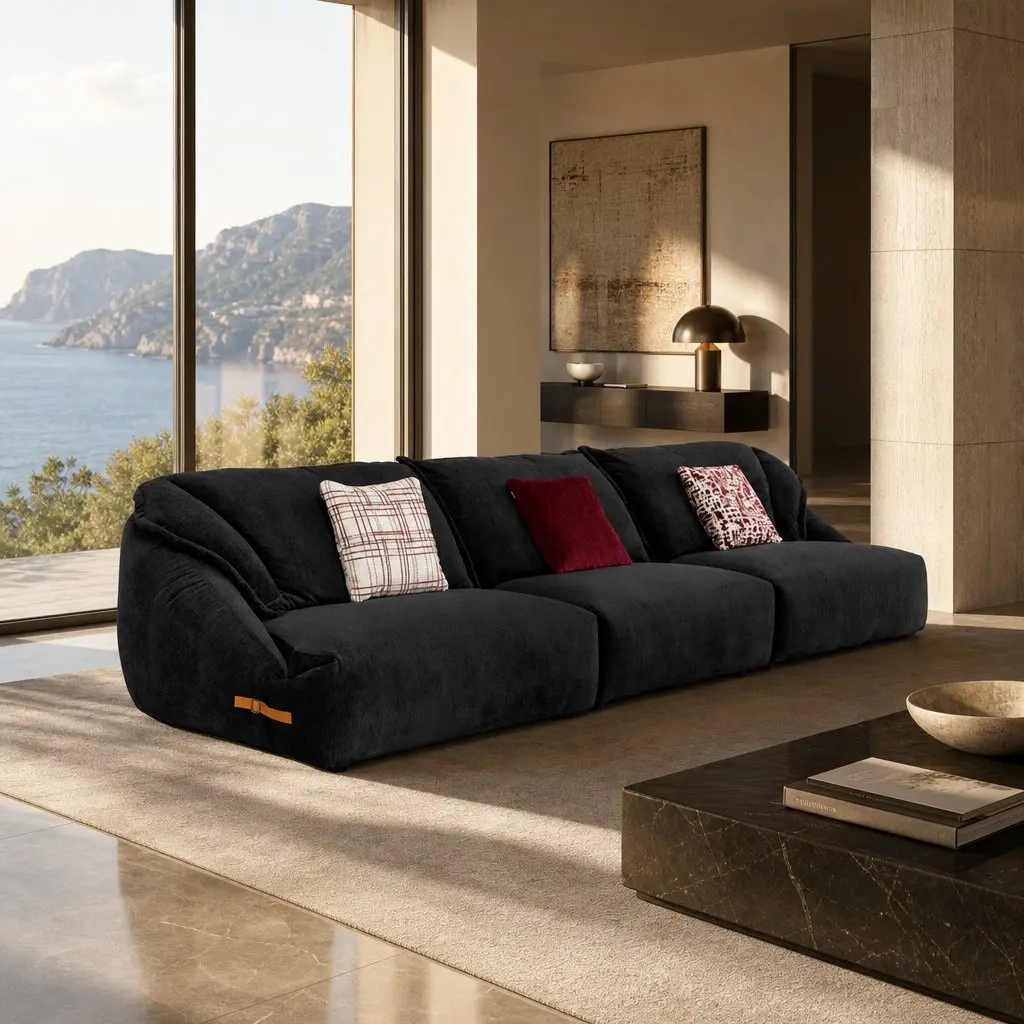
Scenario 03
Boutique Hotels & Short-Term Rentals
Chenille and performance-fabric lounge sofas with commercial rub counts, for lobbies, suite living areas and STR staging.
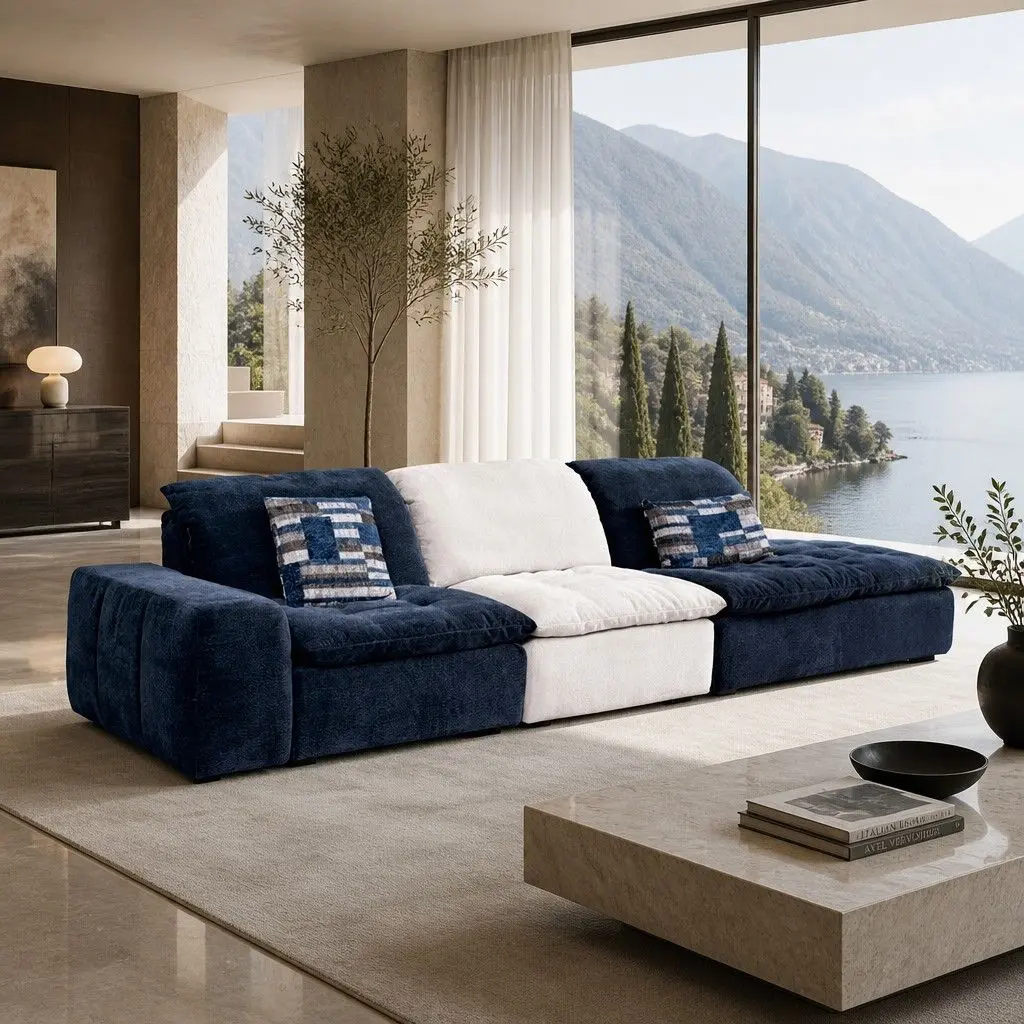
Scenario 04
Design Studio & Showroom Specifications
Private-label fabric sofas with custom dimensions, color matches and branded woven labels — frequently specified for multi-unit residential projects.
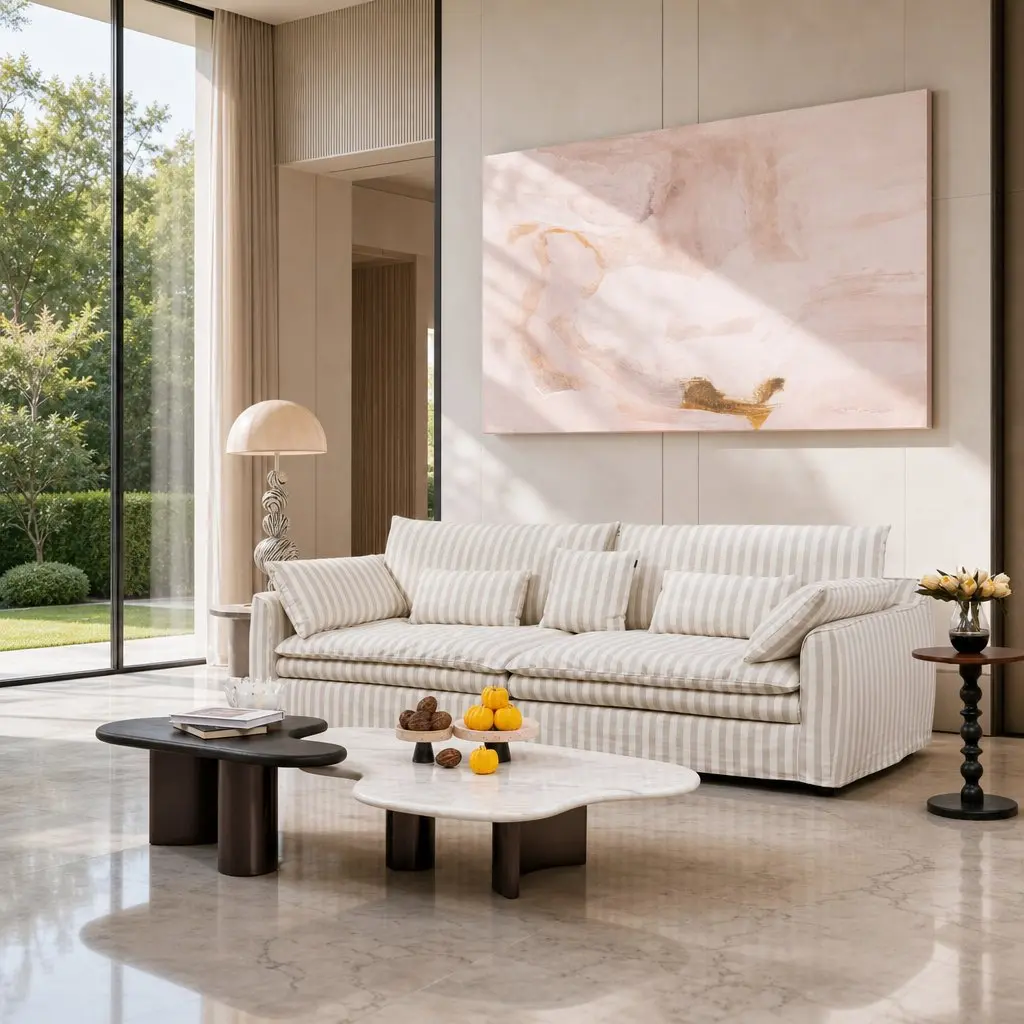
Scenario 05
Office Lounge & Coworking Spaces
Collaborative seating for Toronto's growing tech and financial-services workplace fit-outs — full-grain fabric with high-density foam and reinforced frames.
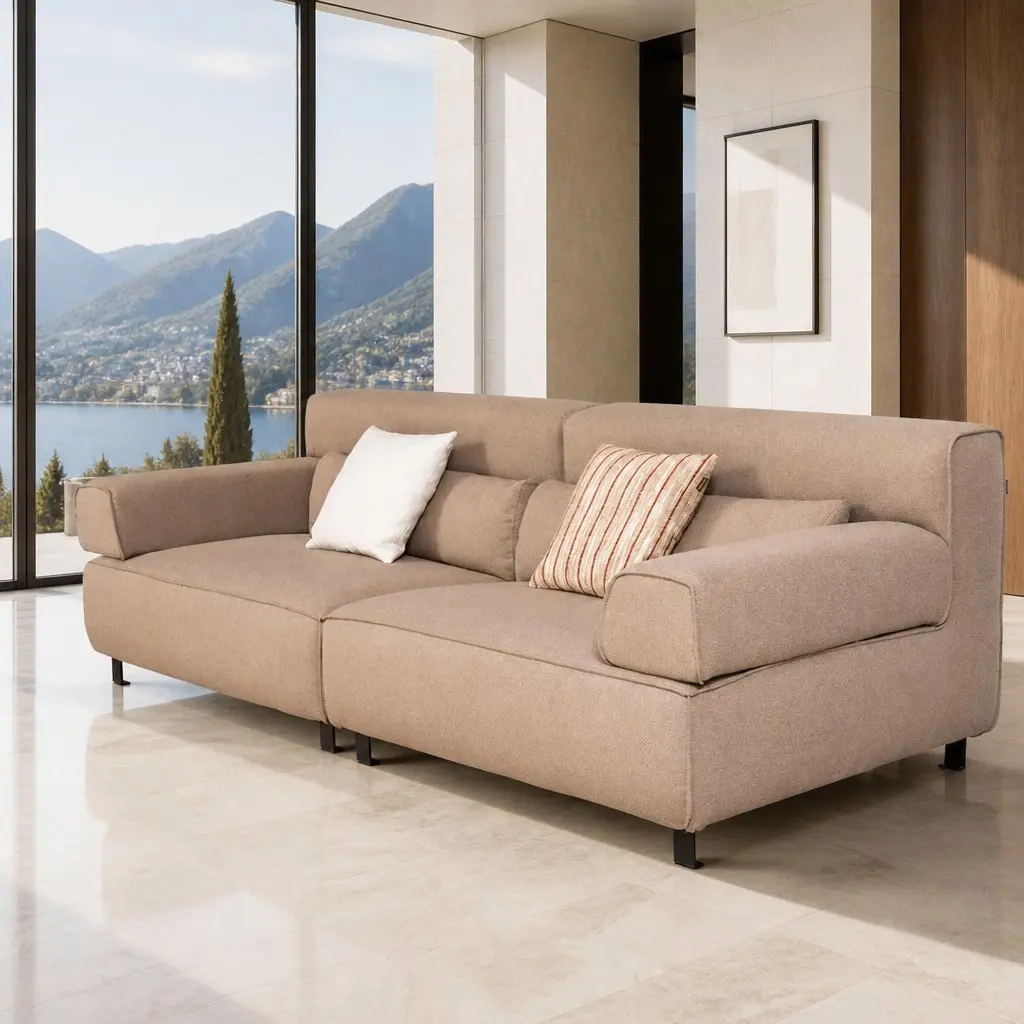
Scenario 06
Retail Staging & Seasonal Campaigns
Fabric sofa collections for showroom staging, holiday campaigns and rental staging companies needing repeatable, photograph-friendly upholstery.
Technical Roadmap
The Next Five Years of Fabric Sofa Engineering
Fabric sofa technology is moving quickly along three tracks: performance finishes, structural modularity and material transparency. Below is how Qingyumai's R&D roadmap aligns with Toronto buyer requirements from 2025 through 2030.
25
2025 · Performance Finishes
Stain-release and anti-pilling finishes standard across cotton-linen and chenille programs.
26
2026 · Modular Standardization
Cross-model module dimensions so retailers can mix L-shape, three-seat and armchair components.
27
2027 · Recycled Fiber Lines
Introducing REPREVE-style recycled yarns and bio-based latex padding options for B2B buyers.
30
2030 · Circular Design
Fully removable textile, foam and frame assemblies mapped for end-of-life disassembly and recycling.
Supply Chain Resilience
China Factory Supply Chain: Resilience and Efficiency Advantages
For Toronto buyers who have spent the last several years navigating freight volatility, the meaningful question is not "can China still supply?" but "which China supply chain is engineered to absorb shock?" Foshan's fabric sofa cluster — and Qingyumai specifically — brings structural advantages that short-run domestic or near-shore producers cannot match.
- 01Cluster DepthFoshan is home to the world's densest upholstered furniture cluster — from foam suppliers to fabric mills, hardware vendors and packaging specialists — all within a 30-minute radius. This density translates into sub-10-day turnaround on prototypes.
- 02Vertical IntegrationFrame machining, foam molding, upholstery, sewing, packaging and QC are co-located. Fewer handoffs means fewer defects and fewer hidden costs.
- 03Flexible MOQAudited partner factories allow category-mixed orders so a Toronto retailer can consolidate fabric sofas, dining sets and bedroom casegoods in one container without doubling working capital.
- 04Container OptimizationK/D design and compressed packaging driven by engineering teams — typically 30% to 45% better container utilization versus fully assembled shipping.
- 05Canada-Dedicated RoutingDirect ocean lanes via Prince Rupert and Vancouver, with rail connections into CN's Toronto intermodal terminal, reduce door-to-door transit variability.
- 06Demand-Responsive CapacityWhen a Toronto retail buyer needs an emergency replenishment during a holiday campaign, the cluster can shift production volume across partner facilities inside a single week.
| Dimension | Typical China Factory | Qingyumai Program |
|---|---|---|
| Prototype Lead Time | 20–30 days | 7–12 days |
| Fabric Option Range | 10–20 SKUs | 60+ SKUs incl. performance |
| Container Utilization | 55–65% | 78–90% via K/D design |
| Mixed-Category Consolidation | Limited | Full whole-house program |
| Compliance Documentation | On request | Standard for CA/EU/US markets |
| Post-Sale QC Response | Case-by-case | Dedicated account team |
Global Market Context
Fabric Sofas in the Global Supply Picture
Fabric sofas represent roughly 55–60% of global upholstered seating volume, with performance-fabric SKUs growing faster than leather in most developed markets. North American buyers increasingly diversify sourcing across China, Vietnam and Mexico, but fabric sofa programs remain heavily concentrated in the Foshan cluster due to the region's unmatched textile-upholstery ecosystem. For Toronto wholesale buyers, this means the most cost-effective, design-flexible fabric sofa source remains China — provided the supplier's export team truly understands Canadian compliance and logistics.
55%+Fabric share of global upholstered seating
5-7 wkTypical Foshan → Toronto door-to-door
60+Fabric SKUs per modular program
19Categories consolidable in one container
Localization & Compliance
Documentation, Standards and Toronto-Side Support
Canada Compliance Package
Material safety data, foam density declarations, wood species and origin documentation, plus fabric fire-performance test reports where required by contract specification.
Bilingual Retail Assets
Product specification sheets, care labels and packaging inserts available in English and French to support Ontario retail listings, especially in bilingual regions of the province.
Toronto-Time Account Management
Dedicated export account managers operating on Eastern Time (ET) to reduce communication lag with GTA buyers, with weekly production status updates during active orders.
Spare Parts & After-Sales Kit
Replacement covers, feet, connector pins and foam inserts shipped alongside standard orders so GTA retailers can resolve warranty issues without waiting on individual air freight.
Seasonal Load Planning
Pre-booked container space for Q3/Q4 Toronto retail programs, aligned with typical condo move-in windows in September and January.
FSC & Eco Declarations
FSC-certified larch wood frames, low-emission foams and recycled-content yarns documented for buyers pursuing sustainable-sourcing credentials.
Full Toronto Fabric Sofa Collection
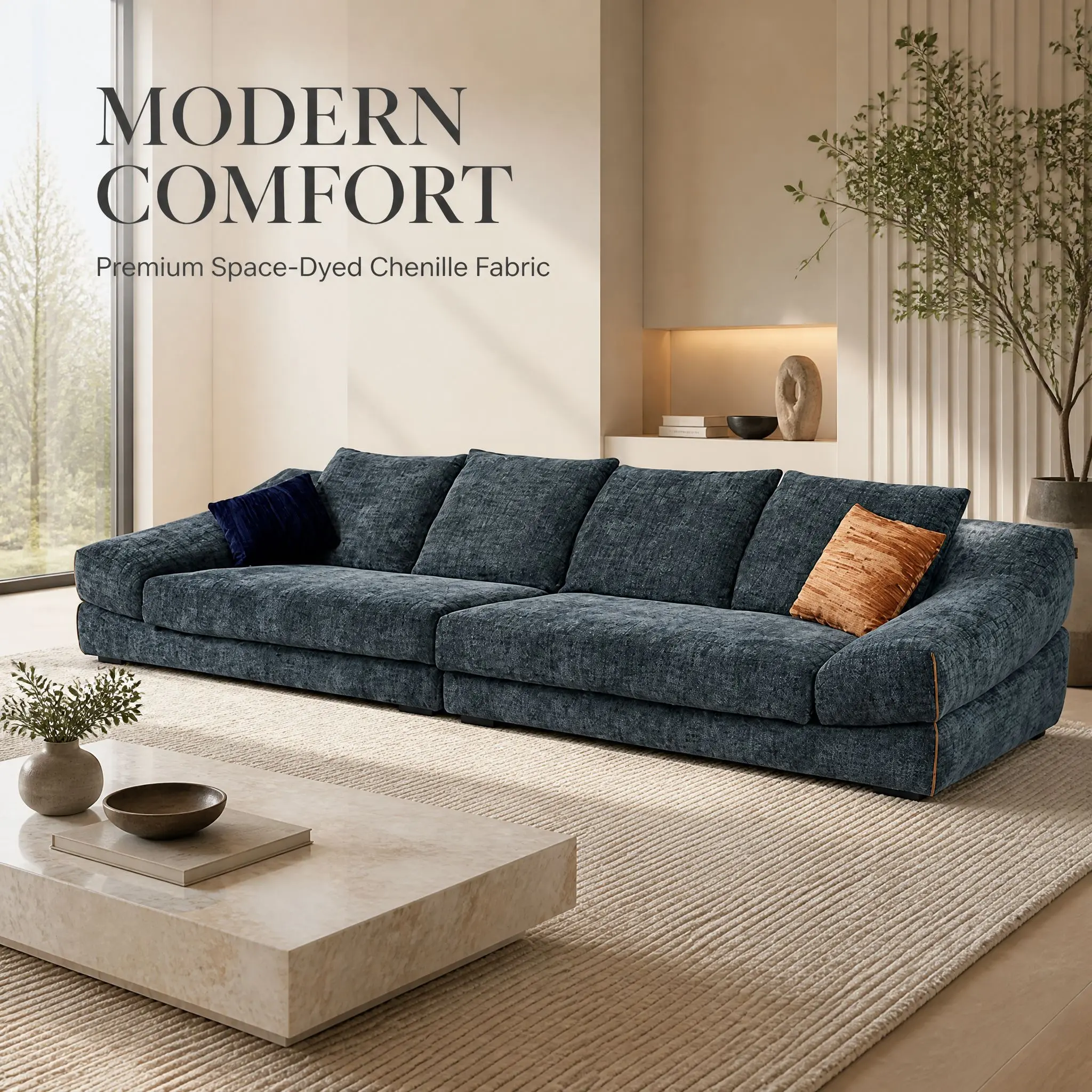
Minimalist Larch Frame
China Modern Minimalist Sectional Sofa with Larch Wood Frame Suppliers, Wholesaler
View Product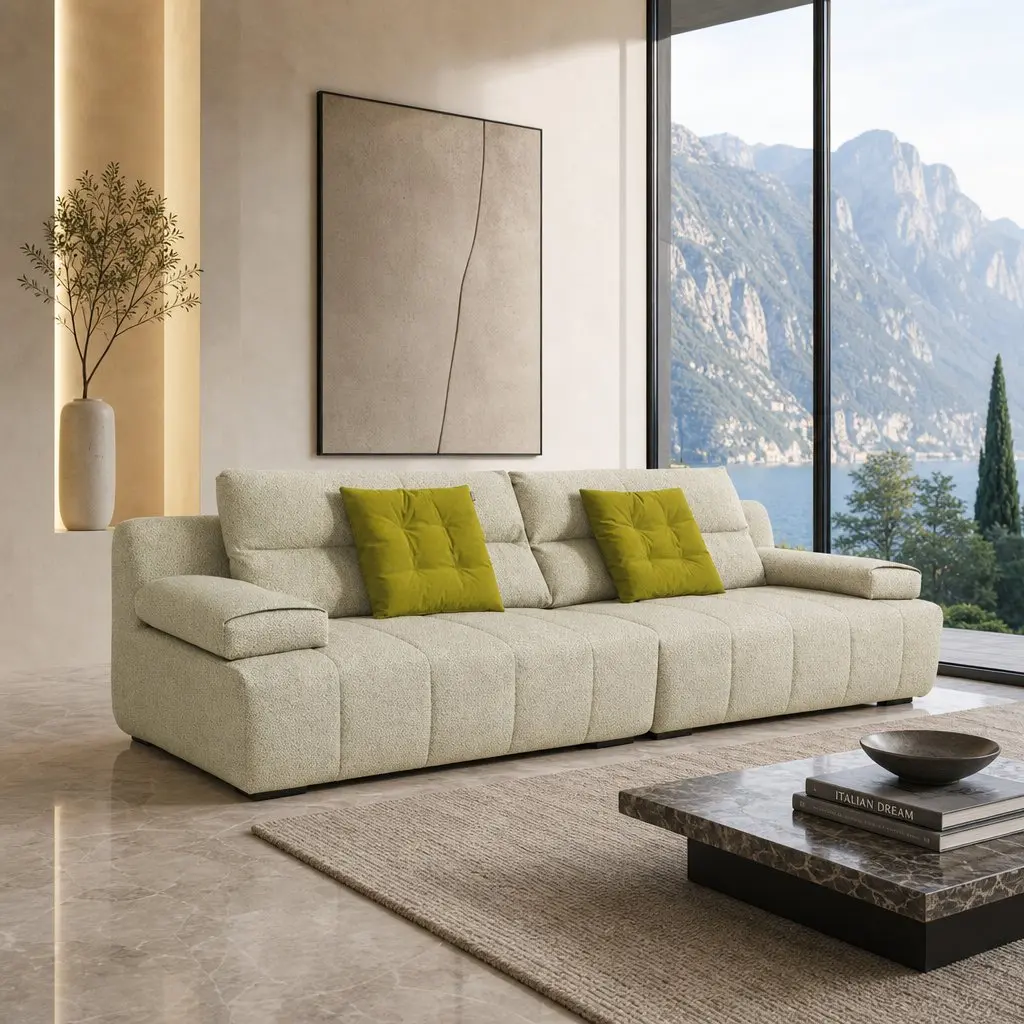
Buyer Q&A · Toronto
Frequently Asked Questions from Toronto Buyers
Straight answers to the practical questions GTA retailers, developers and design firms raise before placing a first container with a Foshan fabric sofa manufacturer.
Which fabric types work best for Toronto's climate?
Cotton-linen blends, quality chenille and performance-treated yarns outperform cheap polyester in Toronto's long, dry indoor heating season. These fabrics provide natural breathability, resist pilling and hold color better across years of use. For humid summer months, performance finishes drive faster stain and moisture release.
How long does production and shipping to Toronto take?
Standard modular fabric sofa production is 25–35 days after sample approval. Ocean freight from Foshan via Shenzhen or Yantian to Vancouver/Prince Rupert plus rail into Toronto typically adds 22–30 days. Fully door-to-door, 5–7 weeks is a realistic planning window. Peak Q4 programs should be confirmed with production slots 60+ days out.
Do you support Ontario retail compliance and labeling?
Yes — we provide care labels, material declarations and wood-origin documentation. For contract-grade projects we can source fabric with documented fire performance and coordinate with your testing lab if additional Canadian market compliance evidence is required.
Can I mix fabric sofas with other categories in a single container?
Absolutely. Qingyumai's post-sale team handles container consolidation across 19 furniture categories — fabric sofas, dining sets, bedroom casegoods, mattresses and outdoor seating can all ship in one container under one QC standard and one purchase order.
What is the minimum order for OEM private-label fabric sofas?
Private-label programs typically start at 30–50 pieces per model, depending on fabric selection, custom dimensions and label quantity. Mixed-SKU programs across two or three models are common for Toronto retail partners.
Do you offer showroom samples for Toronto buyers?
Yes. Pre-production samples can be produced and shipped for approval before mass production. For retail chains and design studios, our export team facilitates consolidated sampling so several models can be reviewed together.
How do you prevent transit damage on a long inbound route from Foshan to Toronto?
Fabric sofas ship in multi-layer export crating with corner protection, moisture barriers and foam inserts. K/D and compressed packaging also reduce movement inside the container during rail transit. Our QC engineers conduct a final pre-shipment check on each carton.
Where is the factory located, and can Toronto buyers visit?
Foshan Qingyumai Technology Co., Ltd. is located at Hui Cheng Industrial Park, Longjiang Town, Shunde District, Foshan, Guangdong, China. Toronto-based buyers are welcome to schedule factory and showroom visits, and our team can coordinate a revised export plan during the visit.
Ready to Build Your Toronto Fabric Sofa Program?
Send your specification — model, target fabric, quantity, target retail price and expected arrival window — and our export team will return a full costing, sample plan and production timeline within 3 business days.