
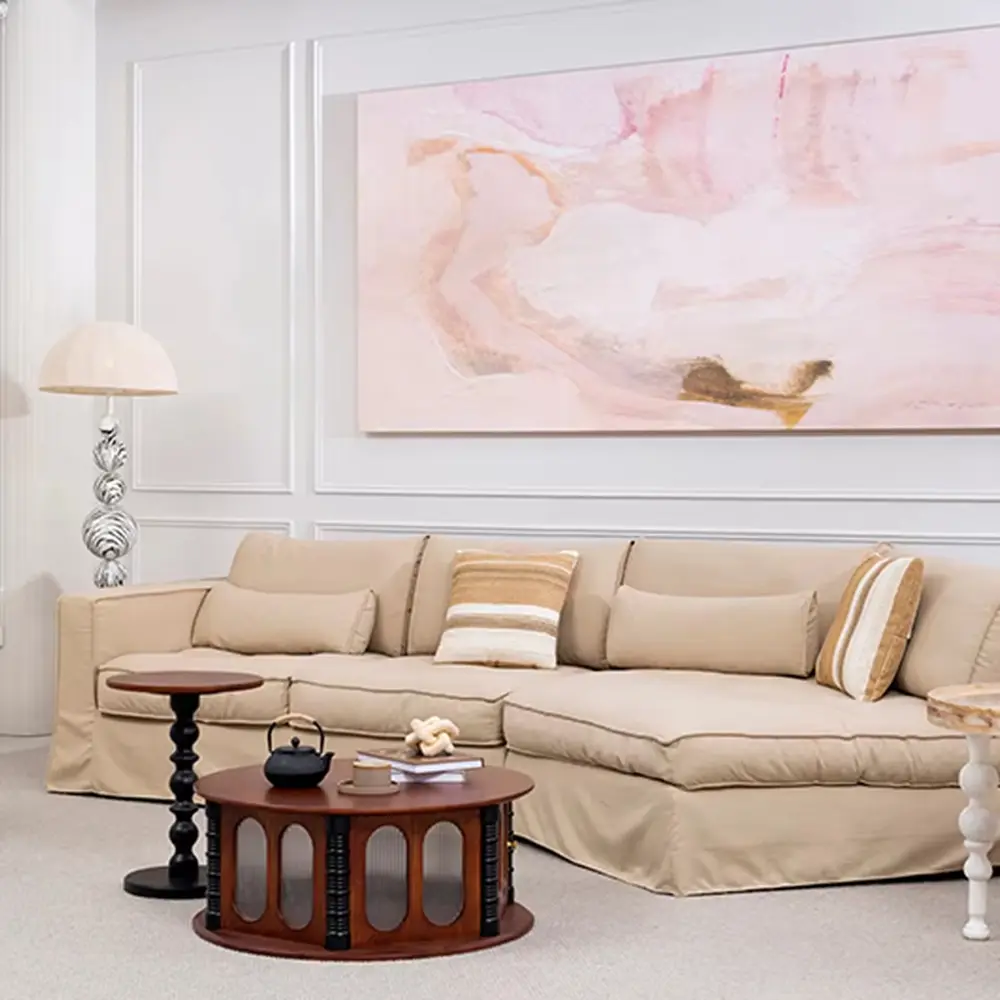
Featured Program
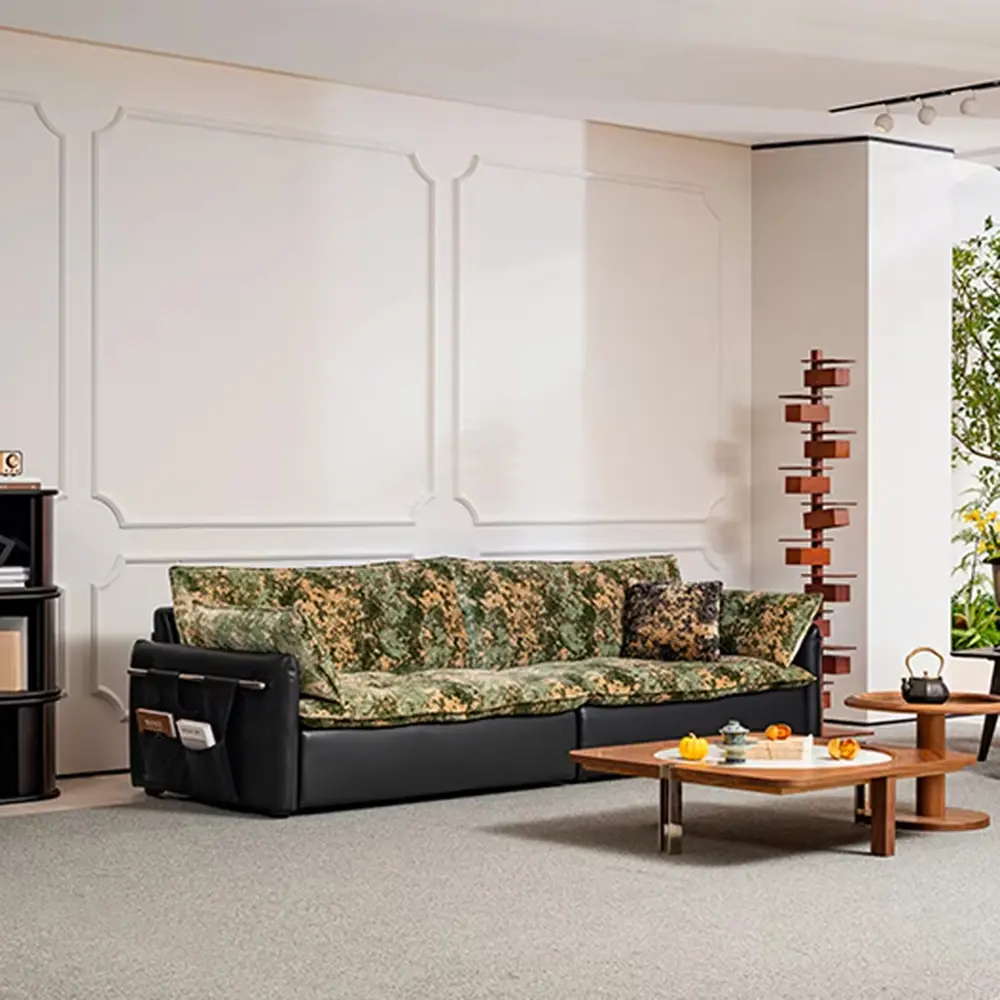
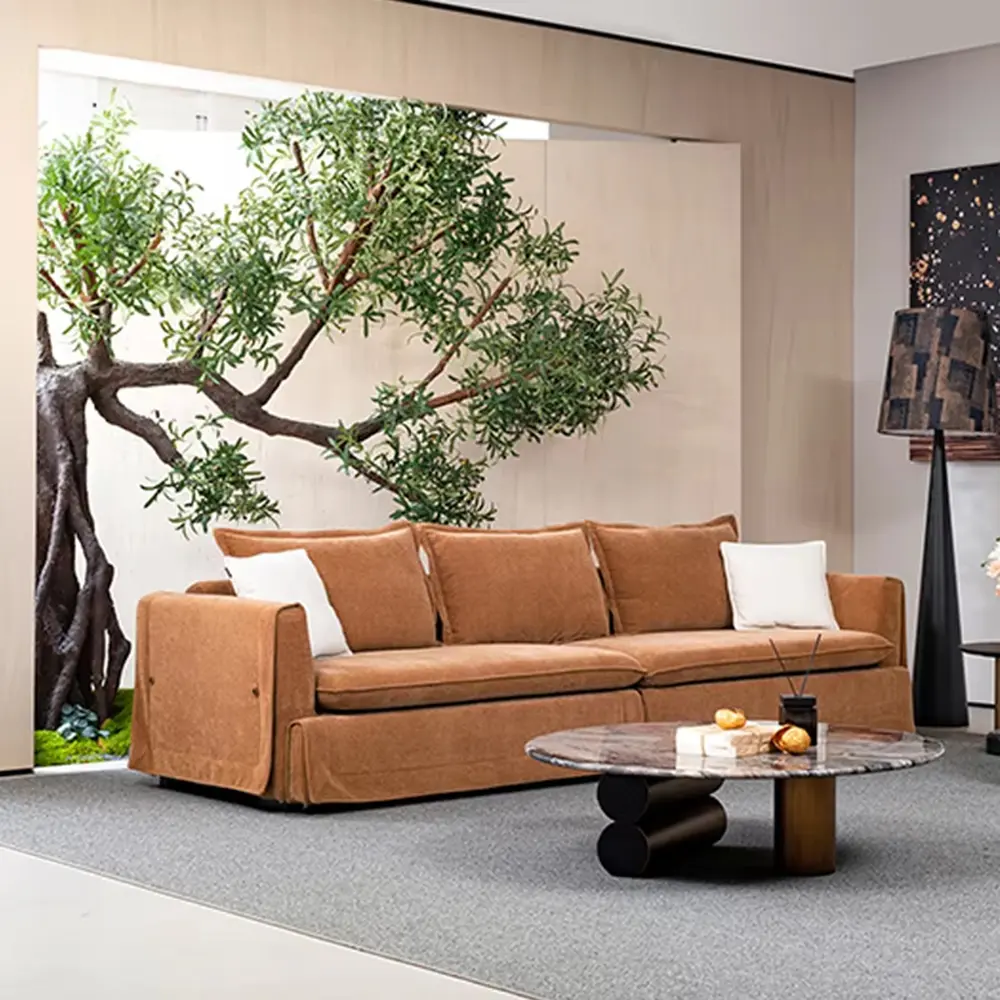
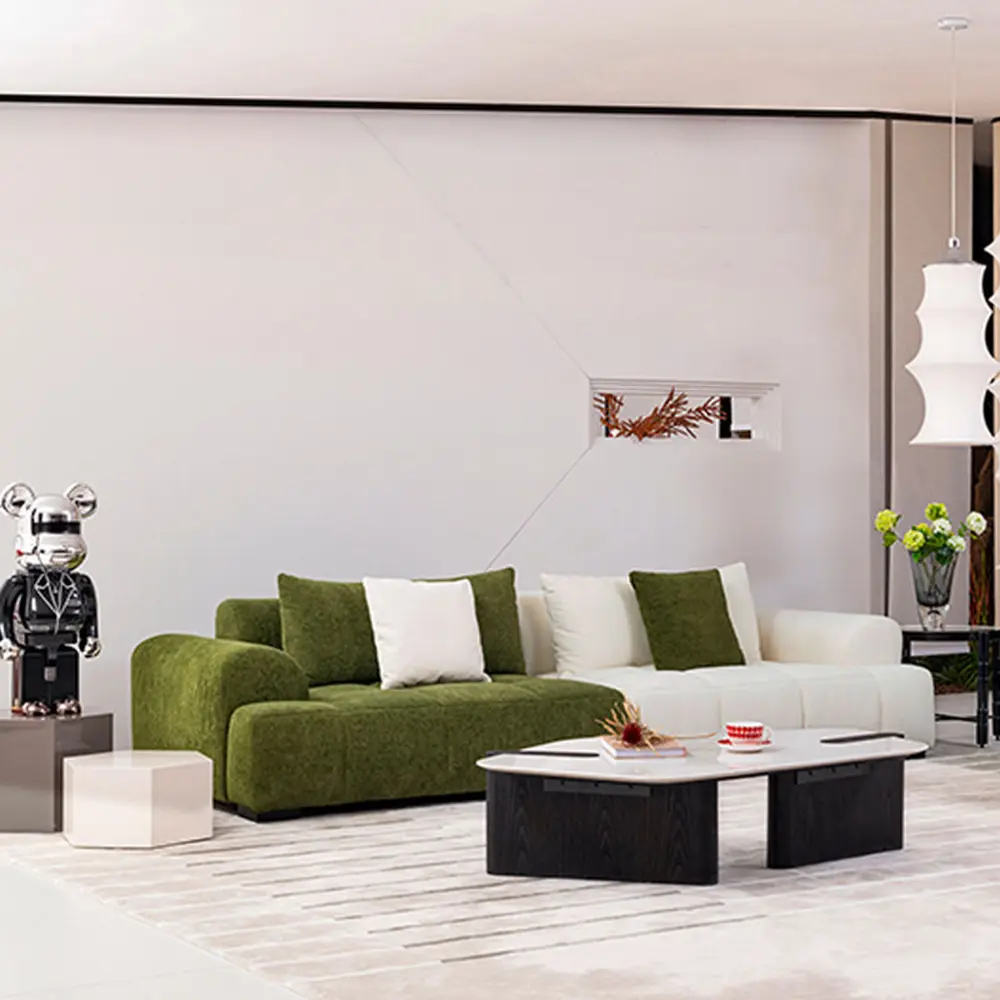
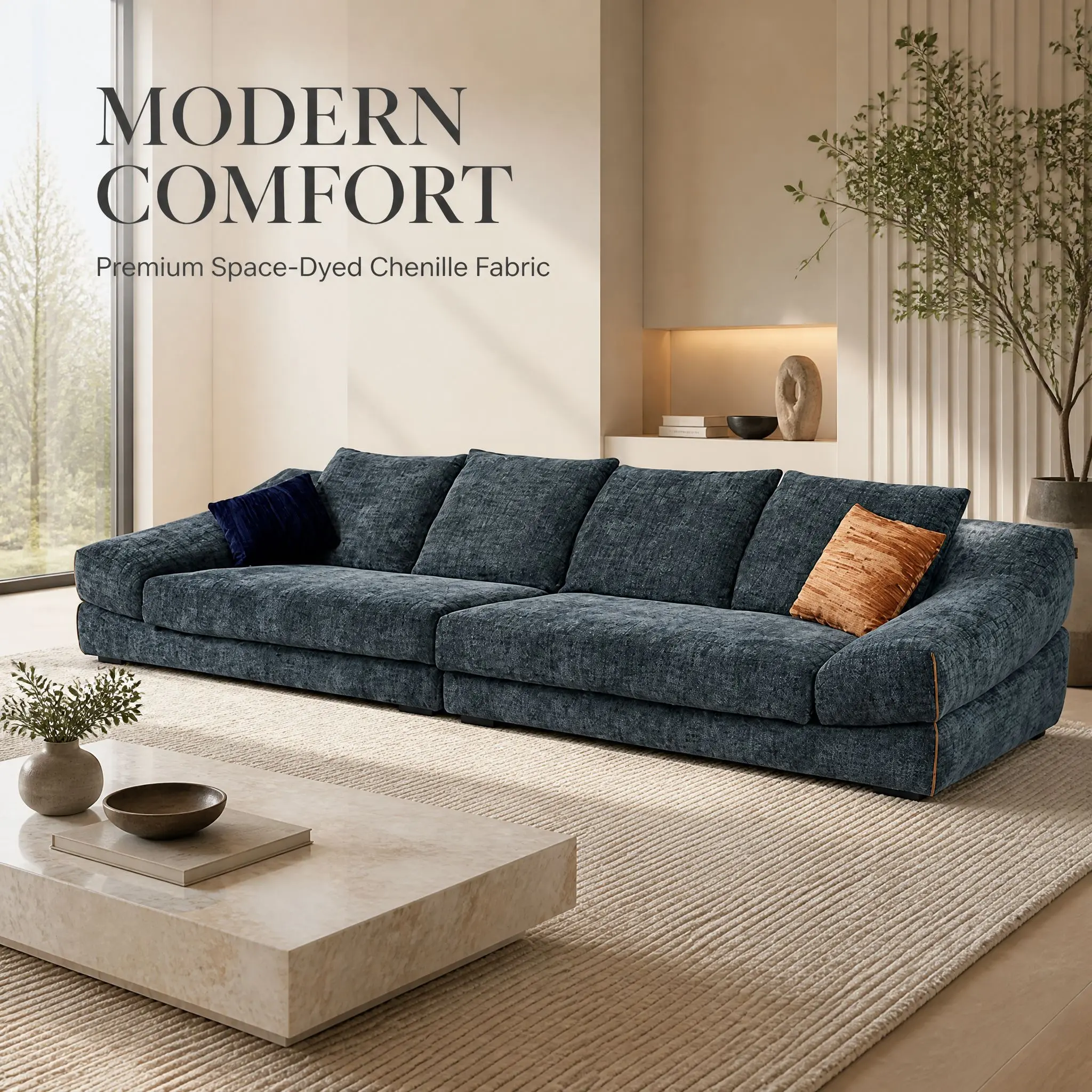
Flagship Fabric Sofas for Portugal's Residential & Contract Market
Four core platforms engineered for Lisbon apartment footprints, Algarve rentals and Porto design retail — all with EU-ready materials.
Market Intelligence
Inside Portugal's Upholstery Cluster: Commercial & Industrial Reality
The Portuguese fabric sofa market is a two-speed economy — a legacy manufacturing heartland and a fast-rising import-driven retail layer.
Portugal's upholstered furniture industry is concentrated in a geographic corridor that runs roughly from Paços de Ferreira and Paredes in the north — long recognised as the country's wood and furniture capital — down through Oliveira de Azeméis, São João da Madeira and the Aveiro district. This corridor accounts for the overwhelming majority of domestic fabric sofa output and supports an ecosystem of frame-makers, foam converters, fabric mills and finishing workshops.
The domestic industry is historically export-led, with Portuguese upholstery brands positioned in the mid-to-premium European tier and heavily oriented toward France, Spain, Germany and the Benelux. That orientation has shaped the national manufacturing standard: fabric selection is sophisticated, frame engineering is solid, and finishing is design-conscious — but lead times and cost structures reflect a high-wage, high-skill European production base.
At the same time, the Portuguese retail layer has become markedly more import-driven. Large-format furniture chains, e-commerce players and contract specifiers increasingly blend domestic production with imported modular lines from Asia to hit price points that domestic factories cannot reach. For importers and project buyers, this is the strategic gap: Portuguese design sensibility, delivered with international supply-chain economics.
- North cluster (Porto / Paços de Ferreira / Paredes): wood frames, casegoods and upholstery, strongly export-oriented.
- Centre cluster (Aveiro / Oliveira de Azeméis): foam, components and mid-tier upholstered seating.
- Lisbon & Algarve demand hubs: hospitality, short-term rental and premium residential fit-outs driving contract-grade fabric sofa demand.

2Distinct supply tiers: domestic premium & import value
4–8 wksTypical foam & fabric lead time volatility in EU chains
EUSingle-market compliance baseline for all upholstery
AlgarveContract & hospitality demand engine for fabric seating
Technology Roadmap
From Hand-Stitched to Smart-Cell: The Fabric Sofa Technology Roadmap
Four development horizons shaping how fabric sofas are engineered, manufactured and specified for the Portuguese market through 2030.
Horizon 01 · Now
Material Transparency
Digital fabric passports, traceable foam densities and standardised durability testing become baseline procurement expectations for EU buyers.
Horizon 02 · 2026–27
Modular Standardisation
Slot-based modular systems with shared connectors across a collection, enabling configuration changes and replacement parts without full re-purchase.
Horizon 03 · 2027–28
Circular Upholstery
Mono-material cushion cores, glue-free frame joints and recycled-content fabrics aligned with EU circular-economy and ESPR-driven expectations.
Horizon 04 · 2029–30
Smart-Cell Production
Digital-twin cutting, automated foam contouring and AI-driven quality vision integrated into fabric sofa assembly cells for repeatable precision.
China Factory 4.0
China Factory 4.0: Supply Chain Resilience & Efficiency Advantage
Why a digitised Foshan production base now outperforms legacy sourcing models on cost, consistency and speed — even for EU buyers.
Digitised Cutting
Automated fabric nesting and digital cutting reduce waste per sofa and lock pattern accuracy across repeated runs.
Live Line Audits
In-line QC checkpoints capture frame-joint integrity, foam density and stitching consistency before packing.
Component Verticalisation
In-house frame, foam and upholstery cells reduce dependency on single suppliers and shorten critical-path lead time.
Compressed Lead Times
Batch scheduling and consolidated container loading cut end-to-end shipping timelines versus multi-vendor sourcing.
Cost Transparency
Factory-direct costing with itemised material and process lines removes intermediary markup from the unit price.
Single Accountability
One quality owner across categories means a single point of escalation instead of fragmented vendor disputes.
Localisation & Compliance
Localisation Support & Compliance Assurance for Portugal
Compliance is not a checkbox — it is the difference between a shipment clearing customs and a shipment stalling at the port of Leixões.
EU Market Baseline
Fabric and foam specifications aligned with REACH substance limits, EU consumer-safety expectations and standard flammability testing protocols.
Wood & Packaging
Larch and solid-wood frames supported with documentation consistent with EU Timber Regulation (EUTR) traceability requests, plus ISPM-15 treated packing.
Export Documentation
Commercial invoices, packing lists, HS classification guidance and origin documentation prepared for Portuguese customs clearance.
Language & Specs
Product specification sheets, care labels and assembly instructions available in Portuguese and English for retail and contract handover.
Contract-Grade Build
Reinforced foam density, higher rub-count fabrics and structural testing for hospitality and rental use cases.
After-Sales Routing
Replacement-part planning and claim workflows designed for EU-based distributors handling end-user warranty requests.
Procurement
What Global Buyers Need from a Portugal-Facing Fabric Sofa Supplier
Buyer expectations have shifted from price-per-container to total landed cost, compliance certainty and configuration flexibility.
Procurement teams sourcing fabric sofas for the Portuguese market now evaluate suppliers against a broader matrix than unit cost. The decisive criteria cluster around four themes: compliance certainty, configuration flexibility, delivery reliability and after-sales structure.
Compliance certainty means buyers want documented material specifications they can present to retail partners and contract clients without additional testing overhead. Configuration flexibility means the supplier can adjust module count, fabric grade, colour and packaging to match Portuguese retail assortments and project specifications. Delivery reliability means predictable container schedules and consolidated loading, not fragmented shipments from multiple factories. And after-sales structure means a clear replacement-part and claims pathway for end customers.
Our model is engineered specifically around these expectations. Every order runs through a single account team that coordinates sampling, production, QC and container consolidation — so the buyer's procurement lead is not managing a network of independent vendors across categories.
- Importers & Distributors: assortment planning, private-label branding and mixed-SKU container loading.
- Hospitality & Contract: contract-grade fabrics, durability-tested builds and project phasing.
- Design Studios & Developers: configuration customisation and finish coordination across a scheme.
Macro Solutions
Macro Industry Solutions: From Single-SKU to Whole-Programme Sourcing
Three delivery models covering the full spectrum of Portugal-facing demand — retail resupply, contract fit-out and private-label development.
Retail Resupply
Fast-replenishment assortments of best-selling fabric sofa platforms with consistent fabric colour batches and retail-ready packaging for Portuguese chains and e-commerce sellers.
Contract Fit-Out
Phased production and consolidated delivery for hotels, serviced apartments and Algarve rental portfolios, with contract-grade fabrics and durability-tested builds.
Private-Label Development
End-to-end OEM/ODM: dimension adjustments, fabric sourcing, woven-label branding and packaging design to create a Portuguese-market-ready sofa collection under the buyer's own label.
Full Catalogue Range
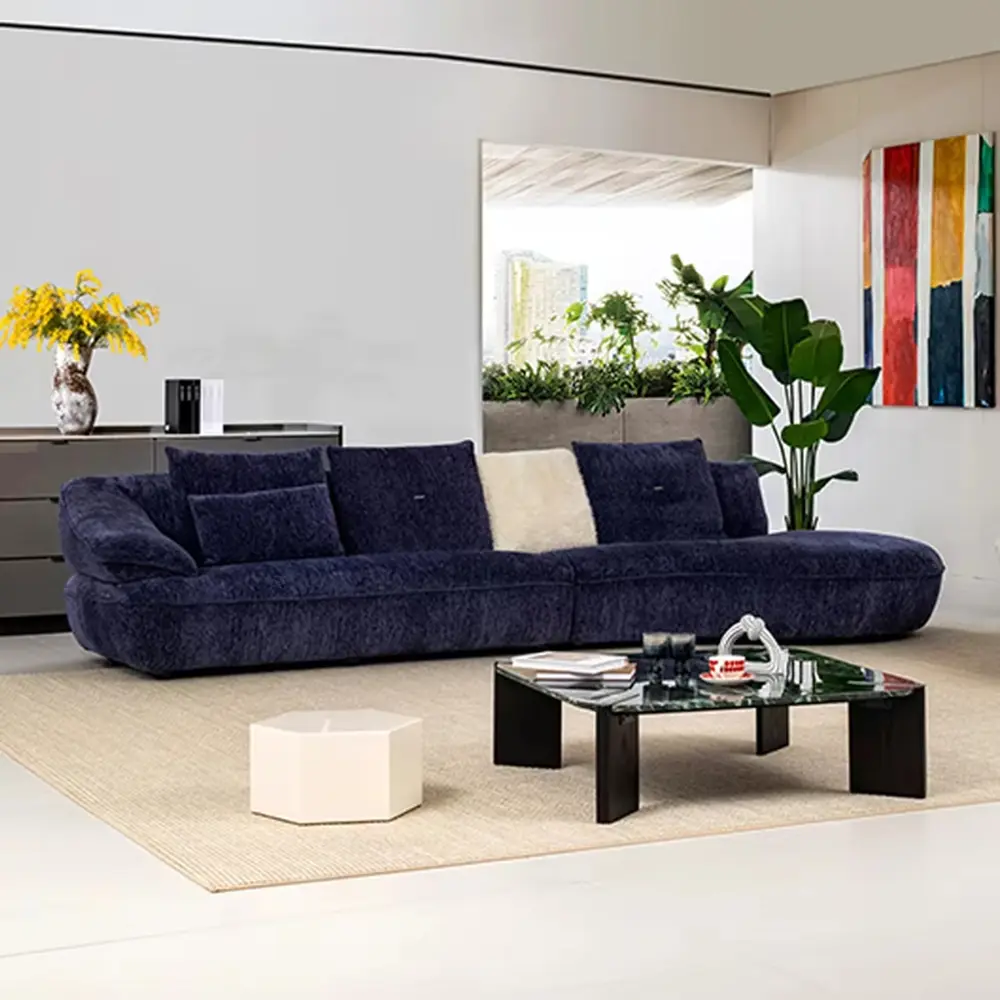
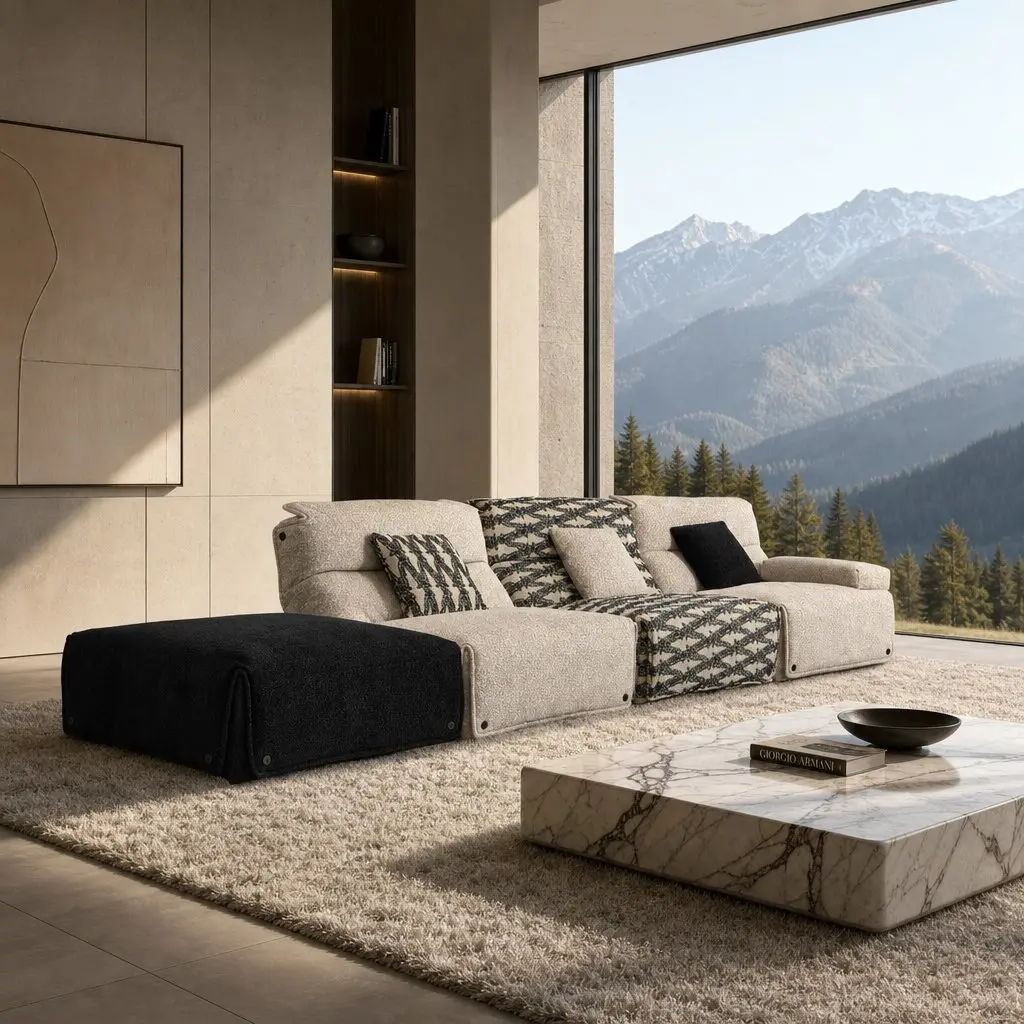
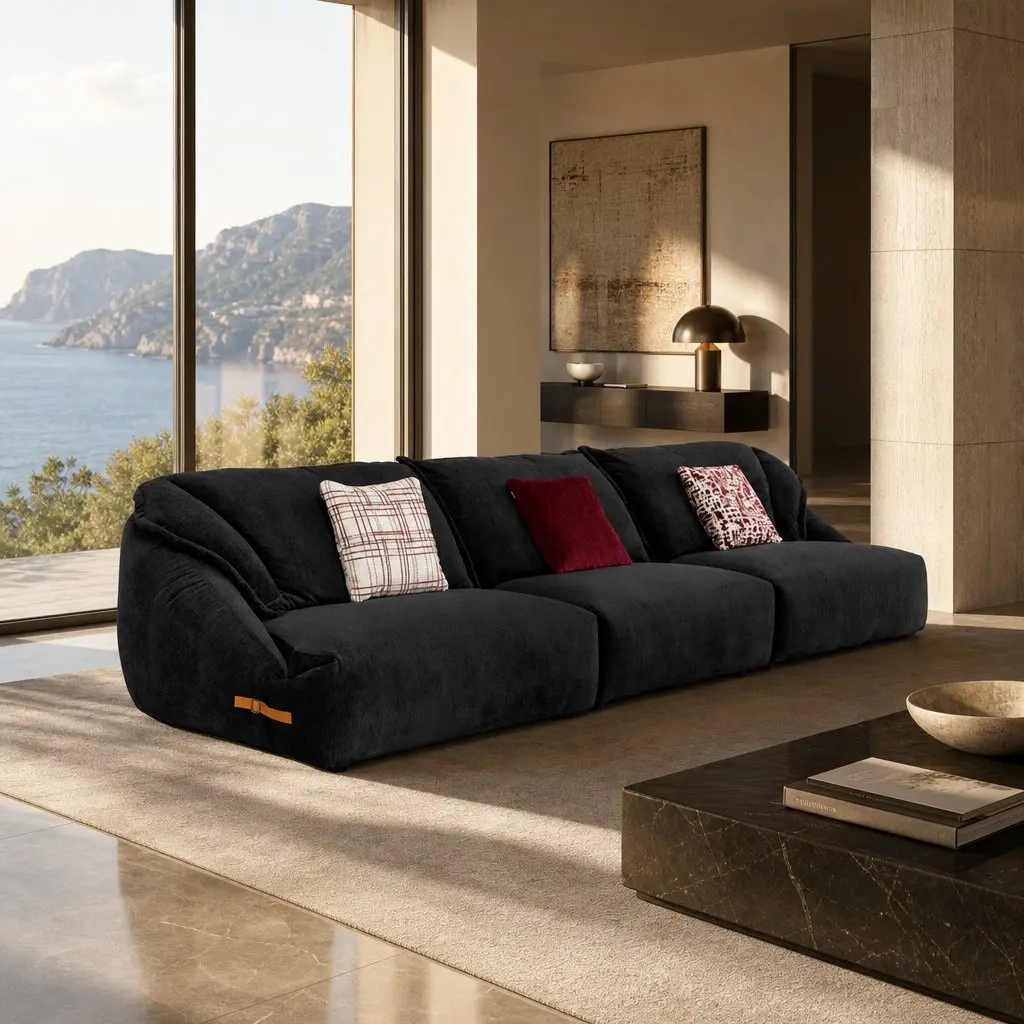
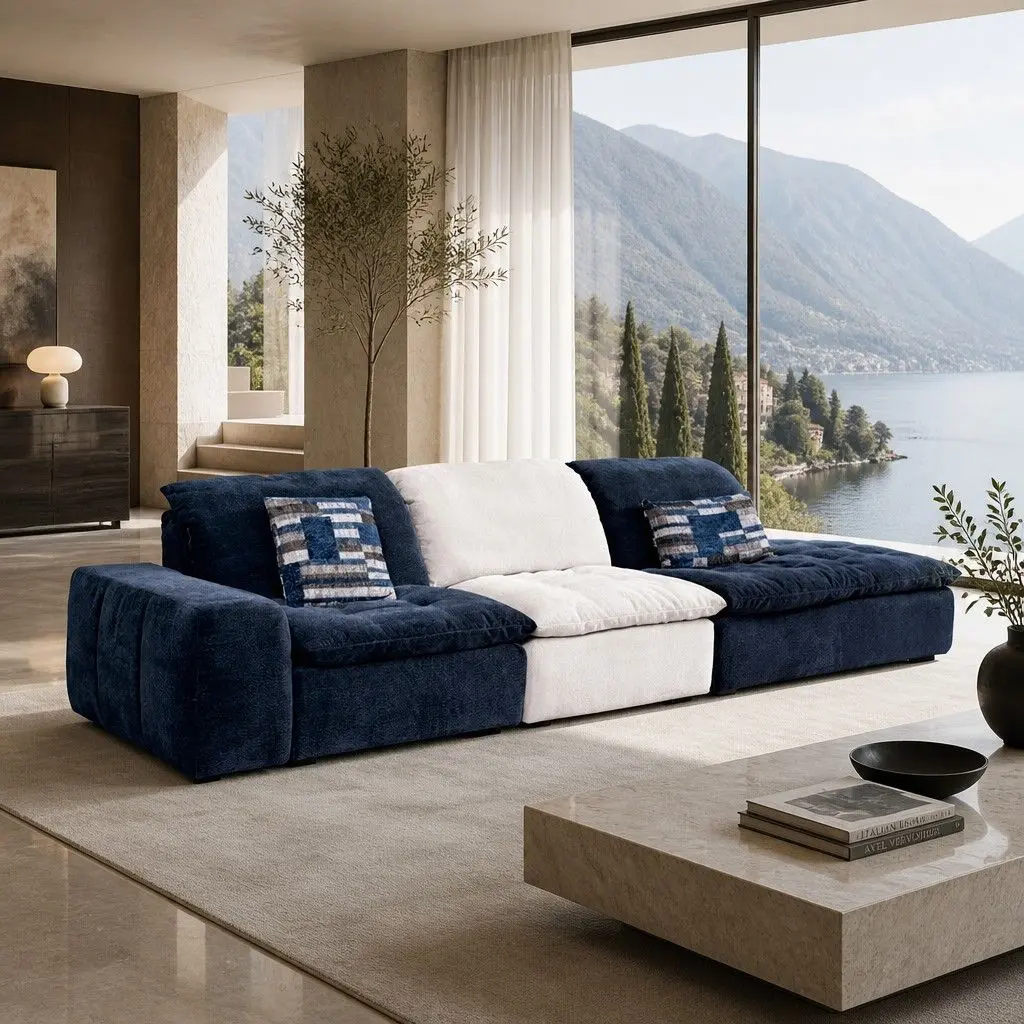
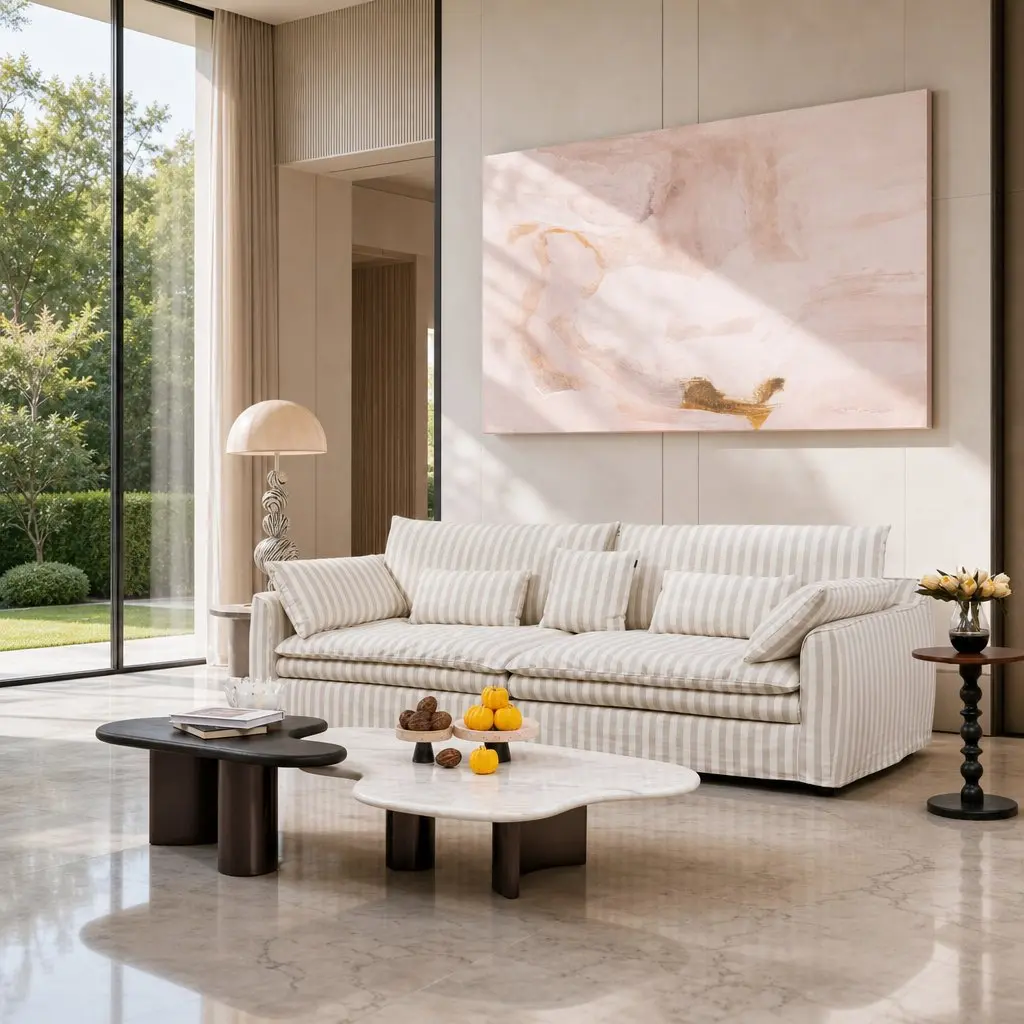
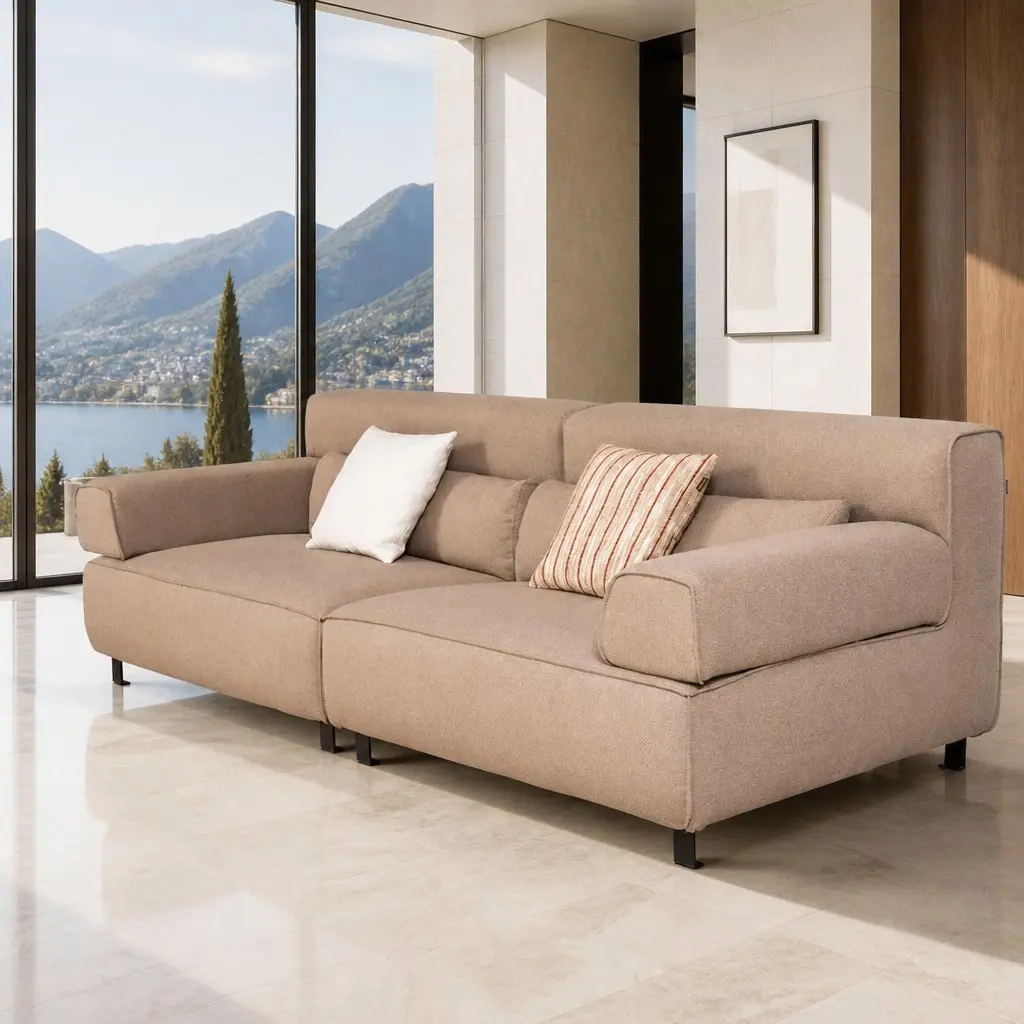
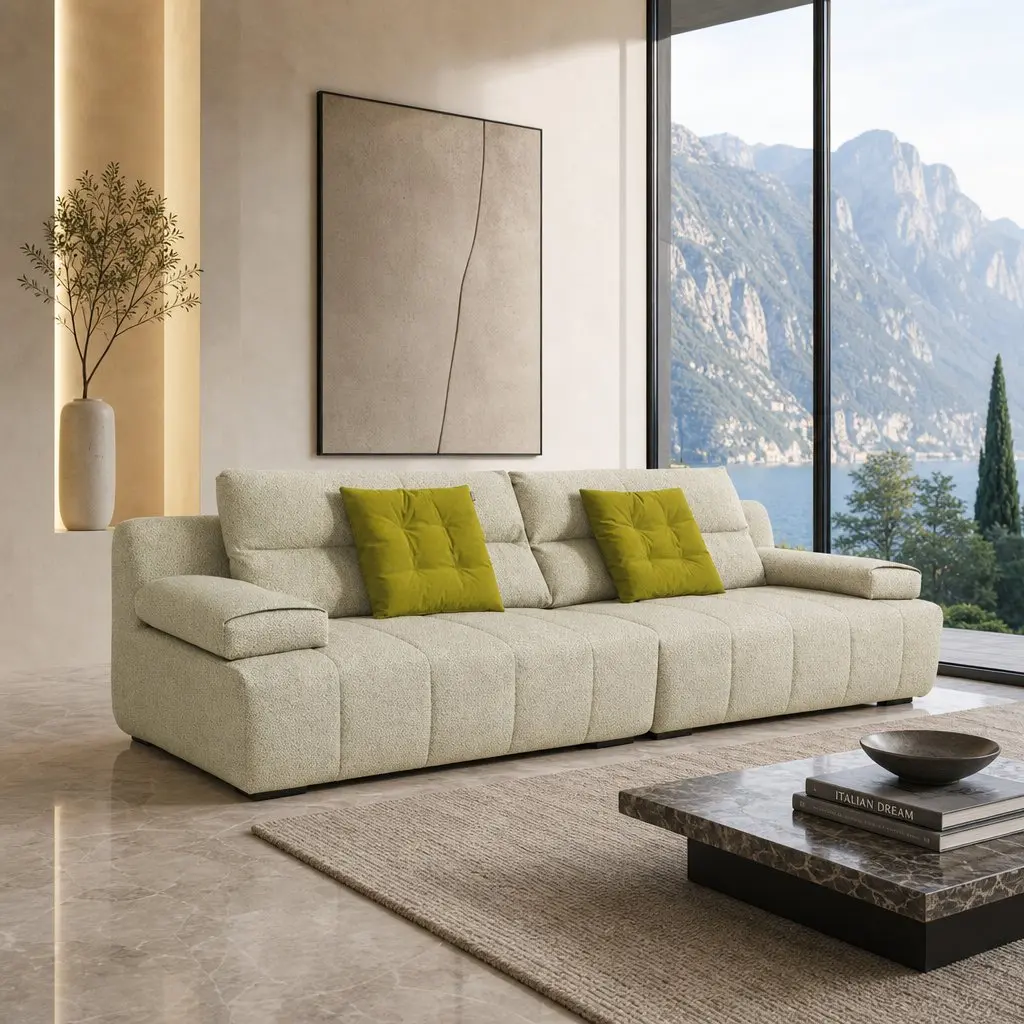
Eight Additional Fabric Sofa Platforms for Portugal Sourcing
Modular, minimalist and premium-latex platforms designed to fill assortment gaps across retail and contract tiers.
Buyer Q&A
Frequently Asked Questions — Fabric Sofas & Portugal Sourcing
Direct answers for importers, contract buyers and design teams evaluating fabric sofa suppliers for the Portuguese market.
Are your fabric sofas compliant with EU requirements for the Portuguese market?
Materials are specified with EU market expectations in mind: REACH-aligned substance limits for fabrics and foams, standard flammability testing protocols, and wood-frame documentation consistent with EU Timber Regulation (EUTR) traceability requests. Specific testing certificates can be arranged per order.
What is the typical lead time for a fabric sofa order to Portugal?
Production lead time depends on configuration and fabric selection, typically ranging from several weeks for standard models to longer for fully customised private-label programmes. Ocean freight to Portuguese ports adds transit time on top; consolidation planning helps reduce per-unit logistics cost.
Can I mix fabric sofas with other furniture categories in one container?
Yes. Container consolidation across categories is handled by our post-sale team, planning loading space to reduce ocean freight cost per unit while using multi-layer export crating to protect upholstery during transit.
Do you support private-label branding for Portuguese retailers?
Yes. We provide OEM and ODM support including custom woven labels, embossed logos and branded packaging, alongside dimension and fabric adjustments so the collection fits your brand positioning and market price points.
How do you ensure fabric colour consistency across repeat orders?
Fabric batches are tracked against approved swatches, and production runs are scheduled to keep dye-lot consistency within a single order. For repeat programmes, we retain reference samples to match future production against the original approval.
How is quality controlled during fabric sofa mass production?
In-line QC checkpoints verify frame-joint integrity, foam density and stitching consistency before packing. Pre-sale consultants recommend material configurations aligned with the destination market's regulatory standards, and structural durability is checked on the production floor.
Which fabric options are best for Algarve rental or hospitality use?
For high-turnover rental and hospitality environments, higher rub-count contract fabrics, removable and washable covers, and reinforced foam densities are typically recommended. Our team can propose a contract-grade configuration based on expected usage intensity.
Where is the factory located, and can buyers visit?
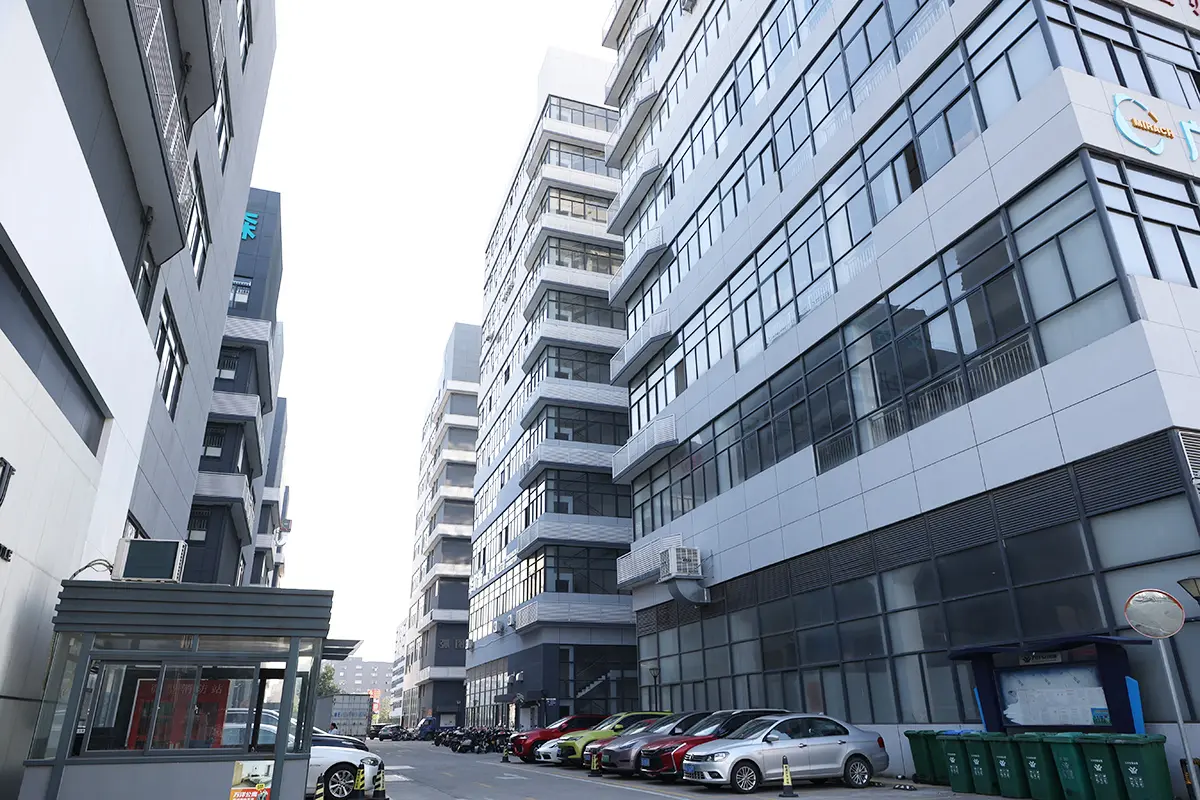
The facility is located in Longjiang, Shunde District, Foshan, Guangdong, China — one of the world's best-known furniture manufacturing hubs. Buyers are welcome to arrange factory and showroom visits to review fabric options, frame construction and production processes in person.