
Modular L-Shape
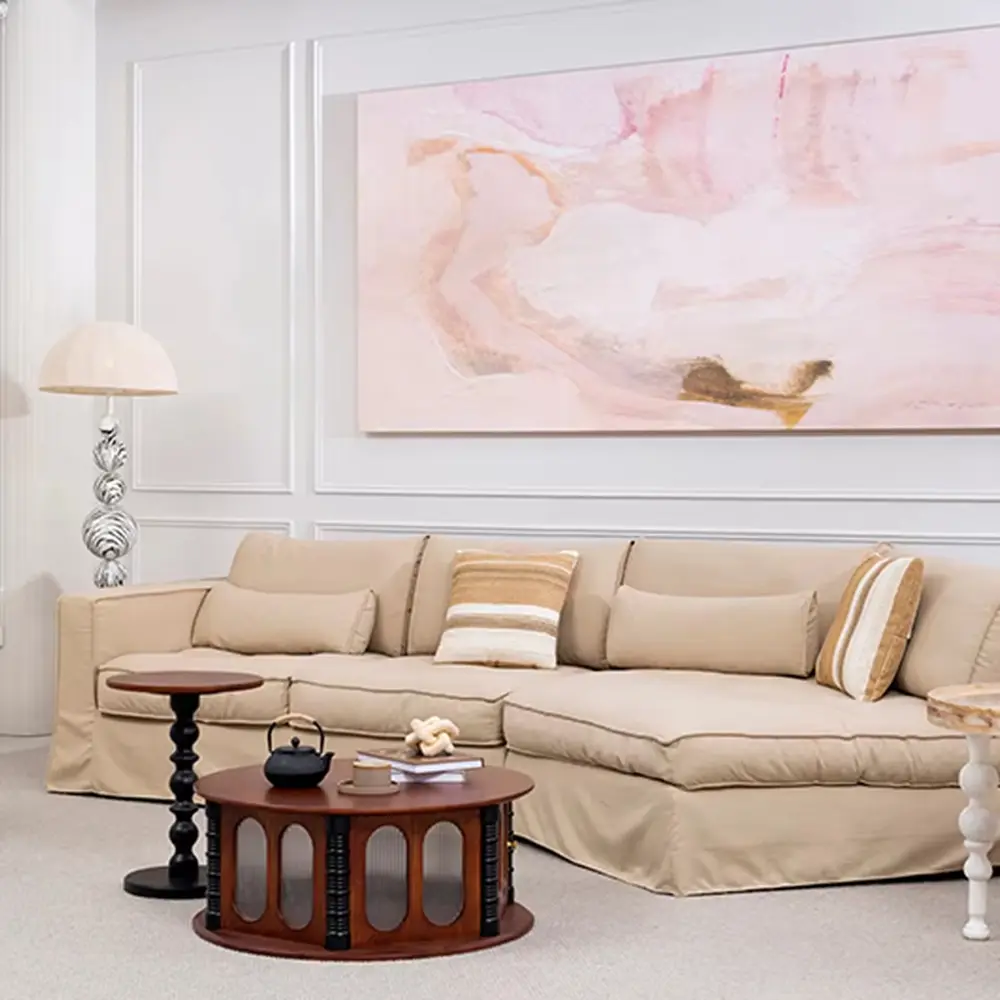
A sourcing, specification and logistics playbook for Bay Area importers, interior designers, hotel procurement teams and property developers — engineered around San Francisco's fog-belt climate, seismic codes, historic walk-ups and modern modular living.
Engineered for compact Victorians, SOMA lofts and Noe Valley family homes — modular geometry, removable covers and coastal-grade fabrics that survive fog, salt air and daily traffic.
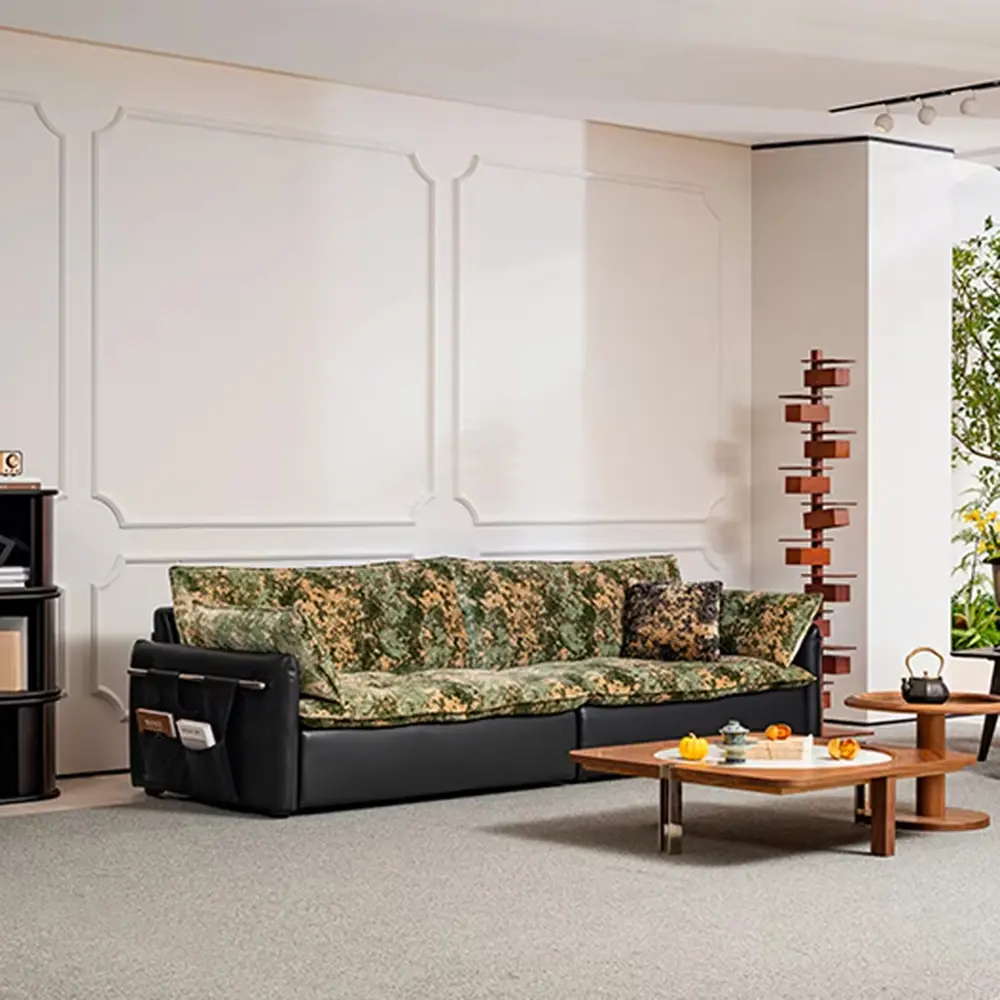
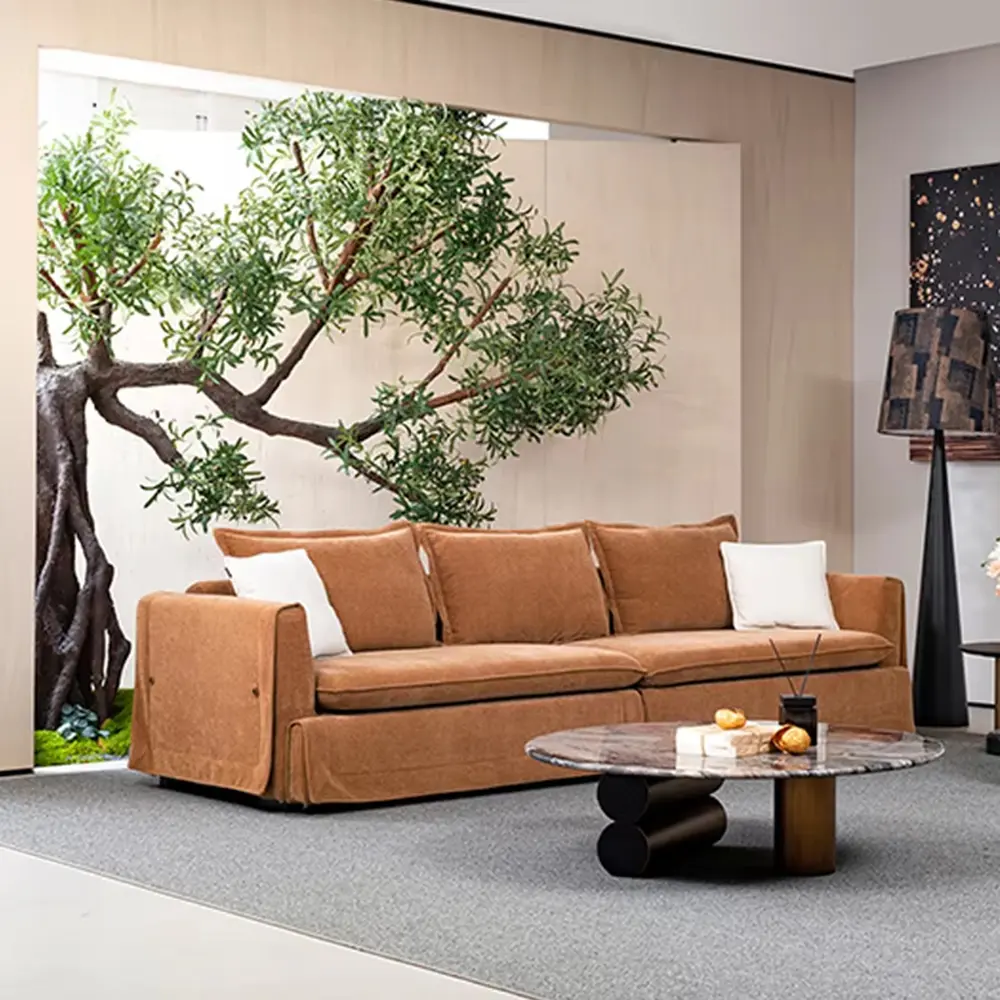
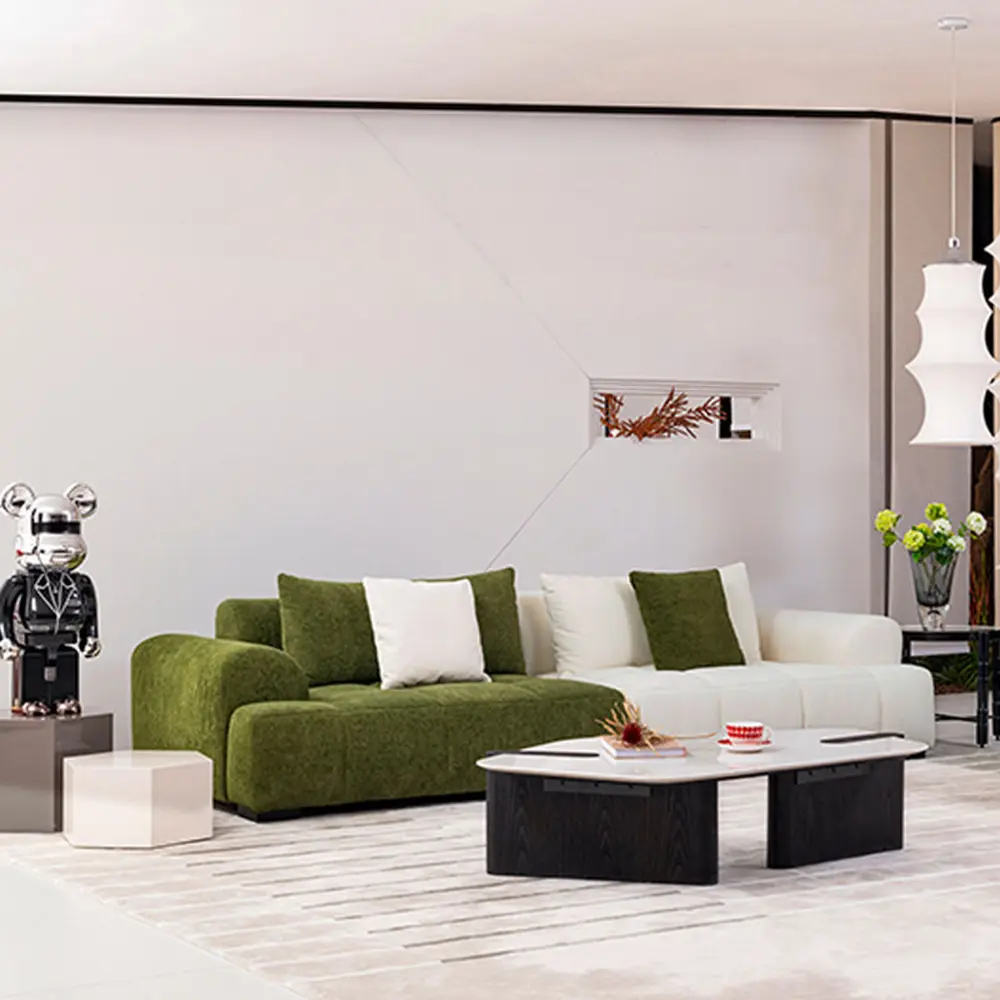
The Bay Area's housing stock, seismic overlays and hybrid-work interiors create a very specific — and very profitable — specification window for upholstered seating.
San Francisco is not a single furniture market — it is a mosaic of micro-markets compressed into 49 square miles. A design client in a Pacific Heights Edwardian needs a sofa that clears a 30-inch stairwell and survives a shared-wall neighbor. A buyer fitting a Dogpatch loft wants a modular system that can be reconfigured when the lease renews. A hotel procurement manager in Union Square needs contract-grade fabrics that pass CAL TB 117 and clear a quarterly deep-clean cycle.
Layered on top is climate. San Francisco's summer fog belt keeps ambient humidity materially higher than the inland Bay Area, and salt-laden air from the Pacific accelerates fabric degradation in the Outer Richmond, Sunset and Presidio-corridor homes. Upholstery systems that perform in Sacramento often under-perform here — which is why Bay Area specifiers increasingly favor cotton-linen blends, Snownylon waterproof weaves, high-twist chenille and closed-loop removable covers.
Victorian and Edwardian building envelopes demand knock-down friendly modular sofas that assemble on-site.
Higher ambient humidity and coastal salt push specifiers toward breathable, mold-resistant natural fibers.
CAL TB 117 flame-retardancy and solid-wood frames are baseline requirements, not upgrades.
Understanding the supply side is a competitive advantage for SF buyers — it explains pricing, lead time volatility and quality variance across the market.
Foshan and Shunde remain the world's densest upholstered furniture cluster — 60%+ of global B2B sofa sourcing flows through Guangdong's Pearl River Delta.
Vietnam and Mexico are growing as near-shore alternatives, but fabric-grade consistency and modular tooling depth still lag Foshan by 3–5 years.
Hybrid work reshaped living room priorities: seat depth, breathability and modularity now beat "statement" silhouettes in the mid-market.
After 2021–2023 freight volatility, B2B buyers now plan 3–4 sku container mixes to stabilize per-unit ocean freight for port of Oakland.
Stain-release, moisture-wicking and recycled-content fabrics are moving from premium to standard by 2027 — driven by SF and LA design pressure.
Hospitality buyers are now sourcing from retail catalogs (and vice versa) — fabric durability and TB 117 compliance become the deciding filter.
Every one of these sourcing paths has a different technical and compliance profile — and a different ROI calculation for the buyer.
Knock-down modular geometry, split-back framing and 32-inch-maximum module depth for narrow stairwells and shared entries.
Wide, low-slung sectionals with float positioning, oversized ottomans and industrial-neutral fabric families.
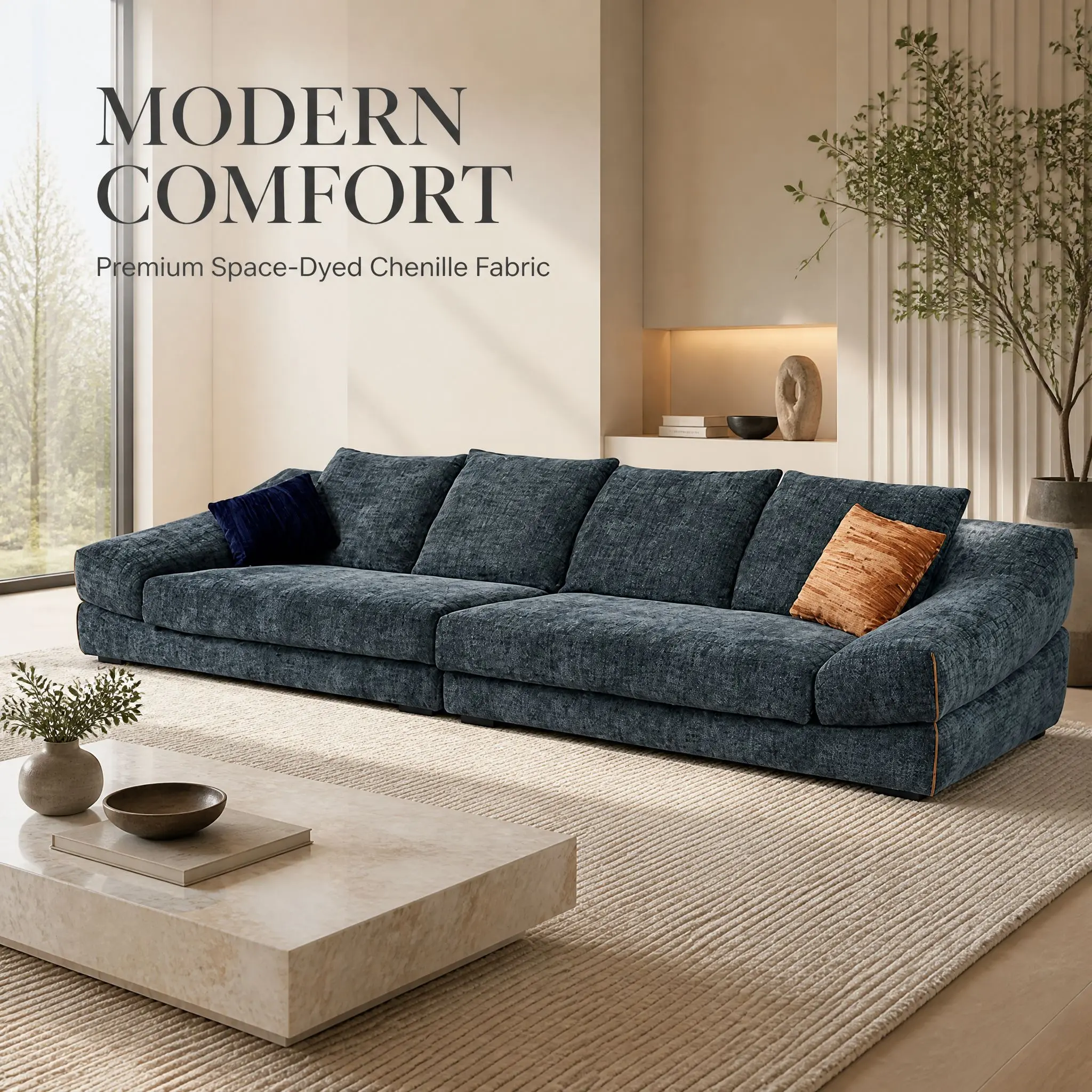
Contract-grade Snownylon and high-twist chenille that passes TB 117, tolerates quarterly deep cleaning and holds color.
Repeatable modular SKUs across 30–300 units, with branded covers and a warranty specification per phase.
COM/COL fabric acceptance, custom module sizing and 3D pre-visualization for client sign-off.
High-density latex seat cores, washable covers and pet-resistant weaves for the 5–12-year ownership horizon.
A forward view for buyers who need to plan 3–5-year sourcing strategy, not just next quarter's purchase order.
Recycled-content Snownylon, bio-based latex cores and stain-release finishes become standard at the mid-price tier.
Each SKU ships with a 3D asset for SF interior designers to drop into Revit or SketchUp before PO.
Foshan engineering + Mexico/Texas final assembly for faster Bay Area restock on reorders.
Cover-replacement kits and re-upholstery programs extend sofa life to 15+ years for SF multifamily portfolios.
A single reference table for matching San Francisco buyer types to the right QYM fabric sofa specification.
| Buyer Type | Recommended Fabric | Frame / Core | Logistics Model |
|---|---|---|---|
| Boutique Hotel (Union Sq) | Snownylon waterproof, high-twist chenille | Larch solid wood + high-density sponge | 40HQ multi-SKU mix · DDP Oakland |
| Victorian Owner-Occupier | Breathable cotton-linen, fleece blend | Modular knock-down, latex seat | LCL or shared container, white-glove |
| SOMA Loft Developer | Eco-leather + fleece hybrid | Wide modular, low-slung | Project container, phased delivery |
| Interior Designer | COM / COL accepted | Custom module sizing | Consolidated with lighting & casegoods |
| Multifamily Amenity | Washable chenille, waterproof weave | Repeatable modular platform | Annual blanket PO with 2 releases |
| East Bay Family Home | Pet-resistant weave, washable cotton-linen | High-density latex + larch wood | Direct DDP, retail-ready packaging |
Send us your project brief — module counts, fabric direction, port of Oakland target — and our export team returns a spec sheet, FOB/DDP pricing and a container-loading plan within 48 hours.
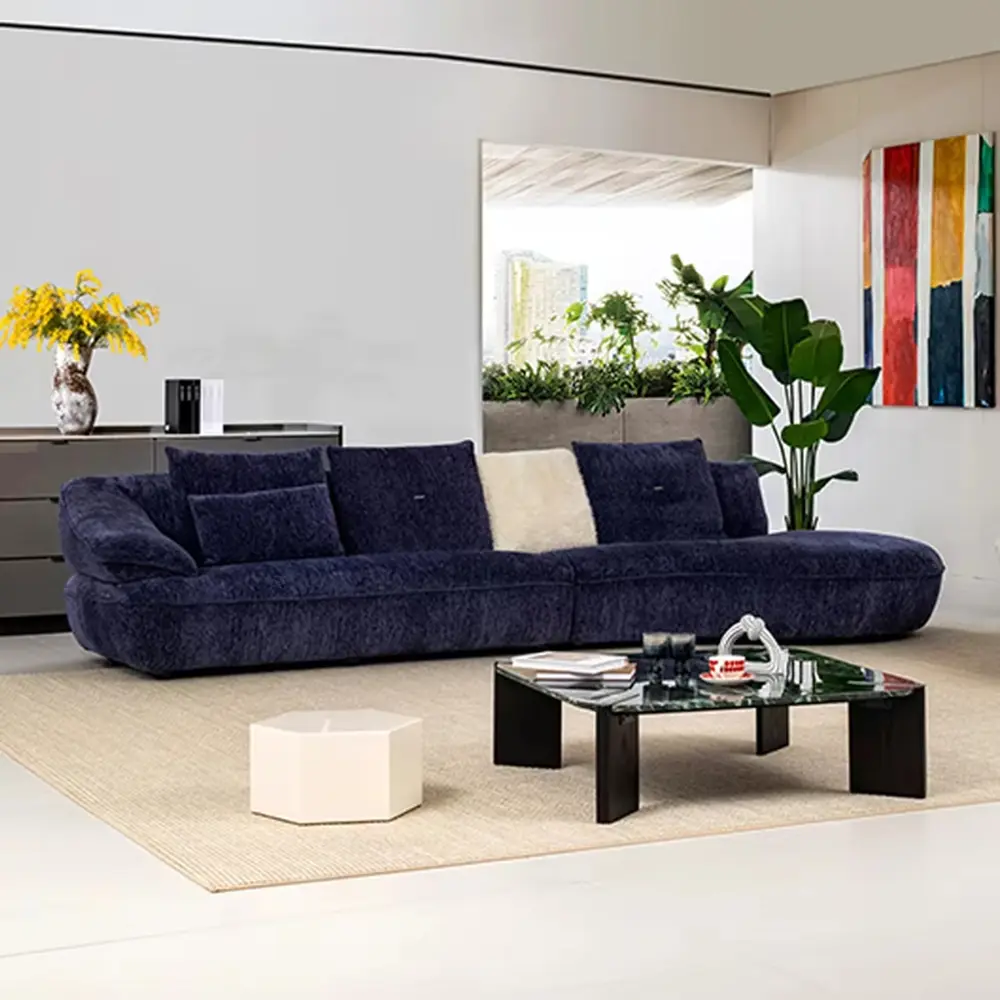
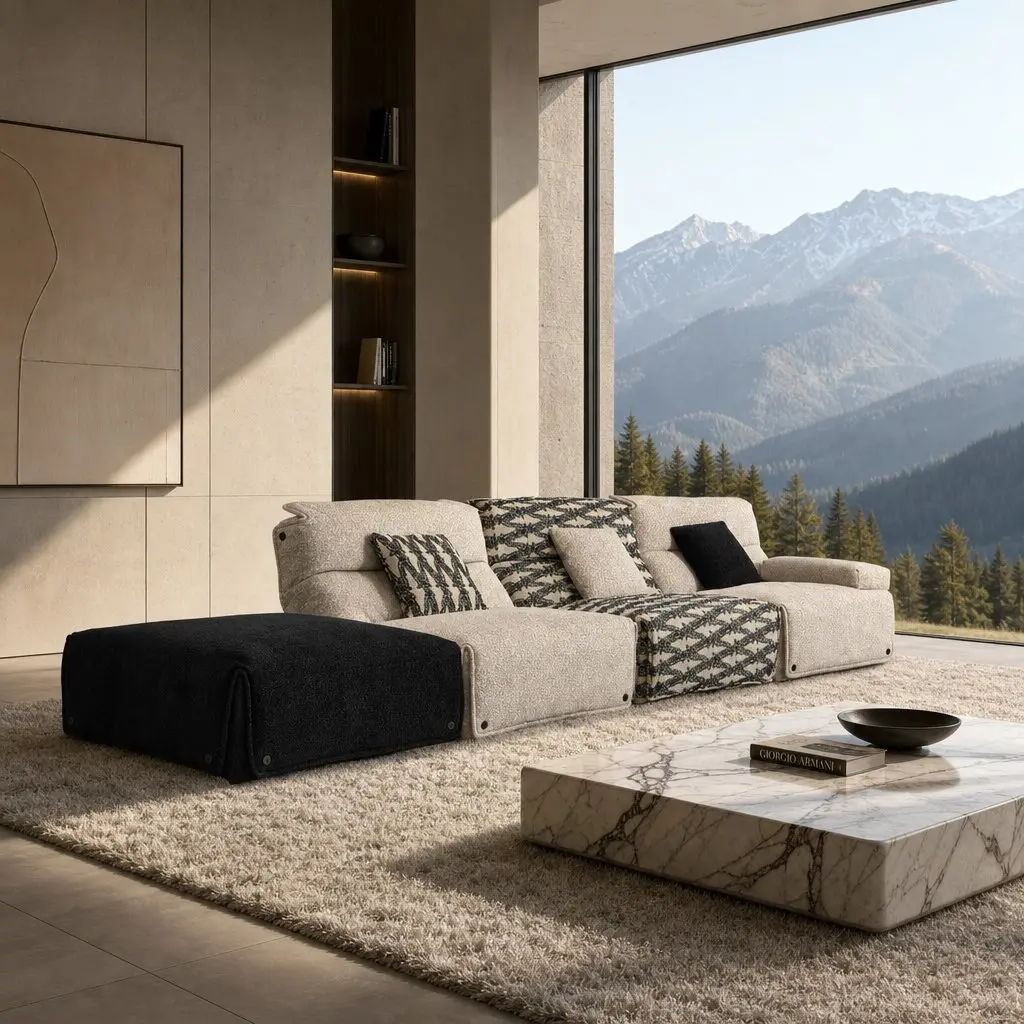
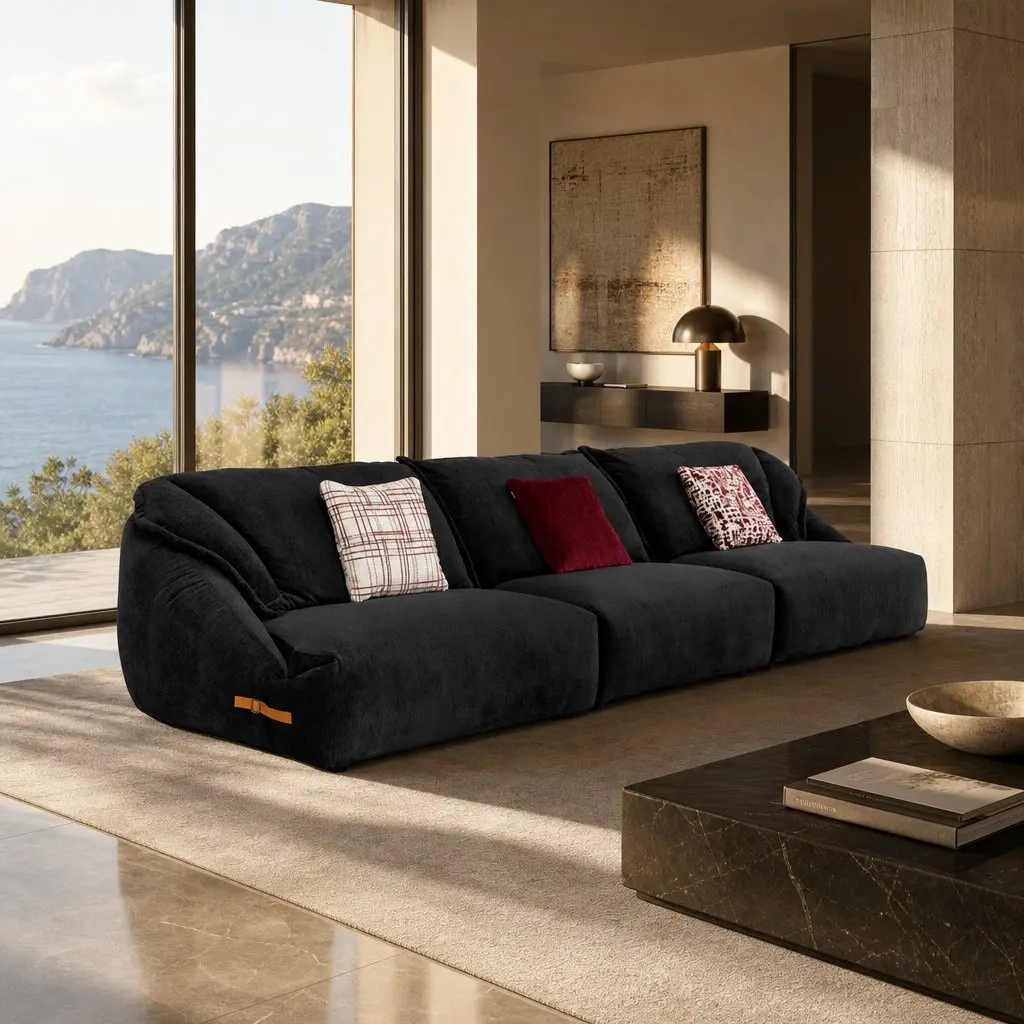
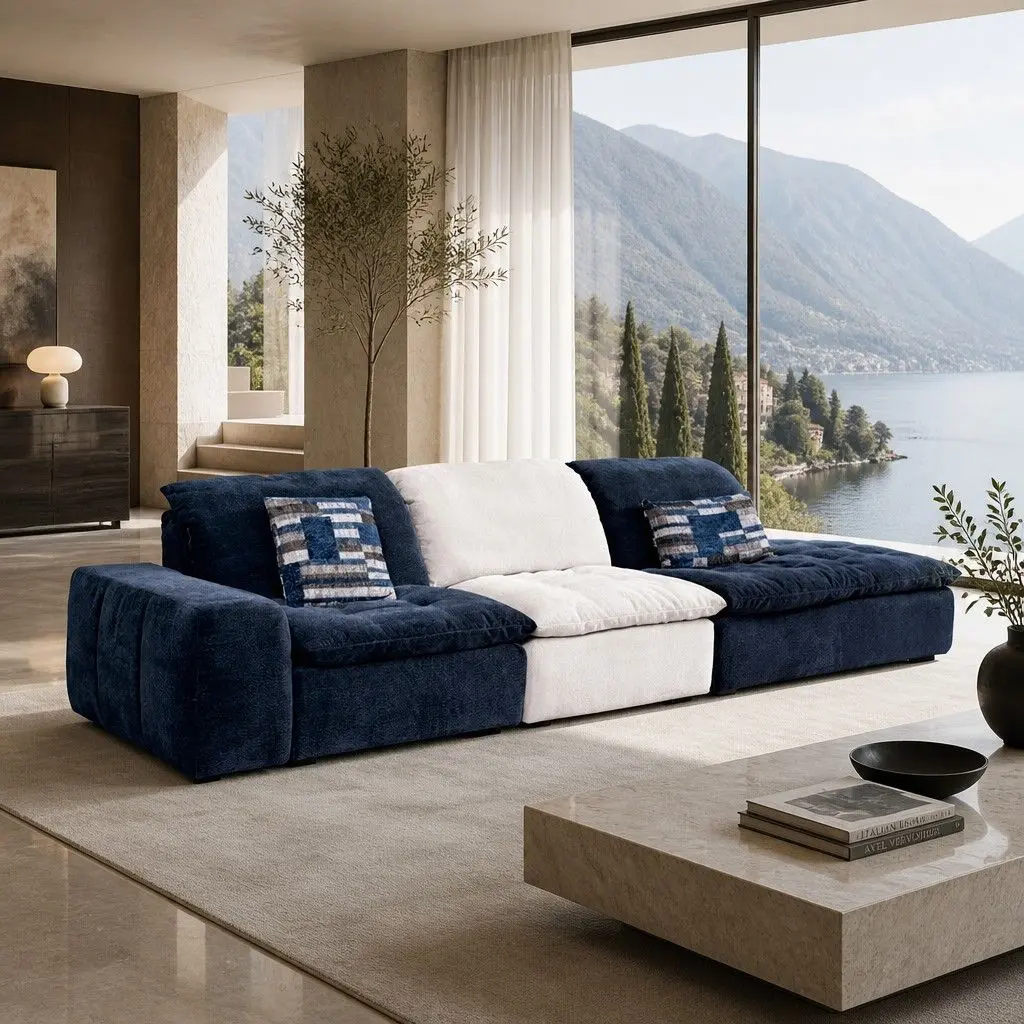
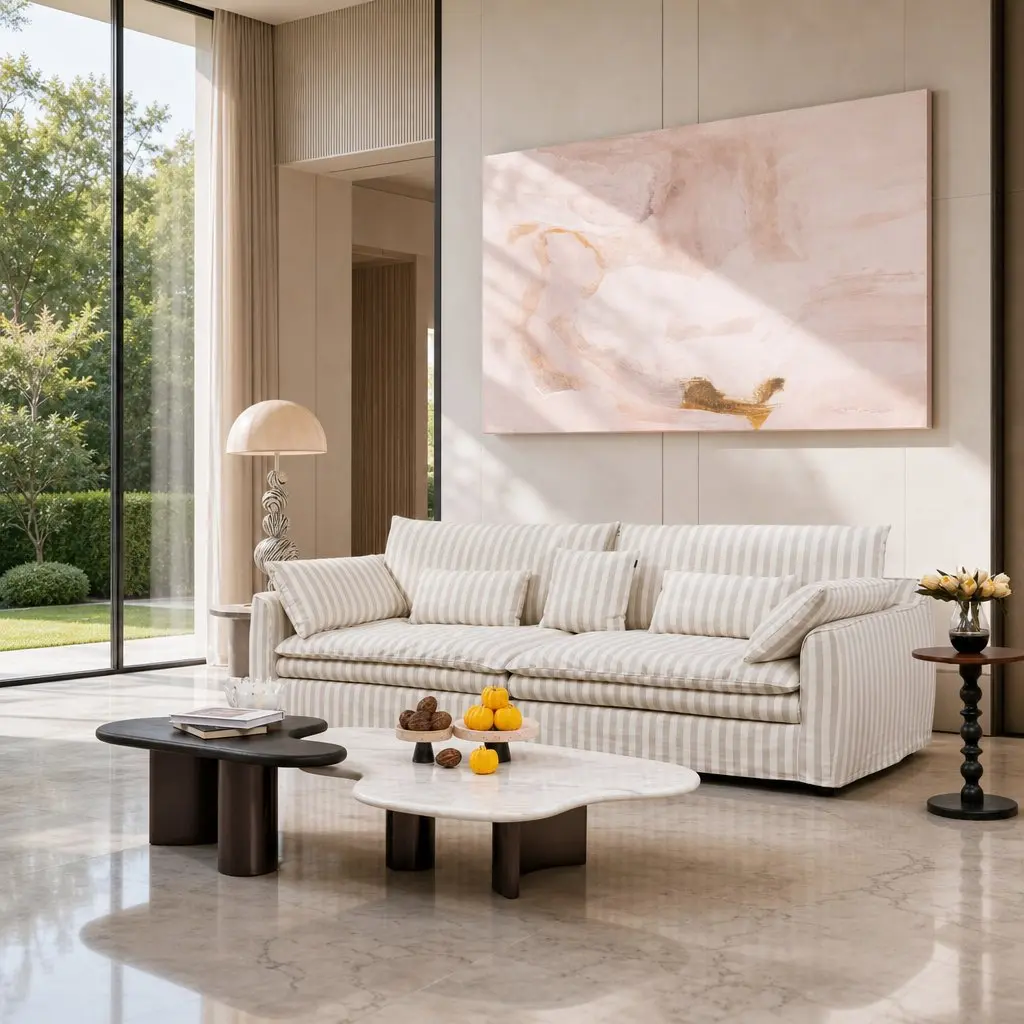
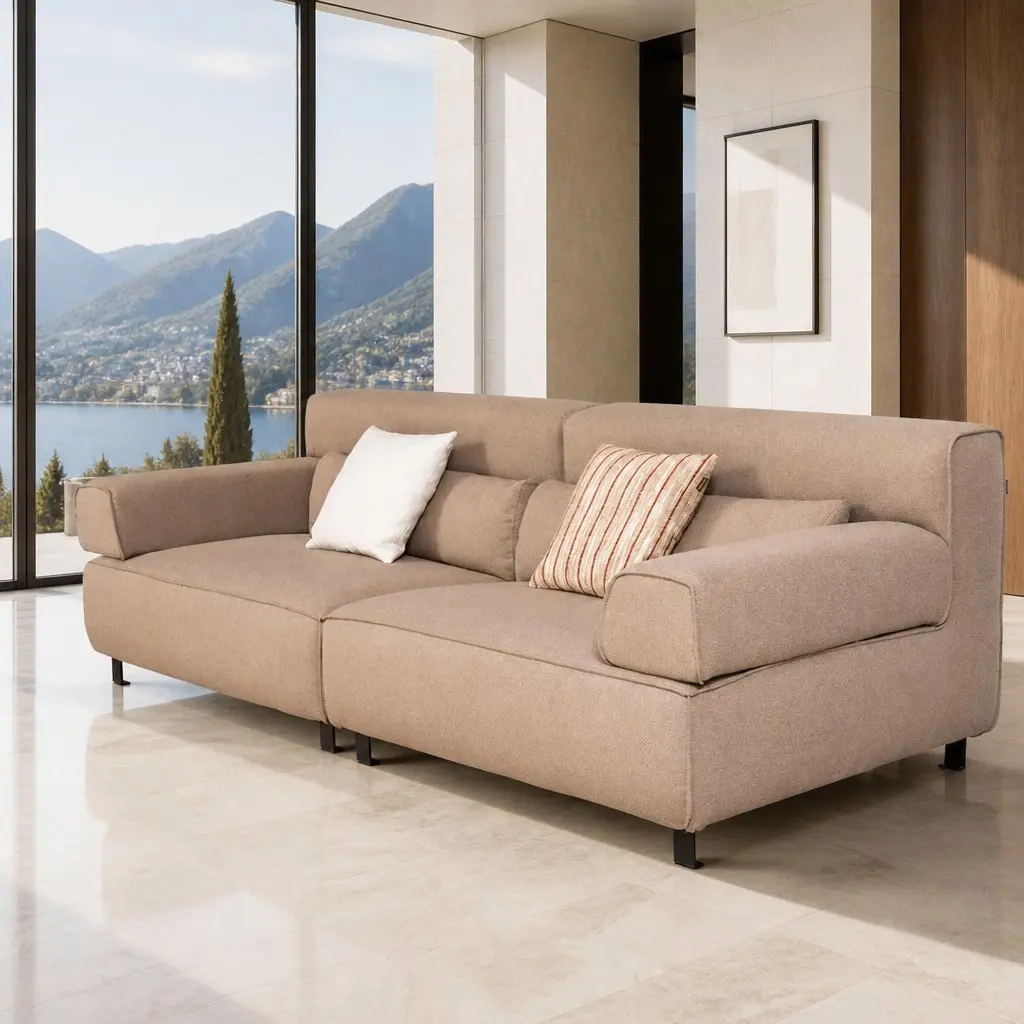
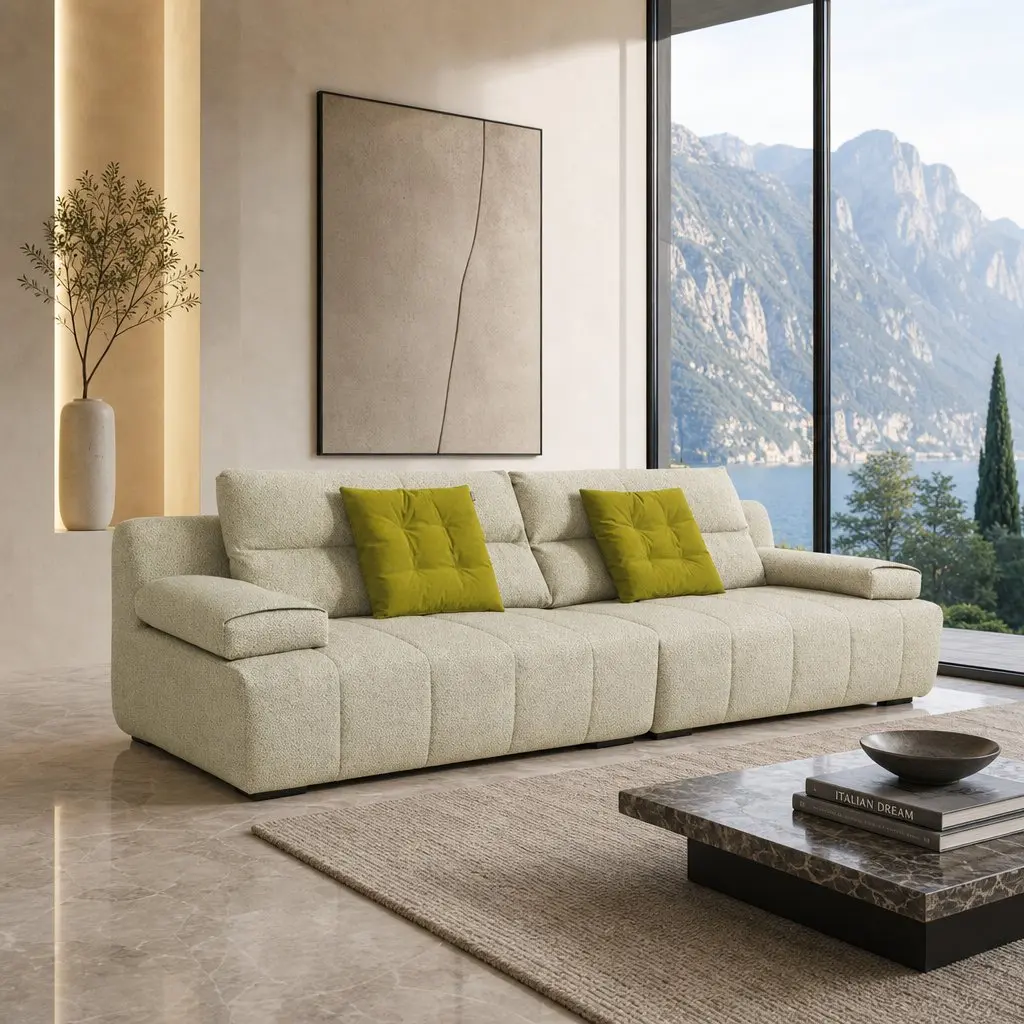
Send Inquiry NowFull-platform modular systems, Italian-minimal silhouettes and hybrid leather-fabric builds — all export-tested and Bay Area shippable.
Direct answers from our export team to the questions Bay Area importers, designers and project buyers ask most.
Typical sea transit from Yantian or Foshan-origin consolidation to the Port of Oakland runs 18–22 days. Add 5–10 days for production lead time on repeat SKUs and 7–14 days on first-order customization. Combined production + transit + Oakland port handling aligns to a 6–8 week landed window for standard modular models.
Yes. All standard QYM fabric specs can be produced to CAL TB 117-2013 compliance on request, and we can supply documentation for Bay Area project submittals. For hospitality and multifamily projects we recommend confirming TB 117 alongside contract-grade fabric selection before sampling.
Yes. COM and COL (customer's own leather) are both supported. Ship the fabric roll to our Foshan facility, and we will confirm yield per module, sampling timeline and any cost delta from a standard grade. COM projects add roughly 10–14 days to sample approval.
That is one of the most important design constraints for SF fabric sofa sourcing. We recommend modular platforms where each module is under 32 inches in depth, split-back construction on larger pieces, and knock-down legs. This lets a full sectional pass through a 28–30 inch stairwell. Note this requirement on your project brief and we will pre-select the compatible SKUs.
Breathable natural blends perform better in SF's fog belt. We typically recommend cotton-linen blends and high-twist chenille for inland and Eastern neighborhoods, and Snownylon waterproof weaves for the Outer Sunset, Richmond and Presidio-corridor homes exposed to salt air. Heavy velvets hold moisture longer and are best reserved for controlled indoor environments.
Yes. This is one of the main reasons Bay Area multifamily and hospitality buyers consolidate with a single factory partner. Our post-sale team plans mixed-category 40HQ loading — sofas, beds, dining and outdoor — to reduce per-unit ocean freight while protecting each item with multi-layer export crating.
Yes. We can quote FOB, CIF Oakland or DDP into San Francisco including customs clearance. White-glove delivery — inside placement and debris removal — is arranged through vetted Oakland/SF 3PL partners and quoted per project. This is most requested by designers and direct-to-consumer retail buyers.
Standard catalog SKUs ship from a low MOQ per model — typically a single pallet or a small mixed container. Custom module sizing, COM fabric or private-label covers require a higher MOQ per SKU. Contact us with your spec and we will confirm the exact threshold and sample cost.