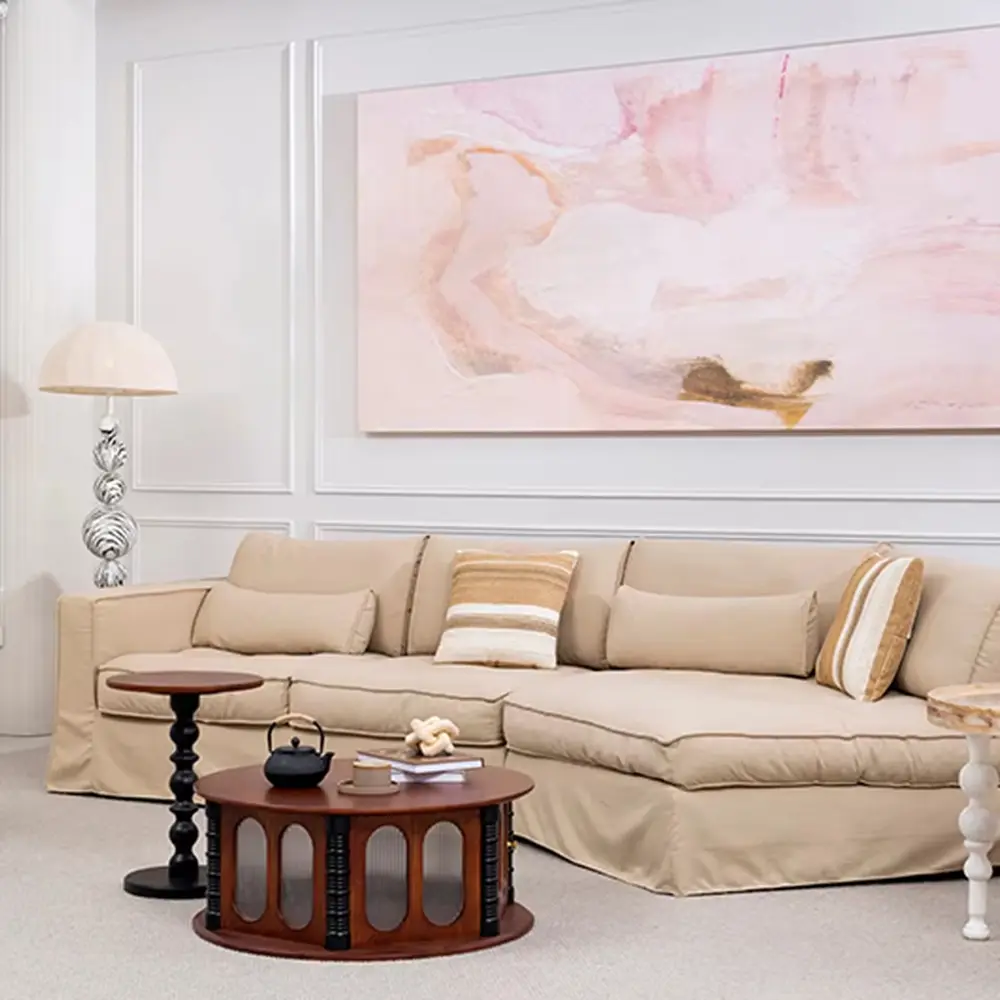
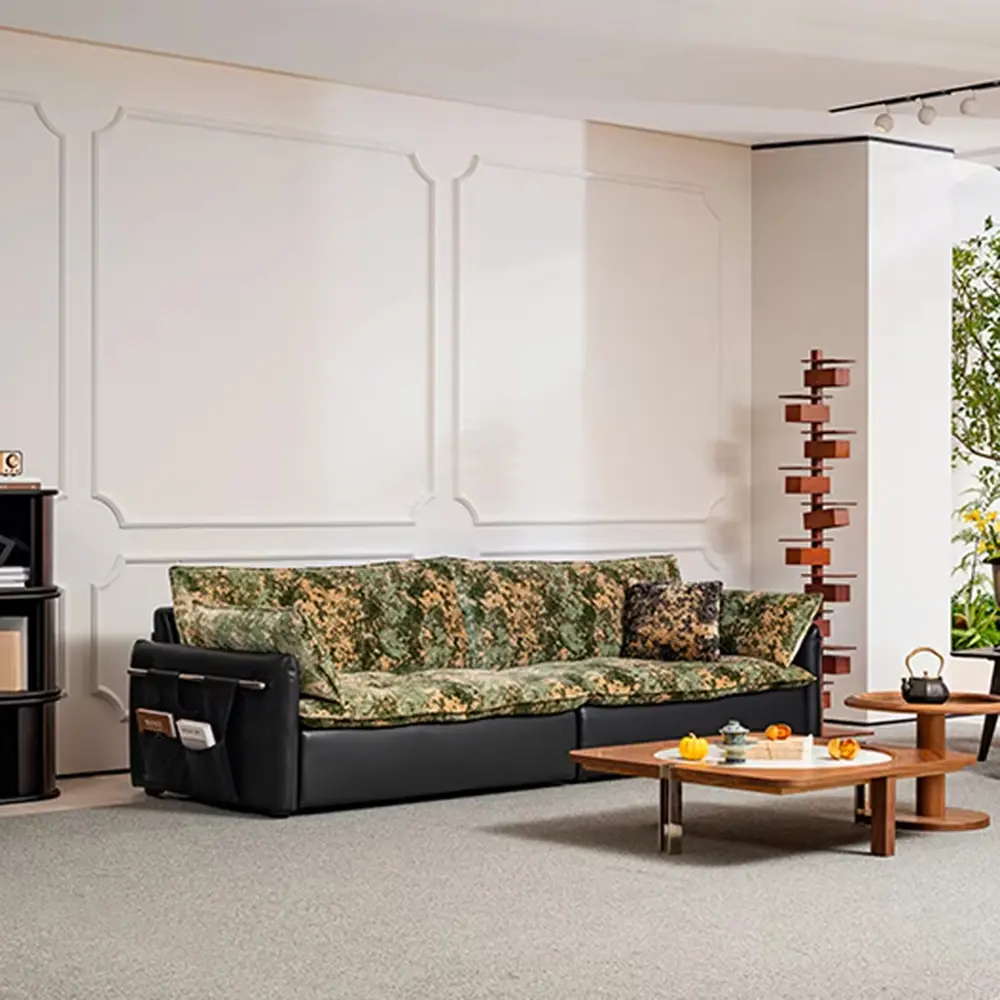
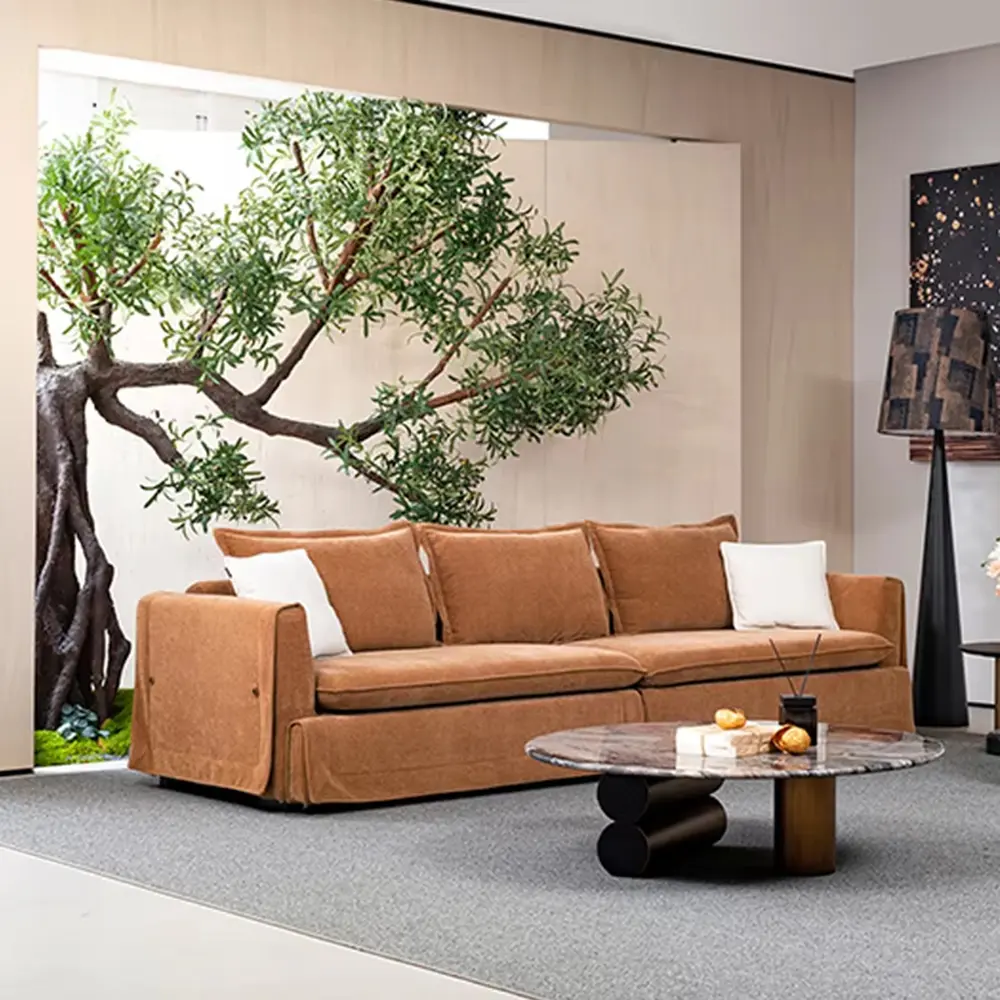
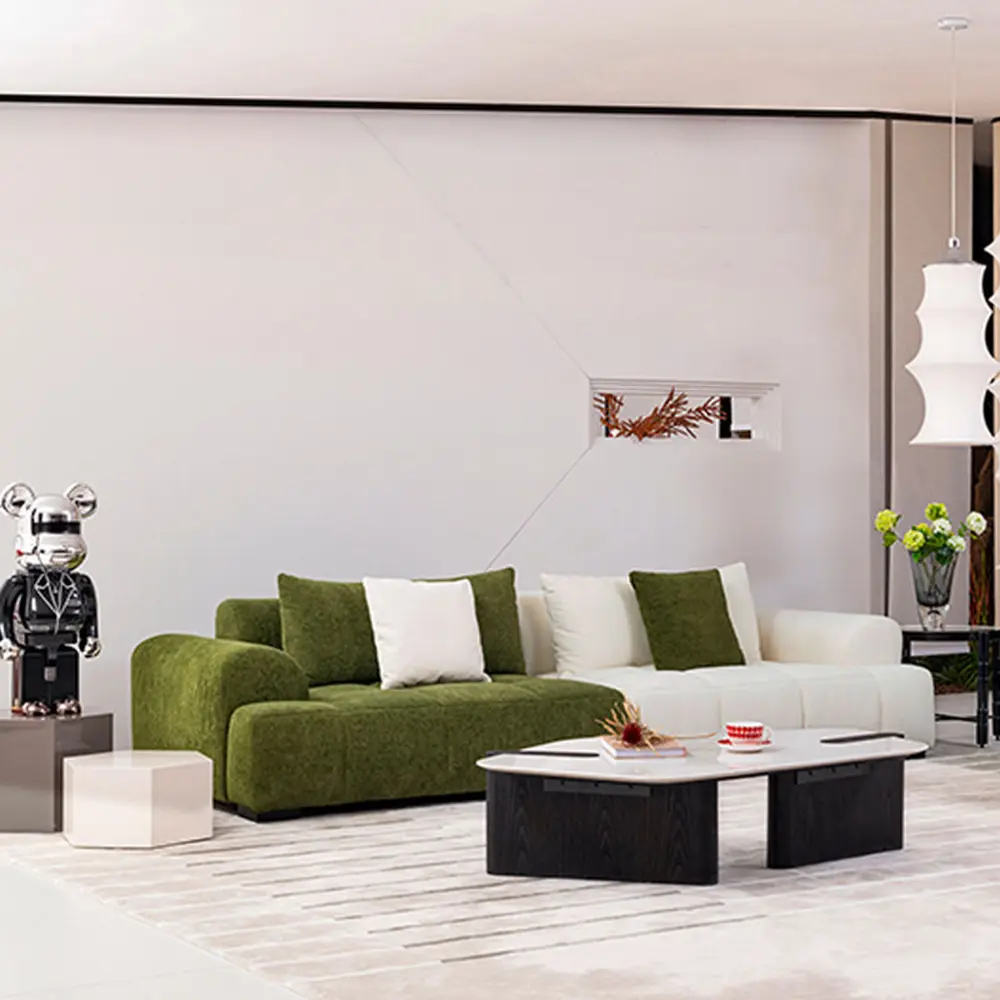
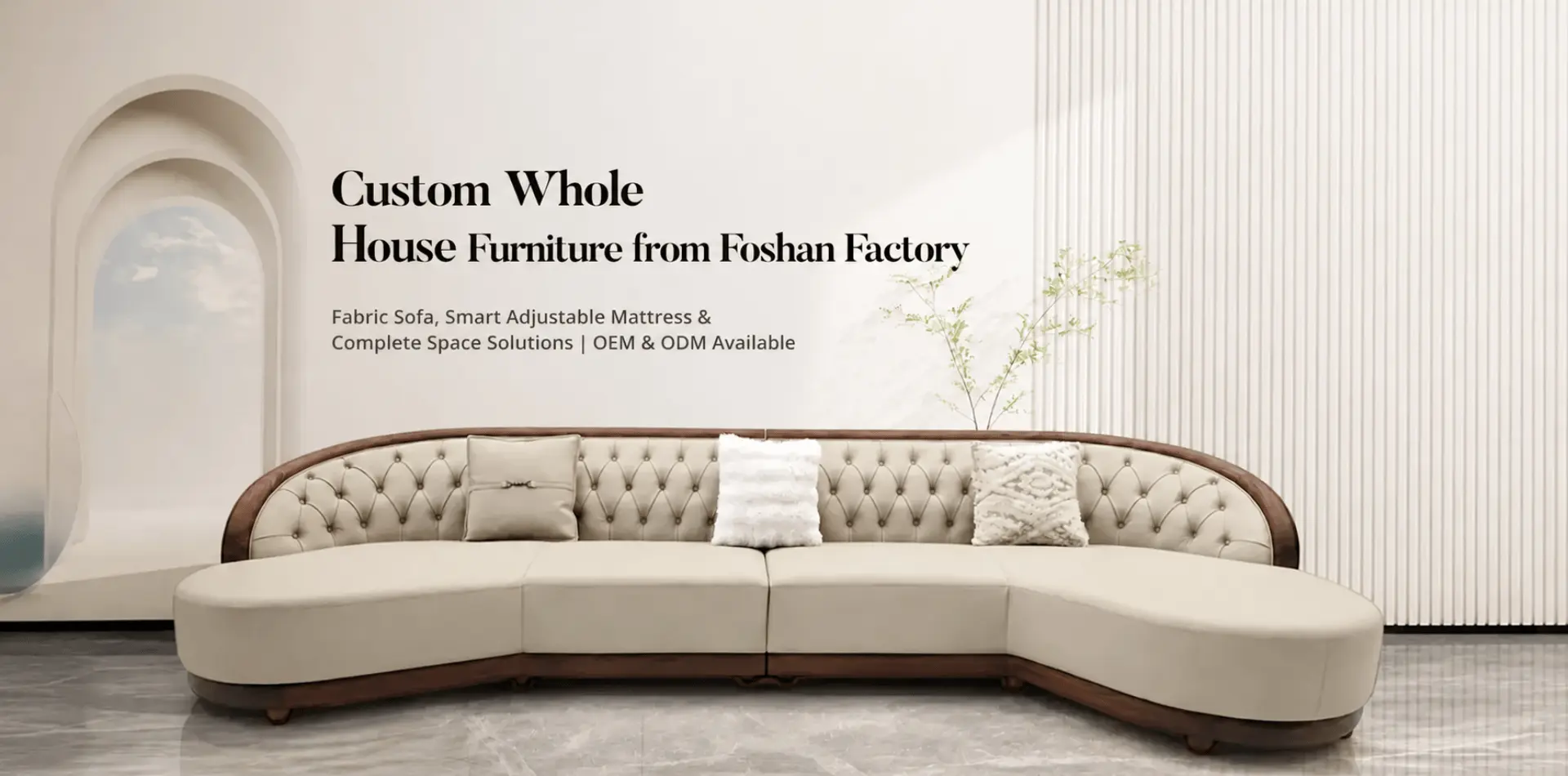
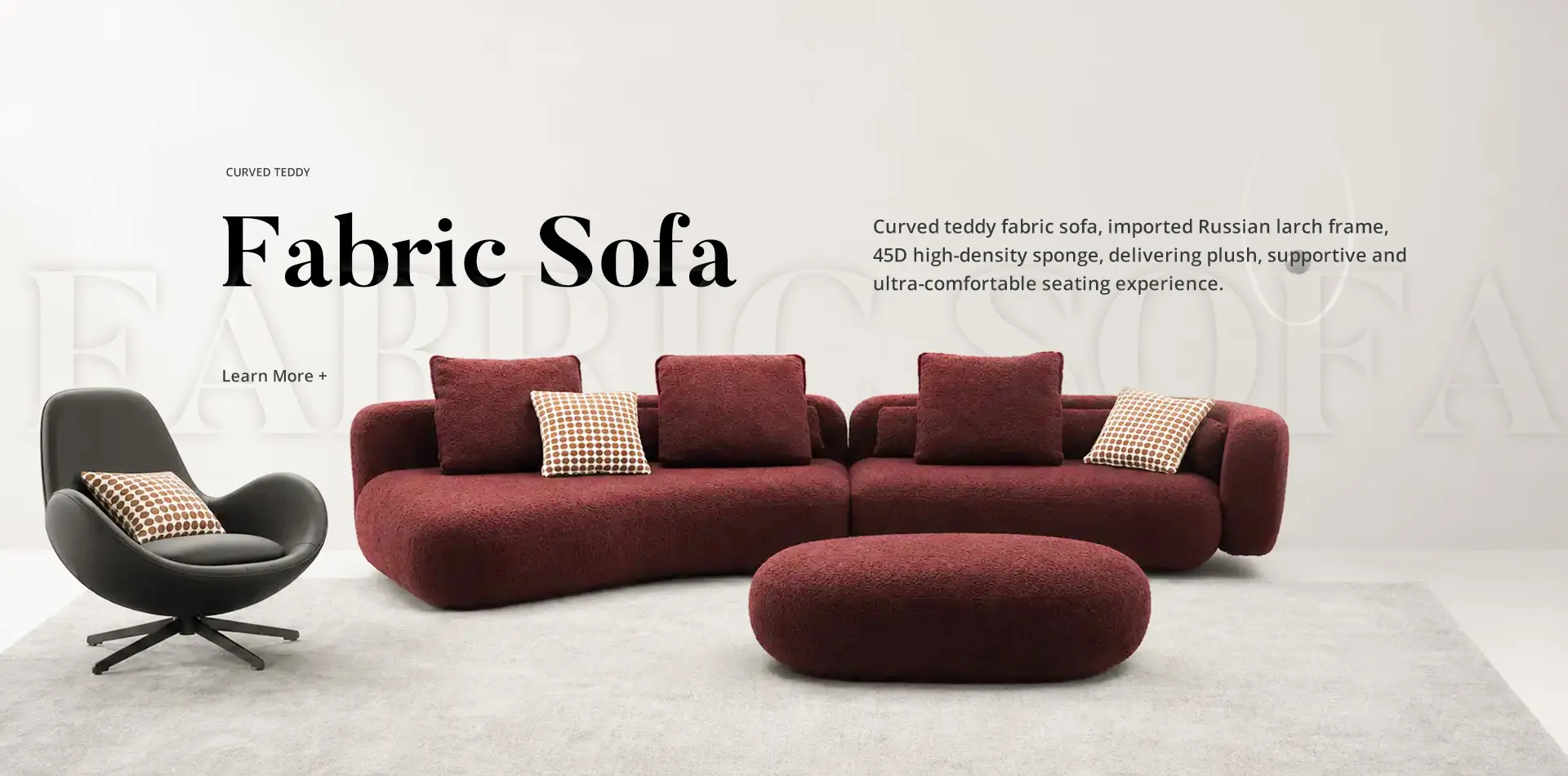
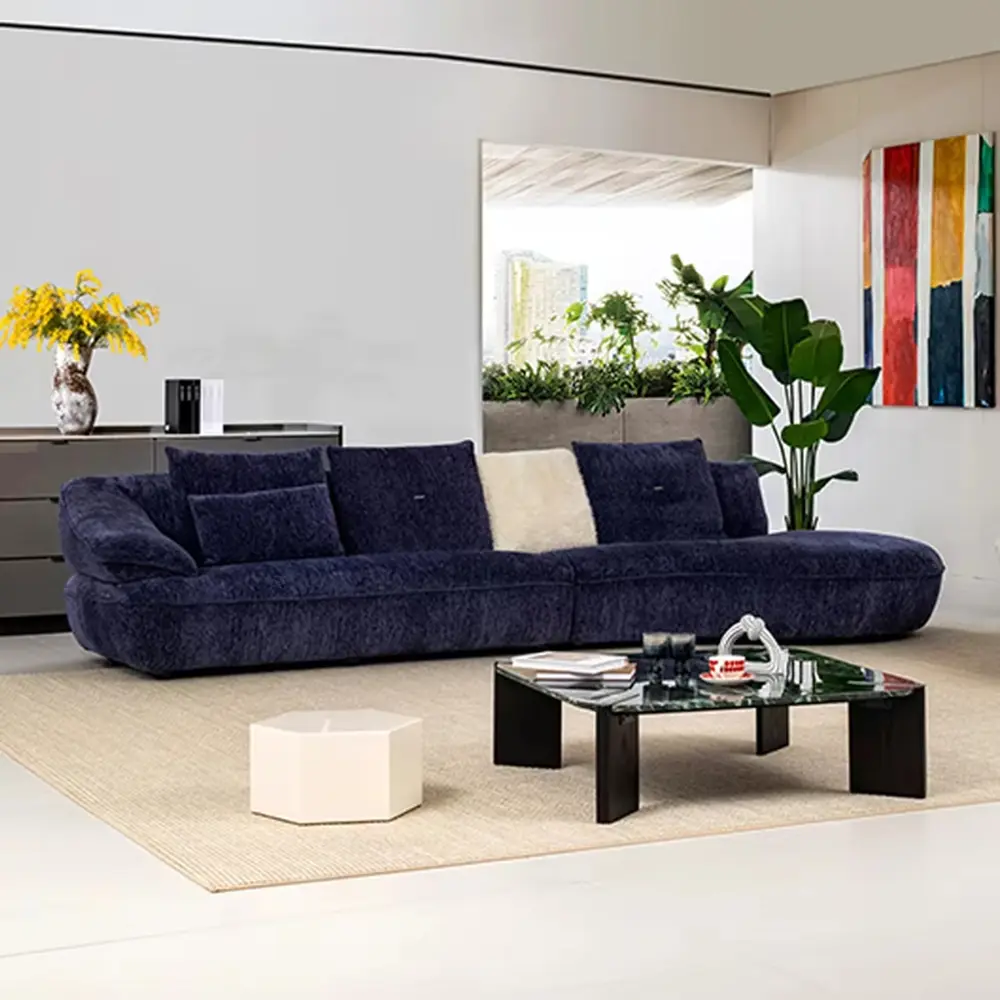
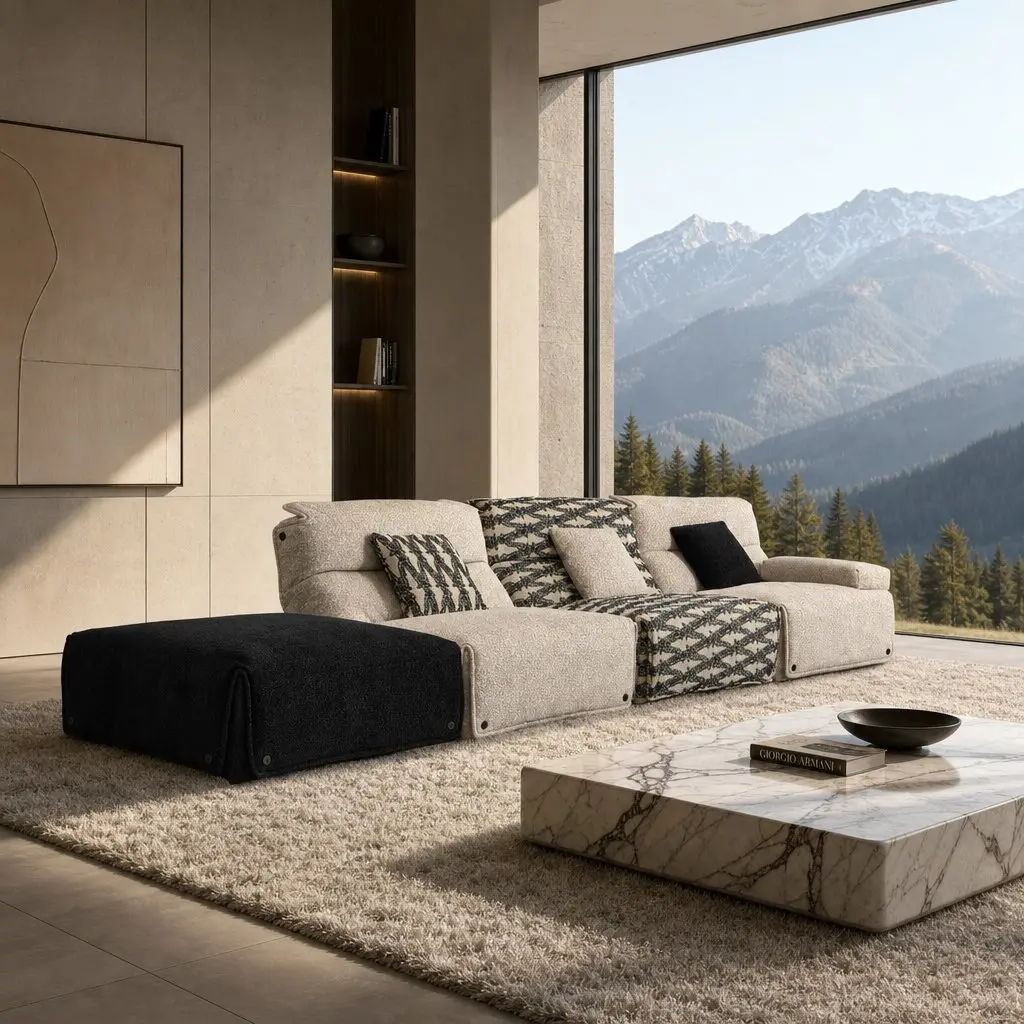
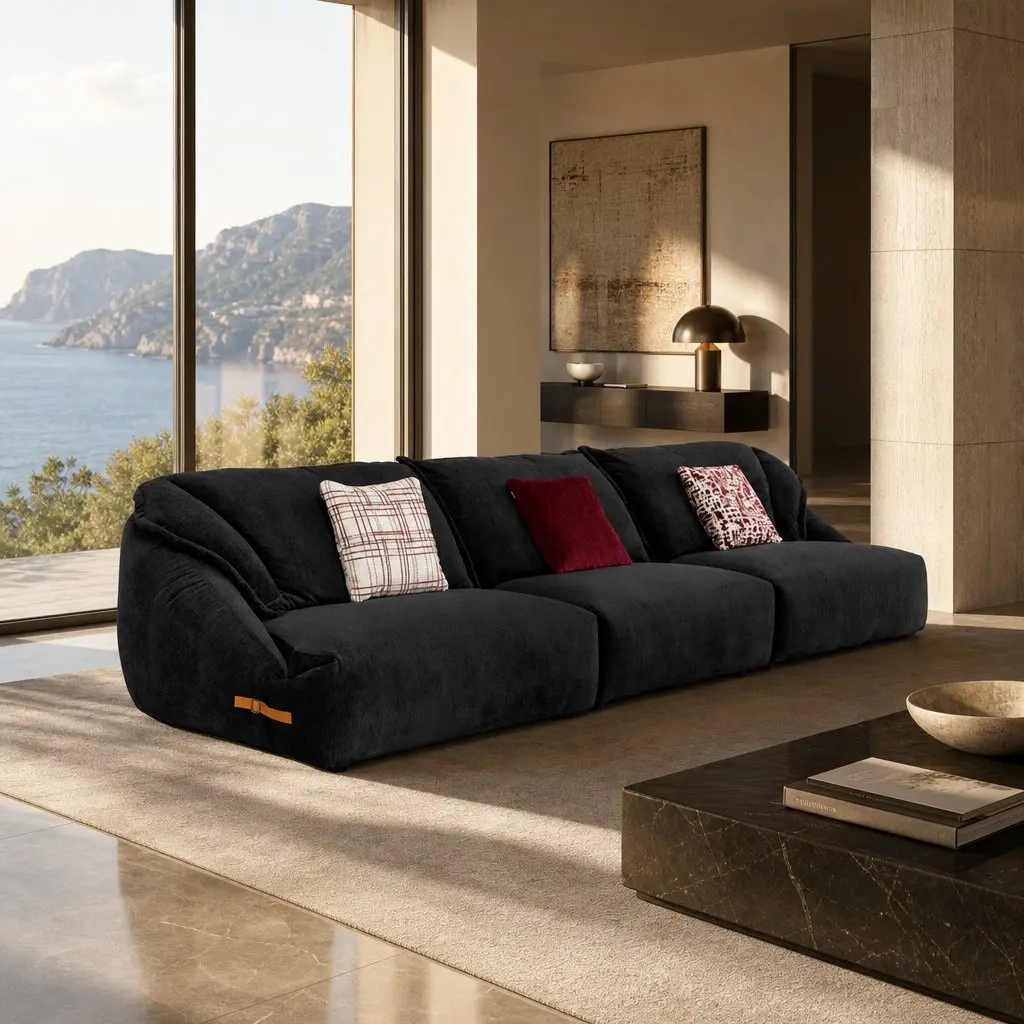
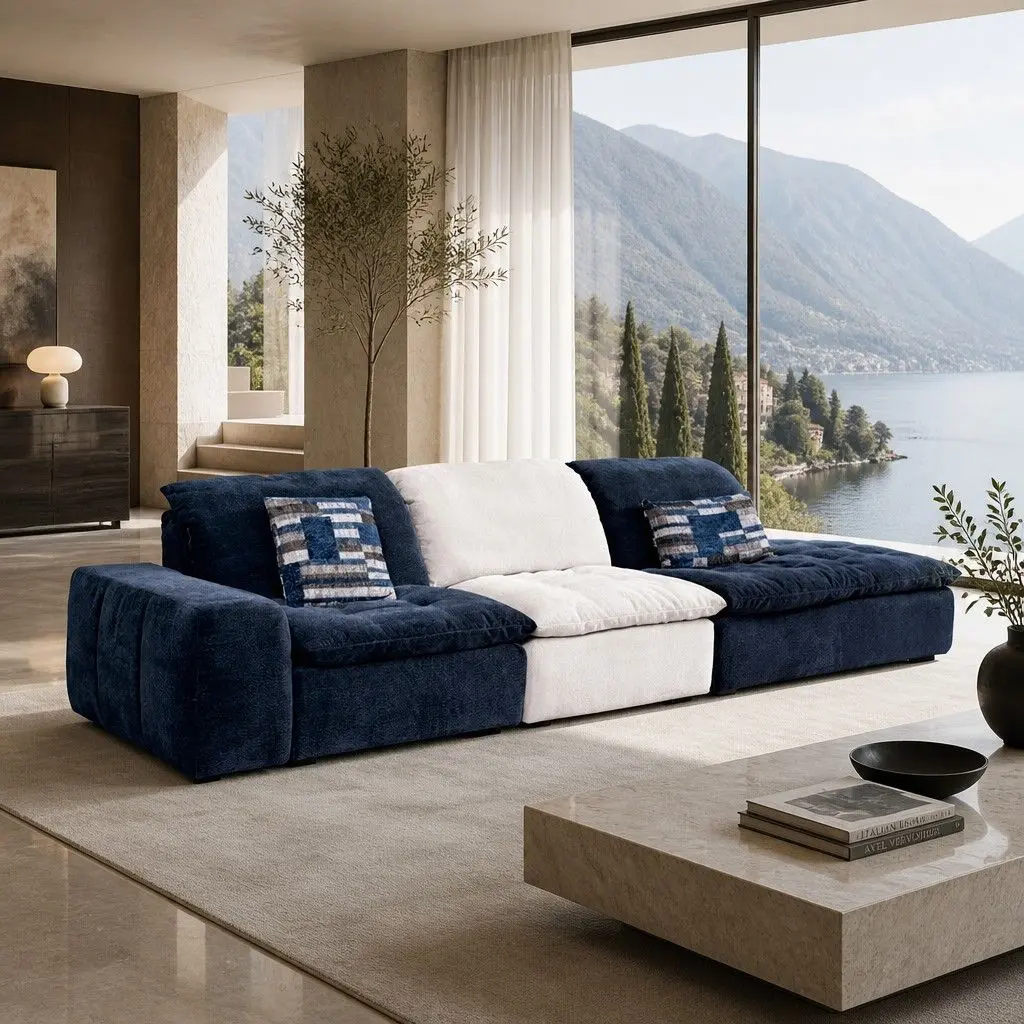
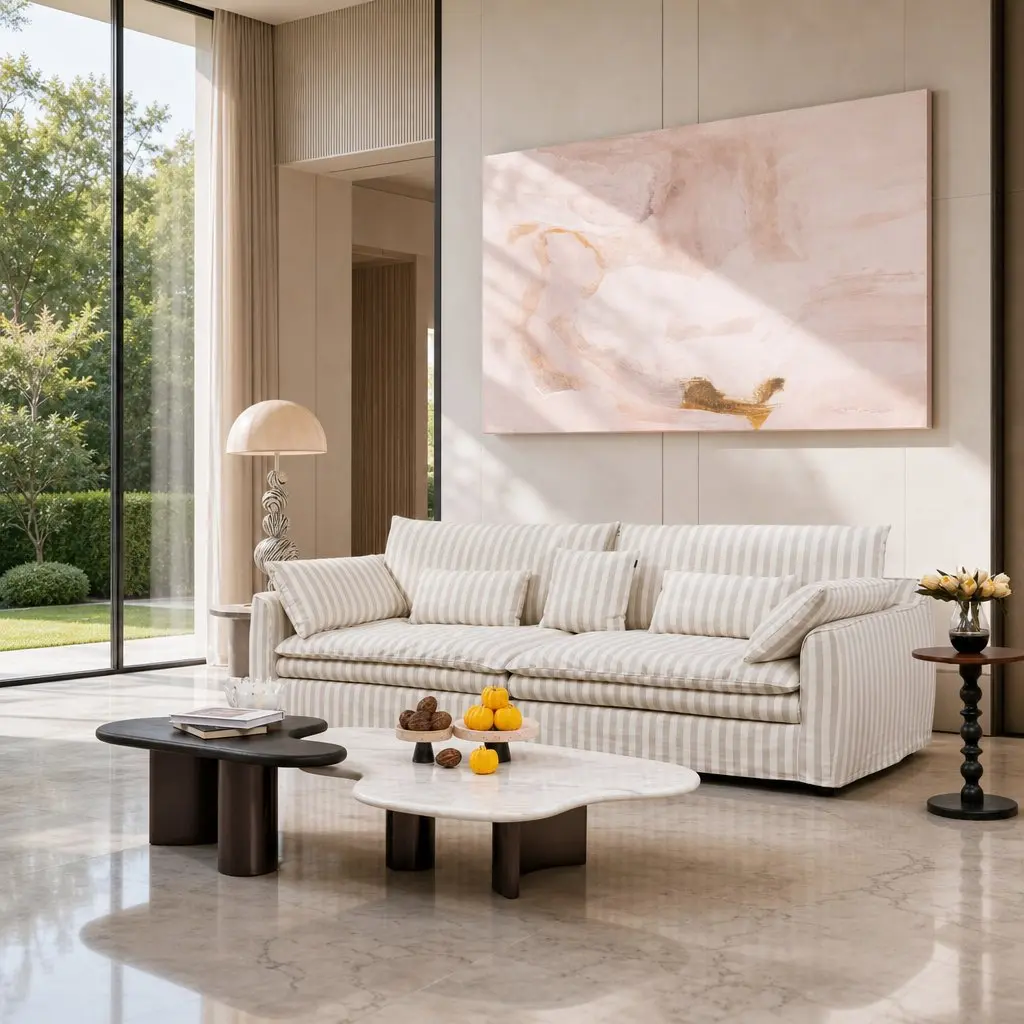
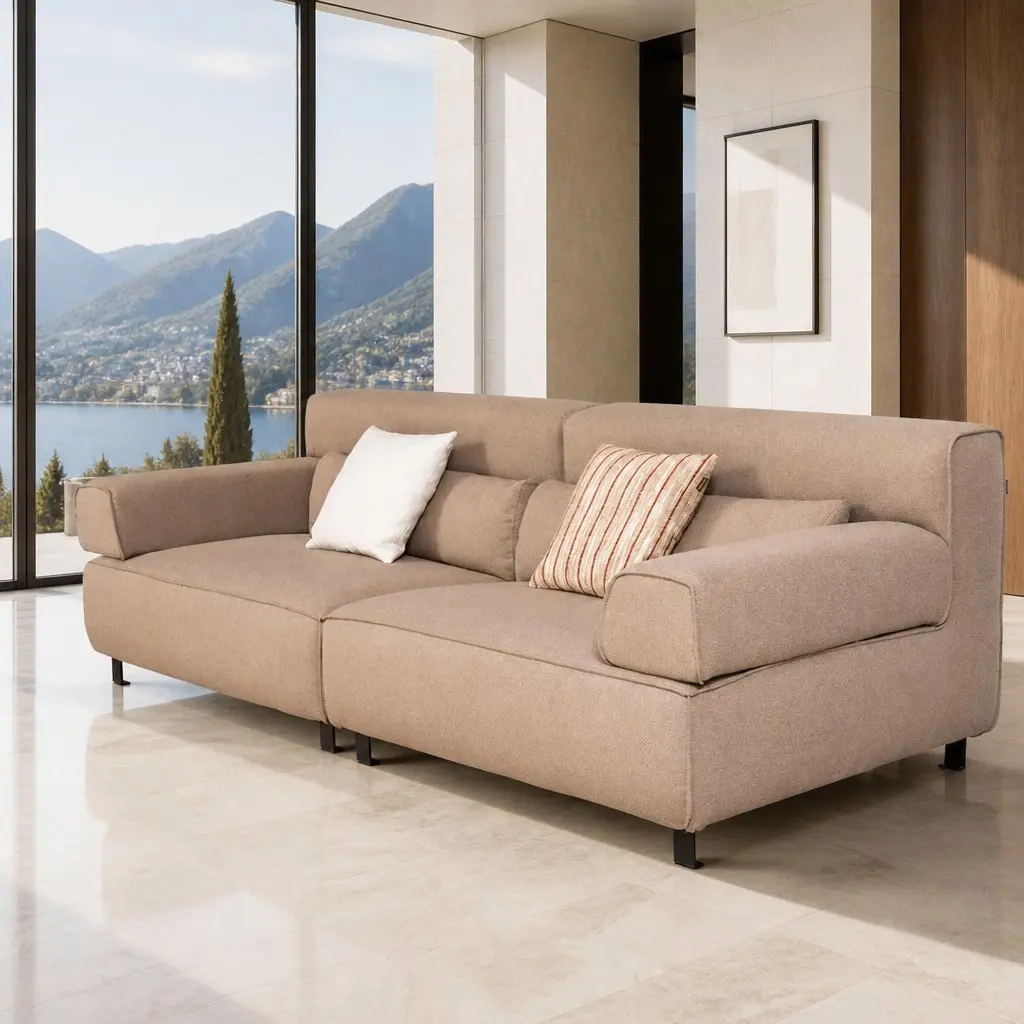
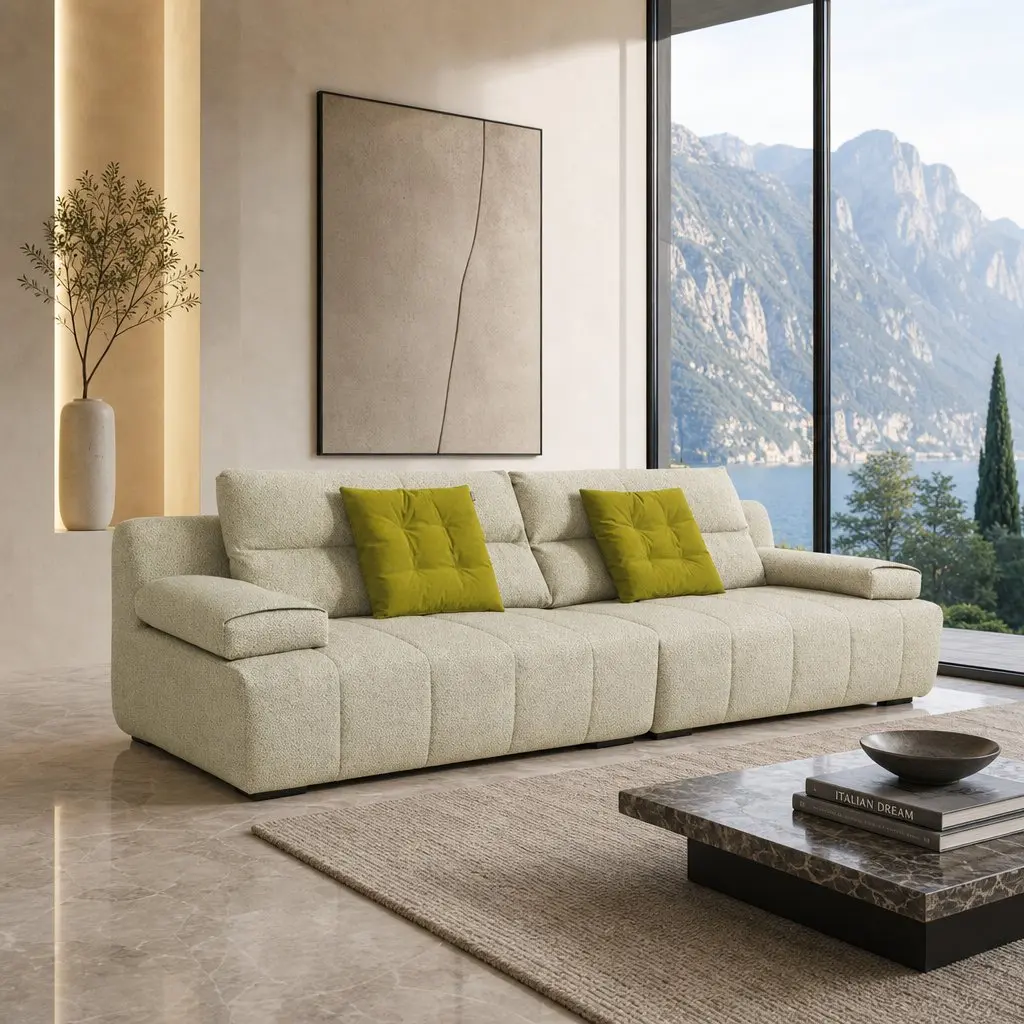
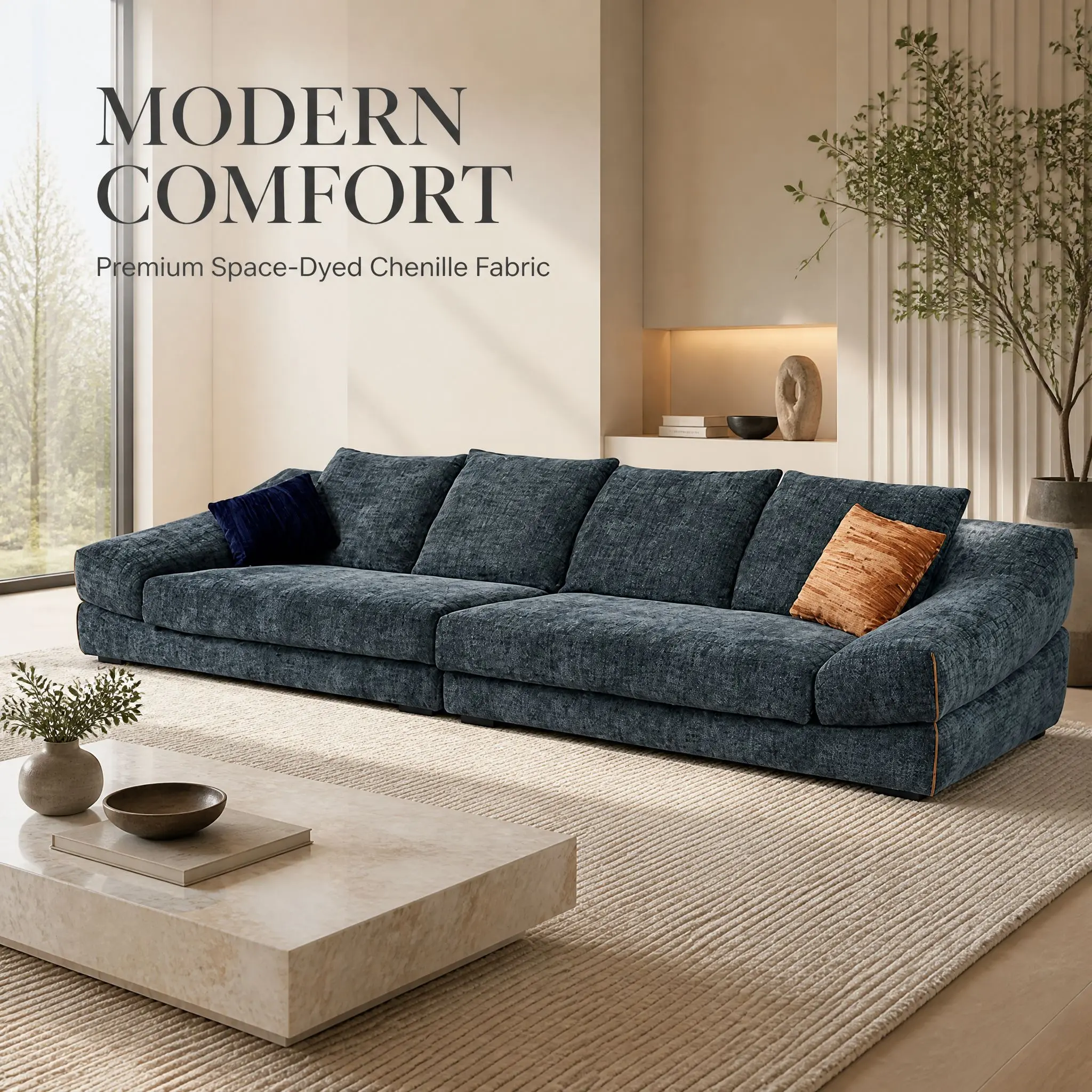
These four modular platforms are the highest-rotation SKUs among European buyers. Each is built on a larch or solid-wood frame, tested for seat resilience, and can be re-specified with EN 13501-1 and REACH-compliant fabrics before production starts.


Switzerland is not a volume market; it is a value-density market. With roughly 8.9 million residents and one of the highest per-capita furniture spends in Europe, Swiss buyers accept higher unit prices when the product justifies them: certified materials, honest dimensions, long service life, and a supplier who understands rental housing, Alpine logistics and strict flammability rules.
Three structural forces shape local demand. First, rental density: a large share of Swiss households rent, and modular sofas that fit through narrow stairwells, tight Treppenhaus turns and small lift cabins are strongly preferred over monolithic three-metre frames. Second, dual-language merchandising: retailers in Zürich, Basel and Bern need German-first documentation, while Genève and Lausanne require French — packaging, care labels and assembly instructions must be bilingual. Third, contract demand: hotel refurbishments in the Valais and Engadin, serviced apartments in Zug and Geneva, and clinic and spa fit-outs drive repeat orders for stain-resistant, contract-grade upholstery.
Direct-from-factory sourcing is only valuable when it survives contact with Swiss expectations. The advantage is not simply a lower price — it is engineering control, material traceability and repeatable quality across containers.
Shunde and Longjiang concentrate fabric mills, foam plants, frame workshops and hardware suppliers within a few kilometres. That density shortens sampling cycles to days, not weeks, and keeps material substitutions transparent.
Kiln-dried larch and solid-wood frames, high-density sponge cores and latex layers are specified per SKU. Buyers receive a structure sheet documenting foam density, frame species and joint method — essential for Swiss warranty terms.
Woven labels, embossed logos, retail cartons, bilingual care cards and hangtags ship from the same line. A Swiss independent retailer can hold one container of branded stock without owning a warehouse in Asia.
Fabric flammability, REACH substance screening, low-emission foam grades and recyclability documentation can be prepared for the SKUs you plan to import — reducing rejection risk at Swiss customs and retail QA.
Mixed-category loading — sofas plus coffee tables, accent chairs and beds — reduces freight cost per unit. Multi-layer export crating and corner protection are standard for long sea legs into Rotterdam, Genoa or Basel via inland transfer.
An audited partner-factory network pools capacity so a single purchase order can cover sofa, bed and dining categories under one QC standard — instead of five vendors and five quality outcomes.
Procurement decisions made in 2025–2027 will be judged against these shifts. Buyers who source against them now avoid re-specifying mid-cycle.
Removable, washable and replaceable covers move from a nice-to-have to a spec line. Swiss consumers increasingly expect to replace a seat cover rather than a sofa, and modular platforms with zippered covers support local reupholstery trades.
Cotton-linen blends remain the visual favourite, but buyers are layering in waterproof nylon, coarse-linen chenille and space-dyed yarns for households with children and pets — and for contract interiors that must survive daily cleaning cycles.
Compact urban apartments and micro-living units push demand for two- and three-module configurations that expand later. Depth reduction, low arms and open bases keep rooms visually light.
Responsive latex padding and layered foam cores are replacing single-density sponge. The result is measurable: better pressure distribution, less sag over five years, and a firmer seat that suits Alpine consumers' preference for supportive rather than sink-in comfort.
German and French care instructions, QR-linked material sheets and digital product passports are becoming retail expectations. Suppliers who ship documentation with the container save their buyers weeks of local work.
Specialist Swiss furniture retailers compete against large chains by curating smaller, faster, better-specified collections — a channel where private-label modular fabric sofas with strong fabric stories perform well.
Specification should follow the room. These are the six scenarios our Swiss-facing buyers configure most often, and the product logic that fits each.
| Application Scenario | Typical Configuration | Fabric Logic |
|---|---|---|
| Urban rental apartment (Zürich, Basel, Lausanne) | 2–3 module sectional, low arms, 90–110 cm seat depth | Removable, washable cotton-linen; neutral grey, sand, warm white |
| Serviced apartment & relocation housing | Three-seat modular with paired ottoman | Stain-resistant performance weave, commercial-grade rub count |
| Alpine chalet & second home (Valais, Graubünden) | Large L-shape, deep seat, generous upholstery | Coarse-linen chenille, fleece-touch fabric, darker tones |
| Boutique hotel lounge | Twin modular groups, mixed orientation | Contract fabric with flammability and abrasion documentation |
| Clinic, spa & salon waiting | Compact two-seat modules, wipe-clean surfaces | Waterproof Snownylon-type cover, hygienic and low-odour foam |
| Family home with pets & children | Wide L-shape with chaise and washable covers | Space-dyed coarse linen, tight weave, zip-off covers |
Send your floor plans, target price band and fabric direction. We return a configuration sheet, material proposal and container-loading estimate.
Swiss buyers rarely purchase a sofa in isolation. A retail floor needs a coordinated living-room story; a project tender needs every FF&E line to match. Our framework links upholstery, casegoods, bedding and outdoor lines under one material and packaging standard.
The modular sofa defines the room's line and price anchor. Choose the platform first, then lock fabric grade — everything else in the collection follows that material story.
Coffee tables, side tables, TV stands and accent chairs, finished in tones that read as a balanced set. One wood finish, one metal finish, one glass finish per collection keeps retail displays coherent.
Upholstered beds, mattresses and nightstands share palettes with the seating range, so a customer can furnish a bedroom from the same visual language.
Hotel guestrooms, lobbies, restaurants and spa areas get a dedicated specification track with durability, flammability and cleaning documentation.
Balcony and terrace groups that echo the interior palette let Swiss buyers extend living space outdoors through the short but intense summer season.
Consolidated loading, shared crating standards and one commercial invoice per container. Fewer documents, fewer handovers, fewer damage claims.
Across European, Gulf and North American buyers, the questions converge. Swiss buyers add their own layer: they want precision in dimensions and documentation, and they test claims. A supplier that answers these six areas clearly shortens the buying cycle dramatically.
Qingyumai is the export brand of Foshan Qingyumai Technology Co., Ltd., operating from Longjiang, Shunde — the core of the Foshan furniture cluster. Ten-plus years of export work and more than 100 original patents support a portfolio of 19 furniture categories shipped under one purchase order, one QC standard and one shipping plan.
Pre-sale: consultants recommend material configurations aligned with the regulatory standards of the destination market, including Swiss requirements for flammability and substance screening.
Production: internal QC engineers carry out on-site production line audits checking structural durability and finish consistency, with pre-production samples approved before mass production begins.
Post-sale: container consolidation across categories, multi-layer export crating to reduce transit damage, and documented claim handling with a named account owner.
Send Inquiry Now
Direct answers to the questions Swiss importers, retailers and project teams raise most often.
Yes, when specified correctly. Fabric and foam options can be selected to meet the flammability and substance-screening expectations that Swiss retailers and contract buyers apply. Because requirements vary by channel and by end-use — residential retail versus hotel contract, for example — our pre-sale consultants confirm the applicable standard with you before sampling, and we document the material specification per SKU so your local QA team has evidence on file.
This is one of the most common Swiss requests. Modular systems are inherently suited to it: each module ships separately, so the largest single carton — not the assembled sofa — determines whether it passes a stairwell, lift or doorway. We can adjust seat depth, arm width and module count to fit a specified floor plan, and we provide carton dimensions during quotation so your delivery partner can plan access before the container ships.
Yes. Bilingual care labels, assembly instructions and product sheets can be produced for the SKUs you import. Many Swiss buyers merchandise in German-speaking cantons and French-speaking cantons from the same stock, so bilingual documentation removes a local repackaging step. Where required, we can also supply QR-linked digital material sheets.
Minimums depend on the model, the fabric selection and the level of customisation — a colour change on a standard platform is a very different request from a new frame and a new cover pattern. Share your target assortment, quantity per SKU and branding requirements, and our export team will return a quotation with MOQ per model and the sampling timeline.
Fabric lots are reserved and recorded per order, and shade continuity is checked against the approved sample before cutting. On the seating side, foam density and layering are specified per SKU rather than left to workshop discretion, and pre-production samples are approved before mass production. In-line QC audits then verify structural durability and finish consistency on the factory floor.
Yes. Container consolidation is handled by our post-sale team, which plans loading space to reduce ocean freight cost per unit while using multi-layer export crating to prevent transit damage. Mixed-category loading is particularly useful for Swiss retailers building a coordinated floor display and for project buyers furnishing multiple room types at once.
Lead time is driven by fabric availability, sampling approval and order volume. Standard-platform orders using in-stock fabrics move faster than fully customised frames with new covers. Your quotation will state the production window, and we confirm the sampling and pre-production approval milestones so the shipment date is planned rather than assumed.
Fabric sofa orders typically move by sea into a European port and then transfer inland, or by rail-and-road combinations depending on volume and urgency. We prepare export documentation, provide carton and pallet dimensions, and coordinate loading plans so your freight forwarder can quote accurately. For project deadlines, we can discuss consolidation timing to align with installation schedules.
We supply furniture wholesalers and importers, hotel and hospitality procurement teams, property developers, interior design firms, salon operators and residential clients that need coordinated furniture across multiple rooms. For the Swiss market specifically, independent retailers and contract buyers form the strongest fit for modular fabric programmes.
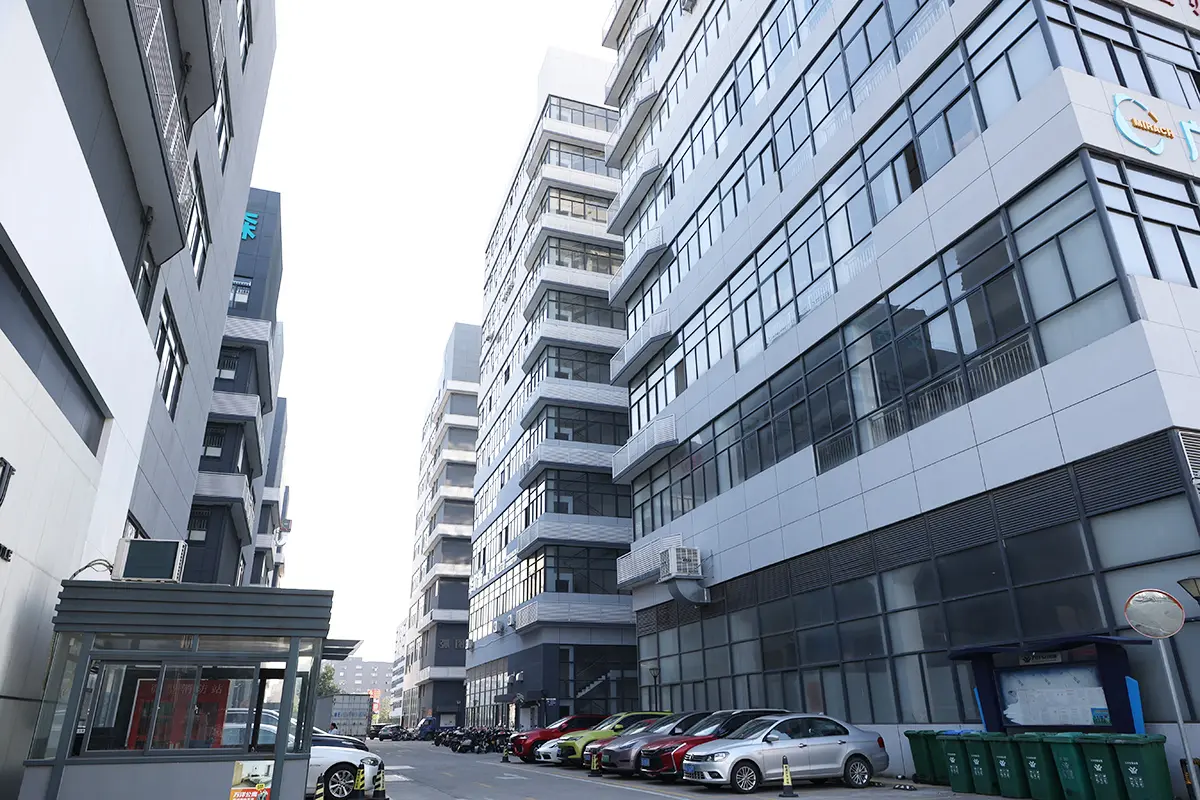
We are located in Hui Cheng Industrial Park, Longjiang Town, Shunde District, Foshan, Guangdong, China — one of the world's best-known furniture manufacturing hubs. Buyers are welcome to arrange factory and showroom visits, and we can coordinate a sampling schedule around your travel dates.

From minimalist Italian-style modulars to latex-and-larch luxury sectionals — each model below uses the same sourcing links for direct factory quotation.


Share your target price band, floor plans and fabric direction. We will return a configuration sheet, material specification and container-loading estimate — built for Swiss retail and contract requirements.