
Flagship Models Specified for Danish Hotel Projects
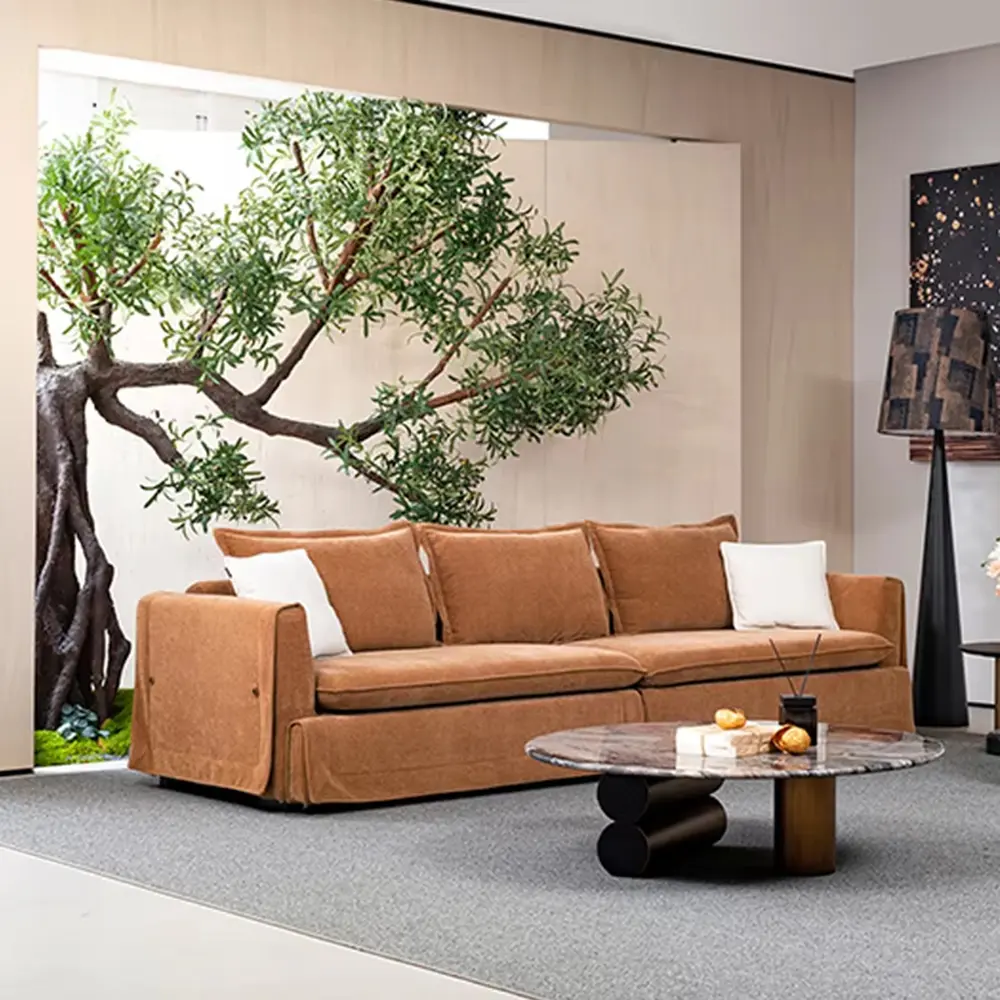
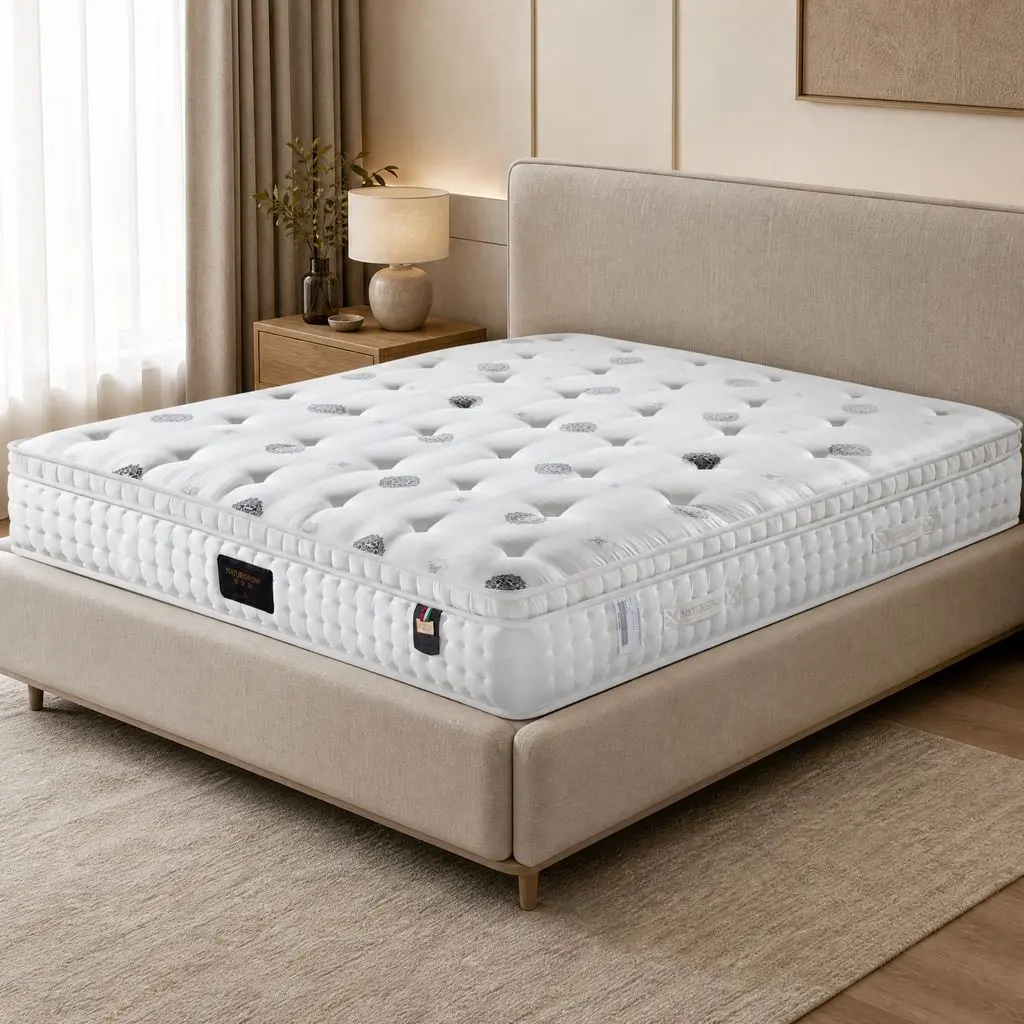
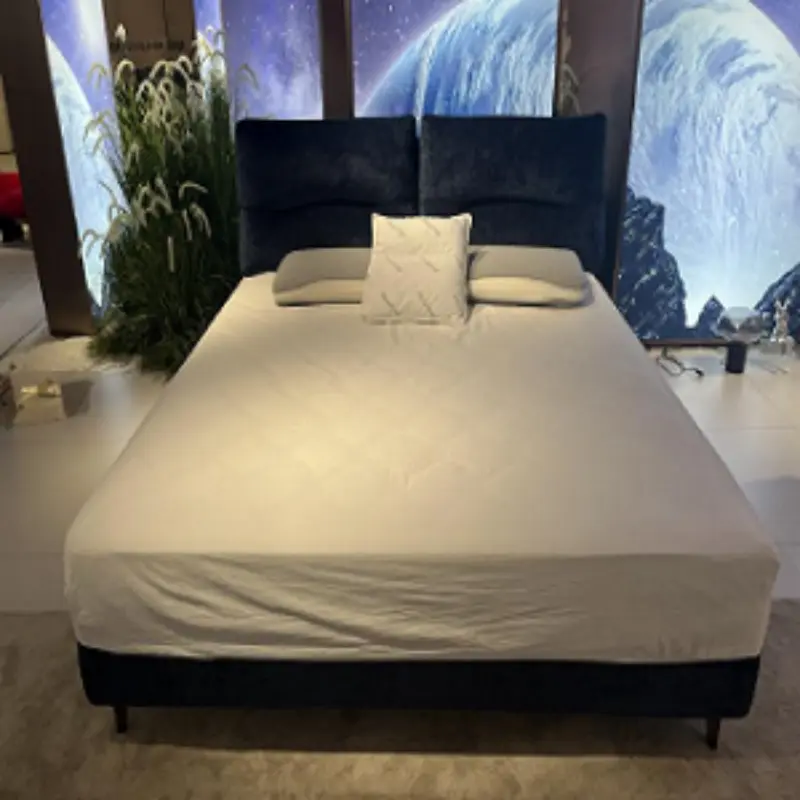
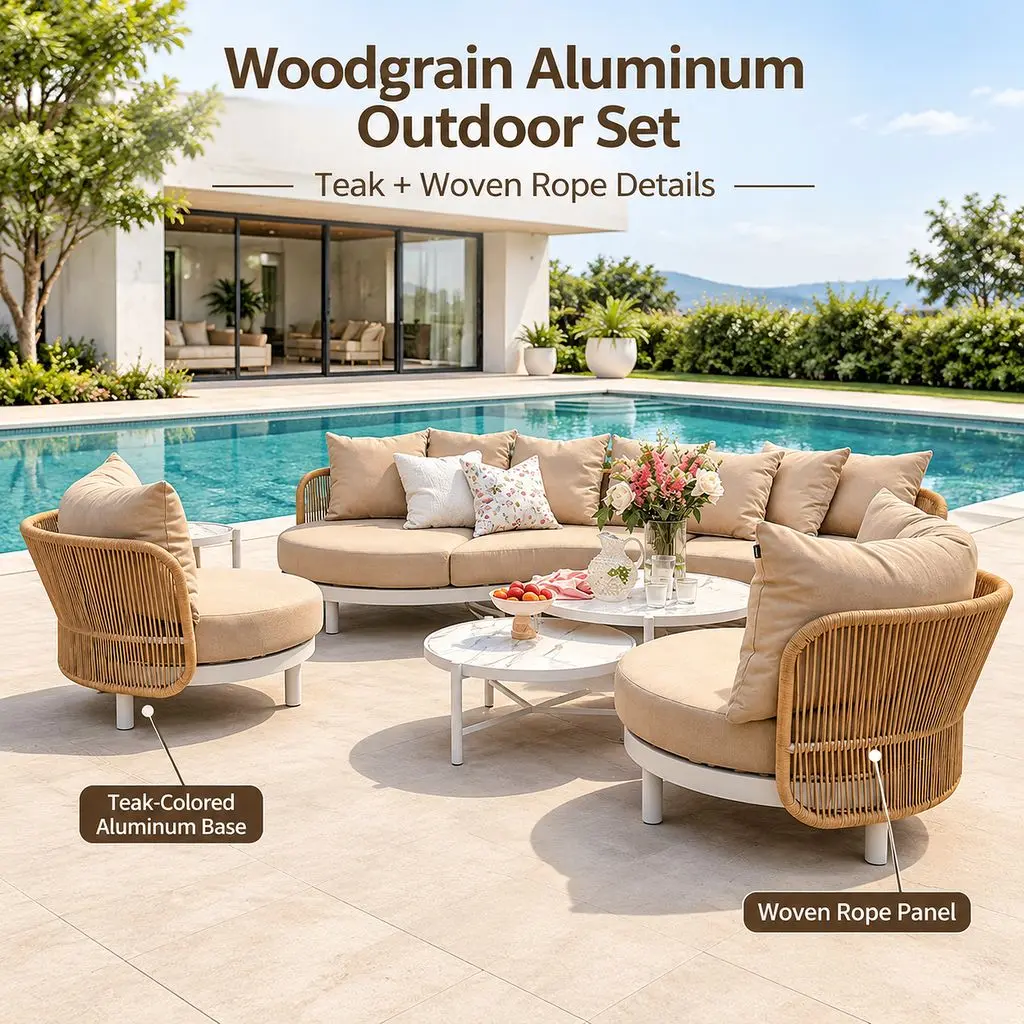
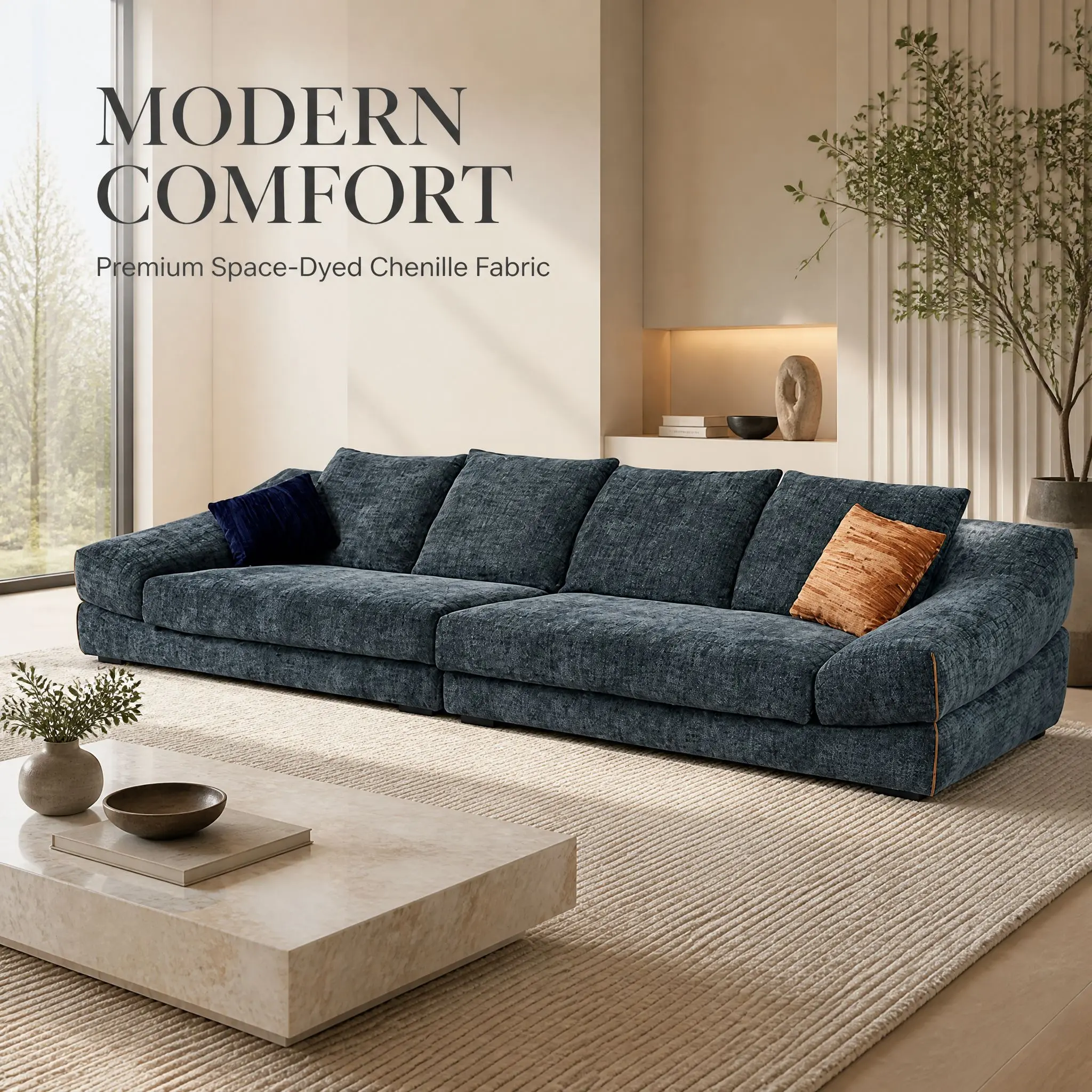
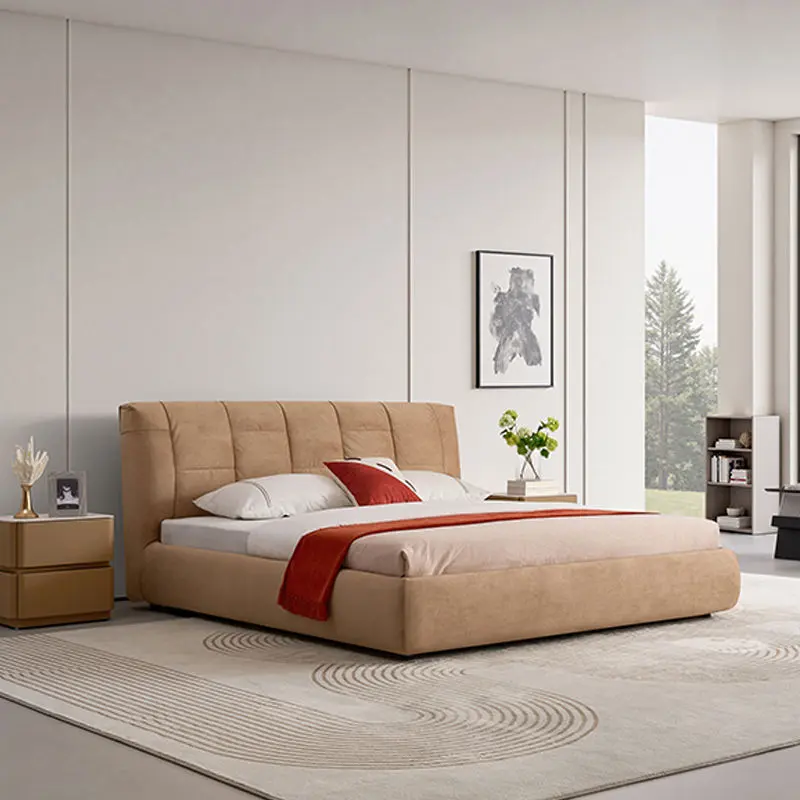
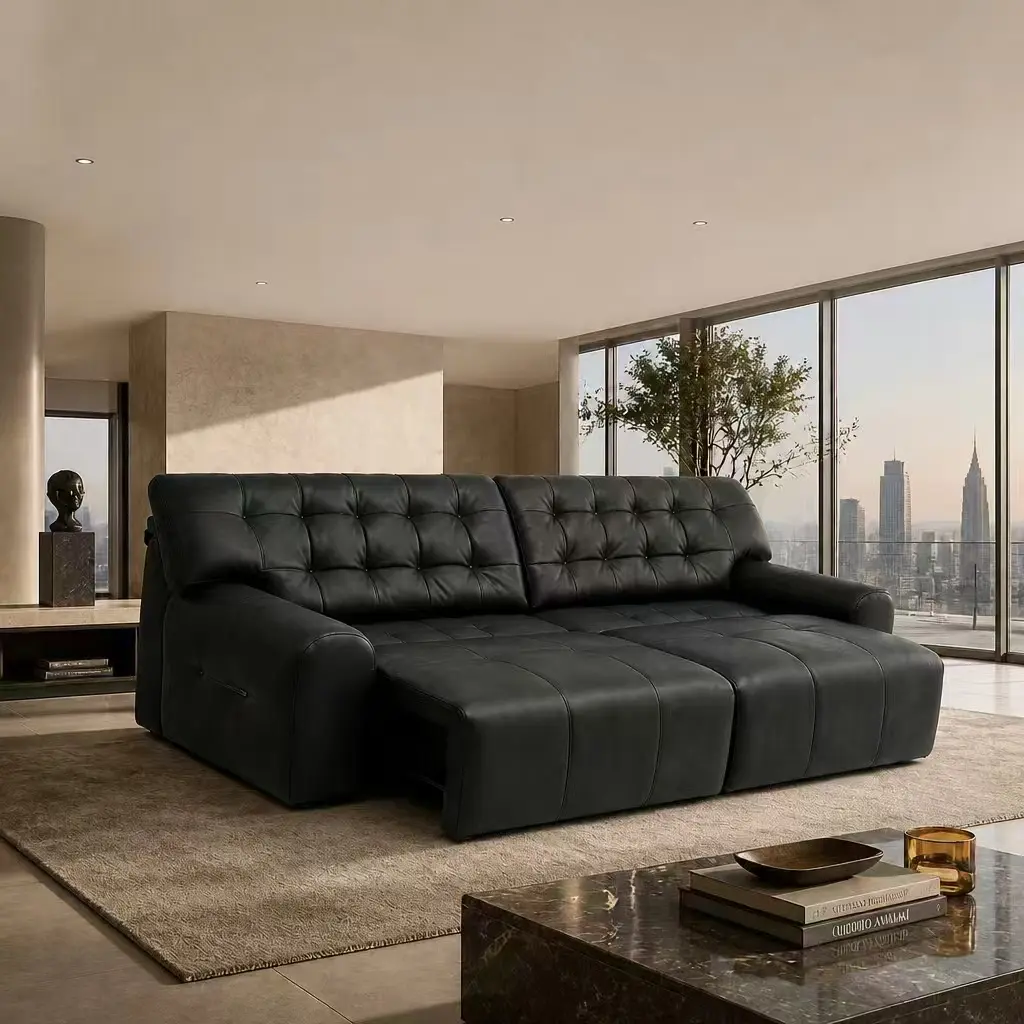
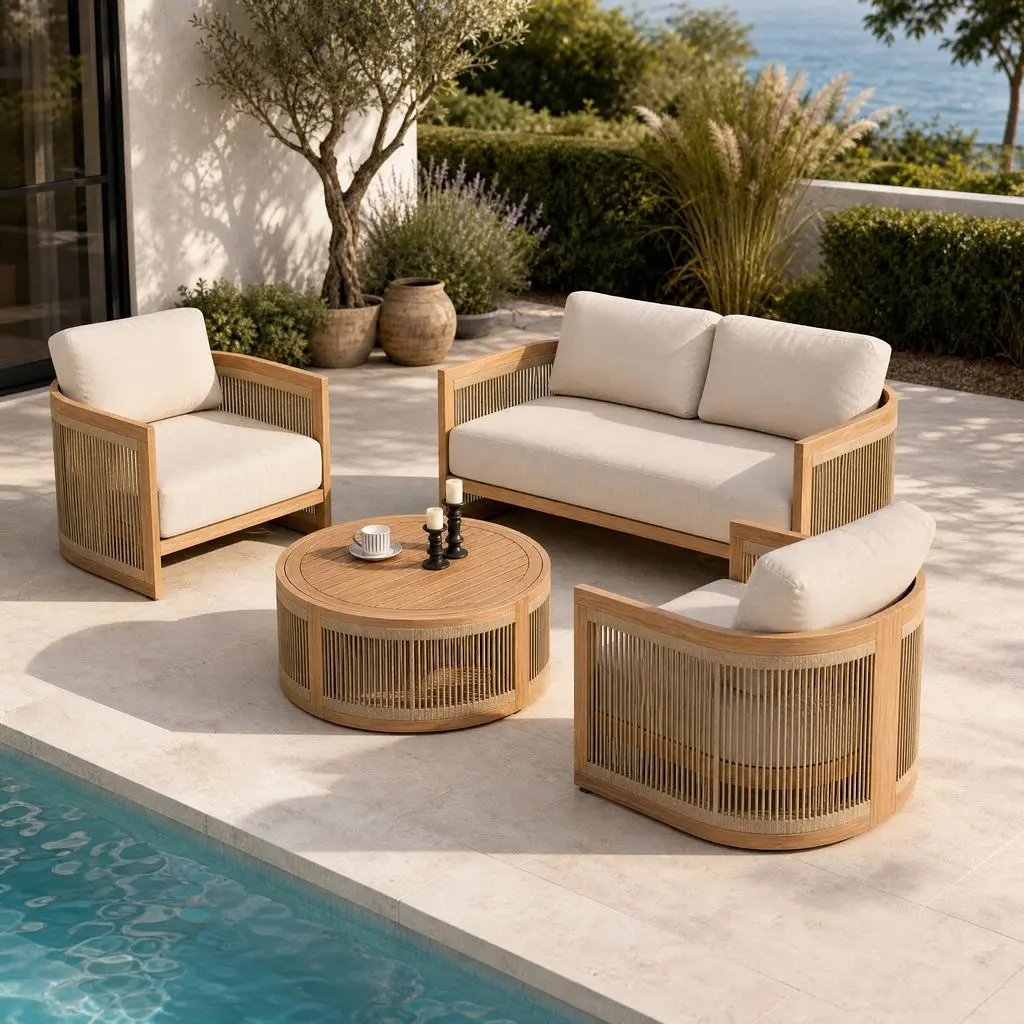
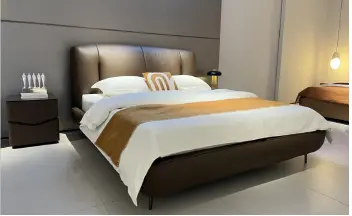
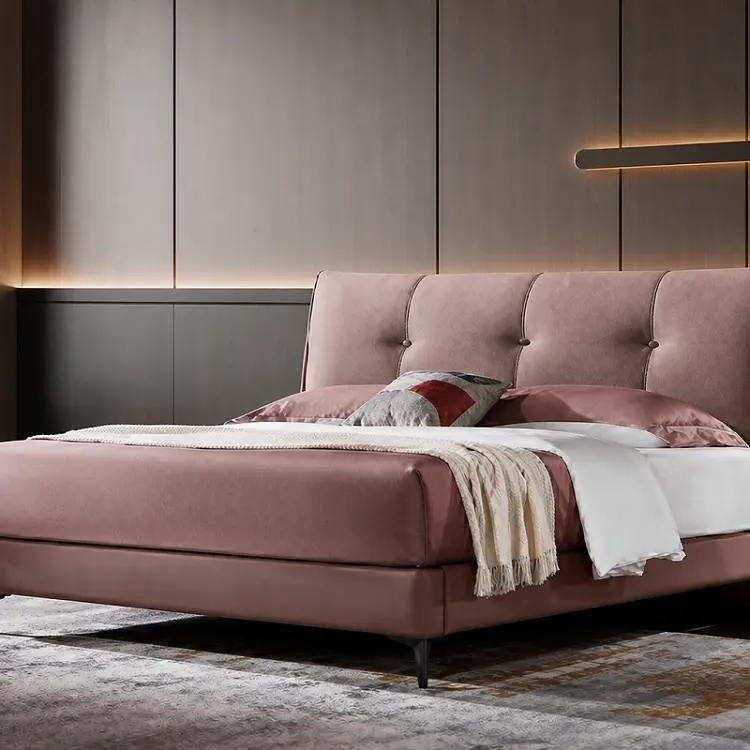
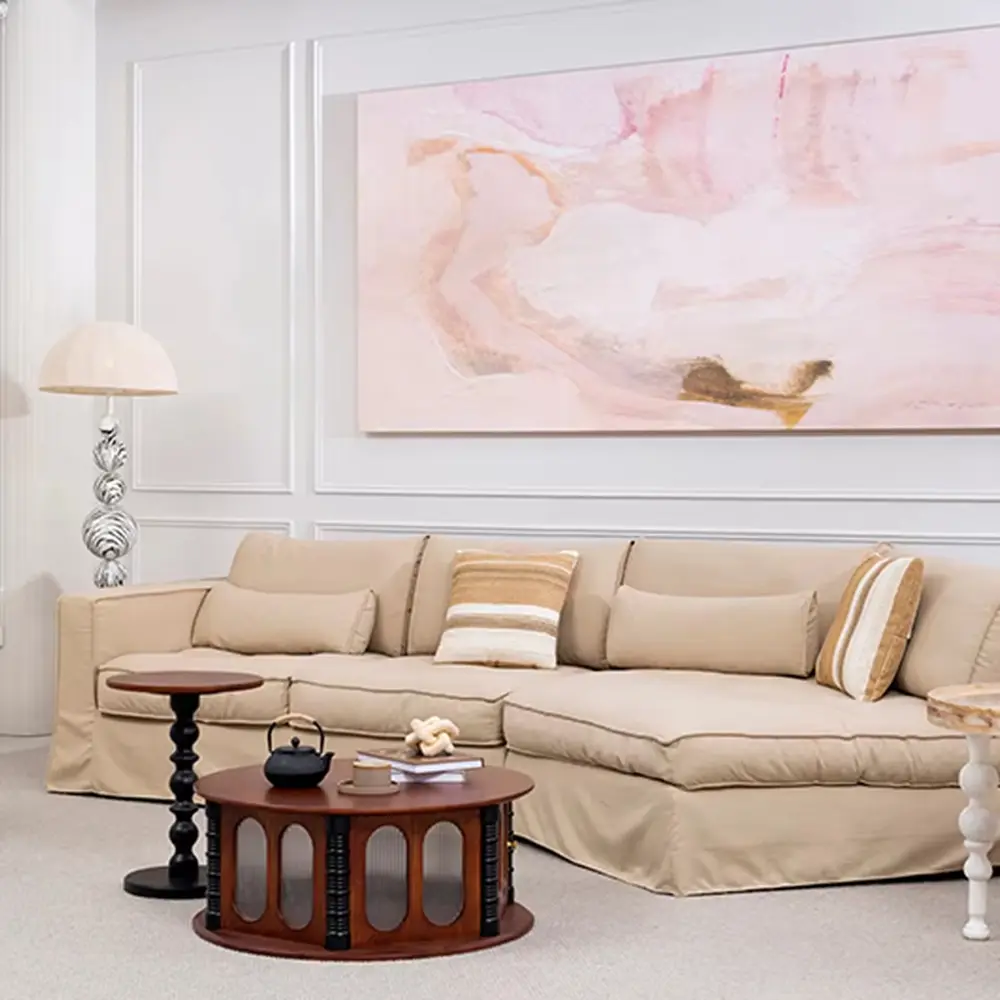
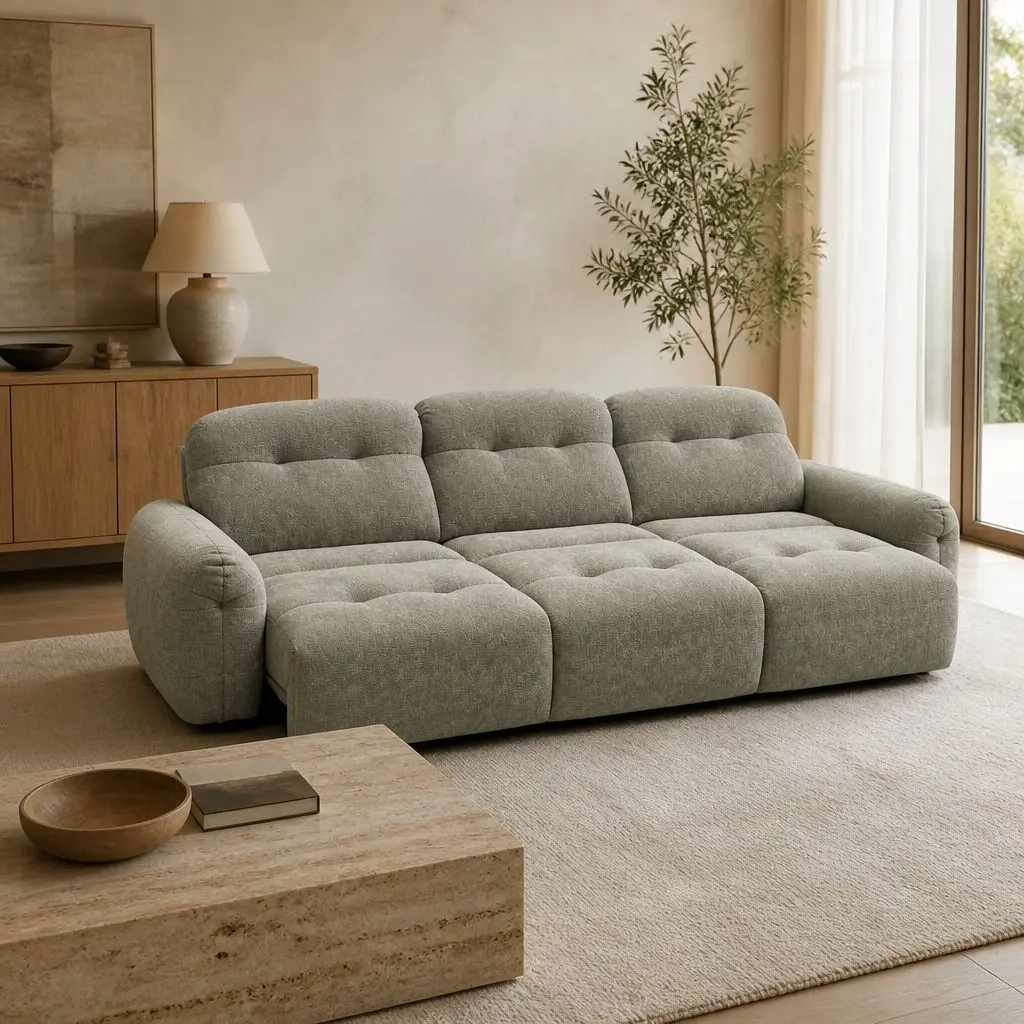
These four platforms are the most frequently specified in Nordic guestroom packages: lounge seating for lobby-adjacent suites, high-performance mattresses, upholstered beds with soft Nordic silhouettes, and weather-resistant terrace furniture for harbour-view rooms.
The Danish Hospitality Furniture Landscape: Local Reality & Global Context
Denmark is a small country with outsized influence on hospitality design. Understanding why Danish procurement behaves differently from the rest of Europe is the first step toward becoming a credible guestroom furniture supplier for this market.
Design-Led Procurement Culture
Denmark's hospitality sector inherits the Danish design tradition — functionalism, honest materials, human scale. Specifiers rarely accept "generic contract furniture"; they expect recognisable design language, verified material provenance and a coherent FF&E story per property.
Compliance Is Non-Negotiable
Danish projects operate inside the EU regulatory stack: CPR/CE marking, EN 16139 seating durability, EN 597 fire performance for upholstered furniture, REACH chemical limits, and the EU Ecodesign for Sustainable Products Regulation (ESPR) entering phased application from 2024 onward.
Short Lead Times, Long Cycles
Danish developers often plan hotel refurbishments in 12–18 month cycles with tight installation windows between low seasons. A supplier that cannot guarantee phased delivery, spare parts continuity and re-order capability within five years becomes a project risk.
Cost Sensitivity Meets Premium Standards
Copenhagen five-star rates sit in a high band, but operating margins remain compressed by labour cost and energy prices. Procurement teams demand factory-direct pricing without any drop in visible quality — value engineering, not value downgrading.
Circular Economy Pressure
Denmark's national circular economy action plan and hotel group ESG reporting obligations push specifiers toward modular furniture, replaceable covers, mono-material upholstery and documented recycled content — a core differentiator for capable factories.
Global Benchmark
Globally, hospitality furniture manufacturing has consolidated around a few clusters: Foshan (China) for upholstered volume, Poland and Lithuania for EU-served casegoods, Vietnam and Turkey for mid-tier wood production. Buyers increasingly blend regions for risk diversification.
Global and Nordic Trends Reshaping Hotel Guestroom Furniture
Contract-Grade Upholstery
Hospitality fabrics are moving to 40,000+ Martindale cycles, stain-release finishes and solution-dyed yarns. Danish specifiers request traceable fibre composition and PFC-free stain treatments consistent with EU chemical policy.
Modularity & Replaceable Components
Beds with zip-off covers, mattresses with flip panels and sofas with swappable cushions extend lifecycle and reduce refurbishment cost. Hotels increasingly re-upholster rather than replace at the ten-year mark.
Smart Sleep Integration
Adjustable bed frames, sleep-tracking mattresses and integrated lighting control are appearing in boutique Danish properties targeting business travellers. Furniture suppliers must now coordinate with AV and BAS (building automation) integrators.
Localised Design Language
Danish properties increasingly commission Nordic-inspired silhouettes — low-profile beds, pale oak accents, muted chenille and bouclé textures — which Chinese factories now reproduce to spec with comparable finish quality.
Localised Denmark Application Scenarios
Danish hospitality demand is not monolithic. Each property type imposes different durability, design and compliance thresholds. Below are the four dominant scenarios Qingyumai supplies into for this market.
Copenhagen Boutique Hotels
40–90 keys, design-led interiors, custom bed profiles, high-spec upholstery. Long life cycles (12–15 years) demand replaceable covers and spare part discipline.
Aarhus & Odense City Hotels
Mid-market and upper-midscale chains need high-durability beds and mattresses with fast reorder cycles and consistent fabric colour matching across refurbishment phases.
Coastal & Harbour-View Resorts
Skagen, Bornholm and coastal properties need terrace and balcony furniture built for salt air, wind load and UV exposure — aluminium frames and Olefin rope rather than traditional wicker.
Serviced Apartments & Aparthotels
Extended-stay and mixed-use residential conversions require hotel-grade durability with residential styling — compact modular sofas, beds with integrated storage and adaptive workspaces.
Technical Roadmap & Future Outlook (2024–2032)
The factories that win Danish contracts in the next decade will be those that treat compliance, lifecycle engineering and documentation as core product — not as marketing. Below is our internal roadmap for how we see guestroom furniture manufacturing evolving.
-
Phase 1 — Digital Product Passport (2024–2026)
Under the EU Ecodesign for Sustainable Products Regulation (ESPR), every furniture item sold in the EU will eventually require a Digital Product Passport. We are building structured data for BOM, material origin, recycled content and recyclability for every SKU destined for Denmark.
-
Phase 2 — Contract Fabric Standardisation (2025–2027)
Consolidating to a smaller library of EN 597-certified, stain-release and PFC-free contract fabrics reduces procurement complexity, shortens reorder cycles and improves colour matching consistency for multi-phase hotel refurbishments.
-
Phase 3 — Modular Frame Architecture (2026–2028)
Bed frames, sofa modules and mattress cores will be engineered around standardised joints and replaceable panels. This lowers lifetime cost of ownership and lets hotels extend furniture life by 30–50% through targeted refurbishment.
-
Phase 4 — Sensor-Ready Furniture (2027–2030)
Guestroom furniture is becoming a data surface: sleep monitoring, occupancy detection and energy management integrate into bed frames and headboards. Factories that build cable routing and power provisions into base designs will be preferred suppliers.
-
Phase 5 — Nearshoring Hybrid Supply (2028–2032)
We expect a hybrid model: core frames and upholstered volumes from Asia, final assembly and upholstery finishing within EU for faster re-order and circular refurbishment. This balances cost, agility and carbon reporting.
Macro Industry Solutions for Danish Hotel Procurement
Furniture is one line item in an FF&E matrix — but it can make or break the operating cost curve of a hotel. Below is how a capable factory partner fits into the broader hospitality procurement ecosystem.
FF&E Package Consolidation
One purchase order across beds, sofas, mattresses, dining and outdoor lines reduces vendor management overhead, aligns finishes across rooms and simplifies container consolidation and customs documentation.
Value Engineering
Replacing over-specified materials with equal-performance alternatives — under guidance from the project's designer — reduces unit cost by 10–20% without visual or durability compromise.
Logistics & Customs
Direct FOB or DDP arrangements into Danish ports (Copenhagen, Aarhus) with correct HS classification, EUDR-aligned timber documentation and accurate packing lists to eliminate port delays.
Compliance Documentation
EN 16139, EN 597, REACH and CE declarations packaged per shipment. Danish specifiers increasingly demand this before first delivery rather than on request.
Refurbishment Continuity
Holding core fabric, frame and mattress patterns in reserve for 5–8 years ensures re-orders can match original specification at each refurbishment cycle.
ESG Reporting Support
Material origin, recycled content and end-of-life disassembly data provided in a format compatible with Danish hotel groups' annual ESG disclosures.
Denmark Guestroom Furniture: Key Procurement Benchmarks
Figure below summarises the range of expectations seen across recent preliminary discussions with Danish specifiers. Use as a planning reference, not as a specification.
| Parameter | Typical Danish Expectation | Notes for Suppliers |
|---|---|---|
| Seat upholstery durability | 35,000–50,000 Martindale | Contract-grade, PFC-free stain release |
| Fire performance | EN 597-1 & EN 597-2 | Documentation with each shipment |
| Bed frame durability | EN 1725 or better | Slat and centre rail reinforcement |
| Mattress specification | Pocket spring, medium firm, 200–220 mm | Replaceable top panel preferred |
| Timber documentation | FSC or EUDR-aligned origin | Chain-of-custody records required |
| Lead time (mass order) | 45–75 days FOB | DDP into DK adds 25–40 days |
| Reorder continuity | 5–8 years | Reserved fabric and frame patterns |
Factory Capability at a Glance
Qingyumai operates in Foshan, Shunde — the heart of the world's most concentrated upholstered furniture cluster — and works with a network of audited partner factories for casegoods, mattresses and outdoor lines. This allows complete FF&E packages under one purchase order.
Frequently Asked Questions from Danish Hotel Buyers
Can Qingyumai supply furniture that meets EU compliance for Denmark?
Yes. We supply upholstered and casegoods furniture aligned with EN 16139, EN 597-1/2 and REACH, and we provide CE declarations and material safety documentation on request. For complex projects, we coordinate with your FF&E consultant to align the specification with each property's regulatory and design requirements.
Do you work with Danish interior designers and FF&E consultancies?
Yes. We regularly adapt standard models to designer drawings — dimensions, fabric and frame colours, cushion density and stitching details. For bespoke items we work from drawings or reference images and produce pre-production samples before mass production.
What is the typical lead time for a 60–120 key hotel furniture package?
For a mixed package (beds, sofas, mattresses, outdoor pieces), the typical FOB lead time is 45–75 days after sample approval, with phased deliveries supported. DDP shipment into Denmark adds approximately 25–40 days depending on customs and port scheduling.
Can you hold fabric and frame continuity for future refurbishment re-orders?
Yes. For Danish hospitality clients we reserve fabric patterns, frame joint specifications and mattress specifications for 5–8 years, allowing re-orders to match the original installed furniture during refurbishment cycles.
Do you consolidate multiple categories into one container?
Yes. Our post-sale team plans loading across categories — beds, sofas, mattresses, dining and outdoor — to maximise container utilisation and reduce freight cost per unit. Multi-layer export crating prevents transit damage.
What documentation do you provide per shipment?
Standard documentation includes commercial invoice, packing list, HS classification, compliance declarations (EN 16139, EN 597, REACH), and timber origin documentation. Digital product data for ESG reporting is provided on request.
How do you handle quality control during production?
Internal QC engineers run in-line audits on structural durability, joint integrity, fabric alignment, foam density and finish consistency. Pre-shipment inspection reports and photographic evidence are provided to the buyer before loading.
Do you support refurbishment of existing hotel furniture?
For long-term partners we offer component replacement — cushions, covers, frames and mattress cores — shipped in bulk so hotels can locally re-upholster without full replacement. This supports the circular economy ambitions of Danish hotel groups.
Complete Guestroom & Public Area Furniture Collection
The following models cover the full scope of a Danish hotel furniture package — from lounge sectional seating and storage-integrated beds, to mattresses specified for medium-firm Nordic preference, and outdoor furniture for harbour-view terraces.
Planning a Danish Hotel Furniture Package?
Send us your FF&E schedule, room count, and target installation window. Our export team will return a preliminary specification, compliance notes and a phased pricing outline within 5 working days.