
Dining & F&B
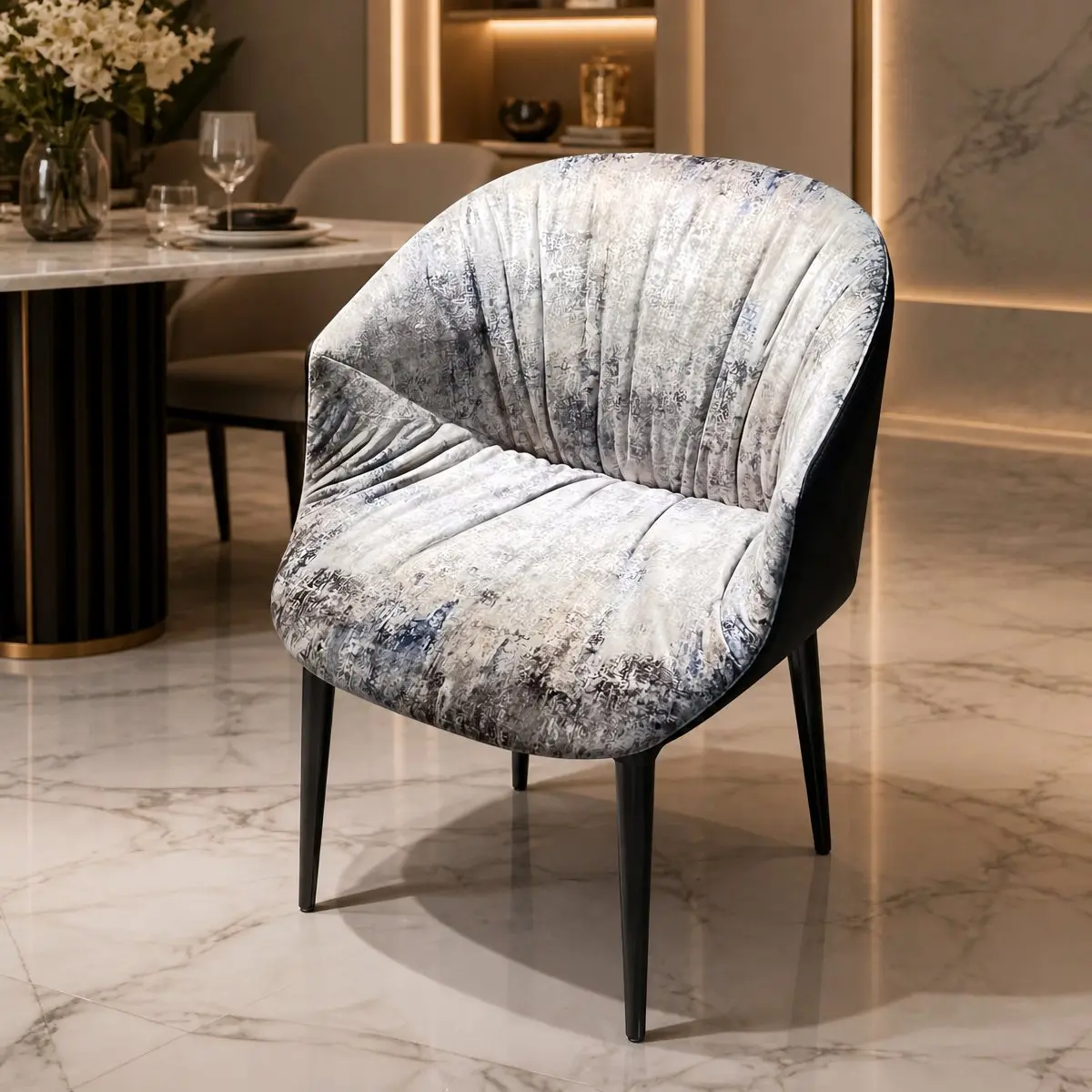
Wholesale QYM Luxury Velvet Dining Chair – Black Metal Legs, Ergonomic Backrest & High-Density Foam
View Product SpecThese four platforms are the most frequently specified in Netherlands hotel refurbishment schedules: contract-grade dining chairs, swivel meeting chairs for lobby and lounge zones, and high-back armchairs for executive rooms. Each model is available in commercial upholstery grades tested to EN 16139 seating durability and can be supplied with Dutch-language care labels and EPD-style material declarations.
Wholesale QYM Luxury Velvet Dining Chair – Black Metal Legs, Ergonomic Backrest & High-Density Foam
View Product Spec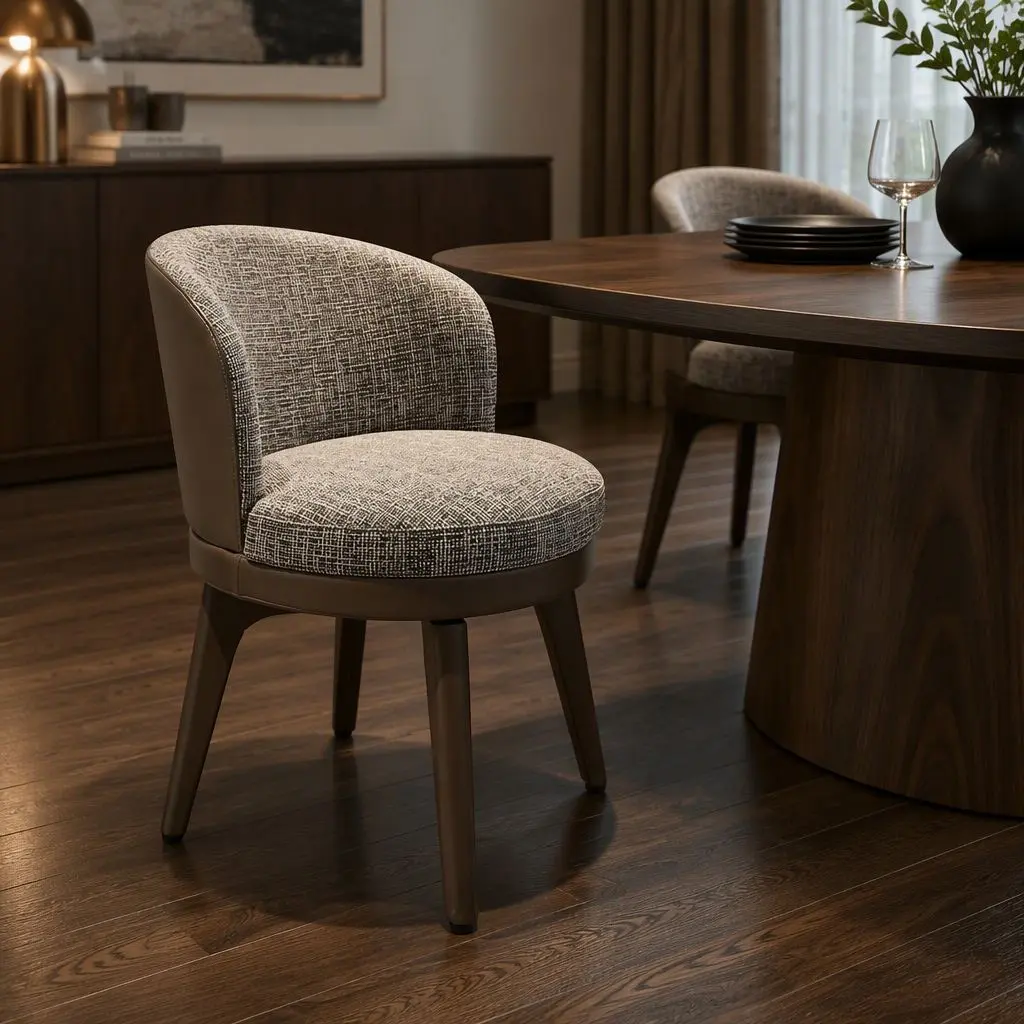
QYM Italian Minimalist Swivel Dining Chair, Solid Wood Frame with Upholstered Light Luxury Seat, Modern Meeting Chair
View Product Spec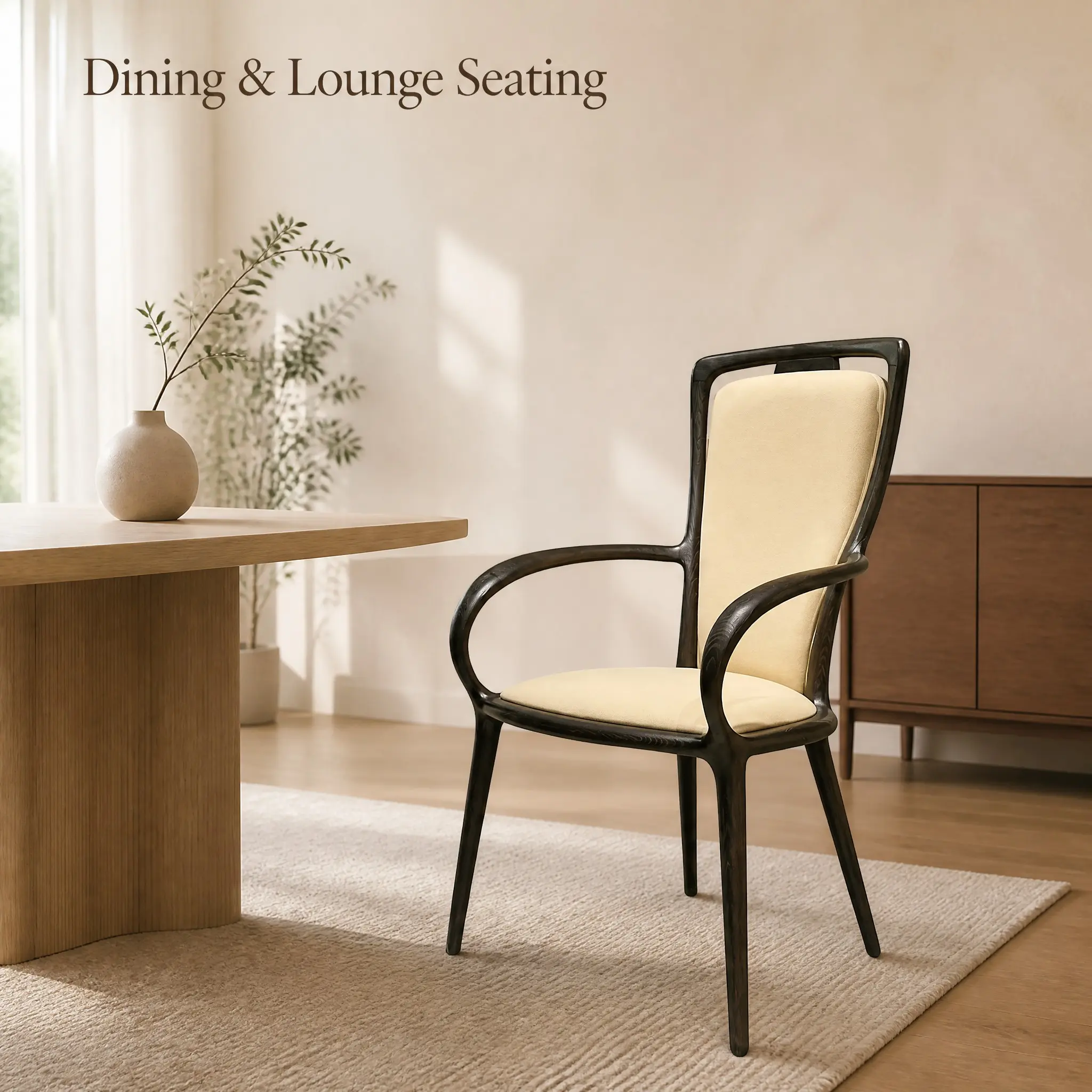
QYM Modern Solid Ash Wood Dining Armchair, Beige Microfiber Leather Upholstered, Smoked Finish Ash Frame High Back
View Product Spec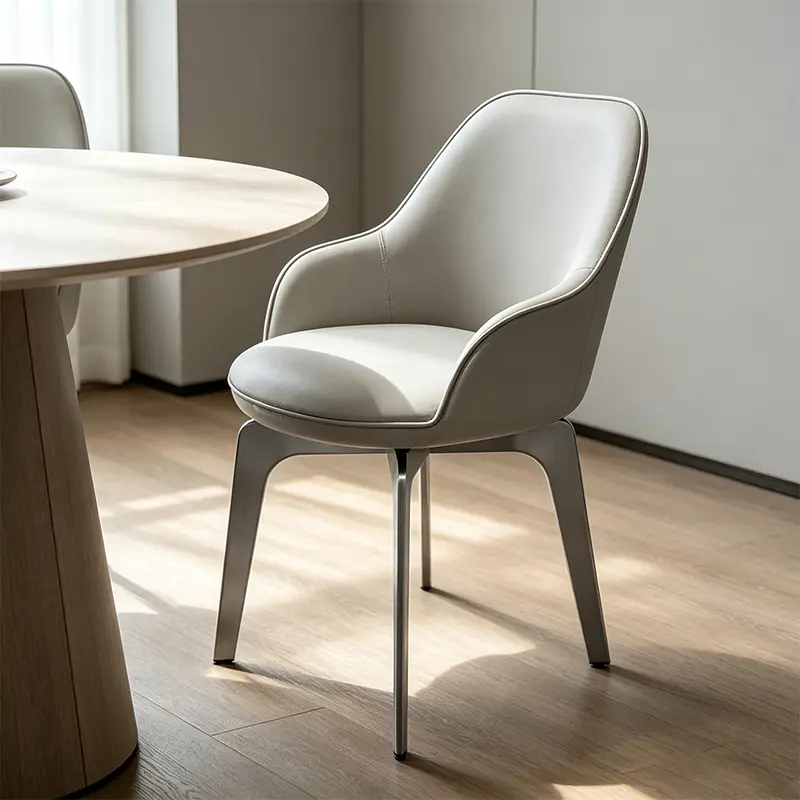
QYM Light Gray Microfiber Leather Swivel Dining Chair, Solid Stainless Steel Grey-Titanium Plated Frame 360° Rotatable
View Product SpecThe Netherlands is not a volume market in the way Germany or the UK is — it is a density and quality market. Understanding that distinction is the single biggest determinant of whether a hotel furniture programme lands on budget and on schedule.
Dutch city hotels in Amsterdam, Rotterdam, Utrecht and Eindhoven average smaller guestroom footprints than Southern European equivalents. Casegoods must be dimensionally optimised — a 1600 mm bed wall package with integrated luggage bench and floating nightstands often replaces a full suite arrangement. Suppliers who cannot engineer to millimetre tolerances lose these tenders early.
The Netherlands leads the EU in circular procurement policy. Dutch municipal and institutional buyers increasingly require material passports, replaceable component design and take-back commitments. A guestroom chair with a bolt-on seat cushion that can be reupholstered in-country is now a scoring advantage, not a nice-to-have.
Rotterdam is the largest port in Europe and the primary entry point for containerised FF&E. Direct China–Rotterdam sailings combined with bonded warehousing allow phased project deliveries — a critical advantage when a hotel refurbishment runs floor-by-floor rather than all at once.
Hospitality furniture is no longer a decoration decision — it is an asset lifecycle decision. These four trends are visible across Dutch, Belgian and German project briefs arriving at our Foshan engineering desk.
Dutch operators now plan 7–9 year soft refurbishment cycles instead of 5. The furniture brief shifts from "replace the room" to "replace the fabric, foam and hardware." Modular construction with replaceable covers and zipped cushions moves from premium option to baseline requirement.
CNC-machined MDF with edge-banding that survives steam cleaning, 3D-bent plywood shells and precision-welded metal frames are replacing traditional joinery. This delivers ±0.5 mm dimensional consistency across 200 identical rooms — something hand-built casegoods cannot guarantee.
Dutch projects referencing EN 13501-1 reaction-to-fire classifications, EN 1021-1/-2 upholstery ignitability and increasingly EN 16139 for non-domestic seating performance. Formaldehyde compliance under E1 and CARB Phase 2 is now expected as a default submission, not a special request.
Multi-vendor sourcing has become a risk management problem rather than a cost strategy. Operators and procurement consultancies increasingly award one supplier a full guestroom package — bed, mattress, casegoods, seating, outdoor terrace — because central accountability compresses the handover timeline and reduces variation orders.
The phrase "Factory 4.0" is overused. In a hotel furniture context it should mean three concrete, verifiable capabilities — and buyers are entitled to ask for evidence of each before signing a purchase order.
A single-product factory cannot absorb a 400-room order variance. Our Shunde facility pairs in-house upholstery and frame lines with long-term audited partner plants for casegoods, mattresses and outdoor furniture. If one line is full, production reallocates without changing the specification, the QC standard or the contract.
Every project brief is modelled in 3D and converted into a bill of materials with tolerances resolved before the first CNC file is cut. Pre-production samples confirm dimension, colour and comfort. This front-loaded engineering stage is what protects schedule: rework during mass production is the primary cause of late hotel furniture deliveries.
QC engineers audit production lines on-site during manufacture — not only at final inspection. Structural durability cycles, finish consistency across batch, fabric tension and hardware function are checked and documented. Buyers receive photographic audit reports against the approved sample before container loading.
Send your room count, bed wall dimensions and target opening date. We will return a specification matrix, indicative container loading plan and a China–Rotterdam logistics timeline.
A single "hotel furniture" specification does not exist. The five scenarios below each demand a different combination of durability, dimension and design language.
Listed buildings with irregular floor plates and narrow stair access. Furniture arrives in knocked-down form and is assembled in-room. Slim-depth casegoods and 1500 mm bed walls are standard.
Schiphol, Rotterdam-The Hague Airport and Eindhoven catchments. Higher turnover means heavier wear on seating and mattresses; specification prioritises contract fabric abrasion resistance above 40,000 Martindale cycles.
Rapid growth in Amsterdam Zuidas and Rotterdam Centrum. Units behave like residences: full dining seating, convertible sofas and adjustable mattresses become part of the guestroom package.
Coastal and Veluwe-region resorts specifying outdoor terrace furniture alongside guestrooms. Aluminum frames, olefin rope weave and waterproof cushions handle North Sea humidity and UV load.
Former offices and convents converted to hotels. Non-standard room geometry demands dimensionally custom casegoods — a scenario where OEM dimension flexibility is the decisive procurement criterion.
International brands operating in the Netherlands require compliance with global brand standards plus local fire regulation. We supply against brand specification sheets and document deviation requests.
The purchasing behaviour observed in Netherlands project briefs mirrors a broader shift across European and North American hospitality procurement. Three patterns dominate.
| Buying Pattern | What Changed | Implication for Suppliers |
|---|---|---|
| Consolidated Packages | Buyers award one supplier the full guestroom scope instead of splitting by category | Suppliers must demonstrate multi-category capability with one QC owner |
| Documented Compliance | Fire, emissions and durability certificates requested at tender stage, not at delivery | Pre-prepared technical files accelerate tender qualification |
| Phased Delivery | Floor-by-floor installation replaces single full-hotel delivery | Bonded warehousing and call-off scheduling become competitive advantages |
| Design Accountability | Interior designers expect suppliers to interpret, not just replicate, drawings | In-house design and 3D engineering teams win specification |
| Post-Handover Support | Replacement part availability is written into contracts | Component libraries and spare-part documentation matter |
A transparent five-stage workflow. Every stage produces a documented deliverable the buyer can review and approve.
Room types, dimensions, counts and brand standards mapped into a category matrix with target pricing.
Frames, foams, fabrics and finishes selected against EN fire, emissions and durability requirements.
Pre-production sample confirms dimension, colour and comfort. Signed off before mass production begins.
On-site line audits during manufacture with photographic reporting against the approved sample.
Mixed-category loading, multi-layer export crating and China–Rotterdam FCL scheduling.
Direct answers to the questions Dutch procurement teams, interior design practices and hotel operators ask before placing a first order.
Yes. We ship FCL and consolidated LCL containers from Shenzhen, Guangzhou and Ningbo to Rotterdam, the primary European gateway. Typical ocean transit for a direct sailing is around 21 days plus inland handling. DDP, CIF and FOB terms are all supported depending on whether your procurement team or a nominated freight forwarder manages clearance.
Specifications can be engineered against EN 13501-1 reaction-to-fire classifications and EN 1021-1/-2 upholstery ignitability tests. We confirm the required classification at brief stage, source compliant foam and fabric grades from qualified mills, and provide test documentation with the production batch. Buyers should always confirm the exact classification required by their fire safety consultant, as project-specific requirements vary.
Yes. Conversion and canal-house projects frequently require non-standard dimensions. We work from architectural drawings or site measurements, produce 3D models for client confirmation, and manufacture to ±0.5 mm tolerance. OEM dimension customisation is a standard service, not a special order.
MOQ depends on the mix. For a coordinated guestroom package combining bed, mattress, casegoods and seating, we typically work from a room-count basis rather than a fixed unit threshold. Smaller boutique projects are supported through consolidated production slots; larger 200+ room programmes receive dedicated line scheduling. Share your room matrix and we will confirm feasibility.
We support call-off scheduling against a master production plan. Finished goods can be staged in bonded warehousing and released in phases aligned to your contractor's floor programme. This is common practice for Dutch city hotels that remain partially operational during refurbishment.
Yes. Given the Dutch market's emphasis on circular procurement, we recommend zipped, replaceable covers on seating and headboards as a specification default. This allows in-country reupholstery during a soft refurbishment rather than full replacement, extending asset life and reducing waste.
Typical documentation includes approved pre-production samples, material and finish specifications, fire test certificates where applicable, in-line QC audit reports with photography, packing lists, and container loading plans. Brand-standard deviation requests are documented and submitted for client approval where relevant.
Yes, and we encourage it. The facility is located in Hui Cheng Industrial Park, Longjiang Town, Shunde District, Foshan, Guangdong. Buyers, interior designers and procurement consultants are welcome to arrange factory and showroom visits to review construction methods, material samples and live production.
The eight platforms below form the backbone of a complete guestroom and terrace package — from the bed wall and mattress through to the public-area sofa and the outdoor terrace group. Supplying them together means one quality standard, one finish library and one container plan.
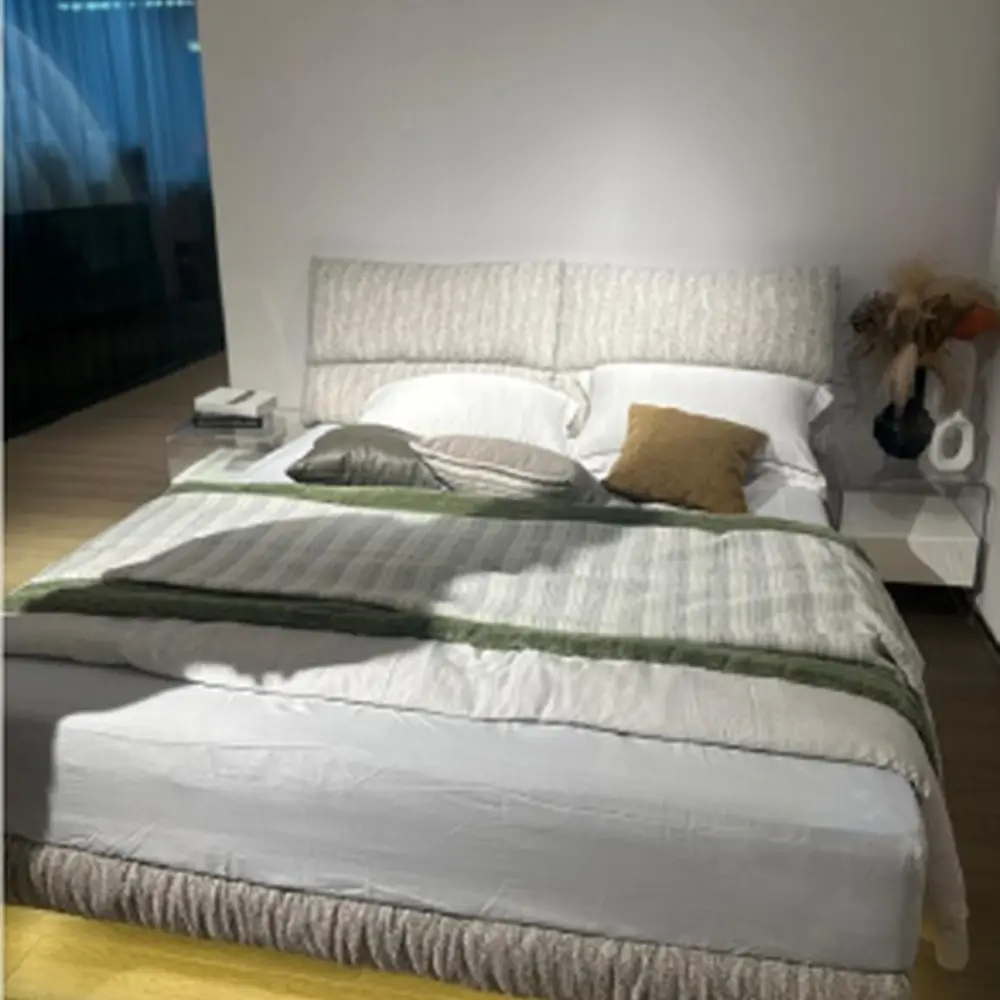
QYM C208 Linen Upholstered Bed – Soft Woven Texture with a Calm Contemporary Presence
View Product Spec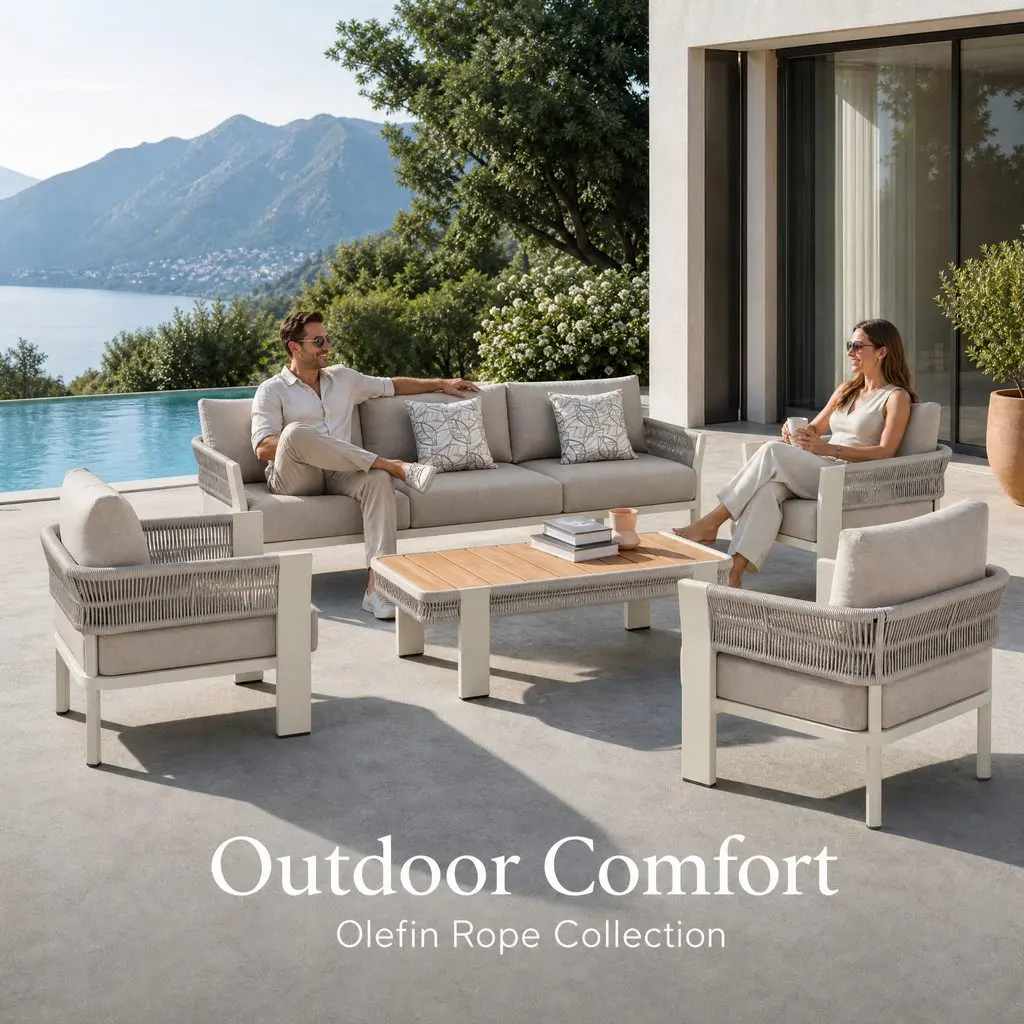
QYM XD-6022 Outdoor Sofa Set with Aluminum Frame, Olefin Rope Weave, Waterproof Cushions & High-Density Foam
View Product Spec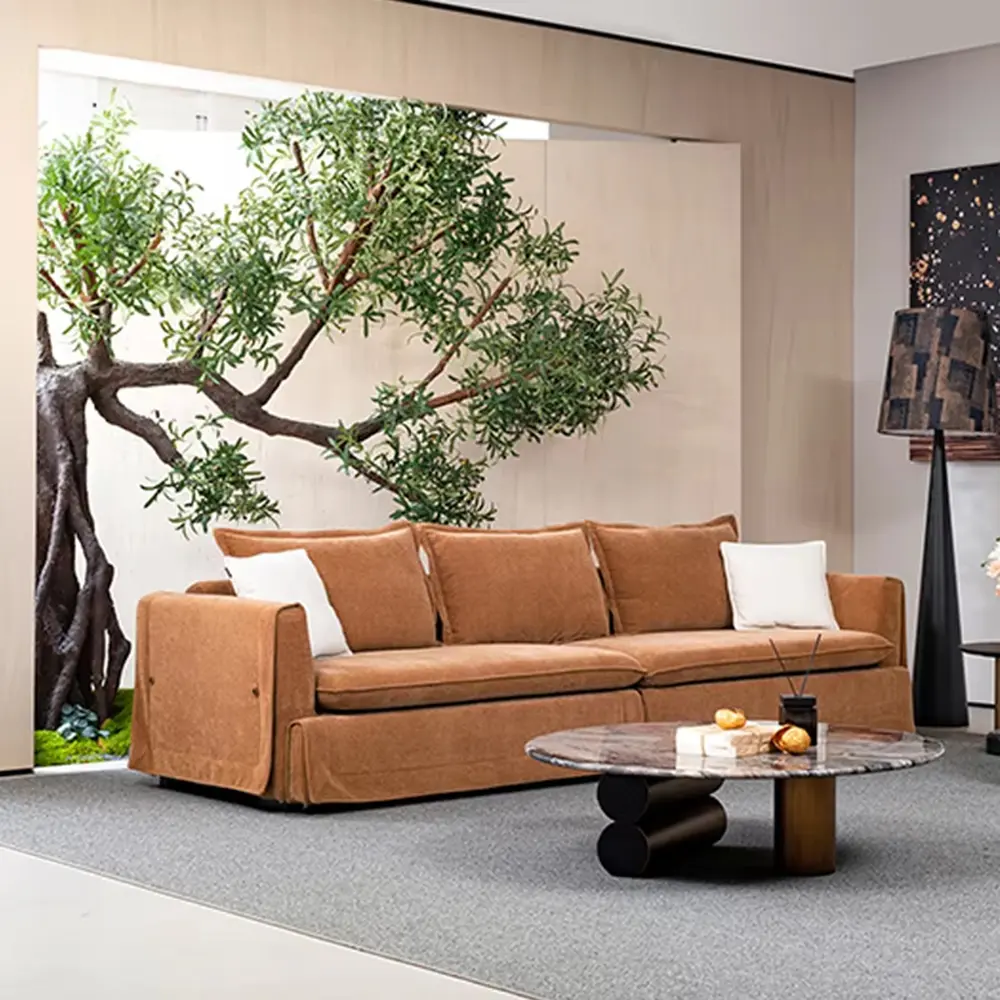
QYM M1050 Contemporary Three-Seat Chenille Sectional Sofa – Cozy Thick Comfort, Removable & Washable Cover
View Product Spec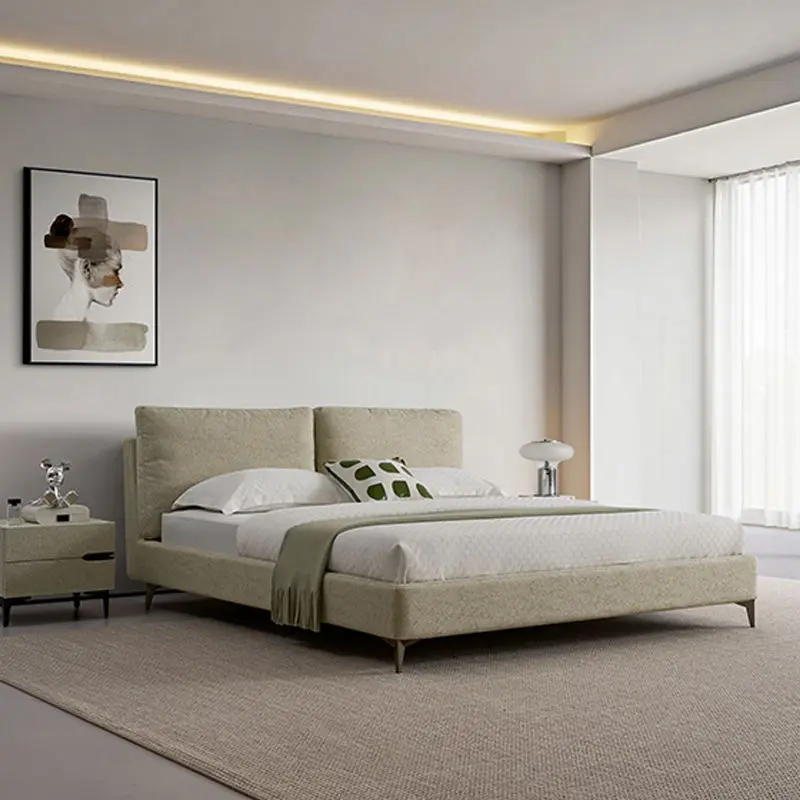
QYM C162-B Minimalist Modern Queen Size Soft Bed – Cotton and Linen Fabric Upholstered Bed Frame
View Product Spec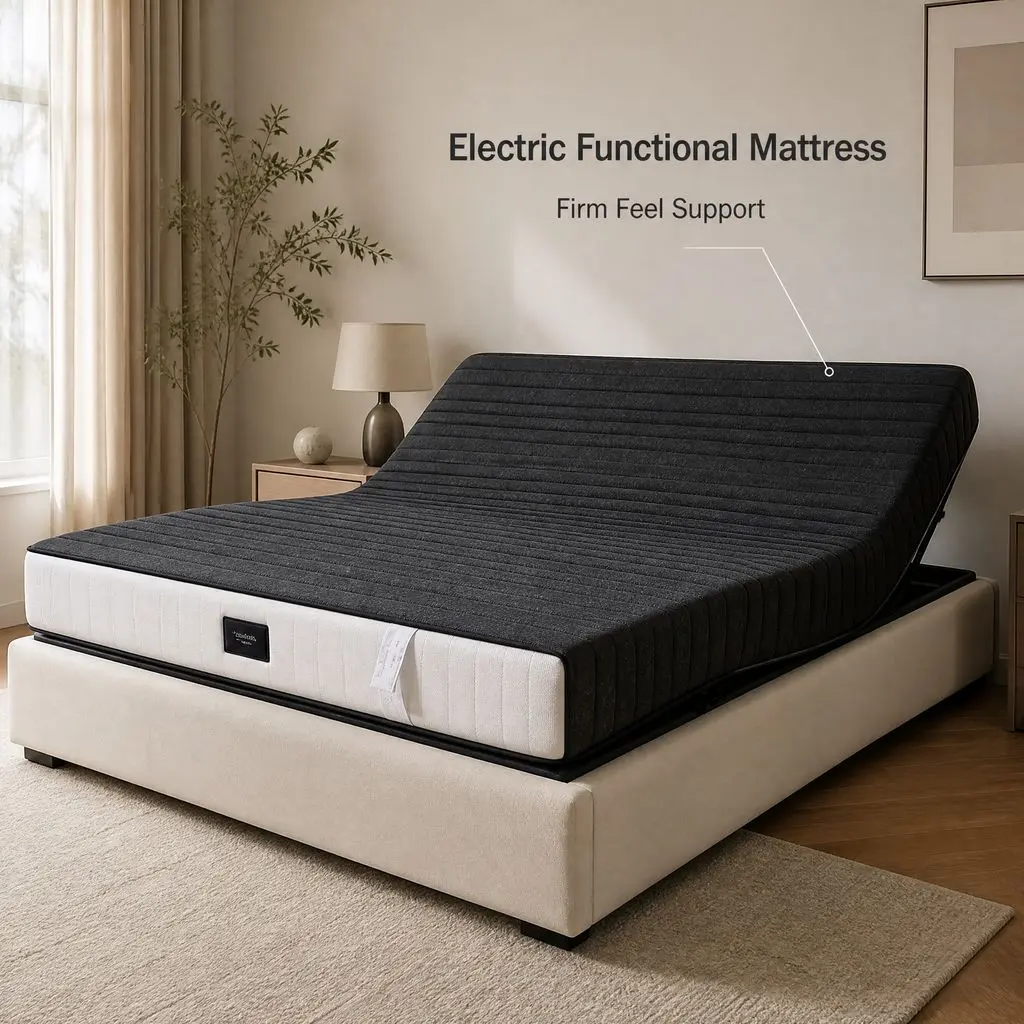
QYM ZNA3 Smart Electric Adjustable Mattress with German Oeken Motor, Comfort Cotton & 3D Technology
View Product Spec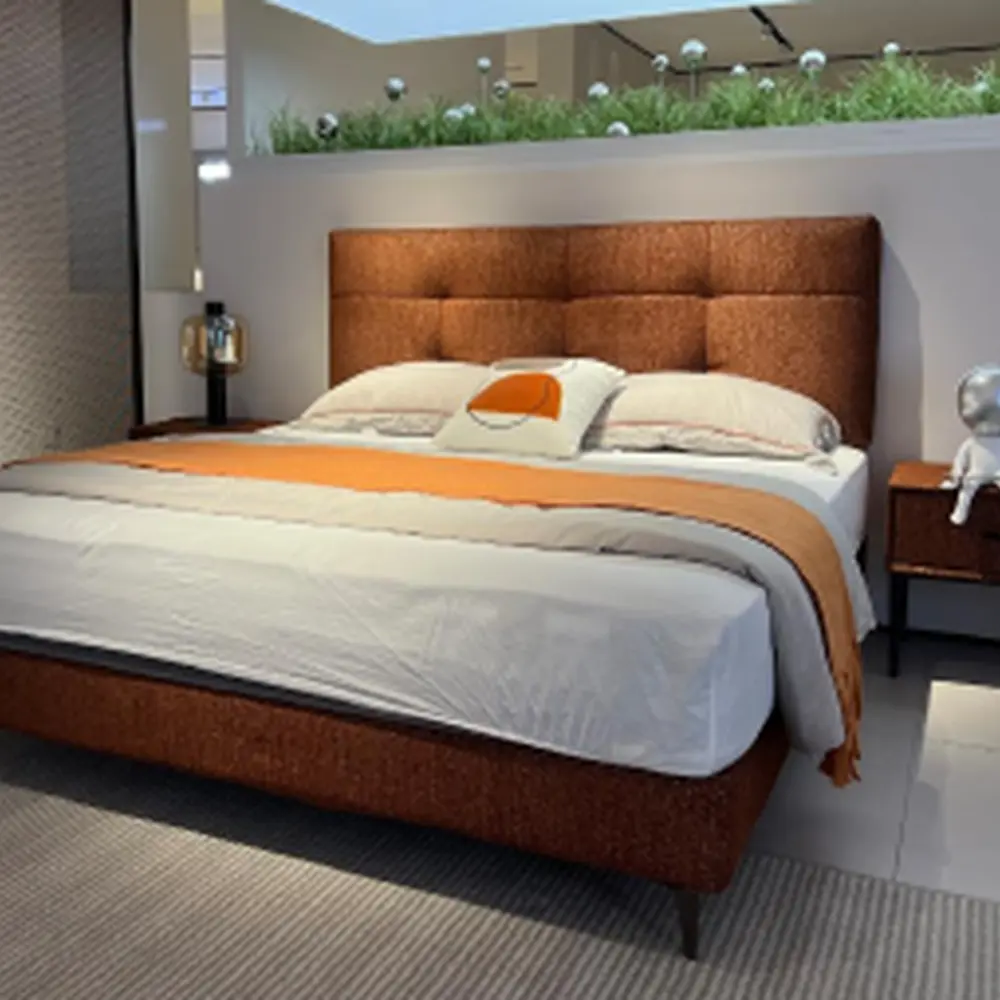
QYM C207 Chenille Upholstered Bed – Textured Chenille Comfort for Modern Bedroom Projects
View Product Spec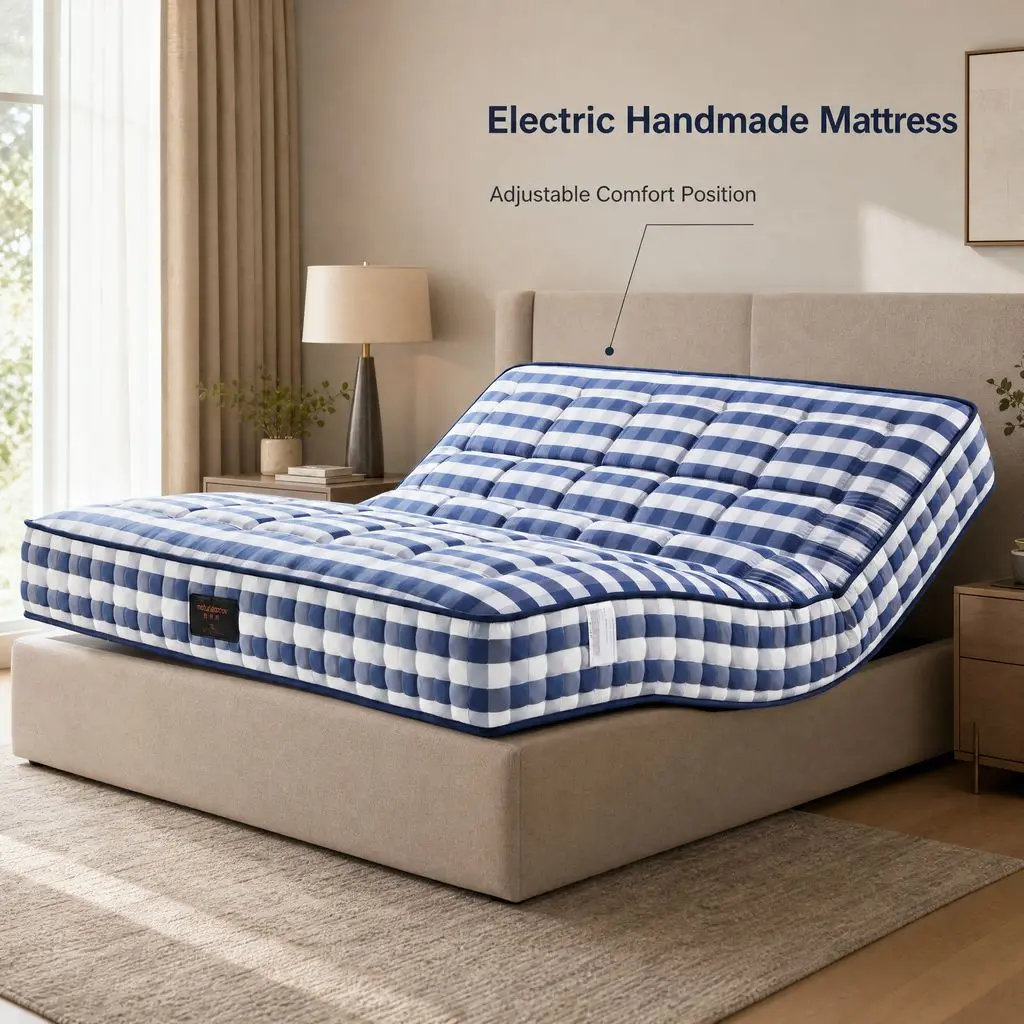
QYM ZNA6 Modern Electric Adjustable Mattress with Cool Fabric, Quiet Pocket Springs, Thai Latex & AI Voice Control
View Product Spec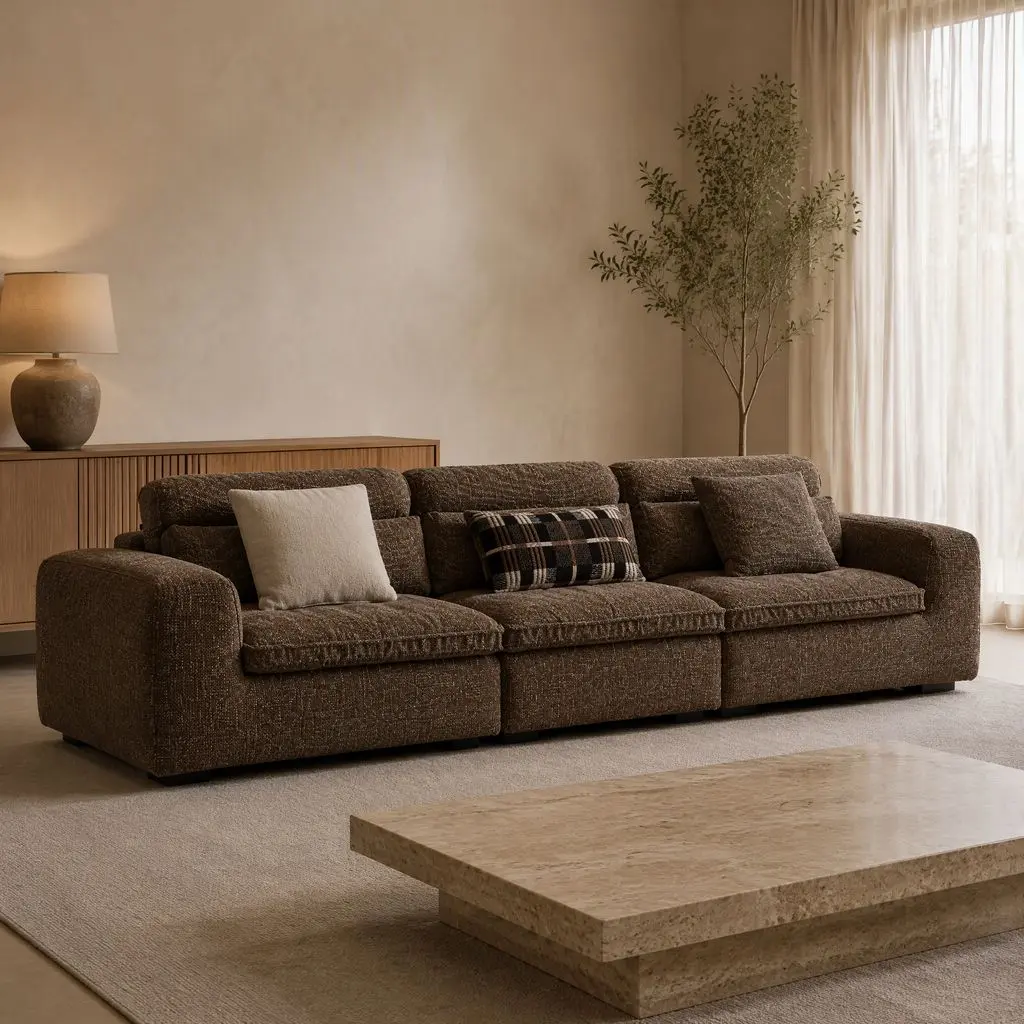
QYM M1096 Modern Modular Sectional Sofa with Latex Cushions, Larch Wood Frame, Solid Wood Legs & Two-Tone Linen
View Product Spec