
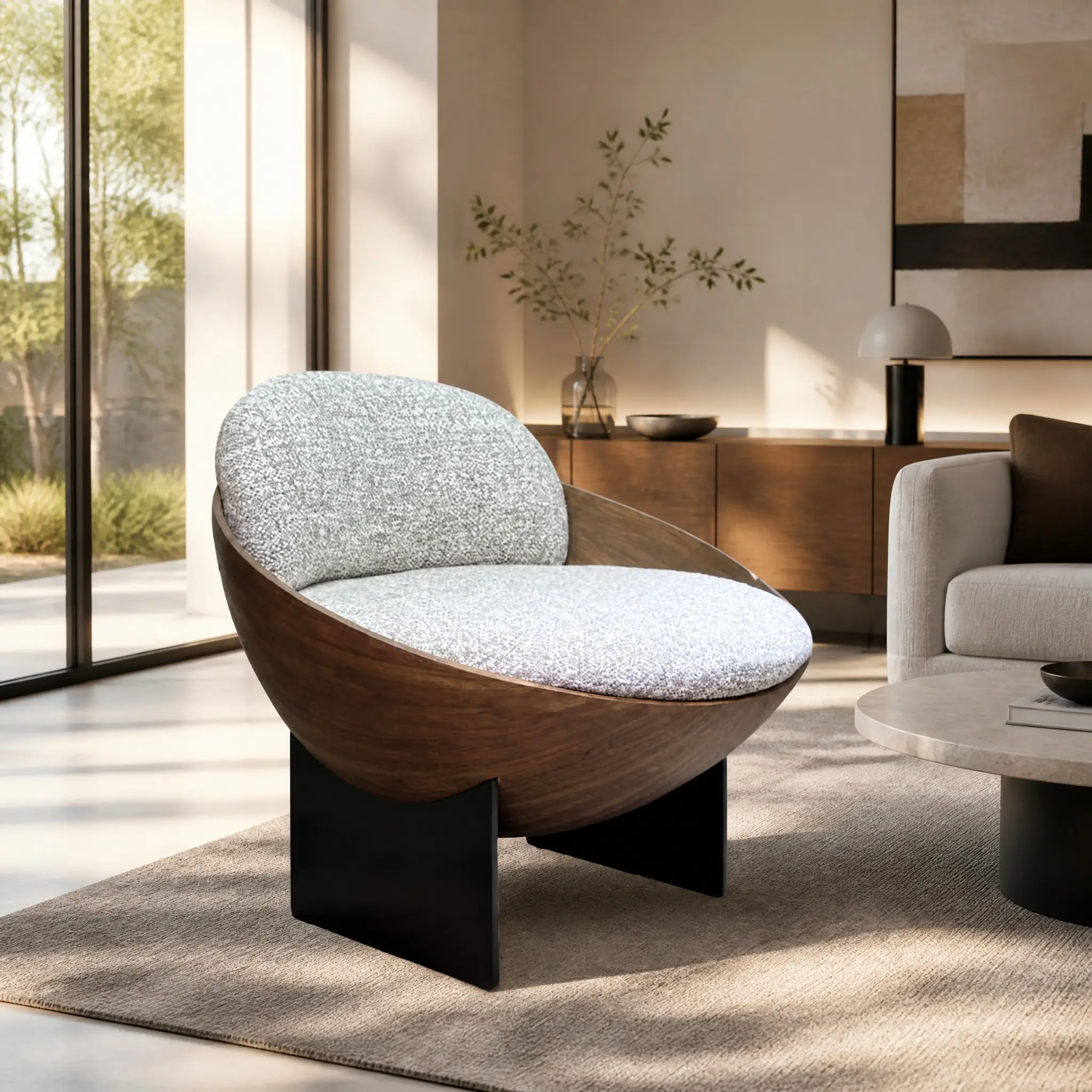
Featured for Japan Buyers
Four Signature Models Suited to Japanese Residential & Hospitality Interiors
Compact footprints, tight upholstery tolerances and warm wood tones — these four models reflect the material language Japanese buyers most often request when specifying accent seating for compact apartments, hotel lounges and restaurant floors.
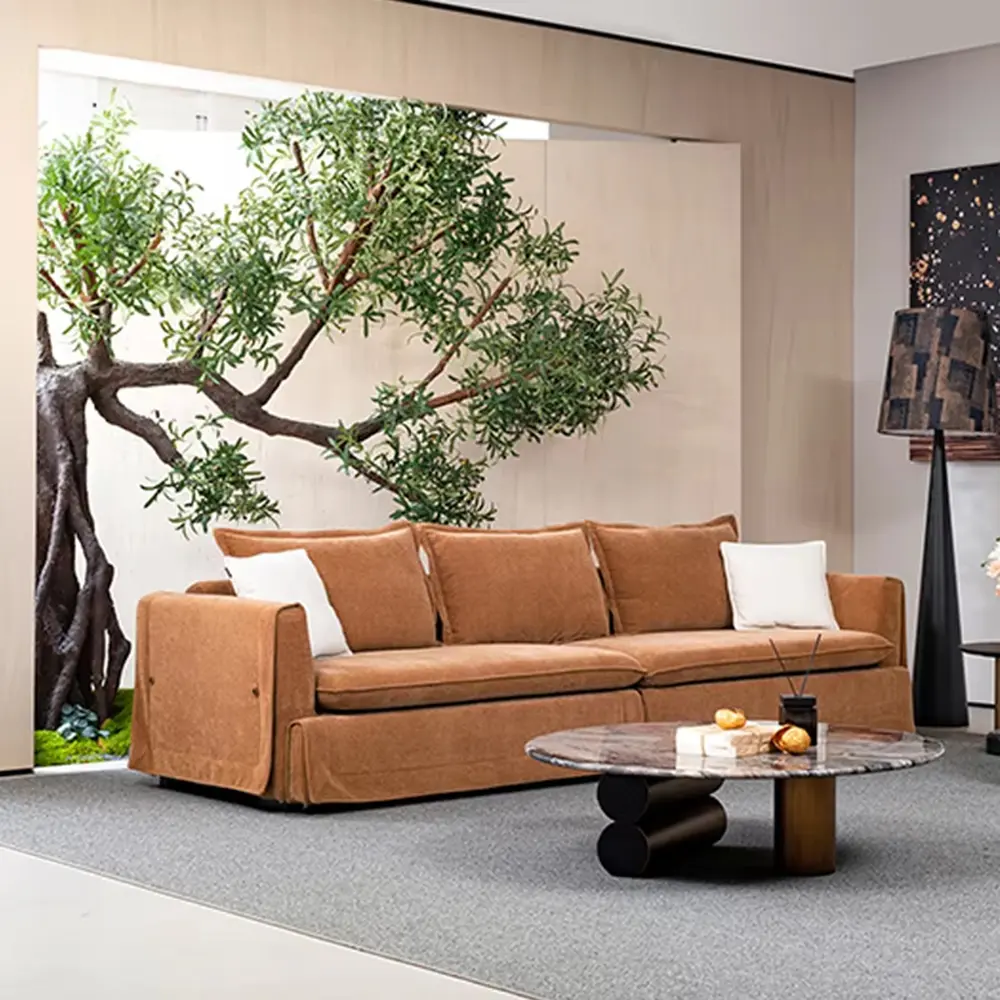
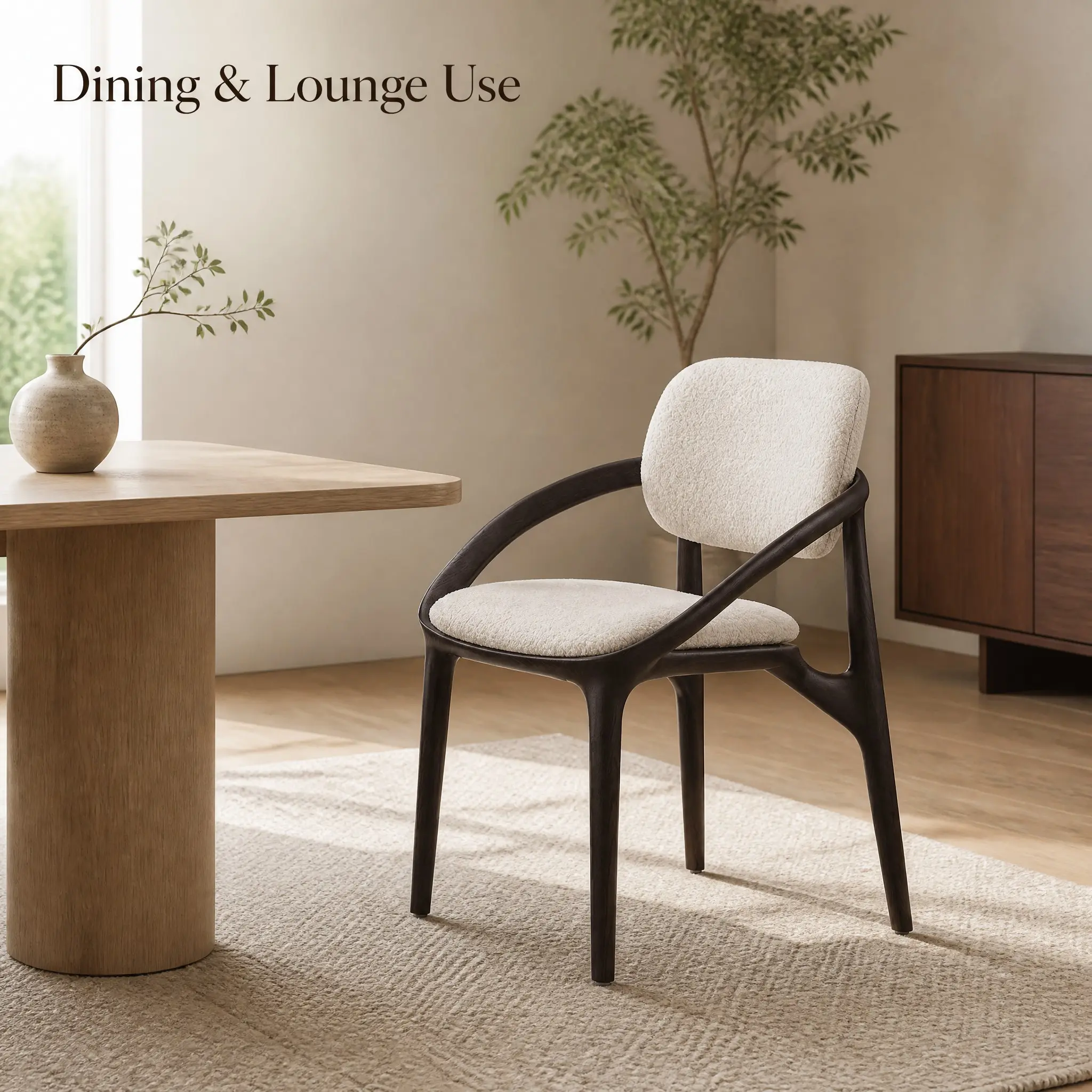
Information Gain
Why Accent Chairs & Chaises Are a Distinct Category in Japan
Japan does not simply import "another lounge chair." Its housing stock, seismic codes, humidity profile, hotel pipeline and retail expectations reshape what a compliant, sellable accent chair actually is.
Compact Housing Stock
Average new-build apartment floor area in Greater Tokyo continues to shrink. Accent chairs must justify their footprint — seat width under 700 mm, depth under 800 mm and a swivel or lightweight base are recurring RFQ requirements.
Humidity & Seismic Reality
Japan's rainy season and coastal humidity demand treated hardwood frames, moisture-stable plywood and anti-mold foam. Freestanding tall-back chaises must also pass topple-resistance checks for hotel and public-space deployment.
Hotel & Ryokan Pipeline
Ongoing inbound-tourism investment keeps regional hotel and ryokan refurbishments active. FF&E packages increasingly pair washable or replaceable upholstery with fire-retardant foam to satisfy Japanese building and fire-service guidance.
Retail & E-commerce Channels
Japanese furniture retail blends showroom chains with dominant e-commerce platforms. Buyers need flat-pack or knock-down engineering, Japanese-language assembly sheets and packaging that survives multi-leg domestic delivery.
Compliance Sensitivity
Formaldehyde emission limits, flame-retardant labeling and chemical substance reporting are taken seriously by Japanese procurement. Documented material declarations shorten approval cycles significantly.
Premium Aesthetic Expectation
Japanese interiors favor restrained palettes — greige, warm walnut, smoked ash, off-white bouclé. Factories that can hold tight color consistency across repeat orders win long-term retail programs.
Global Industry Landscape
Global Demand for Accent Seating and Where Japan Fits
Globally, upholstered accent seating has moved from a decorative afterthought to a margin driver. Retailers use accent chairs to lift average basket value; hotel developers use chaises to define lobby and suite storytelling; e-commerce brands use them as hero SKUs in styled photography.
Three structural shifts define the current cycle:
- Fragmented small-batch ordering. Buyers now place more SKUs at lower quantity per colorway, pressuring factories to shorten minimum order quantities and changeover time.
- Material transparency. EU and North American buyers request recycled-content foams and FSC-linked wood; Japanese buyers layer on formaldehyde and flame-retardant documentation.
- Design velocity. Seasonal refreshes compress from 12 months to 6–8 months, favoring manufacturers with in-house design and rapid prototyping rather than pure copy production.
Low-MOQ sourcing
Material declarations
6–8 week design cycles
Contract-grade foam
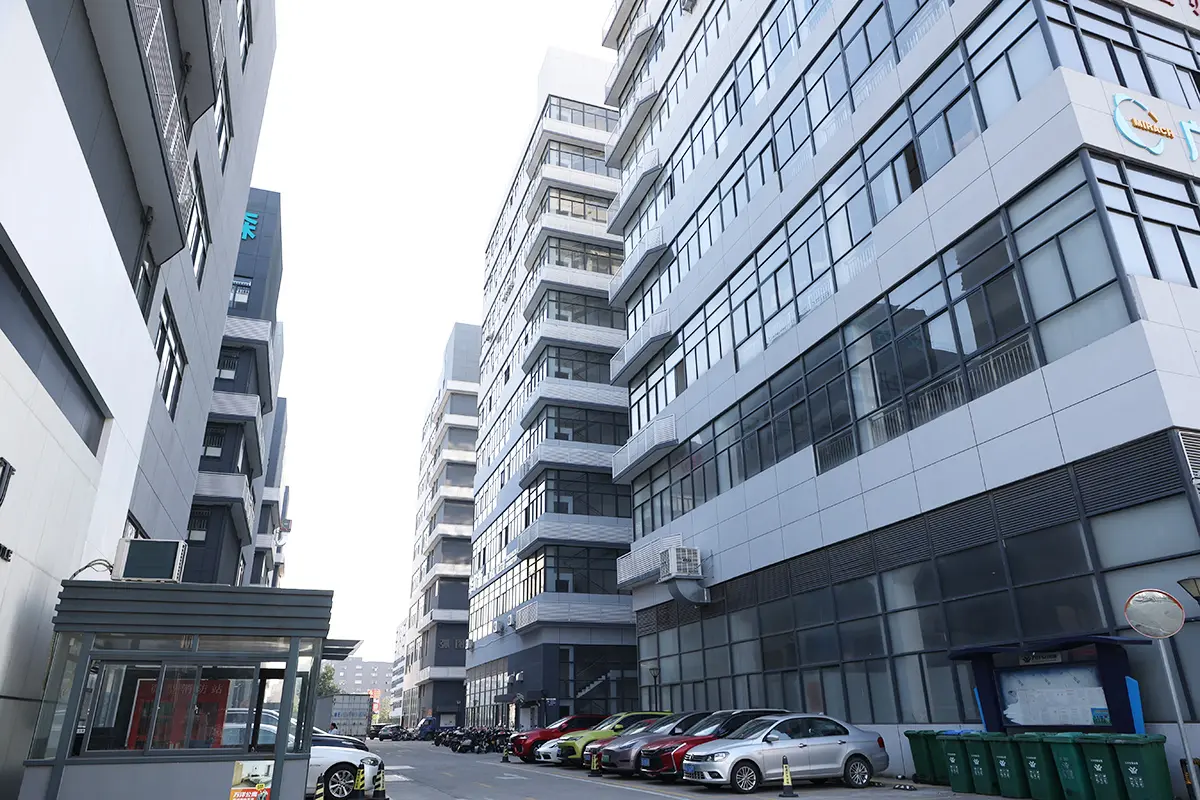
Japan sits at the premium end of this global curve: volumes per SKU are moderate, but tolerance for inconsistency is near zero. Buyers reward factories that can prove process control, not just show samples.
| Dimension | Japan Market Expectation | Global Mainstream Expectation | Sourcing Implication |
|---|---|---|---|
| Footprint | Compact, sub-700 mm seat width common | Standard lounge proportions | Requires modular tooling, not one-size frames |
| Upholstery | Washable, replaceable, low-VOC | Performance fabric, stain resistance | Removable cover engineering is a differentiator |
| Frames | Kiln-dried hardwood, moisture-stable | Plywood or mixed hardwood | Moisture content certificates matter |
| Packaging | Multi-leg domestic delivery resilience | Container-level protection | Double-wall cartons, edge protection |
| Documentation | Formaldehyde, FR, chemical reporting | Varies by region | Pre-built compliance dossier shortens approvals |
Factory Efficiency
Where Chinese Accent Chair Factories Actually Win on Efficiency
Efficiency in upholstered seating is not about cheap labor. It is about material availability, tooling reuse, sub-supplier density and quality control moving upstream.
Cluster Density in Foshan
Within a short radius of Shunde and Longjiang, buyers can source frames, foam, fabric, hardware and packaging from specialized suppliers. This compresses lead time for sampling and lowers minimum viable production runs.
Tooling Reuse
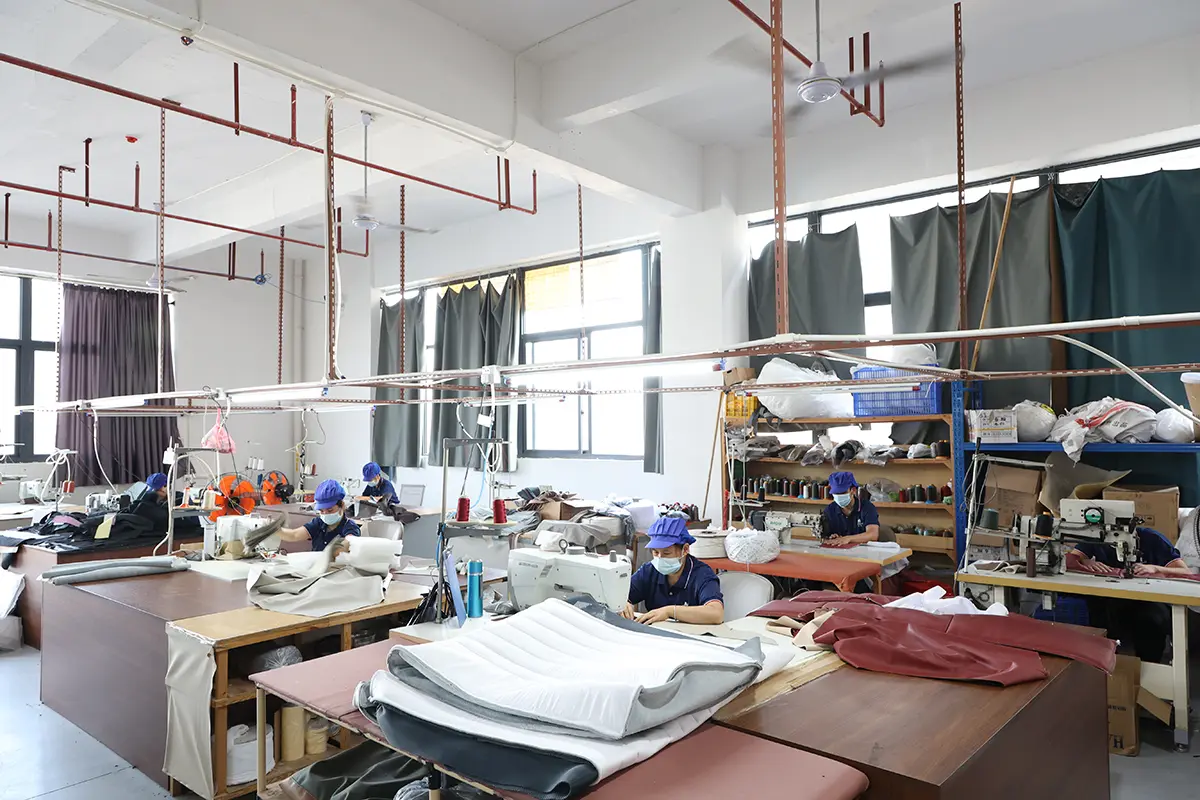
Mature factories hold existing molds and CNC programs for common shell geometries. Variants — leg finish, arm width, fabric — can be produced from an existing toolset, cutting per-variant setup cost dramatically.
Upstream QC
Rather than inspecting finished chairs, efficient plants audit incoming fabric rolls, foam density and frame moisture. Defects caught at material intake cost a fraction of defects caught at final packing.
Container Optimization
Accent chairs are volumetric, not weight-limited. Factories that redesign cartons and stacking plans can lift container utilization meaningfully, which directly reduces landed cost per unit for Japanese buyers paying freight to Yokohama or Kobe.
Direct Supply Model
Factory-direct purchasing removes distributor layers. For a 200-piece accent chair program, the difference between intermediated and direct sourcing is often the difference between competitive and uncompetitive retail pricing.
Dedicated Export Teams
English-speaking merchandisers who understand Japanese documentation requirements reduce email cycles and miscommunication — a hidden but real efficiency gain in cross-border sourcing.
Localized Application Scenarios
Where Accent Chairs and Chaises Are Actually Used in Japan
Specification differs sharply by venue. The same physical chair can be correct for one application and non-compliant for another — so sourcing briefs must be use-case driven.
Compact Urban Apartments
Tokyo and Osaka apartments favor a single statement chair near the window or beside a low sofa. Requirements: lightweight movement, floor-protective glides, and upholstery that tolerates humidity without odor development.
Hotel Lobbies and Suites
Contract-grade foam density, high abrasion fabric ratings and fire-retardant treatment are baseline. Chaise longues appear frequently in suite layouts and spa relaxation areas.
Ryokan and Traditional Hospitality
Low seat heights, natural wood frames and fabric tones that harmonize with tatami and shoji interiors. Chairs often replace or complement floor cushions in modernized rooms.
Cafés, Restaurants and Lounges
High-turnover seating demands reinforced stitching, replaceable seat cushions and finishes that resist cleaning chemicals used in food-service environments.
Show Flats and Model Units
Developers staging units for sale need visually striking accent pieces with short lead times. Consistent color matching across units matters more than long-term durability.
Retail and E-commerce Merchandising
Hero SKUs need photographic consistency and packaging that survives parcel networks. Knock-down designs reduce volumetric shipping cost for direct-to-consumer channels.
Industry Trends
Design and Manufacturing Trends Shaping Accent Seating
These are the shifts we observe across buyer briefs and factory floor planning — relevant to anyone building a 2026–2027 accent chair range.
Warm Minimalism
Bouclé, lamb wool and textured linen remain dominant. Buyers increasingly request tone-on-tone palettes where frame and upholstery sit within a narrow tonal range.
Modular Upholstery
Removable, zippered covers are shifting from premium option to standard expectation — driven by hygiene awareness and the cost of replacing entire chairs versus covers.
Lightweight Frames
Engineered wood and aluminum hybrids reduce weight, lowering freight cost and making chairs easier to reposition in compact spaces.
Circular Material Sourcing
Recycled-content foams and traceable wood are moving from marketing narrative to procurement checklist item, particularly for European and North American retail programs.
Flat-Pack Engineering
E-commerce growth pushes factories to design chairs that assemble in under 15 minutes with minimal tools — while preserving structural rigidity.
Faster Design Cycles
In-house design teams now release seasonal refreshes twice a year, and factories that own their tooling can move from concept sketch to approved sample in weeks rather than quarters.
Global Buyer Requirements
What Global Procurement Teams Actually Ask Before Ordering
Across importer, retail and hospitality briefs, the same cluster of questions repeats. Factories that answer them proactively win repeat business.
- Can you hold color consistency across repeat orders? Buyers want a documented dye-lot control process, not a verbal promise.
- What are the actual lead times for a mixed order? Sampling, bulk production, QC and booking must be quoted separately.
- What documentation ships with the container? Material declarations, test reports and packing lists should be pre-agreed.
- What is the failure rate on your last 10 containers? Mature buyers expect a warranty and a claims process, not zero-defect claims.
- Can you support a private-label program? Woven labels, branded cartons and custom hangtags are standard requests.
- How do you handle a mixed container of chairs, sofas and beds? Consolidation planning and stacking diagrams protect fragile pieces.
Extended Range
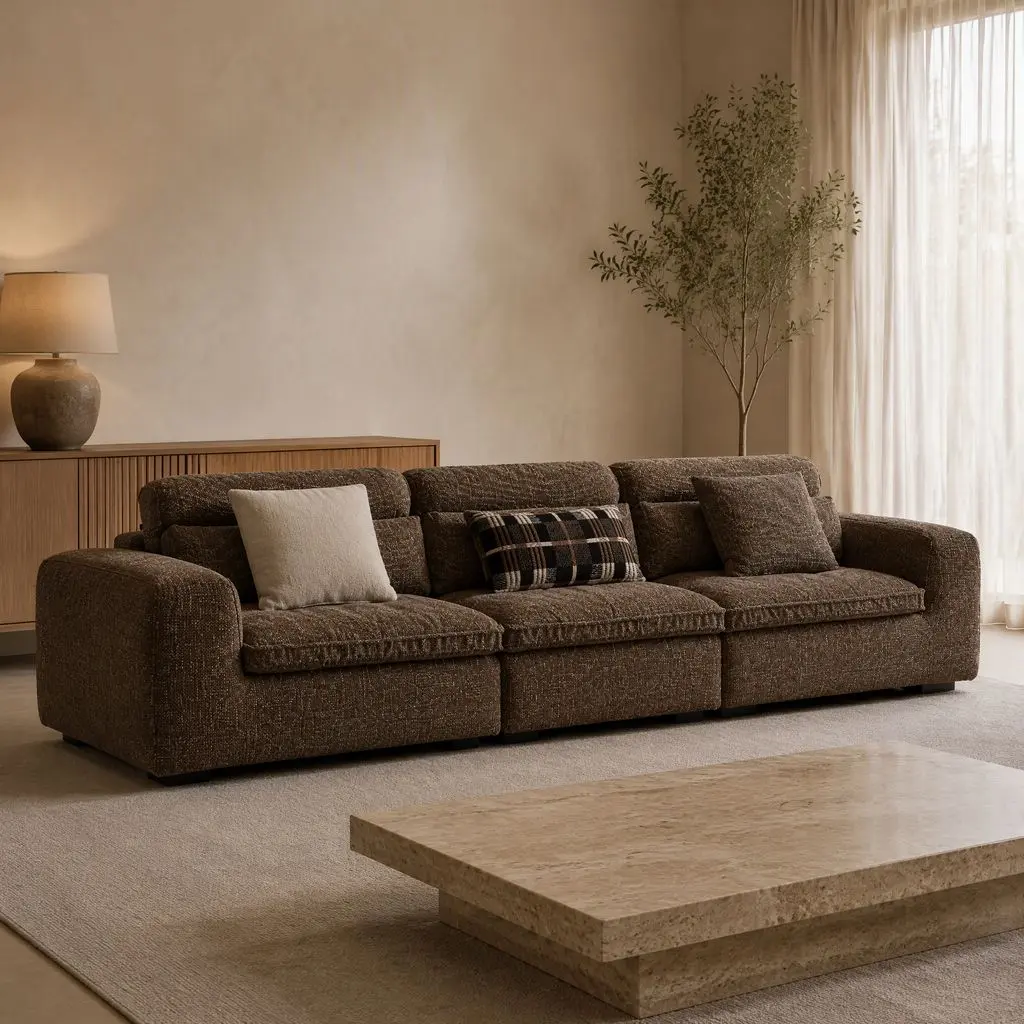
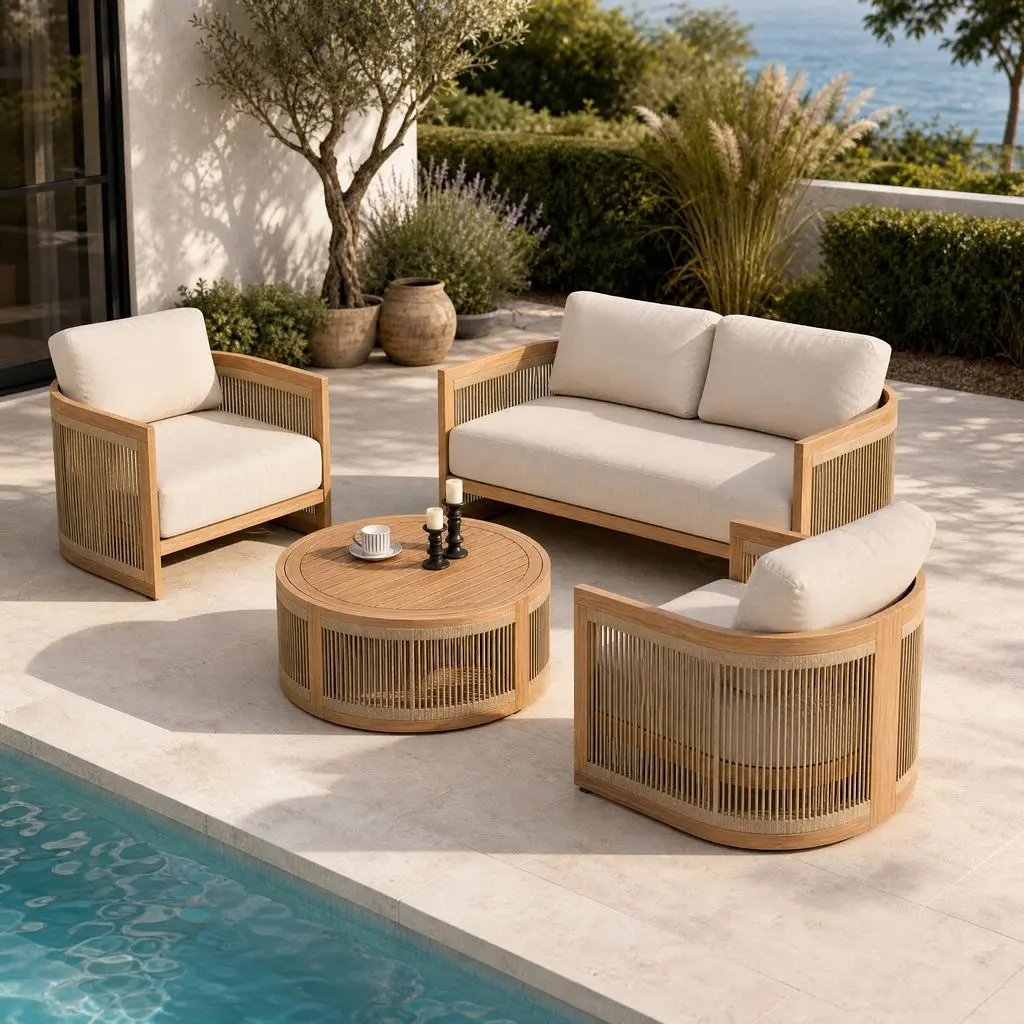
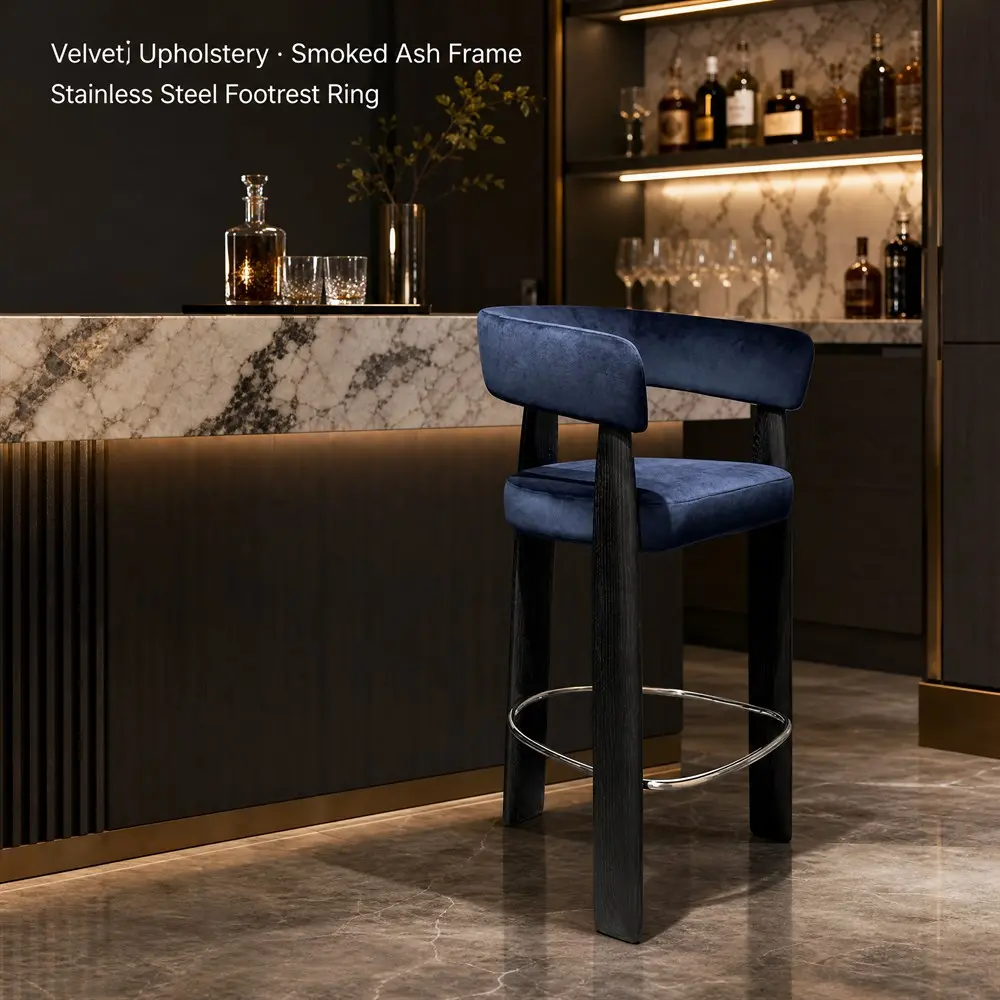
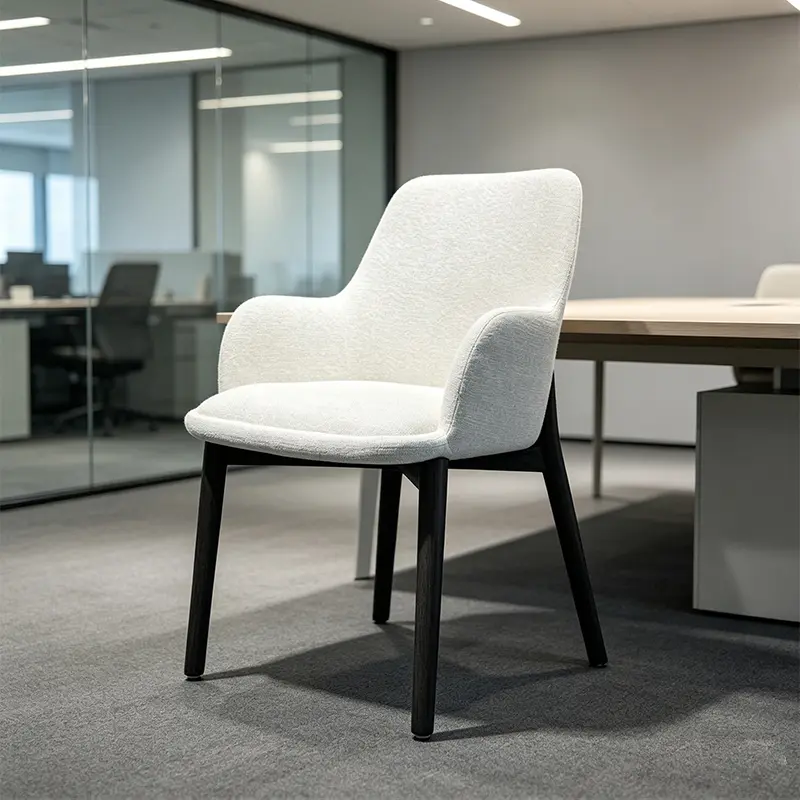
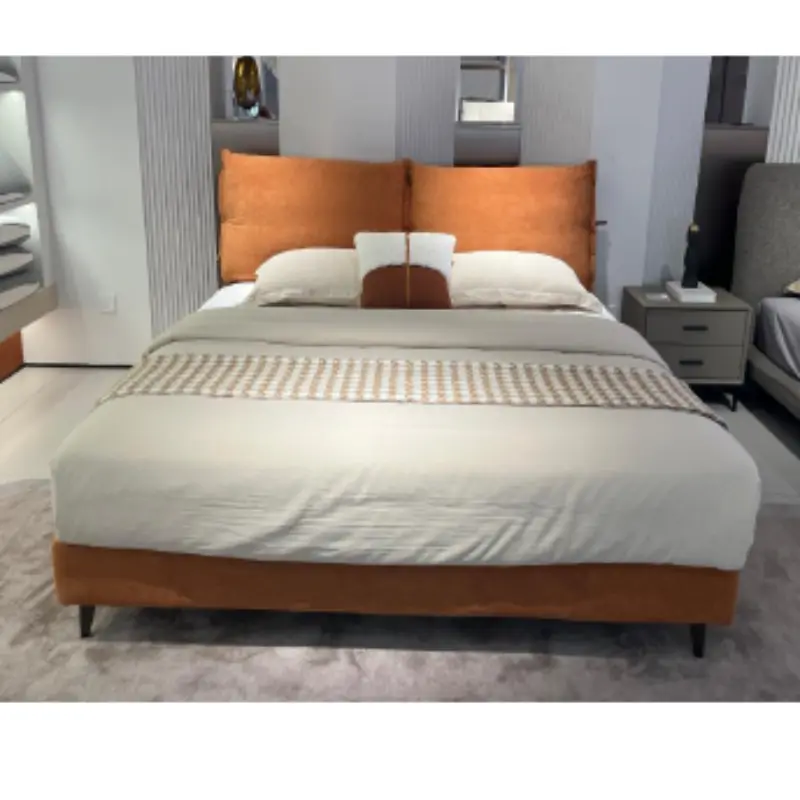
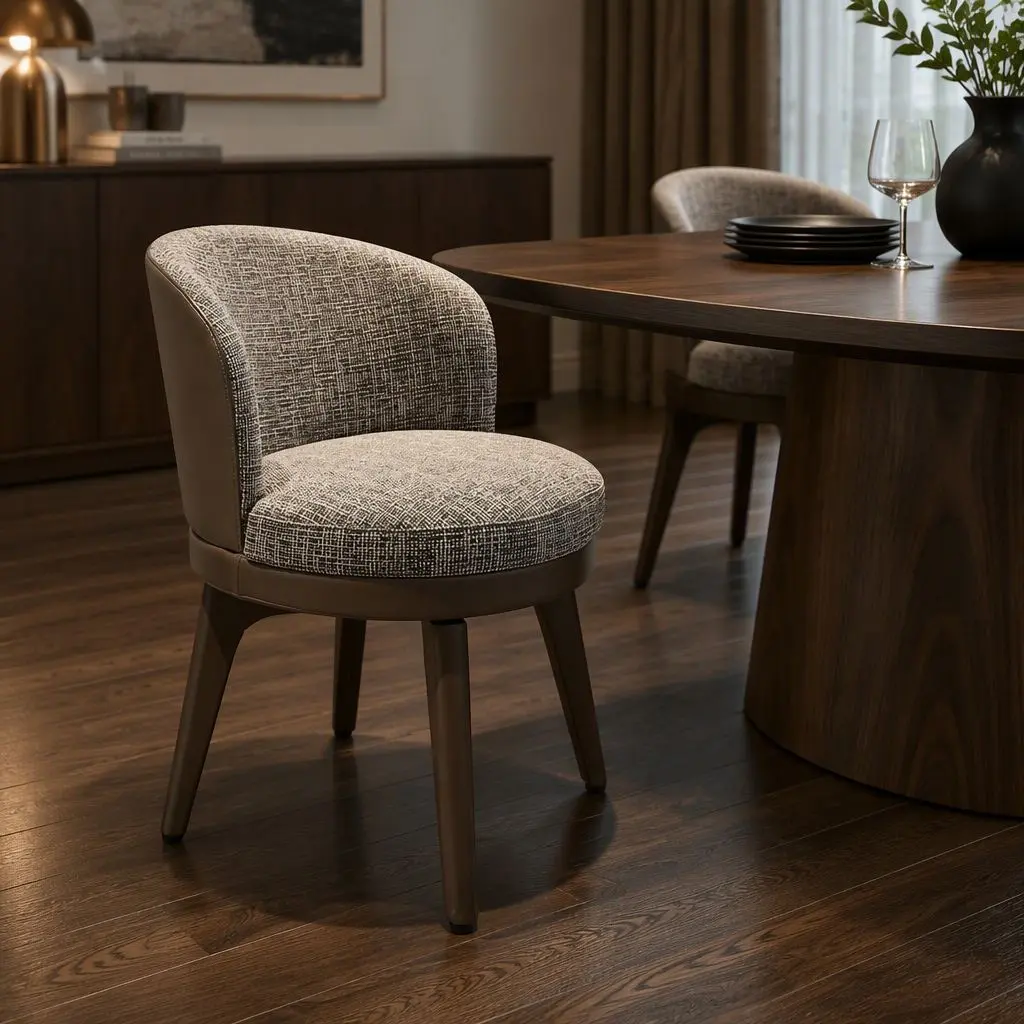
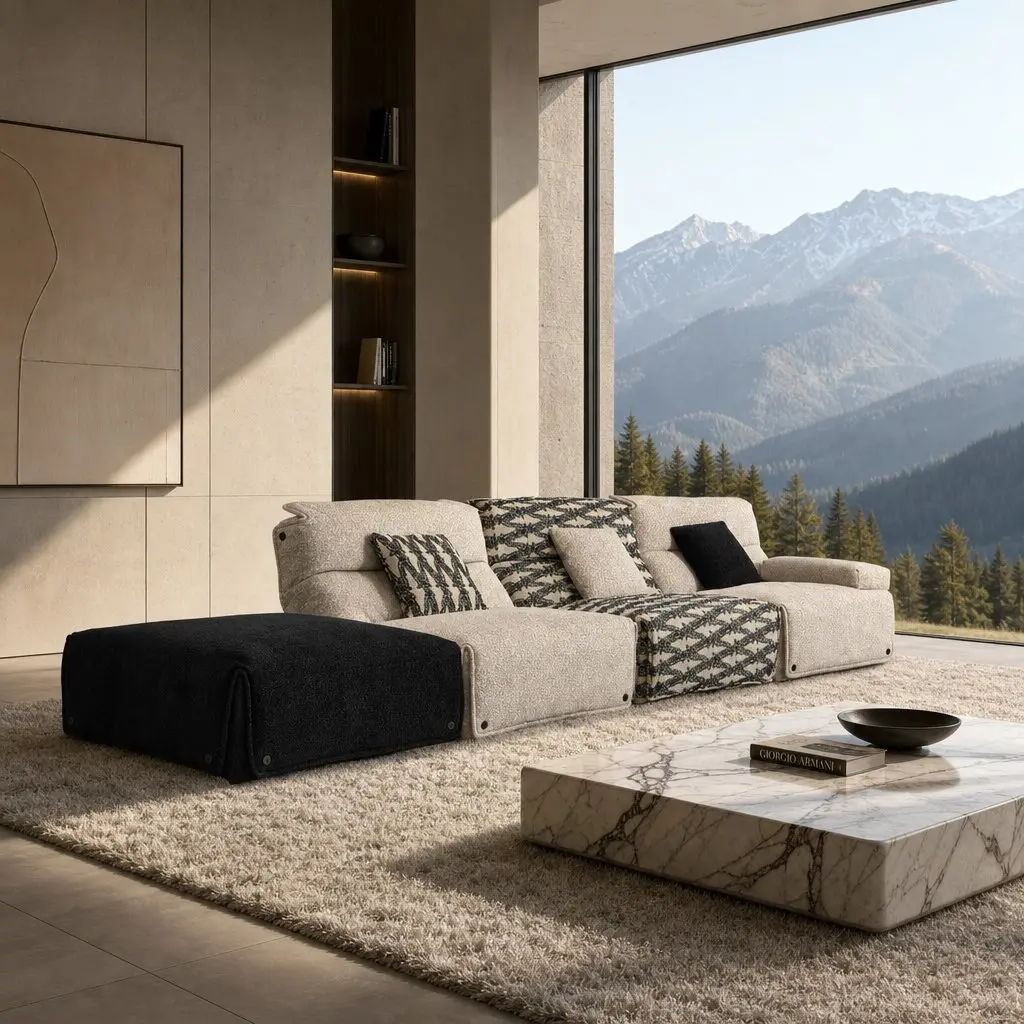
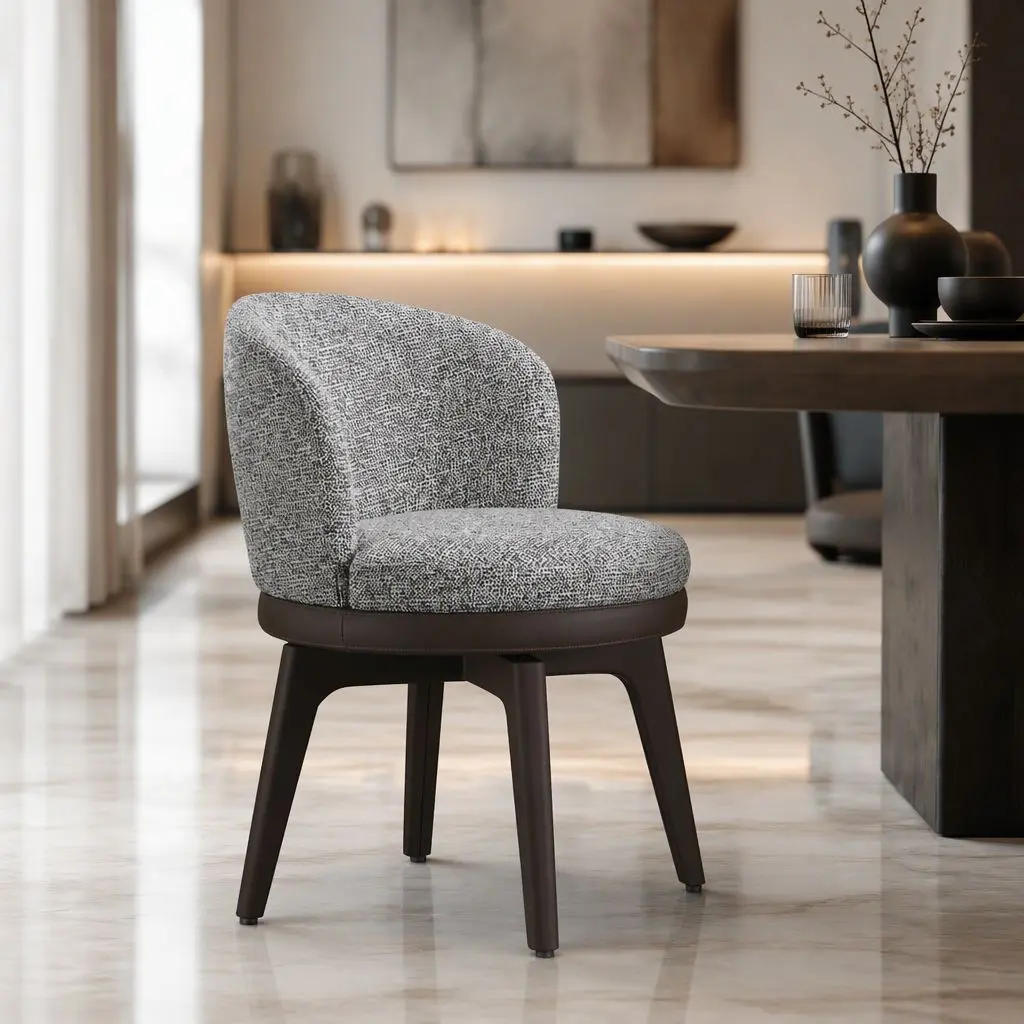
Eight More Models Commonly Specified for Japan-Bound Projects
From modular sectionals and outdoor sets to bar stools, dining chairs and upholstered beds — coordinated materials across categories simplify procurement for multi-room programs.
Channel Strategy
Selling Accent Chairs Through Japanese Retail and E-commerce Channels
Understanding the channel changes the product brief. A chair designed for a physical showroom prioritizes tactile materials; one designed for parcel delivery prioritizes structural packaging.
| Channel Type | Priority Design Factors | Packaging / Logistics Need | Typical Order Profile |
|---|---|---|---|
| Furniture showroom chains | Fabric hand-feel, visible frame joinery | Showroom-ready, minimal assembly | Seasonal programs, moderate volume per SKU |
| E-commerce marketplaces | Photogenic silhouettes, neutral colorways | Knock-down, double-wall cartons, clear assembly guides | High SKU count, lower volume per SKU |
| Hotel & hospitality FF&E | Contract foam, FR treatment, durability ratings | Project-window delivery, labeling by room | Project-based bulk with fixed deadlines |
| Developer staging | Strong visual statement, fast availability | Fast parcel or consolidated truck delivery | Small batches tied to sales launches |
| Trade / interior designers | Custom fabric and finish options | Flexible consolidation with other categories | Custom one-off or low-volume orders |
700mmTypical max seat width requested for compact Japanese layouts
6–8Months design refresh cycle observed in current buyer briefs
3Documentation layers: material, flame, chemical
1Consolidated purchase order across rooms and categories
Buyer FAQ
Frequently Asked Questions — Accent Chairs & Chaises for Japan
Direct answers to the questions we receive most often from Japanese importers, hotel procurement teams and retail buyers.
Are you a manufacturer or a trading company?
We are an integrated manufacturer and export brand based in Shunde, Foshan — the core of China's upholstered furniture production cluster. Our own facility handles R&D, upholstery and assembly, while a vetted network of audited partner factories supports casegoods, mattresses and outdoor categories so mixed orders ship under one quality standard and one purchase order.
Can you supply accent chairs sized for compact Japanese apartments?
Yes. Compact footprints are a standard customization dimension. We routinely adjust seat width, depth, seat height and back angle, and we offer swivel and lightweight base options for chairs that need to be repositioned within small living spaces.
Do your products meet Japanese documentation requirements?
We maintain material declarations covering formaldehyde emission limits, upholstery composition and flame-retardant treatment options. For hotel and public-space projects, we can supply test reports and coordinate third-party verification aligned with the specification provided by your procurement team.
What is the minimum order quantity for accent chairs and chaises?
MOQ depends on the model, fabric selection and whether the order is stock or customized. For standard upholstery combinations, minimums are typically lower than for custom fabric or custom color development. Mixed-model orders placed in the same container can often improve overall economics.
How long does sampling and bulk production take?
Sampling timelines vary by model complexity and material availability, typically a few weeks after specification approval. Bulk production follows a separate schedule, with in-line quality checks performed on the factory floor before packing and container booking.
Can you combine accent chairs with sofas, beds and dining furniture in one container?
Yes. Container consolidation across categories is a core part of our post-sale service. Our team plans loading sequences and stacking diagrams so fragile upholstered pieces and heavier casegoods are protected during ocean transit to ports such as Yokohama, Kobe and Osaka.
Do you support private-label branding?
Yes. Custom woven labels, embossed logos, branded hangtags and printed cartons are available for wholesale and project programs. Private-label development typically begins with a specification brief covering brand guidelines, target retail positioning and packaging requirements.
How do you handle quality issues after shipment?
We operate a documented claims process. Buyers submit photographs and batch references, and our QC team reviews against the approved pre-production sample and inspection records. Resolution options typically include replacement components, credit or corrective action on subsequent production runs.
Which Japanese customer segments do you typically supply?
Furniture importers and wholesalers, hotel and ryokan FF&E procurement teams, property developers staging model units, interior design firms, café and restaurant operators, and e-commerce retailers building private-label seating ranges.
Can we visit the factory and showroom before placing an order?
Yes. Buyers are welcome to arrange factory and showroom visits in Shunde, Foshan. We recommend scheduling ahead so the relevant product lines, material samples and merchandising contacts are prepared for the meeting.
Planning an Accent Chair or Chaise Program for Japan?
Share your target models, quantities, upholstery preferences and documentation requirements. Our export team will respond with suitable configurations, material options and a container consolidation plan aligned to your delivery window.