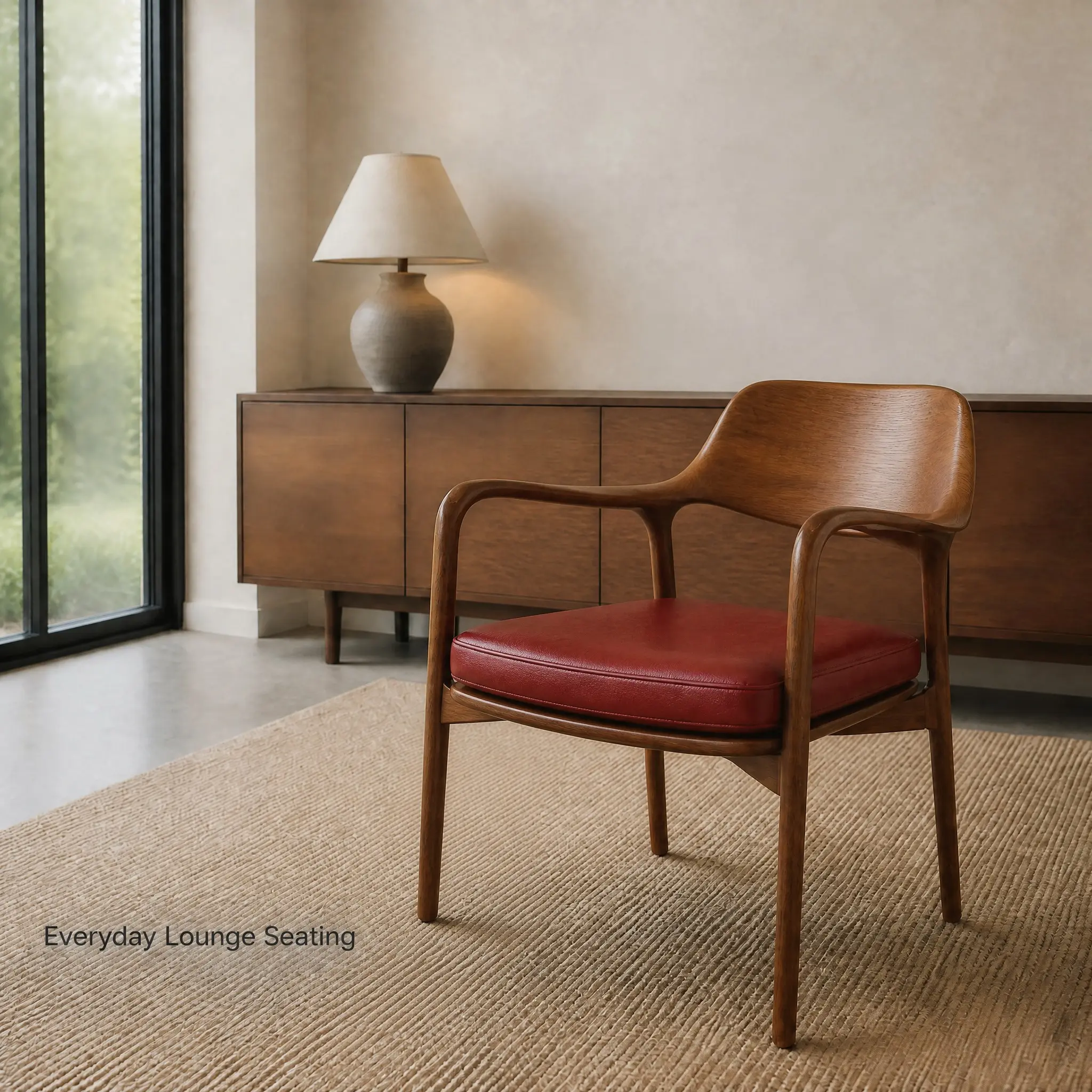
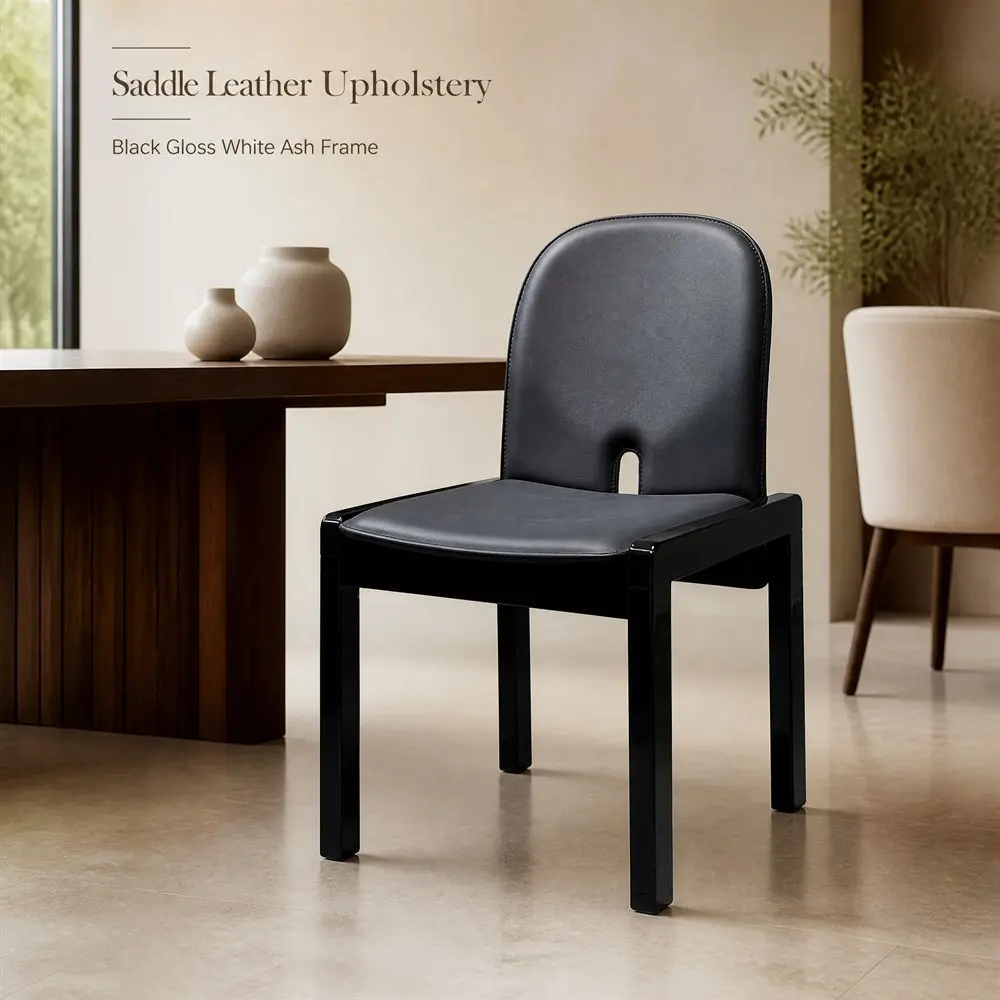
What makes a bedroom accent chair different from a living-room lounge chair?
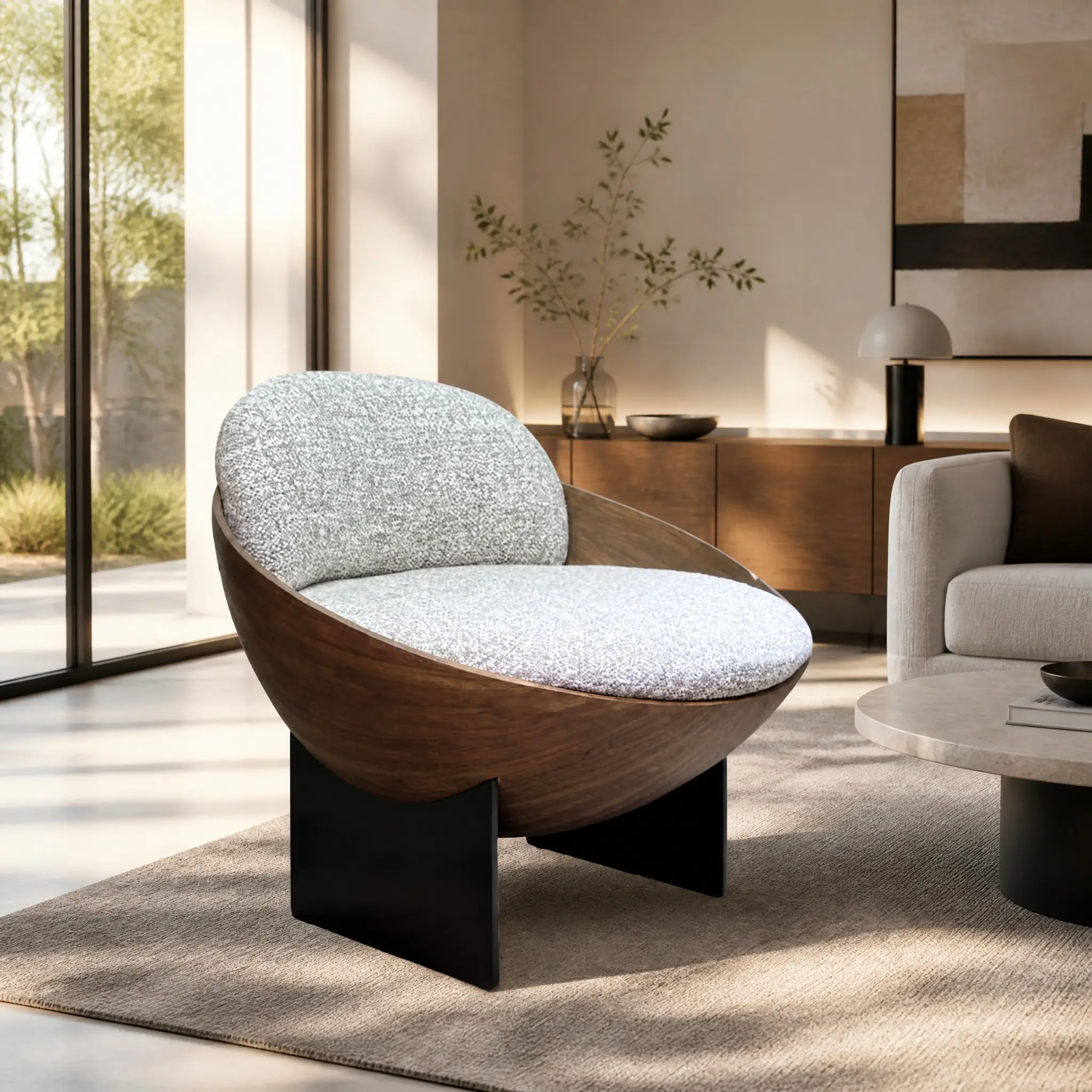
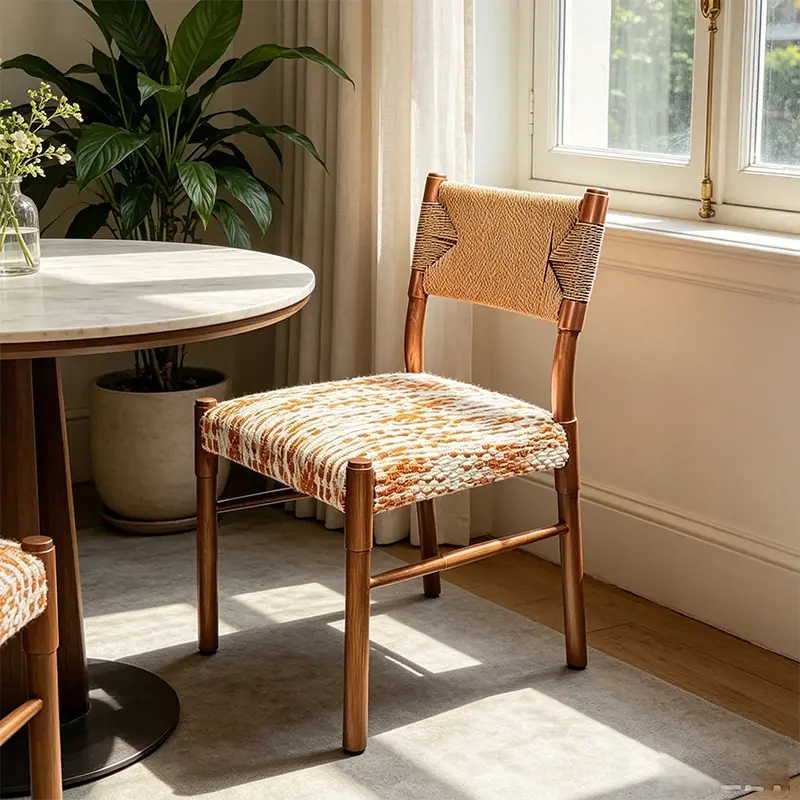
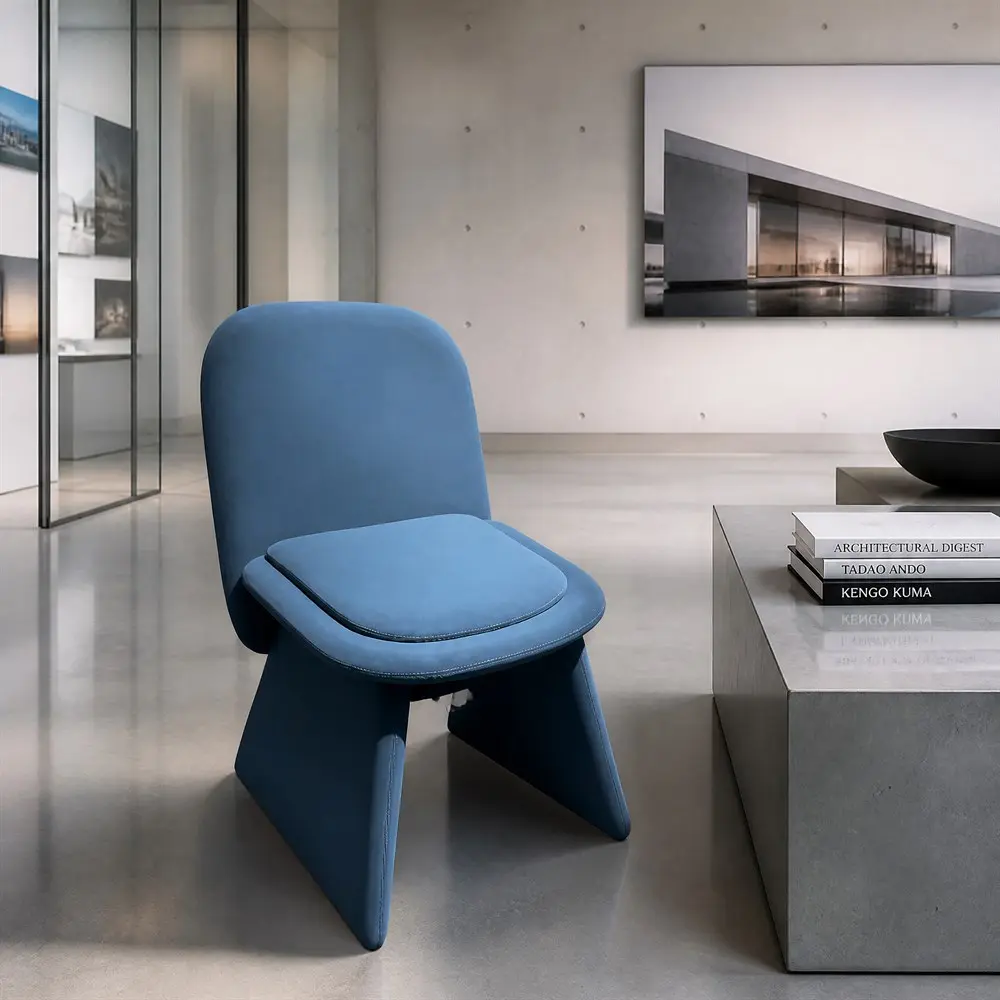
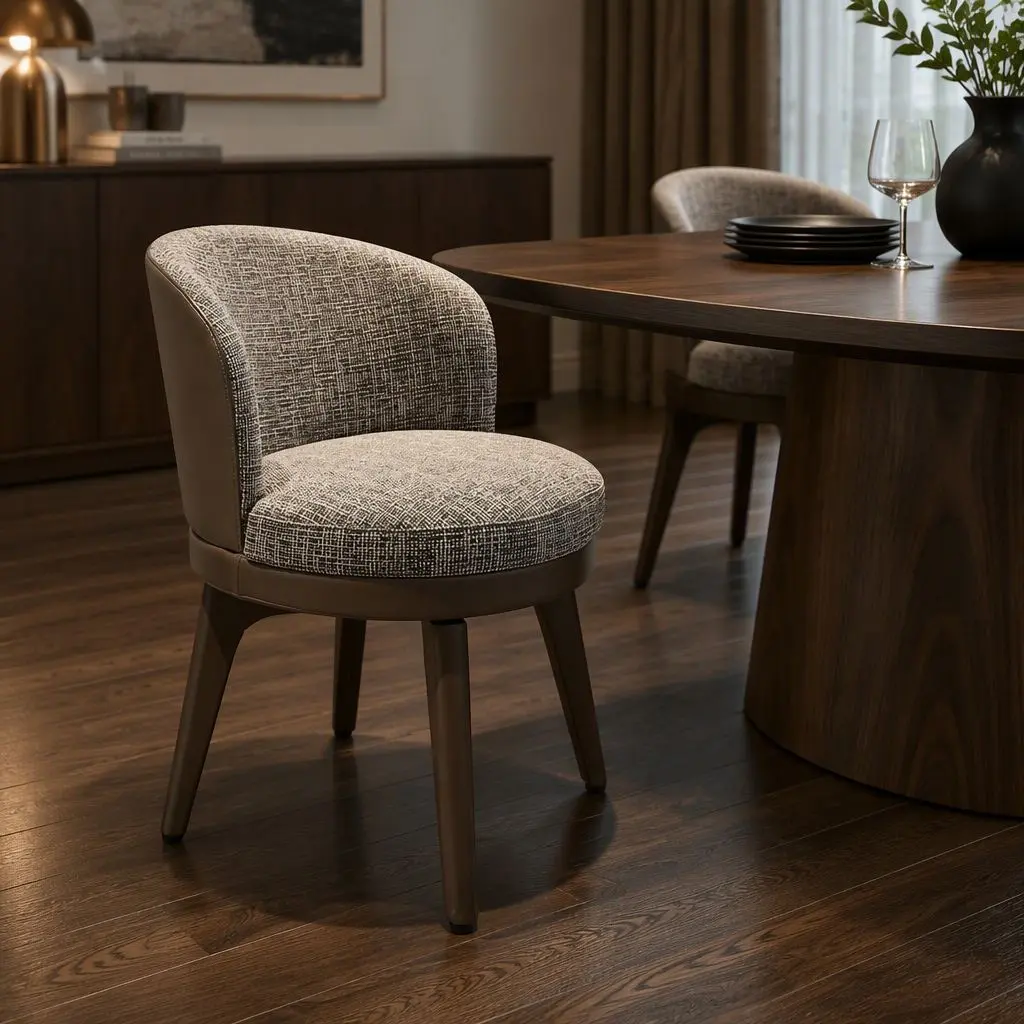
Three engineering differences dominate. First, scale: bedroom accent chairs are typically 620–720 mm wide to suit apartment floor plates, with a lower back that does not dominate the room. Second, upholstery durability is calibrated for intermittent seated use — dressing, reading — rather than hours of lounging. Third, the base and legs are designed to be knocked down for freight density, because bedroom chairs usually ship as single or paired units inside a mixed container rather than in full container loads.
Which compliance documents should a Greek buyer request before production?
Request REACH restriction documentation for the specific textile and leather colourways, EN 1021-1 and EN 1021-2 fire test reports if the chairs are destined for hospitality or contract use, formaldehyde emission class confirmation for any wood-based panels, and ISPM 15 heat-treatment marking on wood packaging. Ask for these against the actual programme fabric reference, not a generic declaration, because compliance is colourway- and material-specific.
How should lead time be planned around the Greek holiday season?
August is the practical constraint. Industrial output and inland logistics slow considerably around the national holiday period, and many Greek clearing agents operate on reduced schedules. Production should be completed to load either before mid-July or after the first week of September. For hotel refurbishments targeting a summer season opening, the realistic sequencing is: specification freeze in autumn, sampling in winter, mass production in early spring, and delivery to site by late May.
Can accent chairs and beds be combined in one container for Greece?
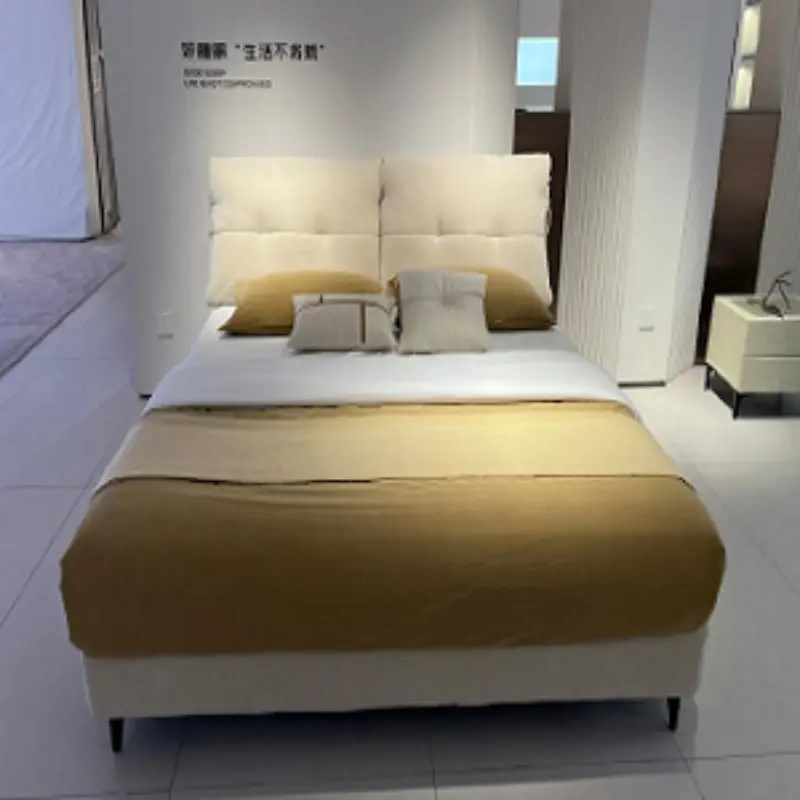
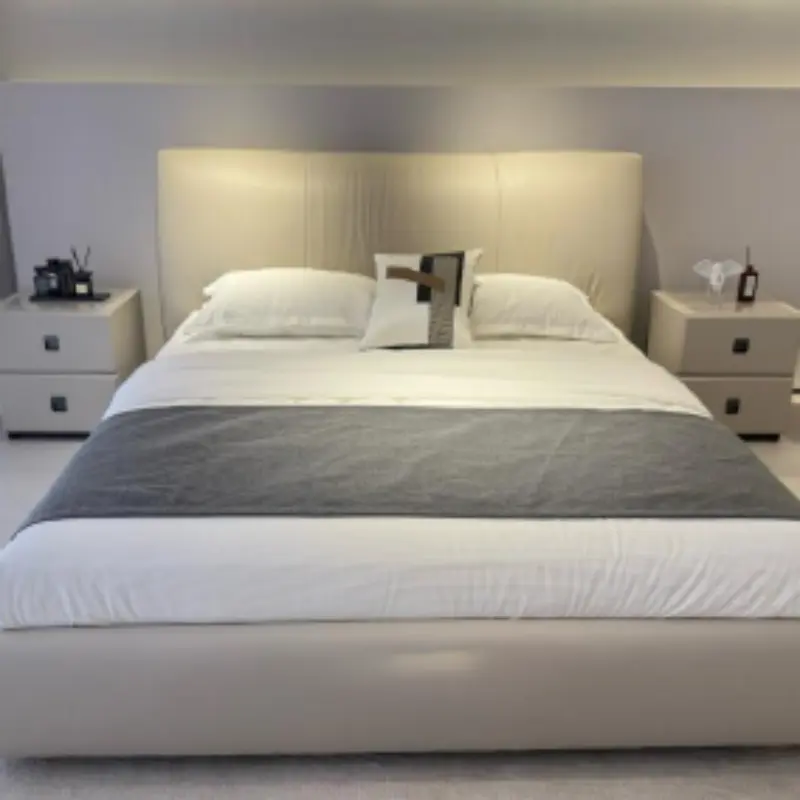
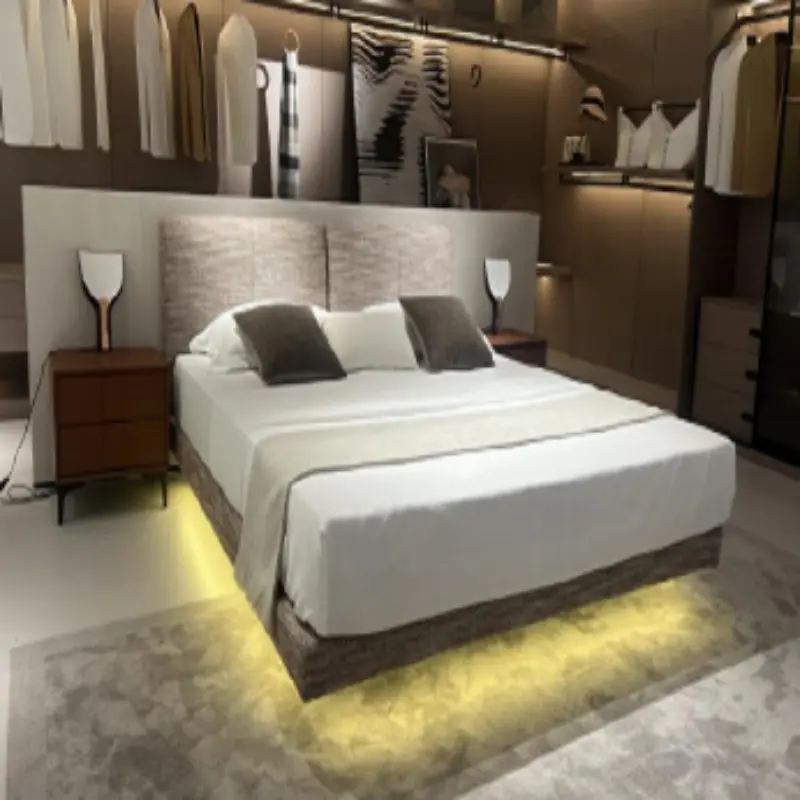
Yes, and it is usually the most economical approach. Our post-sale team plans loading across categories, sequencing knocked-down chair shells and stainless bases around bed frames and casegoods. Because the same finish library is used across an accent chair and a matching upholstered bed, the container arrives as a coordinated room scheme rather than a mixed consignment.
Do you support OEM and ODM orders for Greek retail brands?
Yes. Customization covers dimensions, upholstery and frame colours, fabric grades including cashmere-touch, cotton-linen, cool-touch and commercial-grade contract fabrics, plus private-label woven tags, embossed logos and branded packaging. For retail chains, the Greek-language care and assembly sheet can be produced as part of the packaging specification.
How do you control quality during mass production?
Our internal QC engineers perform on-site production line audits that check structural durability, seam integrity and finish consistency. Pre-sale consultants recommend material configurations aligned with the regulatory standards of the destination market, and pre-production samples confirm dimensions, colour and comfort before mass production begins.
Which buyers in Greece do you typically work with?
Furniture wholesalers and importers, hotel and hospitality procurement teams, property developers, interior design studios, short-let operators and residential clients furnishing multiple bedrooms. Each segment receives a differently weighted specification, which is why the programme is organised by scenario rather than by product alone.
Where is the factory located and can buyers visit?
The facility is at Hui Cheng Industrial Park, Longjiang Town, Shunde District, Foshan, Guangdong, China — one of the world's best-known furniture manufacturing hubs. Buyers are welcome to arrange factory and showroom visits; for Greek importers we typically combine a showroom review of accent chair shells and finish samples with a production line walk-through in a single visit.