
Guestroom
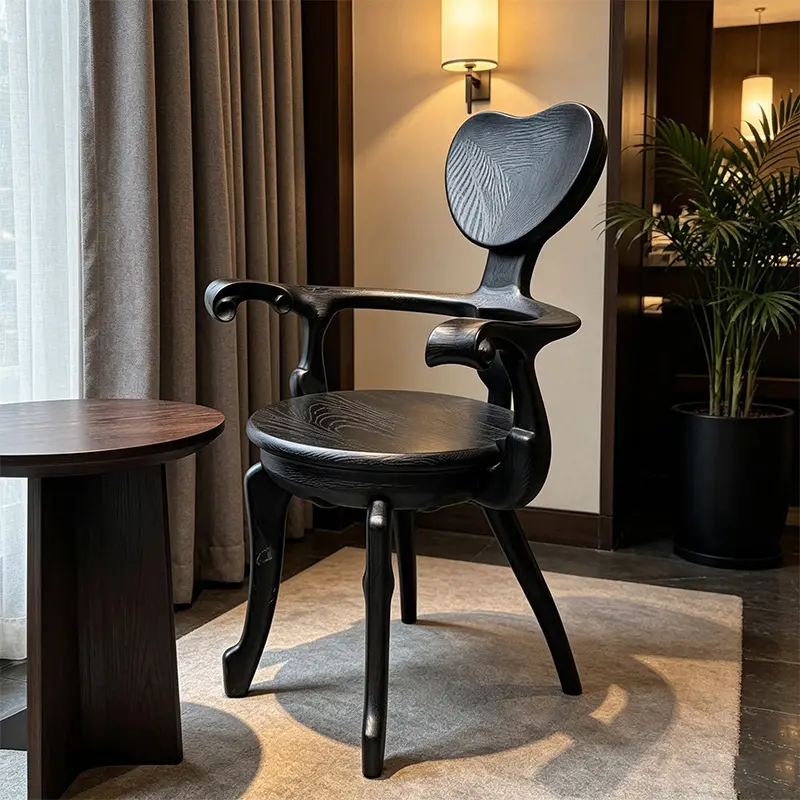
A short-list of specification-ready models — upholstered beds, smart adjustable mattresses and lobby-grade accent seating — used by hospitality buyers as a starting point for FF&E packages.
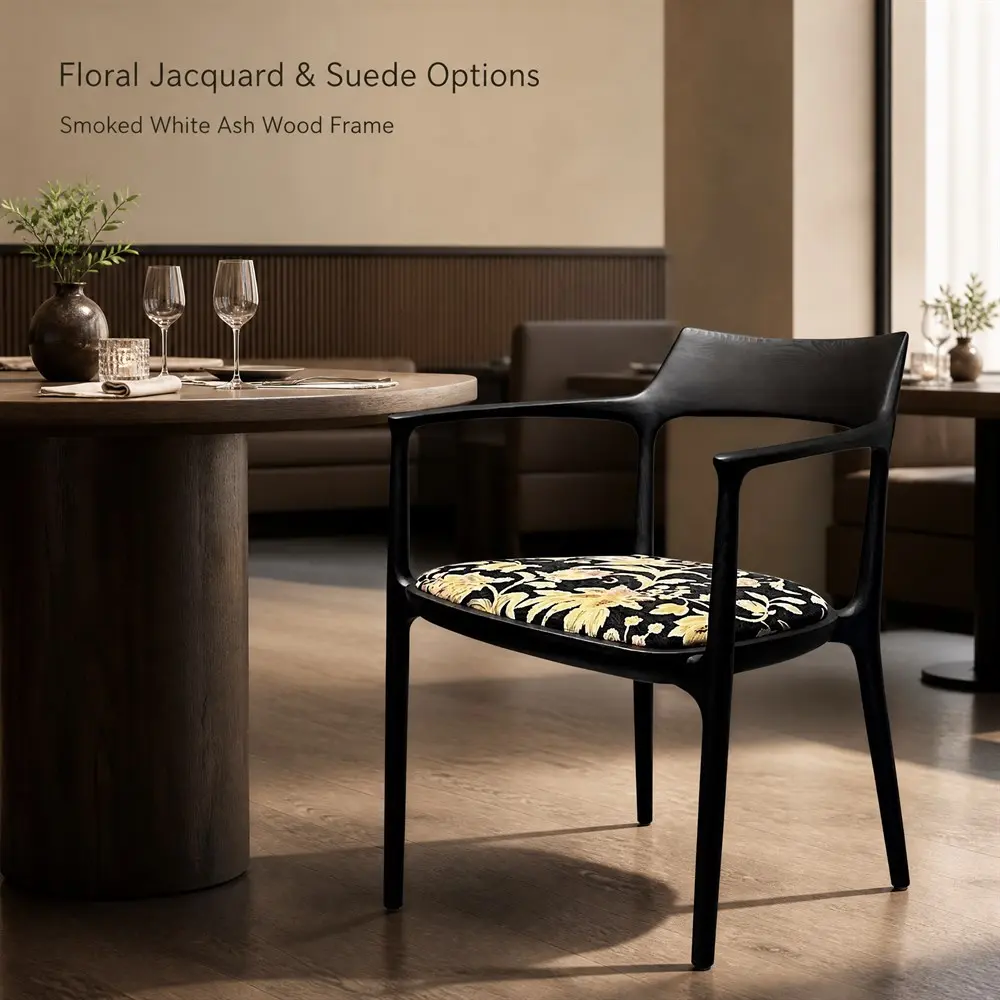
Luxembourg is often treated as a footnote in European hospitality sourcing. In practice, the Grand Duchy has one of the most specific briefs in the EU: a small geography, a heavily business-driven demand curve, high labour and logistics costs, and a clientele that expects residential-grade comfort inside a commercial-grade shell.
Any serious hotel guestroom furniture supplier in Luxembourg has to read the market before quoting a single FF&E line item. The country's small footprint compresses everything: a 300-key property can sit within an hour of a 60-key boutique conversion, both competing for the same design talent, the same installation crews, and the same narrow window of low-season fit-out weeks.
Luxembourg City's hotel demand is anchored in institutional and corporate travel — EU bodies, financial services, funds and law firms — alongside a growing weekend leisure segment driven by the Müllerthal, Moselle wine route and Ardennes hiking. That mix has a direct furniture implication: rooms must survive high-frequency, short-stay turnover while still reading as warm and design-led, because the same guest often returns quarterly. The result is a specification culture where durability and repeatability matter as much as aesthetics.
Beyond the capital, three distinct micro-markets exist: the Kirchberg and Cloche d'Or business districts with modern business hotels; the old town and Gare districts with boutique conversions inside heritage envelopes; and the northern and eastern cantons with small independent hotels and relais-style properties. Each needs a different furniture logic — modular and compact for the capital, characterful and bespoke for heritage buildings, robust and low-maintenance for rural properties.
Three local realities affect every purchase order: fire-safety and material compliance aligned with EU norms and Luxembourg's own building and accessibility rules; labour cost and installation logistics, which punish oversized or hard-to-handle pieces; and multilingual project management, where English, French and German documentation is normal rather than exceptional. A wholesaler who cannot supply a French-language technical sheet, a German delivery note and an English compliance summary in the same shipment is not actually a Luxembourg-ready supplier.
There is also a sustainability dimension specific to the market. Luxembourg's hospitality investors are increasingly asked by institutional lenders and ESG frameworks to document material provenance, recyclability and indoor-air quality. Furniture that arrives with a documented material passport — fabric composition, foam density class, wood species, adhesive type — clears due diligence faster than a beautiful catalogue with no data behind it.
The hotel furniture supply chain has changed more in the past five years than in the previous twenty. Understanding those shifts is how a procurement team avoids locking a ten-year furniture package into a three-year cost assumption.
Buyers increasingly want one contract covering casegoods, upholstery, mattresses and outdoor. Integrated suppliers absorb the coordination cost that used to sit with an exhausted project manager holding eight vendor spreadsheets.
Contract buyers now ask for double-rub counts, foam density, frame load ratings and salt-spray hours. Furniture that ships without test data is increasingly unsellable to institutional owners.
Near-shoring to Eastern Europe and the Mediterranean grows for fast-turnaround refurbishment, while Asia retains the advantage for full F&E packages where scale and price-to-performance dominate.
Fire, accessibility, chemical and circularity rules are converging across the EU. The winning suppliers treat compliance as part of the design brief, not a document produced after sampling.
Refurbishable frames, replaceable covers, removable cushions and mono-material construction are shifting from marketing language into measurable specification criteria.
Flat-pack and knock-down engineering, compression-packed mattresses and modular headboards exist because container economics now shape what a "good" piece of furniture even is.
For Luxembourg specifically, this global picture creates an interesting arbitrage. The local market is too small to justify a dedicated domestic contract factory, yet it demands European-grade compliance and precision. The suppliers who win are those that combine Asian manufacturing scale with a European-configured order desk — one that speaks the buyer's language, understands the Grand Duchy's technical expectations, and can deliver staged batches aligned to a phased room release.
Guestroom furniture is moving through three overlapping phases. Each phase adds a capability layer — and each layer changes what a buyer should be asking suppliers to demonstrate.
| Phase | Core Capability | Furniture Signals | Buyer Question to Ask |
|---|---|---|---|
| Phase 1 — Durability | Survive commercial life-cycle volumes | Contract fabrics, high-density foam, engineered hardwood frames, replaceable glides | What is the double-rub rating and foam density class? |
| Phase 2 — Adaptability | Reconfigure and refurbish without replacement | Modular seating, zipped covers, adjustable headboards, compression mattresses | Can covers and cushions be replaced in-place, in-room? |
| Phase 3 — Embedded intelligence | Integrate power, sensing and comfort control | Adjustable mattresses, USB-C and Qi charging, dimmable reading light in headboard | How is the electronic assembly serviced if it fails in year four? |
| Phase 4 — Data-aware | Furniture as part of the operating system | Occupancy and usage sensing, maintenance alerts, material passports | Who owns the data, and how is it secured under GDPR? |
The pragmatic position for most Luxembourg projects in the near term is Phase 2 with selected Phase 3 elements. Fully data-aware furniture is real but rarely the right first investment for a 70-key boutique conversion. What is almost always right is specifying a frame and fabric platform that can accept smarter components later without a full rip-out.
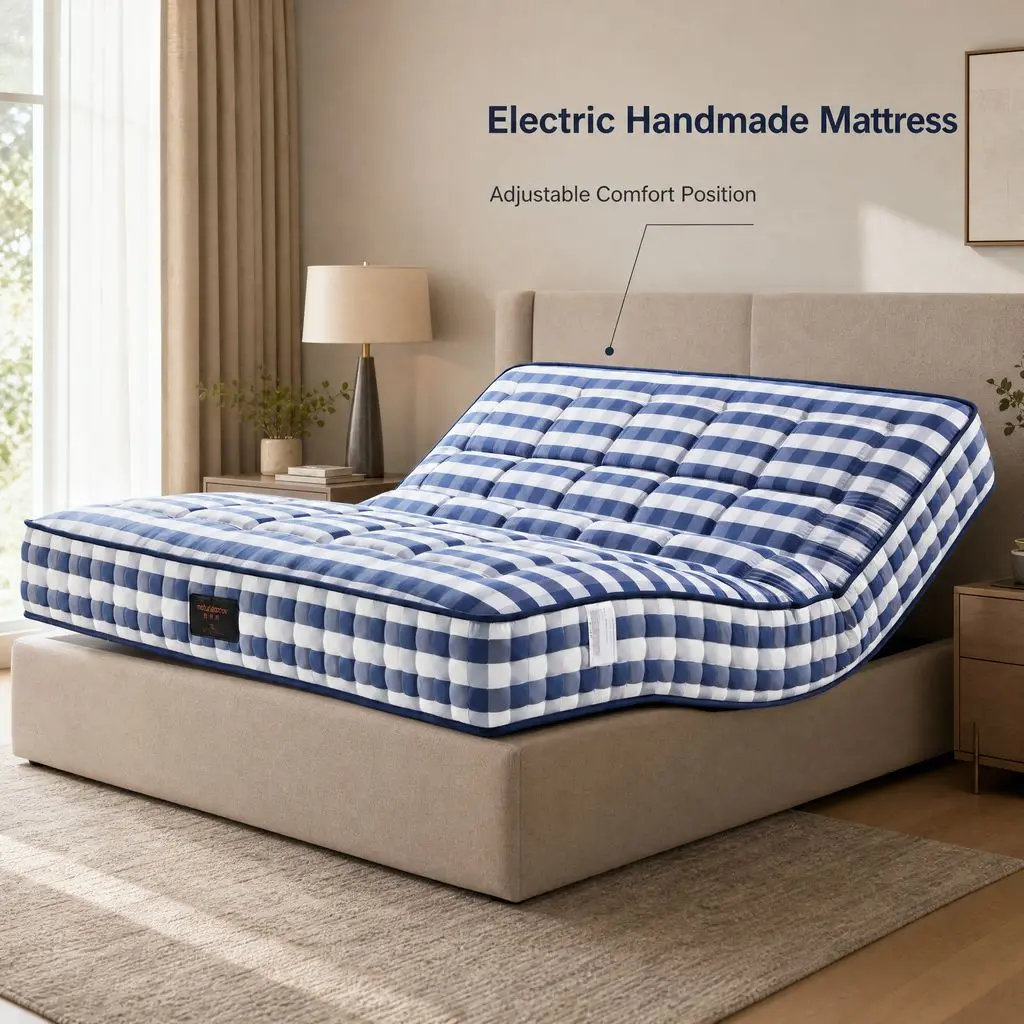
This is why modern adjustable mattress platforms — such as models with quiet pocket springs beneath a power-adjustable base — are becoming a legitimate specification option for suites and accessible rooms rather than a novelty. The engineering detail that matters is not the feature list; it is serviceability. A motor that cannot be replaced without dismantling the bed frame is a maintenance liability dressed as innovation.
Six application scenarios, each with a different furniture logic, budget profile and compliance exposure.
High-frequency corporate stays. Priorities: easy-clean surfaces, robust casegoods, standardised room kits, fast batch replacement of any damaged item.
Irregular room shapes and protected interiors. Priorities: bespoke dimensions, low-profile pieces, characterful accent chairs, fabrics that photograph well.
Guests stay weeks, not nights. Priorities: residential-grade mattresses, dining-height tables, storage that survives daily use, replaceable covers.
Executive and long-stay clients. Priorities: adjustable sleep systems, integrated charging, desk ergonomics, quiet operation of any motorised element.
Leisure and wellness positioning. Priorities: natural materials, outdoor-capable furniture for terraces, low-maintenance finishes, seasonal deep-clean tolerance.
Blended residential and hospitality use. Priorities: whole-unit furniture packages, coordinated living, dining and bedroom schemes, durable family-grade fabrics.
Rather than a catalogue-and-quote model, treat the furniture package as an engineered system with four distinct layers.
Define performance classes per room type — durability, cleanability, accessibility, acoustic behaviour — before choosing any design.
Lock fabrics, foams, woods and finishes to documented standards so that room 12 and room 112 are genuinely identical.
Plan knock-down engineering, batch release and container sequencing around the fit-out calendar, not the factory calendar.
Retain a documented spare-parts and cover-replacement pathway for years two through ten of the property's operation.
Layered sourcing is what separates a furniture order from a furniture programme. Importers who buy a container of chairs get chairs. Buyers who work through four layers get a property that still looks coherent after two refurbishment cycles and three general managers.
Eight specification-ready models spanning smart sleep systems, upholstered beds, dining and leisure seating, and outdoor terrace furniture — all available for wholesale and project quantities.
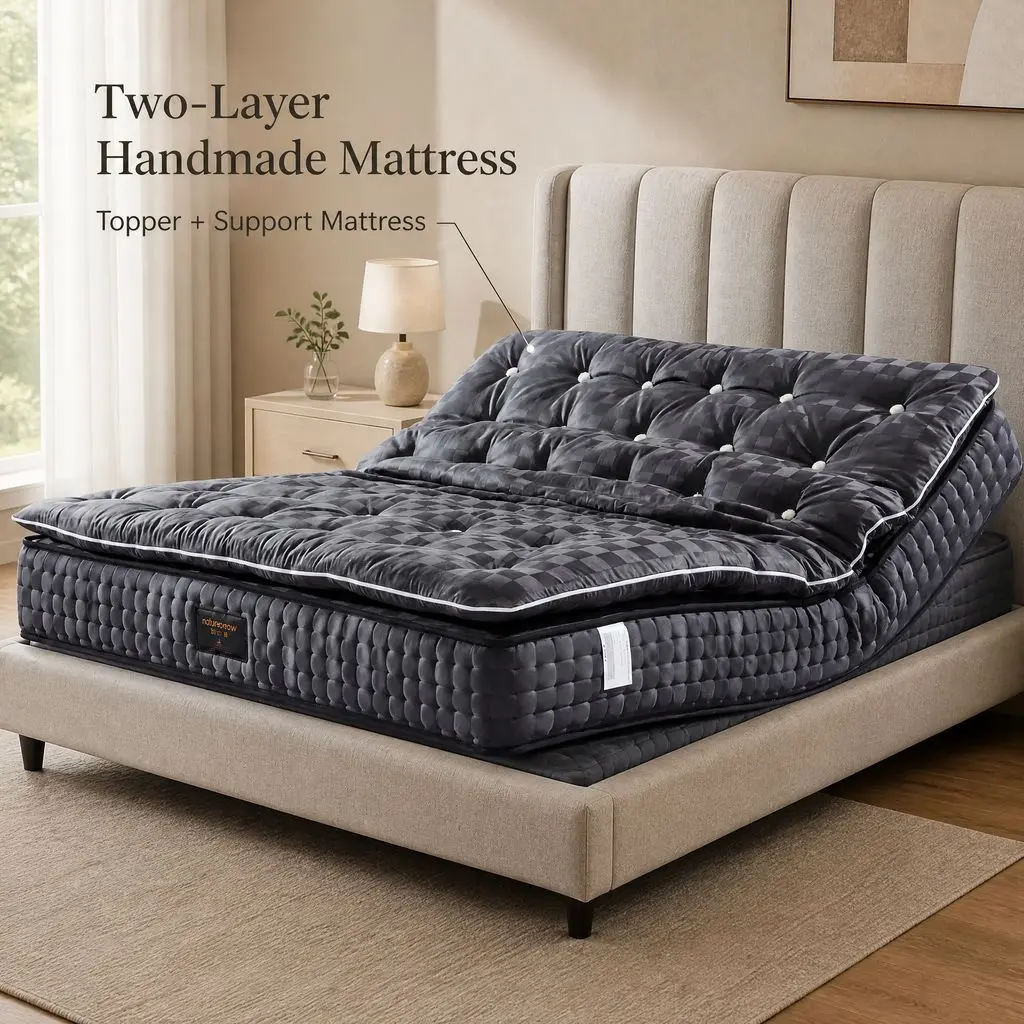
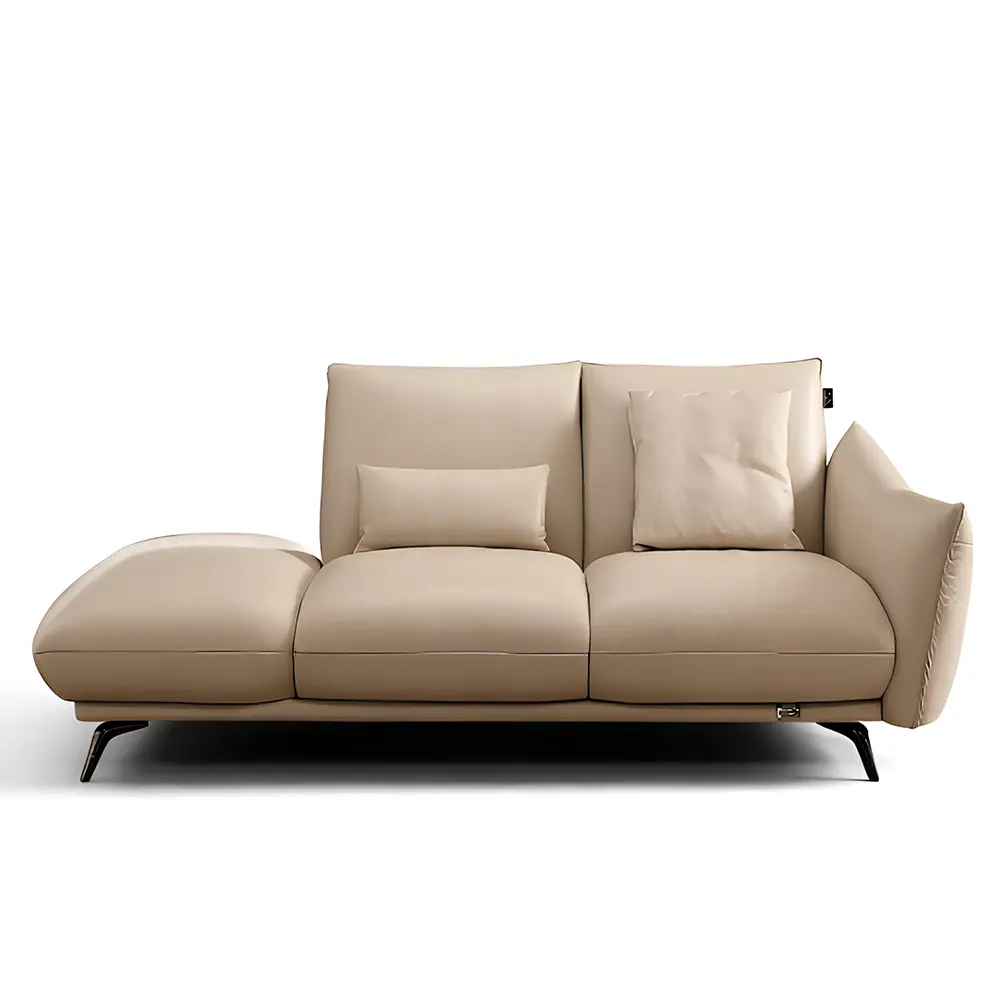
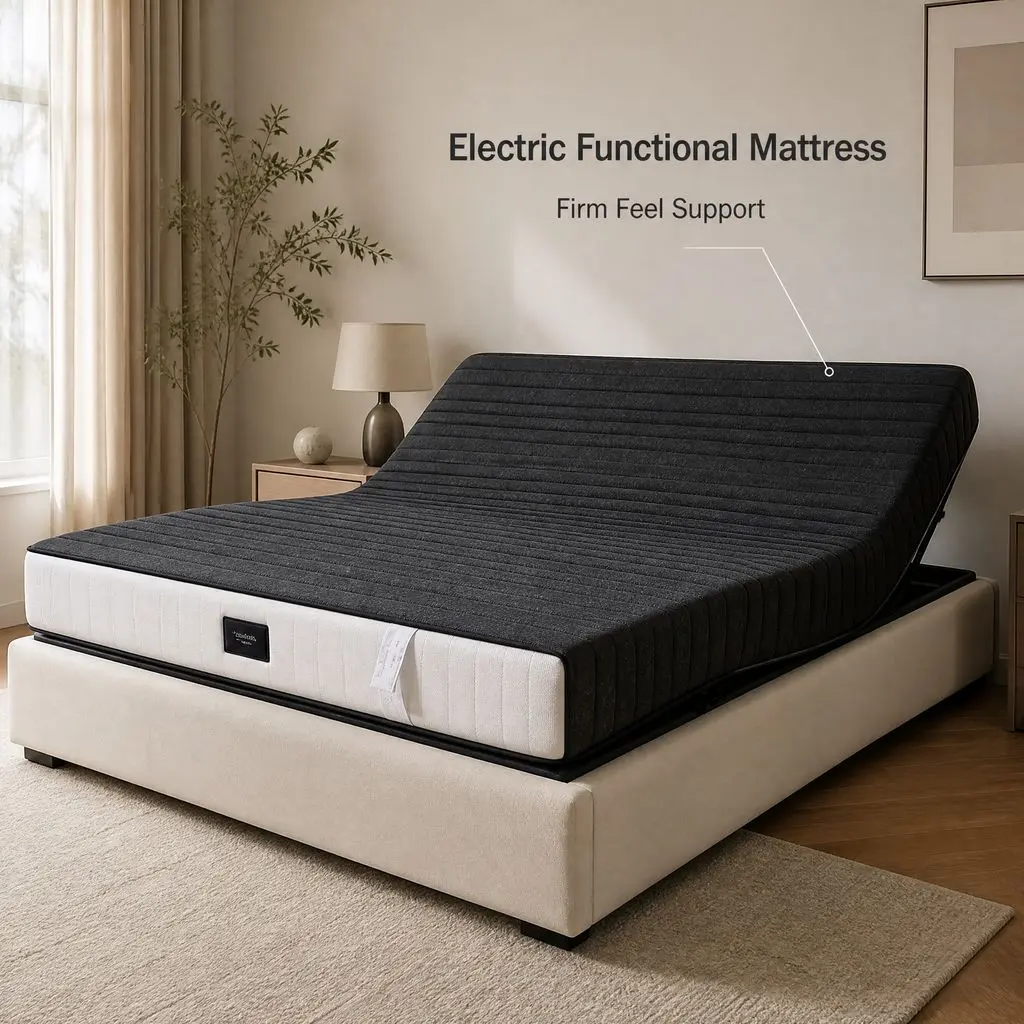
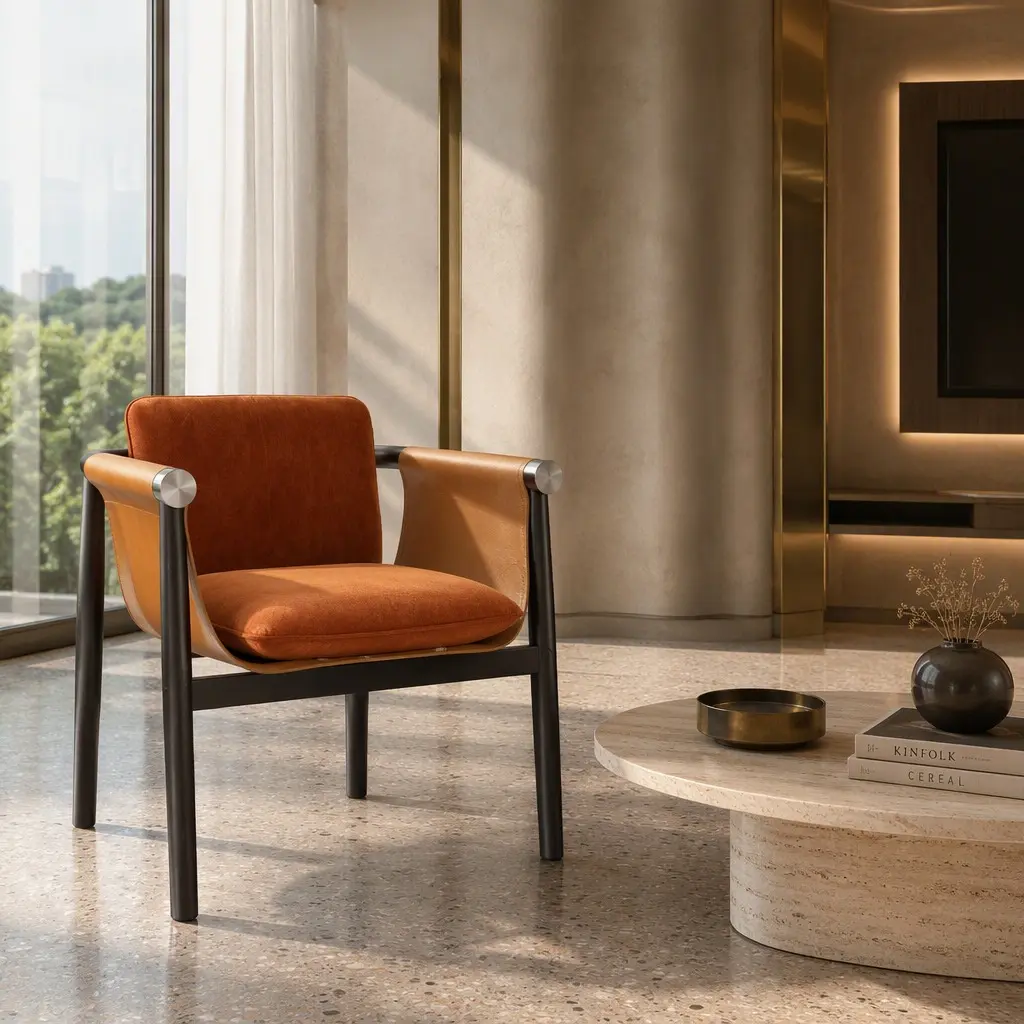
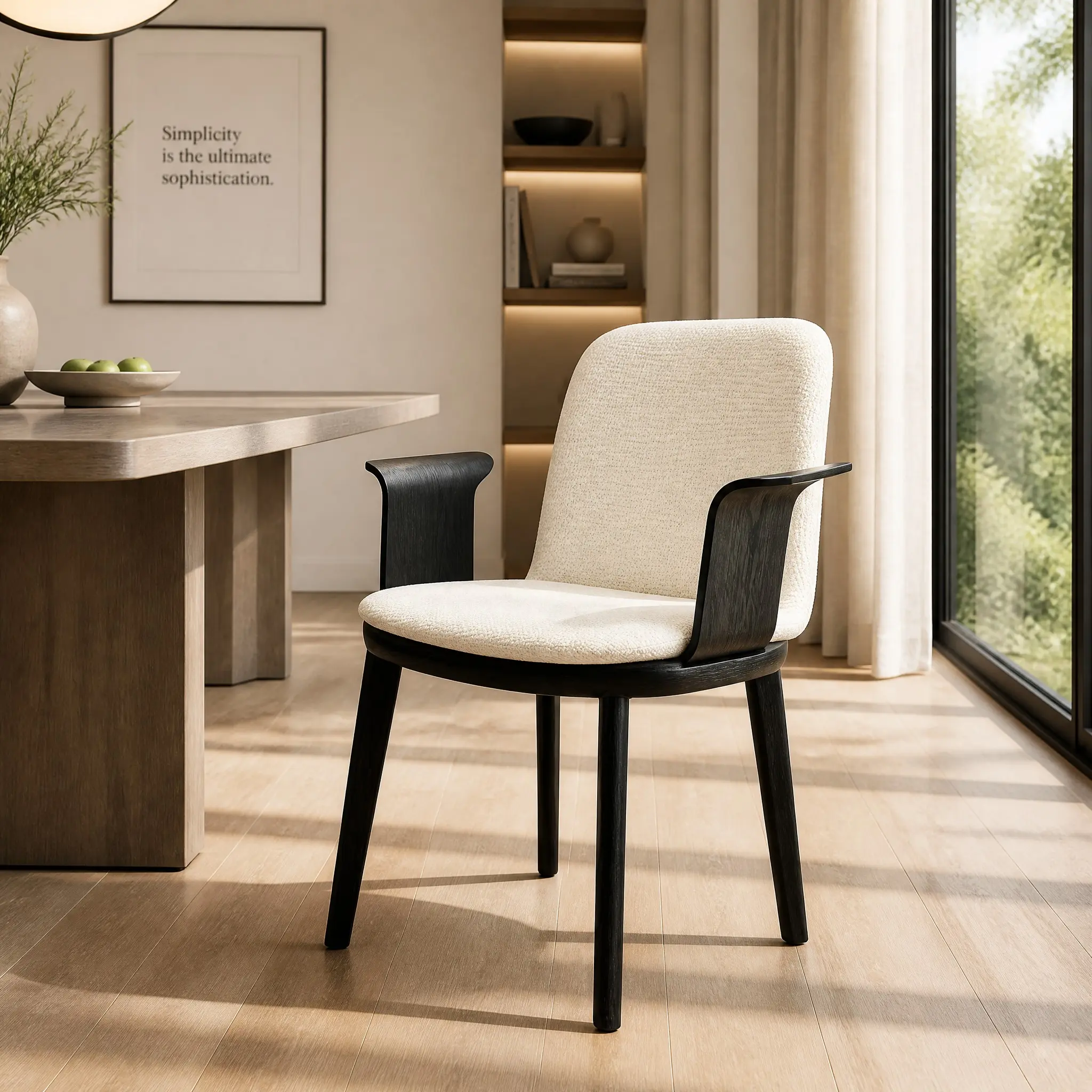
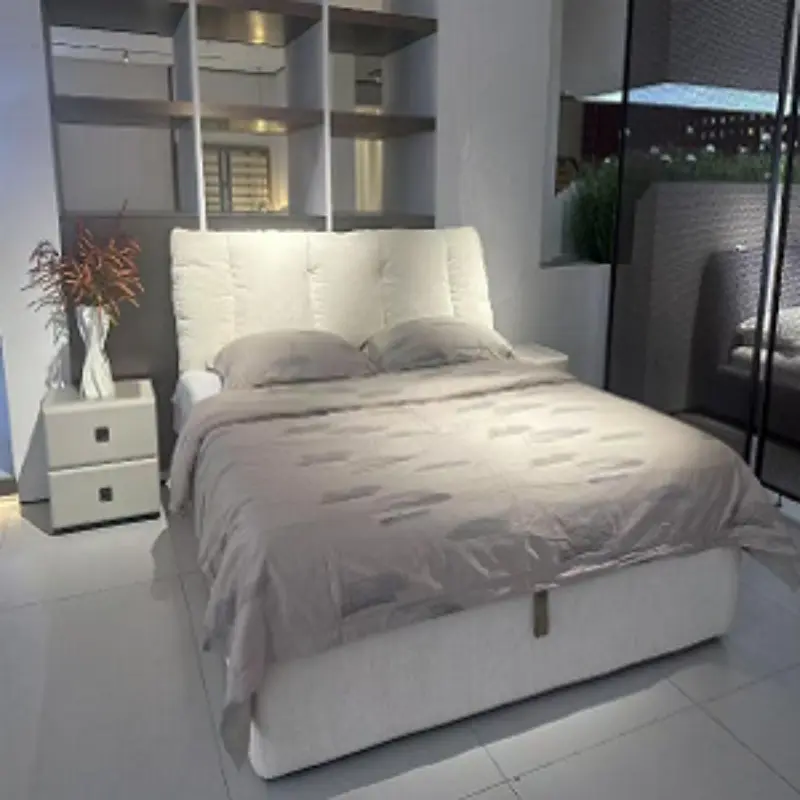
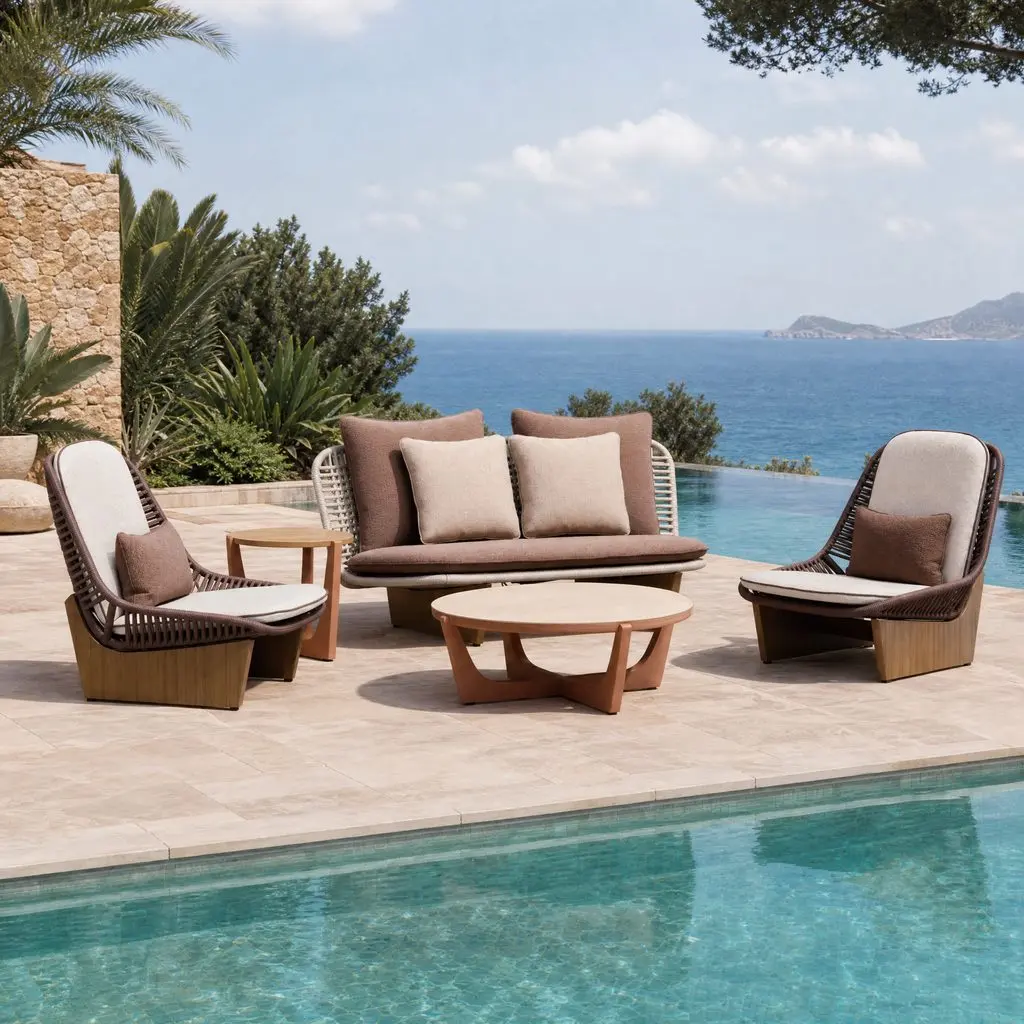
Direct answers to the questions procurement teams and hospitality developers raise before a first order.
Yes — provided the supplier is configured for European contract work rather than domestic retail. That means documented fabric and foam performance data, EU-compliant flame-retardant options, French and German documentation, CE-relevant declarations for any powered components, and a clear statement of which standards each material is tested against. The practical test is simple: ask for the technical data sheet before you ask for the price.
For standard models in project quantities, a realistic total lead time is roughly 10 to 14 weeks: sampling and approval, production, consolidation and sea freight to a European port, then inland delivery. Fully bespoke designs with new tooling add four to six weeks. For tight refurbishment windows, partial air freight or a staged sea shipment released against a room-block schedule is usually the better answer than compressing production quality.
Minimums depend on the model and material, but contract buyers typically reach sensible economics at container-level volumes — often around 20 to 40 rooms per mixed container when casegoods, seating and mattresses are consolidated together. Mixed-category consolidation is the single biggest lever for reducing per-unit freight cost, which matters more in a small market like Luxembourg than raw unit price.
Prioritise contract-grade performance over hand-feel alone: high double-rub counts for seating, solution-dyed or tightly woven constructions for anything near windows and terraces, and removable, cleanable covers wherever housekeeping will realistically need to spot-treat. For alpine and Ardennes-adjacent properties, choose fabrics that tolerate both dry heated interiors in winter and humid summer air without visible pile change.
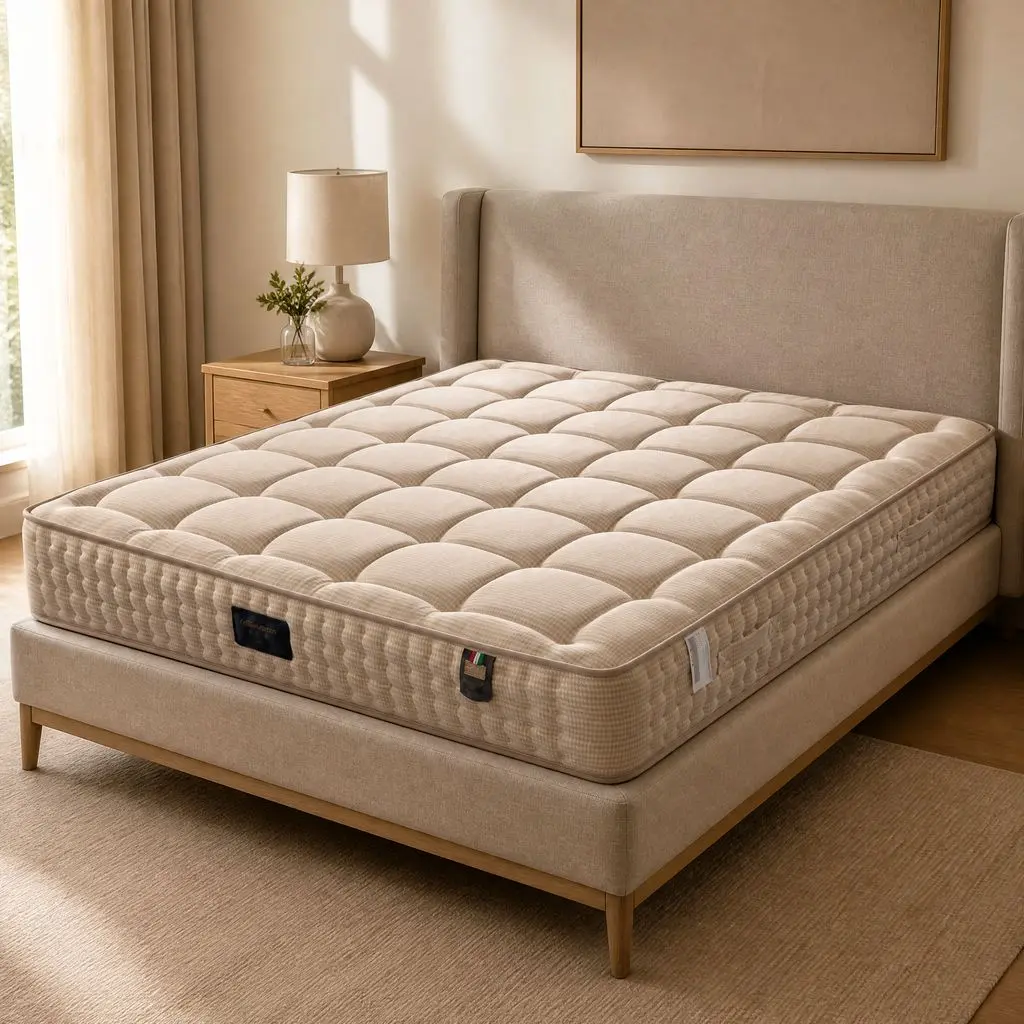
They are suitable when three conditions are met: the motor assembly is serviceable without removing the mattress platform, the control interface is simple enough for a first-time guest, and there is a manual override or fixed-position fallback. For boutique and executive suites, adjustable bases are increasingly specified for accessibility and comfort differentiation. For standard rooms, a high-quality pocket-spring mattress is usually the better lifecycle investment.
Agree a spare-parts provision at order stage: a percentage of covers, glides, cushion cores and any electronic modules, plus written confirmation that the model's fabric and foam specifications will remain available for a defined period. This single clause is the difference between a furniture package that can be refreshed room-by-room and one that has to be replaced wholesale at the first refurbishment.
At minimum: commercial invoice, packing list with per-room allocation, certificate of origin, material and fabric technical sheets, flame-retardancy test references, and installation or assembly guidance. For phased projects, a room-block schedule mapped to delivery batches prevents the classic problem of 60 beds arriving before the corridors are finished.
Yes. Dimensions, upholstery, frame finishes, fabric grades and branding — woven labels, embossed logos, branded packaging — can all be customised for wholesale and project orders. For a Luxembourg hotel group operating two or three properties, a private-label programme is often the most cost-effective way to keep a consistent design language across rooms built years apart.
Share your room types, key count and target opening date. Our export team will map the categories, propose a specification ladder and prepare a container-loading plan that fits your fit-out calendar.