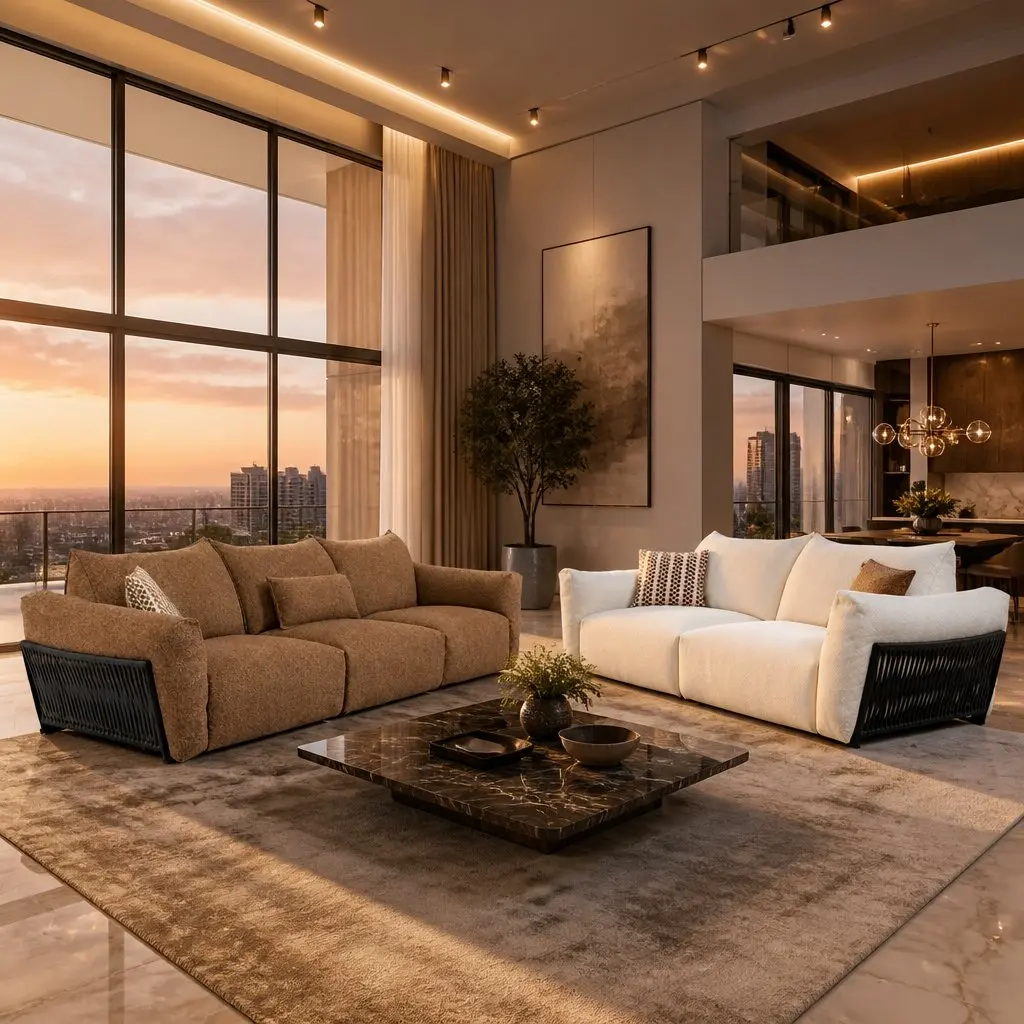
Featured Collections
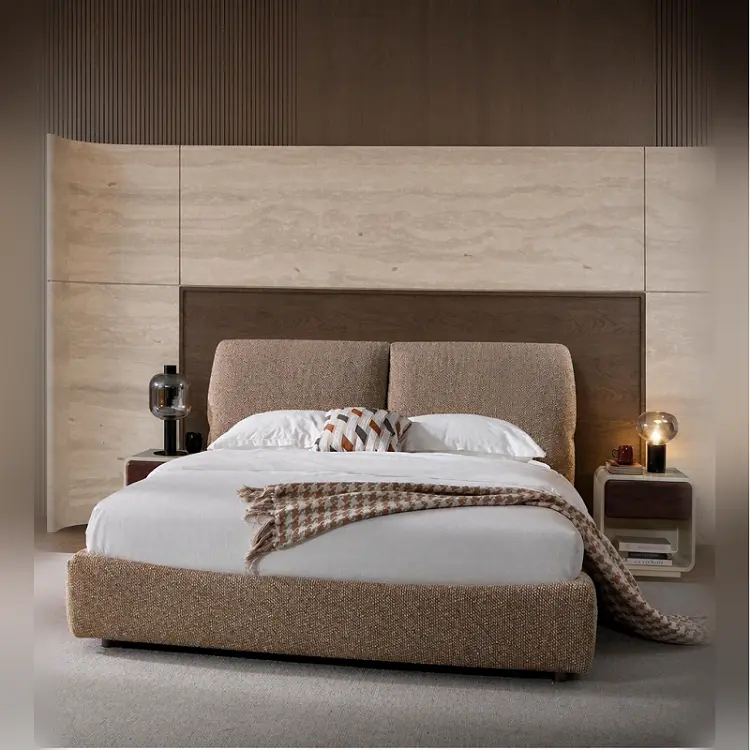
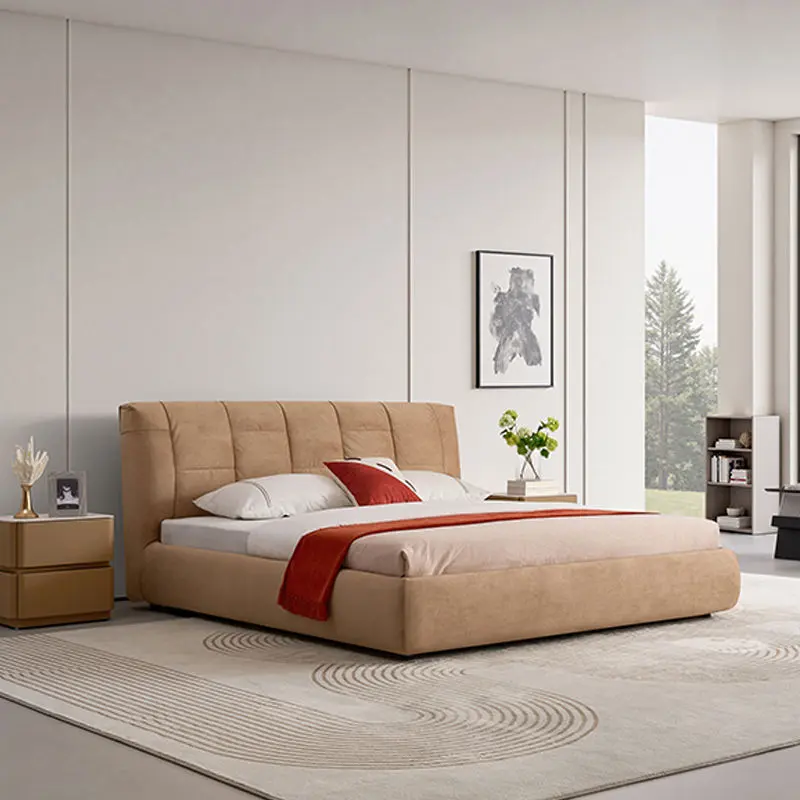
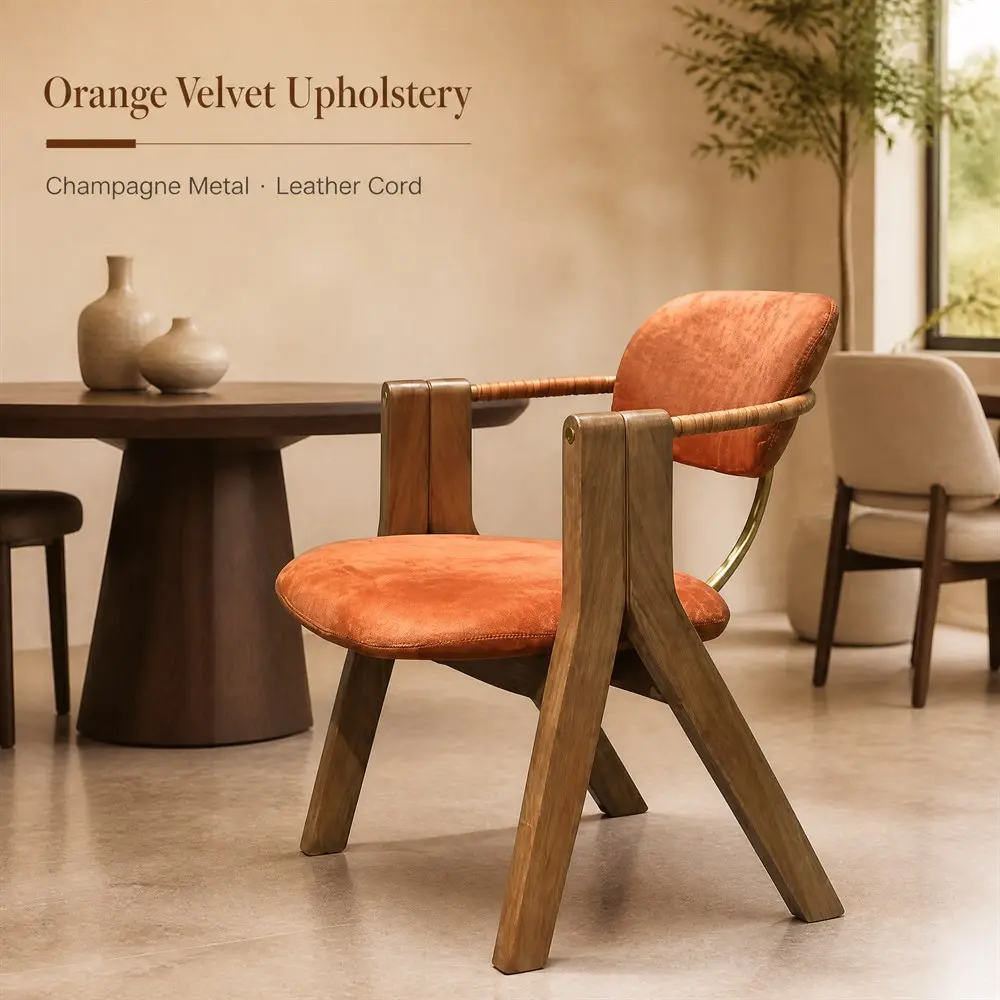
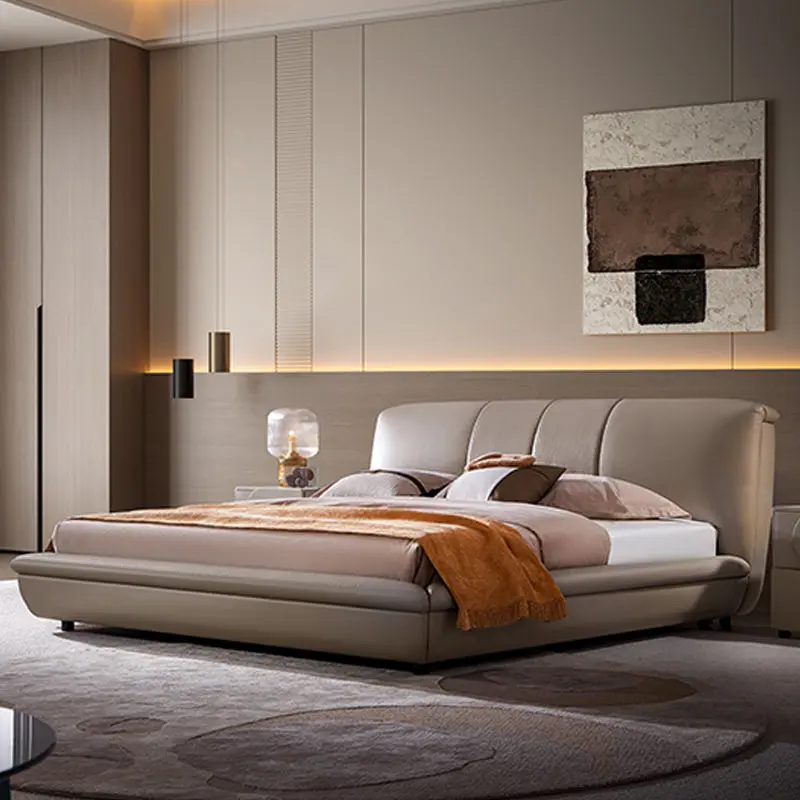
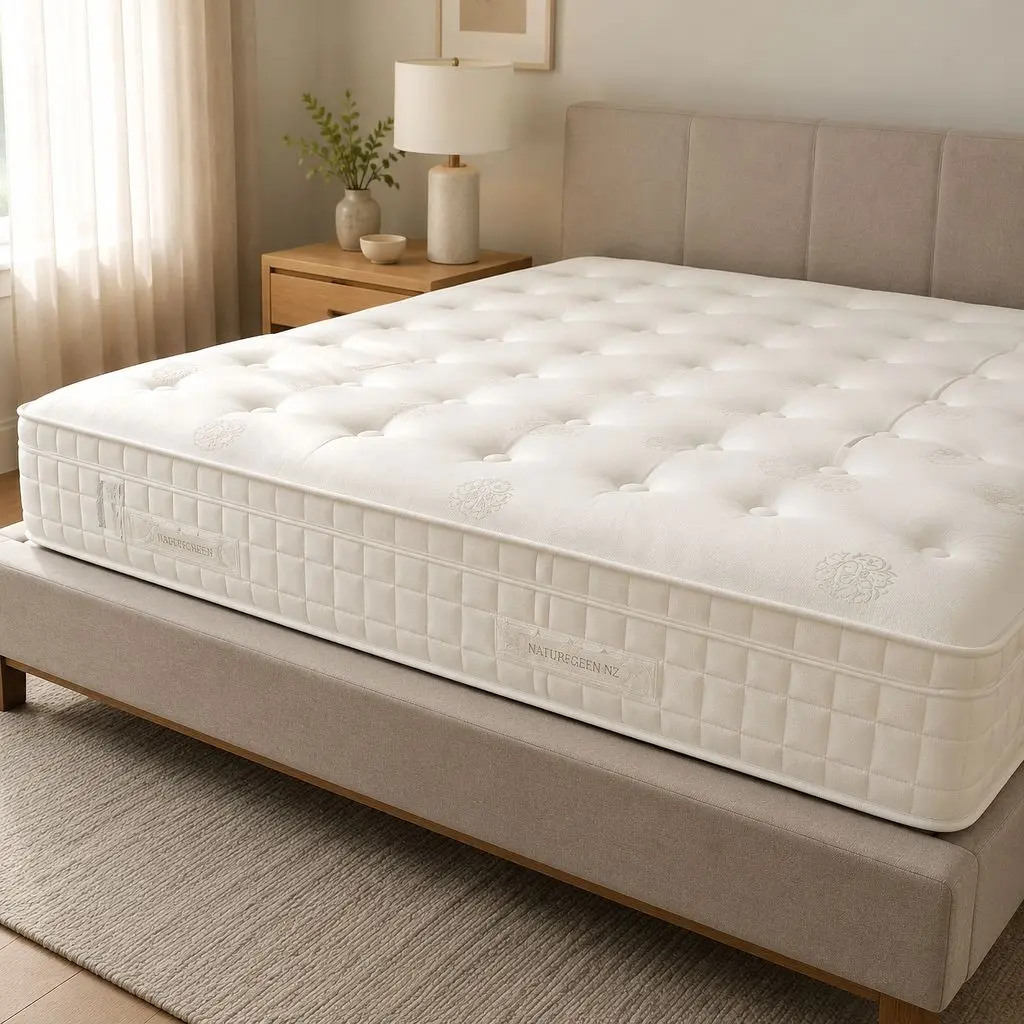
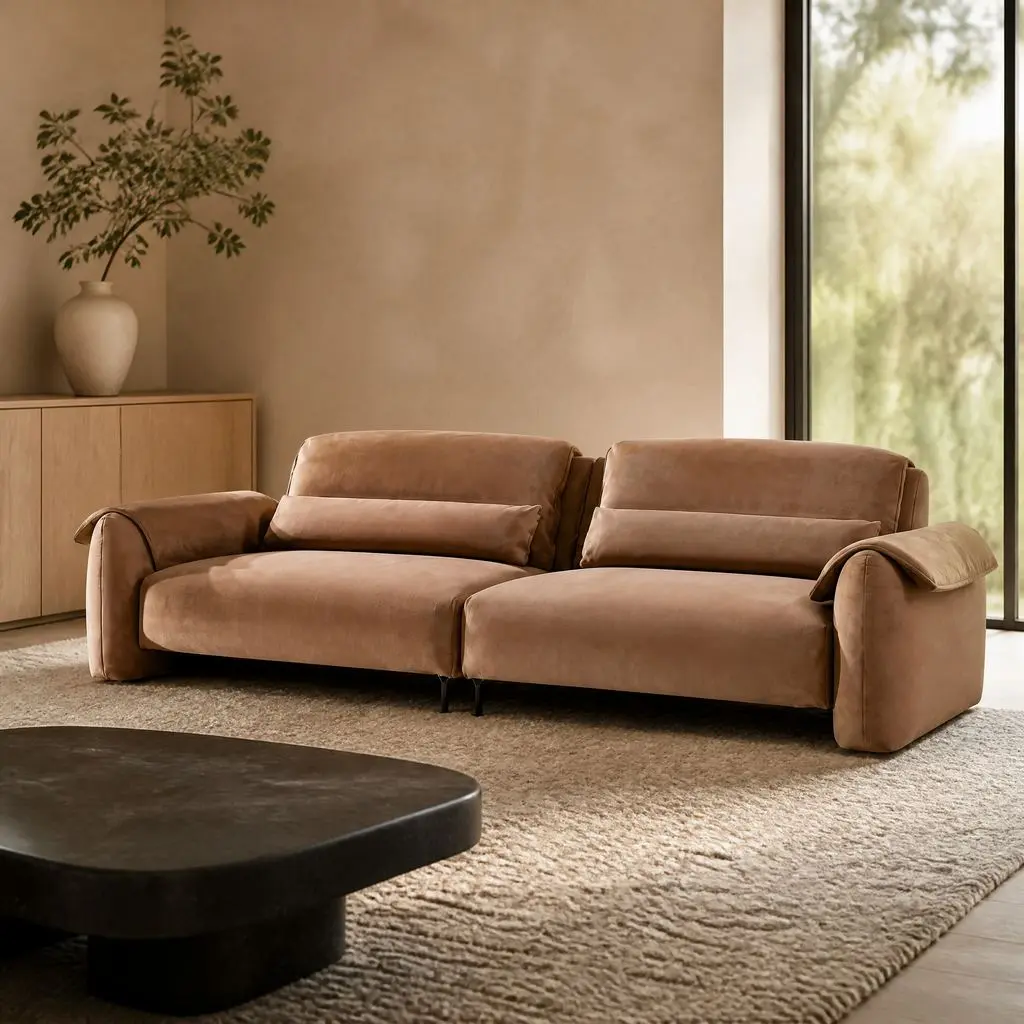
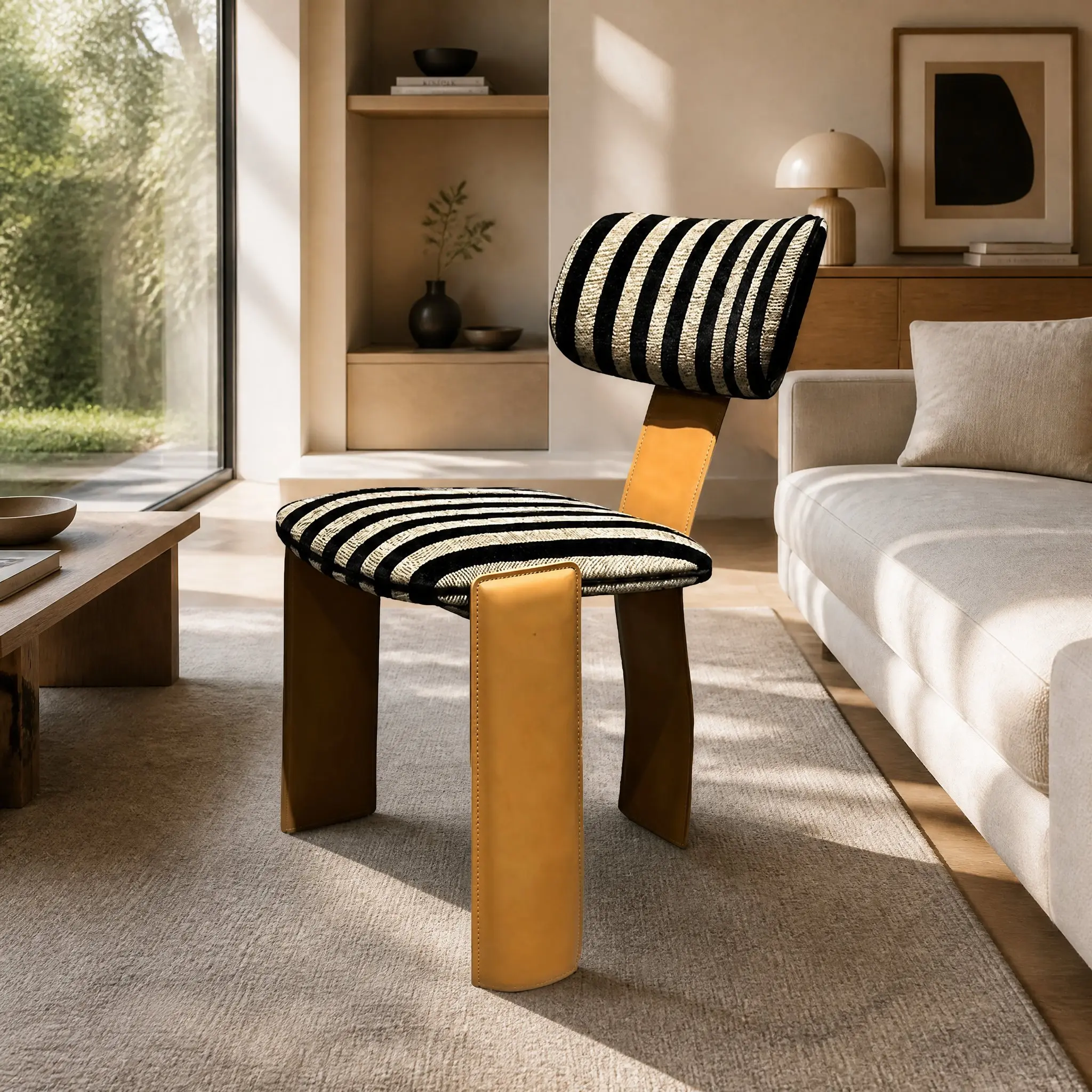
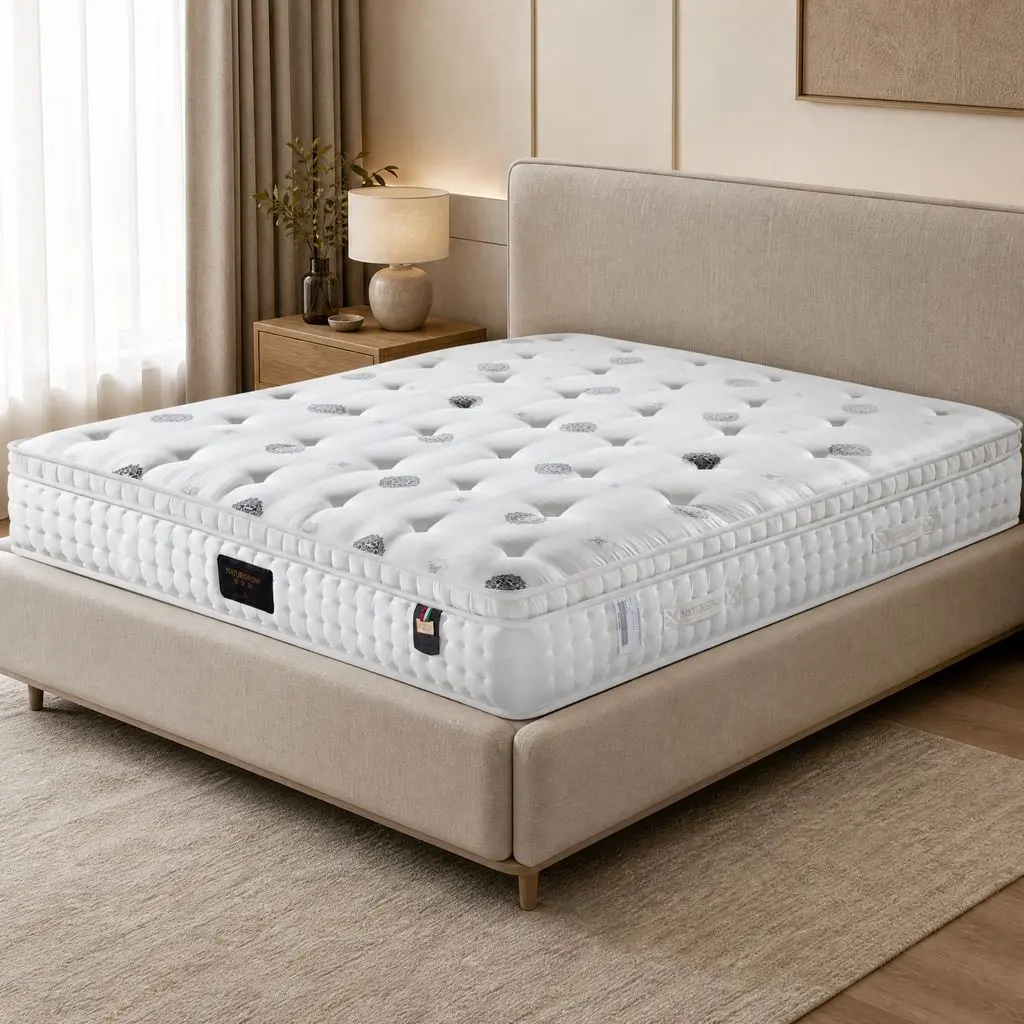
Latest-Design Living Room Pieces Ready for Nigeria
Four flagship references selected for Lagos and Abuja apartment layouts, gated-estate lounges and serviced-residence portfolios. Every model can be re-spec'd for Nigerian humidity, power volatility and container economics.
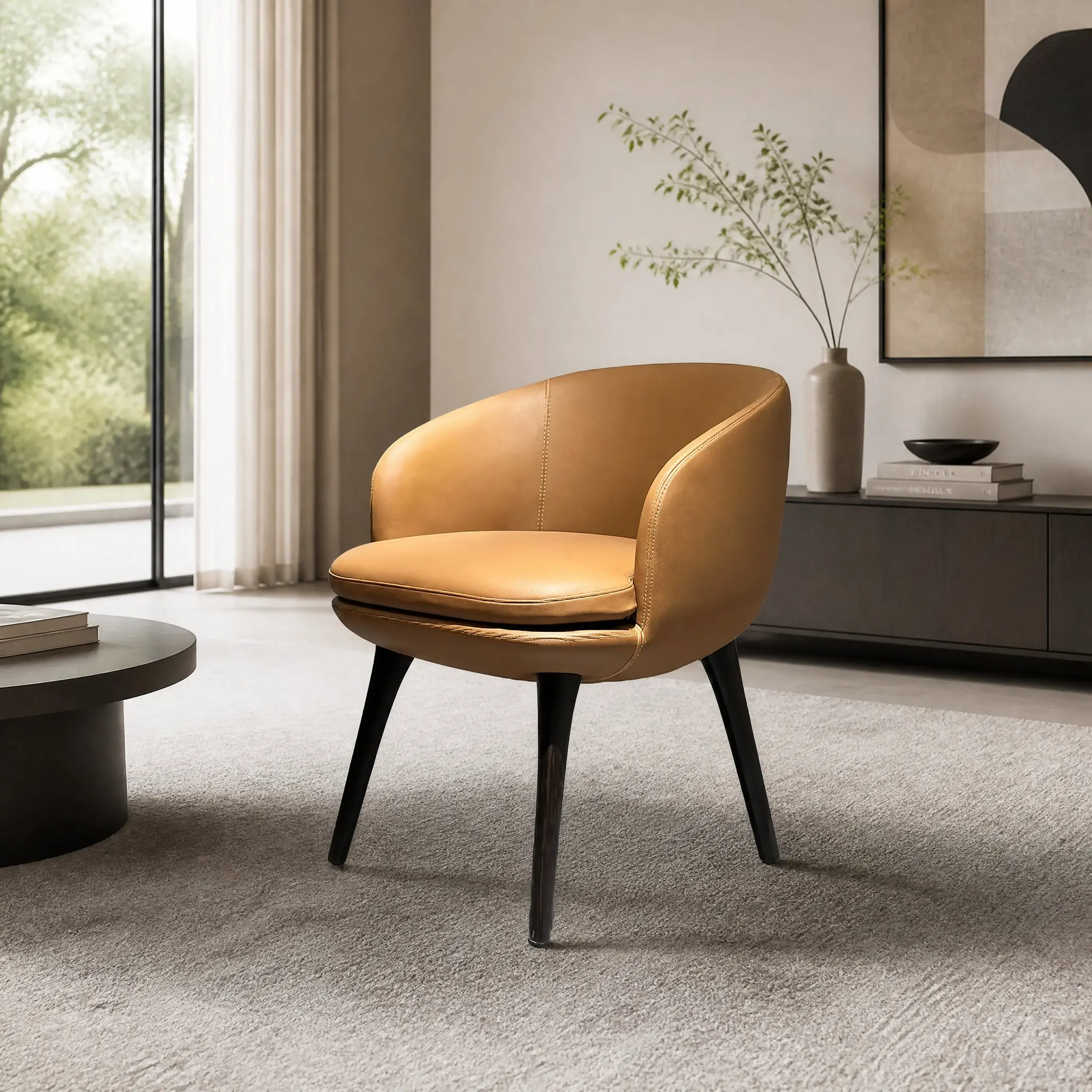
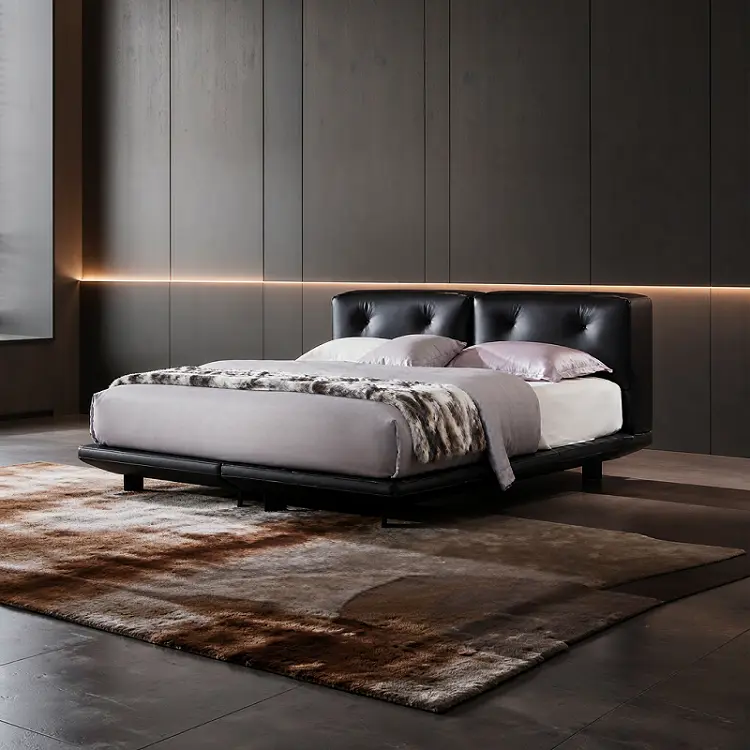
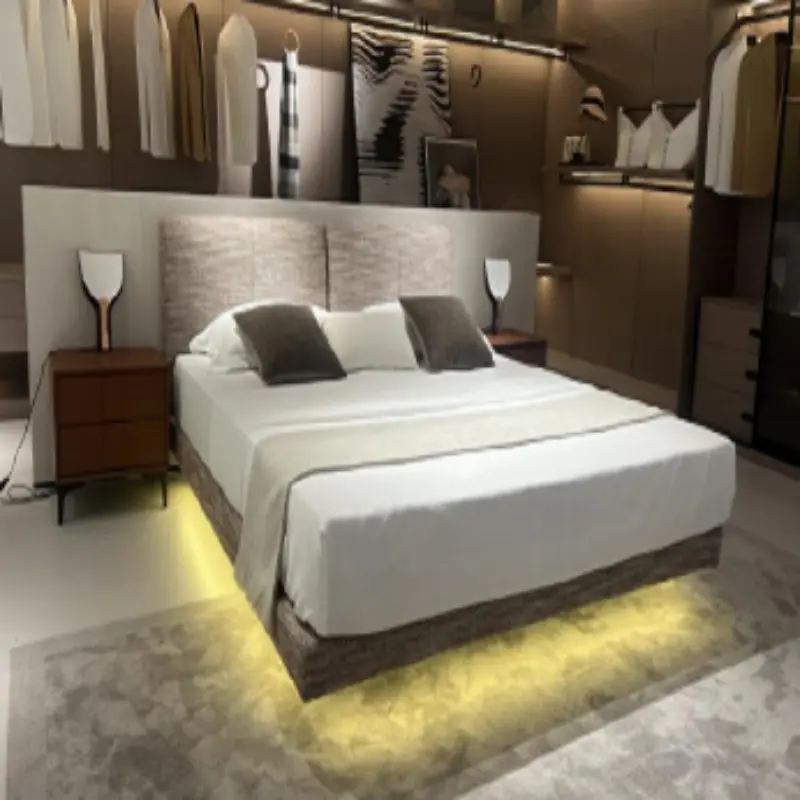
Nigeria Commercial Landscape
Why Nigeria Is Africa's Most Dynamic Living Room Furniture Market
Nigeria is not a single market — it is a federation of consumption zones with distinctly different price ceilings, delivery constraints and design tastes. Treating it as one monolith is the fastest way to lose margin.
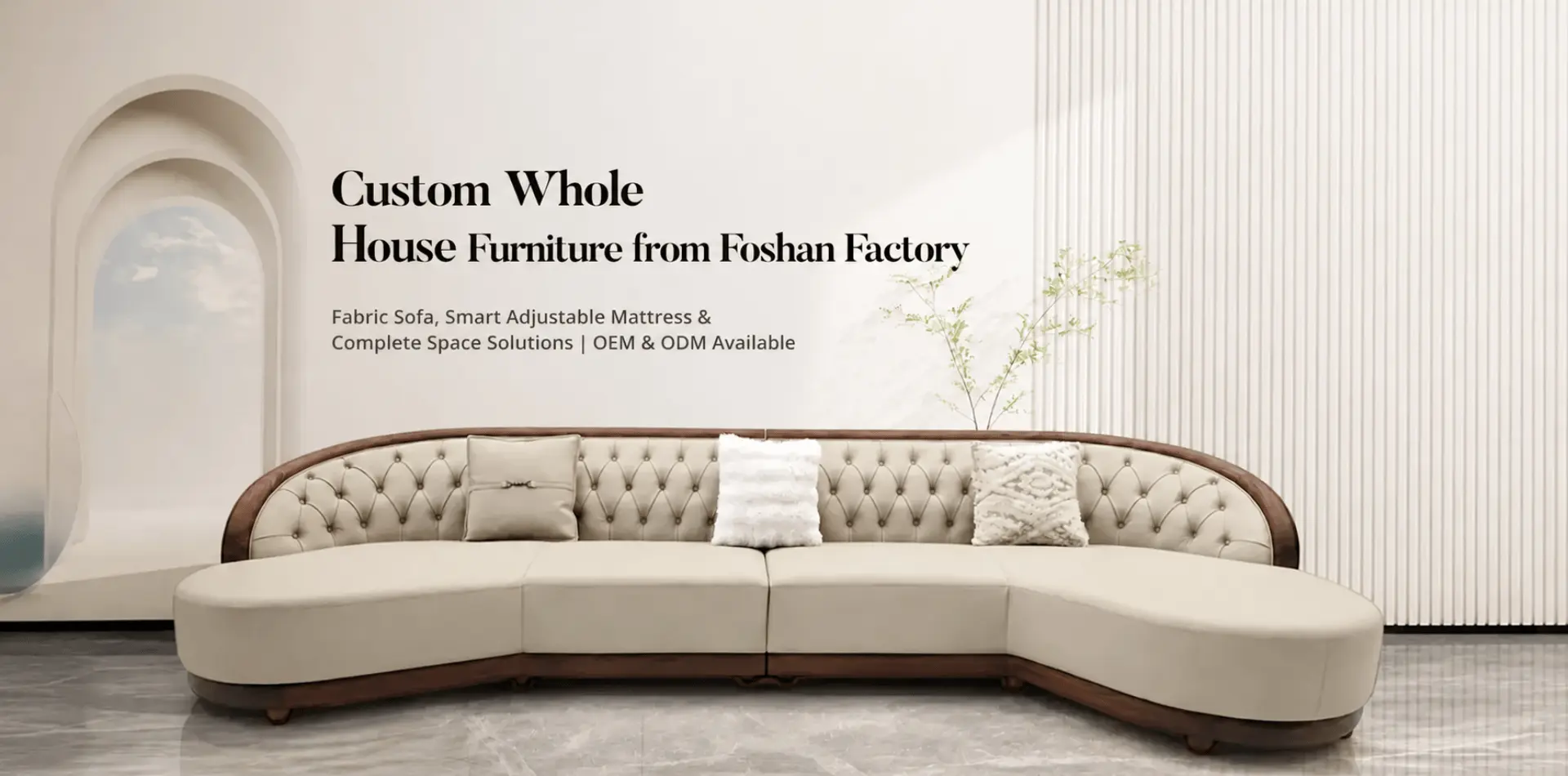
Lagos alone concentrates more high-net-worth households than most African capitals. The Lekki–Ajax–Ikoyi corridor continues to absorb premium upholstered sofas, while mainland markets such as Ikeja, Surulere and Yaba run on volume-driven, entry-to-mid tier living room sets priced for rapid resale.
Abuja behaves differently again. The city's diplomatic quarter, Wuse II and Maitama districts favour statement neo-classic and Italian-minimalist silhouettes, often commissioned alongside full interior packages for new-build duplexes and short-let apartments.
Port Harcourt and the broader Niger Delta carry the highest proportion of corporate housing and oil-serviced accommodation — a segment that specifies commercial-grade contract furniture, easy-clean covers and long warranty terms rather than trend-led pieces.
- Lagos drives premium & design-led demand across Lekki, Ikoyi and Victoria Island.
- Abuja skews toward neo-classic, hospitality and diplomatic-residence packages.
- Port Harcourt & Delta states prioritise contract-grade durability for corporate housing.
220M+Population base across Nigeria
4Distinct regional buying zones
35-45dTypical Foshan → Lagos sea transit
60%+Of premium demand concentrated in Lagos
China Factory Advantage
What a Foshan Factory Really Delivers to Nigerian Buyers
Foshan's Shunde and Longjiang clusters produce the largest concentration of upholstery, solid wood and metal furniture in the world. For Nigerian importers, that density translates into faster sampling, deeper SKU breadth and price tiers no domestic manufacturer can match.
Full-Category Consolidation
One purchase order can cover sofas, beds, mattresses, dining sets and outdoor pieces — shipped in a single 40HQ container from one QC owner.
10+ Years of Export Experience
Documentation, HS coding, SONCAP preparation and fumigation are handled by teams who have already shipped to West African ports hundreds of times.
100+ Original Patents
Design-led silhouettes that differentiate a Nigerian retail floor from competitors reselling the same generic catalogue stock.
Climate Re-Engineering
Kiln-dried larch frames, moisture-barrier wraps and mildew-treated foams built for Nigeria's coastal humidity and rainy season.
Volume Price Tiers
Direct factory pricing with no distributor markup, letting importers hold margin even after freight, duty and port clearing costs.
Container Optimisation
Knock-down packaging and mixed-SKU loading plans cut ocean freight cost per unit by 15–30% versus loosely packed shipments.
Localised Applications
Where Nigerian Living Room Furniture Actually Lives
Specification decisions are made at the application level, not the catalogue level. These are the five scenarios that consume the majority of imported living room volume into Nigeria.
Lekki & Ikoyi Gated Estates
Large-format L-shaped and U-shaped sectionals in washable linen or performance velvet, paired with coffee tables that survive tiled floors. Buyers here expect designer-grade silhouettes and are willing to pay premium for exclusivity.
Abuja Duplex & Detached Homes
Formal parlours and family lounges often run dual furniture sets. Neo-classic tufted armchairs and high-back sofas sit alongside contemporary modular pieces — a hybrid spec that Chinese factories handle well via mixed-container loading.
Short-Let & Serviced Apartments
Lagos and Abuja short-let operators increasingly furnish to a repeatable brand standard. Durable, washable covers and modular sofas that can be replaced piece-by-piece are preferred over bespoke sets that break inventory continuity.
Hotel Lobbies & Corporate Housing
Port Harcourt and Victoria Island hospitality projects specify contract-grade foam densities, commercial abrasion ratings (≥30,000 Martindale), fire-retardant options and 3–5 year structural warranties.
Retail & Showroom Resale
Nigerian furniture retailers in Ikeja, Onitsha and Alaba buy in mixed pallets to keep floor display fresh. Factory programmes with low MOQ per SKU and fast reorder windows outperform single-style containers.
Diaspora-Funded Builds
A large share of premium residential furnishing budgets originate from Nigerians abroad commissioning builds remotely. Digital spec sheets, video walkthroughs and factory audits are essential sales tools here.
Industry Trends 2024–2028
Structural Shifts Reshaping Living Room Sourcing into Nigeria
Four macro forces are changing what Nigerian buyers order, how they finance it and who wins the margin. Sourcing strategies built on 2019 assumptions are already obsolete.
2024+ Local Assembly Incentives
Nigerian policy continues to push back against finished-goods imports. Importers are increasingly requesting knock-down (flat-pack) sofa frames and locally upholstered covers to reduce landed duty brackets and create local employment stories for retail marketing.
2025 Naira Volatility & Prepayment Discipline
Exchange-rate movement has pushed buyers toward tighter payment terms, multi-stage deposits and shorter lead-time windows. Factories offering consolidated container programmes with locked-in pricing windows for 60–90 days are winning repeat orders.
2026 Contract-Grade Specification Rising
Short-let and hospitality buyers now quote Martindale abrasion, foam density (≥32 kg/m³) and frame joint tolerances in RFQs. Consumer-grade furniture that once passed as "premium" is being rejected at scale.
2027–28 Digital-First B2B Buying
Nigerian procurement teams increasingly expect 3D product models, AR placement previews and video factory audits before committing to a container. Factories with structured digital catalogues and consistent online product documentation will capture disproportionate share.
Macro Procurement Solutions
Nigeria-Ready Specification Benchmarks
A practical reference table for importers and project buyers comparing tiers. These benchmarks reflect specifications that survive Nigerian climate, usage intensity and port handling conditions.
| Specification | Retail Resale Tier | Premium Residential | Contract / Hospitality |
|---|---|---|---|
| Frame Material | Plywood + softwood | Kiln-dried larch or beech | Kiln-dried hardwood, bolted joints |
| Foam Density | 25–28 kg/m³ | 30–32 kg/m³ | ≥35 kg/m³, high-resilience |
| Fabric Abrasion | <20,000 Martindale | 20,000–30,000 Martindale | ≥30,000 Martindale, FR-rated |
| Cover Type | Fixed cover | Removable, washable | Removable, replaceable, commercial-grade |
| Moisture Protection | Standard packaging | Moisture-barrier wrap | Vacuum-sealed + desiccant + shrink wrap |
| Warranty | 12 months | 24 months | 36–60 months structural |
Global Buyer Requirements
How International Procurement Teams Structure Nigeria Orders
Nigeria-bound containers rarely ship alone. Sophisticated buyers bundle living room furniture with bedroom, dining and outdoor categories from the same factory, because mixed loading improves container yield and simplifies supplier management.
The most common pattern we see is a three-tier container: 40% living room, 35% bedroom, 25% dining and outdoor. This structure balances showroom variety, MOQ thresholds and freight economics — and directly reduces clearing-agent complexity at Apapa or Tin Can Island port.
- Single supplier, single QC standard, single bill of lading.
- Pre-shipment inspection aligned with SONCAP and destination standards.
- Multi-layer export crating for high-humidity sea transit.
- Consistent finish palettes across rooms for design coherence.
Buyer FAQ
Questions Nigerian Importers Ask Before Their First Container
Practical answers drawn from real sourcing conversations with Lagos, Abuja and Port Harcourt buyers.
What is the typical lead time from Foshan to Lagos or Apapa port?
Production lead time for living room upholstered furniture is typically 25–40 working days depending on customization depth and order volume. Ocean transit from Foshan/Shenzhen to Lagos (Apapa or Tin Can Island) runs approximately 35–45 days, with seasonal variation around Chinese New Year and Q4 peak season. Buyers should plan 75–110 calendar days door-to-port, plus clearing time.
How does your factory handle Nigeria's humidity and rainy season?
All frames are kiln-dried to 8–12% moisture content before assembly. Upholstered pieces destined for West African ports receive a moisture-barrier wrap plus desiccant packs inside multi-layer export crating. Foam is treated to resist mildew and humidity cycling. On request we can supply anti-mould underlay and offer mildew-resistant fabric finishes.
Do you support SONCAP documentation and pre-shipment inspection?
Yes. We prepare the commercial documentation required for SONCAP certification, coordinate with pre-shipment inspection agencies, and can arrange third-party inspection at the factory before container loading. Most importers work with a Nigeria-based customs broker to complete the final clearing cycle, but we supply the factory-side documentation they need.
Can I start with a smaller order than a full container?
Yes. We support LCL (less-than-container-load) consolidated shipments for first-time importers, but buyers should be aware that LCL handling at Nigerian ports sometimes introduces additional delays and handling damage risk. For ongoing programmes, FCL (20ft or 40HQ) is significantly more cost-efficient per unit and provides better protection against transit damage.
Do you offer mixed containers of sofas, beds and dining furniture?
Yes — this is one of our core strengths. Because we operate as a whole-house furniture manufacturer, we consolidate living room, bedroom, dining and outdoor furniture under one purchase order with one QC standard and one shipping plan. This simplifies documentation and typically reduces freight cost per unit by 15–30% compared to sourcing categories from separate factories.
Can you customise fabrics, colours and sizing for our Nigerian showroom?
Yes. OEM and ODM customization covers dimensions, upholstery and frame finishes, fabric grades (cotton-linen, performance velvet, microfiber leather, commercial contract fabrics) and private-label branding such as woven labels and embossed logos. Sample seating and fabric swatches are shipped before mass production approval.
What payment terms do you offer to Nigerian importers?
Standard terms are a deposit (typically 30%) at order confirmation and balance before shipment, with adjustments available for repeat buyers. We accept T/T and worked with most major Nigeria-aware trade finance channels. Documentation availability for Form M / PAAR processing is standard practice for our export team.
Start Your Nigeria Programme
Ready to Plan Your Nigeria-Bound Container?
Share your target market — Lagos premium, Abuja residential or Port Harcourt contract — and our export team will return a category plan, container loading model and factory specification sheet within 48 hours.
Send Inquiry Now
Complete Collection
Warehouse-Ready SKUs Supplied to Nigeria
Eight proven categories under one purchase order — sofas, beds, mattresses, accent seating and storage beds, each configured for Nigerian container consolidation.