
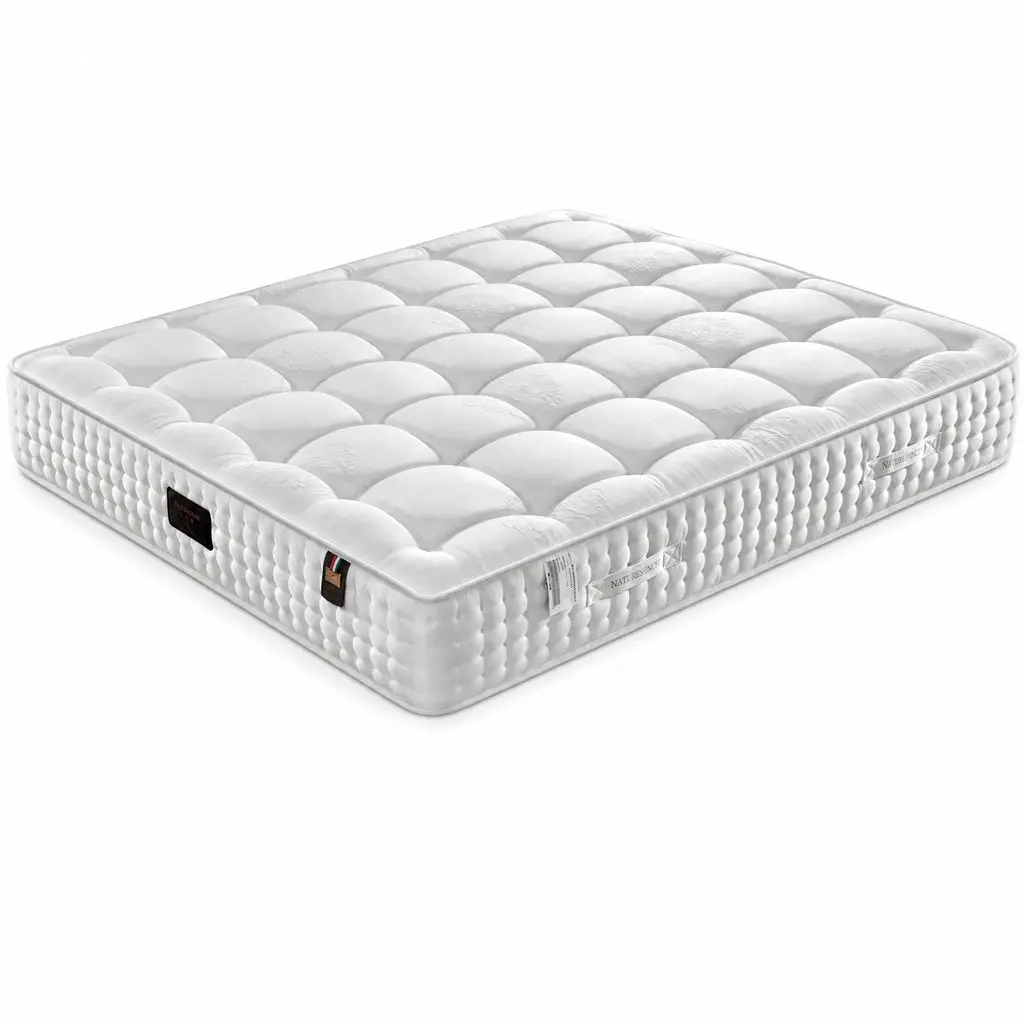
Flagship Handcrafted Range
Four Signature Mattress Platforms for the HCMC Market
Engineered for tropical humidity, high-rise residential towers and 4–5 star hospitality projects. Each build combines independent pocket springs, mini bubble springs and imported Thai latex with a moisture-managed ticking system.
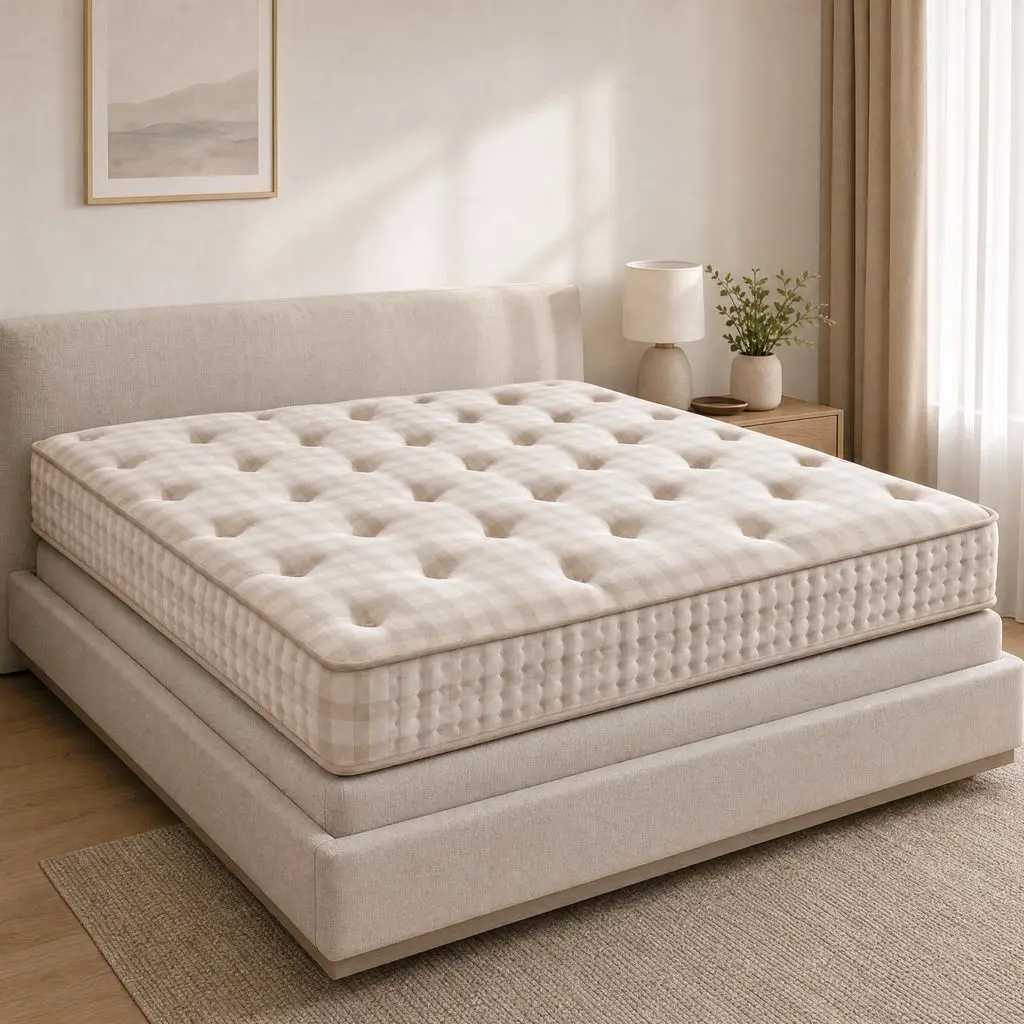
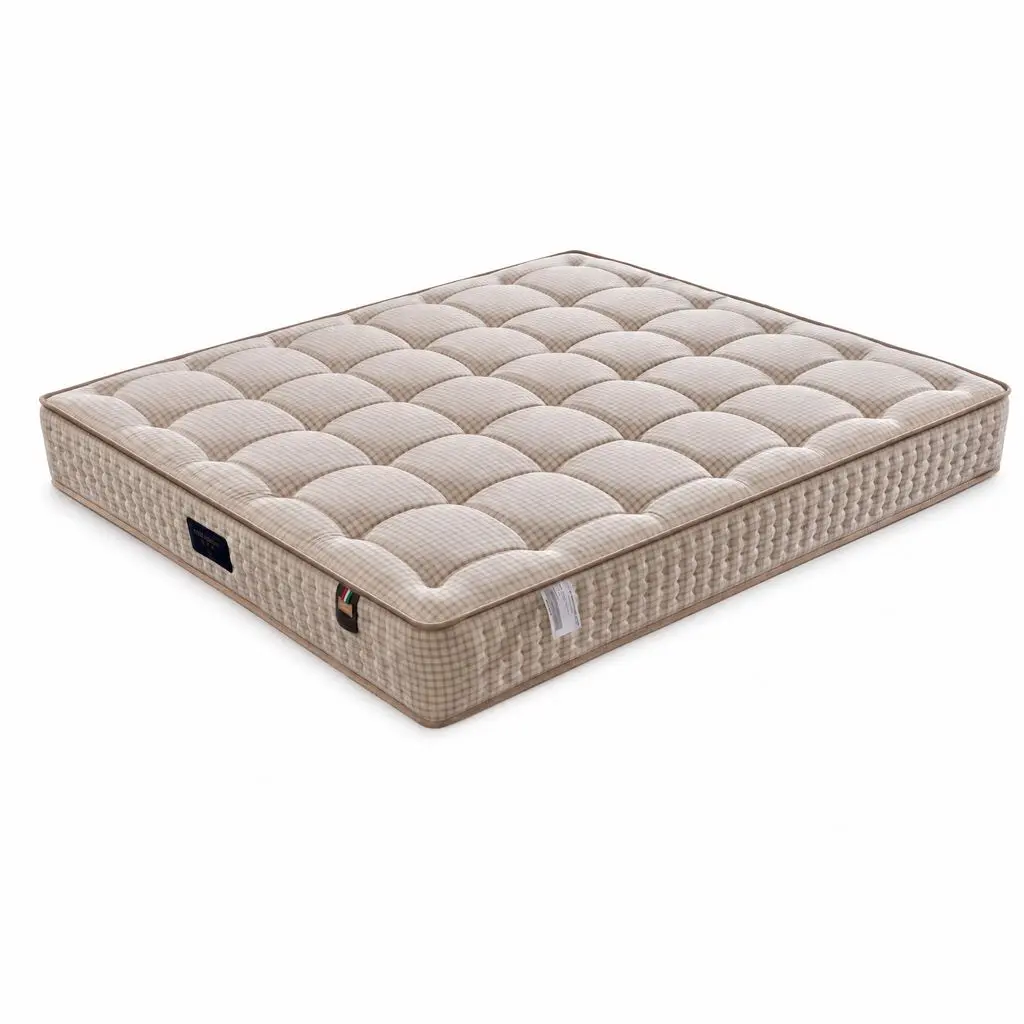
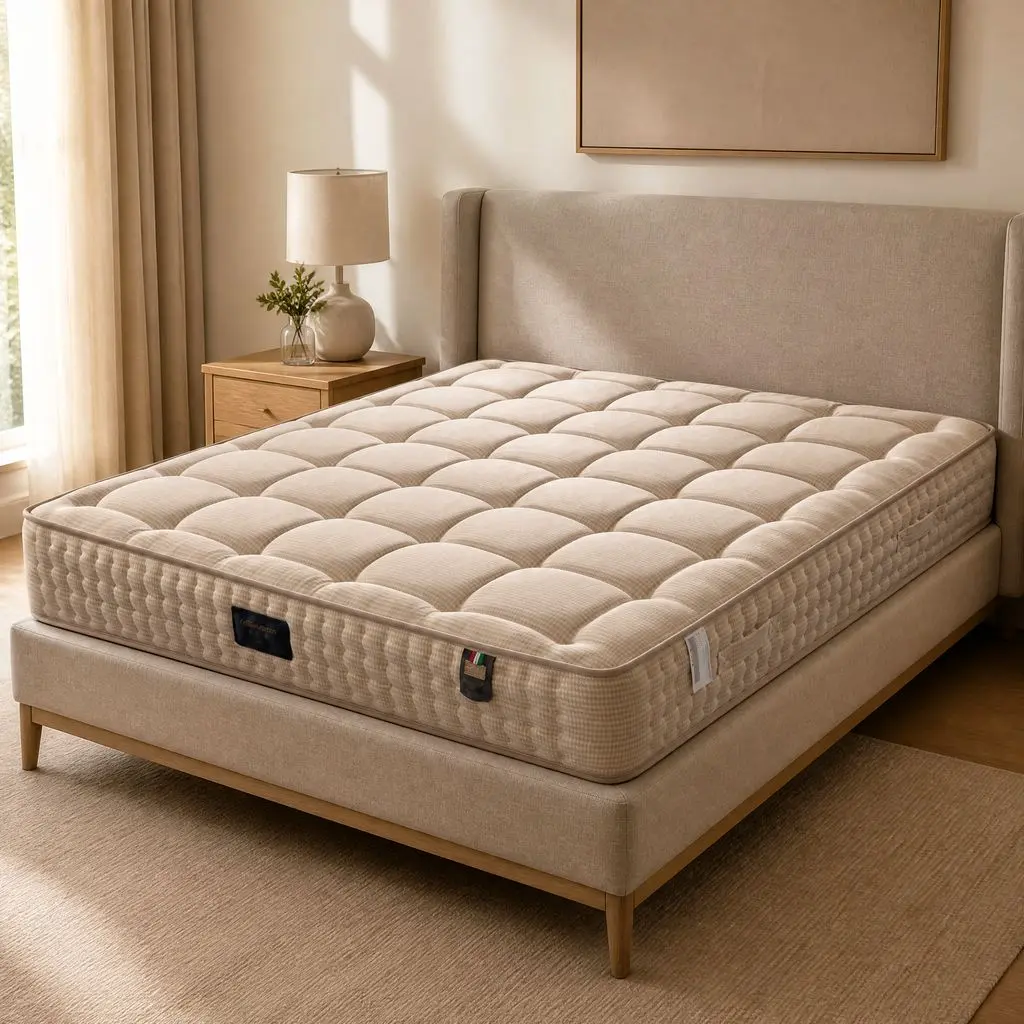
Factory-direct quotation for Ho Chi Minh City buyers — container loads, mixed models and private-label programs.
Send Inquiry Now
Market Context
Why Ho Chi Minh City Is a Strategic Sourcing and Sales Gateway
HCMC generates the deepest concentration of mattress demand in Vietnam: an expanding middle class, a hotel pipeline in Districts 1, 2 and 7, and a fast-maturing retail footprint. Understanding this local dynamic is the first step to building a mattress program that actually sells.
100M+Vietnam population; HCMC metro alone exceeds 9 million residents
2.5 cmImported Thai latex layer typical in premium HCMC retail collections
7–10 DaysOcean freight window from South China ports to Cat Lai, HCMC
19Furniture categories consolidated in one container for mixed orders
Ho Chi Minh City is not simply a destination port — it is the commercial heartbeat of Vietnam's furniture and bedding economy. Distributors in District 5's furniture streets, showrooms across District 7's Phu My Hung, and the hospitality supply chains feeding District 1's hotel corridor all demand a mattress range that balances imported quality perception with competitive landed cost. That is precisely the gap a factory-direct supplier of handcrafted pocket-spring mattresses is built to fill.
Vietnam's mattress retail landscape has shifted decisively in the last five years. Where once local foam and bonnell-spring products dominated, HCMC consumers now compare independent pocket-spring constructions, latex layers and memory-foam comfort layers side by side. Hotel groups specifying for new builds expect contract-grade durability and flame-retardant ticking. Private-label retailers want small-batch flexibility with brand-own labeling. A single, static product list cannot serve these audiences — the supplier must be a manufacturing partner with a configurable platform.
At the same time, tariffs, freight volatility and the rising cost of imported finished goods have pushed HCMC buyers deeper into direct factory relationships. Instead of buying through regional trading houses, more importers now negotiate FOB pricing from Chinese manufacturers, plan consolidated container loads, and require documentation aligned with Vietnamese import regulations. Our role in this market is to make that transition predictable — with transparent build specifications, sample-first workflows, and compliance-ready paperwork.
Industry Trends
Six Structural Shifts Reshaping Mattress Demand in Southern Vietnam
Trends we observe directly through HCMC buyer behavior, quotation requests and repeat-order data. Each shift translates into a concrete manufacturing decision on our side.
Premiumization of Sleep Retail
HCMC retail now separates entry foam lines from premium pocket-spring and latex collections. Independent dealers and brand chains both push higher-ticket SKUs, which favors suppliers able to build spring-latex-foam composites with consistent feel.
Hospitality and Serviced Apartment Growth
New hotels, branded residences and serviced apartments across Districts 1, 2 and 7 require contract-grade mattresses with defined durability cycles, replaceable covers and documented material specs for procurement audits.
Private-Label and Brand-Own Strategies
Local mattress brands and furniture chains increasingly want their own labels, woven tags and packaging. OEM manufacturing with low minimum order flexibility has become a deciding factor in supplier selection.
Hygiene and Anti-Microbial Expectations
Tropical humidity drives demand for moisture-wicking ticking, anti-microbial treatments and breathable 3D spacer layers. Buyers ask specific questions about airflow, not just firmness.
Compression and Roll-Pack Logistics
E-commerce and apartment delivery push roll-packed and vacuum-compressed formats. Buyers want factory compression that recovers reliably within 24–72 hours of unboxing.
China-Plus-One and Direct Sourcing
HCMC importers increasingly evaluate direct factory relationships alongside regional distributors. Transparent factory audits, sample programs and FOB clarity now decide who wins the order.
Procurement Demand
What Global Buyers and HCMC Importers Actually Ask For
We track hundreds of inbound mattress enquiries annually from Southeast Asia, the Middle East, Europe and North America. The questions converge on six themes — each one a specification decision, not a marketing claim.
Landed Cost Predictability
Buyers ask for FOB pricing plus estimated freight to Cat Lai, a project-level landed cost per mattress, and clarity on packaging volume. Roll-packing saves 40–60% container space versus flat-packed mattresses, directly reducing per-unit ocean freight.
Documentation and Compliance
Importers need MSDS, material declarations, ticking composition and, where relevant, fire-performance reports. Vietnam's import framework rewards suppliers who can issue consistent, complete documentation on every shipment.
Firmness Consistency Across Batches
Repeat orders only work if a 2026 batch feels like the 2025 batch. We maintain felt and foam density logs, spring gauge records and comfort-index testing so buyers can reorder with confidence.
OEM Branding Depth
Labeling goes beyond a woven tag. Buyers ask for branded packaging, insert cards, care labels and even branded spring-pocket covers — all feasible under our OEM workflow with manageable MOQs.
Mixed-Container Capability
Retail buyers want mattresses, upholstered beds and nightstands in one load. We consolidate across categories, optimize loading plans, and use multi-layer crating to protect finished goods in transit.
Responsive Commercial Communication
Quotation speed wins orders. Our HCMC-facing process delivers initial pricing, specification sheets and freight estimates in a predictable time window, with a dedicated account contact through production.
Macro Solutions
Four Solution Pathways for HCMC Buyers
Whether you are stocking a retail floor in District 7, furnishing a 200-key hotel in District 1, or launching a new private-label brand, the manufacturing model must match your commercial model.
Retail & Distribution Programs
A tiered SKU architecture — entry, core and premium — with consistent ticking and comfort language across the range, so retailers can build a coherent floor story without overlapping price ladders. Ideal for HCMC furniture streets and multi-store chains.
Hospitality & Project Supply
Contract-grade builds with defined durability cycles, replaceable covers, and project documentation for procurement audits. We coordinate load plans across bed bases, mattresses and casegoods for phased hotel openings.
Private Label & New Brand Launch
Low-MOQ starter programs, sample-first development, branding assets, and packaging design support for entrepreneurs and established retailers launching a mattress brand in Vietnam.
OEM / ODM Engineering
From drawing to pre-production sample to mass production. We engineer dimensions, comfort layers, ticking, and branding to your exact brief — protected by our original-design patent portfolio.
Localisation & Compliance
Localised Support and Compliance for the Vietnamese Market
Effective mattress supply for Ho Chi Minh City is not just about product — it is about making the import process predictable, documented and repeatable.
Shipping to Cat Lai
We plan container shipments specifically for Cat Lai Terminal and the HCMC port cluster, aligning production lead times with vessel schedules and buyer customs clearance windows.
Technical Documentation
Specification sheets, material declarations, ticking composition, and packing lists are prepared so your customs broker and QA team can process every shipment without chasing us for information.
Quality Assurance Protocol
In-line QC audits on the factory floor evaluate spring integrity, layer bonding, stitch density, and cover fit. Pre-shipment inspection reports accompany each container leaving our facility.
Time-Zone Aligned Communication
HCMC sits conveniently close to our production time zone. Communication is same-day for most enquiries, and video factory walk-throughs are available during Vietnam business hours.
Buyer Visits & Factory Audits
We welcome HCMC importers to visit our Shunde facility — a short flight from Ho Chi Minh City — to audit the production line, review materials, and sign off on samples before mass production.
After-Sales and Replacement Policy
Transparent warranty terms, replacement-part shipping options, and a documented claims process so retail and hospitality buyers can respond to end-user issues quickly.
Roadmap & Outlook
Technology Roadmap and Future Outlook for Mattress Manufacturing
Where the mattress category is heading — and what that means for how HCMC buyers should plan their supplier relationships over the next 3–5 years.
01
Smart Sleep Sensors
Bedding with integrated pressure and temperature sensing enters premium retail as an upsell.
02
Sustainable Materials
Recycled fibers, natural latex sourcing and low-VOC foams move from niche to standard.
03
Modular Replaceable Layers
Comfort layers become serviceable, extending mattress life and supporting circularity.
04
Digital Fit & Firmness AI
In-store diagnostic tools map sleepers to specifications, driving multi-SKU retail complexity.
05
Compressed Logistics
Roll-pack and vacuum tech spreads from e-commerce into mainstream retail and hospitality.
06
Traceable Supply Chains
Buyers expect documented origin for latex, ticking and spring wire as ESG reporting matures.
For HCMC buyers, the strategic implication is supplier consolidation. Retailers building a tiered SKU architecture, hotel groups specifying multiple room classes, and distributors serving growing regional footprints all benefit from a single manufacturing partner able to evolve with them — one that can add smart-sleep options, sustainable materials and modular construction in step with the market, without forcing a supplier change mid-cycle.
Our production roadmap mirrors this: continued investment in comfort-layer engineering, expansion of moisture-managed ticking options for tropical climates, and the standing up of private-label support infrastructure so that HCMC brands can launch quickly with a manufacturing backbone already in place. This is not a first-order relationship; it is designed to be a multi-year supply partnership.
Procurement Commitment
The Factory Partnership HCMC Buyers Need
Handcrafted pocket-spring mattresses, transparent material documentation, mixed-container consolidation, and dependable delivery to Cat Lai. A single supplier for the ranges your customers actually buy — engineered to travel from the factory floor to an HCMC showroom or hotel suite intact.
Send Inquiry Now
Full Platform Range
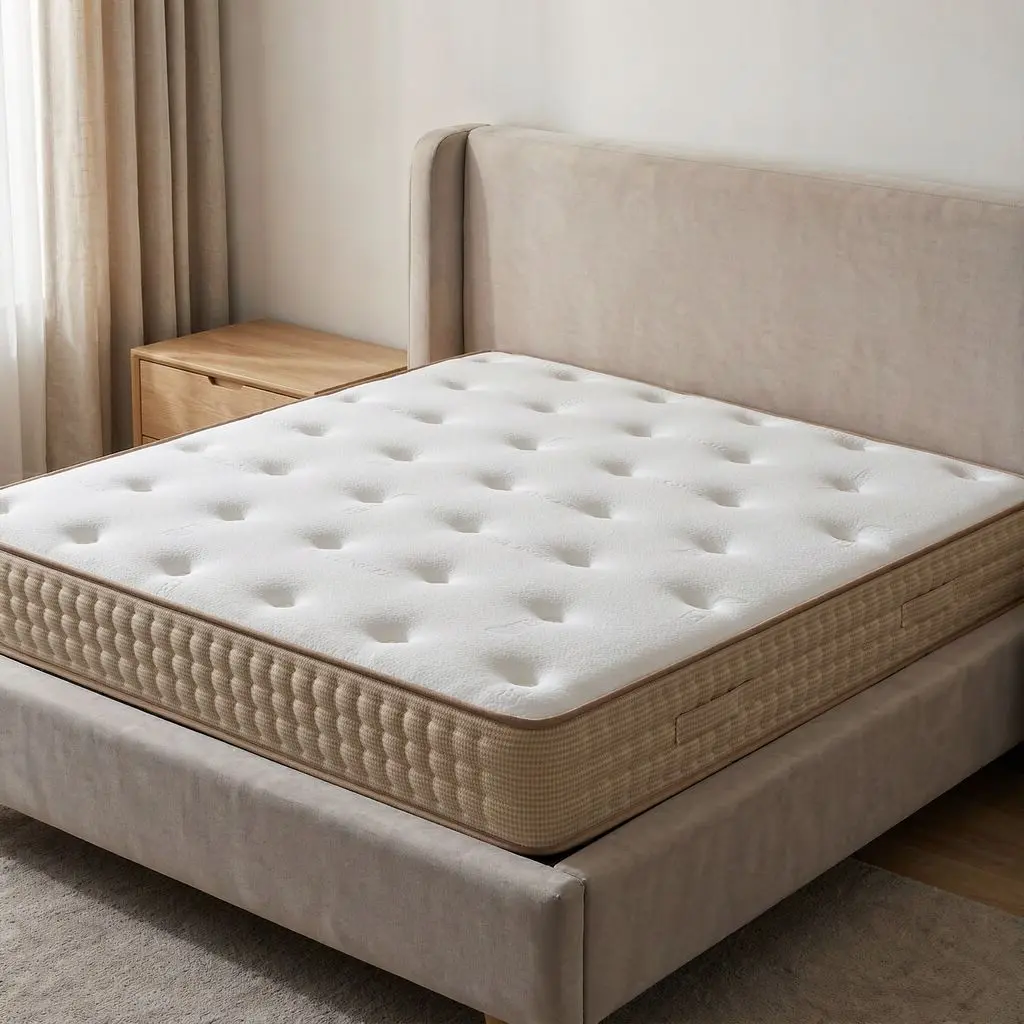
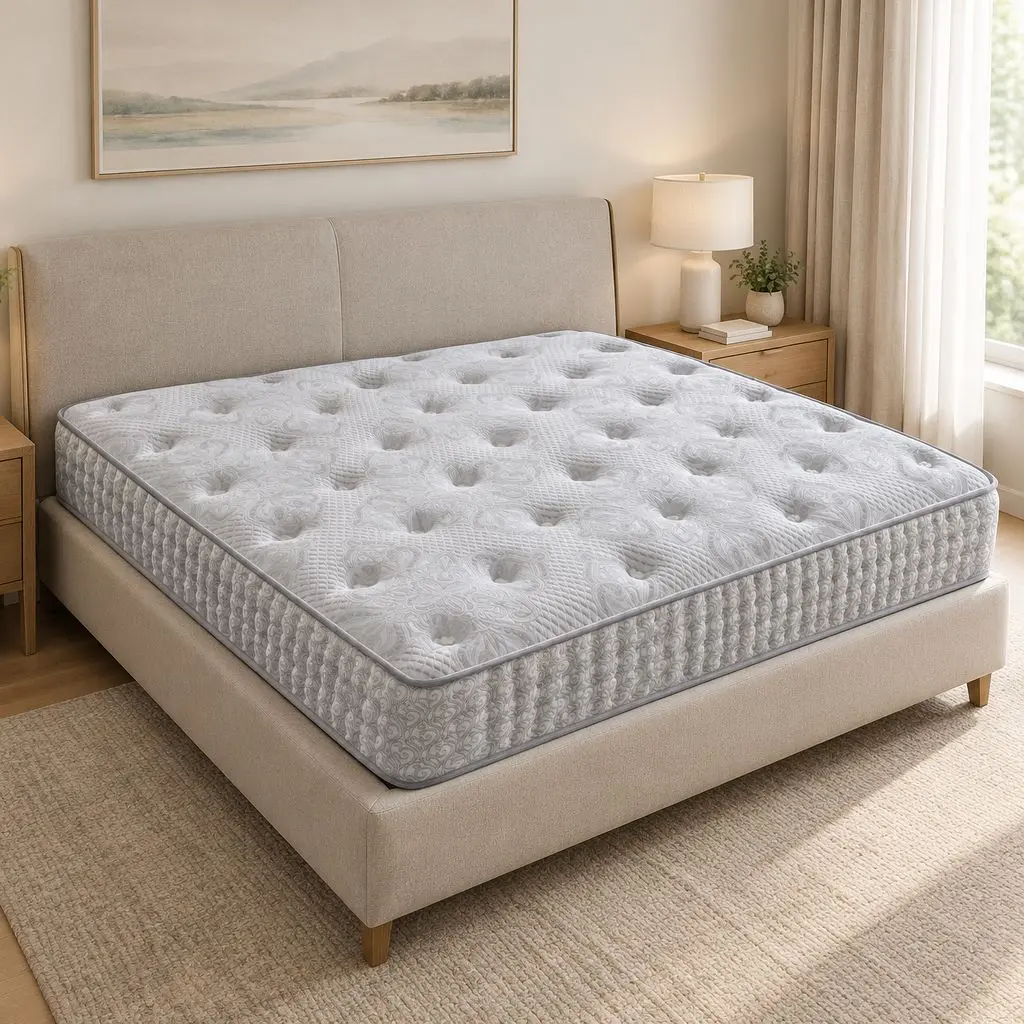
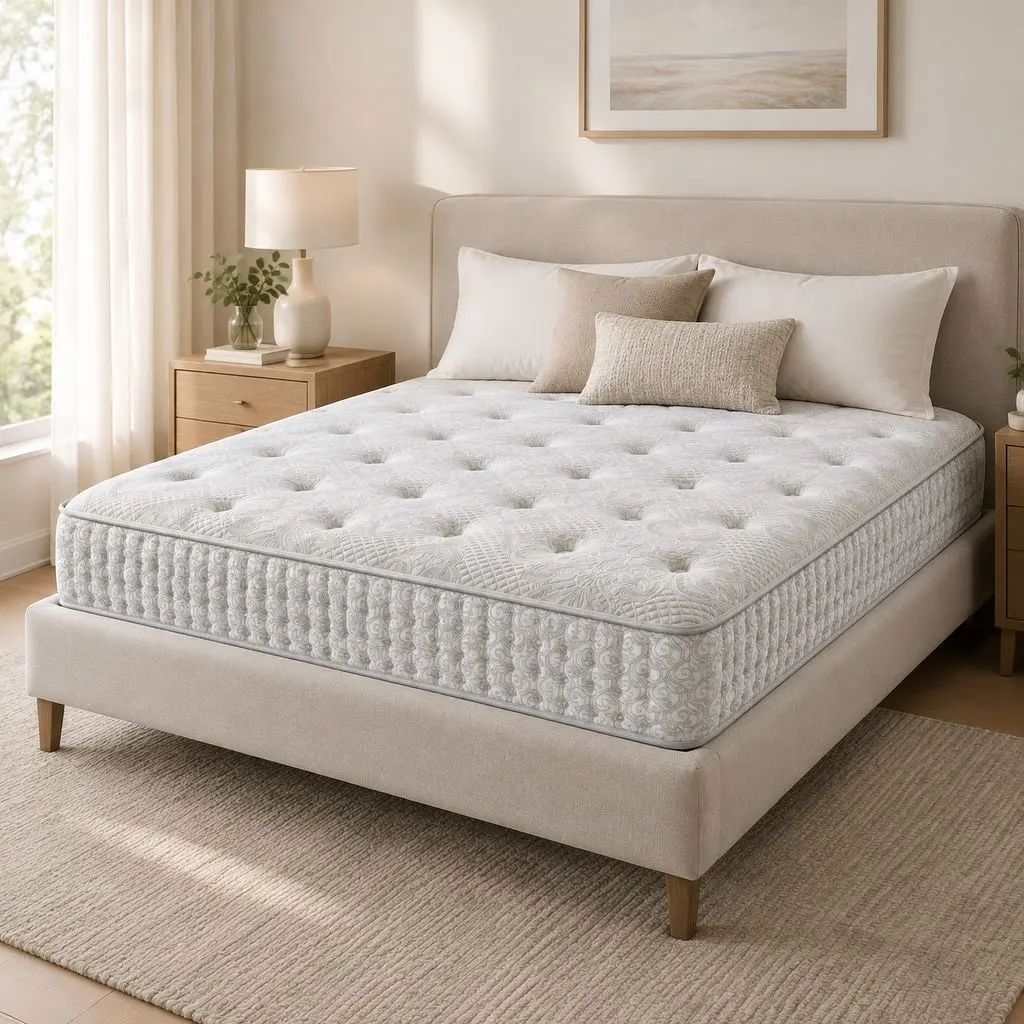
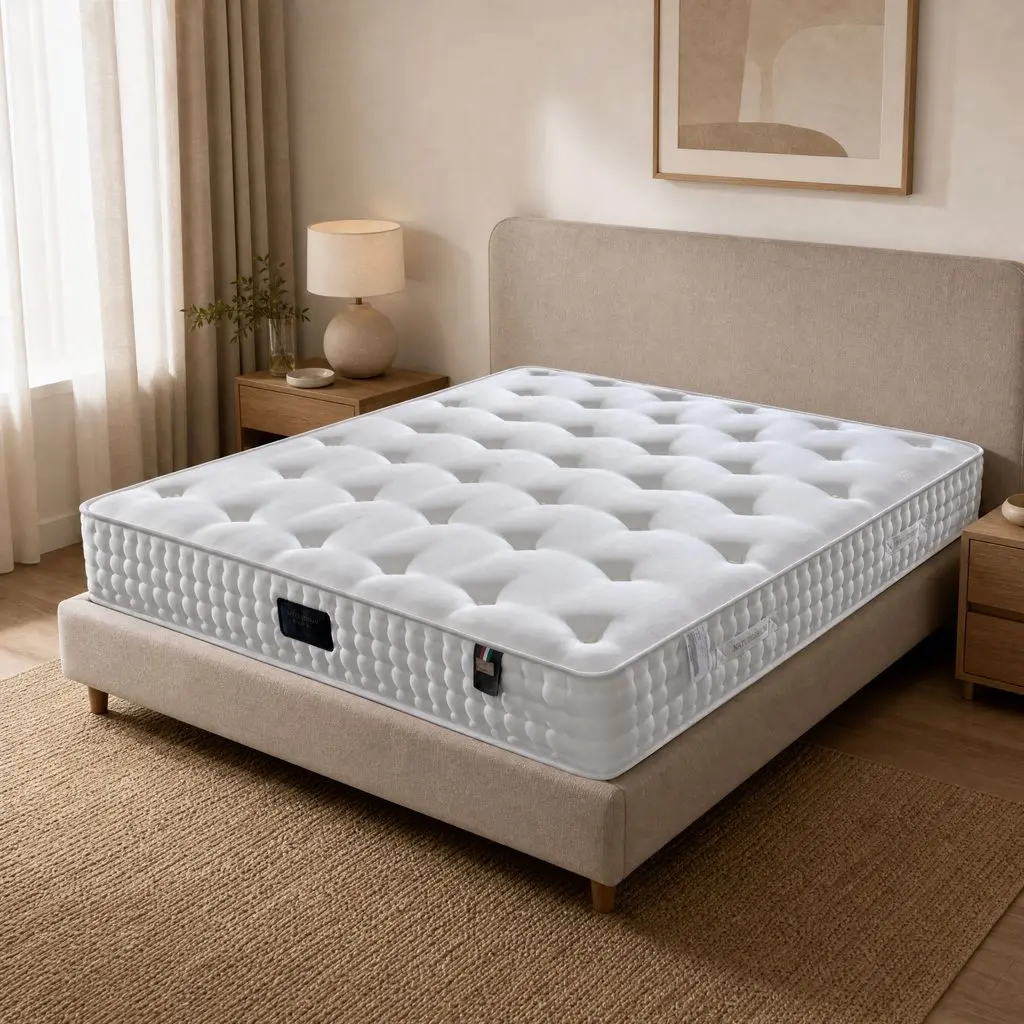
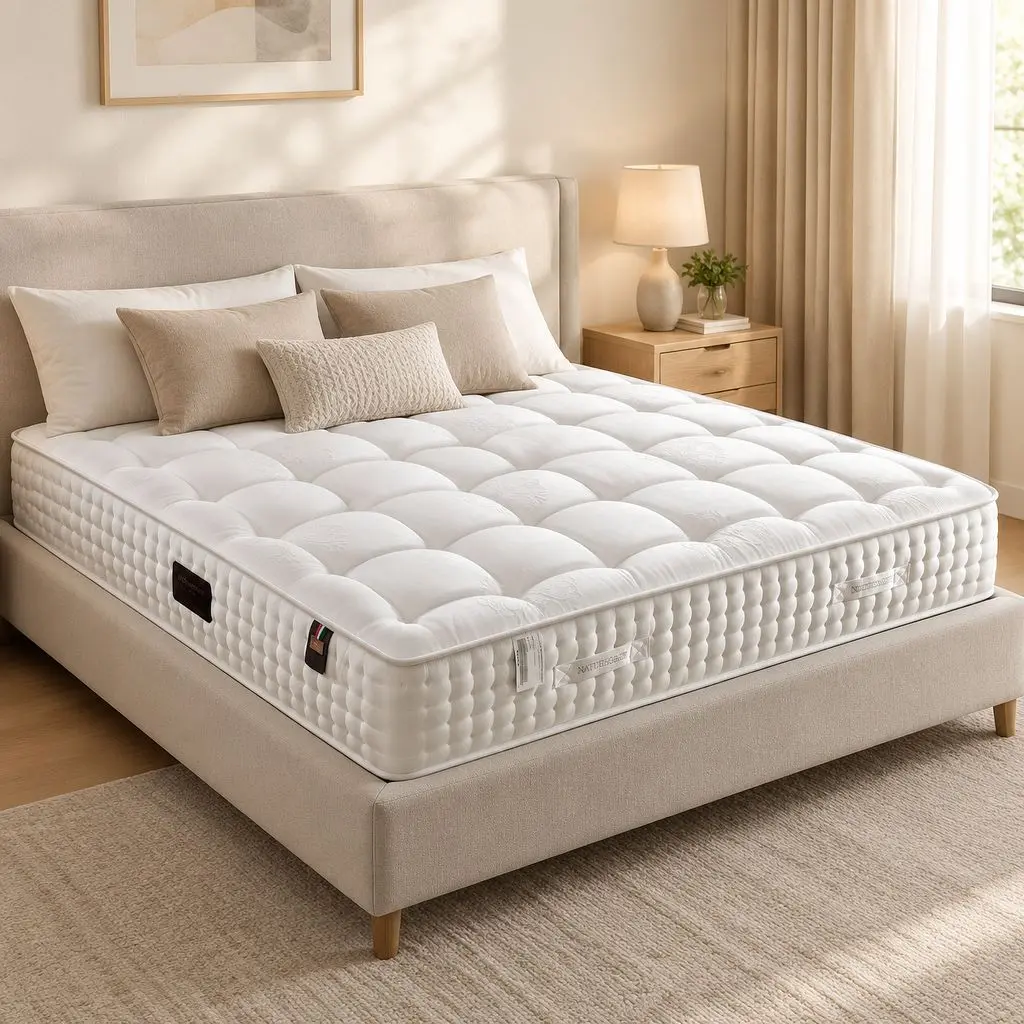
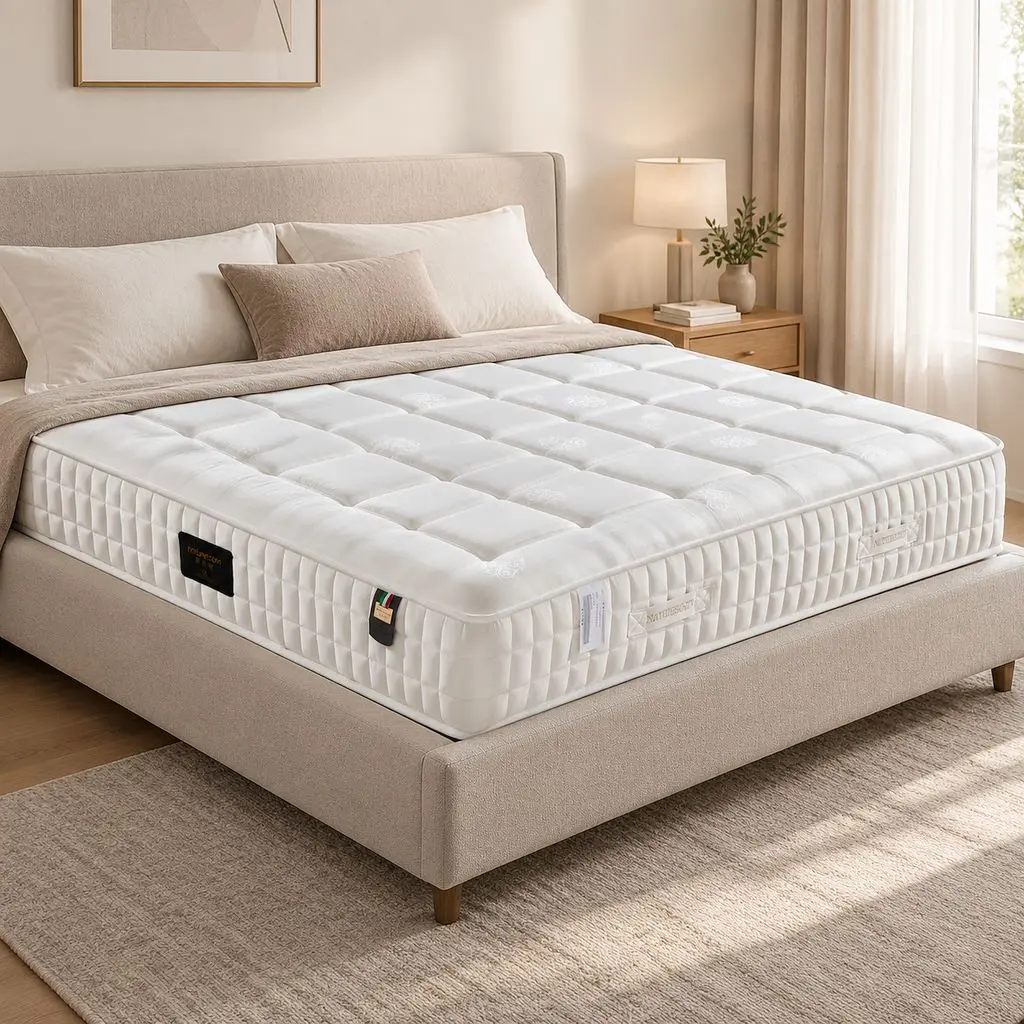
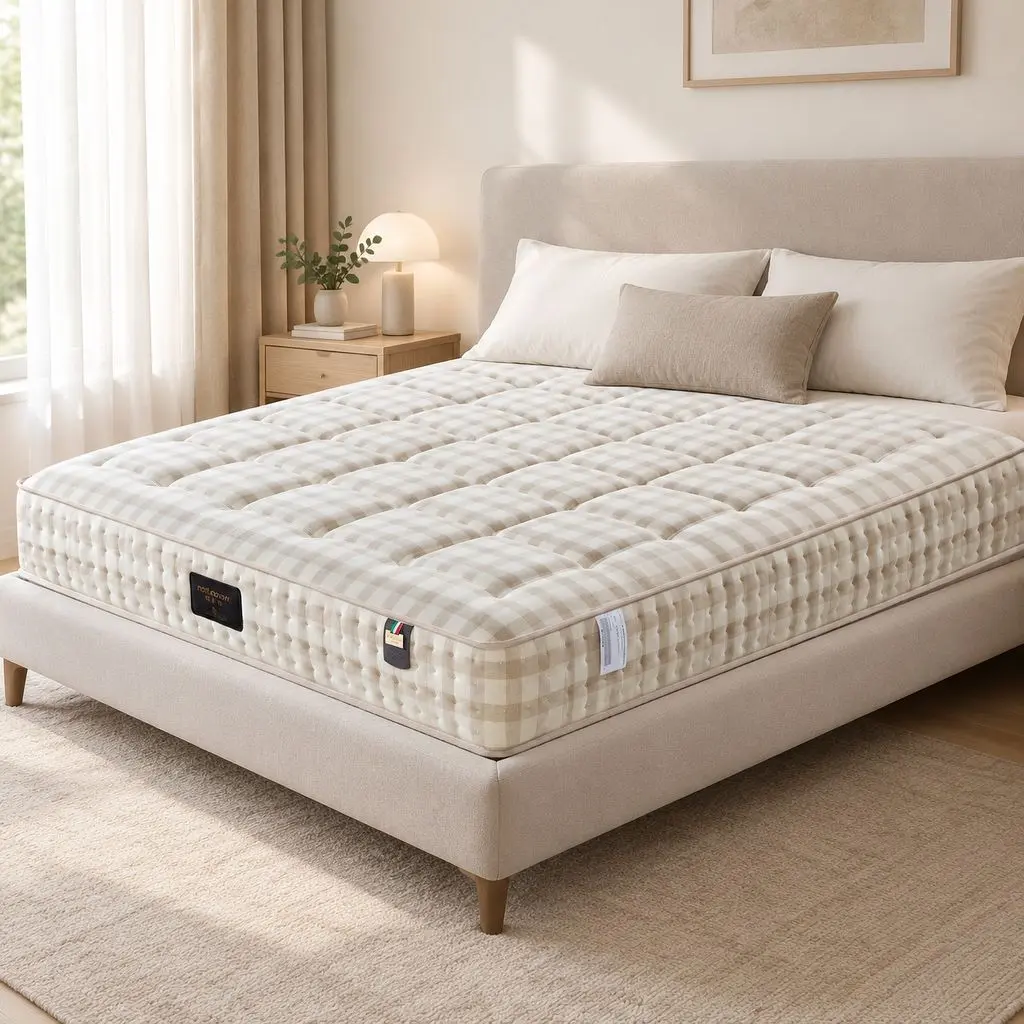
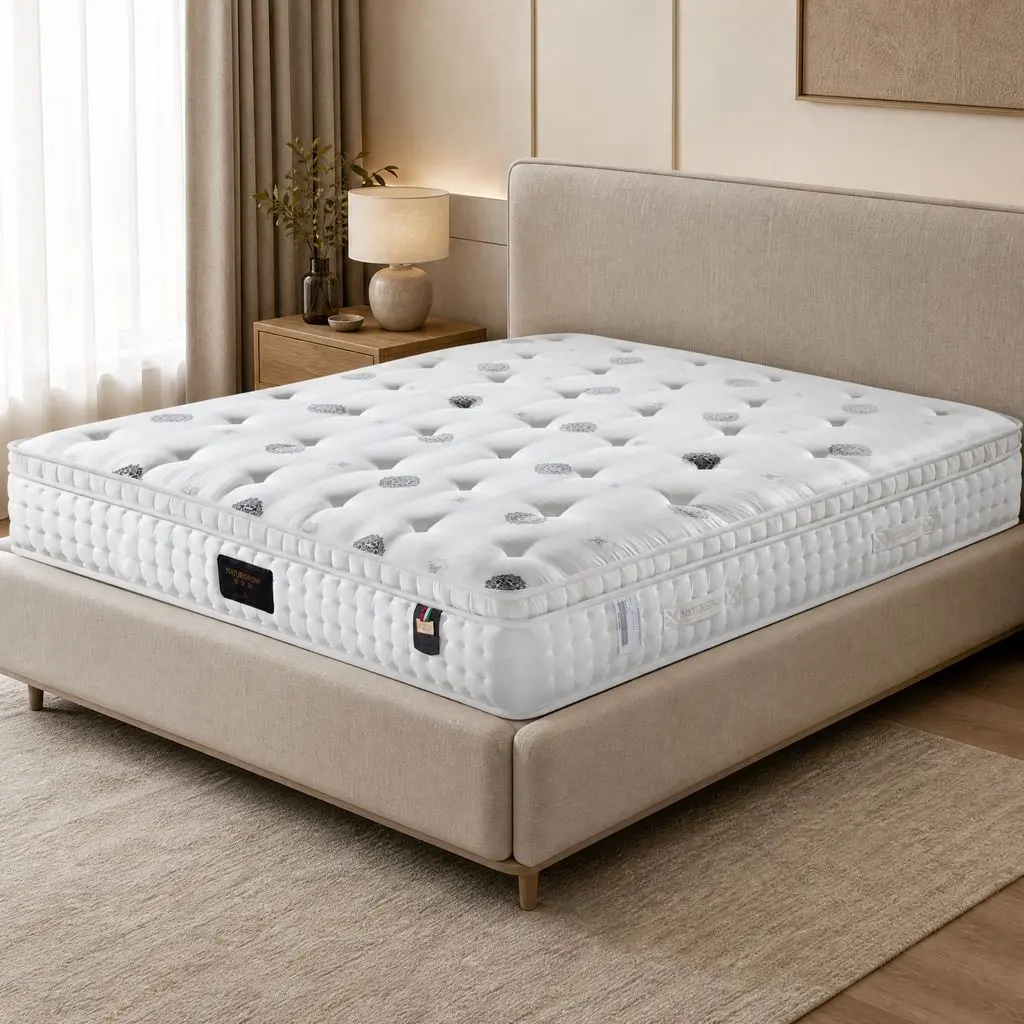
Eight More Handcrafted Mattress Models for HCMC Programs
Every model in this range shares our core engineering: silent pocket-spring support, mini bubble-spring response, imported Thai latex comfort, and moisture-managed ticking. Configure each one for your own tier, price point and brand.
Buyer Q&A
Frequently Asked Questions from Ho Chi Minh City Buyers
Straight answers to the questions HCMC importers, retailers and procurement teams most often send us before their first order.
Is this supplier a mattress factory or a trading company?
Foshan Qingyumai Technology Co., Ltd. is an integrated mattress and furniture manufacturer based in Shunde, Foshan. We design, engineer and build in our own facility, and coordinate a network of audited partner factories for category expansion so buyers receive one quality standard, one purchase order and one accountable team.
Can I place a mixed-container order shipped to Ho Chi Minh City?
Yes. Mixed-category container consolidation is standard for HCMC buyers. Mattresses, upholstered beds, nightstands and dining pieces can be loaded in a planned sequence, with multi-layer export crating and roll-packing used where appropriate to reduce freight cost per unit while protecting the goods in transit.
What is the typical lead time from order to delivery at Cat Lai?
Production lead times depend on model mix and order volume. Ocean transit from South China ports to Cat Lai is typically 7–10 days once a container is loaded, after which Vietnamese customs clearance and inland delivery apply. We provide a project-specific schedule with each quotation.
Do you offer OEM / ODM programs for HCMC private-label brands?
Yes. We support custom dimensions, ticking selection, comfort-layer configuration, woven labels, embossed logos and branded packaging. For new brands, we offer a low-MOQ starter program designed to help you validate the market before scaling volume.
How do you address mattresses for tropical humidity like HCMC's climate?
For humid climates, we recommend moisture-wicking ticking, breathable 3D spacer layers and open-cell foam options. Our team will map specific materials to your target retail or hospitality tier, and can discuss anti-microbial treatment options and airflow performance on request.
Which buyers do you typically work with?
We supply mattress wholesalers and importers, hotel and hospitality procurement teams, property developers, private-label brands and furniture retailers who need coordinated mattress and bedroom furniture programs. HCMC buyers represent a growing share of our Southeast Asia business.
Where is your factory located, and can I visit before ordering?
Our factory is in Hui Cheng Industrial Park, Longjiang Town, Shunde District, Foshan, Guangdong, China — a short flight from Ho Chi Minh City. We welcome factory and showroom visits; our team can arrange an itinerary covering the production line, sample room and material review during your trip.
What warranty and after-sales support do you provide?
Mattress warranty terms depend on the specific construction and contract type. We provide documented warranty terms with each quotation, a defined claims process, and options for replacement-part shipment so retail and hospitality partners can respond to end-user issues without delay.