
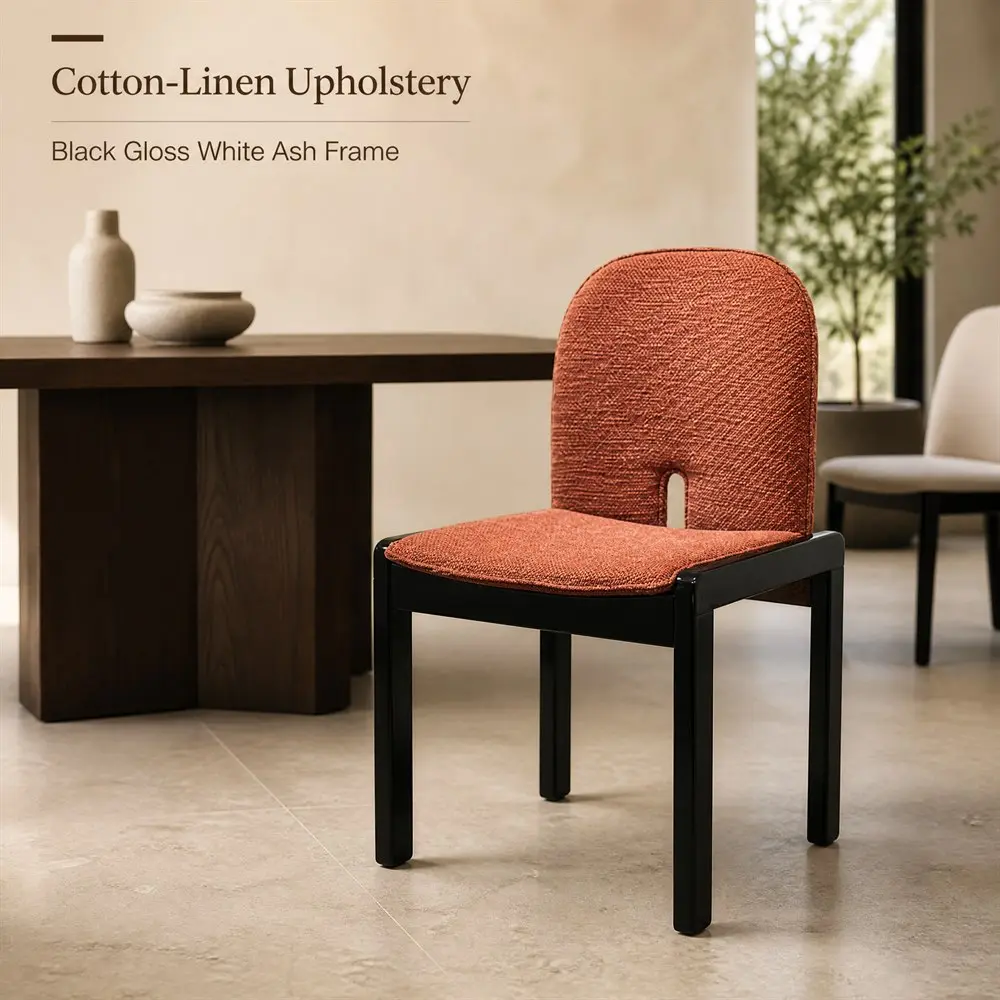
Featured Sourcing Anchors
Dining Seating
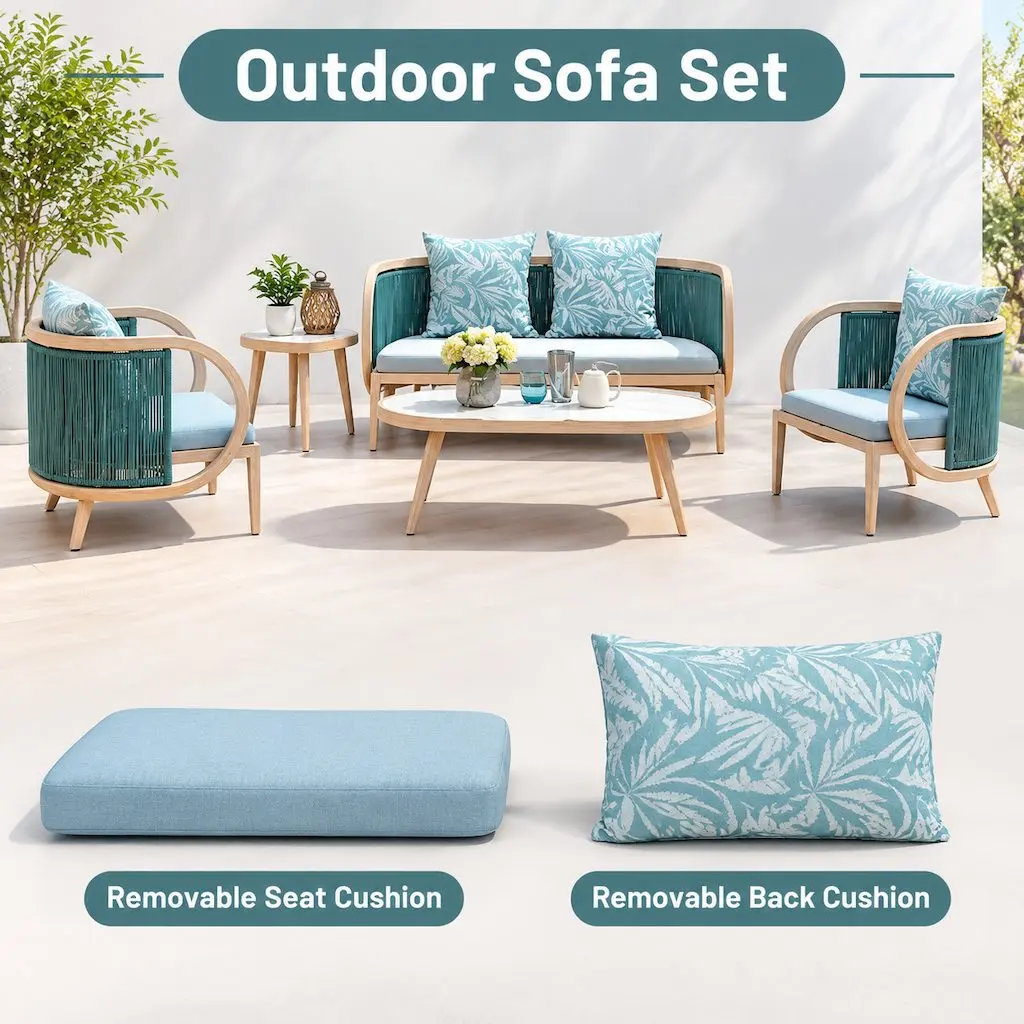
Outdoor & Balcony
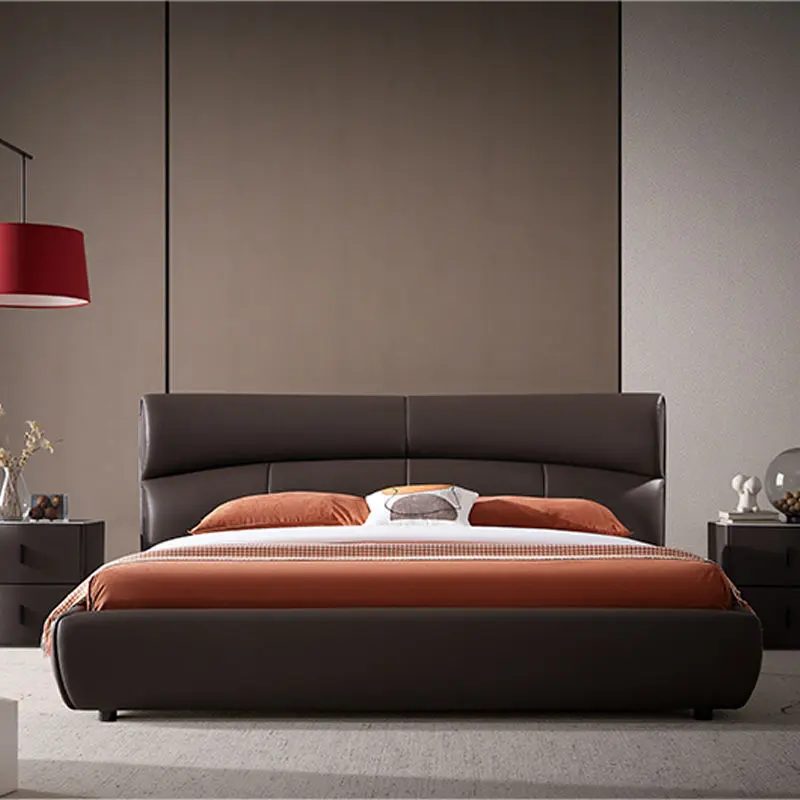
Upholstered Bed
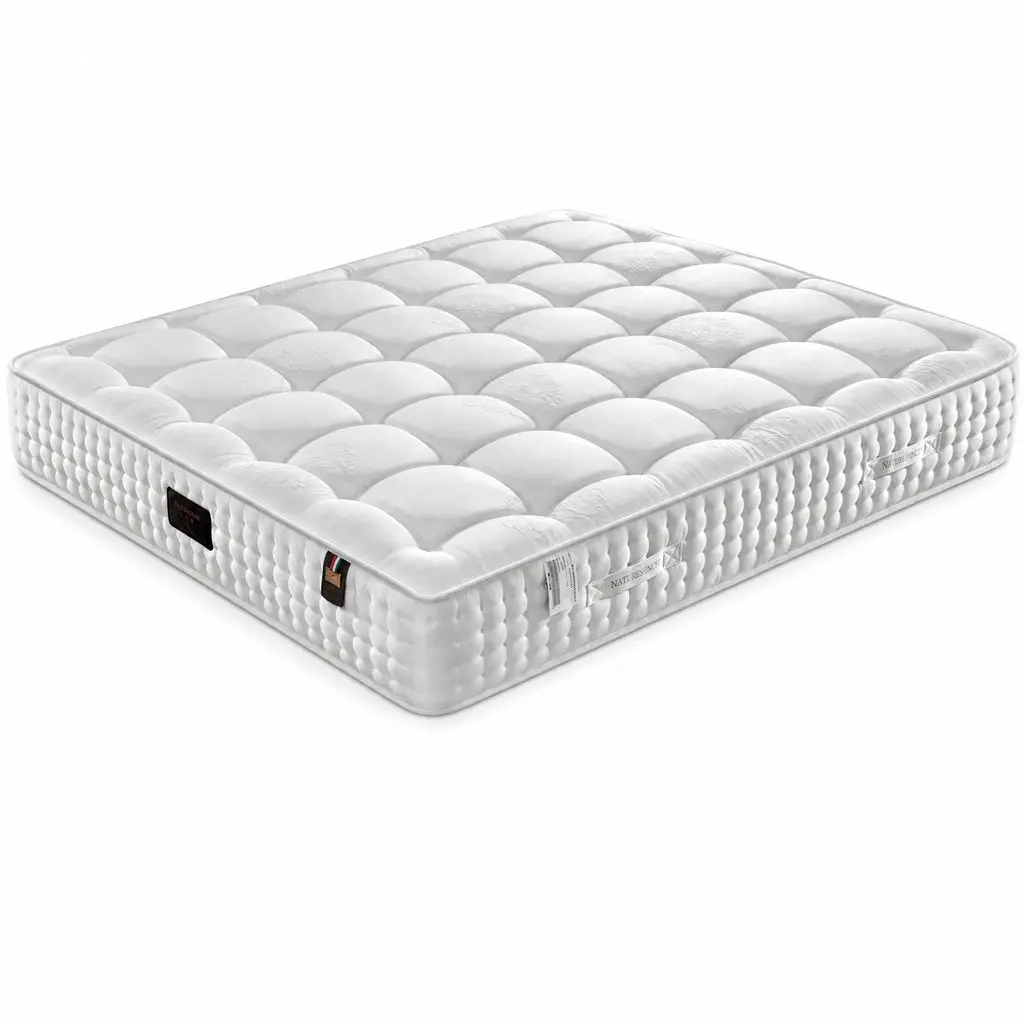
Mattress
Four Core Pieces That Set the Tone for Whole-House Sourcing
These four anchor products represent the categories Tokyo buyers most often consolidate into a single container: dining seating, outdoor lounge, upholstered beds and premium sleep systems. Each links to its full specification page.
Latest design QYM XD-6019 Outdoor Sofa Set with Wood-Grain Aluminum Frame, Olefin Rope Weave, Teak Details and Waterproof Cushions Supplier, Wholesaler
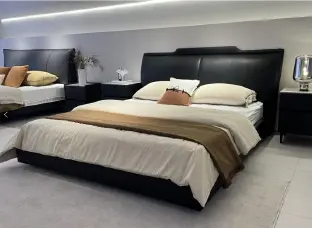
View ProductWholesale QYM C187 Modern Luxury Soft Bed – First Layer Cowhide Genuine Leather Upholstered Bed Frame with Quiet Steel-Wood Structure & Solid Larch Wood Core Manufacturers, Manufacturer
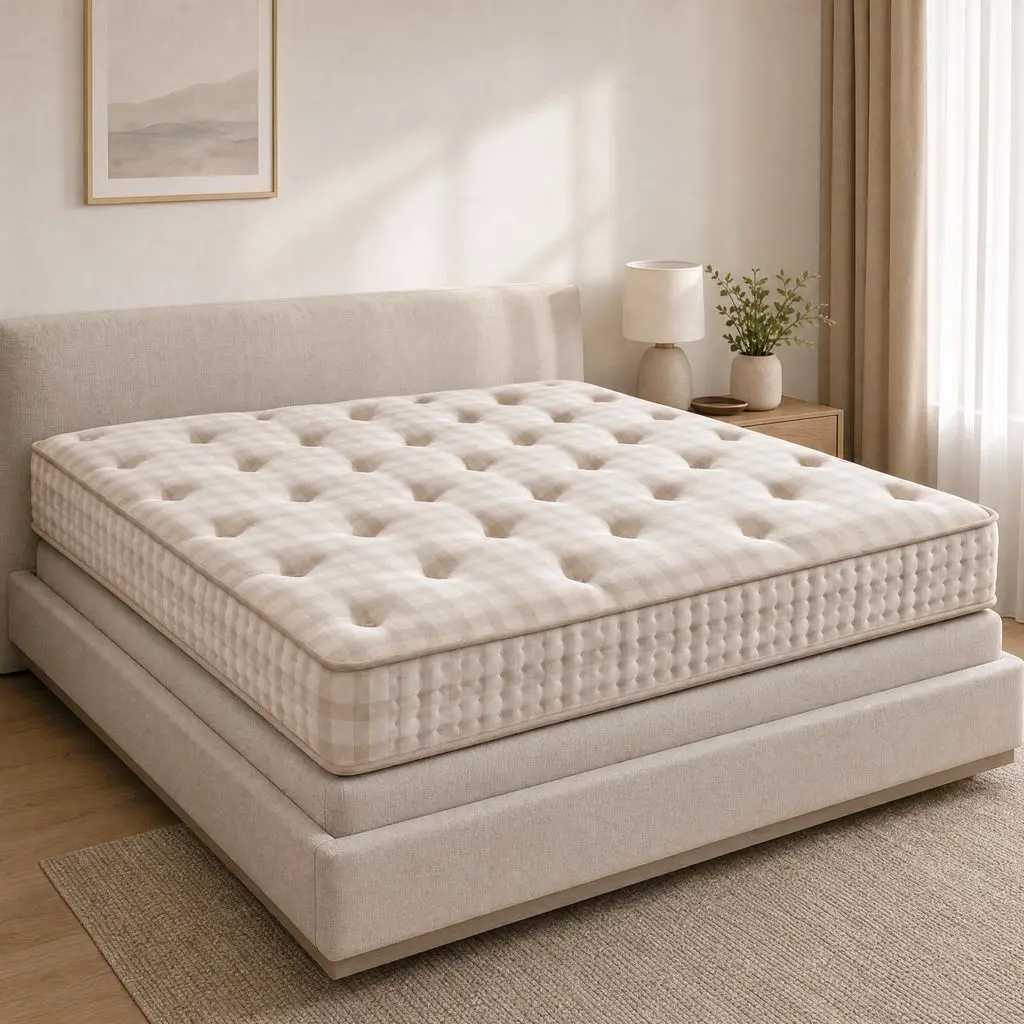
View ProductChina QYM XH-01 Handcrafted Mattress with Independent Pocket Springs, Mini Bubble Springs, Thai Imported Latex and 3D Layer Suppliers, Wholesaler
View Product
Local Commercial Reality
Why the Tokyo Sideboard & Buffet Market Behaves Differently
Tokyo is not a single market — it is a dense cluster of micro-markets, each with its own spatial constraints, delivery windows and specification culture. Understanding this is the first step to specifying sideboards and buffets that actually sell through.
Compact Floor Plans & Deep Storage Demand
Central Tokyo apartments frequently run 40–70 m². Sideboards must function as both display surface and hidden storage. Depth of 400–450 mm and height of 750–850 mm is the working range for most condominium and serviced-apartment layouts in Minato, Shibuya, Chuo and Shinjuku.
High-Rise Delivery & Elevator Constraints
Many Tokyo towers impose freight elevator limits, booking windows and protection requirements. Buffets are often specified flat-pack or semi-knocked-down with reinforced corner protection, and delivery teams expect clear packaging dimensions documented before PO confirmation.
Hospitality & F&B Density
Tokyo contains one of the world's highest densities of restaurants, hotel F&B outlets and boutique cafés. Buffet counters, service consoles and back-of-house sideboards are treated as commercial-grade assets with defined load, heat and cleaning requirements rather than residential furniture.
Design Language Expectations
Tokyo buyers tend to favor restrained proportions, fine gap tolerances and matte or low-sheen finishes. Popular references include Japanese minimalism, Scandinavian light-luxury and warm wood-tone modernism. Gloss black is reserved for statement retail and hospitality interiors.
Formaldehyde & Material Sensitivity
Japanese procurement teams increasingly request low-formaldehyde board (F☆☆☆☆ equivalent), low-VOC adhesives and documented material declarations. Sideboards with enclosed cabinetry are scrutinized more heavily than open shelving because of trapped emissions.
Lead-Time Discipline
Japanese project schedules are notoriously tight and penalty-driven. Pre-CNY production windows, Golden Week delivery blackouts and apartment handover dates mean suppliers must publish realistic production calendars rather than optimistic ones.
23Special Wards in Tokyo's core market
400–450mmTypical sideboard depth for compact units
F☆☆☆☆Formaldehyde grade increasingly requested
35–55dRealistic sea freight Foshan → Yokohama/Tokyo
Global Industry Context
Where Sideboards & Buffets Sit in the Global Furniture Economy
Globally, sideboards and buffets occupy a stable, high-margin niche within casegoods. Unlike trend-driven seating, storage and serving furniture is specification-led: buyers choose dimensions, materials and internal configuration before they choose aesthetics. That makes it one of the most predictable categories for OEM and ODM production — and one of the most profitable for importers who get the detail right.
Three structural shifts define the current cycle:
- Consolidation of sourcing — importers are reducing vendor counts and asking single partners to cover living room, bedroom, dining and outdoor categories under one quality standard.
- Contract-grade expectations — hospitality and F&B buyers now apply commercial durability criteria to storage furniture, including edge resistance, stain resistance and hardware cycle life.
- Documentation as a product feature — material declarations, test reports and packaging specifications are increasingly part of the quotation, not an afterthought.
OEM / ODM
Contract-Grade
Low-Emission Board
Container Consolidation
Private Label
Macro Industry Solutions
Send Inquiry Now
A Solution Matrix for Tokyo-Facing Procurement
Different Tokyo buyers need different answers. Below is how a factory-direct sideboard and buffet programme is typically structured across the four buyer profiles most active in the Kanto market.
| Buyer Profile | Core Requirement | Recommended Configuration | Typical Order Shape |
|---|---|---|---|
| Interior & Renovation Contractors | Exact dimension fit, repeatable finish, short lead time per project | Modular widths, fixed depth, matte lacquer or wood veneer, soft-close hinges, cable cut-outs | Small-to-mid LCL or mixed container, monthly repeat |
| Furniture Retailers & E-Commerce | Sellable design, retail-ready packaging, stable retail price point | Signature silhouettes, private label, reinforced retail cartons, assembly instructions | Volume FCL by model, seasonal replenishment |
| Hospitality & F&B Projects | Durability, heat and stain resistance, commercial hardware cycles | HPL or compact laminate tops, powder-coated steel legs, high-cycle hinges, locked service sections | Project-based FCL with phased delivery |
| Property Developers & Serviced Apartments | Whole-unit coordination, compliance documentation, installation simplicity | Coordinated sideboard + bed + sofa package, low-emission board, KD structure | Multi-category container programme |
Need a specification sheet for your Tokyo project?
Send us the floor plan, target market segment and delivery window. Our export team will respond with a dimensioned configuration, material options and a realistic production calendar.
Localized Application Scenarios
Where Sideboards & Buffets Actually Land in Tokyo Interiors
Specification decisions are shaped by the room they will live in. These are the six application scenarios we see most frequently in Tokyo briefs.
Condominium Living-Dining
A 1200–1600 mm sideboard becomes the visual anchor between living and dining zones. Internal configuration prioritizes concealed storage for tableware, with a shallow top drawer for daily-use items.
Serviced Apartment Console
Compact 900–1100 mm units with lockable compartments, cable management and scratch-resistant tops. Frequently paired with an entryway mirror and integrated power outlets.
Restaurant Buffet Counter
Heavy-duty units with compact laminate tops, heat-resistant surfaces and reinforced base framing. Configured for tray slides, chafing dish clearance and back-of-house workflow.
Hotel Guestroom Credenza
Wall-mounted or floating credenzas that meet fire and load requirements, with integrated minibar sections, safe housing and coordinated luggage bench tops.
Boutique Retail Display
Glass-top or open-shelf sideboards used for product display in Omotesando, Ginza and Daikanyama retail. Configurations prioritize lighting integration and adjustable shelving.
Clinic & Salon Reception
Low-height buffets doubling as reception counters, with durable surfaces, concealed storage for records and integrated charging points for front-desk devices.
Localized Support & Compliance
Documentation, Standards and the Support Layer Behind Every Shipment
The difference between a one-off order and a repeat Tokyo programme is the quality of the support layer. Compliance documentation, packaging discipline and post-sale responsiveness are what turn a factory quotation into a dependable supply relationship.
Material Declarations
Board grade, adhesive class, veneer species, lacquer system and hardware brand are documented per model. Low-formaldehyde board grades can be specified for projects requiring stricter indoor air quality targets.
Test Reports & Load Data
Structural load ratings, hinge cycle counts and surface resistance data can be provided on request for contract-grade programmes, supporting procurement sign-off and internal QA review.
Shipping & Incoterms
FOB, CIF and DDP options to Yokohama, Tokyo and Kobe. Container planning is documented in advance, including carton dimensions, stack heights and gross weight per pallet.
Packaging Discipline
Multi-layer export crating, foam corner protection, moisture barriers and reinforced edge boards. Retail-ready cartons can be specified for e-commerce and direct-to-consumer channels.
Assembly & Installation Guides
Exploded diagrams, hardware labelling and step sequencing prepared for Japanese installation crews, with the option of Japanese-language documentation on project orders.
After-Sales Response
Replacement parts, spare hardware kits and finish touch-up materials can be shipped with the original container or held for follow-up orders, reducing project downtime.
Technical Roadmap & Future Outlook
How Sideboard & Buffet Manufacturing Is Evolving Toward 2030
The category is moving along four parallel tracks. Buyers who understand these tracks early gain a structural advantage in both cost and compliance.
2025 – 2026 · Material Transparency
Low-emission board, water-based lacquers and recycled core materials move from premium option to standard specification for Japan-bound orders. Documentation becomes a quotation line item.
2026 – 2027 · Modular Engineering
Platform-based construction allows one frame system to serve multiple widths, depths and internal layouts, reducing tooling cost and shortening lead times for project-specific configurations.
2027 – 2028 · Hardware Intelligence
Soft-close, push-to-open and integrated lighting become baseline features in mid-market sideboards, with hardware cycle ratings documented for contract use.
2028 – 2030 · Digital Specification & Traceability
Digital product passports, QR-linked material records and BIM-ready model libraries allow Tokyo procurement teams to verify a sideboard's composition before it is ordered.
Complete Whole-House Range
Leather Bed
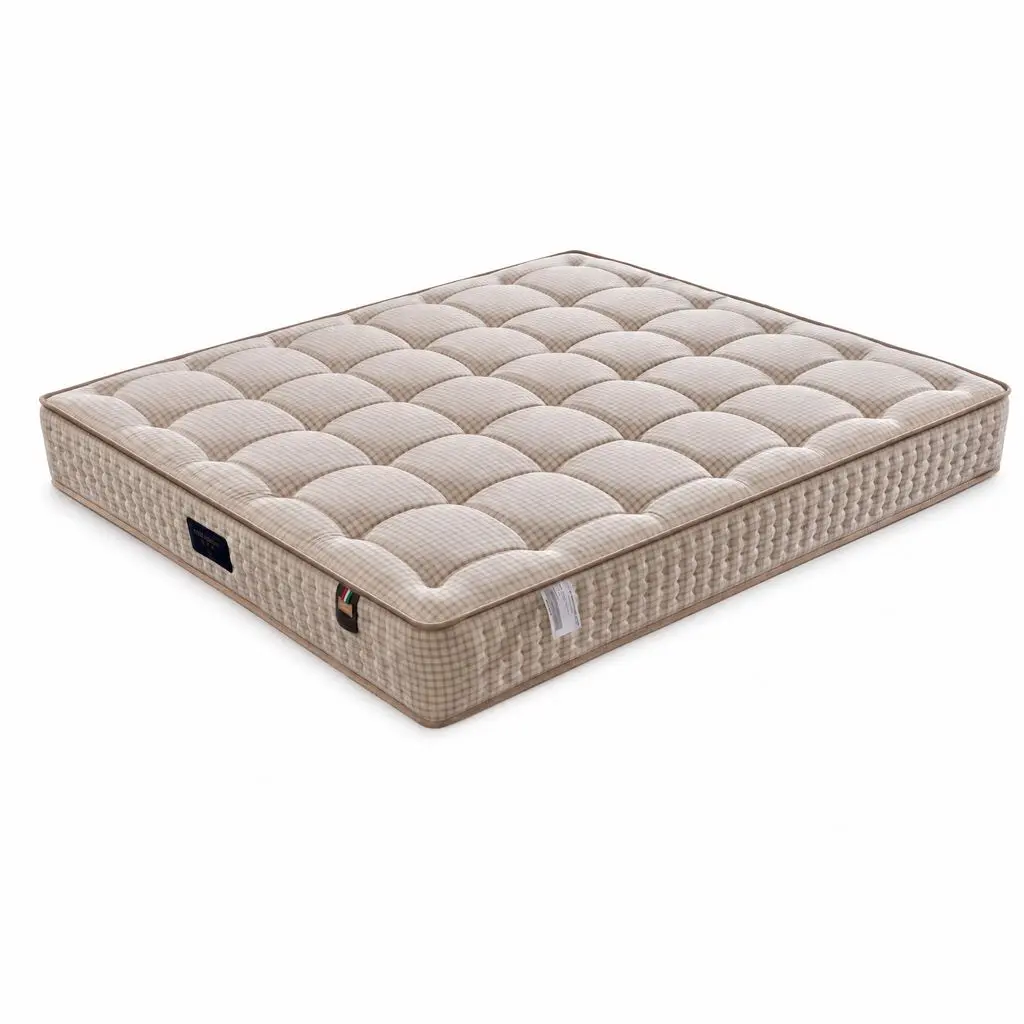
Mattress
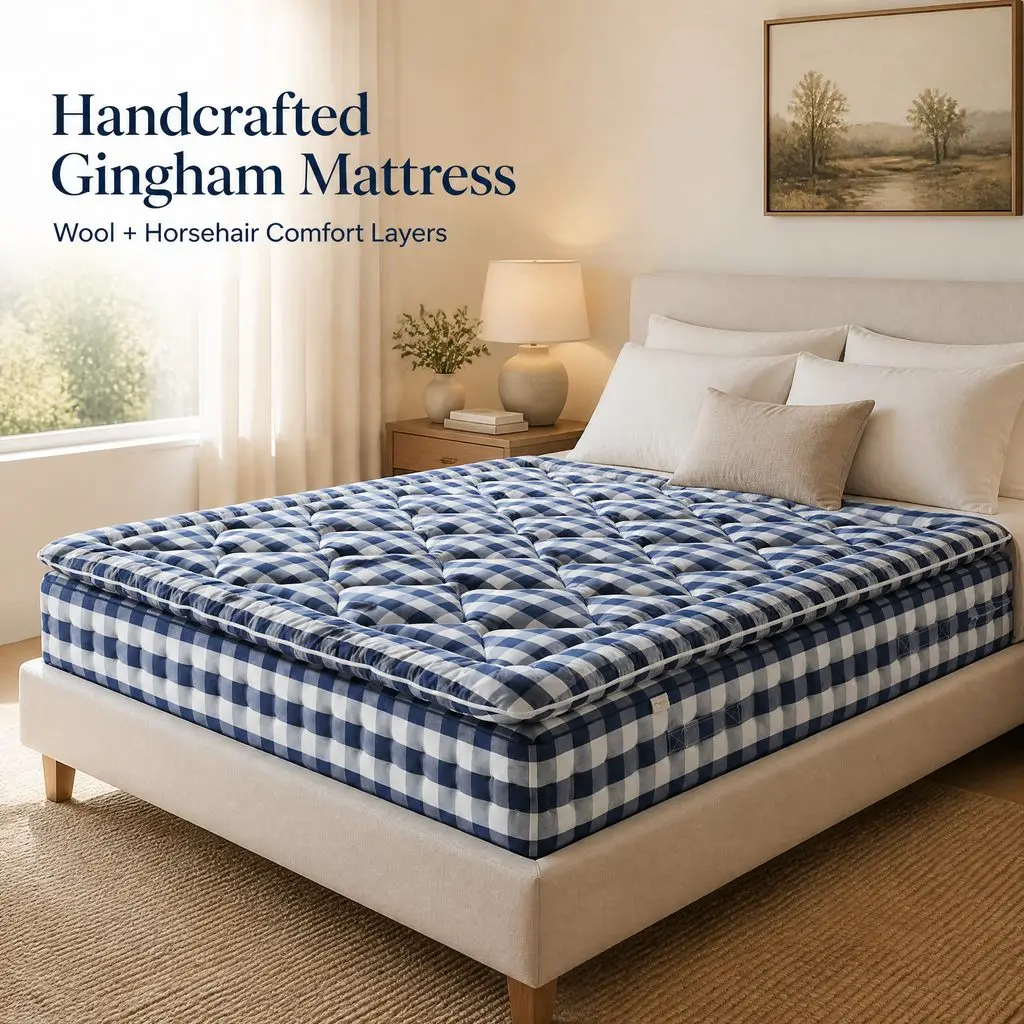
Premium Mattress
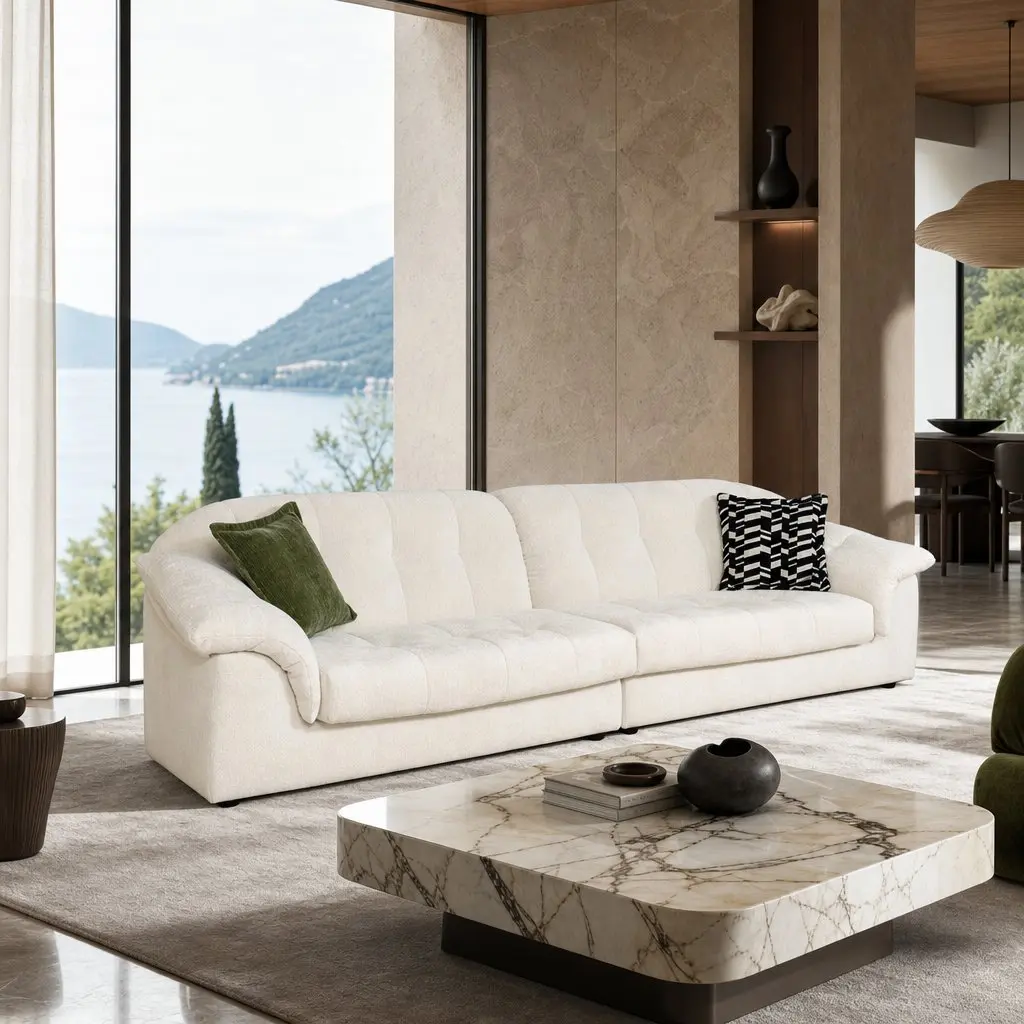
Sectional Sofa
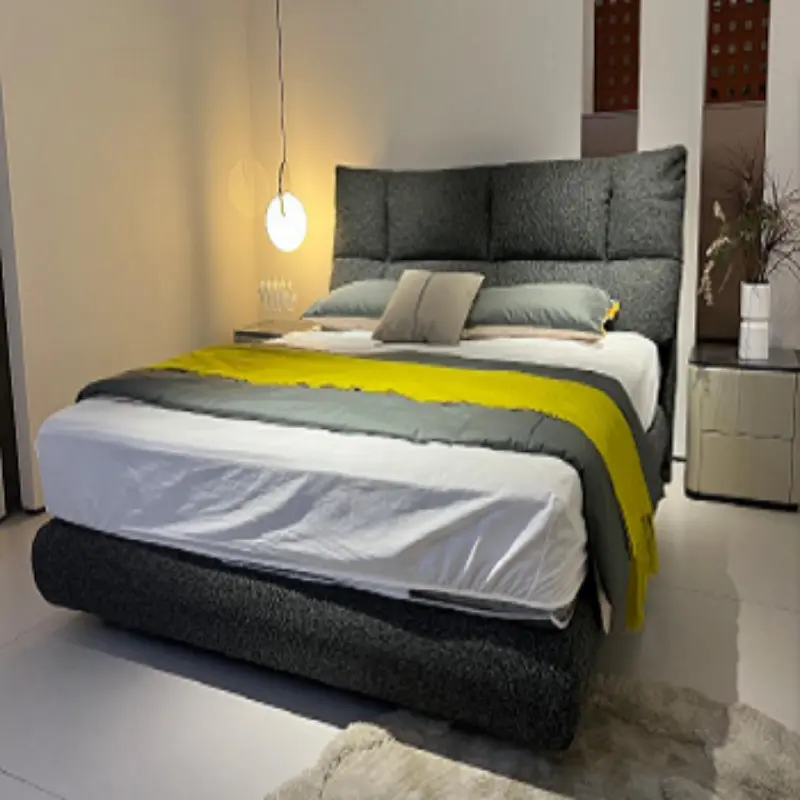
Chenille Bed
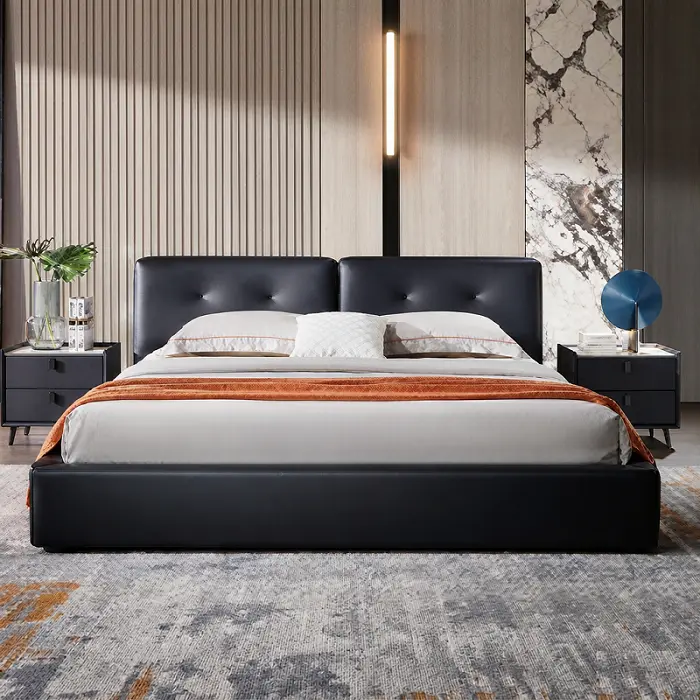
Leather Bed
Natural Mattress
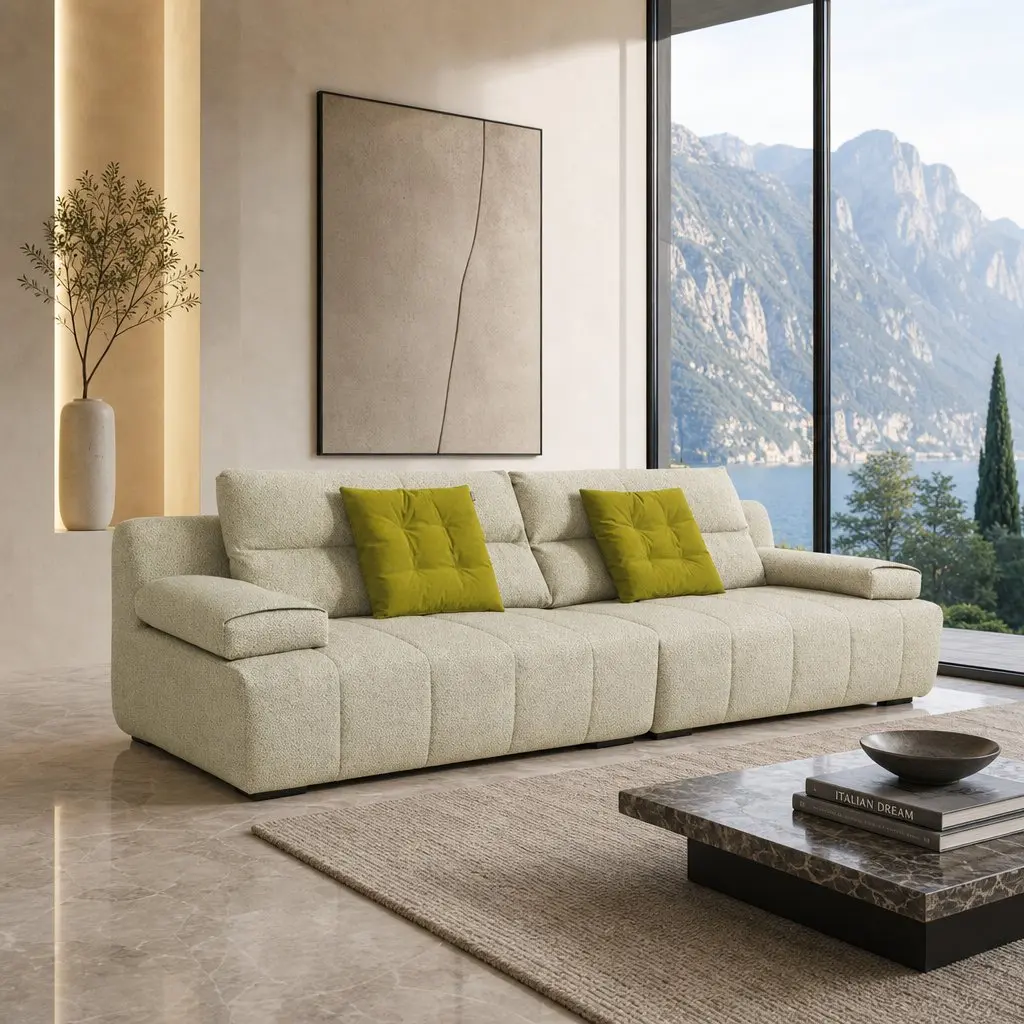
Cotton Linen Sofa
Eight Further Models That Complete a Tokyo Container Programme
Sideboards and buffets rarely ship alone. These eight models cover the bedroom, living and dining categories that typically share a container with storage furniture, allowing buyers to build a coordinated whole-house programme from one supplier.
Wholesale QYM C169 Leather Upholstered Bed Modern leather comfort with a clean architectural outline Manufacturers, Suppliers
View ProductLatest design QYM HY-01 Handmade Mattress with Silent Pocket Springs, Mini Bubble Springs, Thai Latex and Sky Memory Foam Suppliers, Factory
View ProductLatest design QYM G2000 Premium Handmade Mattress with 7-Coil Pocket Silent Springs, Mini Bubble Springs, Horsehair and Hand Tufting Supplier, Factories
View ProductWholesale QYM M1068 Modern Minimalist Sectional Sofa with Imported Larch Wood Frame & High Density Sponge, Premium Chenille Fabric, Fully Removable Washable Cover for Luxury Living Room Suppliers, Factory
View ProductLatest design QYM C203 Chenille Upholstered Bed Plush chenille texture with a relaxed modern presence Supplier, Suppliers
View ProductWholesale QYM C122 Genuine Leather Upholstered Bed Genuine leather touch with flexible bedroom styling Supplier, Wholesaler
View ProductWholesale QYM WXHJ-01 Handcrafted Mattress with Silent Pocket Springs, Natural Jute, Thai Latex and Cotton-Linen Fabric Factory, Wholesaler
View ProductWholesale QYM M1062 Modern Minimalist Sectional Sofa with Imported Larch Wood Frame & High Density Sponge, Premium Breathable Cotton Linen Fabric, Fully Removable Cover for Luxury Living Room Furniture Manufacturers, Wholesaler
View Product
Experience · Expertise · Authority · Trust
Why This Brief Is Written by People Who Ship to Tokyo
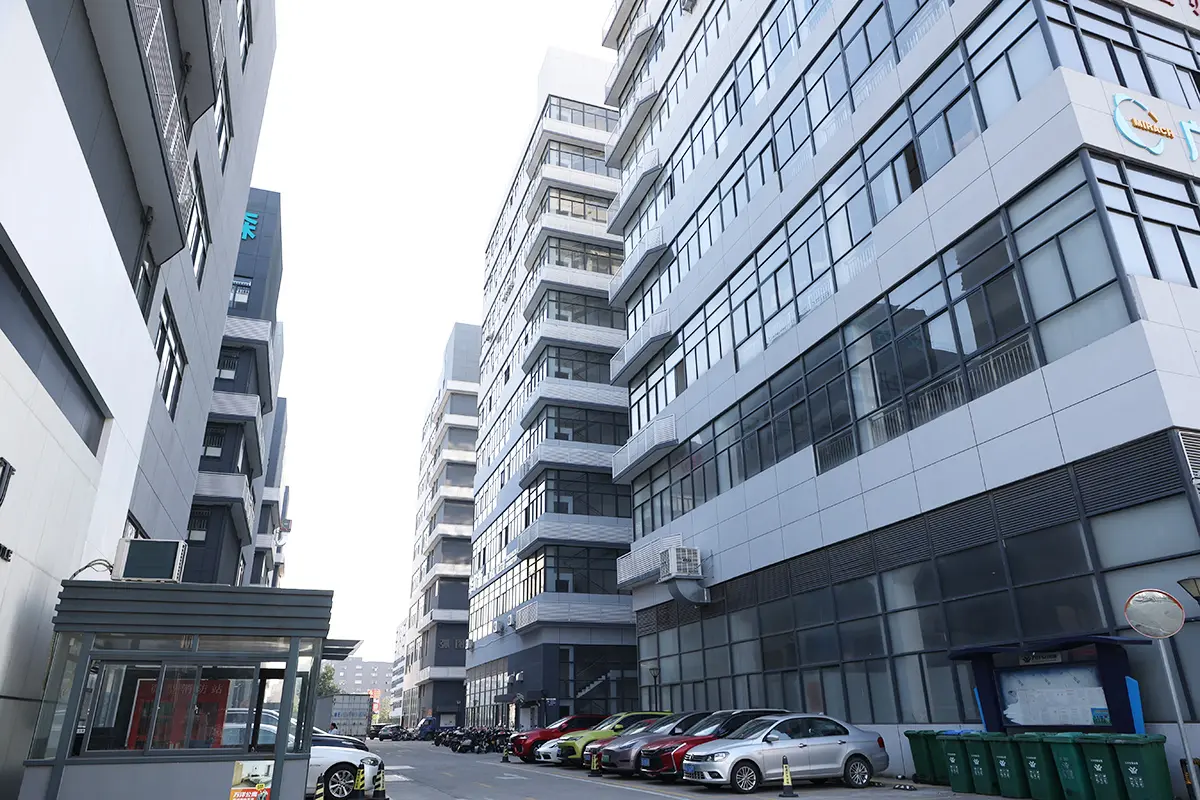
Sourcing guidance is only useful when it is grounded in actual production and export experience. The credentials behind this brief reflect a decade of exporting from Foshan to buyers across Japan, Europe, North America and the Middle East.
Experience
10+ years of export operations, 19 furniture categories under one purchase order, and a working knowledge of the delivery constraints that define Tokyo projects — from elevator booking to Golden Week blackouts.
Expertise
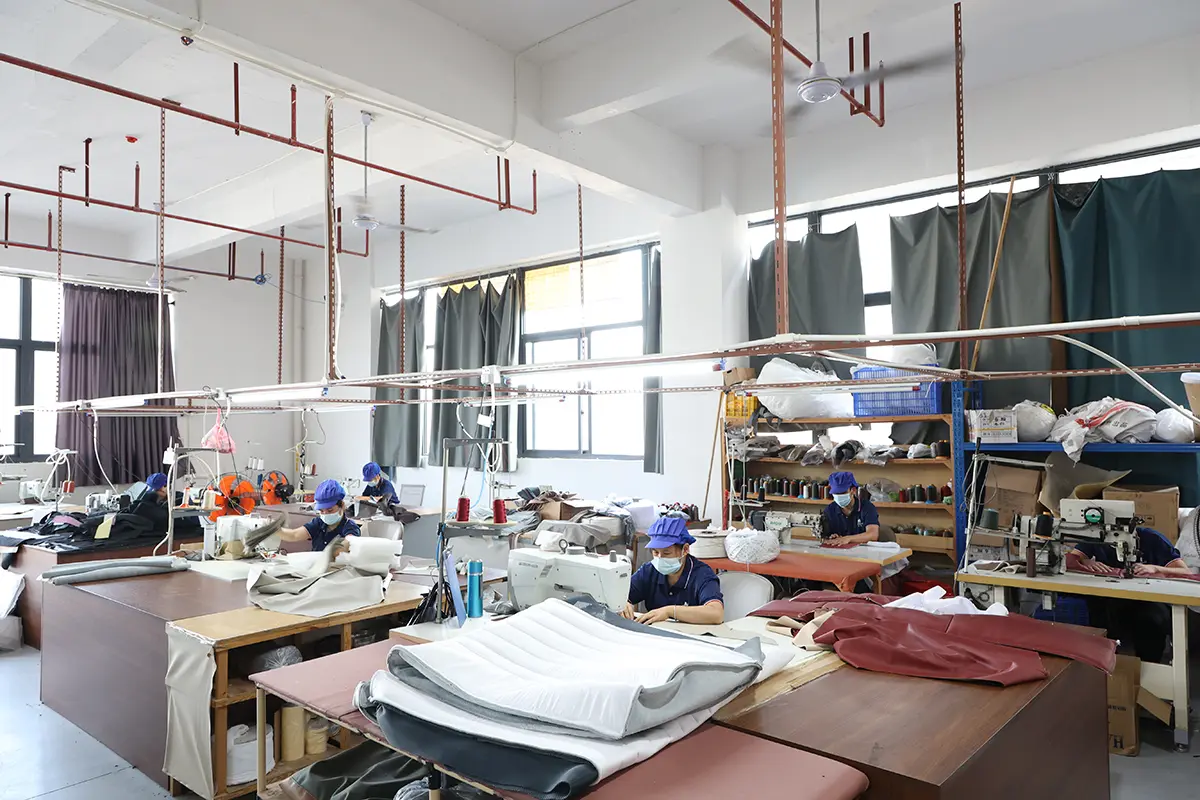
In-house R&D with 100+ original patents, material engineering for low-emission board and contract-grade surfaces, and a quality control team that audits production lines on site before every shipment.
Authority
Operating from Longjiang, Shunde — one of the world's most established furniture production clusters — with an audited partner factory ecosystem that supports whole-house programmes rather than single-category orders.
Trust
Documented material declarations, transparent Incoterms, pre-shipment QC audits and post-sale spare parts support. Buyers are welcome to arrange factory and showroom visits before committing to a programme.
Buyer Q&A
Send Inquiry Now
Frequently Asked Questions from Tokyo Buyers
Direct answers to the questions procurement teams ask most often before placing a first sideboard or buffet order.
Do you manufacture sideboards and buffets, or only the products shown on this page?
Sideboards and buffets are part of our casegoods capability rather than a single fixed SKU line. We develop configurations based on dimensions, internal layout, material and finish specification, and can produce them alongside the bedroom, living room and dining categories shown above so that one container can carry a coordinated whole-house programme.
How do you handle the compact dimensions typical of Tokyo apartments?
Depth and height are treated as the primary constraints. Most Tokyo-facing sideboard configurations sit at 400–450 mm depth and 750–850 mm height, with widths modularised between 900 mm and 1800 mm. Internal layout is then engineered for concealed tableware storage, cable routing and, where required, lockable compartments.
Can you supply low-formaldehyde board for Japanese projects?
Yes. Board grade and adhesive class can be specified per order, and low-emission board options are available for projects that require stricter indoor air quality targets. Material declarations can be provided so that your procurement or QA team can review the specification before production begins.
What is a realistic production and shipping timeline to Tokyo?
Sampling typically takes 7–15 days depending on complexity. Mass production for a mixed container generally runs 25–40 days after sample approval, and sea freight from Foshan to Yokohama or Tokyo usually takes 35–55 days depending on the sailing schedule. Project calendars are confirmed at PO stage and account for Chinese New Year and Golden Week windows.
Can sideboards and buffets ship in the same container as beds, sofas and mattresses?
Yes. Container consolidation across categories is standard practice for whole-house orders. Our post-sale team plans the loading configuration to reduce ocean freight cost per unit, and uses multi-layer export crating, foam corner protection and moisture barriers to prevent damage in transit.
Do you support private label and custom branding?
Yes. Woven labels, embossed logos, branded packaging and retail-ready cartons can be specified for wholesale and project orders, along with custom dimensions, upholstery and frame finishes across the wider catalogue.
What documentation is available for contract and hospitality projects?
Load ratings, hinge cycle data, surface resistance information and material declarations can be provided on request for contract-grade programmes. Assembly and installation guides can be prepared for Japanese crews, with Japanese-language documentation available on project orders.
Where is your factory, and can buyers visit?
We are located in Hui Cheng Industrial Park, Longjiang Town, Shunde District, Foshan, Guangdong, China. Buyers are welcome to arrange factory and showroom visits, and remote video walkthroughs can be scheduled for teams unable to travel.
Ready to build a Tokyo-sideboard programme?
Share your target dimensions, finish direction and delivery window. We will return a configuration proposal, material options and a production calendar aligned to your project schedule.