
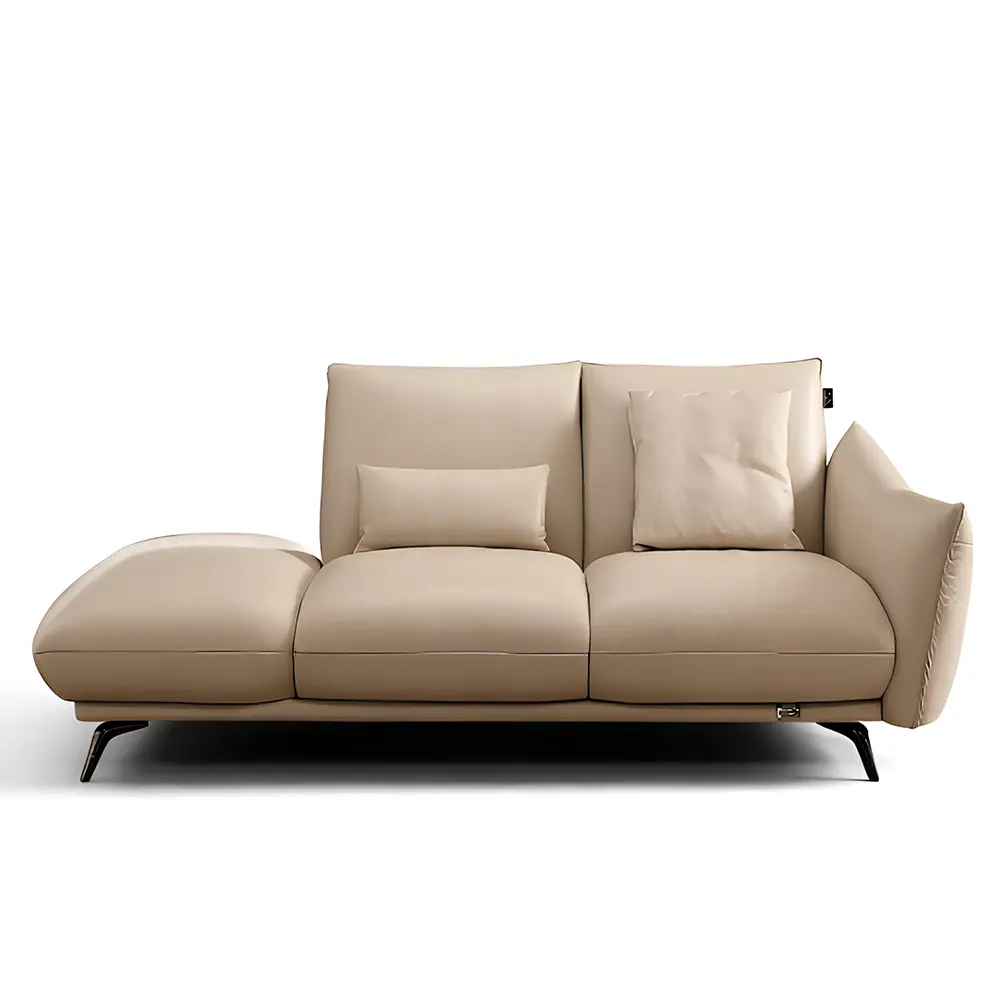
Wholesale QYM Modern Luxury Italian Leather Sectional Sofa – Super Soft Blue Genuine Leather L-Shape Couch for Living Room & Home Office Supplier, Factory
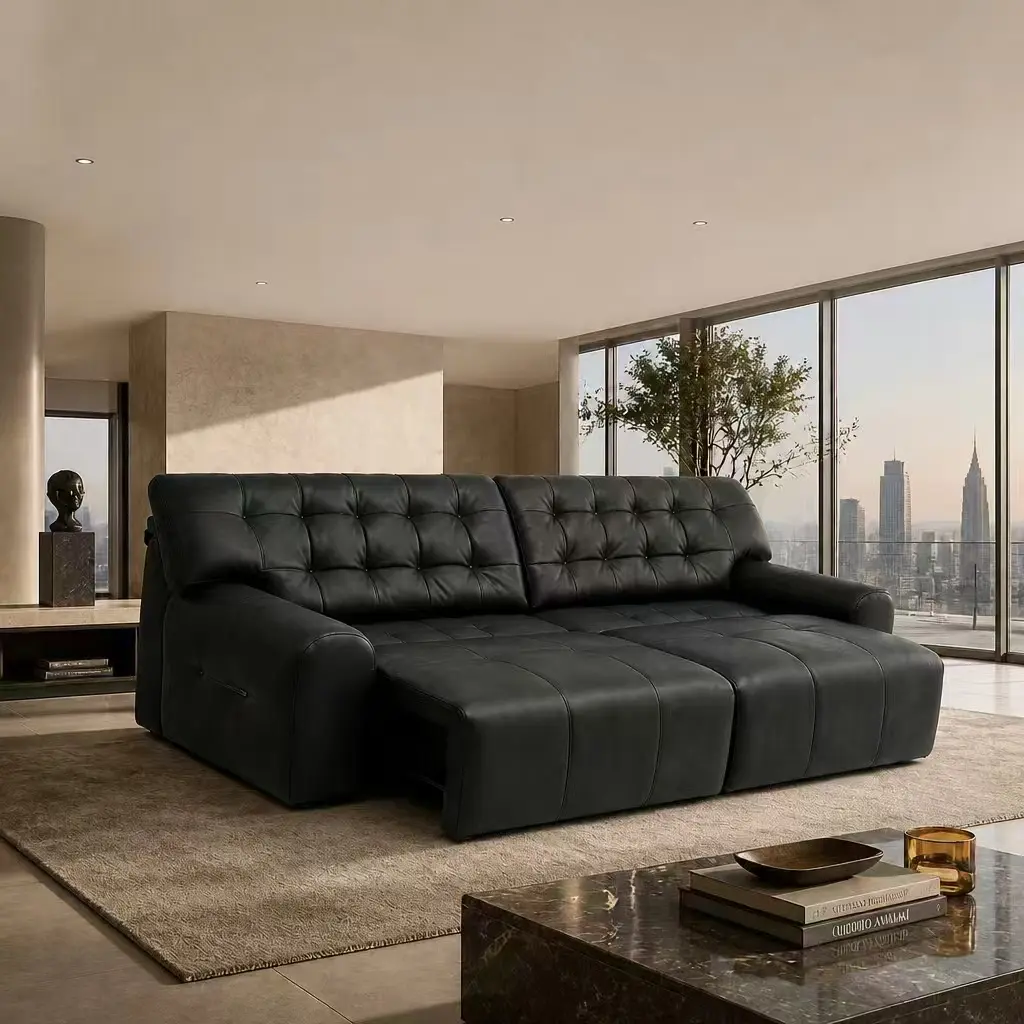
Suited to Colombo penthouse and villa living rooms.
View ProductSri Lanka's furniture demand is being reshaped by three forces at once: a fast-expanding hospitality pipeline in Colombo and the southern coast, a growing urban middle class furnishing apartments in Colombo, Kandy and Galle, and a re-export and trading community that already understands how to import contractual-grade goods through the Port of Colombo.
Boutique hotels, villas and resort refurbishments across Galle, Bentota, Negombo and Colombo require leather seating that can survive humid coastal air and heavy commercial use.
The Port of Colombo and Hambantota give Sri Lankan traders access to Indian, Middle Eastern and East African markets, making local inventory strategies commercially viable.
Furniture showrooms in Colombo suburbs and regional cities are moving from mixed-vendor sourcing toward single-partner private-label programs with consistent finishes.
For Sri Lankan buyers, the practical question is no longer whether to import leather sofas from a Chinese factory, but which factory structure can combine genuine top-grain leather quality, humidity-resistant construction, container-efficient packaging and reliable after-sales documentation. That is the single decision this page is built to answer — with the level of detail a procurement team needs, not a catalogue summary.
Qingyumai, the export brand of Foshan Qingyumai Technology Co., Ltd., has spent over a decade supplying leather seating, upholstered beds, mattresses, dining and outdoor furniture under one purchase order. This guide translates that operating experience into the specifics Sri Lankan importers actually need: material standards for tropical humidity, localised compliance documentation, consolidation economics through the Port of Colombo, and the supply-chain advantages of the Foshan cluster.
These four models are the most requested configurations from importers fitting Colombo apartments, coastal villas, hotel suites and executive offices. Each can be re-specified in leather grade, dimension and module count.
Suited to Colombo penthouse and villa living rooms.
View Product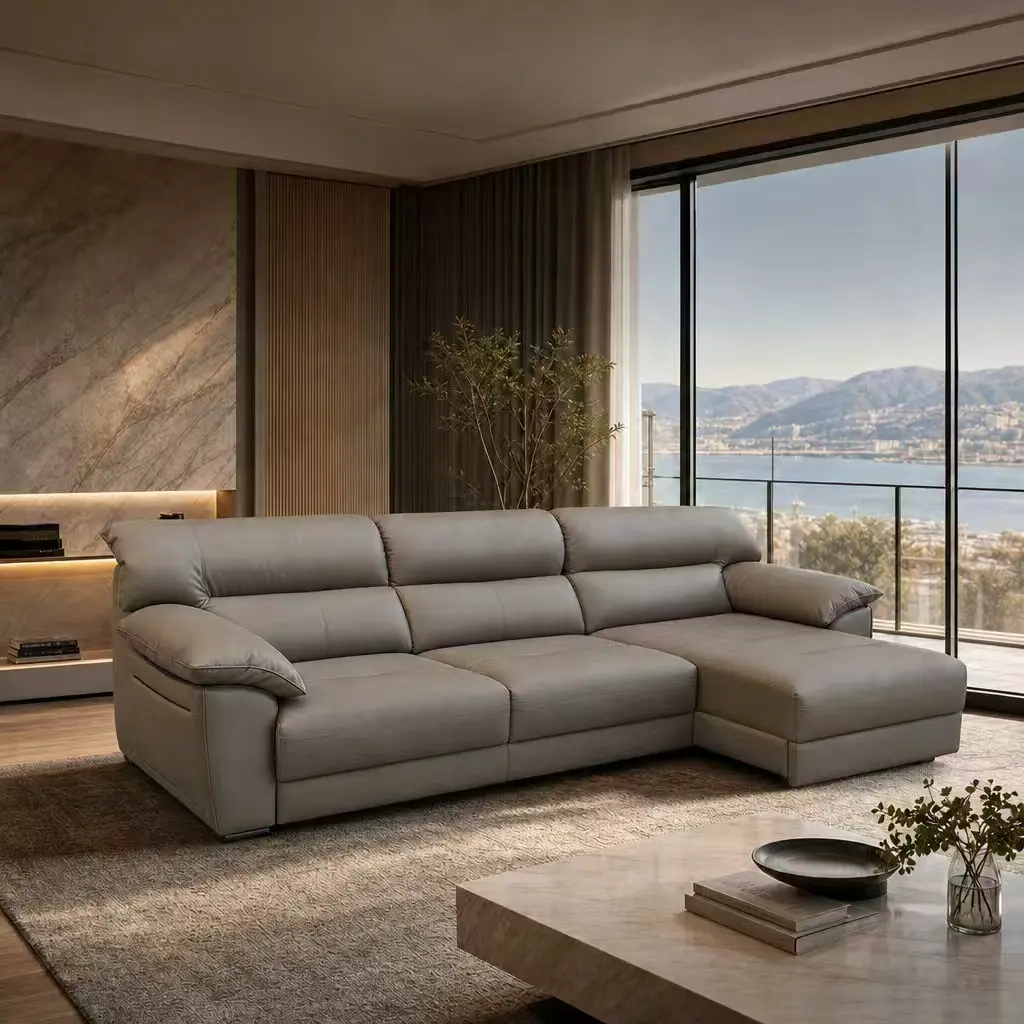
Ideal for serviced apartments and hotel guest suites.
View Product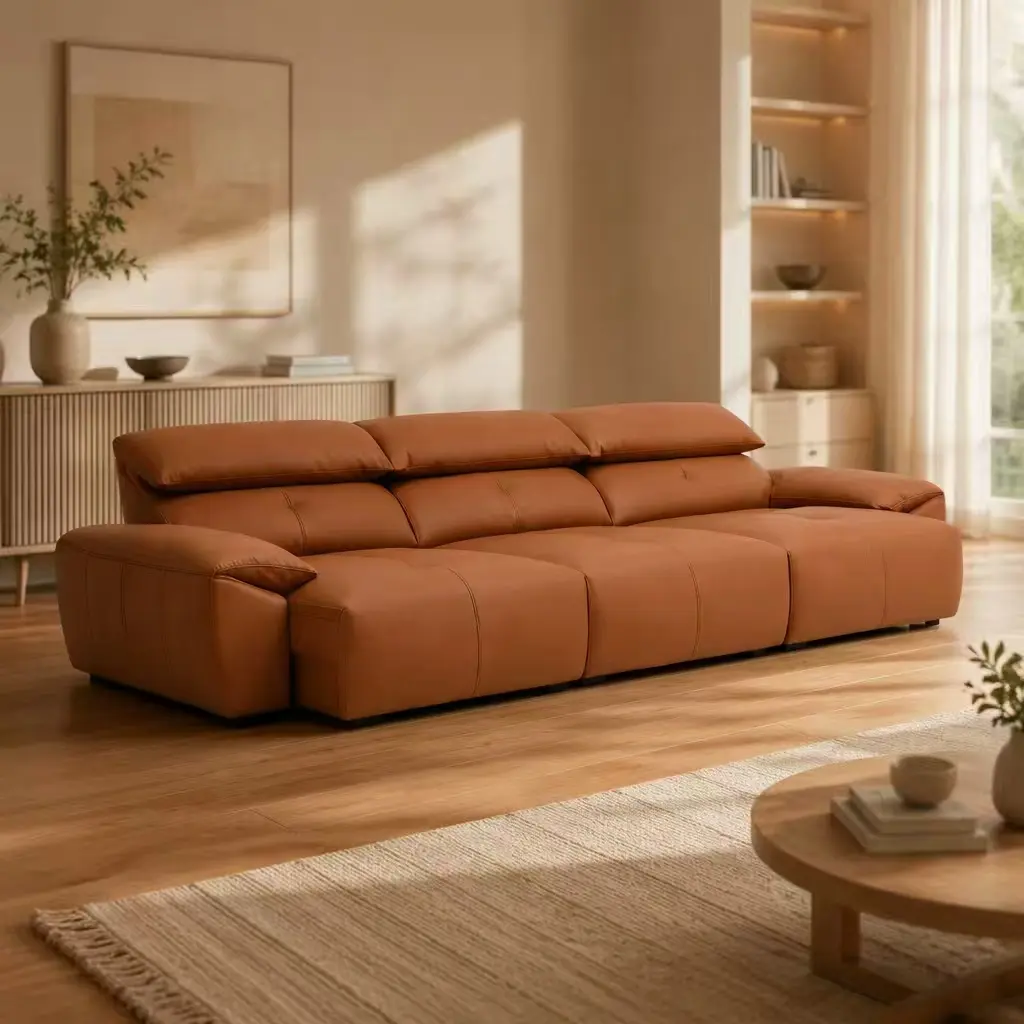
Space-efficient for compact Colombo apartments.
View Product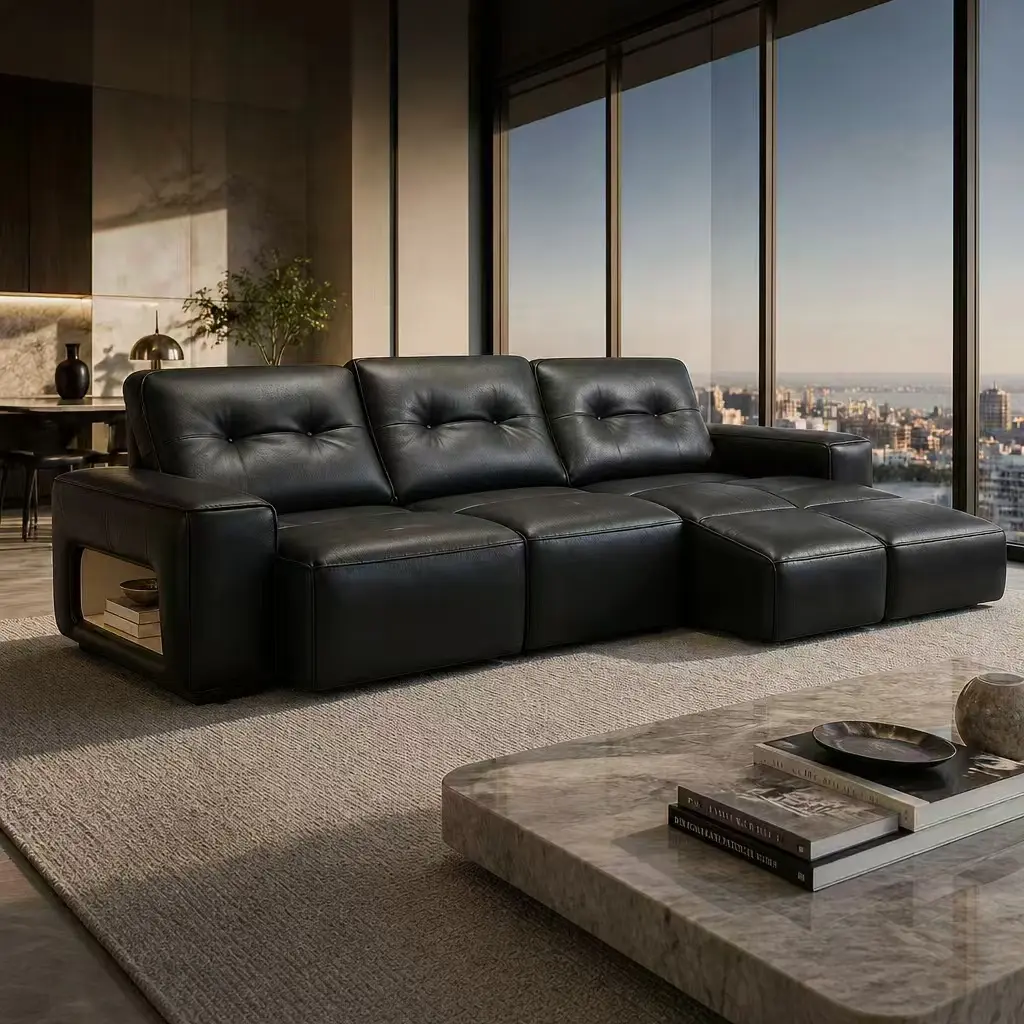
Premium recliner for executive lounges and villas.
View ProductSri Lankan importers evaluate Chinese suppliers against three constraints: landed cost, container utilisation and quality consistency across repeat orders. The Foshan–Longjiang cluster solves all three simultaneously because leather, foam, frame, hardware and packaging suppliers sit within a 40-minute radius.
Italian-style full-grain and top-grain cowhide, microfiber leather, high-resilience foam, kiln-dried hardwood and galvanised steel frames are sourced within the Shunde–Longjiang belt, shortening lead times and stabilising quality.
Leather sofas, upholstered beds, mattresses, dining chairs and outdoor seating ship under one purchase order and one quality standard — critical for Sri Lankan retailers needing a coordinated showroom mix per container.
Multi-layer crating, corner protectors, moisture barrier film and vacuum-compressed cushion packing are designed specifically for the humidity of Indian Ocean transit and the handling profile of Colombo port.
Dimensions, leather grade, stitch pattern, frame color and branding labels are customisable for private-label retail chains and hotel FF&E specifications.
A leather sofa designed for a European showroom is not automatically ready for a Colombo apartment. Humidity, salt air, monsoon-season logistics and local customs documentation all shape what a responsible factory should supply.
We recommend semi-aniline or protected top-grain finishes for coastal Sri Lankan projects, plus moisture-barrier lining and stainless or powder-coated hardware to prevent oxidation during monsoon season.
Commercial invoice, packing list, bill of lading coordination, certificate of origin, fumigation certificate for wood components and material composition sheets are prepared for Sri Lanka Customs submission.
Foam density, fabric and leather flammability behaviour, and formaldehyde levels in composite wood are specified according to your destination market's requirements — including EU, Middle East and regional Sri Lankan retail expectations.
Dedicated account managers coordinate English-language after-sales support, spare-part shipment planning and reorder alignment across the Sri Lanka time zone.
| Procurement Factor | What Sri Lankan Buyers Should Verify | How Qingyumai Responds |
|---|---|---|
| Leather Grade | Top-grain vs. split-grain vs. microfiber leather; thickness and finish | Sample swatches with composition sheets; factory-direct leather sourcing |
| Container Utilisation | Mixed-category loading to reduce freight per unit | Consolidation across sofas, beds, mattresses and dining in a single order |
| Humidity Resistance | Anti-mould treatment and hardware coating | Coastal-spec finishing recommendations and moisture-barrier linings |
| Customs Documentation | Certificate of origin, fumigation, packing conformity | Export documentation prepared to Sri Lanka import norms |
| Lead Time | Production + ocean transit to Colombo | Structured production calendar with in-line QC checkpoints |
| After-Sales | Spare parts, reorder consistency, warranty terms | Account management and reorder alignment across repeats |
Leather seating demand in Sri Lanka is not a single market — it is a set of distinct use cases, each demanding different specifications. Below are the four applications our Sri Lankan buyers most commonly specify.
Properties in Galle, Bentota and Mirissa need leather seating with marine-grade hardware, mould-resistant lining and fast-drying foam that maintains shape through year-round humidity.
Compact urban living rewards modular leather sectionals that can navigate tight lifts and corridors, then assemble without wall clearance issues.
Reclining leather seating, reception lounge pieces and executive suites specified for Colombo's commercial districts and business hotels.
Furniture retail chains stocking leather sofas under their own label benefit from consistent leather color across container loads and private-label branding.
Sri Lanka does not import furniture in isolation. Procurement patterns from the EU, the Gulf, India and Southeast Asia filter into the way Sri Lankan buyers negotiate specifications, MOQs and payment terms. Four industry shifts are directly relevant:
Global buyers increasingly mix genuine leather on high-touch surfaces with microfiber leather on high-wear sides and backs — reducing cost without sacrificing the tactile experience.
Hotels and developers specify repeatable modules so that a replacement unit fits an existing layout — reducing long-term refurbishment cost dramatically.
Post-pandemic freight volatility pushed buyers toward vacuum-compressed cushion packing and higher container utilisation — which our packing design supports by default.
Buyers now evaluate suppliers on reorder consistency rather than first-order price alone — a shift that favours factories with structured QC and stable material sourcing.
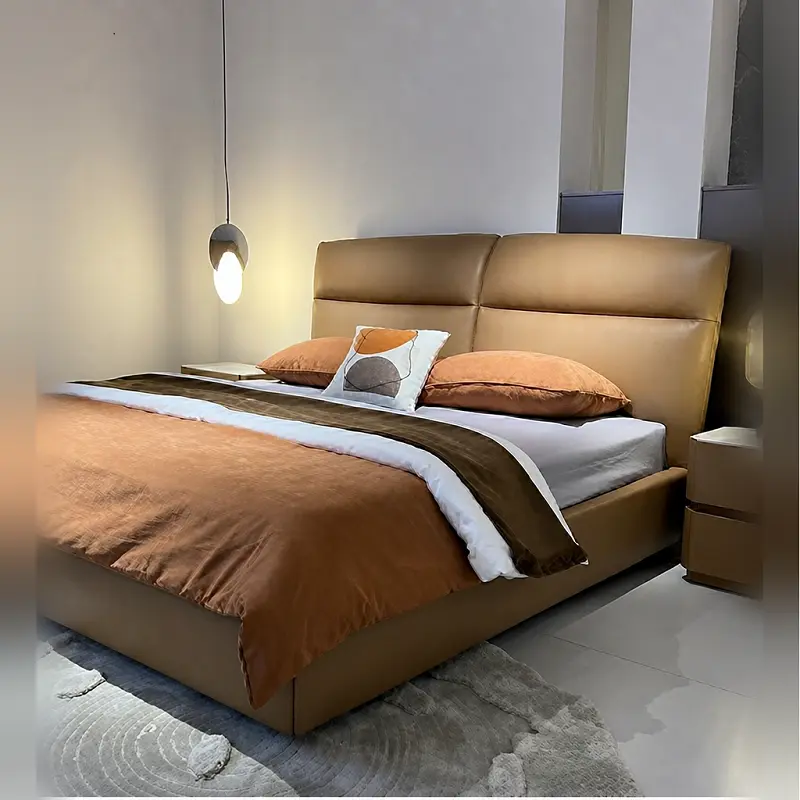
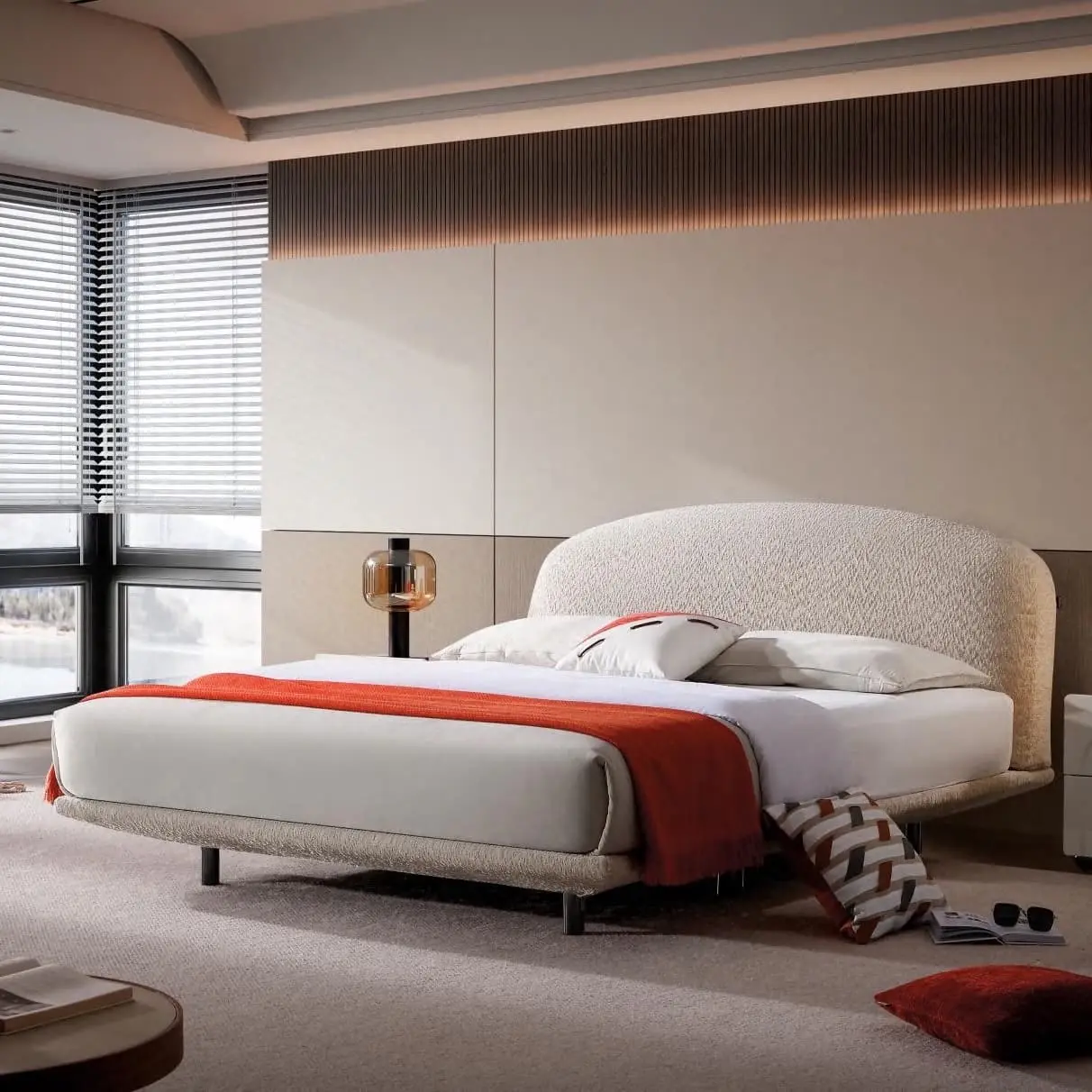
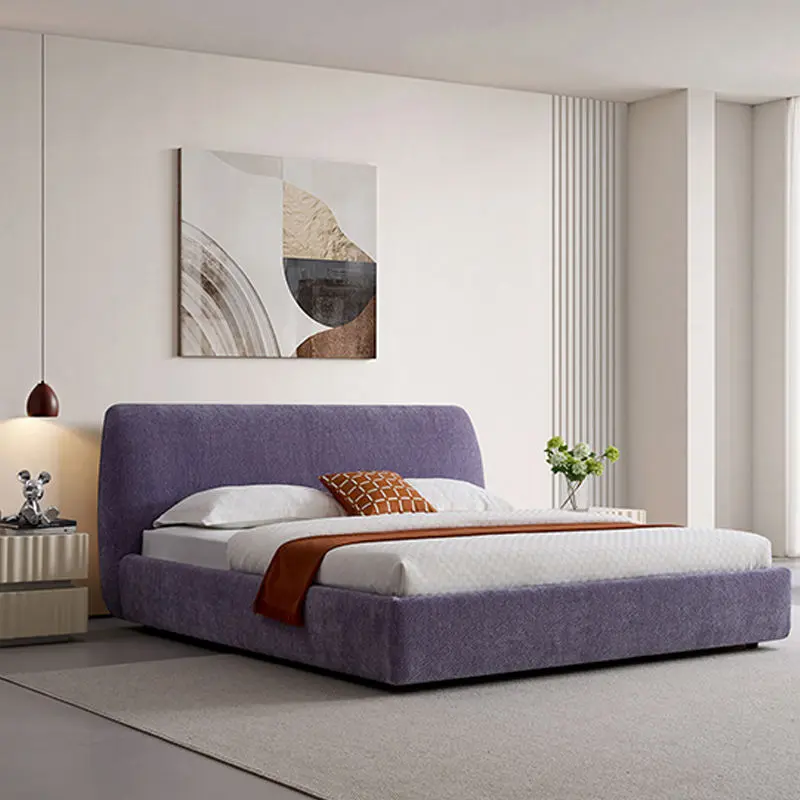
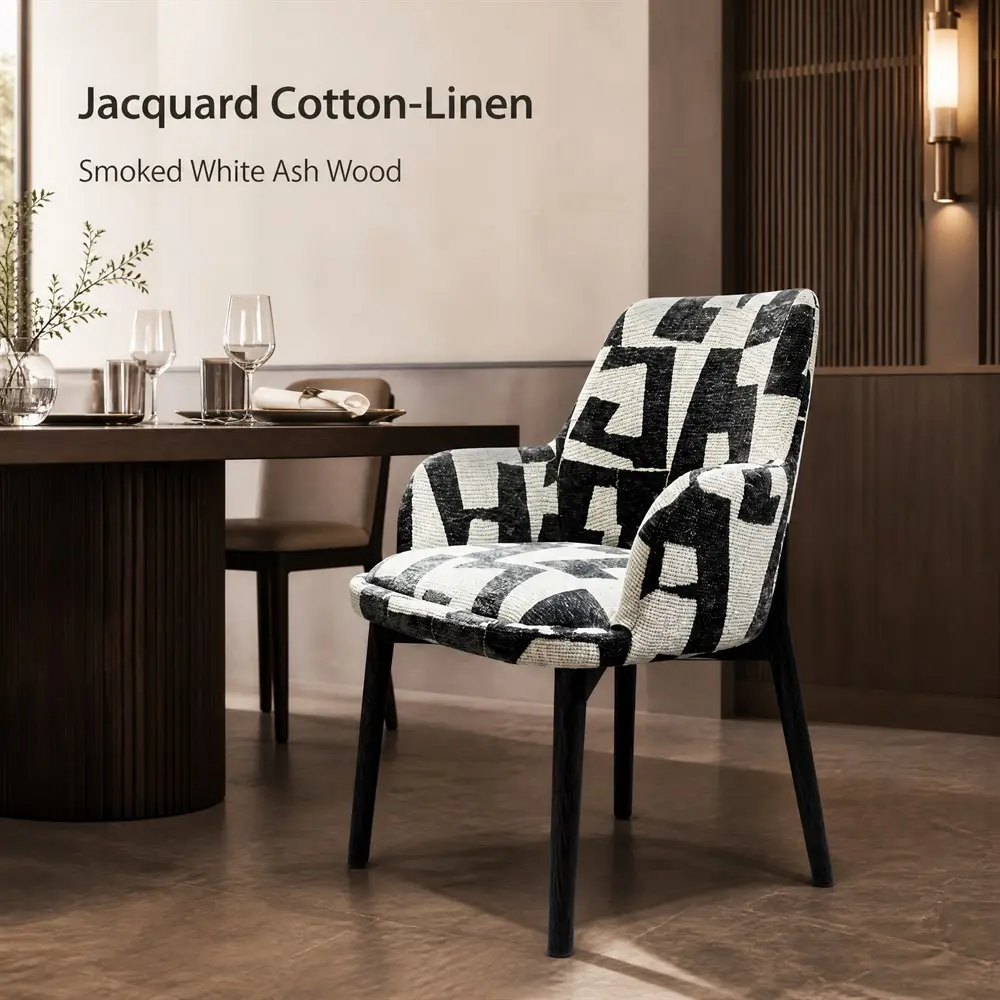
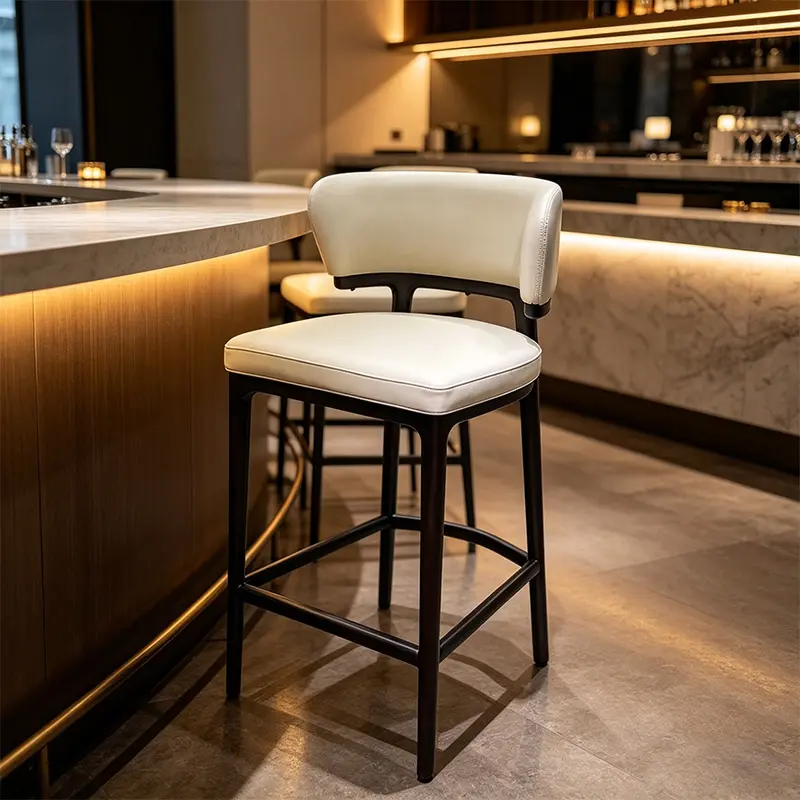
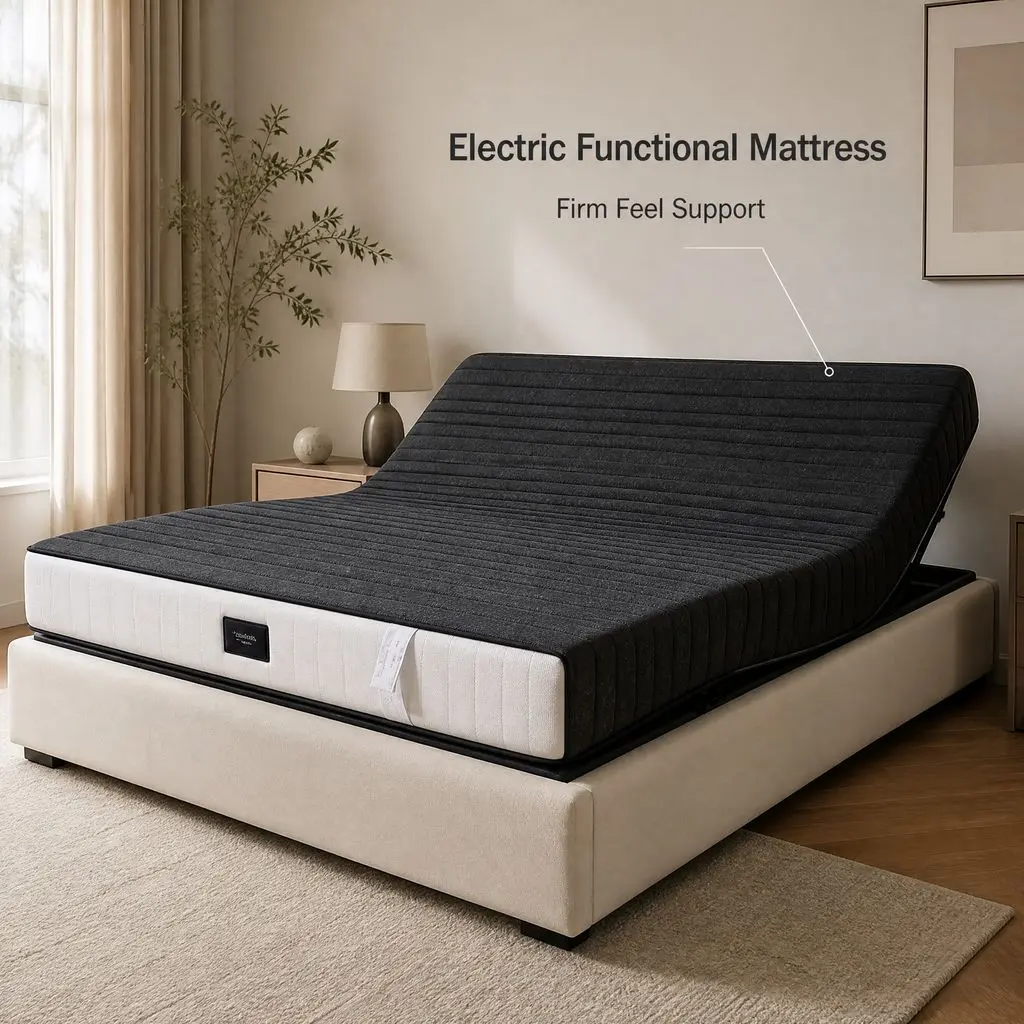
A leather sofa container rarely ships alone. Sri Lankan importers typically combine seating with beds, mattresses and dining pieces to maximise container value. These models are commonly co-loaded with leather sofa orders.
Share target market, room types, budget range and reference images. Consultants map categories to your floor plan and market positioning.
We recommend leather grade, foam density and frame specification aligned with Sri Lanka's climate and your compliance requirements.
Pre-production samples confirm dimension, leather tone, stitch and comfort before the mass-production run begins.
QC engineers audit frame welds, seat resilience, stitch tension and finish consistency on the production floor.
Mixed-category container loading, moisture-barrier wrapping and multi-layer crating to prevent transit damage.
Documentation prepared for Sri Lanka Customs; account managers coordinate spare-part and reorder alignment.
Direct answers to the questions importers, hotel developers and design studios in Sri Lanka most often raise before their first container.
Yes, when specified correctly. For coastal Sri Lanka we recommend protected top-grain or semi-aniline leather with moisture-barrier lining, high-density mould-resistant foam and powder-coated or stainless hardware. We flag these choices during the material engineering stage, so the sofa you receive is matched to the environment it will actually live in — not a European showroom assumption.
Yes. Consolidation across categories is one of the strongest economic advantages of sourcing from Qingyumai. Sofas, beds, mattresses, dining chairs and outdoor seating can ship under one purchase order and one quality standard. Our post-sale team plans loading layouts to reduce ocean freight cost per unit while protecting every piece with multi-layer export crating.
Commercial invoice, packing list, bill of lading coordination, certificate of origin, fumigation certificate for wood-containing components, and material composition sheets for leather and foam. These documents are prepared as standard for Sri Lankan buyers so clearance through the Port of Colombo proceeds without avoidable delays.
MOQs are set per model and per leather grade, and we work with both mixed-model containers for retailers and larger single-model programs for hotel projects. For first-time Sri Lankan buyers we typically recommend a mixed container that balances seating, bedroom and dining categories — this reduces risk while filling the container efficiently.
Yes. OEM and ODM support includes custom dimensions, leather grade and color, frame finish, stitch detail, woven labels, embossed logos and branded packaging. This is particularly valuable for Sri Lankan furniture retailers building their own label and for hotel groups specifying FF&E under a brand standard.
Lead time depends on model complexity, leather grade availability and order volume. A typical sequence: sample approval (1–2 weeks), mass production (4–6 weeks depending on scope), and ocean transit to Colombo (roughly 3–4 weeks depending on routing and port schedules). Our team shares a production calendar with in-line QC checkpoints so Sri Lankan buyers can plan showroom launches and hotel openings against a realistic timeline.
Our internal QC engineers audit structural durability (frame welds, seat resilience, recliner mechanism cycles), leather finish consistency and stitch tension directly on the production floor. Pre-sale consultants also recommend material configurations aligned with your destination market's regulatory expectations, so the finished sofa is not only well-built but also spec-compliant.
Dedicated account managers coordinate English-language after-sales support across the Sri Lanka time zone, including spare-part shipment planning, reorder alignment and consistency checks across repeat production runs. Long-term private-label partners receive priority scheduling and consistent leather color-matching across container loads.
We are located in Hui Cheng Industrial Park, Longjiang Town, Shunde District, Foshan, Guangdong, China — one of the world's most established furniture manufacturing hubs. Sri Lankan buyers are welcome to arrange factory and showroom visits, and we can coordinate sample reviews and production-line walkthroughs during the visit.
Local Sri Lankan suppliers are an important part of the market, but they typically operate as importers themselves — meaning their pricing includes a margin on top of factory cost, and their specification flexibility is limited to what they have already imported. Sourcing directly from a Foshan factory gives Sri Lankan buyers access to custom leather grades, custom dimensions, private-label branding, direct factory pricing and full container consolidation across categories. For hotel projects and retail chains planning multi-year programs, that direct relationship is the difference between a one-off purchase and a scalable supply strategy.
Share your target market, room mix and container plan. Our export team will respond with model recommendations, leather grade options, container utilisation estimates and a production timeline aligned to your launch date.