
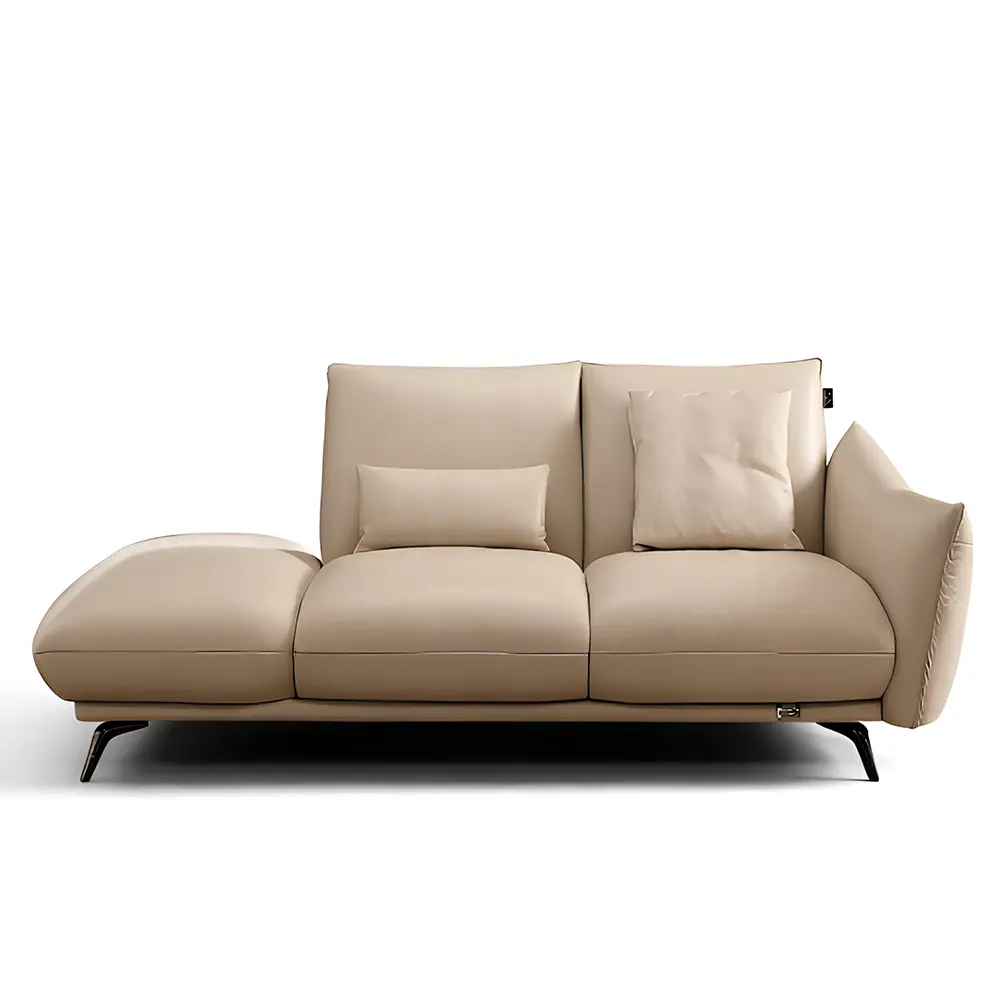
Featured Osaka-Ready Leather & Upholstery Range
Signature Leather Sofas & Sectionals for Osaka Contract Buyers
Hand-picked configurations engineered for Kansai's high-density residential, hospitality and office environments — factory-direct with OEM/ODM flexibility.
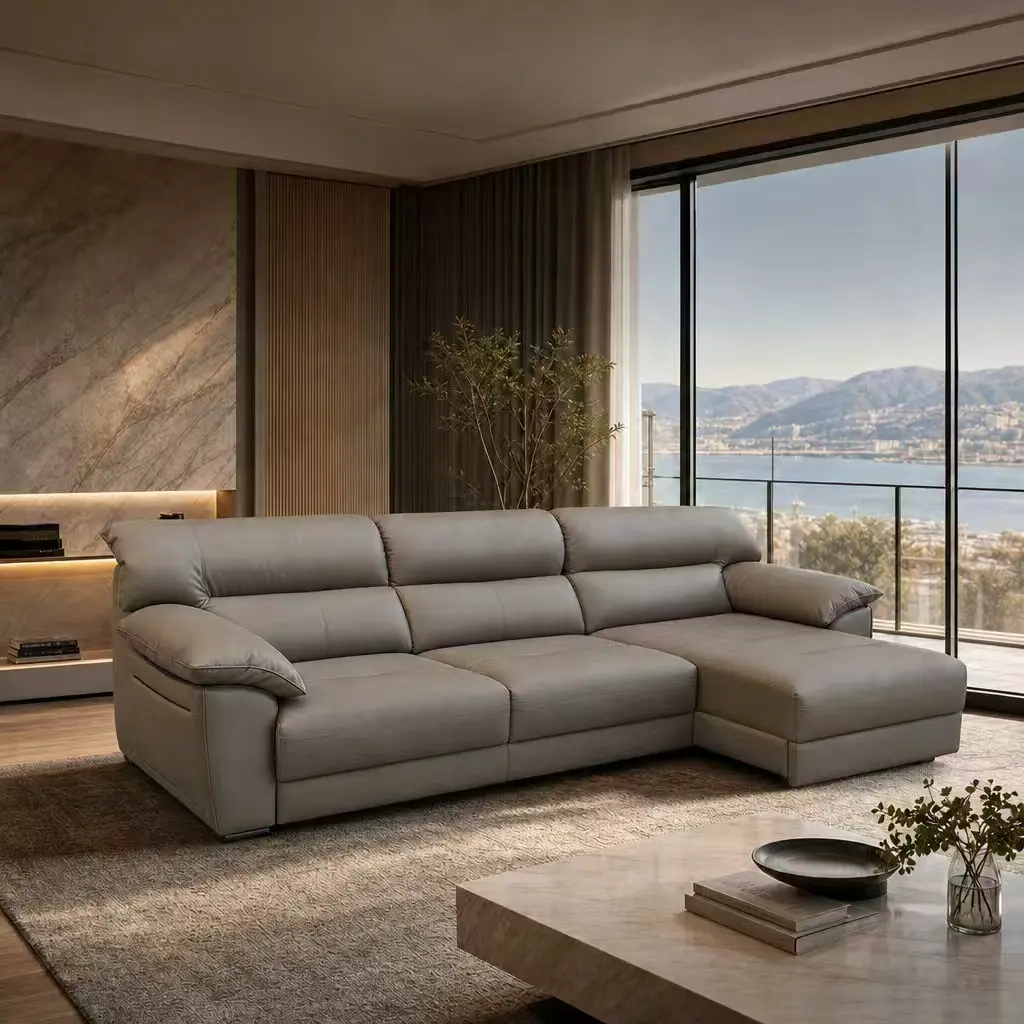
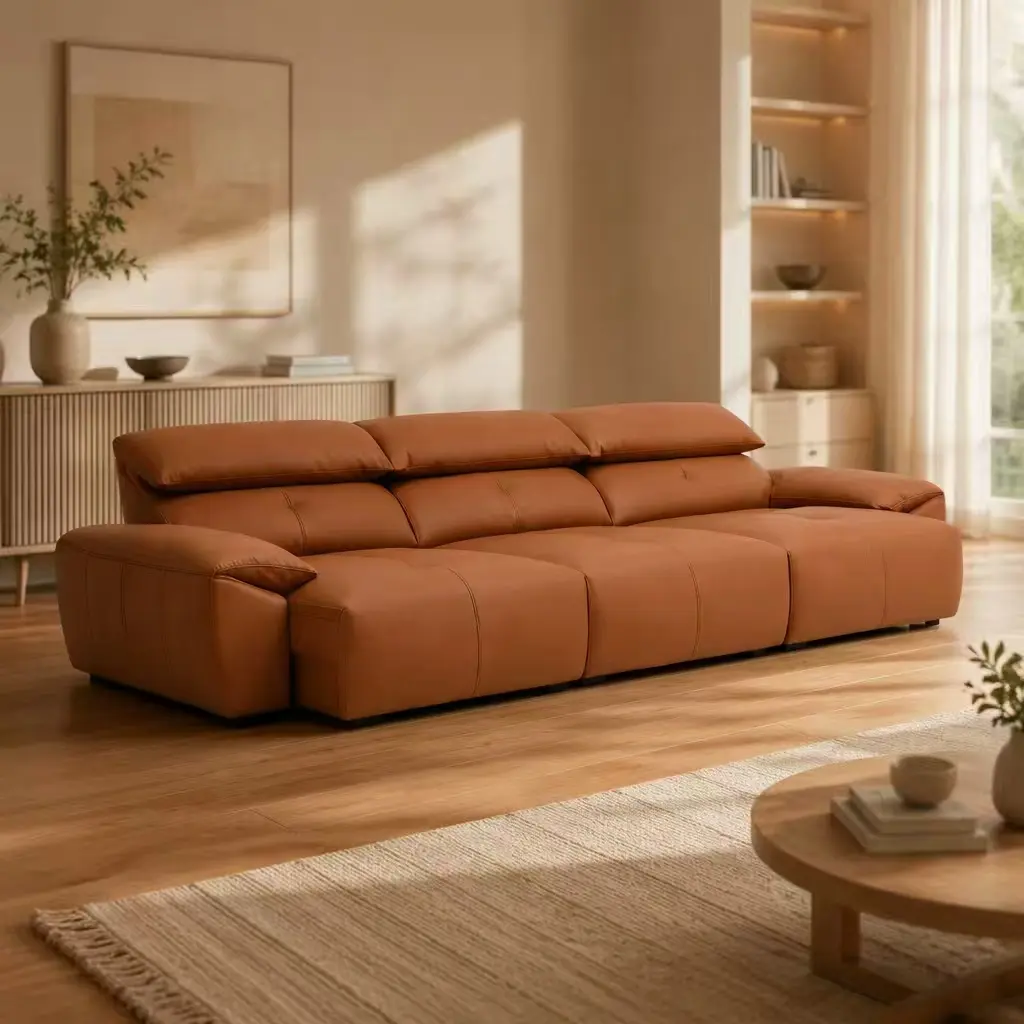
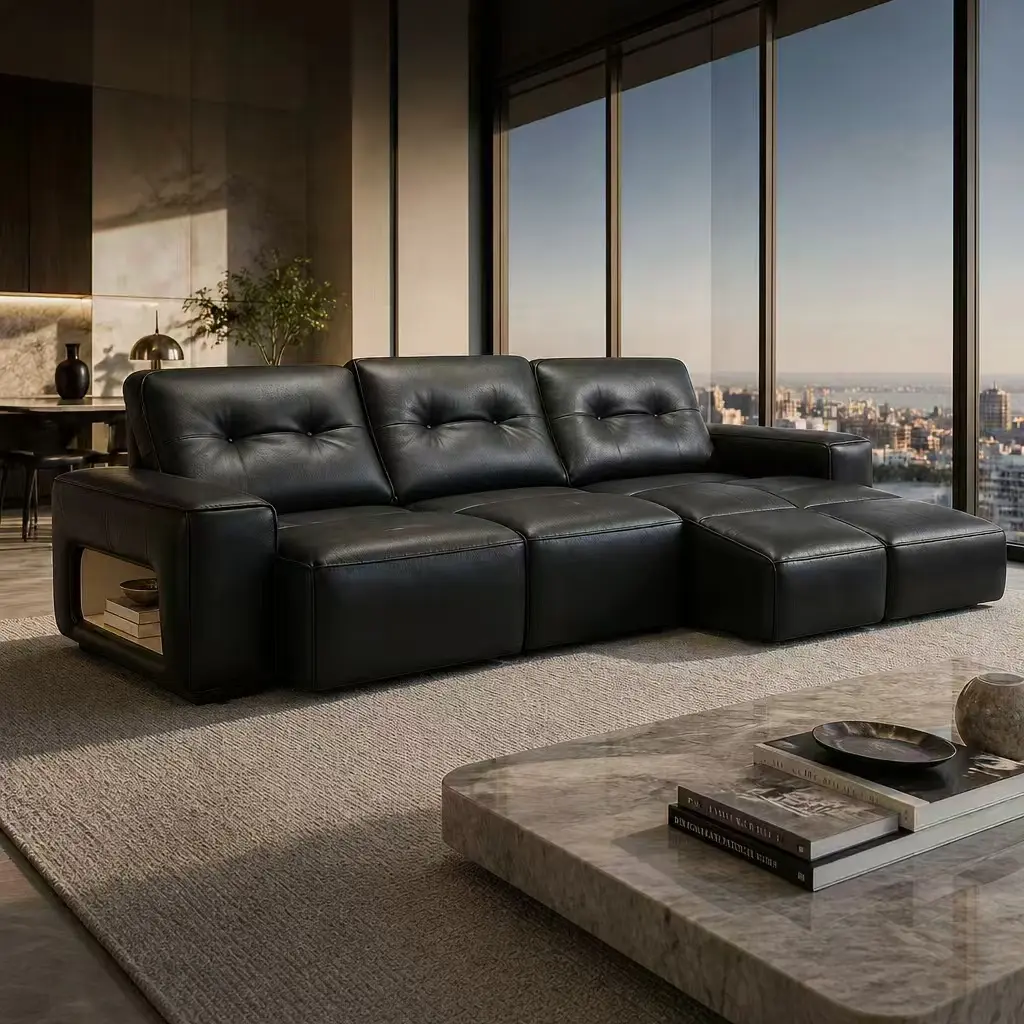
Osaka Market Intelligence
Why Osaka Is Becoming a Strategic Hub for Leather Sofa Sourcing in Japan
Osaka has long been the commercial engine of the Kansai region — a gateway for imported furniture, a logistics corridor for the Kansai International Airport (KIX) and Osaka Port, and a dense testbed for premium residential, hospitality and office interiors. For leather sofa buyers, this combination creates a distinctive local supply chain where trading houses (sogo shosha), specialty furniture distributors and contract-focused upholstery workshops coexist with regional assembly shops and after-sales refinishing services.
In practice, the Osaka leather sofa market sits at the intersection of three forces: high-end residential demand in Kita-ku, Chuo-ku and Namba luxury towers; a mature hospitality pipeline tied to Kansai's inbound tourism and MICE expansion; and a well-developed B2B import network handling leather hides, foam, mechanisms and finished sofas from Southeast Asia and China. Buyers working within Osaka city limits often prefer suppliers who can consolidate mixed containers and provide Japanese-language QC documentation — an advantage leveraged by sophisticated trading partners.
For international suppliers, the key insight is that Osaka is far more than a retail market. It is a contract-grade procurement gateway where specification documents, JAS-style material certifications and damage-free last-mile logistics are considered baseline expectations, not premium add-ons.
Global Industry Landscape
The Global Leather Sofa Industry: Market Dynamics Reshaping 2024–2030
From Osaka to Milan, the leather sofa sector is being rebuilt around sustainability, modular engineering and direct-to-contract sourcing — three forces that every B2B buyer must plan around.
Premiumization of Upholstery
Full-grain and top-grain leather are increasingly favored over corrected-grain in high-end residential and hospitality segments. Buyers increasingly demand traceable hide sourcing, low-VOC finishing and dye-lot consistency across modular sets — specifications once reserved for Italian or German brands.
Modularity as Standard
L-shaped, U-shaped and rearrangeable modular configurations dominate new product launches. For importers moving into Japan, modularity is not optional — it must be able to fit narrow Osaka elevators and be reconfigured for compact tower apartments.
Sustainability & Supply-Chain Transparency
EU deforestation regulations, LWG-certified tanneries and recycled foam programs are shaping buyer specifications. Suppliers that provide documented hide origins and low-emission production processes are increasingly preferred in Osaka and European contract bidding.
Smart & Motorized Functionality
Power reclining and USB-integrated leather sectionals are shifting from niche to mainstream. Japanese buyers increasingly expect German or Japanese motor systems (e.g., Oeken), silent actuators and safety-certified power modules for residential and hotel applications.
Direct-to-Contract Sourcing
Hospitality groups and developers increasingly bypass local distributors and buy directly from factories, using digital catalogs and third-party QC. Osaka's importers are adapting by focusing on logistics, installation and after-sales warranties rather than inventory markup.
Design Convergence with Italian Aesthetics
Contemporary Japanese interiors increasingly borrow Italian and Nordic leather sofa silhouettes — low-profile backs, slim metal legs and monochrome finishes. Chinese and Vietnamese factories have absorbed these design languages, enabling faster time-to-market at accessible cost.
Localized Application Scenarios
Where Leather Sofas Are Deployed Across Osaka's Built Environment
Osaka's leather sofa demand is not homogenous — each segment requires a distinct configuration, leather grade and durability profile. Below is a segmentation map for B2B buyers planning their assortment.
| Segment | Typical Configuration | Leather Grade | Key Buying Driver |
|---|---|---|---|
| High-rise Tower Apartments (Kita-ku, Chuo-ku) | L-shaped Italian leather sectional, low-back profile | Top-grain, soft hand-feel | Elevator-friendly modular packing |
| Boutique Hotels & Ryokan Renovations | Power reclining sofa beds and convertible sectionals | Full-grain, contract-grade | Dual lounging/sleep function |
| Corporate Office & Executive Lounges | Slim leg leather club chairs, two-seat sofas | Corrected-grain, easy-clean | Scratch resistance & warranty length |
| Serviced Apartments & MICE Facilities | Convertible sofa beds with integrated storage | Microfiber leather or hybrid leather | Turnover durability & cleaning ease |
| Restaurants & Lounge Cafés (Namba, Umeda) | Modular bench sofas, chaises and armrest units | Commercial-grade microfiber leather | Fire-safety compliance & stain resistance |
| Show Flats & Model Homes | Display-only leather sectionals with accent tables | Soft top-grain, high visual polish | Fast turnaround sampling |
One consistent theme emerges: Osaka buyers rarely purchase leather sofas in isolation. They structure orders around room-set logic — a single section sofa paired with a chaise, chair, coffee table and accent stool. This favors suppliers who can coordinate upholstery tones, leather dye lots and modularity across categories, significantly reducing the risk of finish mismatch during installation.
Technical Roadmap
Technical Roadmap: How Leather Sofa Engineering Is Evolving Toward 2030
The next generation of leather sofas is being engineered around three technical axes: modular architecture, motorized functionality and sustainable material systems. For Osaka buyers, these axes map directly to the city's constrained living spaces, its aging population's comfort expectations, and its commercial sector's sustainability mandates.
Qingyumai's development pipeline reflects this. Patent-backed structural frames, modular connectors with integrated cable routing and hybrid leather-fabric upholstery are now standard across the wholesale catalog, allowing importers to build adjustable assortments for Osaka without commissioning bespoke engineering.
2024–2025 · Modular Standardization
Tool-free modular connectors, click-fit armrests and standardized seat depths become baseline expectations across Japanese importers.
2025–2027 · Motorized Intelligence
Quiet actuators, USB-C charging, memory presets and safety sensors become mainstream in premium leather sofa lines, particularly in healthcare-adjacent and hospitality segments.
2026–2028 · Hybrid Leather Systems
Leather seating surfaces combined with breathable fabric bodies reduce cost and heat retention, aligning with Osaka's humid summers and energy-conscious interior planning.
2027–2030 · Circular Leather Sourcing
Recycled foam cores, low-VOC finishes and refinishable leather become primary procurement criteria, driven by ESG-driven contract bids.
Macro Industry Solutions
Macro-Level Sourcing Solutions for Osaka Leather Sofa Buyers
Beyond individual SKUs, serious B2B buyers need programmatic supply — consolidated catalogs, single-source QC and unified shipping. Factory-direct programs close the gap between Japanese specification rigor and the price expectations of global importers.
0+Years of export experience to Japan-adjacent markets
0+Original structural and design patents
0Furniture categories under one purchase order
0OEM/ODM customization dimensions
Complementary Catalog for Osaka Room-Set Programs
Complete Room-Set Programs Beyond Leather Sofas
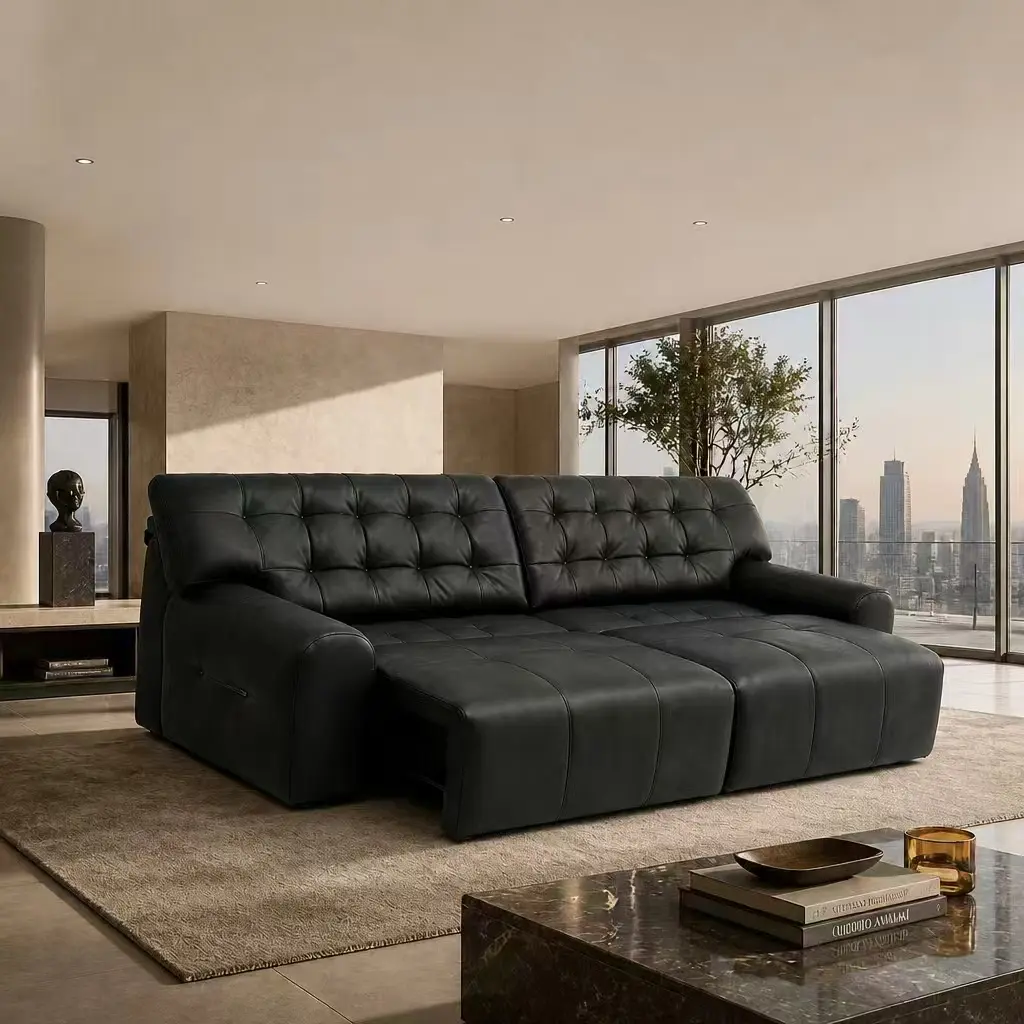
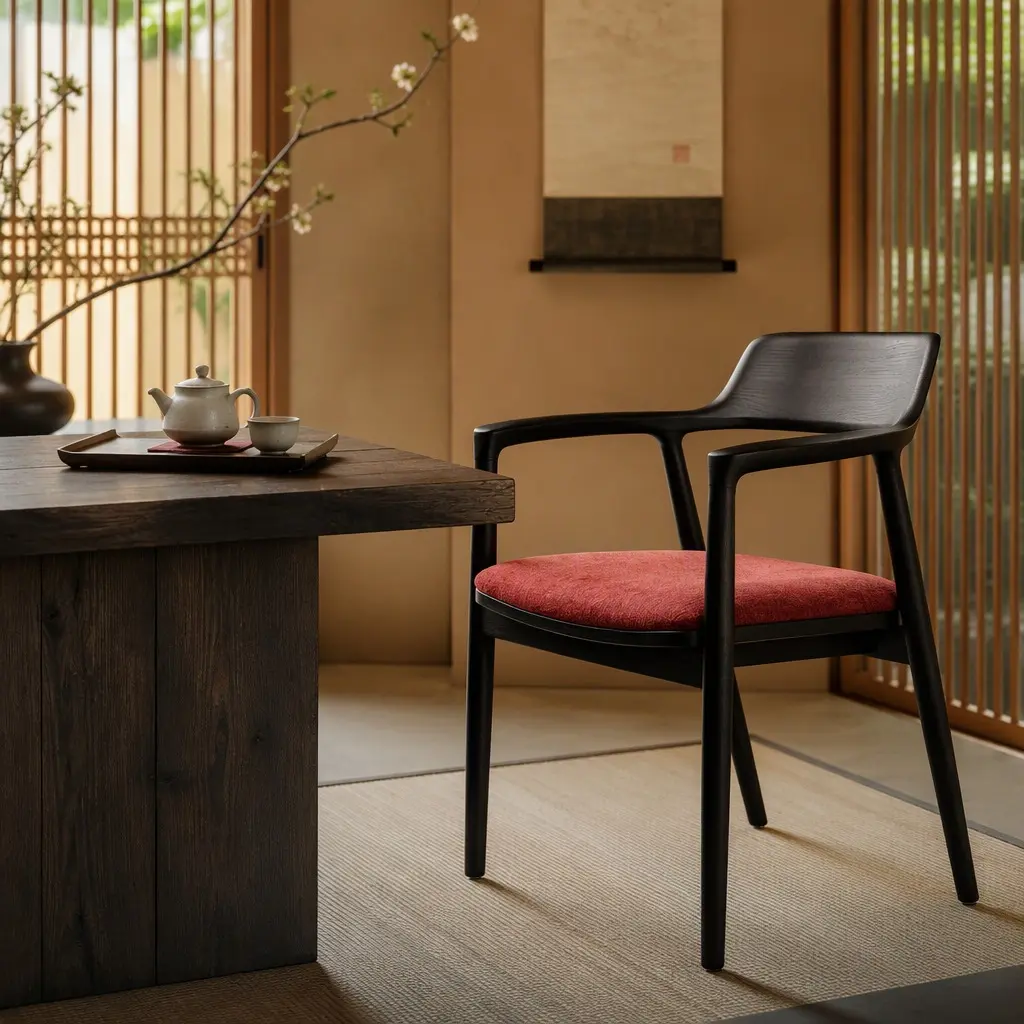
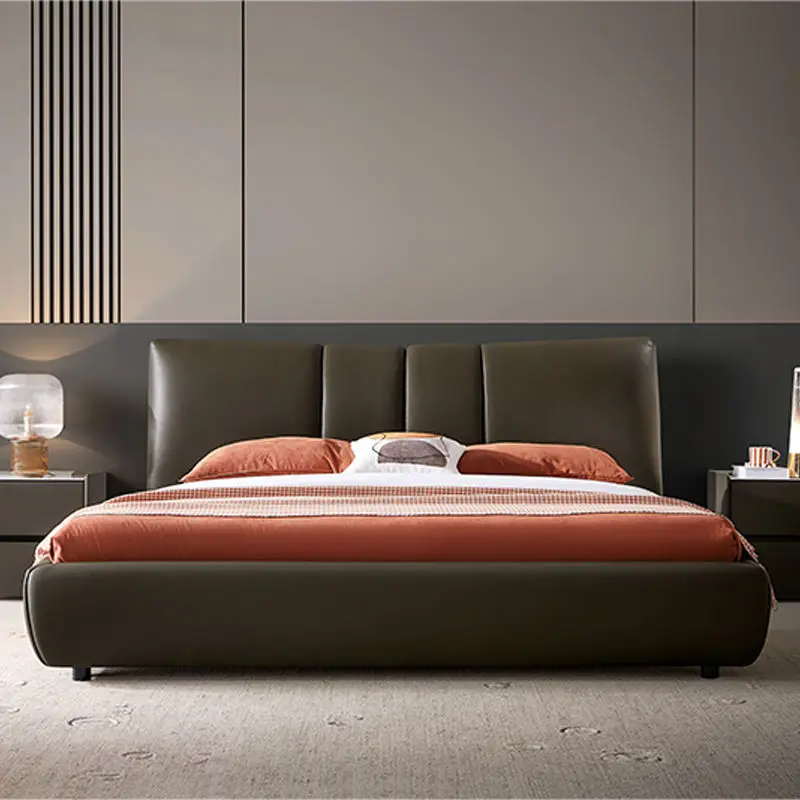
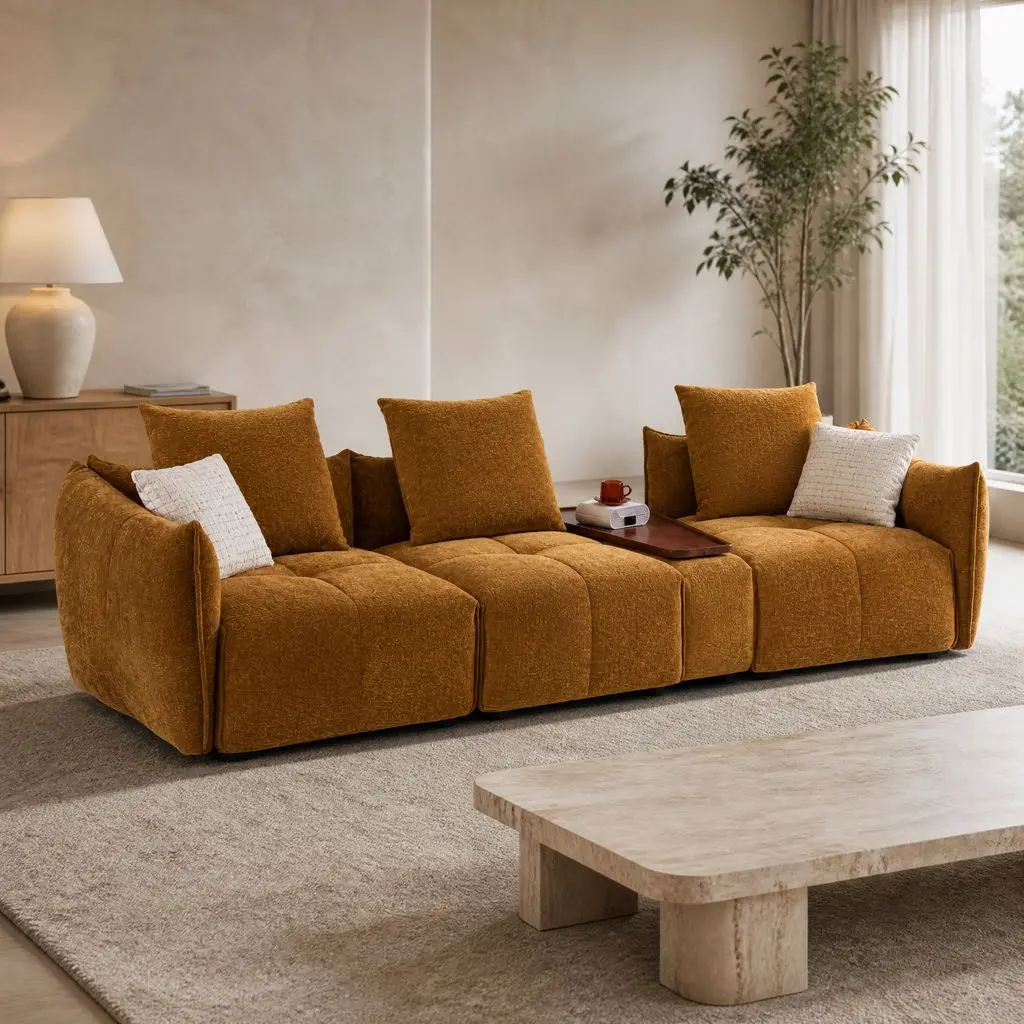
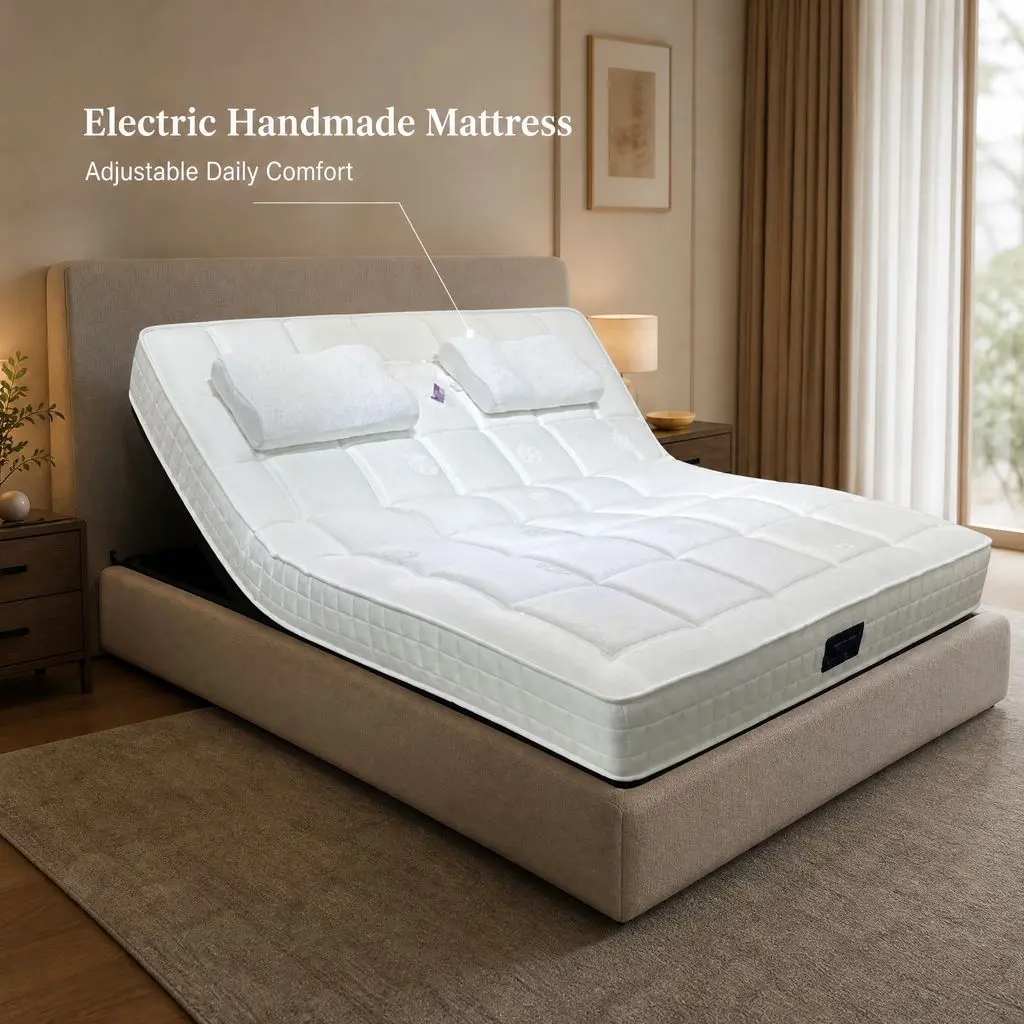
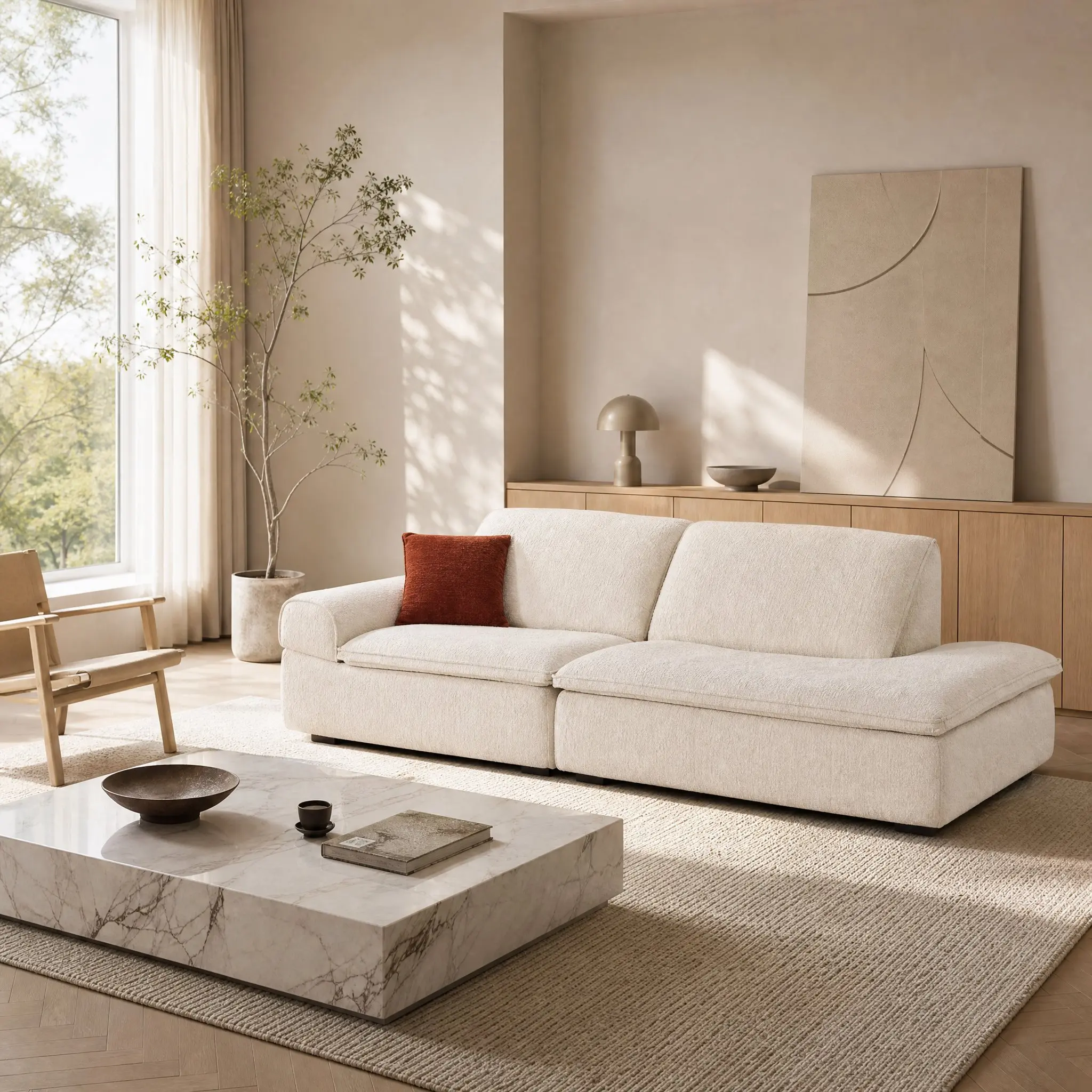
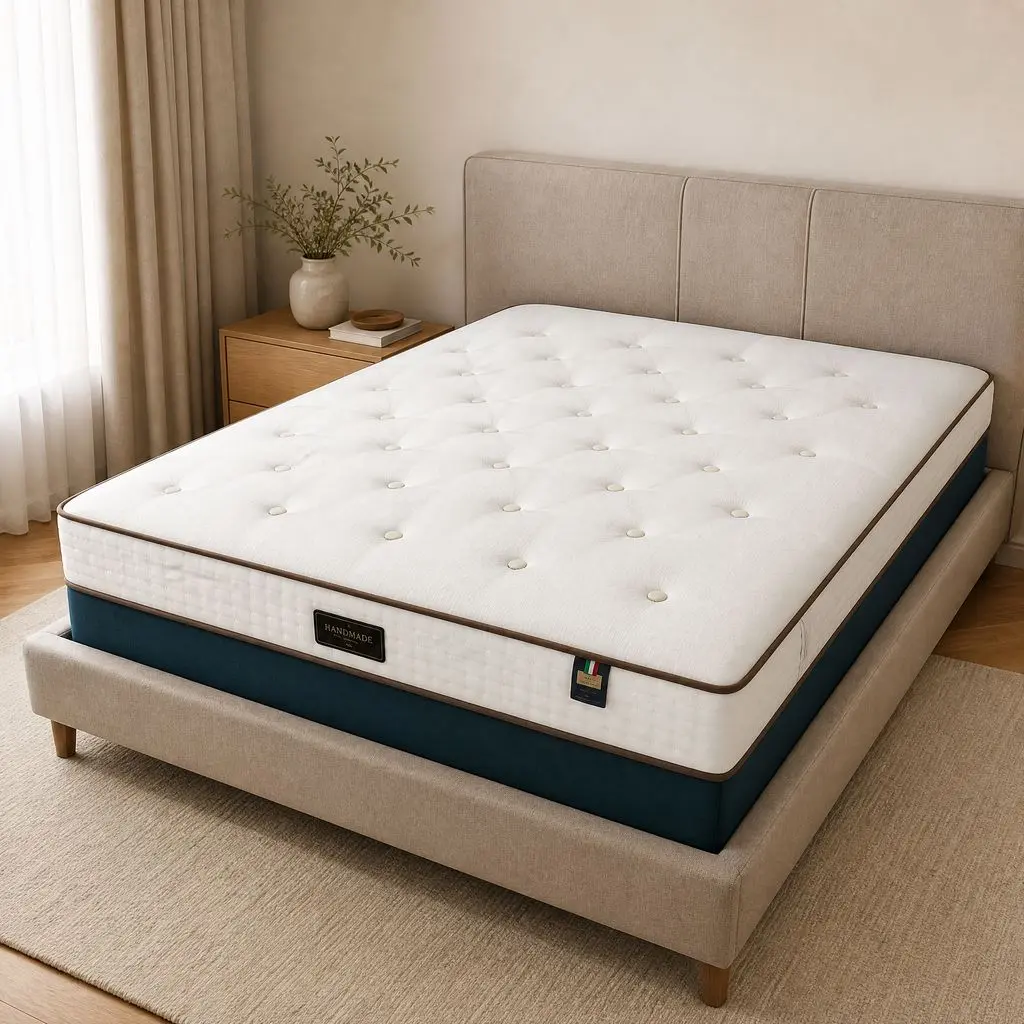
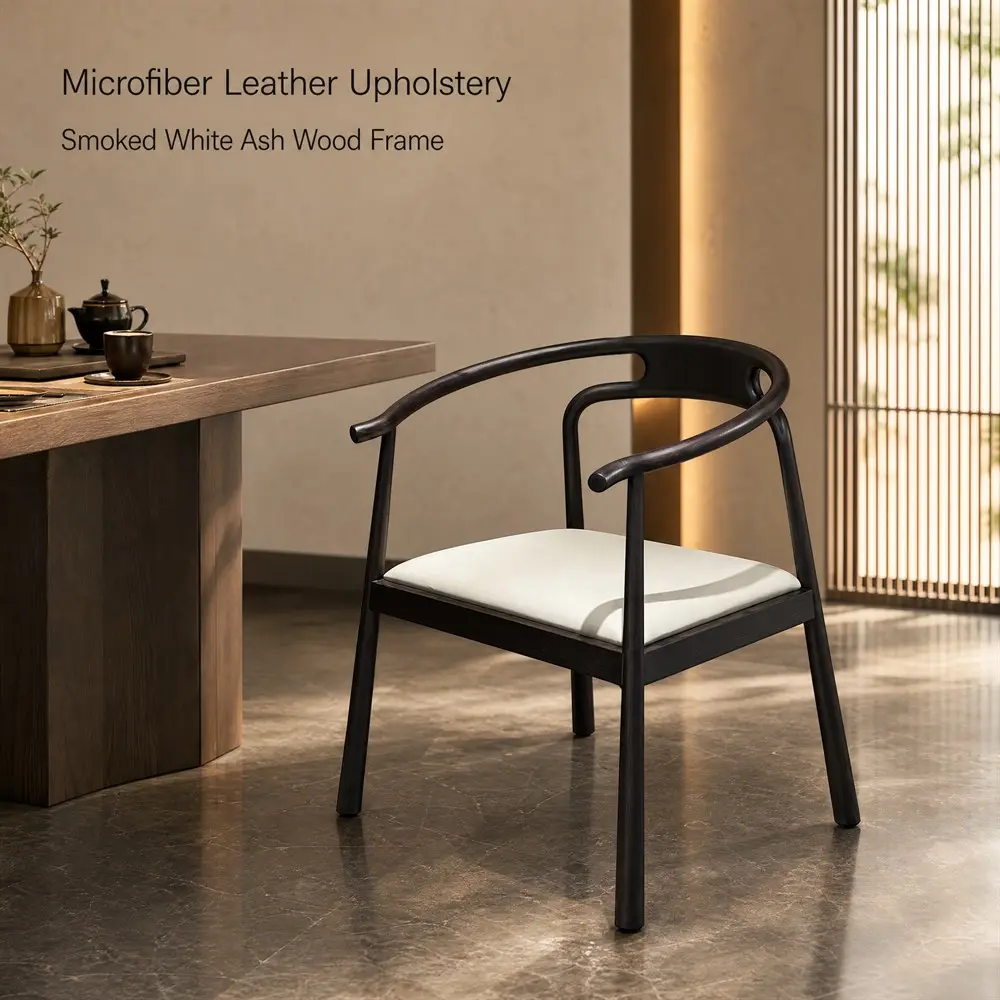
Osaka buyers frequently source leather sofas together with beds, mattresses and dining seating to consolidate container loads. These eight models complete a single-order whole-home program.
Buyer Q&A
Leather Sofa Sourcing in Osaka — Buyer Questions Answered
Practical answers for importers, hospitality procurement teams and interior contractors evaluating leather sofa sourcing for Japan's Kansai region.
Who are the main leather sofa suppliers and factories serving Osaka?
Osaka's leather sofa supply chain includes four main types: (1) regional furniture trading companies that import and warehouse finished sofas; (2) specialist upholstery workshops in the Osaka and Sakai areas that assemble or refurbish leather sofas; (3) contract furniture distributors serving hospitality and office projects; and (4) direct import relationships with Chinese and Southeast Asian factories. International buyers typically work with factory-direct suppliers or trading houses with documented QC processes to balance cost and specification rigor.
What leather grades are preferred in the Osaka market?
Top-grain and full-grain leather are preferred for premium residential and boutique hospitality applications, driven by soft hand-feel and long-term patina. For office, café and serviced apartment segments where durability and cleaning ease dominate, corrected-grain leather and microfiber leather are common. Commercial projects increasingly require LWG-certified hide origin and low-VOC finishes to satisfy Japanese ESG procurement requirements.
How long does production and shipping take from factory to Osaka?
Typical production lead time for factory-direct leather sofas is 25–40 days after sample approval, depending on modularity, leather grade and mechanism complexity. Ocean freight from South China ports to Osaka Port (or Kansai International Airport for air shipment) generally takes 7–12 days by sea. Buyers planning seasonal launches should budget 60–90 days from purchase order to delivery, plus 10–14 days for customs clearance and last-mile delivery within Osaka's urban districts.
Can leather sofas be consolidated with beds and mattresses in one container?
Yes. Consolidation is a common practice among Osaka-based importers and project buyers. Modular leather sofas are shipped flat-packed at the module level, allowing beds, mattresses and dining chairs to share container space efficiently. Suppliers offering container consolidation should be able to plan loading layouts, provide CFS or CY consolidation, and coordinate multi-layer export crating to prevent damage during composite shipments.
What QC documentation should Osaka buyers request from leather sofa suppliers?
At minimum, buyers should request: (1) leather grade declarations including grain type and dye-lot references; (2) frame material and load-bearing test data; (3) foam density and compression set values; (4) inspection reports from in-line QC audits; (5) packing specifications and drop-test documentation; and (6) for motorized components, safety certification of actuators and power modules. Suppliers capable of producing this documentation consistently reduce the risk of specification rejection at Osaka customs and installation sites.
Are there local Osaka suppliers for leather refinishing or after-sales service?
Yes, the Osaka area hosts a mature after-sales ecosystem: leather refinishing specialists, upholstery repair workshops and mechanism repair technicians operate across Kita-ku, Nishi-ku and the Sakai manufacturing belt. For hospitality and serviced apartment projects, this local infrastructure extends the lifecycle of leather sofa assets significantly. Buyers sourcing factory-direct should pair that local service network with factory-side warranty documentation to clarify responsibility for defects versus wear-and-tear.
Planning a Leather Sofa Program for Osaka?
Share your specification sheet, target volumes and delivery windows. Our export team will respond with tailored configuration options, leather grade samples and consolidated container planning for Osaka and the wider Kansai region.
Send Inquiry Now