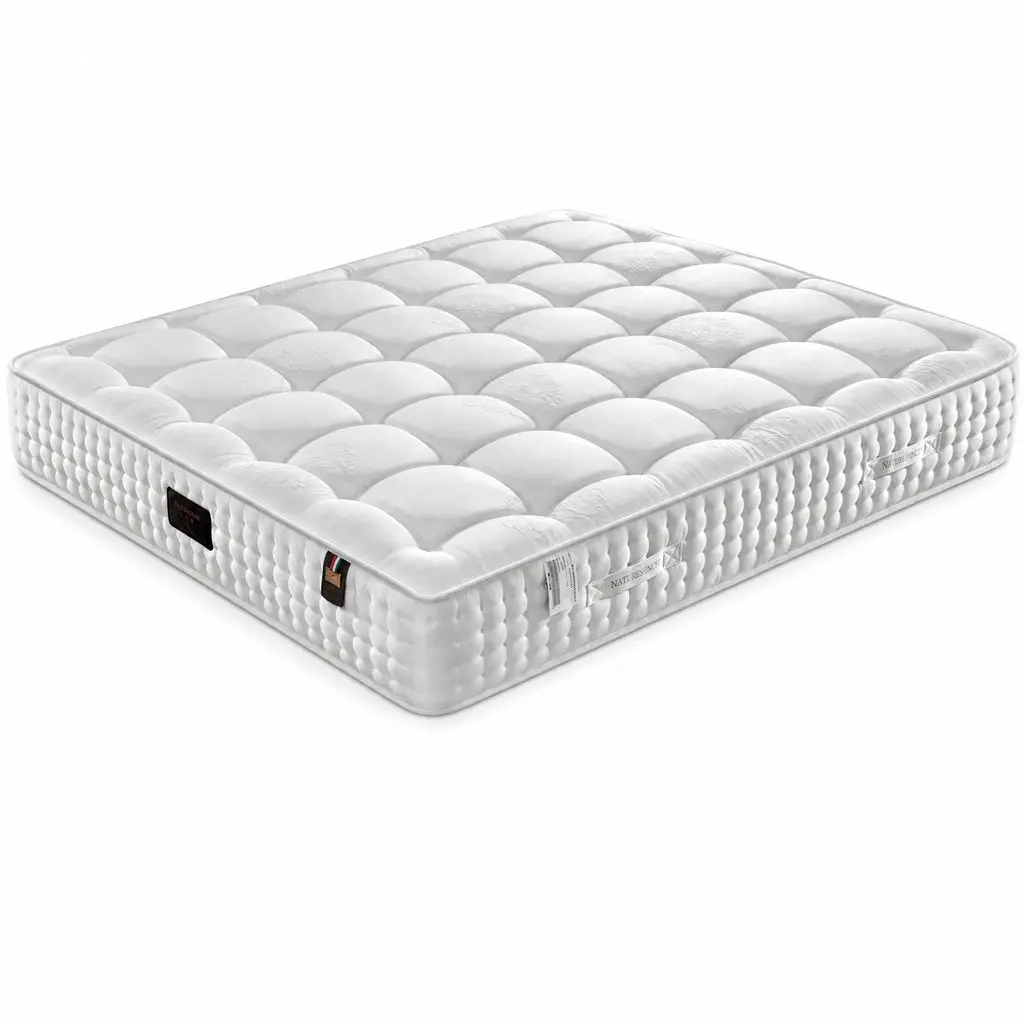
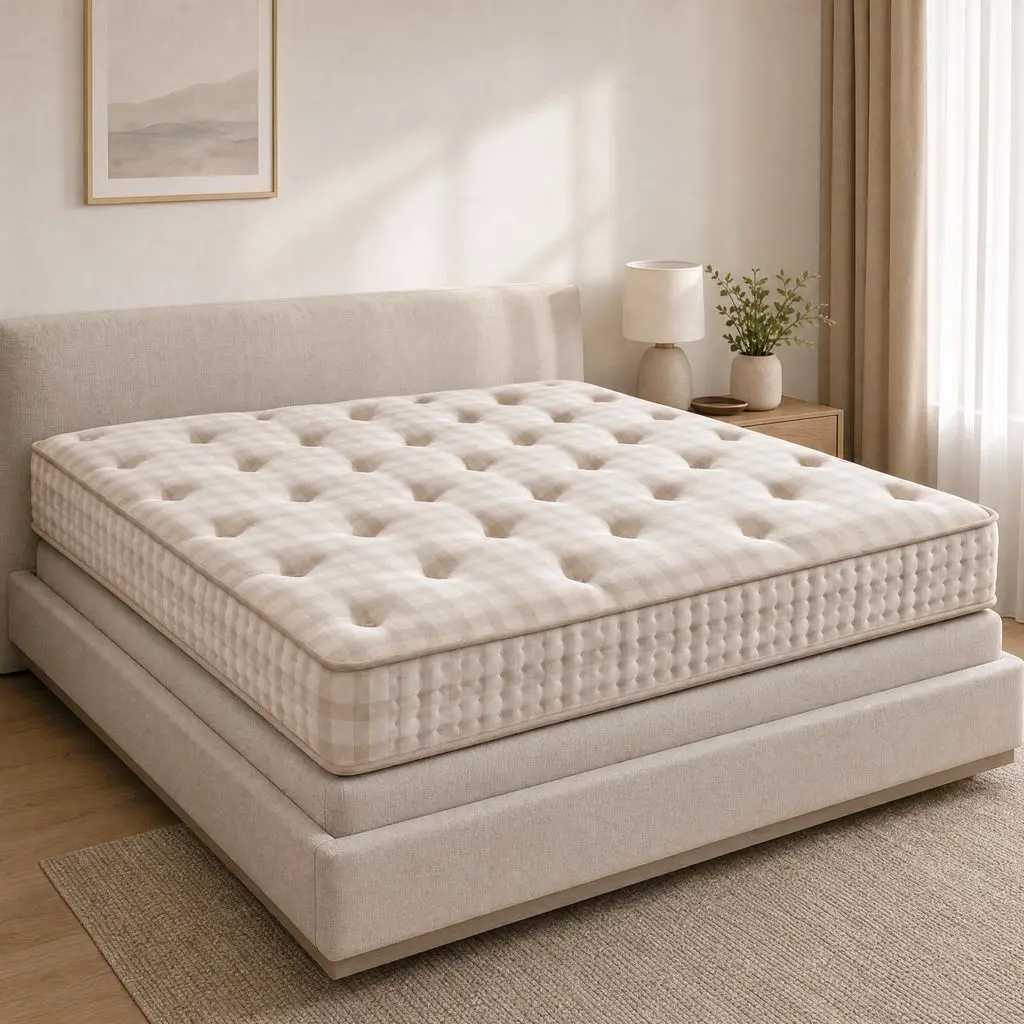
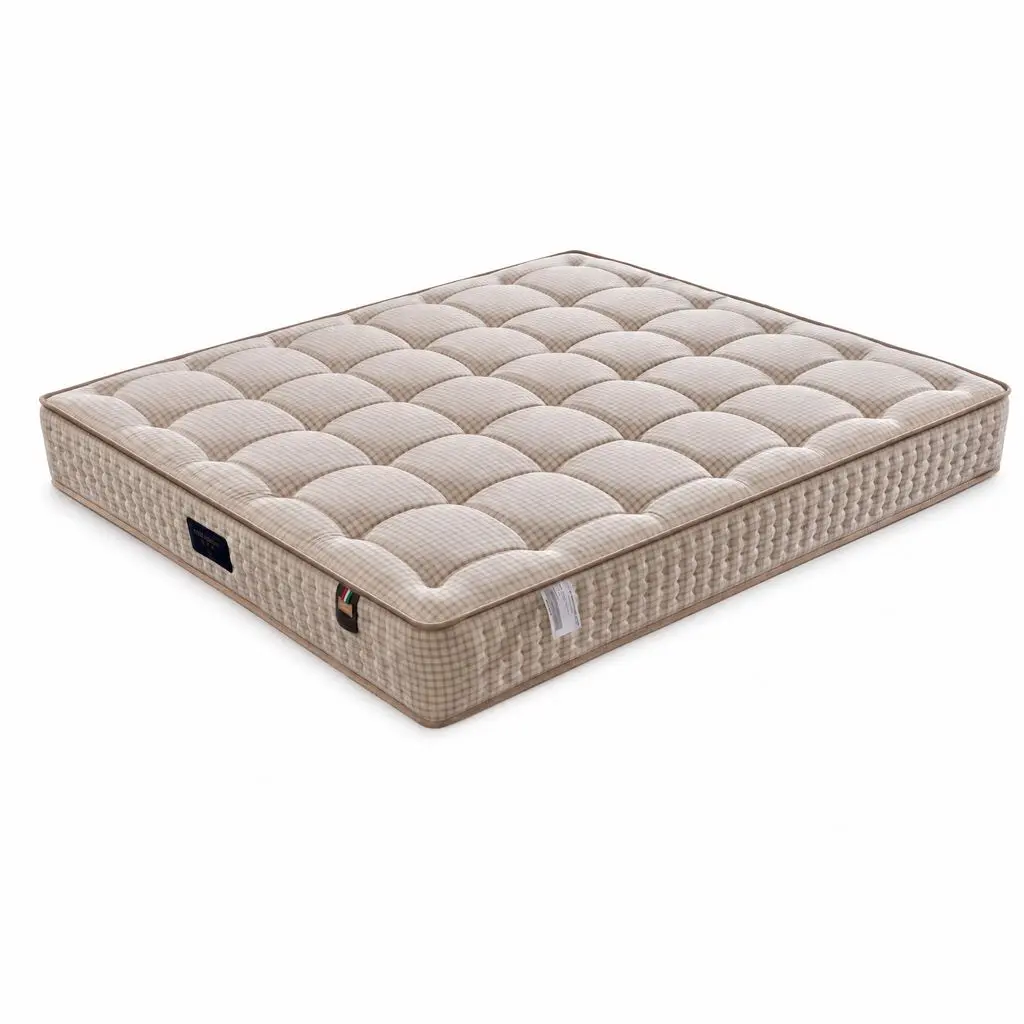
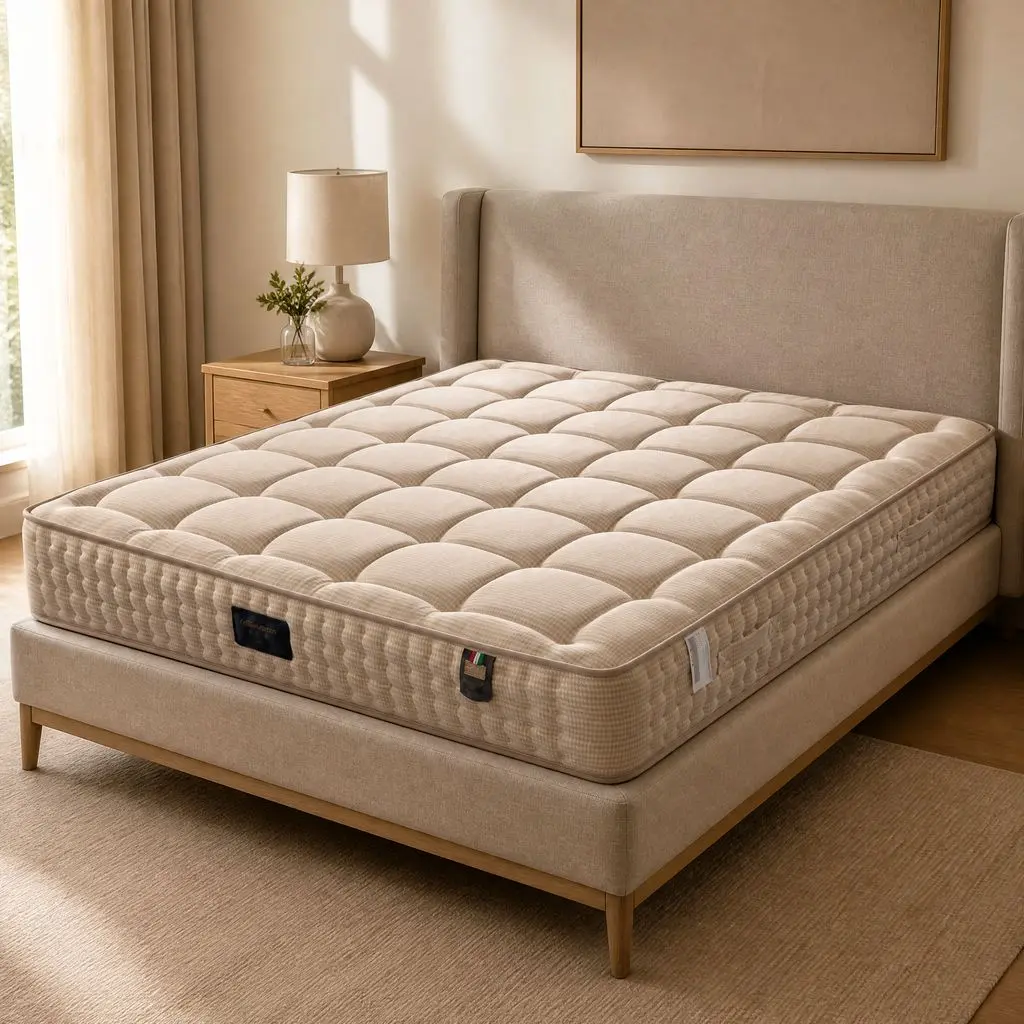
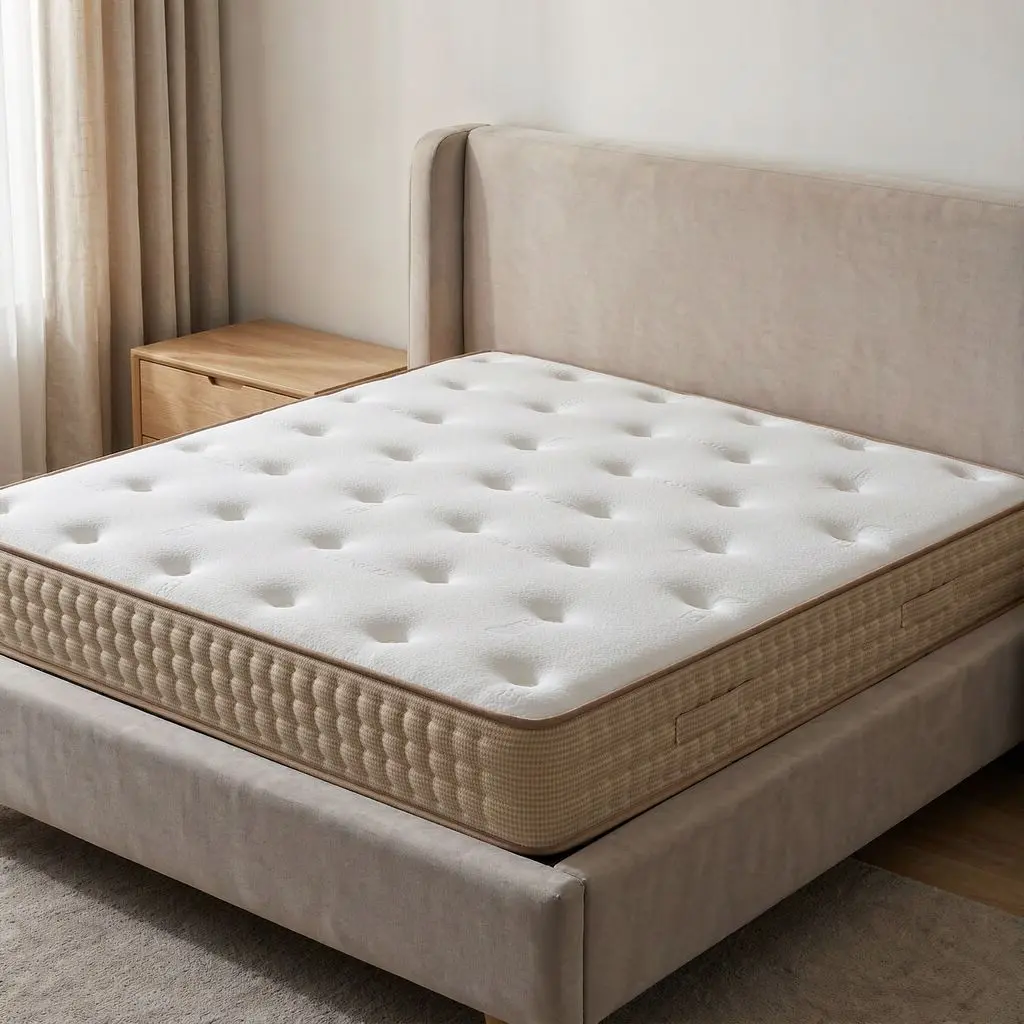
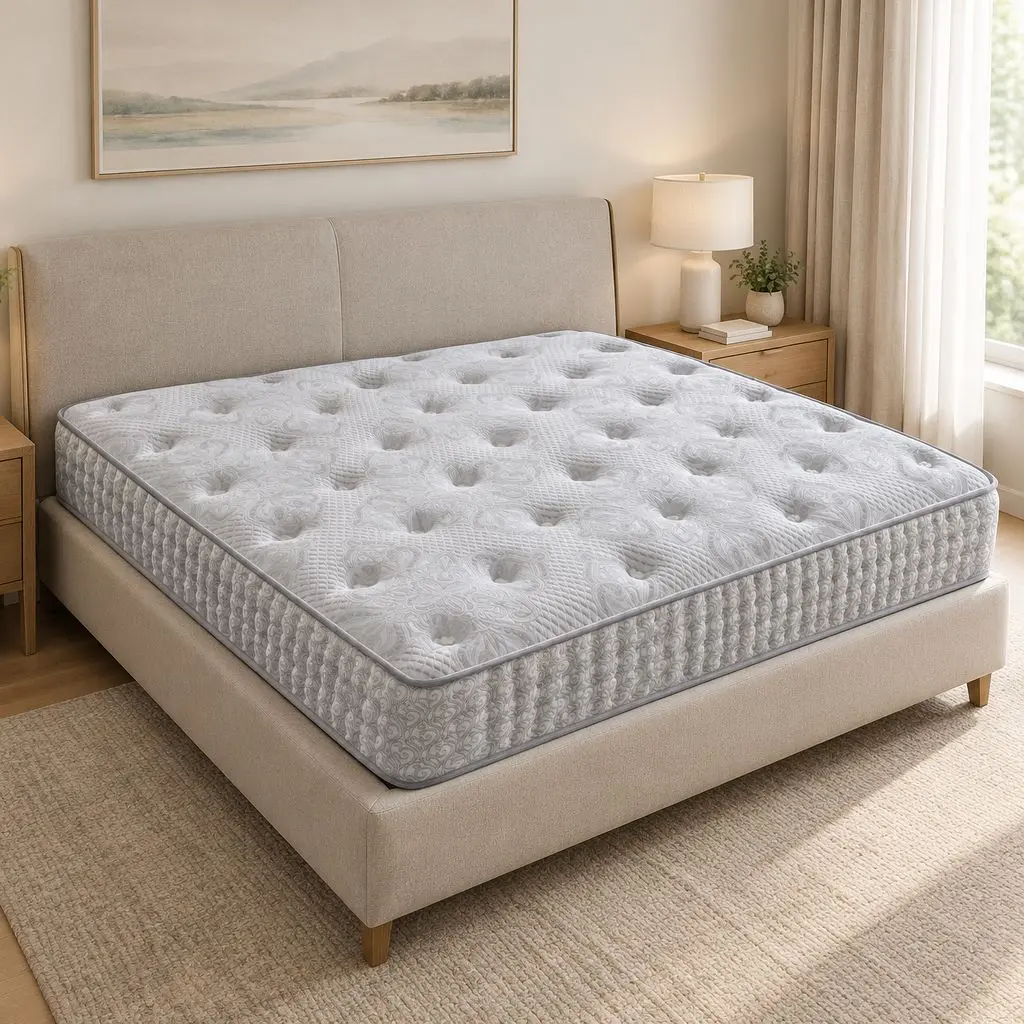
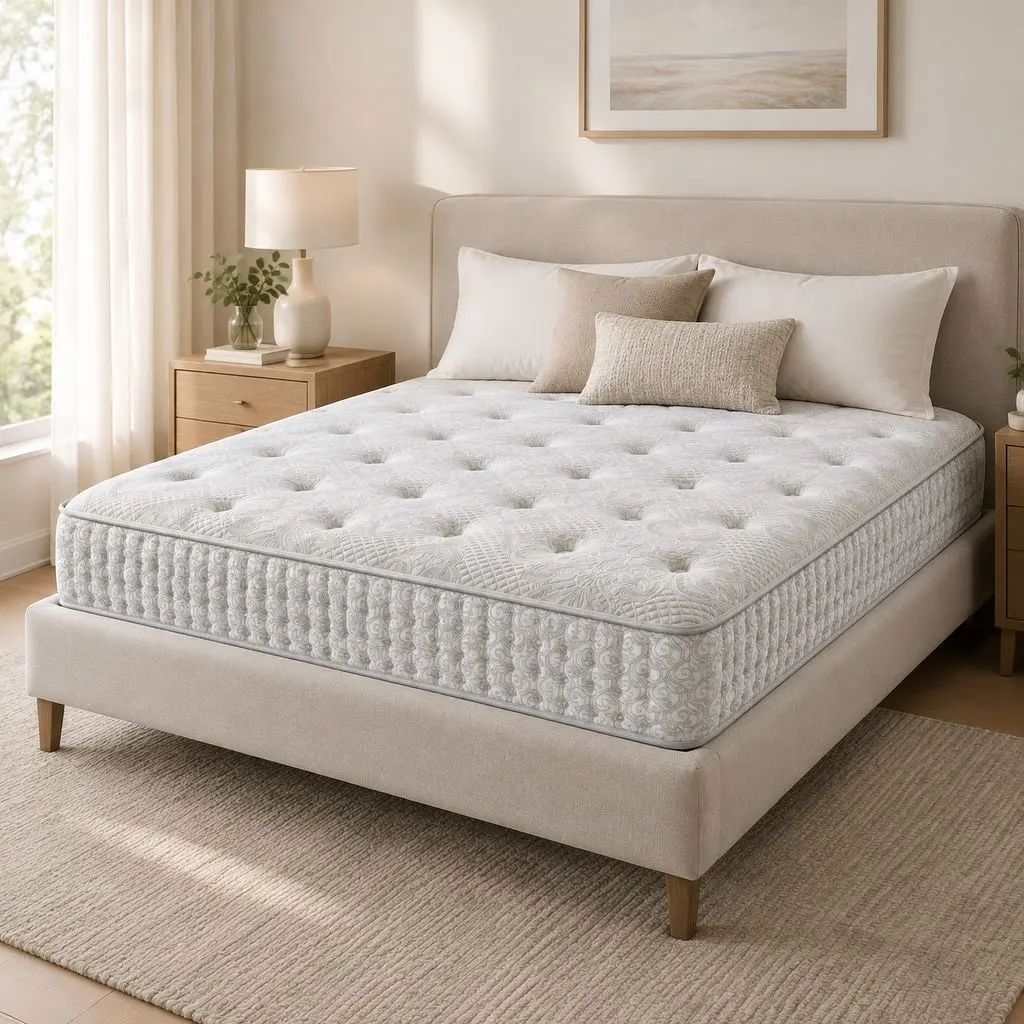
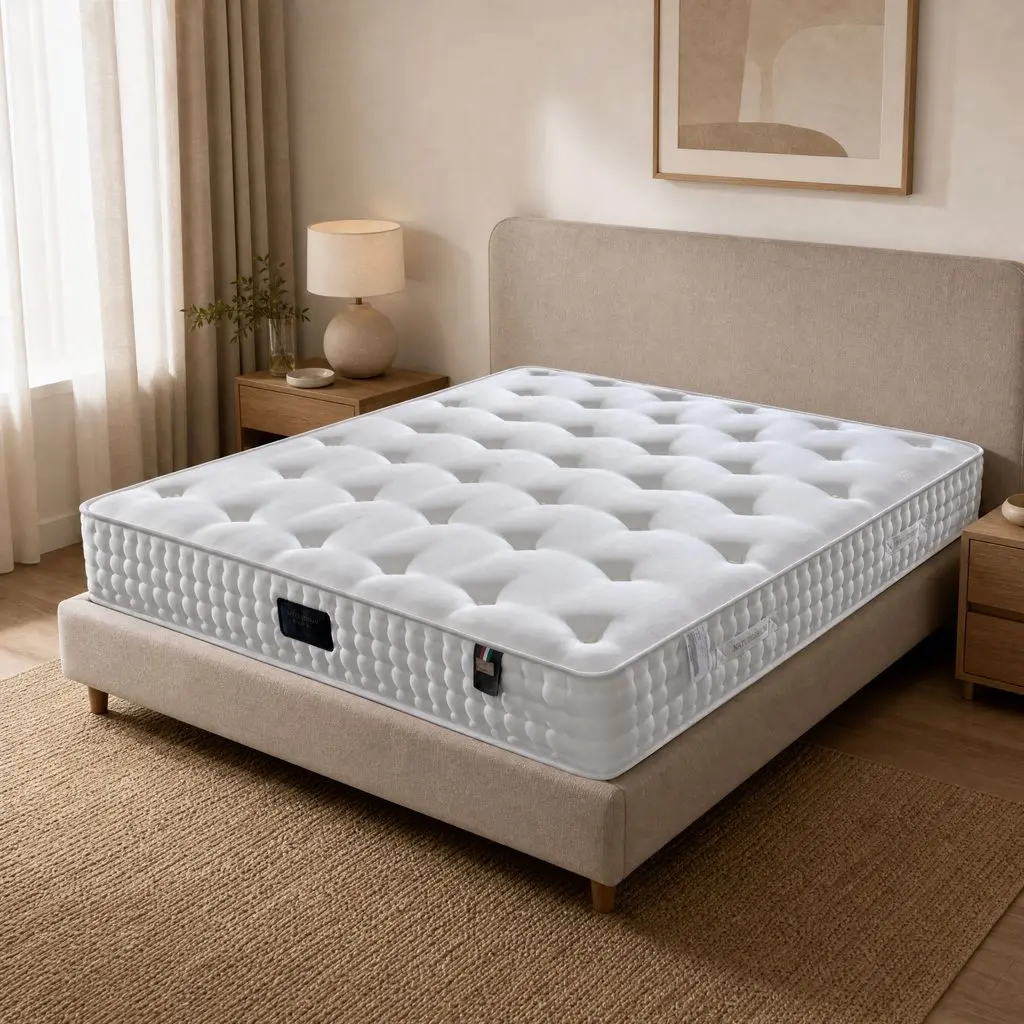
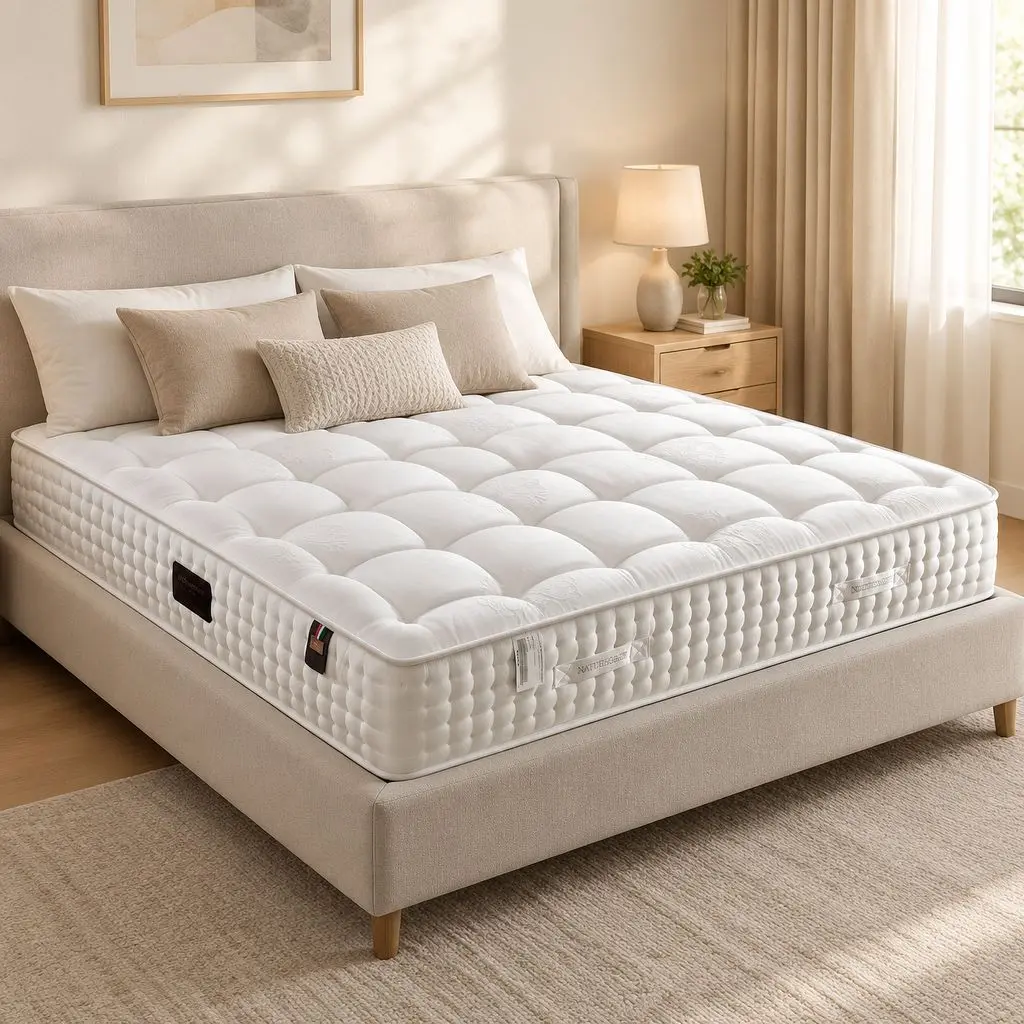
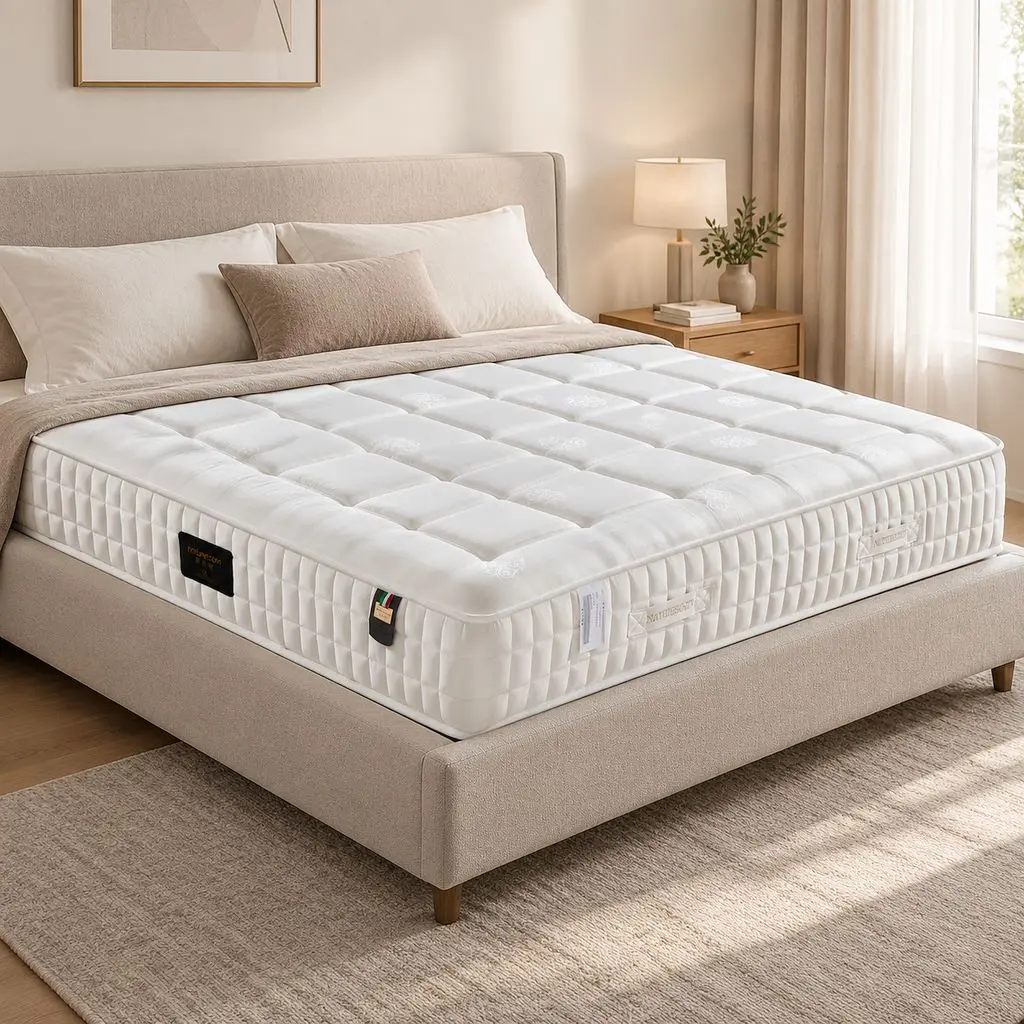
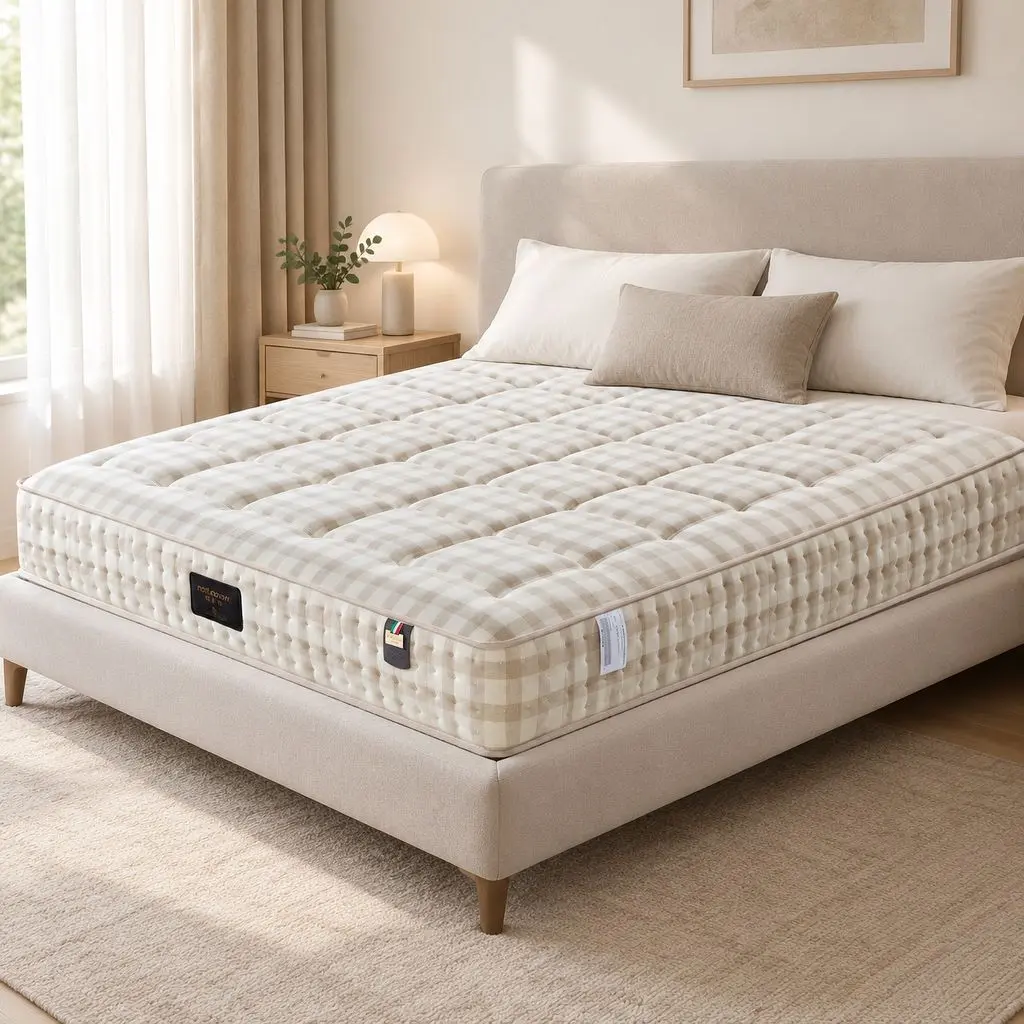
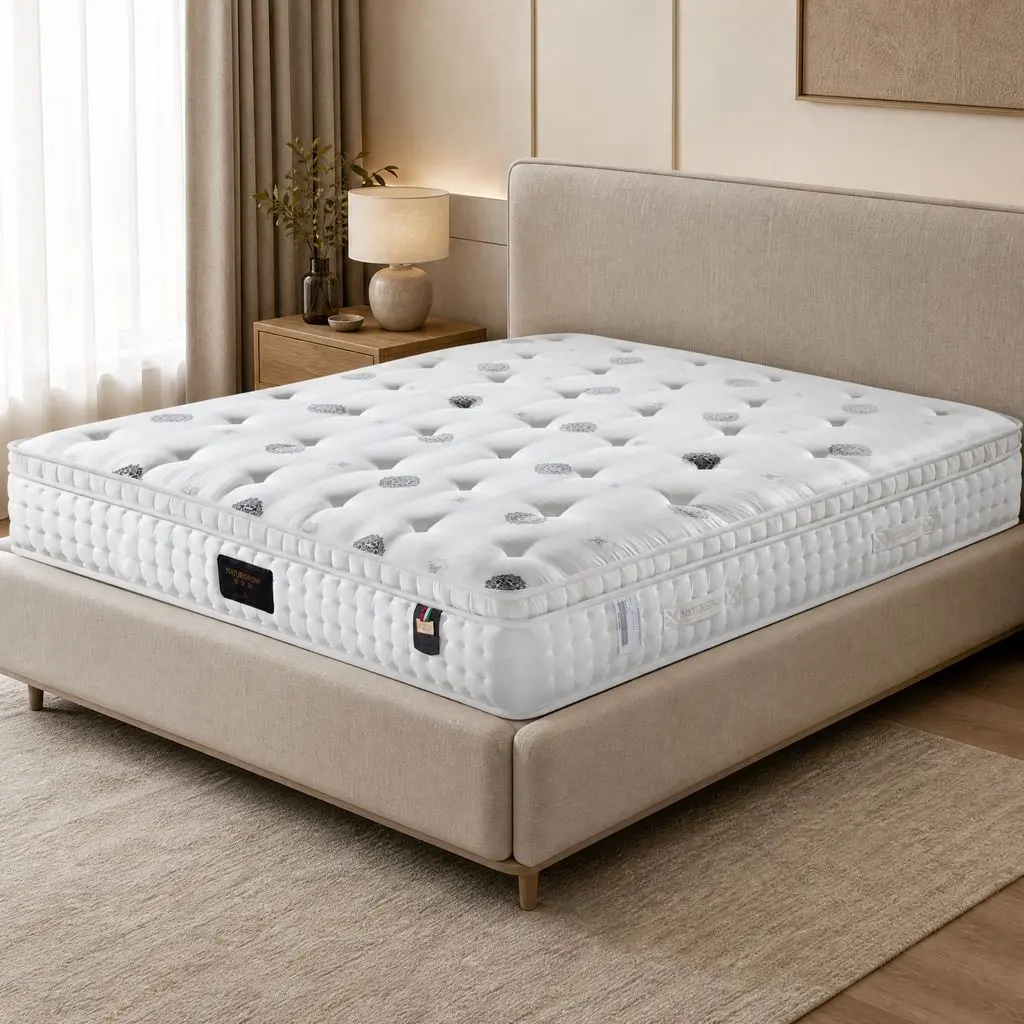
Each model below is produced in-house with independent pocket springs, mini bubble springs, Thai imported latex and woven technical fabrics — the same platforms we supply to European importers, boutique sleep retailers and hospitality specifiers.
Milan is not simply a large Italian city — it is the commercial and design capital of Lombardy, the wealthiest and most industrialised region in Italy. Its furniture and interior ecosystem clusters around the Salone del Mobile and the Fiera Milano Rho exhibition complex, where global buyers, contract specifiers and design studios converge every April. For a mattress manufacturer, Milan therefore functions as a trend-setting showroom and a distribution springboard into Switzerland, France, Austria and the wider DACH region.
At the same time, the local retail landscape is fragmented and quality-sensitive. Independent sleep specialists, multi-brand bedding chains, boutique hotels, serviced apartments, student-housing operators and short-let managers along the Milan–Monza–Brianza corridor all source differently — but they share a common requirement: verifiable construction quality, certified materials and reliable delivery windows that match European project schedules.
This is precisely where a factory-direct partner with an export discipline outperforms a generic trading intermediary. Mattress weight-to-volume ratios make freight a material cost driver; the winners are suppliers who can consolidate mixed models into one container and keep packaging tight, durable and humidity-resistant.
Milanese consumers treat the bedroom as an interior-design statement. Fabric hand-feel, quilting patterns, edge finishing and colour coordination with upholstered beds matter as much as spring count. Our handcrafted platforms let retailers build a differentiated in-store story rather than compete purely on price.
Milan hosts a dense pipeline of hotel refurbishments, aparthotels and design-led short-let conversions. Contract buyers need repeatable specifications, consistent firmness across production batches and the ability to reorder the identical build eighteen months later.
Rising rents on prime Milanese retail streets squeeze gross margins. Buying factory-direct, with consolidated shipping and OEM labelling, allows local wholesalers to protect margin without downgrading the perceived quality of the range.
Sourcing strategy in the mattress category has shifted materially over the past five years. The trends below are the ones our Milan and broader European buyers raise most often during specification conversations.
Pure-foam beds are losing share to hybrid builds that combine pocket springs with latex or memory-foam comfort layers. Retailers want a tangible in-store differentiator, and a spring-plus-latex sandwich is easier to demonstrate than a foam block.
European buyers increasingly request documented material composition, low-emission foam declarations and traceable latex sourcing. Suppliers who can pre-empt these requests shorten the qualification cycle considerably.
For e-commerce and urban delivery, roll-packed mattresses reduce freight volume dramatically. Buyers now ask suppliers to support both flat-packed container loads and compressed retail-ready formats.
Multi-brand retailers and marketplace sellers want their own label on the product. OEM branding — woven labels, embroidered logos, custom packaging and product photography — has become a baseline expectation rather than a premium add-on.
Motorised adjustable bases and split-firmness configurations are moving from luxury niche to mainstream premium. Milanese design-oriented consumers are an early-adopter segment for these products.
Post-pandemic procurement teams score suppliers on buffer inventory, multi-line production capacity and the ability to switch fabric or foam grades without re-qualifying the whole order. Resilience is now a tender requirement.
Our production base sits in Shunde, Foshan — the core of the Greater Bay Area furniture and bedding cluster. Over the last decade this region has transitioned from labour-intensive assembly to a partially automated, data-instrumented manufacturing model that international buyers now rely on for both cost efficiency and supply continuity.
In practical terms, Factory 4.0 capability shows up in four places that matter to a Milan-based wholesale buyer:
For European buyers, the combined effect is a supplier that behaves like a domestic factory in terms of responsiveness, but at a landed cost that still supports healthy retail margin.
Thai latex, natural jute, cotton-linen and technical knit fabrics are held in qualified supplier pools, so a Milanese buyer can change a cover grade mid-season without restarting tooling or re-qualifying the spring unit.
A mattress specification that works for a Milan penthouse will not automatically suit a Navigli short-let operator or a Brianza furniture showroom. Below are the actual application scenarios we configure for buyers in and around Milan.
Boutique sleep retailers and furniture showrooms along the top design districts need a hero product with a compelling hand-feel story. Handcrafted tufting, Thai latex layers and cotton-linen covers give sales teams something tactile to explain to a design-literate Milanese clientele.
Hospitality operators in the Milan metro require a balance of guest comfort, durability and firewall-relevant compliance. We supply medium-firm pocket-spring builds with reinforced edges that hold their shape through high occupancy cycles, and we can lock a specification for repeat refurbishment waves.
Distributors serving Lombardy and neighbouring regions often need a mattress line that coordinates with the upholstered beds they already source. Because we manufacture both categories, buyers can align fabric references, colour codes and container loading in a single purchase order.
New residential schemes and student accommodation in the Milan hinterland require volume consistency rather than design differentiation. We run dedicated production windows for large homogeneous orders, with uniform packaging and palletised loading for site delivery.
Across Europe, the Middle East, North America and Oceania, the procurement requirements converge on a consistent set of commercial and technical asks. Understanding them up-front is the fastest path to a smooth first container.
Buyers want low minimums to test a market, then scaling headroom once a model proves itself. We structure MOQs per model rather than per order, so a mixed container can carry several designs at viable quantities.
Once a build is approved, it must not drift. Firmness, ticking weight, quilting depth and spring gauge are documented and held for reorders, which matters for contract buyers locked into multi-year supply agreements.
Material declarations, fire-performance data where applicable and packing lists aligned to destination requirements are prepared before shipment to avoid customs surprises.
Mattresses ship by volume, not by weight. We plan stacking, compression and mixed-category loading so buyers extract maximum value per cubic metre of ocean freight.
Labels, packaging artwork, care instructions and product photography can all be produced to the buyer's brand standards, removing the need for a secondary local processing step.
Pre-production samples confirm dimensions, cover hand-feel and comfort profile before mass production begins, reducing the risk of a rejected first container.
Share your target price band, comfort profile and container plan. Our export team will return a specification proposal, fabric options and a landed-cost estimate — typically within two business days.
Send Inquiry NowDirect answers to the questions our wholesale and project buyers ask most often before placing a first mattress order.
We are the export brand of Foshan Qingyumai Technology Co., Ltd., an integrated manufacturer with our own production facility in Shunde, Foshan. Mattress platforms are built in-house, and for mixed whole-house orders we coordinate a network of audited partner factories so every category ships under one quality standard and one purchase order.
Yes. Because both categories are manufactured within the same ecosystem, we can align fabric references, colour codes and quilting tones between the bed frame and the mattress ticking. This is particularly valuable for Milanese retailers that display beds and mattresses together on the showroom floor.
MOQs are set per model rather than per order, which allows a mixed container to carry several designs at viable quantities. A first trial container can combine a small number of hero models with a broader range of complementary builds, and volumes scale from there.
Yes. Customization covers dimensions, spring gauge and configuration, latex and memory-foam layer thickness, cover fabric grade and hand-feel, quilting patterns, and branding — including woven labels, embroidered logos, branded packaging and photography produced to your specifications.
Our QC engineers carry out on-site production line audits and record compression, resilience and seam-strength checks per batch rather than sampling at random. Approved specifications are documented and held for reorders so a build does not drift between shipments.
Yes. Our post-sale team handles container consolidation across categories, planning loading space to reduce ocean freight cost per unit. Mattresses are typically stacked and compression-managed to make the most of available cubic volume alongside beds, sofas or casegoods.
Lead times depend on model mix, customization depth and current production load. A standard configuration with in-stock materials typically moves through production in a few weeks, followed by ocean transit to a Northern Italian port. Exact timelines are confirmed at quotation stage.
Yes. Both flat-packed container loads and compressed, retail-ready formats can be discussed during specification. Compression is a logistics decision driven by your sales channel — a showroom retailer and a marketplace seller will typically choose different formats.

Eight further platforms covering memory foam, double-sided jacquard, woven cotton and hand-tufted constructions — available for OEM specification, private label and container consolidation.