 Lounge System
Featured Blueprints
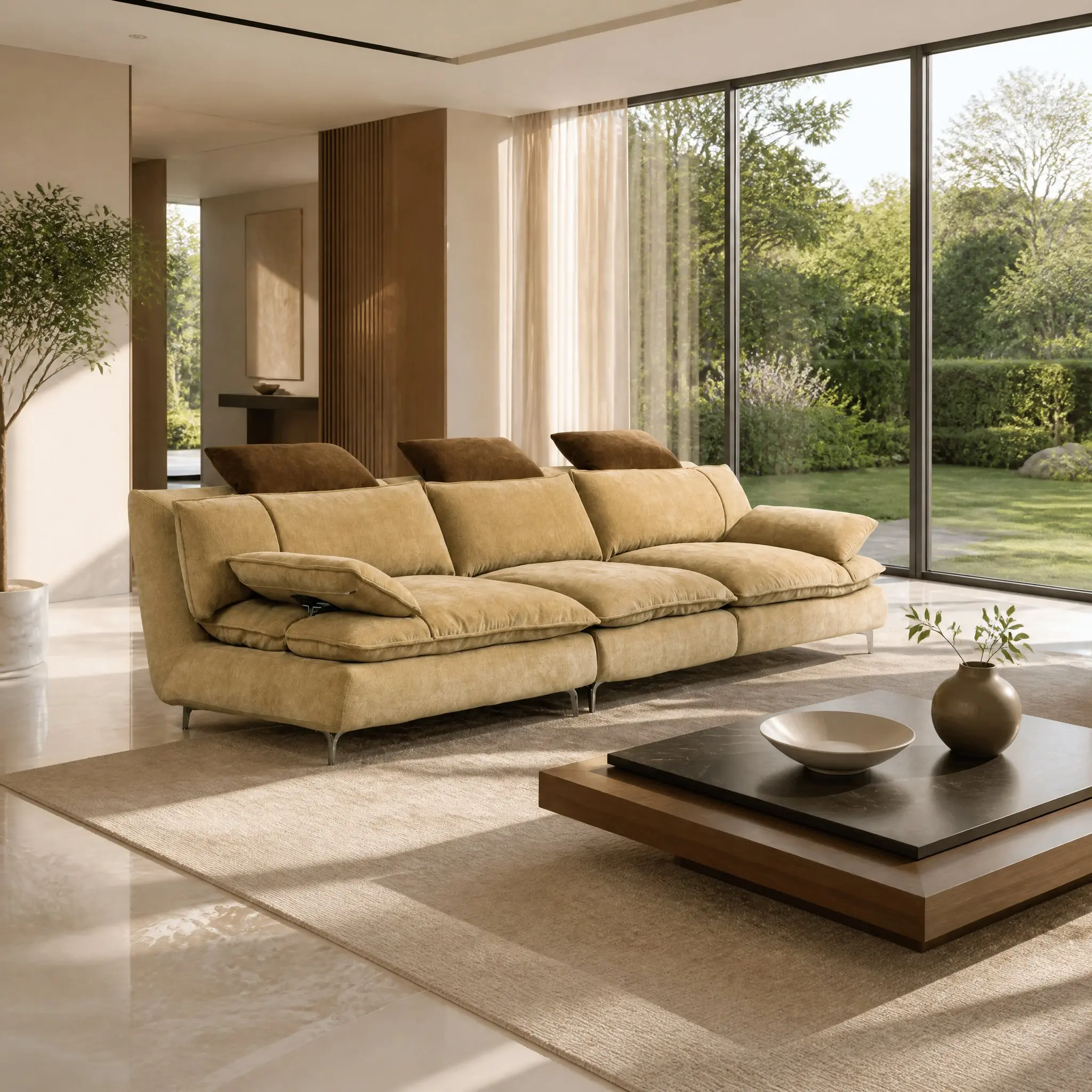
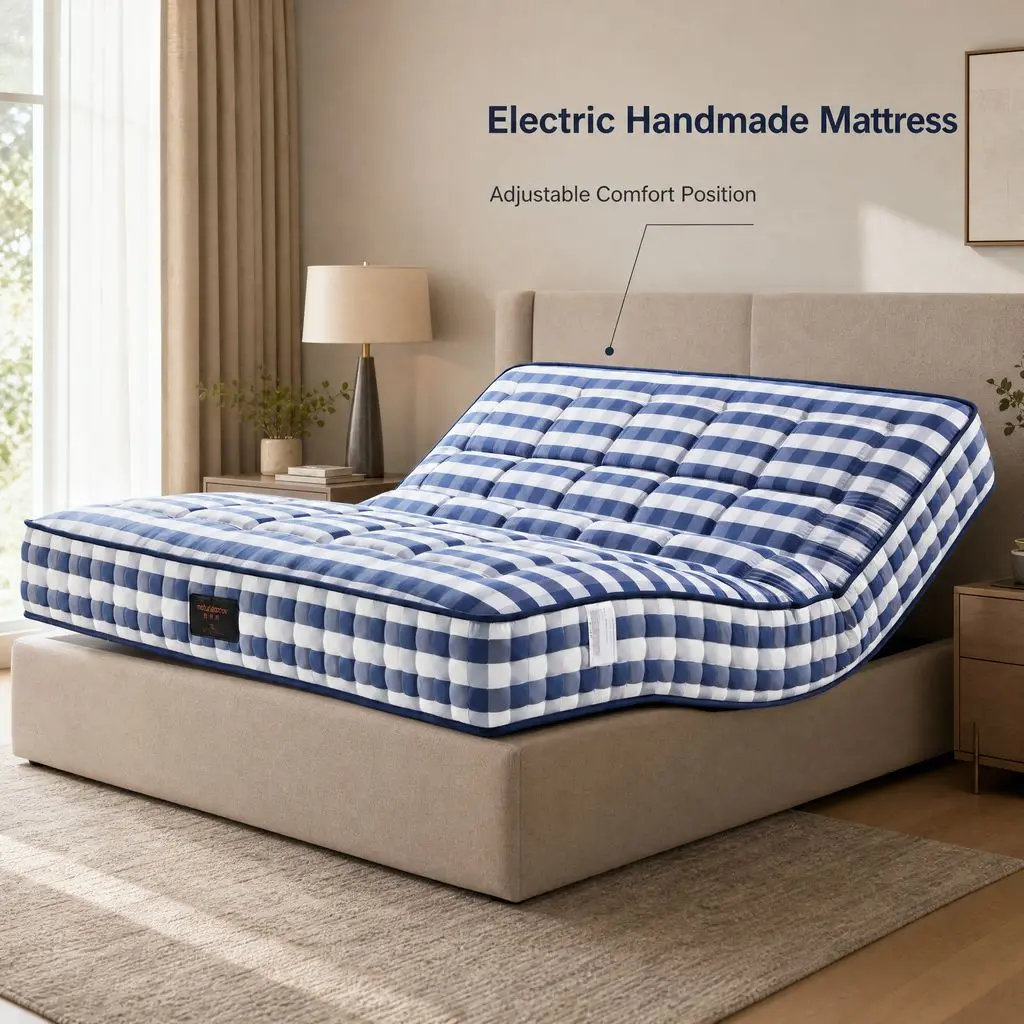
Core Production Models Suitable for Kazakhstan Terraces & Hospitality Projects
These four models anchor our Central Asia program. Each can be re-specified with UV-stable fabrics, frost-tolerant timber and powder-coated frames rated for the extreme continental climate of Kazakhstan, where summer temperature swings of 35 °C and winter lows of −30 °C are standard in the north.
Lounge System
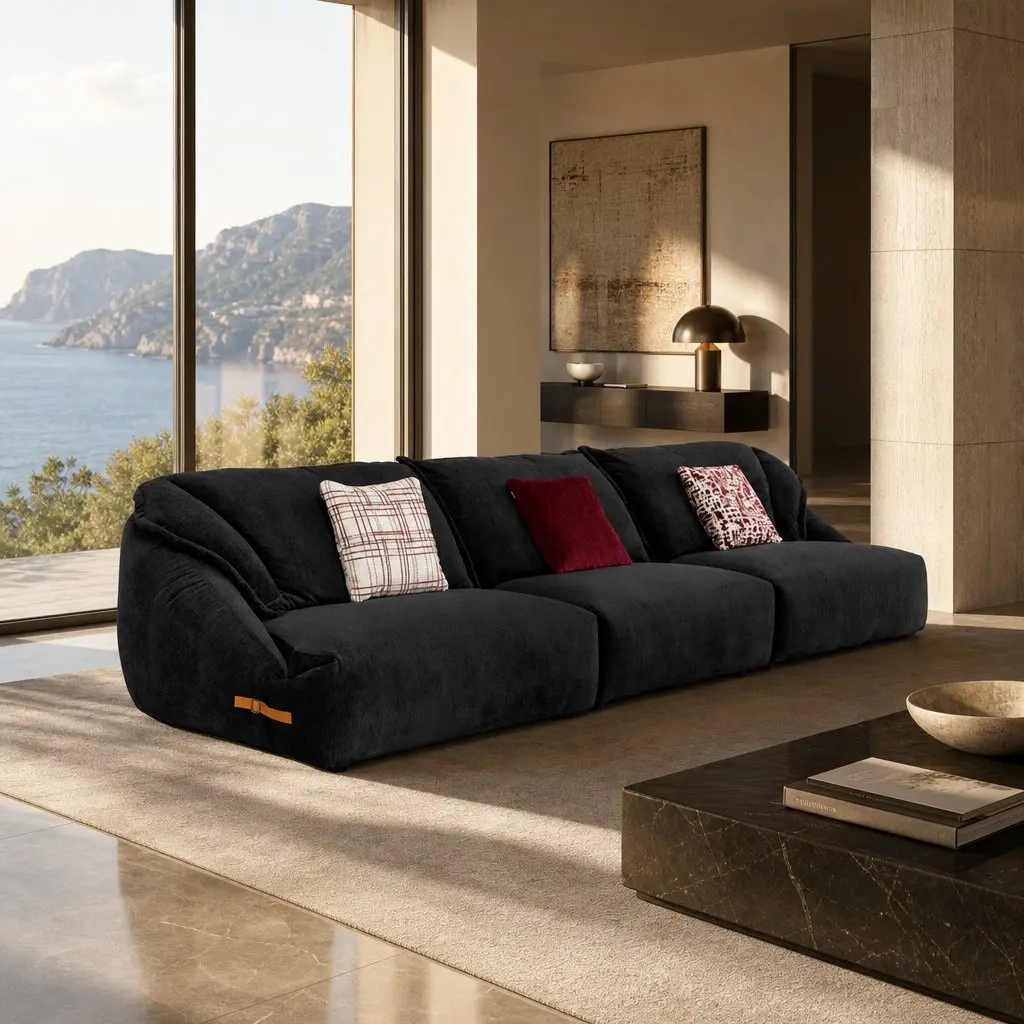 Designer Series
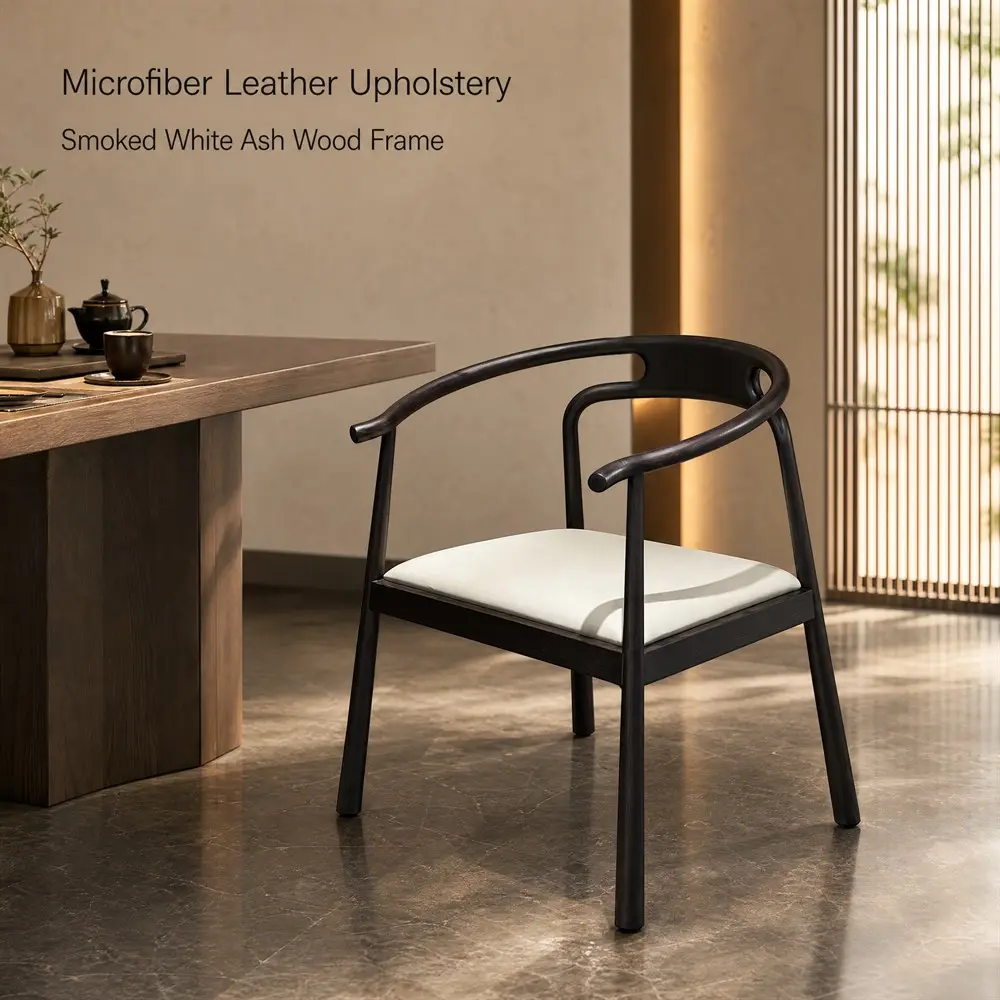 Dining Outdoor
 Hospitality
Market Intelligence
Why Kazakhstan Is Now a Priority Market for Outdoor Dining Furniture
Kazakhstan is no longer a marginal destination for outdoor furniture. Between 2021 and 2025, urban renewal programs in Almaty and Astana, a fast-growing middle class and the expansion of domestic hospitality have created sustained demand for terraces, rooftop restaurants and landscaped residential courtyards — all of which require professionally specified outdoor dining sets rather than the lightweight retail imports that filled the category a decade ago.
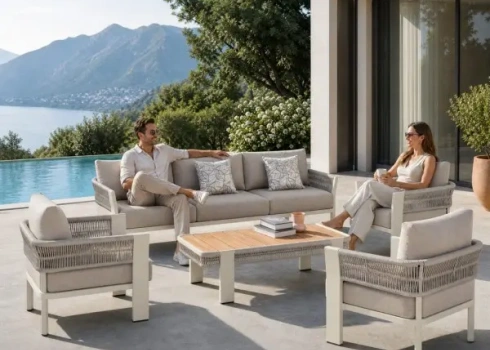
Climate is the single largest design driver. Kazakhstan is the world's largest landlocked country, and its furniture specification follows that geography. Northern regions such as Astana and Kostanay experience a sharply continental climate: winter temperatures routinely fall below −25 °C, and summer highs can exceed 35 °C within the same product lifecycle. Southern and western regions — Almaty, Shymkent, Aktau, Atyrau — are warmer but exposed to intense UV radiation and dust-laden winds from the steppe.
Buyers who import European or Southeast Asian outdoor furniture without adapting the specification frequently see premature failures within two seasons: fade in solution-dyed acrylics that were never UV-stabilised, cracking in low-grade HDPE rattan, and frame corrosion where powder coating thickness falls below 60 µm. Our Kazakhstan program addresses these conditions from the engineering stage rather than the sales stage.
- Temperature range engineering: −35 °C to +45 °C tested frame and cushion assembly
- UV-stabilised fabric grades with 1,500+ hour QUV accelerated weathering data
- EAC-compliant documentation packages for customs clearance into the EAEU
10+Years exporting furniture to CIS and Central Asian markets
19Furniture categories consolidated under one purchase order
100+Original structural and design patents in our portfolio
−35°CRecommended minimum operating temperature for our northern specification line
Technical Route & Global Benchmark
How Our Outdoor Dining Sets Are Engineered for Long-Life Performance
Global outdoor furniture engineering follows three broad material philosophies: aluminum-and-rope construction, powder-coated steel, and solid timber (teak or iroko). Each has a different cost, weight, maintenance and climate-resilience profile. The matrix below reflects how we deploy these platforms for Kazakhstan and comparable continental markets such as Russia, Uzbekistan, Mongolia and northern China.
| Frame Platform | Best For | Kazakhstan Suitability | Maintenance Profile |
|---|---|---|---|
| Powder-coated aluminum (6005-T5) | Rope-woven dining sets, resort terraces, rooftop restaurants | Excellent — no rust, stable at −35 °C, low weight reduces freight | Annual cleaning; touch-up rarely required |
| Powder-coated carbon steel | Dining chairs, benches, heavy-load restaurant seating | Good — requires ≥ 80 µm coating for northern regions | Inspect joints annually for chipping |
| Solid teak / FSC iroko | Premium hotel terraces, private villas, garden dining | Good for southern regions; annual oiling needed in the north | Re-oil every 12 months in continental climates |
| HPL compact laminate tabletops | Outdoor dining tables, café and restaurant surfaces | Excellent — frost-proof, UV-stable, scratch-resistant | Wipe clean; no seasonal treatment |
Fabric Engineering
Solution-dyed acrylic and olefin cushion covers with UV blockers, mold inhibitors and water-repellent finish, selected for both high-UV and sub-zero conditions.
Structural Testing
Seat load testing at 300 kg static and 120,000-cycle dynamic fatigue for contract-grade chairs; joint and weld inspection at three stages of production.
Corrosion Protection
Three-stage pretreatment (degrease, chromate-free conversion, dry-off) followed by TGIC-free polyester powder coating for 500–1,000 hours salt-spray performance.
Localized Application Scenarios
Where Kazakhstan Buyers Deploy Our Outdoor Dining Sets
Outdoor dining furniture in Kazakhstan does not sell into a single channel. Our specification files are grouped by the six dominant application scenarios we see in Almaty, Astana, Aktau, Shymkent, Atyrau and Karaganda project requests.
Hospitality Terraces
Boutique hotels, resort restaurants and rooftop venues in Almaty and the Caspian coast. Requires high seat durability, weather resistance, easy cleaning and stackability for seasonal storage.
Residential Courtyards
Modern residential compounds and villa developments where a coordinated outdoor dining + lounge set is specified alongside the landscape package.
Restaurant & Café Chains
Expanding QSR and café brands in Astana and Almaty that need uniform table-chair platforms across multiple outlets and rapid reorder capacity.
Caspian & Lakeside Resorts
Aktau, Atyrau and Kolsai lake-area projects requiring salt-air resistant aluminum frames and UV-stable fabric selections.
Public Spaces & Parks
Municipal outdoor dining and picnic areas funded through urban renewal budgets — typically with vandal-resistance and heavy base requirements.
Distributor Warehousing
Kazakh importers holding stock for resale into the local market — requiring container-efficient nesting, retail-ready packaging and mixed-SKU palletisation.
Localized Support & Compliance
Customs, Certification and Logistics — Solved Before Shipment
Exporting to Kazakhstan means navigating the Eurasian Economic Union (EAEU), which Kazakhstan joined together with Russia, Belarus, Armenia and Kyrgyzstan. Our documentation team builds every furniture order around EAEU requirements so that clearance at the Dostyk and Khorgos land crossings — or through Almaty and Astana air freight — proceed without surprise rejections.
- EAC conformity documentation including technical passport templates in Russian and Kazakh
- HS code alignment for outdoor furniture (typically 9401 and 9403 groupings) for predictable duty calculation
- Fumigation and ISPM-15 heat treatment certification for any timber components
- Container optimisation plans for the China–Kazakhstan rail corridor, including 40HQ and 45HQ loading
The result is a fully traceable supply chain from our Foshan facility, through consolidated export warehouses, to your designated warehouse in Almaty, Astana or Aktobe. Where required, we can match your import partner's preferred Incoterms (FOB, CIF, DAP or DDP) and align documentation with their customs broker's checklist.
Compliance note. Final EAC conformity and language requirements depend on the specific SKU, the importer of record and current EAEU technical regulations. Our export team provides a documentation review before every shipment — request the checklist via the inquiry form for your specific order.
Global Industry Context
The Global Outdoor Furniture Industry and What It Means for Kazakhstan Buyers
Globally, outdoor furniture is one of the fastest-growing segments within the wider residential and commercial furniture markets. The shift is driven by three structural forces: the post-pandemic rebalancing of hospitality toward outdoor capacity, municipal investment in public realm assets and the transformation of residential terraces from decoration to usable living space. Kazakhstan sits precisely inside all three trends.
Hospitality Capacity Shift
Hotel and restaurant operators worldwide are allocating a larger share of their F&B and lounge capacity to outdoor and semi-outdoor areas. In Kazakhstan, this has direct implications for rooftop, courtyard and lakeside venues.
Public Realm Investment
Municipal urban renewal budgets across Almaty and Astana have expanded public seating and dining infrastructure. These programs typically require durable, low-maintenance, locally-serviceable furniture.
Material Innovation
Aluminum, HPL and solution-dyed fabrics have displaced traditional rattan in serious projects. Buyers now expect specifications documented rather than described.
For our Kazakhstan partners, this means the market is maturing quickly. The first wave of local outdoor furniture demand in the 2010s was satisfied largely by low-cost retail imports from small regional Chinese suppliers, typically in polyrattan. Today, project buyers ask for documented UV resistance, tested frame capacity, warranty terms and consolidated mixed-container shipping. Those are precisely the areas where a factory program — rather than a catalogue reseller — is decisive.
Technical Roadmap
Future Outlook: From Specification to Long-Life Asset
Our engineering roadmap for outdoor dining products over the next 24–36 months focuses on lifespan, repairability and cold-climate resilience — the three factors that most strongly influence total ownership cost for Kazakhstan buyers.
01
Phase 1 · Specification Standardisation
Publication of a Central Asia specification file per product family, including documented UV, corrosion and thermal-cycle performance, so that distributors can pre-qualify SKUs without bespoke testing requests.
02
Phase 2 · Modular Repairability
Redesign of selected dining chairs and table bases so that individual components — cushions, glides, frame joints — can be replaced in-country without whole-product returns. This lowers after-sales friction and extends service life in remote Kazakh installations.
03
Phase 3 · Cold-Climate Material Upgrades
Broader adoption of low-temperature polymer sliders, thick-wall HPL and UV-stabilised olefin cushion covers tested through accelerated thermal cycling from −35 °C to +50 °C.
04
Phase 4 · Integrated Logistics Support
Extending our documentation and container optimisation services to cover inventory planning, seasonal stock replenishment and reorder cycles aligned with Kazakhstan's construction and tourism calendar.
Planning an Outdoor Project for Kazakhstan?
Send us the room count, rough frame or fabric preference and your destination city. Our export team will return a specification, indicative container loading plan and a documented compliance checklist within two working days.
Extended Catalogue
Related Production Models — Dining, Bedroom & Modular Systems
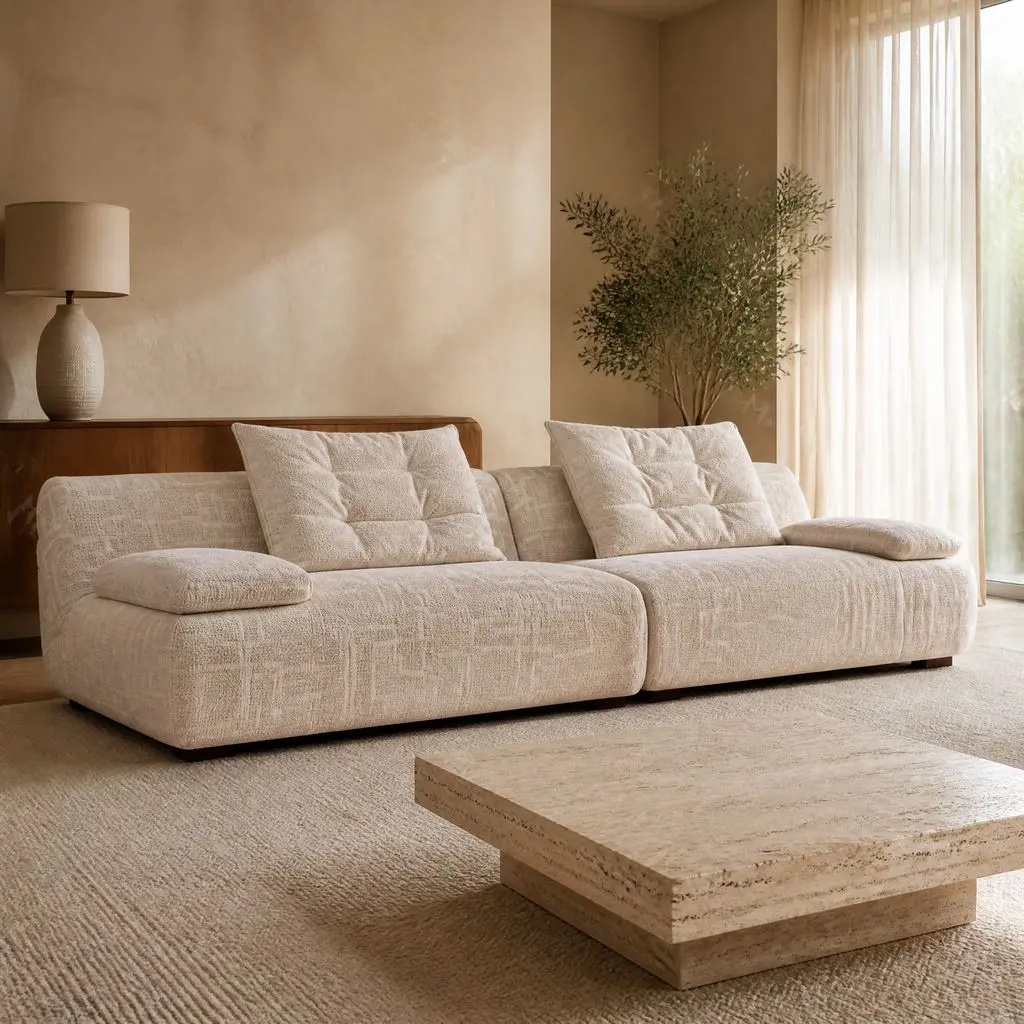
Outdoor programs rarely stand alone. Kazakhstan project buyers typically consolidate dining, bedroom, lounge and outdoor categories into a single container. The models below share our structural and material platforms and can be supplied together under one purchase order, one QC standard and one shipping plan.
 Fabric Sofa
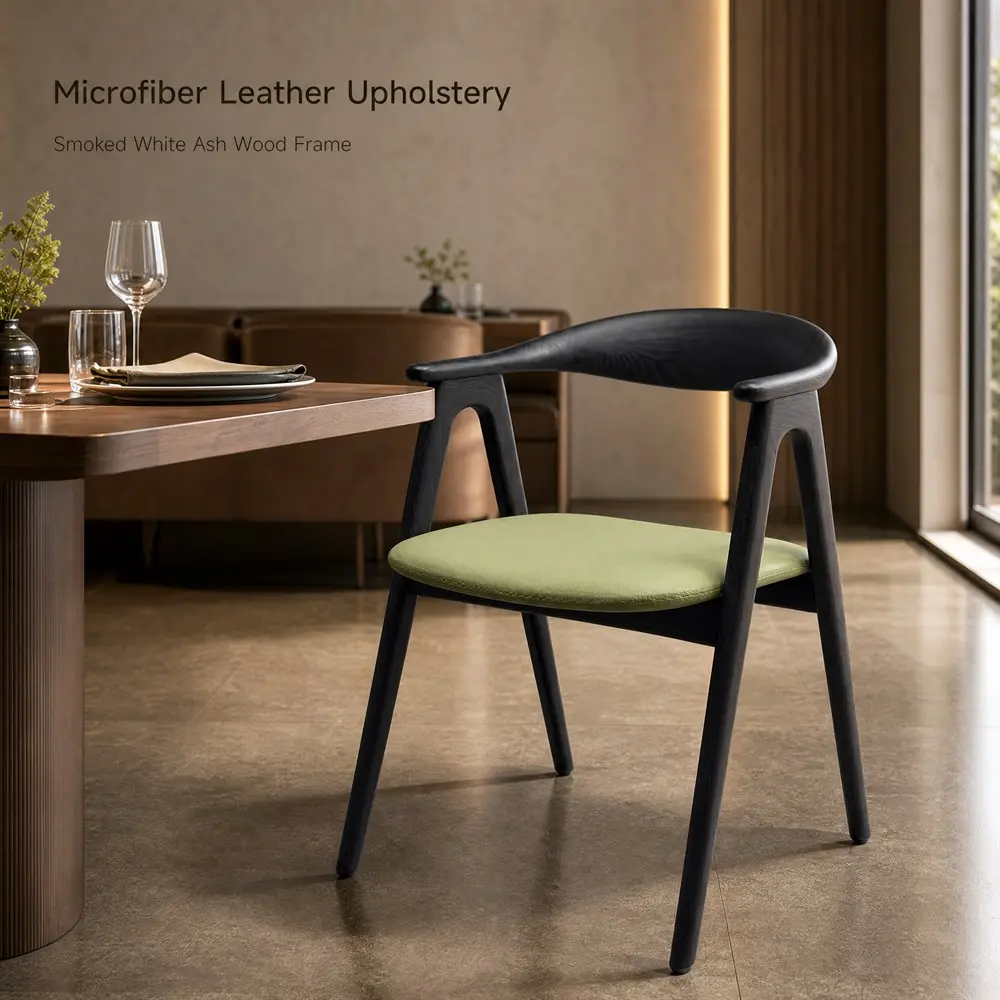 Dining Chair
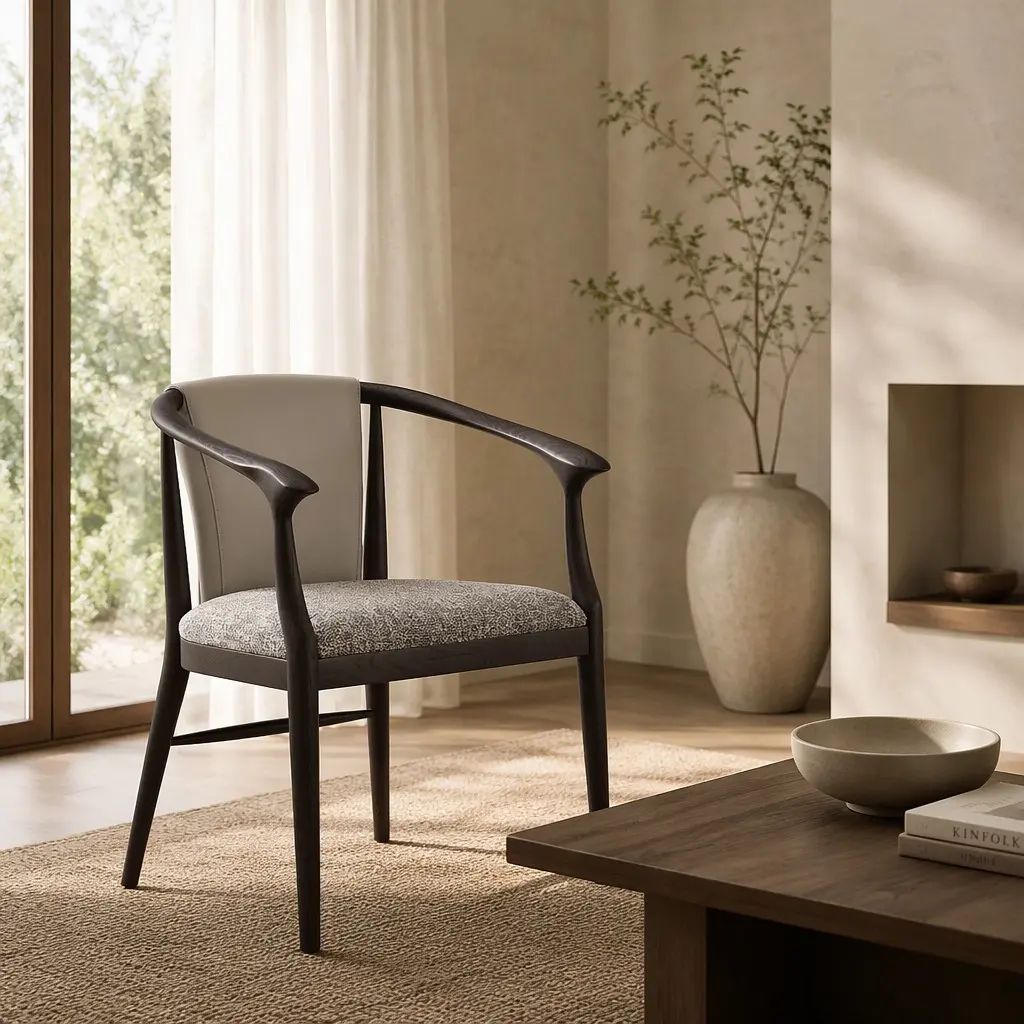 Accent Chair
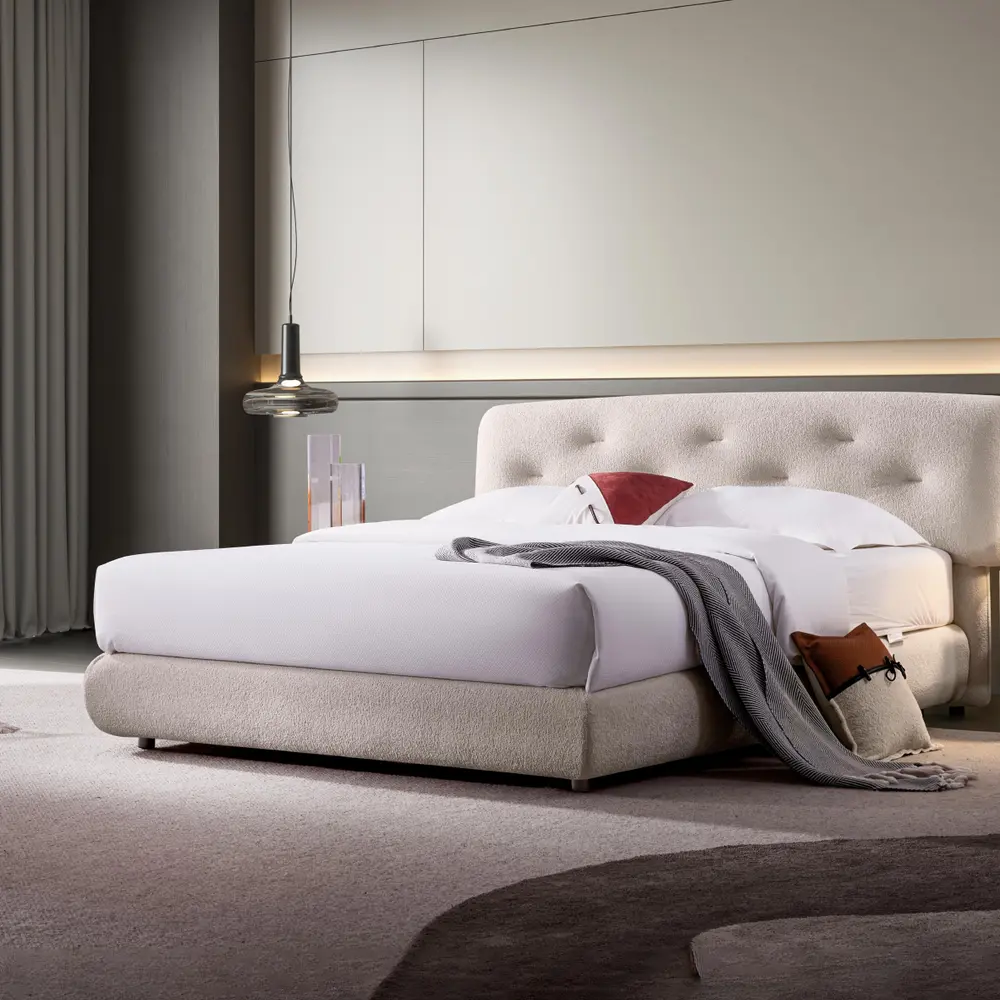 Upholstered Bed
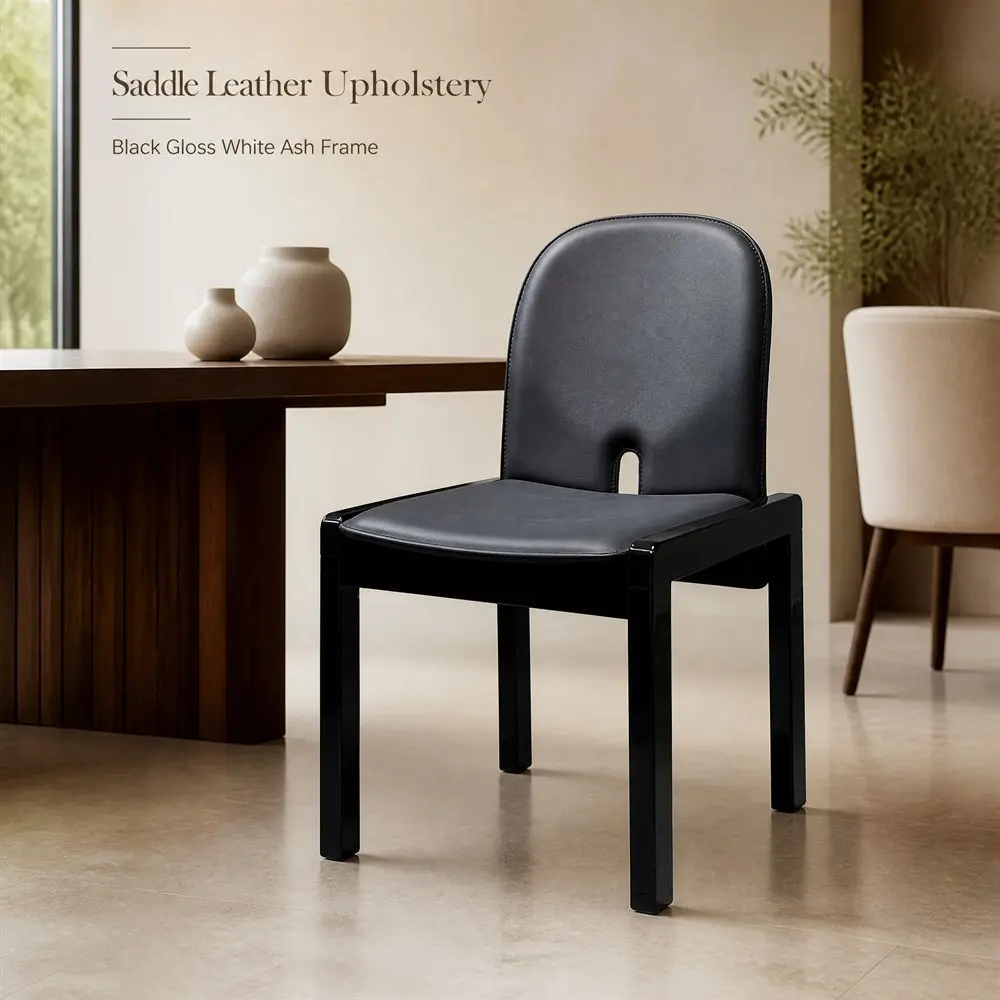 Restaurant Chair
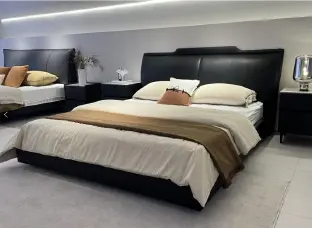 Leather Bed
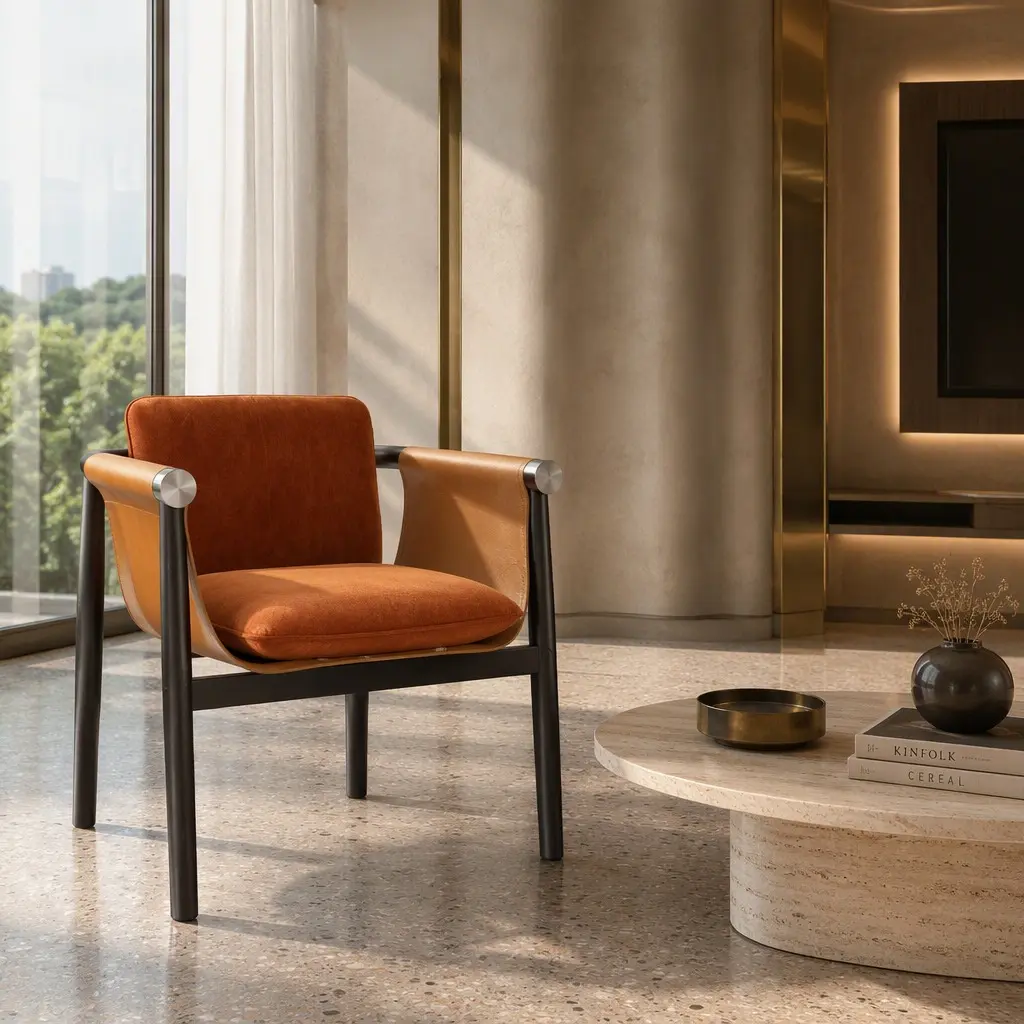 Leisure Chair
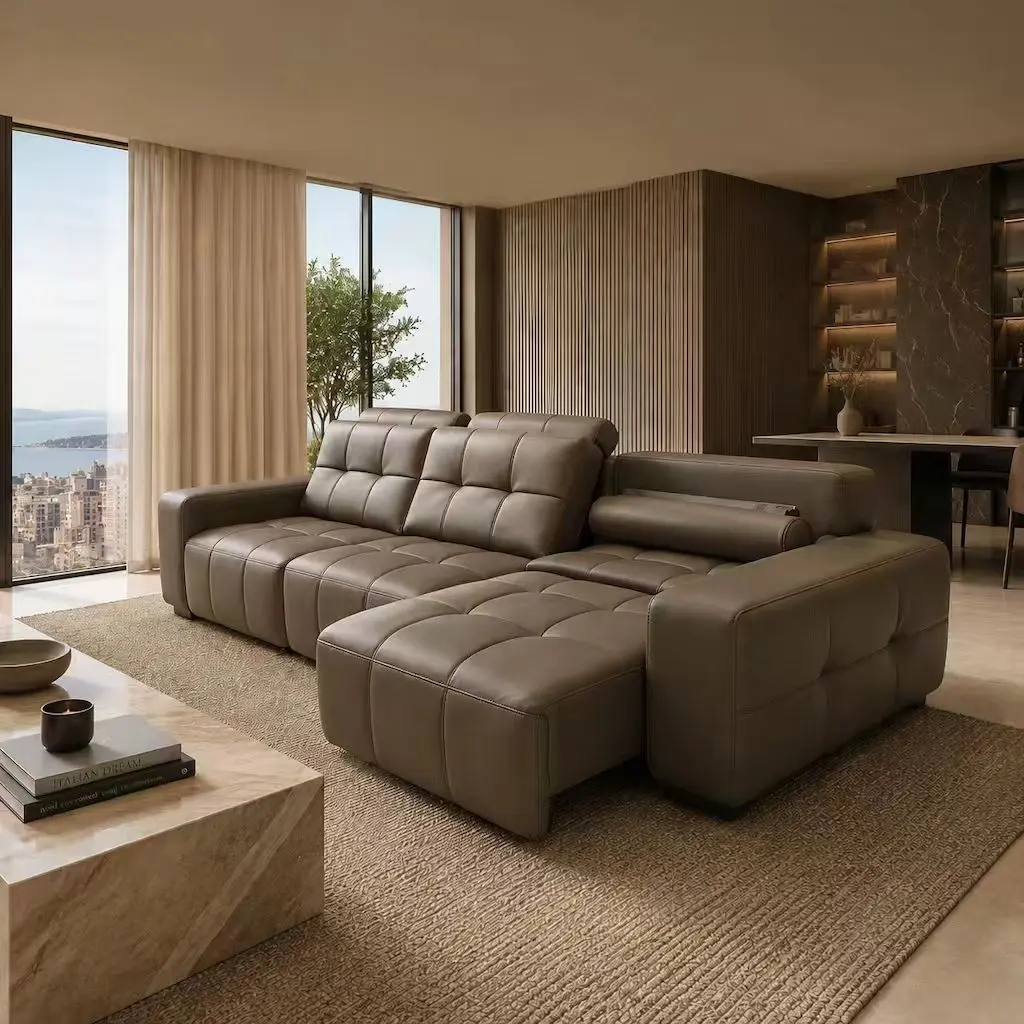 Power Recliner
Buyer Q&A
Send Inquiry Now
Frequently Asked Questions from Kazakhstan Buyers
Questions we receive most often from importers, hospitality procurement teams and project developers specifying outdoor dining furniture for Kazakhstan projects.
Are your outdoor dining sets suitable for Kazakhstan's extreme winter?
Yes, provided the correct specification. Our Kazakhstan program uses powder-coated aluminum frames that do not suffer from the corrosion issues of steel and remain dimensionally stable below −35 °C. Cushions use solution-dyed olefin or acrylic fabrics with mold inhibitors to survive freeze-thaw cycles. We will flag any SKU that requires a different specification for northern regions versus southern regions before the order is confirmed.
What certifications and documentation do you provide for EAEU clearance?
We provide EAC conformity documentation appropriate to the product category, technical passport templates in both Russian and Kazakh when required, HS code guidance, ISPM-15 heat treatment certificates for any timber components, and commercial packing lists formatted for your customs broker. The exact documentation set depends on the SKU and your importer of record — we confirm this at the quotation stage.
Can I combine outdoor dining, sofas, beds and mattresses in one container?
Yes. Our post-sale team handles container consolidation across categories. For Central Asia routes, we plan loading to minimise per-unit ocean or rail freight while using multi-layer export crating that withstands extended overland transit through the China–Kazakhstan corridor. Mixed-category containers are common for Kazakhstan distributors who prefer a single consolidated order.
How long does a typical order to Kazakhstan take?
Lead time depends on whether the SKUs are standard or custom. Standard production runs typically move through the factory within 25–40 days depending on order volume and queue. Rail freight from Foshan via the China–Kazakhstan corridor typically adds 15–22 days to Almaty depending on route and customs queue at Dostyk or Khorgos. We will confirm realistic timing on your specific order — do not rely on general industry averages for planning.
Do you offer OEM branding for local distributors in Kazakhstan?
Yes. We support OEM and ODM orders with custom upholstery, frame colors, fabric grades, woven or embossed branding labels and branded packaging. For distributors building a private label outdoor line, we can work with your provided branding assets or coordinate with a local design partner. Minimum order quantities apply for custom branding and are confirmed per category.
Can you match European reference designs or project specifications?
In many cases, yes. If you provide a reference image, technical drawing or a specification from an interior design firm, our engineering team will assess which of our existing platforms can be adapted and provide a specification proposal. We do not copy protected designs; we develop adaptations within our own patented design framework.
How is quality controlled before the container ships?
Our internal QC engineers carry out on-site production line audits at three stages: material inspection, in-line assembly and pre-shipment finish review. Each order receives a documented QC report with photographs before container loading. Buyers are welcome to arrange third-party inspection or to visit our Foshan facility in person.
Where is your factory, and can buyers visit?
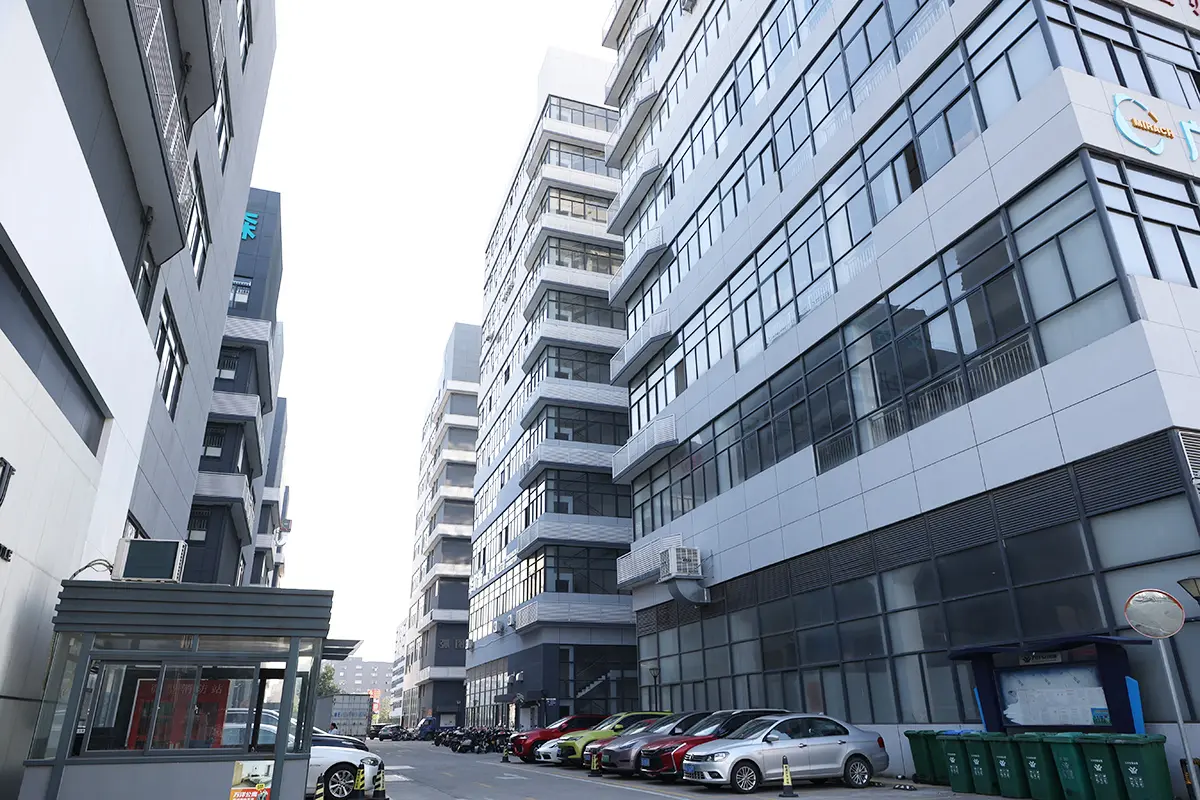
Our facility is in Hui Cheng Industrial Park, Longjiang Town, Shunde District, Foshan, Guangdong, China — one of the world's most established furniture manufacturing clusters. Kazakhstan buyers are welcome to visit the factory and showroom; we can coordinate interpretation in English and, with notice, arrange Russian-speaking support through our export partner network.
Have a specification that isn't covered above? Send an inquiry with your destination city, quantity and target timeline — our export team will reply with a tailored specification proposal.