
Outdoor Rope Sofa
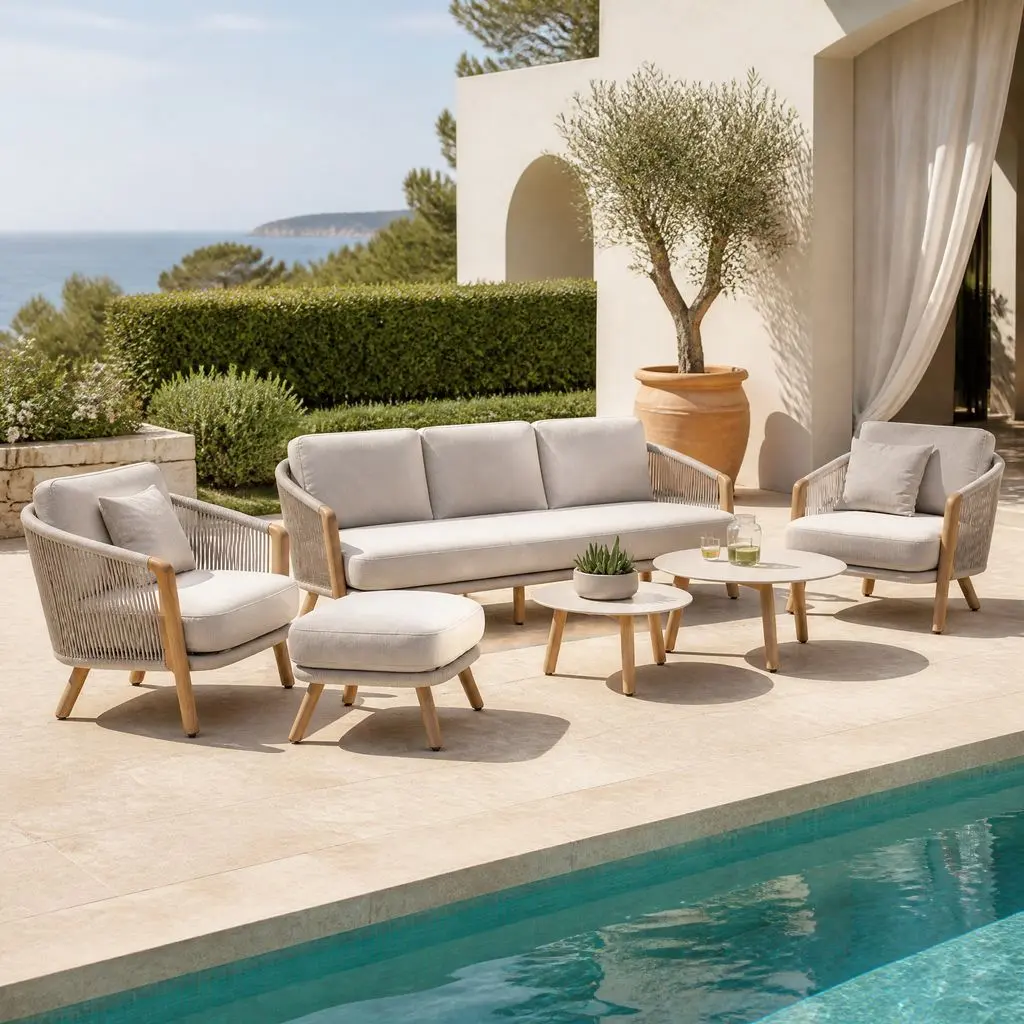
These four product families consistently lead enquiries from Iraqi importers, hotel developers and villa contractors — chosen for heat tolerance, dust resilience and long service life on terraces, pool decks and rooftop lounges.
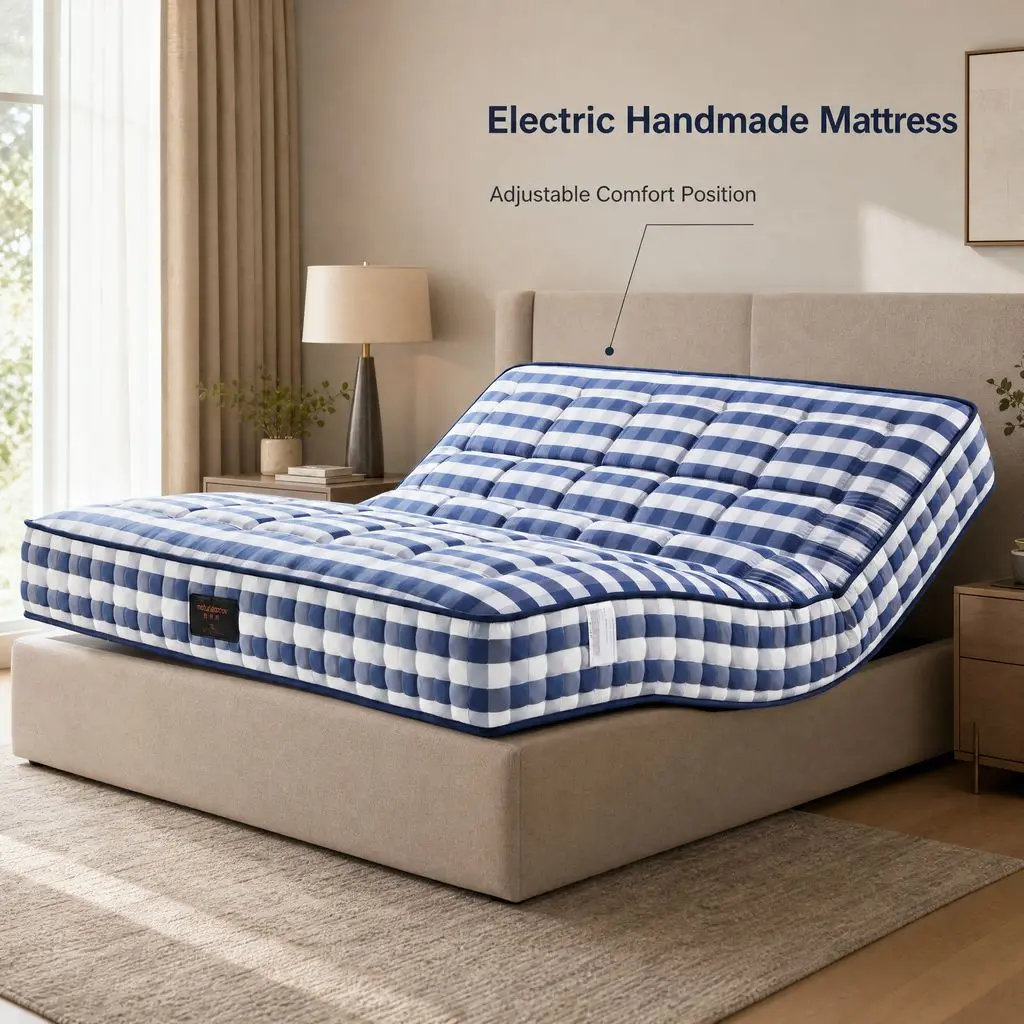
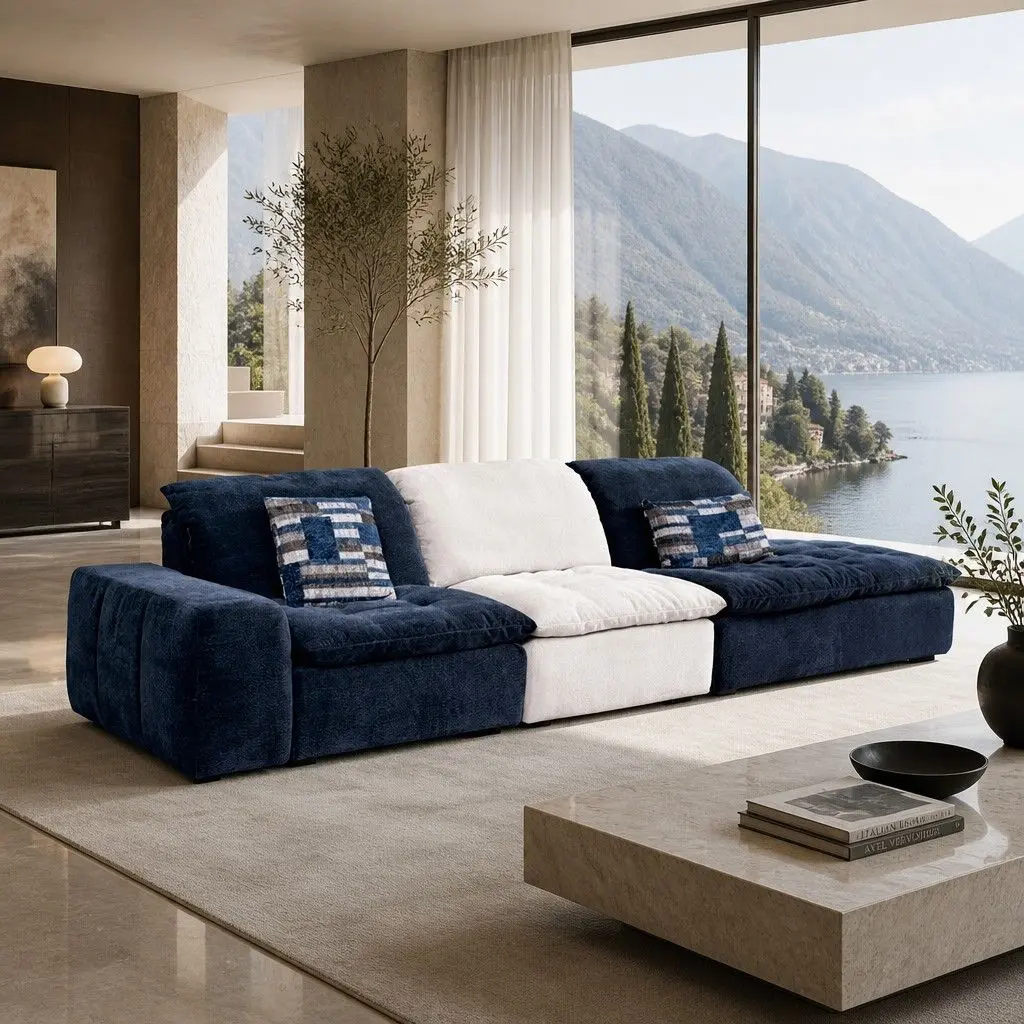
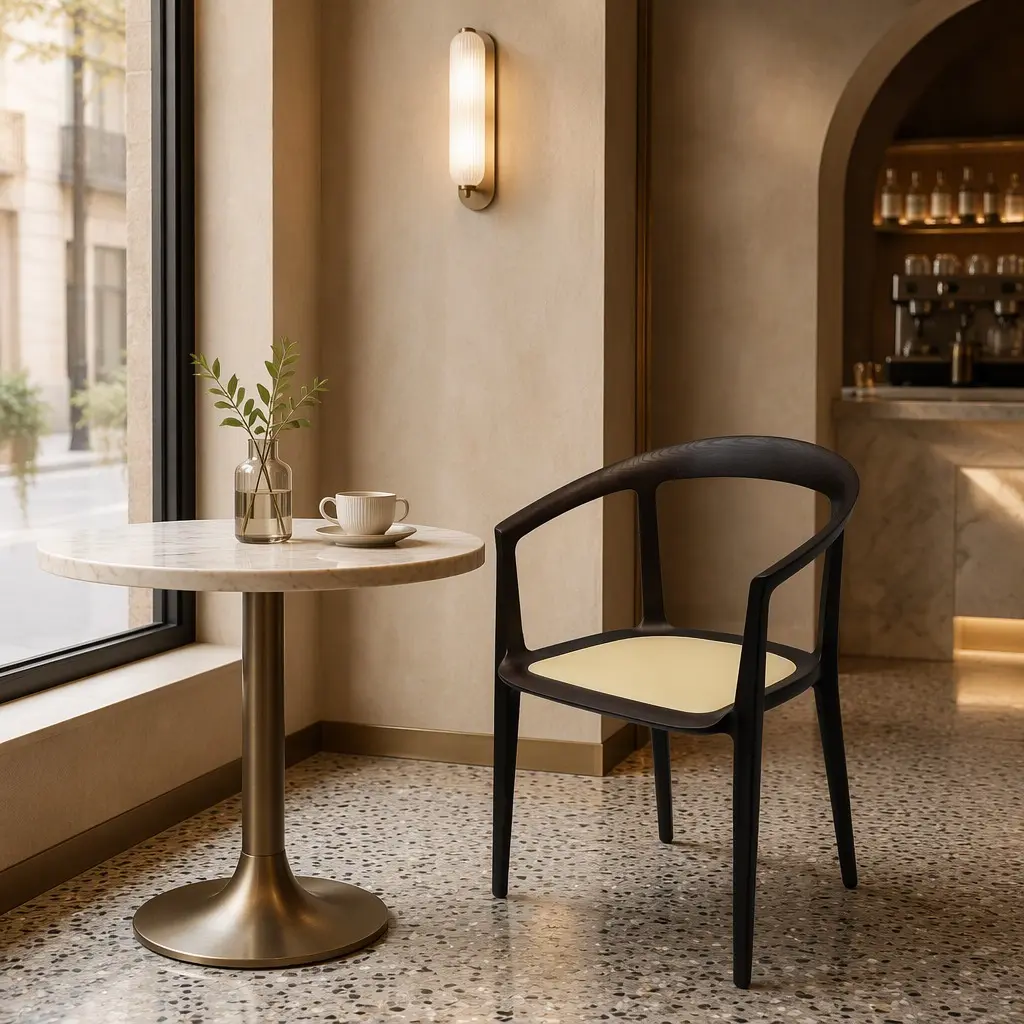
Iraq's furniture import economy has rebounded strongly since 2018, driven by three converging forces: a young population with rapid household formation, a multi-billion-dollar hospitality and residential construction pipeline, and a climate that makes outdoor living a functional necessity rather than a seasonal luxury.
In Baghdad and Basra, temperatures routinely exceed 48 °C in July and August. In Erbil and Duhok, the Kurdistan Region offers a cooler but dusty environment with distinct procurement habits. In Najaf and Karbala, religious tourism generates a permanent demand cycle for guesthouses, reception halls and courtyard seating. A supplier serving Iraq must engineer for all four micro-markets at once — not for a European four-season climate.
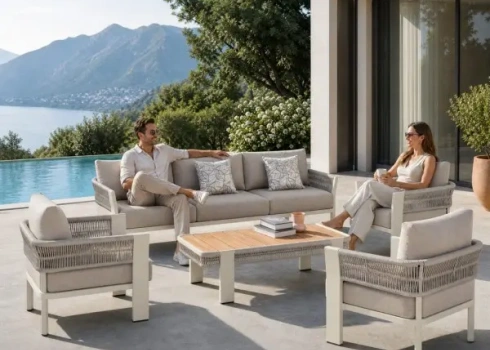
Understanding how the international outdoor lounge chair category is structured allows Iraqi buyers to negotiate better, plan smarter and avoid the most expensive failure mode in the sector: buying residential-grade product for a commercial-grade climate.
Global outdoor furniture production is anchored in a small number of clusters: Guangdong and Zhejiang in China, Vietnam's Binh Duong corridor, and parts of Indonesia. Foshan's Shunde district remains the deepest source of aluminum frames, rope weaving and upholstery capacity under one procurement roof.
Middle East import demand has shifted decisively toward suppliers who can document material grades, provide harmonized customs paperwork, and consolidate mixed containers. Iraq's re-emerging reconstruction pipeline now competes with GCC buyers for the same factory capacity.
The category has moved from timber and steel to engineered aluminum alloys, solution-dyed acrylics, high-density polyethylene (HDPE) rope, and quick-dry reticulated foam. These are not cosmetic upgrades — they are the difference between a three-year and a fifteen-year product life in hot, dusty climates.
Every specification below is a decision point that Iraqi buyers should document in their purchase order. A supplier who cannot answer these points has not engineered for your market.
| Component | Iraq-Ready Specification | Why It Matters Locally |
|---|---|---|
| Frame | 6063-T5 aluminum alloy, 1.8–2.5 mm wall thickness, powder-coated 70–90 μm | Resists corrosion and thermal cycling in Basra humidity and Baghdad dry heat |
| Rope / Weave | HDPE or olefin rope, UV-stabilized, 8–12 mm diameter, hand or machine woven | Maintains colour under intense solar load; resists sand abrasion |
| Fabric | Solution-dyed acrylic, 260–320 g/m², water-repellent, mould-resistant | Survives repeated dust storms and cleaning without colour loss |
| Cushion Foam | Quick-dry reticulated foam, 28–35 kg/m³, with drainage channels | Prevents trapped moisture after rain and rapid temperature swings |
| Fittings | 316 marine-grade stainless steel or zinc-nickel plated hardware | Prevents galvanic corrosion at the aluminum-fastener interface |
| Feet / Glides | Adjustable nylon or rubber glides with drainage clearance | Handles uneven terrace and roof-deck surfaces common in Iraqi villas |
Specifications are illustrative of the platform standard; final configuration is confirmed per project in the technical datasheet.
Our Iraqi project enquiries cluster around five recurring deployment scenarios. Each carries a different procurement logic, durability expectation and configuration profile.
Poolside and garden lounge sets for family compounds in Baghdad's Jadriyah, Erbil's Ainkawa and Basra's riverside districts. Buyers typically order 2–6 sets per villa, often paired with sun loungers and dining sets in a single container.
Contract-grade lounge seating for pool decks, rooftop bars and lobby terraces in Erbil's hotel corridor and Baghdad's international chains. Requires consistent batch colour, documented material grades and phased delivery aligned to fit-out schedules.
Outdoor dining and lounge terraces in Baghdad's Karrada, Erbil's Citadel district and Basra's Corniche. High-turnover commercial use demands heavier foam density, reinforced stitching and modular replacement capability.
A continuous demand cycle in Najaf and Karbala driven by religious tourism. Buyers typically need durable, easily cleaned seating in courtyard configurations, often with rapid repeat-order capability for expansion.
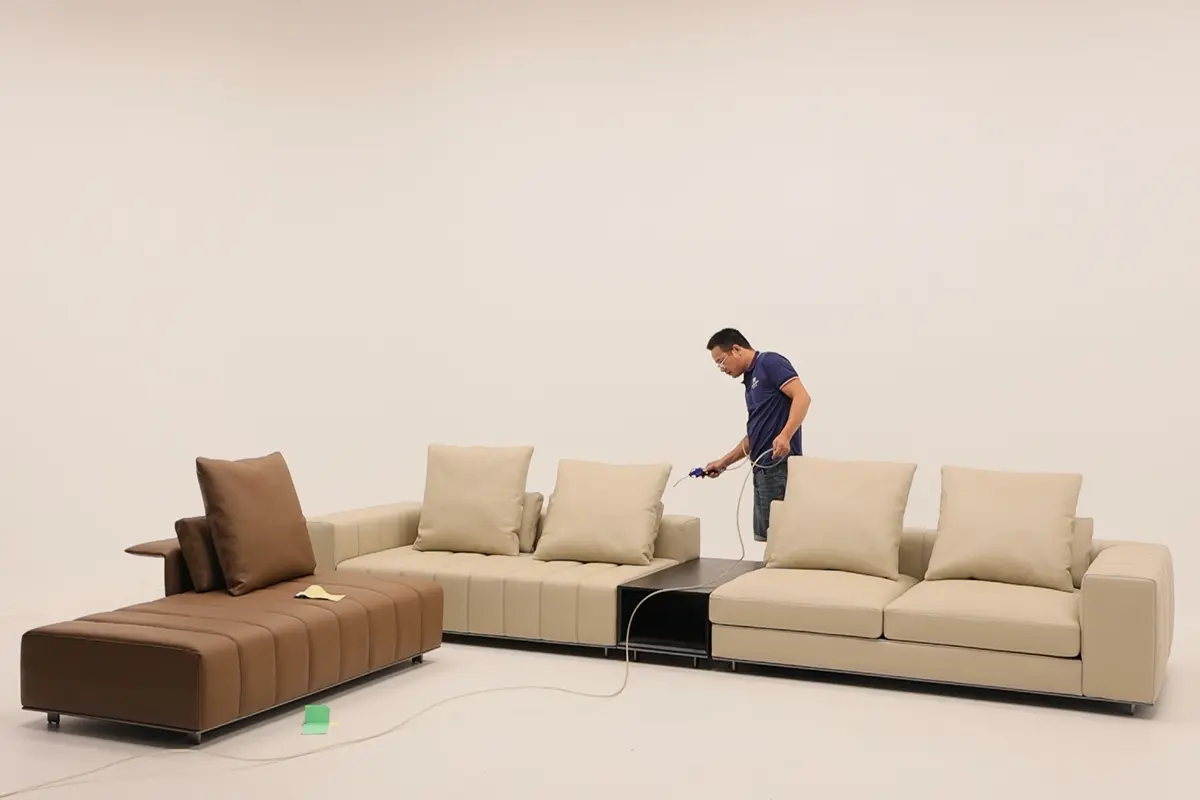
Supply to Iraq is not simply a shipping exercise. It is a documentation discipline. Delays at Umm Qasr, inconsistent HS classification and missing conformity paperwork are the three most expensive avoidable costs in the category.
Port coverage: Umm Qasr (South), Basra, and overland routing to Erbil and Sulaymaniyah via Turkish or Jordanian corridors — planned per shipment with the freight forwarder.
For developers, hotel groups and government-adjacent projects, buying furniture is a programme-management problem. We structure supply to match that reality.
Large hospitality and residential projects rarely accept a single shipment. We split production and delivery into phases tied to fit-out milestones, with batch-consistent colour and material documentation held at the factory for each phase so that phase four matches phase one.
Outdoor lounge chairs rarely fill a container alone. We consolidate lounge seating with indoor sofas, mattresses, dining chairs and casegoods from our broader catalogue — reducing freight cost per unit while maintaining a single QC standard and one accountable supplier relationship.
For hotel brands and developers with a design intent already fixed by an architect, we reverse-engineer the specification into a manufacturable product: matching dimensions, finishes and comfort to the design intent while engineering the internal structure for local climate conditions.
We prepare technical datasheets, material certificates, warranty terms and compliance statements structured for inclusion in formal tender submissions and procurement files — reducing the administrative burden on Iraqi buyers and consultants.
The category is moving from "outdoor furniture" to "outdoor building systems" — engineered assemblies with predictable performance envelopes. For Iraqi buyers, three trajectories matter most.
Reflective frame finishes, ventilated seat platforms and phase-change textiles that reduce surface temperature. Critical for seating that must remain usable through a Baghdad afternoon.
Products designed so that cushions, rope panels and glides are replaceable as individual service parts rather than requiring full replacement — extending lifecycle and reducing total cost of ownership for hospitality buyers.
Specification informed by local climate data — solar exposure hours, dust load, humidity cycling — rather than generic international standards. Suppliers who can document climate-matched performance will win institutional procurement.
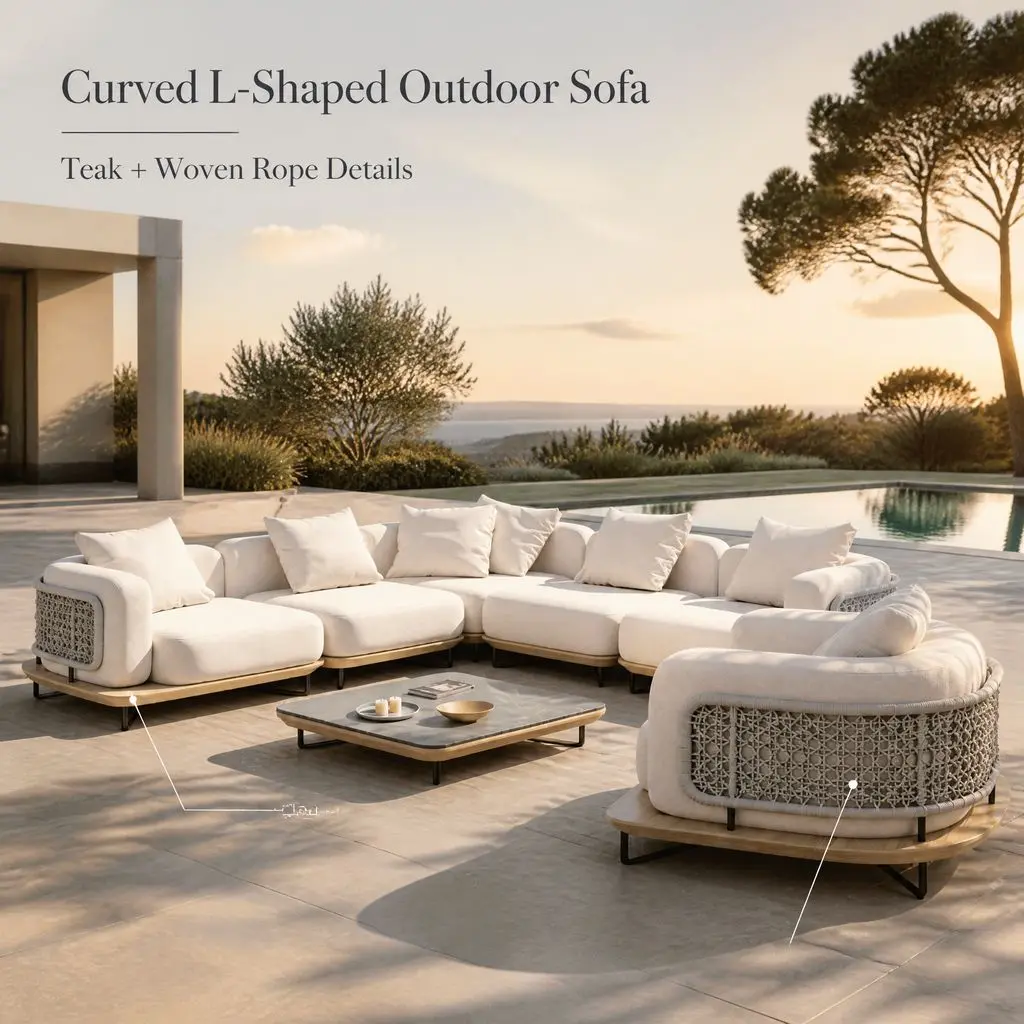
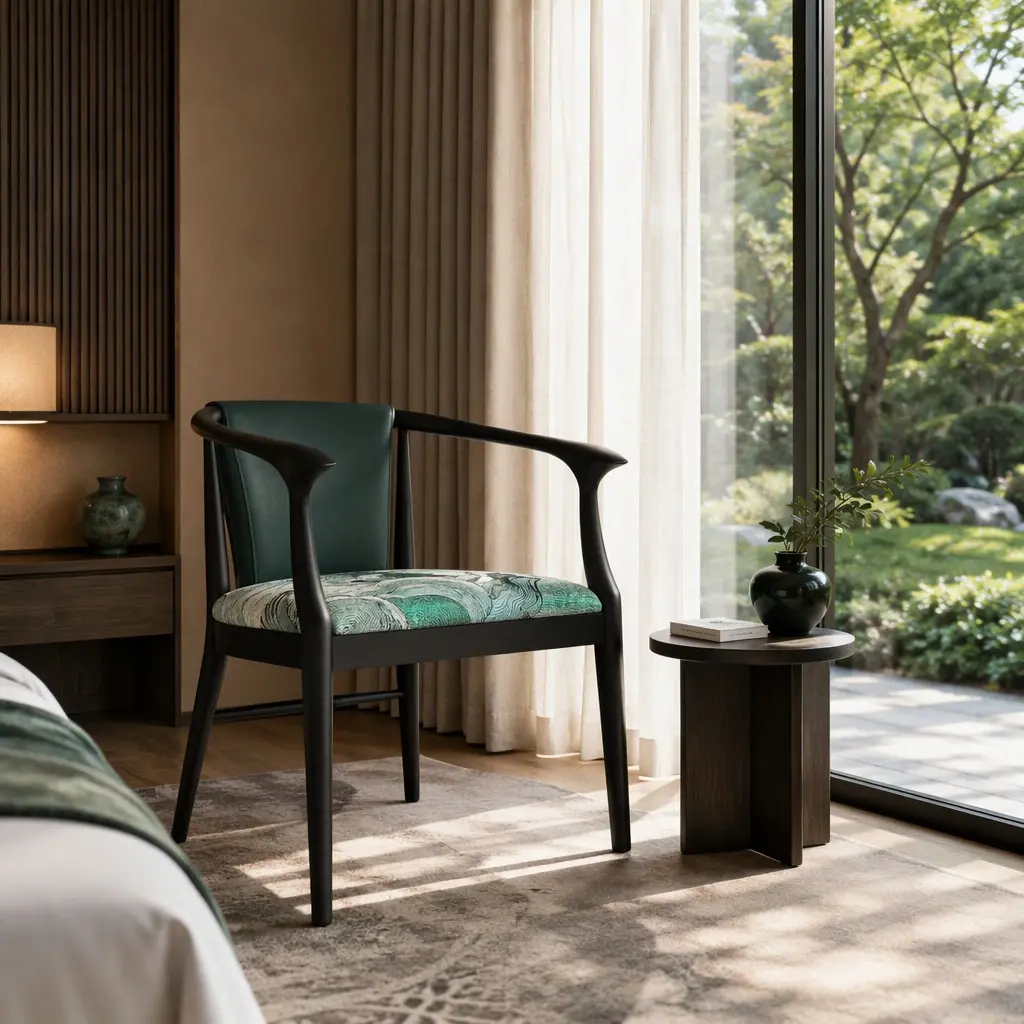
Outdoor lounge seating performs best as part of a coordinated scheme. These models allow Iraqi buyers to consolidate indoor dining, bedroom and living seating alongside outdoor orders.
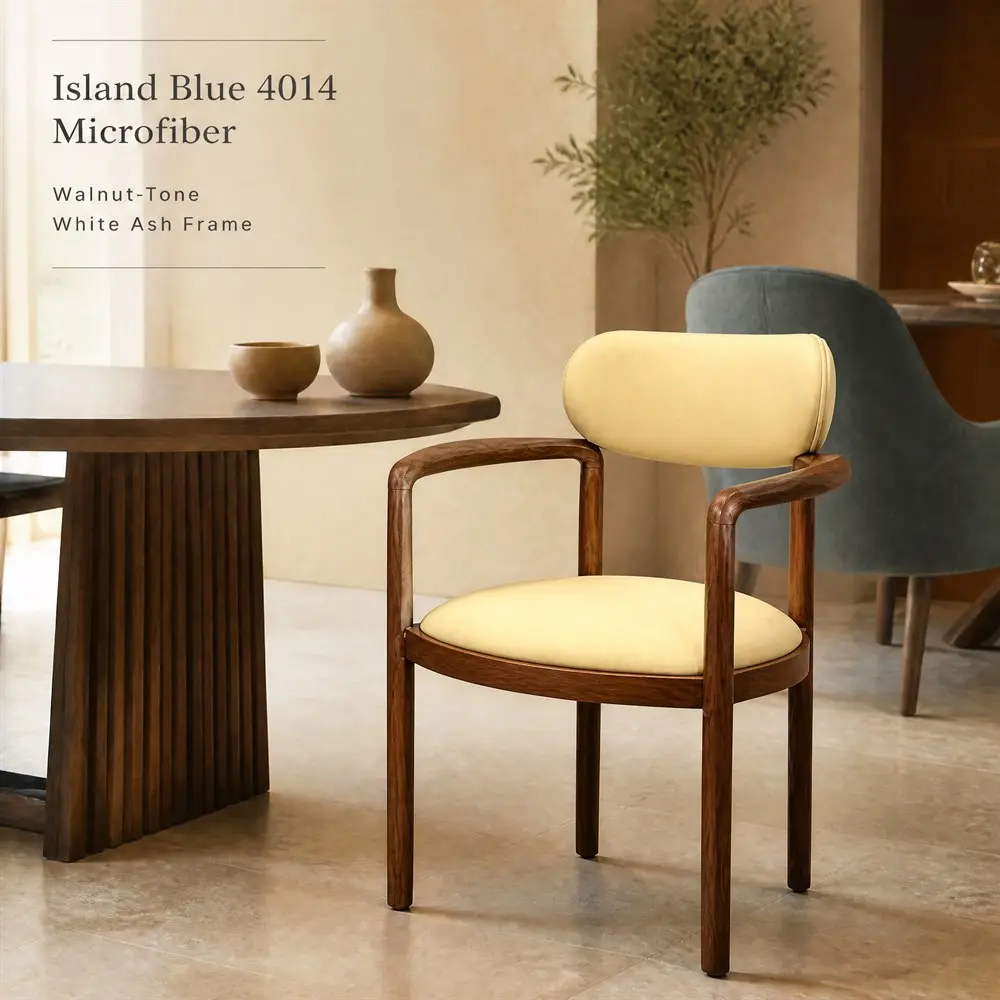
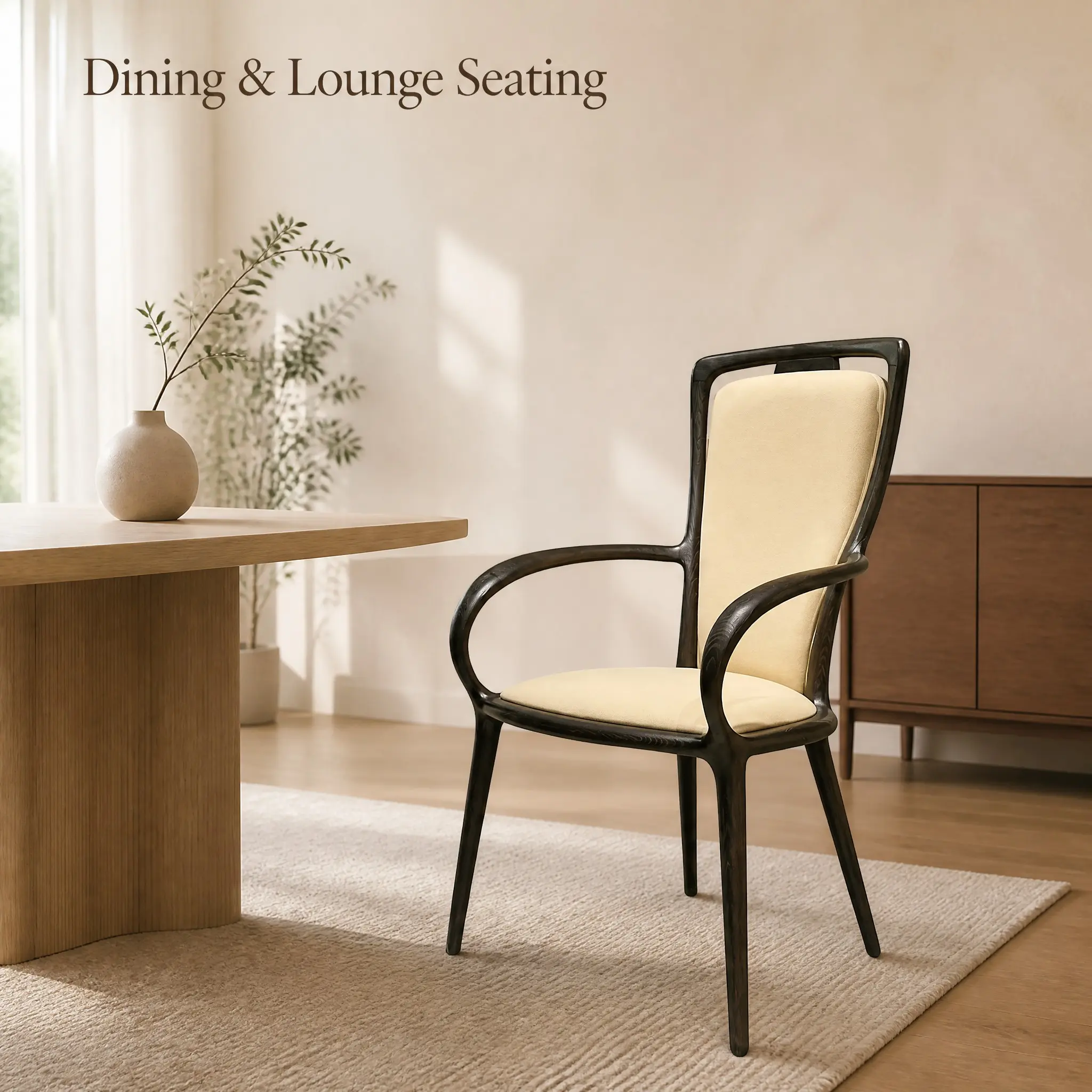
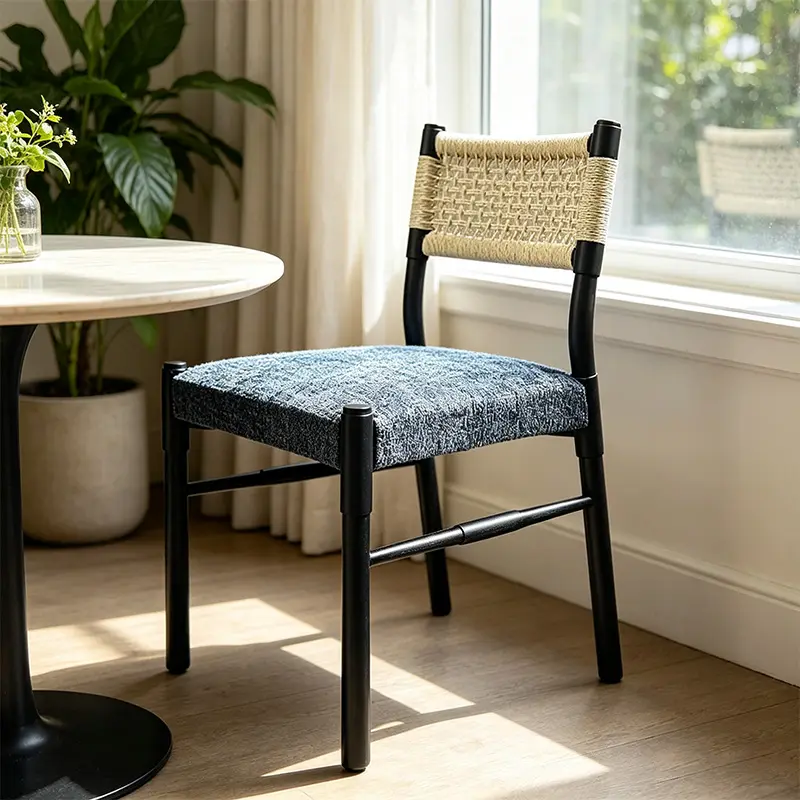
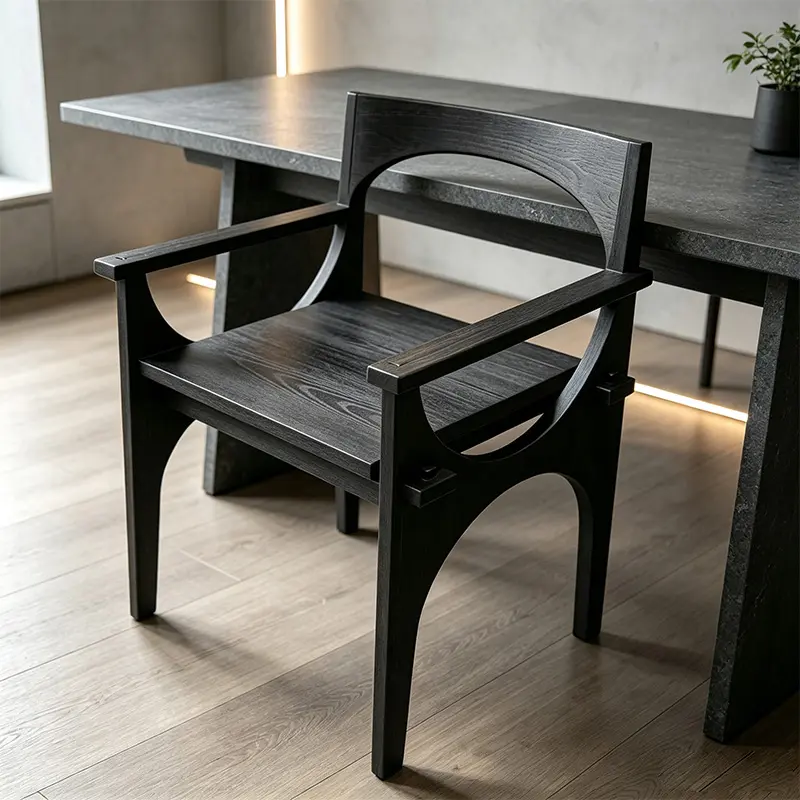
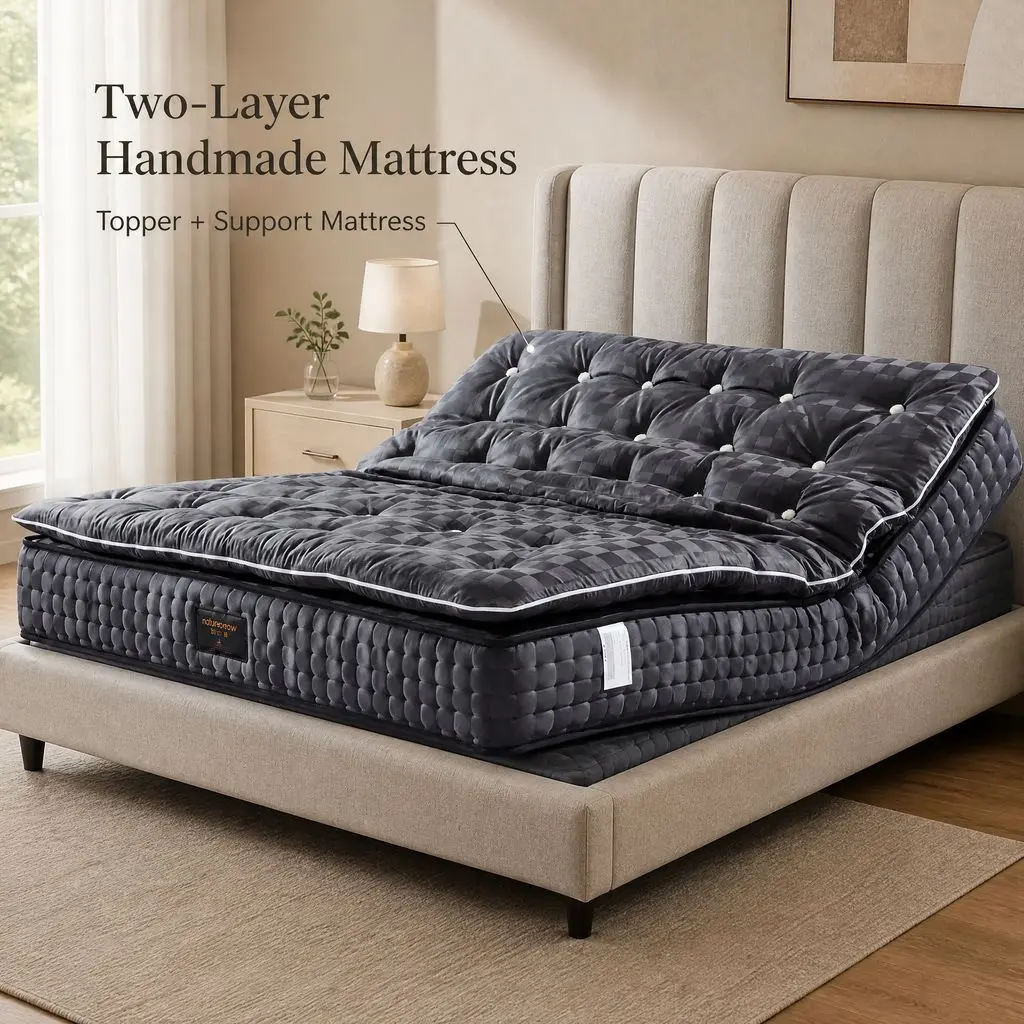
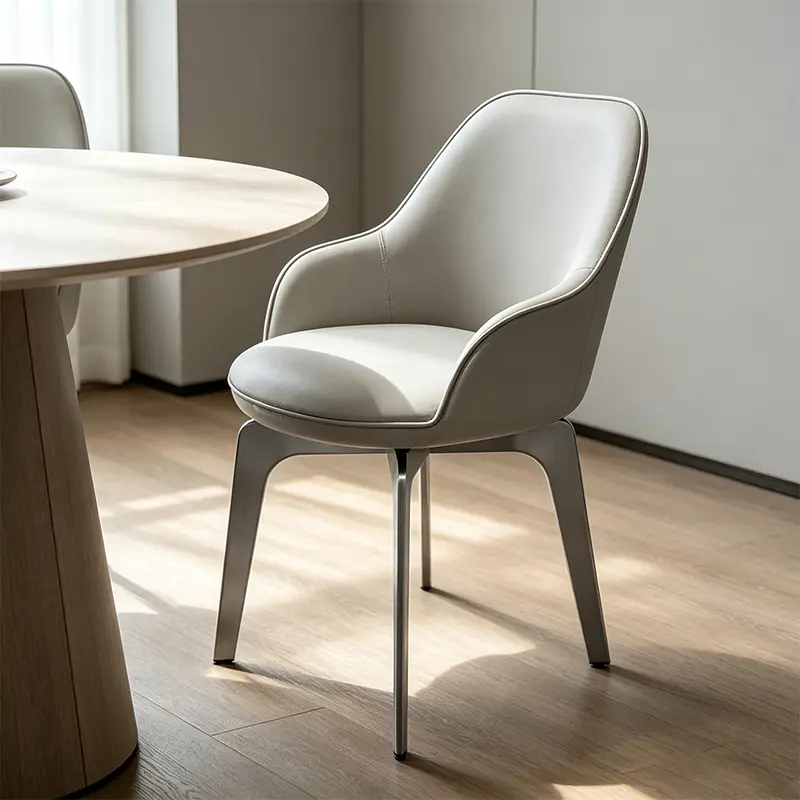
Direct answers to the questions we receive most often from Iraqi importers, hotel procurement teams and contractors before their first order.
Qingyumai is the export brand of Foshan Qingyumai Technology Co., Ltd., an integrated manufacturer covering R&D, production and international sales with its own production facility in Shunde, Foshan. For whole-house and mixed-category orders we coordinate a network of audited partner factories so every category ships under one quality standard and one purchase order.
We specify for the destination climate, not for a generic market. For Iraq we typically recommend powder-coated 6063-T5 aluminum frames, UV-stabilized HDPE rope, solution-dyed acrylic fabrics and quick-dry reticulated foam with drainage channels. Final specification is confirmed per project on the technical datasheet.
Yes. Our post-sale team handles container consolidation across categories — outdoor lounge seating, indoor sofas, mattresses, dining chairs and casegoods — planning loading space to reduce ocean freight cost per unit while using multi-layer export crating to prevent transit damage.
Shipments typically route through Umm Qasr and Basra for southern and central destinations, with overland delivery to Erbil and Sulaymaniyah via Turkish or Jordanian corridors where appropriate. Final routing is planned per shipment together with your freight forwarder to balance cost and transit time.
Standard documentation includes commercial invoice, packing list and certificate of origin, prepared to match the consignee's records. We also maintain consistent HS code classification across shipments to reduce re-inspection risk, and can supply material safety data for foams and textiles on request for tender submissions.
Minimum order quantities depend on the model and whether the order is standard or custom. Because outdoor lounge chairs are usually consolidated with other categories, the practical minimum is often driven by container fill rather than by the lounge chairs alone. Share your project scope and we will confirm the most economical configuration.
Yes. We customize dimensions, upholstery and frame colours, fabric grades and branding such as woven labels, embossed logos and branded packaging. This allows Iraqi distributors and retail brands to build a differentiated outdoor range without owning production.
Our internal QC engineers carry out on-site production line audits that check structural durability and finish consistency, and pre-sale consultants recommend material configurations aligned with the regulatory standards of your destination market. Batch-consistent colour and material documentation is retained at the factory for multi-phase projects.
Share your project type, quantity, destination city and required delivery window. Our export team will respond with a specification options sheet, indicative pricing and a container-loading plan tailored to Iraq.