
Berlin Upholstered
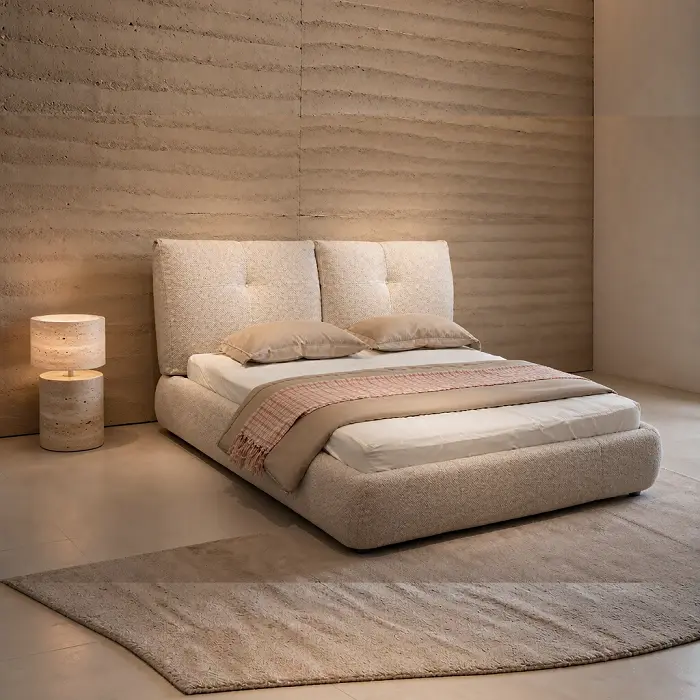
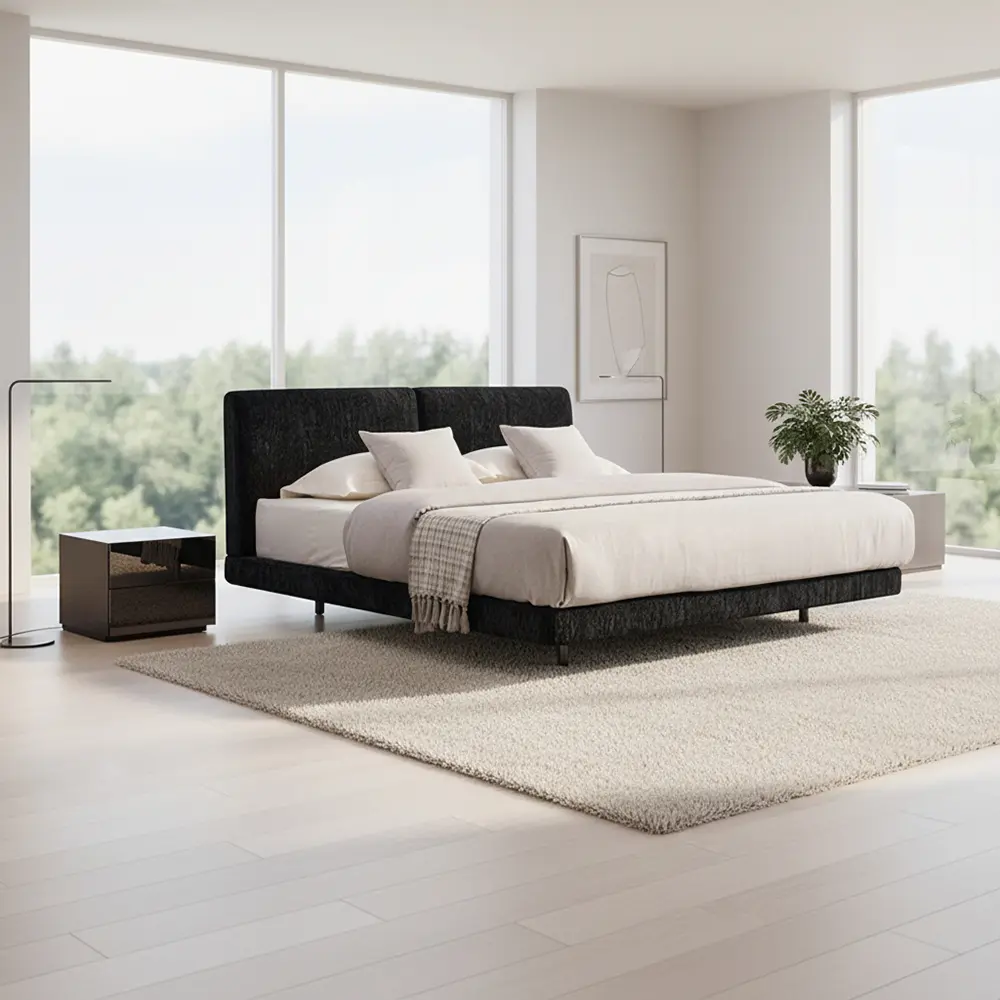
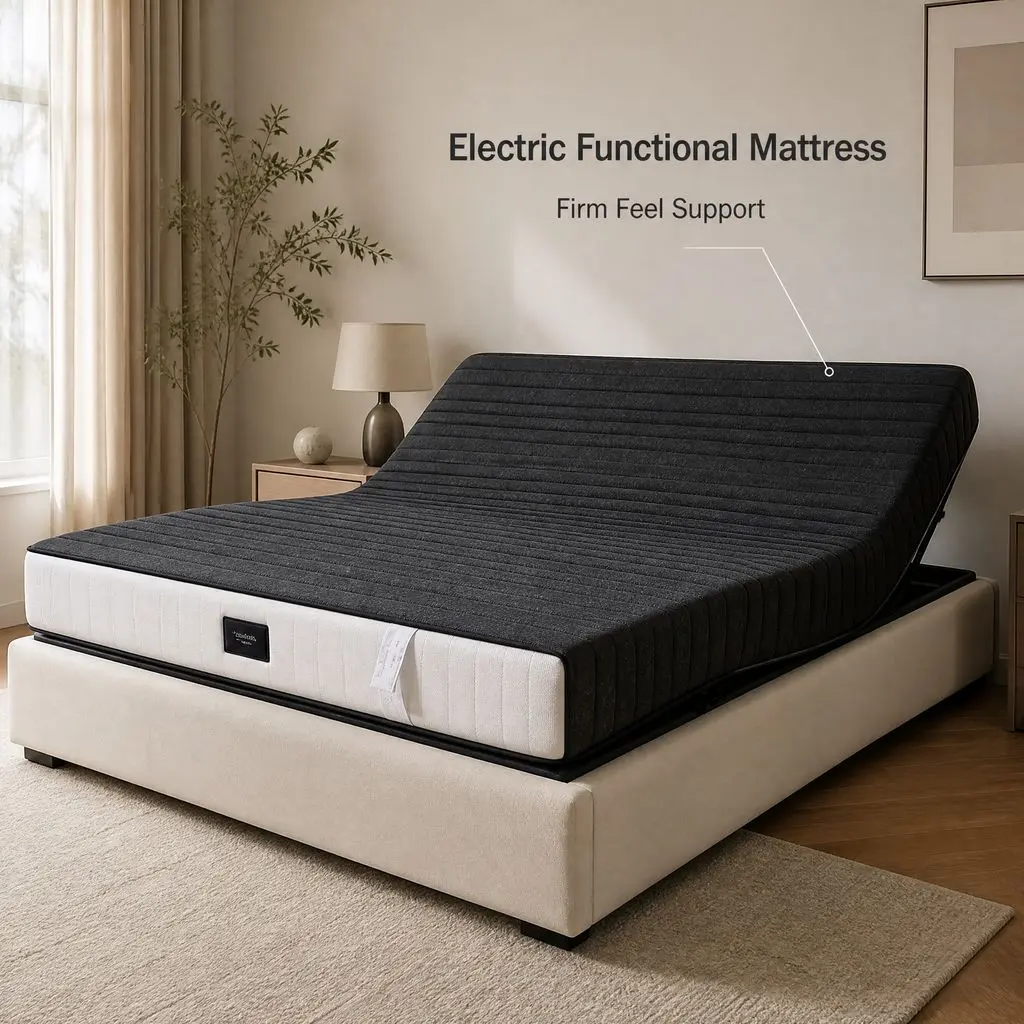
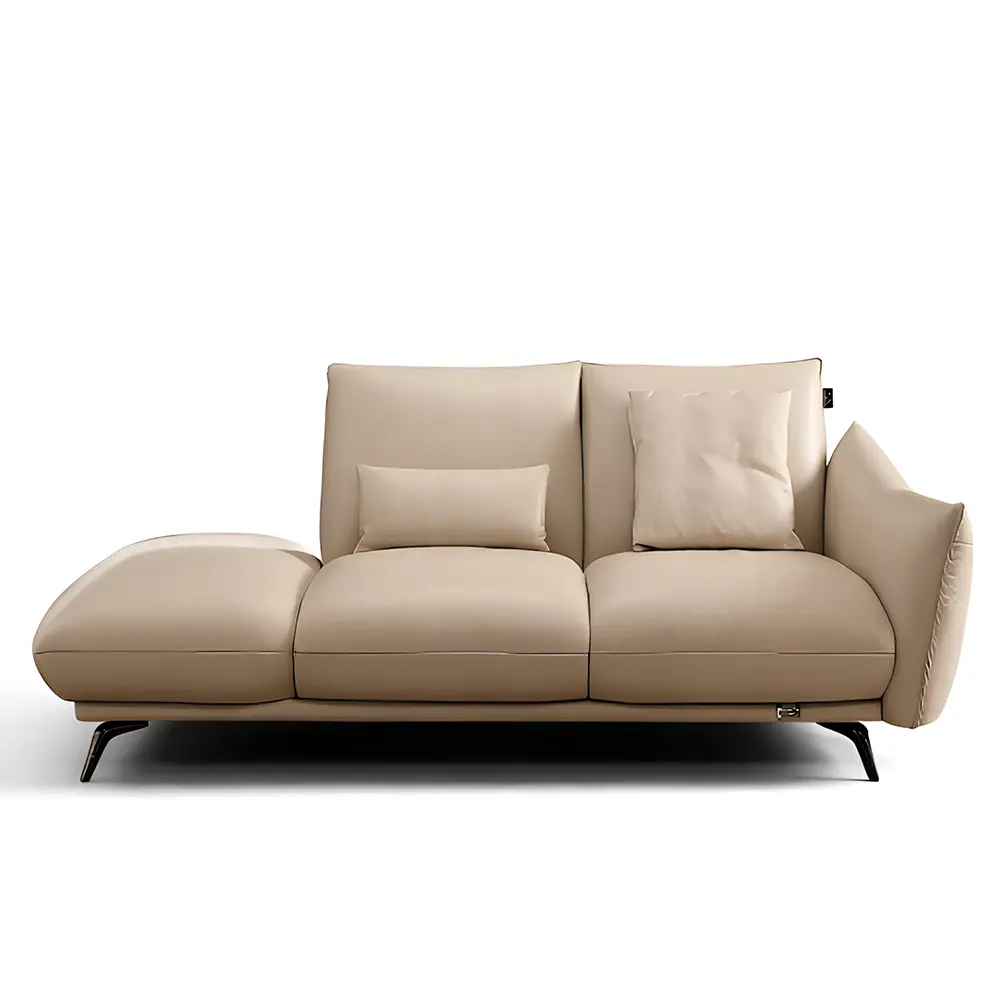
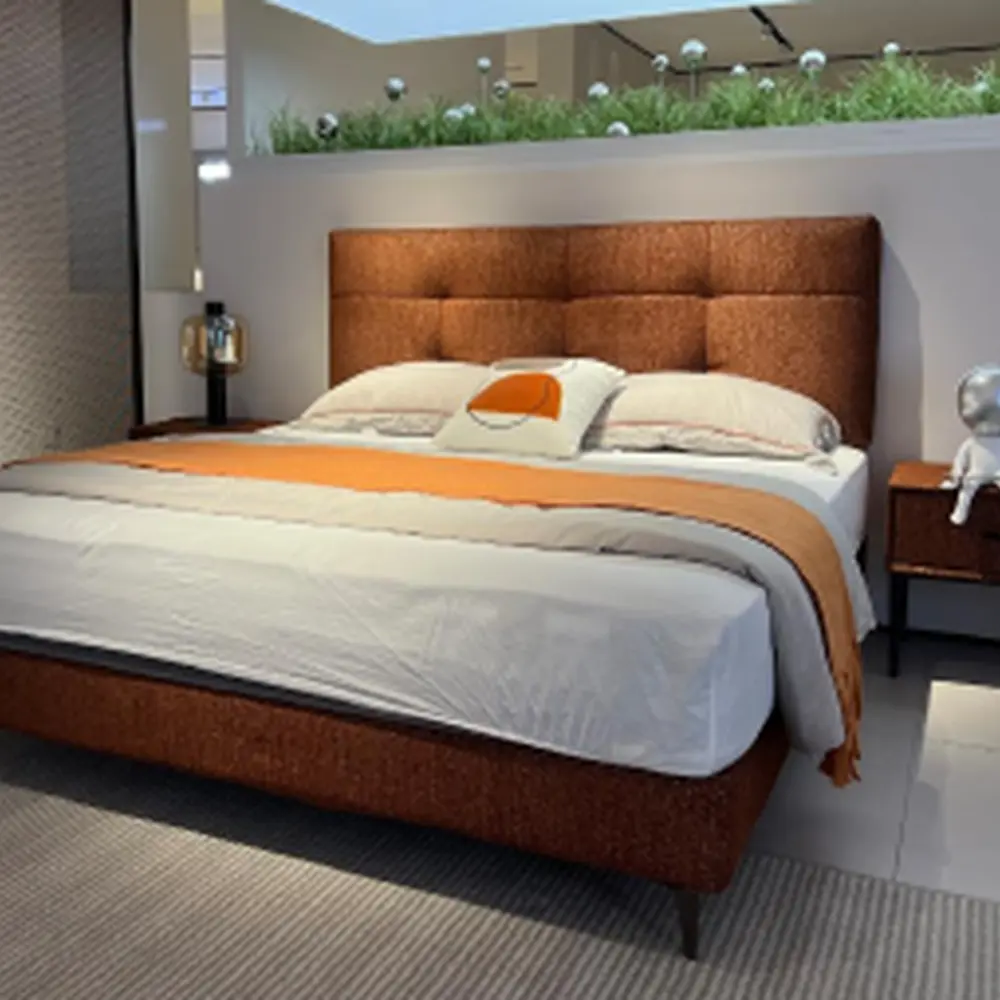
These four reference SKUs anchor our Berlin-facing programme: two soft-contract beds, one motorised sleep platform and one leather lounge module that pairs naturally with a terrace side-table set.
Berlin is not a "sun-and-pool" city. It is a balcony, courtyard and public-realm market — and that distinction changes the entire specification brief for any outdoor side table you specify here.
Berlin has one of Europe's highest shares of multi-storey residential housing. The average household terrace is small — commonly 4 to 12 m² on a loggia or roof terrace — so the side table often carries more functional weight than the dining set. It must hold a coffee cup, a book, a laptop, a plant, and still fold away in October without a storage room.
At the same time Berlin's hospitality sector — from the courtyard gardens of Mitte to the beer-garden roofs of Prenzlauer Berg — continues to add seasonal outdoor covers. Those covers need contract-grade side tables that survive 400–600 covers per year of stacking, spilling and weather cycling.
Three specification consequences flow directly from that climate and housing profile: foldability is a primary rather than secondary feature; salt-fog and frost resistance outranks decorative finish variety; and stackability is a hard requirement for hospitality operators who must clear a terrace inside a two-hour window.
Worldwide, outdoor furniture manufacturing remains anchored in three production clusters: Guangdong (Foshan/Shunde), Zhejiang (Ningbo/Taizhou) and Vietnam (Binh Duong), with Turkey and Poland serving regional European demand. Berlin buyers typically access all five through importers, project agents or direct factory relationships.
Mid-tier factories have consolidated into vertically integrated groups capable of aluminium extrusion, CNC bending, powder coating and upholstery stitching under one roof — reducing lead-time variance from weeks to days for repeat moulds.
European buyers increasingly reject virgin-plastic-heavy rattan in favour of FSC-certified teak, recycled-aluminium frames and solution-dyed acrylic ropes — a shift now visible in Berlin tender documents.
Container rates have settled from their 2022 peaks, meaning the cost-per-unit freight penalty for flat-pack, knock-down side-table construction is now the single largest lever on landed cost for Berlin buyers.
German garden-centre chains and online-first outdoor brands have moved from buying stock ranges to commissioning private-label side-table programmes with their own packaging and colourways.
Factories that once sold broadly have split their lines into retail-grade and contract-grade tiers with different welding, coating and testing standards — the contract tier is what Berlin hospitality projects actually require.
Berlin buyers now shortlist factories through 3D model libraries and virtual factory audits before travelling. Factories that publish geometry, testing records and material certificates win the first meeting.
Generic outdoor catalogues fail in Berlin because each district, building type and operator model imposes a different durability and form-factor brief. Below is how we segment the market when briefing a factory programme.
Narrow 1.2–1.6 m balconies on pre-war buildings in Prenzlauer Berg and Kreuzberg. Brief: diameter ≤ 45 cm, foldable, balanceroll-friendly legs, no sharp edges over the railing line.
Exposed rooftops in Mitte and Friedrichshain with high wind loads. Brief: weighted or ballast-ready bases, anti-lift design, UV-stable powder coat, drainage channels to prevent pooling.
Hofrestaurants and beer gardens across the inner districts. Brief: stackable in sets of 8, wipe-clean tops, non-marking feet, compliant with operator insurance requirements.
Boutique hotels in Mitte and Charlottenburg. Brief: teak or ceramic tops, matched finish across rooms, low COO for housekeeping, replacement-part availability for 5+ years.
Semi-public courtyards and Platz furniture. Brief: vandal-resistant fixings, anti-graffiti coating, tamper-proof hardware, plus accessibility-friendly clearance dimensions.
Christmas markets, festival terraces and summer pop-ups. Brief: transport-safe flat-pack geometry, labelled cartons, single-tool assembly for temporary crews.
The next competitive frontier for outdoor side tables is not form — it is service life documentation. Berlin procurement increasingly asks factories to prove, not claim, a product's durability and recyclability.
6000-series extruded aluminium replaces welded steel tubes as the default frame. Benefits: corrosion immunity, lower mass, better thermal behaviour on sun-exposed balconies.
Architectural-grade powder coatings tested to 1,000-hour salt fog become the baseline for contract-grade lines, with documented adhesion and colour-retention records shipped per batch.
Recycled aluminium billets and bio-attributed polymers for feet, buffers and spacers. Digital product passports begin to appear in Berlin tender appendices.
Design-for-disassembly: tops, frames and fixings replaceable with a single tool. Spare-part catalogues published alongside the product, not on request.
Take-back and re-coating programmes for contract accounts; end-of-life material return as a contractual service line rather than a marketing claim.
| Substrate | Berlin fit | Watch-outs |
|---|---|---|
| Powder-coated aluminium | Best default | Coating thickness must be specified |
| FSC teak / robinia | Premium terraces | Requires annual oiling |
| HPL compact top | Hospitality | Edge-band quality varies |
| Ceramic on aluminium | Hotel suites | Cold-feel; heavier crate |
| Recycled HDPE | Public realm | Colour range limited |
Single-SKU sourcing rarely solves a Berlin project. What buyers actually need is a programme: a coordinated side-table family that spans a hotel's terrace, its lobby courtyard and its back-of-house service area without visual or specification discontinuity.
One design language expressed across six sizes: lounge-height round, dining-height round, square nest of two, slim console, planter-table hybrid and a service trolley. Shared finish catalogue, shared fixings, shared spare parts. For a Berlin hotel this means one approved colour, one maintenance manual and one supplier contact for every exterior surface.
Berlin buyers rarely fill a 40ft container with side tables alone. We design programmes so that side tables flat-pack into the void space above and between upholstered items, lifting container utilisation and cutting the landed cost per table by a meaningful margin.
Every programme ships with a documentation pack: material declarations, coating test reports, load ratings, assembly drawings, care instructions in German and English, and a spare-parts list. This is the package a Berlin facilities manager needs to sign off a terrace installation.
The most common failure we see in Berlin tenders is a side table specified from a photograph with no coating specification, no load rating and no spare-part commitment. It looks correct in the render and fails in season two. Insist on documentation before sample approval.
Qingyumai is the export brand of Foshan Qingyumai Technology Co., Ltd. — an integrated furniture manufacturer in Longjiang, Shunde, with more than a decade of export experience, over 100 original design and structure patents, and 19 furniture categories produced under one quality system.
10+ years supplying importers, project developers and hospitality procurement teams across Europe, with container consolidation across categories as standard practice.
In-house R&D covering frame engineering, upholstery construction and outdoor material selection, backed by more than 100 original patents.
Own production facility in Shunde plus a network of rigorously audited partner factories, allowing a single quality owner across 19 furniture categories.
On-site QC line audits before every shipment, pre-sale material advice aligned to destination-market regulation, and multi-layer export crating as standard.
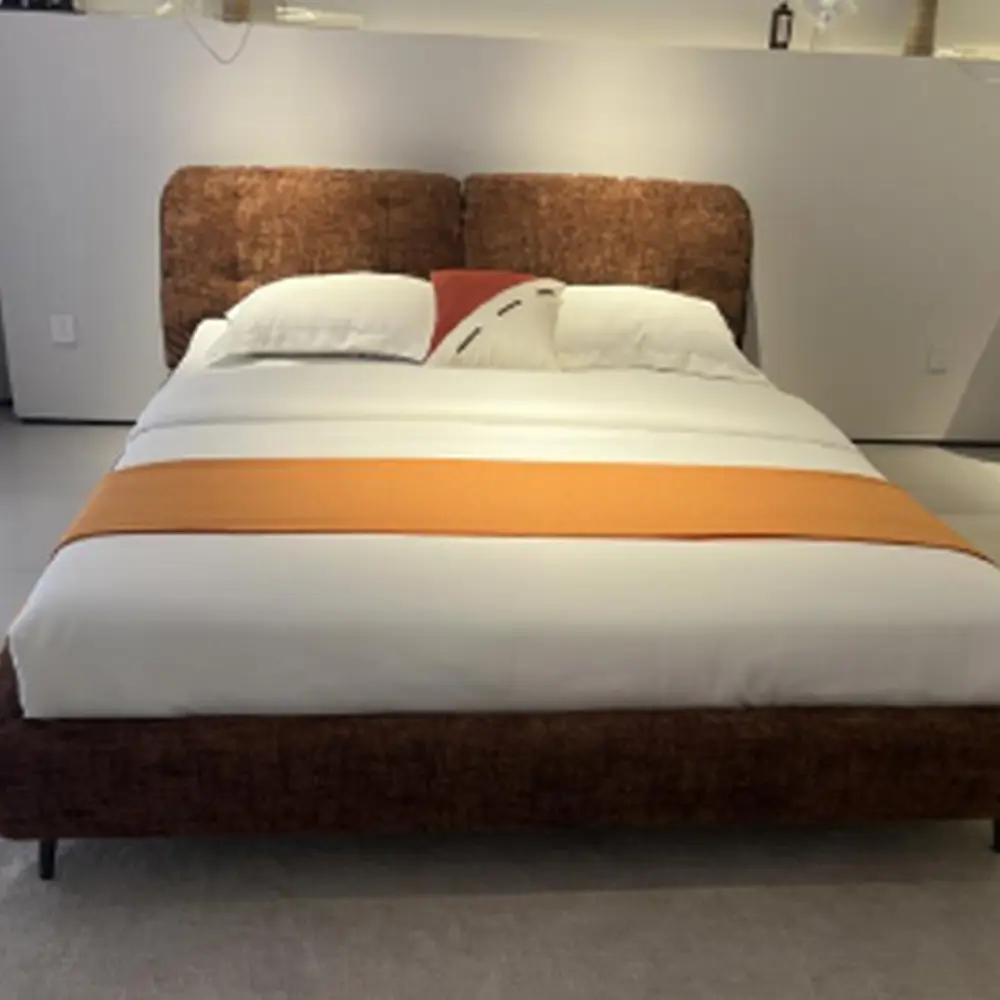
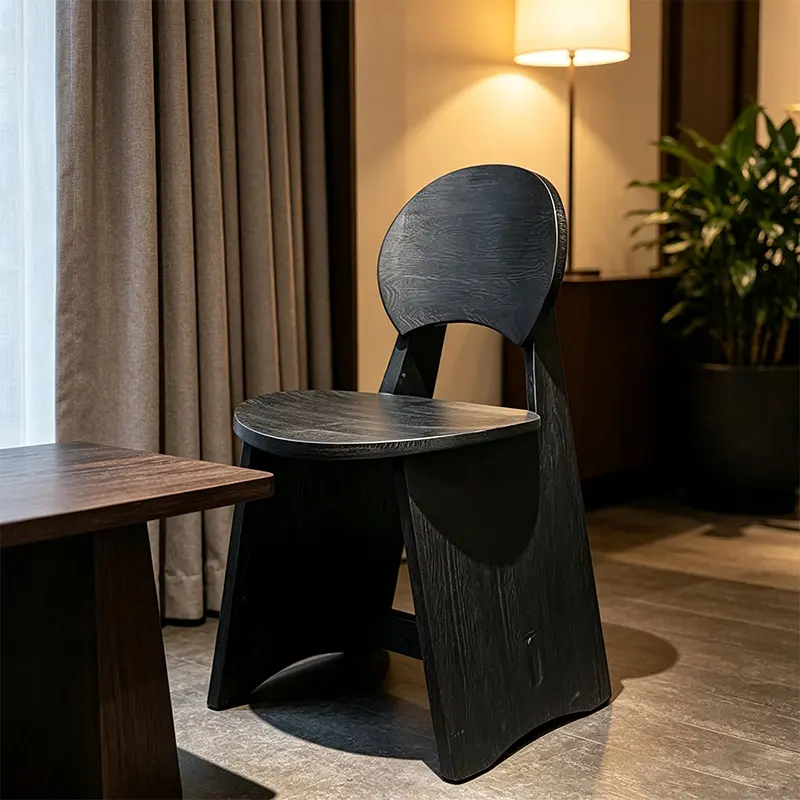
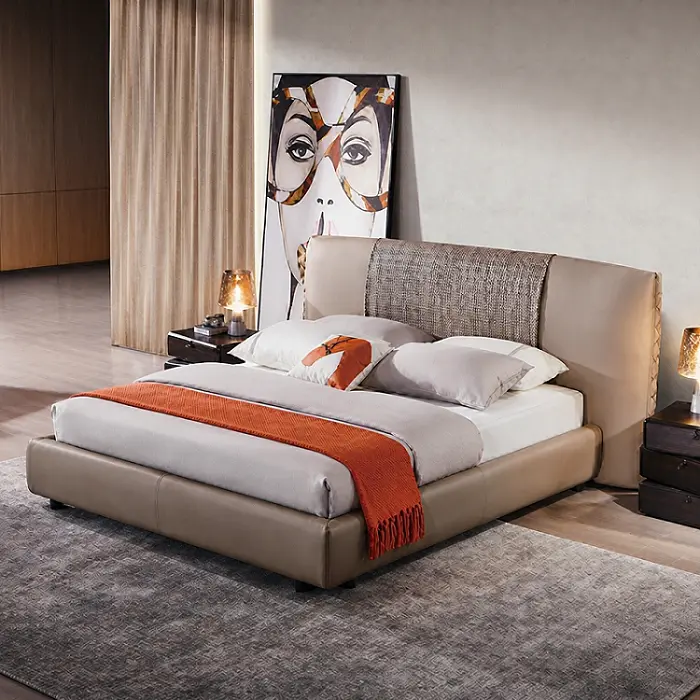
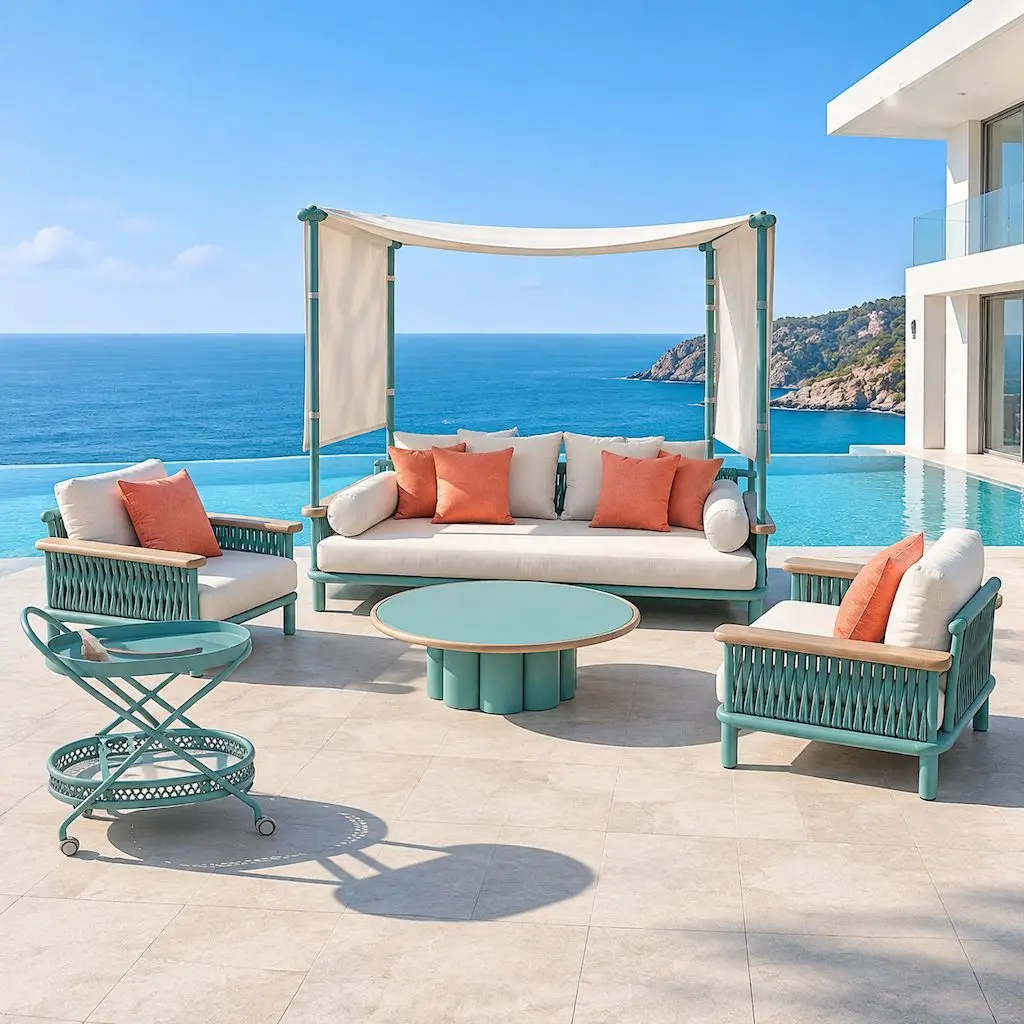
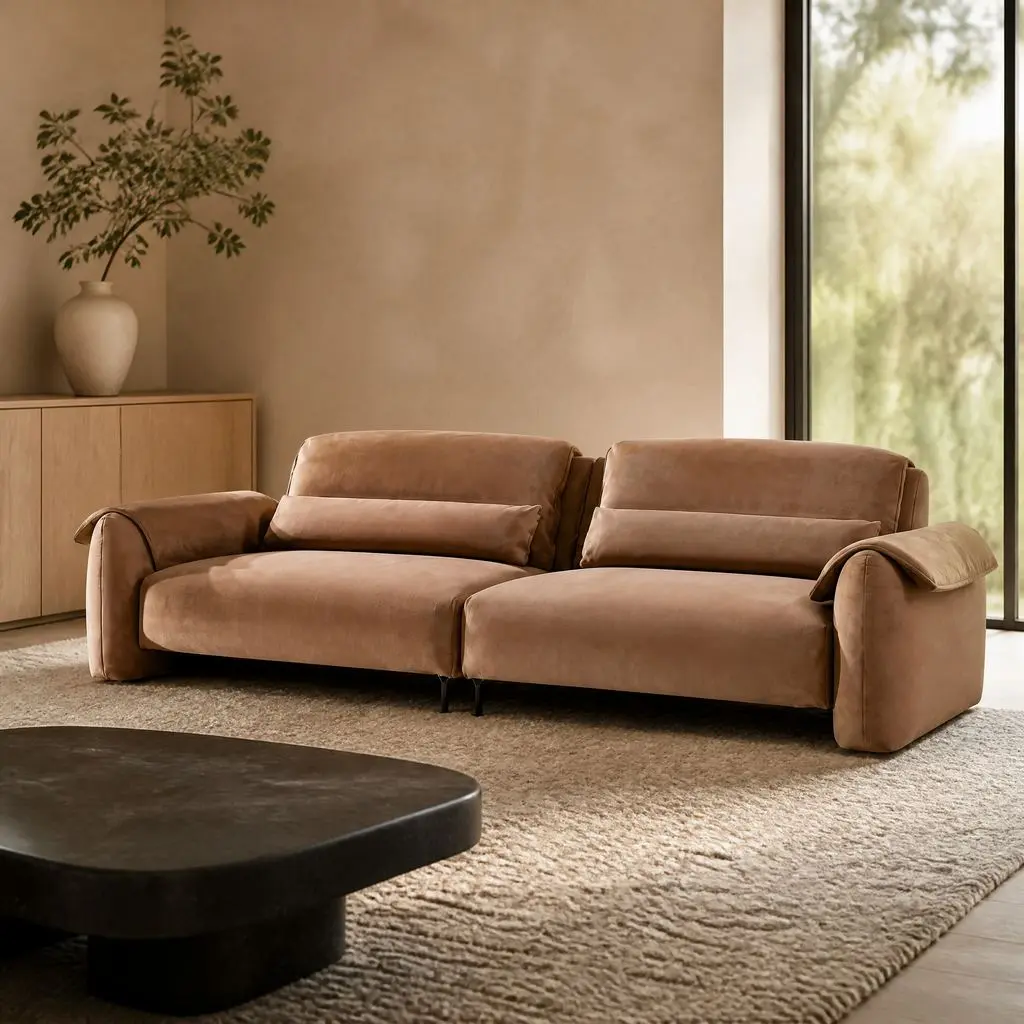
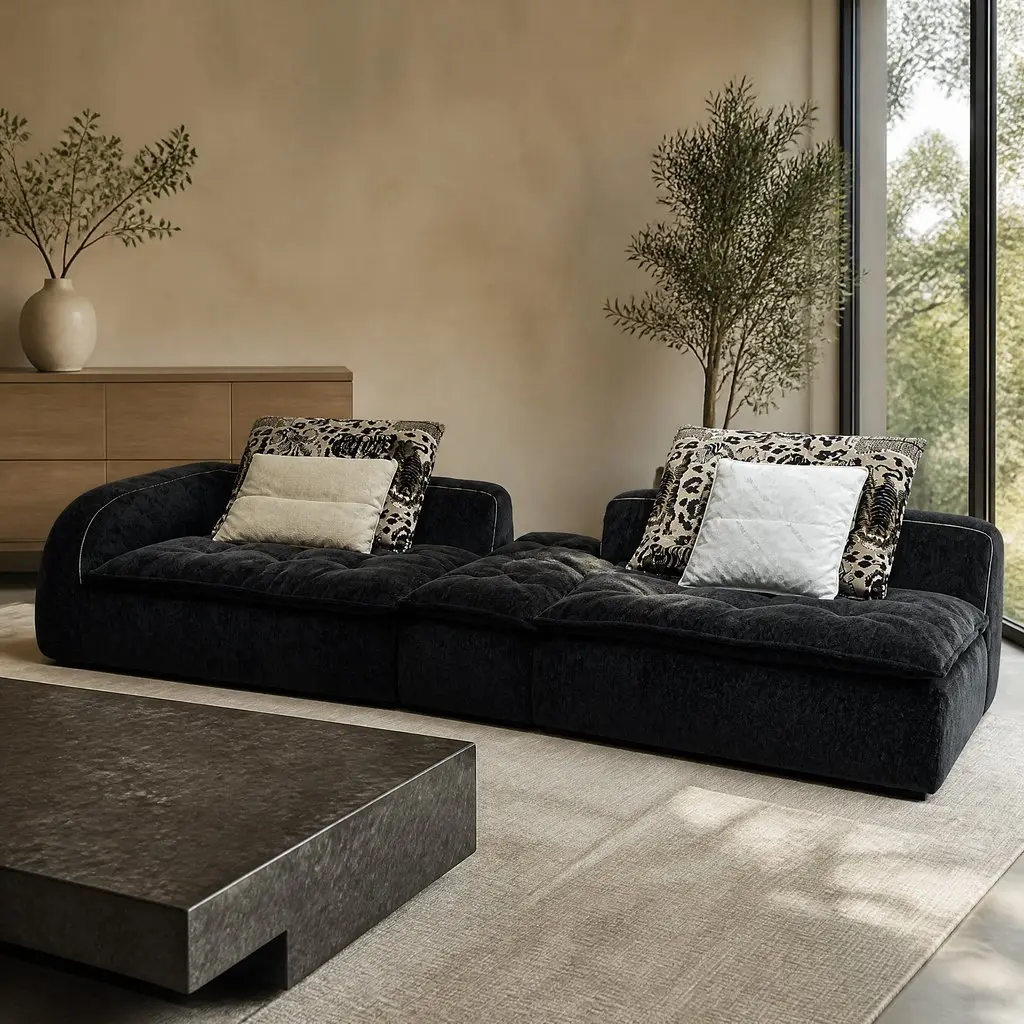
Side tables rarely travel alone. These eight models complete the interior brief — beds, sofas, mattresses and dining seating that ship alongside an outdoor terrace programme under one purchase order.
Direct answers to the specification, logistics and compliance questions that come up most often when sourcing outdoor side tables for the Berlin market.
Three things: a frame rated for repeated handling and stacking, a coating tested to salt-fog and frost cycling, and a documented spare-parts commitment. Retail-grade tables can look identical in a photograph but typically use thinner wall aluminium, lighter coating and no replacement-part programme — which is exactly where Berlin operators lose money in season two.
Yes. Our moulds support custom diameters and heights, and we frequently develop compact foldable models in the 38–45 cm range for Altbau loggias. We can also adjust leg splay and foot geometry so the table remains stable on a sloped balcony without protruding beyond the railing line.
Assembly instructions, care manuals and spare-parts lists are provided in both German and English as standard for Berlin-bound programmes. Material declarations and coating test reports are supplied in English with German summary sheets where a facilities team requires them.
For existing moulds with a stock or qualified finish, sample approval typically takes two to three weeks and mass production four to six weeks, followed by ocean freight. New mould development adds four to six weeks to the front end. We recommend planning the full cycle at twelve to sixteen weeks for a first programme.
Yes — and we recommend it. Flat-pack side-table cartons are designed to fill the void space above and between upholstered items. Our post-sale team plans the loading layout to maximise container utilisation, which meaningfully reduces the landed cost per side table.
Powder-coated aluminium is the safest default: it does not corrode, tolerates frost cycling and has predictable thermal behaviour on sun-exposed balconies. FSC-certified teak and robinia work well for premium terraces if the buyer accepts an annual oiling regime. We advise against untreated steel and low-grade MDF-core tops in this climate.
Yes. We customise dimensions, frame colours, upholstery and finish grades, and apply woven labels, embossed logos and branded packaging. For garden-centre chains and online outdoor brands we can develop a dedicated mould and keep it exclusive to the account.
Our QC engineers carry out on-site production line audits that check structural durability, weld quality, coating adhesion and finish consistency. Pre-sale consultants advise on material configurations aligned with your destination market's requirements, and every shipment is packed with multi-layer export crating.
Share your terrace dimensions, finish direction and target season. Our export team will return a side-table shortlist, material specification, documentation pack outline and a container loading estimate for your Berlin project.