Outdoor Side Tables Manufacturers & Suppliers in Oman
A practical procurement guide for Omani developers, hospitality groups, landscape architects and importers — covering regional demand signals, China factory advantages, climate-specific material engineering and end-to-end project solutions.
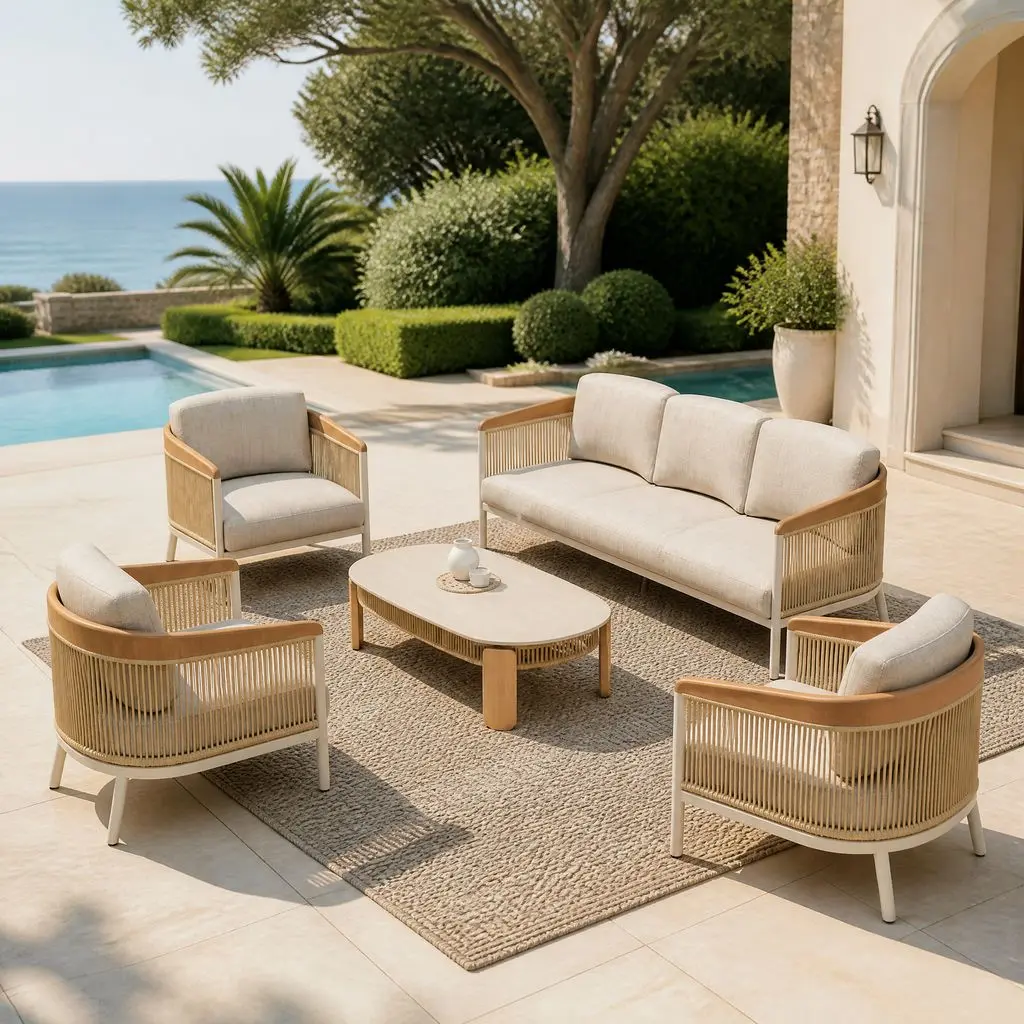
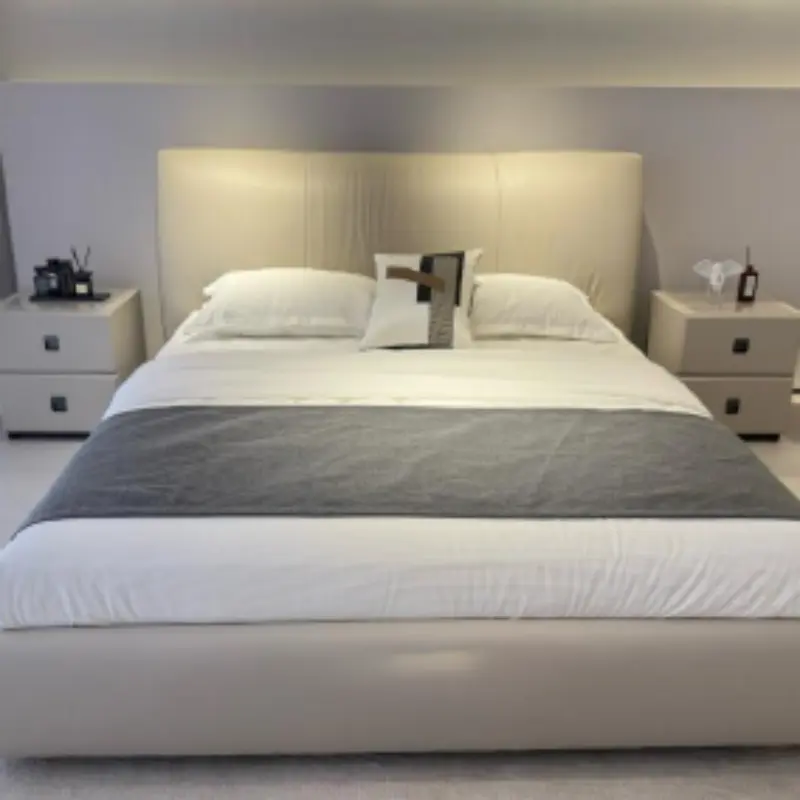
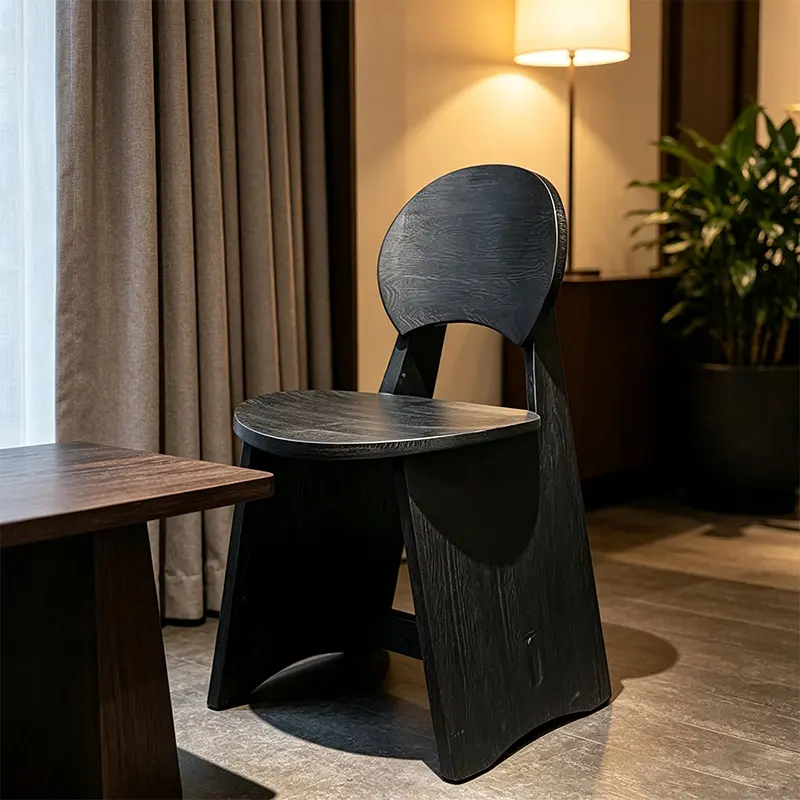
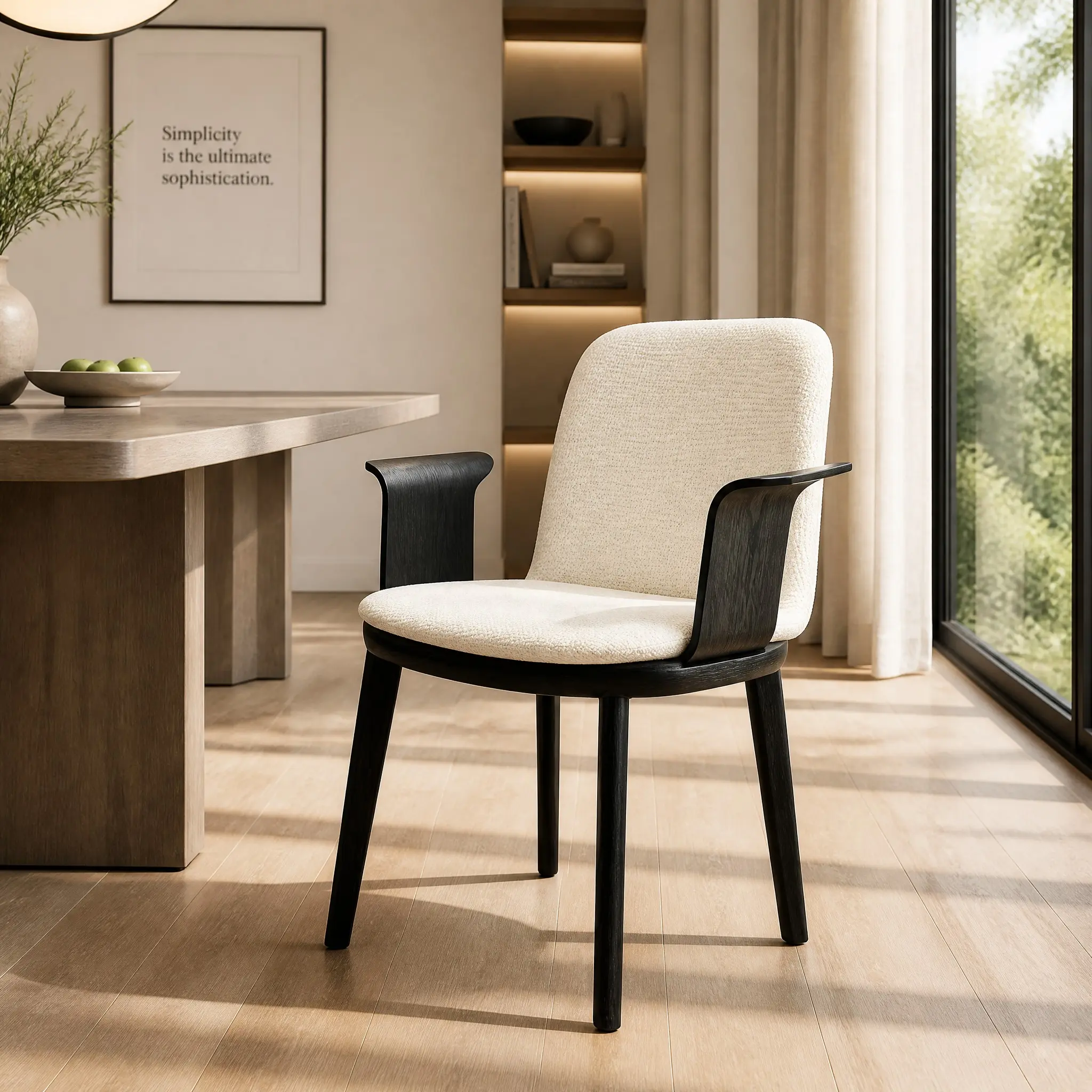
Best-Selling Furniture Lines for Oman Sourcing Programs
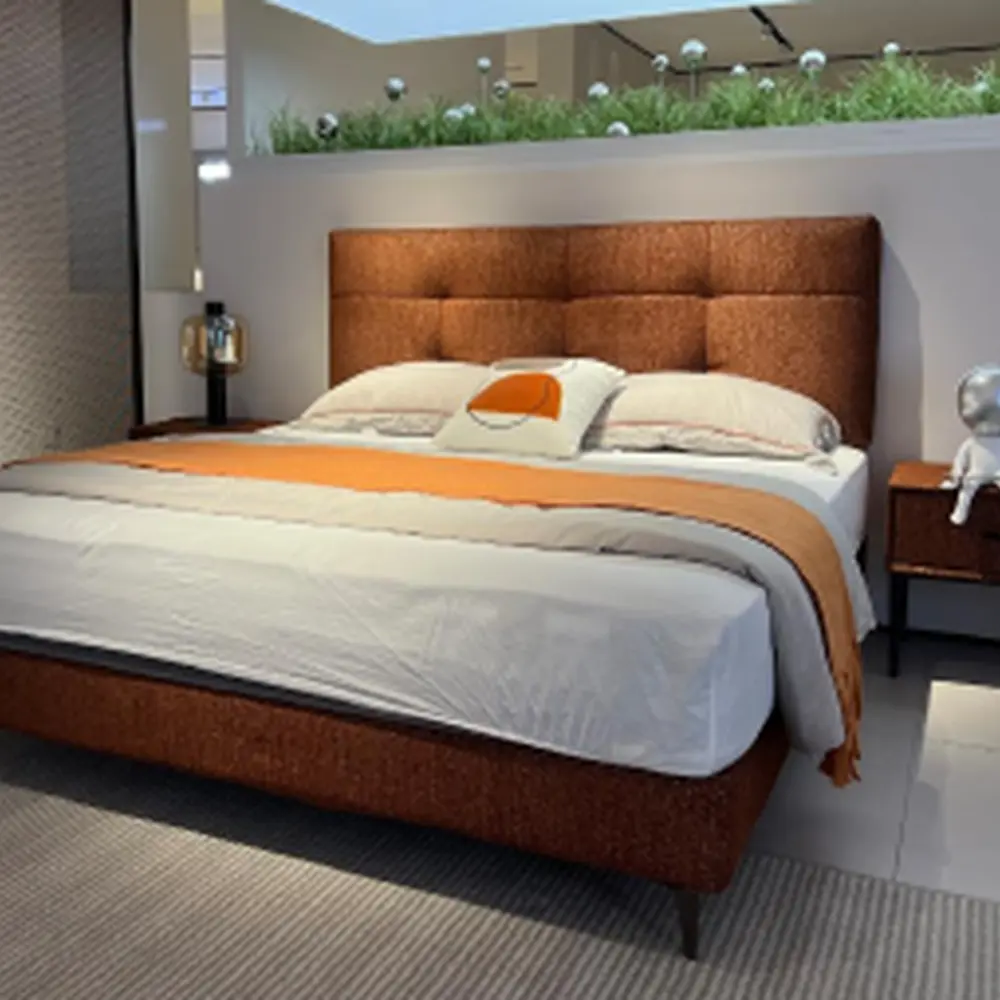
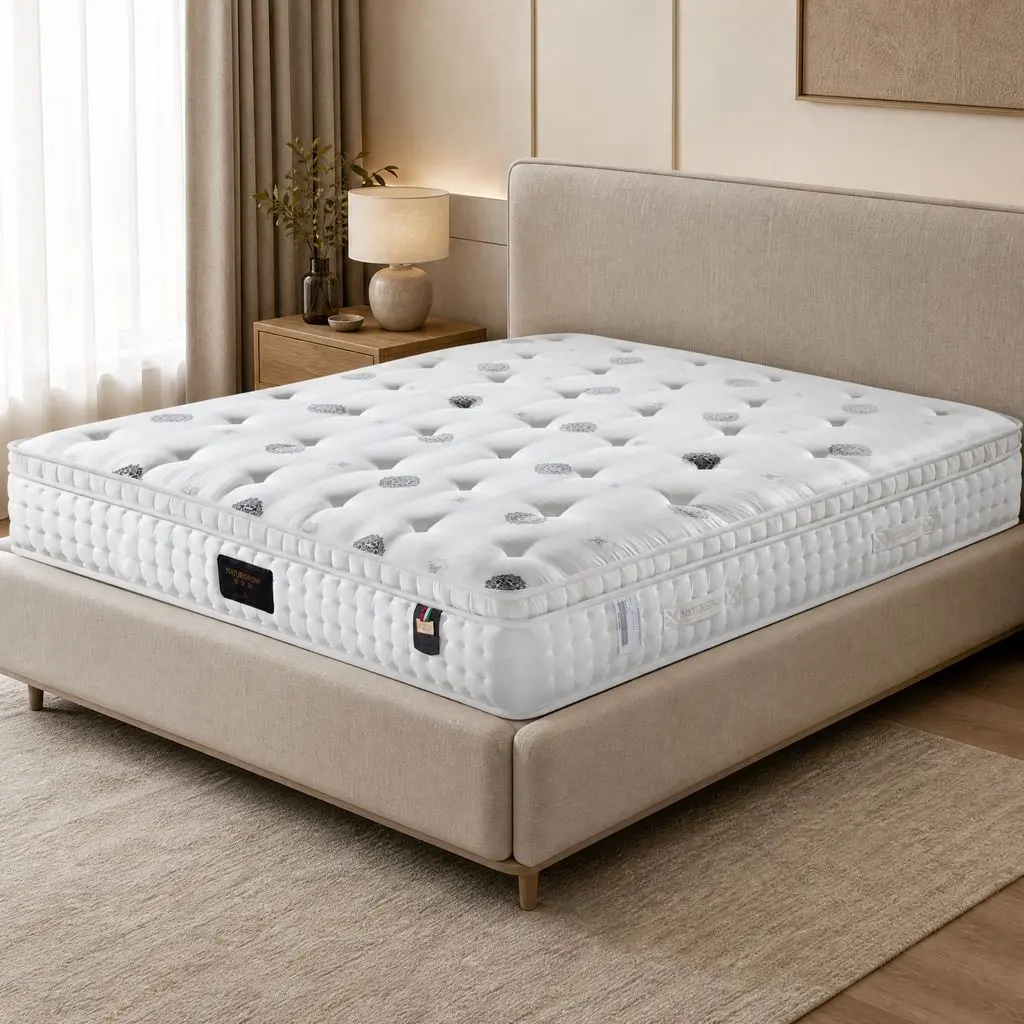
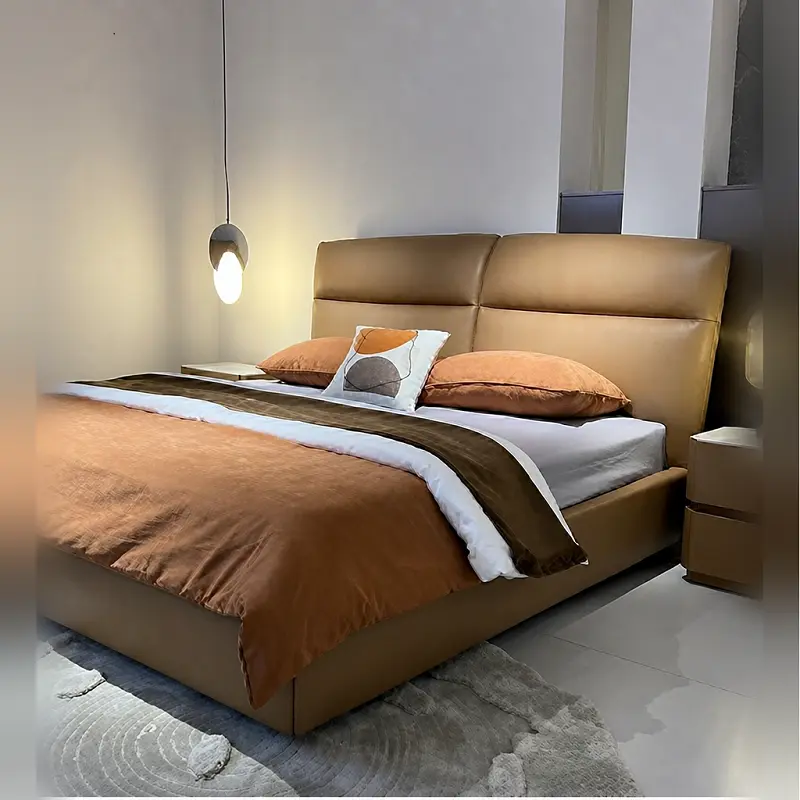
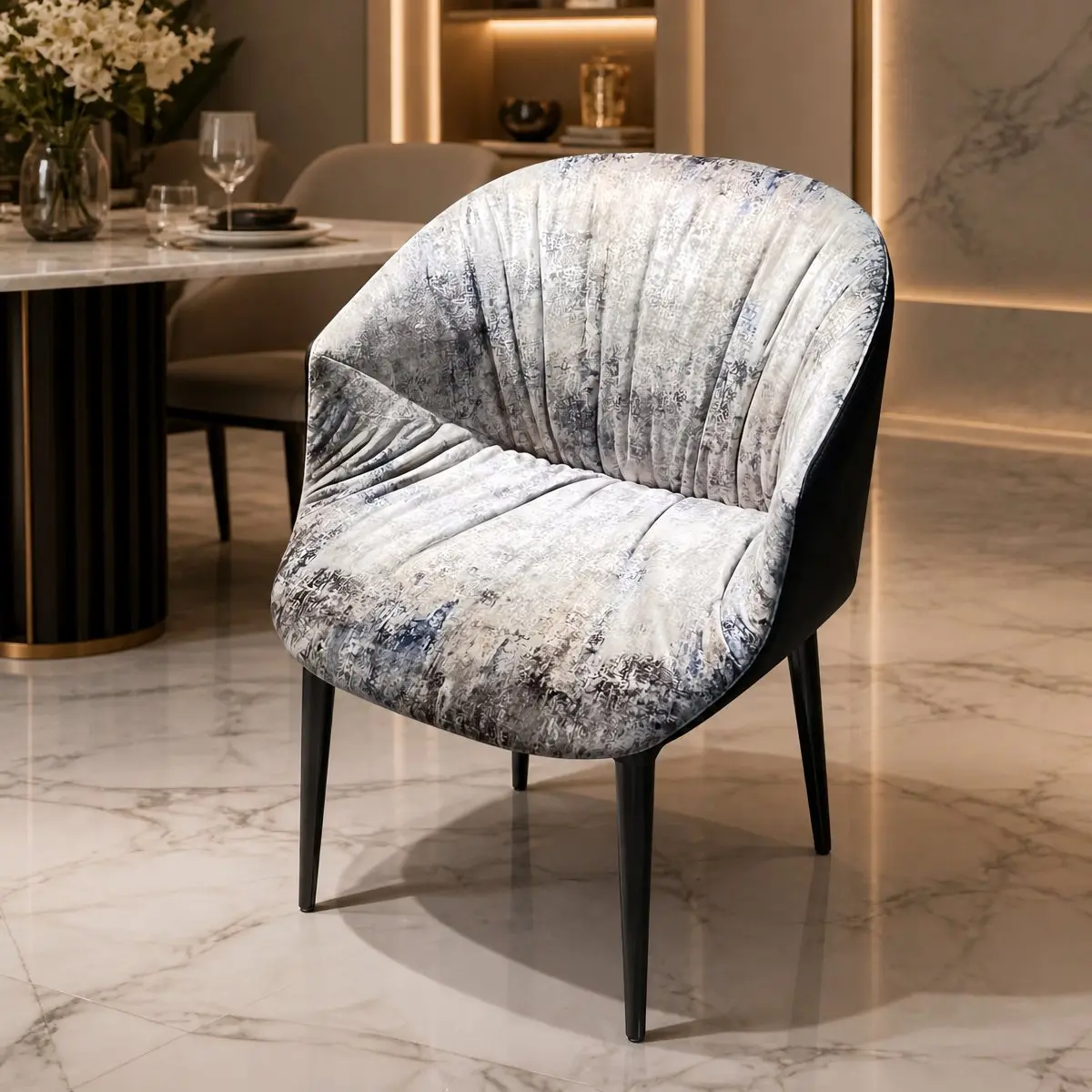
Every range below is engineered for export, packaged for long-haul freight to Salalah, Muscat and Duqm, and validated against GCC-specific climate and finish expectations. Purchase links remain fully active.
Why Outdoor Side Tables Are a Rising Procurement Category in Oman
Oman's outdoor furniture demand sits at the intersection of three macro forces: an ongoing hospitality and tourism build-out under Oman Vision 2040, a rapidly expanding residential and mixed-use real estate pipeline in Muscat and Duqm, and a climate that demands genuinely outdoor-rated material engineering — not just indoor furniture moved outside.
Hospitality & Resort Pipeline
Oman has continued to expand its hotel and resort inventory across Muscat, Salalah, Jebel Akhdar and the Musandam Peninsula, with a growing emphasis on midscale and upscale converters. Every new terrace, pool deck, lobby lounge and rooftop F&B outlet generates a line-item demand for outdoor side tables, coffee tables and occasional tables — items that are often specified late in the FF&E cycle and sourced quickly.
Pool deck and rooftop lounges
Beach club and cabana shading zones
Resort villa and suite terraces
Residential & Mixed-Use Growth
Integrated tourism complexes (ITCs) and gated residential communities — including Al Mouj, Muscat Bay, The Wave and emerging developments in Duqm — routinely specify outdoor balconies, roof lounges and villa terraces. This drives repeatable, high-volume demand for modular outdoor side table sets that match the project's finish palette across hundreds of units.
Balcony and terrace kits for apartments
Villa poolside and majlis-adjacent seating
Community clubhouse and amenity decks
Climate-Driven Engineering
Oman's coastal humidity, salt-laden air, and summer temperatures that routinely exceed 45°C place outdoor furniture under stresses that differ sharply from European or North American markets. Material selection for Oman therefore drives specification: powder-coated aluminum instead of untreated steel, HPL or porcelain tabletops instead of natural stone prone to thermal shock, and UV-stabilized olefin rope instead of generic polypropylene.
Salt-spray resistance (ASTM B117 validated)
UV and heat stability for powder coat finishes
Quick-dry, mold-resistant cushion foams
Trade & Logistics Infrastructure
Oman's strategic position at the mouth of the Gulf, combined with Sohar Port, Duqm Port and the Port of Salalah, creates a compelling distribution rationale for importers who serve both Omani projects and re-export markets across the GCC and East Africa. For a China-based manufacturer, direct container routes to Sohar and Salalah keep landed cost predictable for Omani buyers, especially when mixed-category consolidation is used.
Sohar and Duqm port connectivity
Consolidation of outdoor with indoor categories
Public and private tender-ready documentation
China Factory Advantage
Why Oman Buyers Source Outdoor Side Tables from Chinese Manufacturers
Sourcing from a specialized China factory is a well-established route for Omani developers, contractors and trading houses. The advantage is not simply cost — it is the depth of manufacturing capability, the breadth of OEM/ODM flexibility, and the ability to coordinate an entire outdoor program from a single supplier.
Integrated Manufacturing Clusters
Foshan, Shunde and the broader Pearl River Delta cluster contain dedicated outdoor furniture factories with in-house aluminum welding, powder coating lines, weaving teams and cushion cutting — enabling consistency across thousands of units per project.
Scalable Capacity & Lead Times
Large outdoor factories typically quote 25–40 day production windows for repeat programs, with pre-CNY planning essential. Engaging factories like Foshan Qingyumai Technology Co., Ltd. early gives Omani buyers ramp-up protection against seasonal capacity crunches.
OEM / ODM Customization
Dimensions, tabletop materials, frame finish colors, rope colors and private-label branding can all be customized — allowing Omani project buyers to align the outdoor program with a specific hotel brand or residential scheme identity.
Multi-Category Consolidation
Outdoor side tables rarely ship alone. Buyers typically combine them with outdoor sofas, dining sets, sun loungers and even indoor furniture in the same container — something a whole-house manufacturer can handle that a single-line trading company cannot.
Export Documentation & QC
Experienced export teams handle the material certificates, packaging specs and inspection reports that Omani importers and their banks or tender authorities typically require before release of payment.
Cost Engineering
Factory-direct pricing eliminates multiple intermediary layers, and value engineering choices — such as substituting natural stone with HPL for a comparable look at lower freight weight — often reduce landed cost by double-digit percentages for Omani buyers.
Trends & Material Shift
Outdoor Side Table Trends Shaping GCC Demand in 2025–2027
Global outdoor furniture design has been converging toward a distinctive semantic: weather-durable minimalism with tactile natural finishes. Oman's specification palettes are following this direction with distinct regional preferences.
Trend
Material / Form Convention
Omani Buyer Implication
Powder-Coated Aluminum Frames
Matte graphite, sand, ivory; 1.5–2.0 mm wall thickness for coastal strength
Preferred over steel due to salt-spray tolerance in Muscat, Sohar and Salalah
HPL & Porcelain Tabletops
12 mm HPL, 10.5 mm compact porcelain in stone-look finishes
Withstand 45°C+ surfaces without thermal cracking, lighter freight weight
Olefin Rope Weaving
UV-stabilized olefin over aluminum frame, in earth and clay tones
Better fade resistance than generic polypropylene in high-UV Omani climate
Quick-Dry Cushion Systems
Open-cell reticulated foam + mesh drainage layers
Reduces post-rain or pool-deck drying time, reduces mold risk in humid periods
Modular Nesting Tables
Stacking or nesting side tables for flexible terrace layouts
Adaptable for banquet venues and multi-configuration F&B seating
Balanced Neutral Palettes
Sand, taupe, off-white, muted terracotta
Aligns with hospitality design languages across major Omani hotel brands
Knock-down tables with protective EPE and corner guards
Improves container yield by 20–35% for side table SKUs
Localized Application Scenarios
Where Outdoor Side Tables Are Specified Across Oman
Different Omani project typologies call for different side table specifications. Below are the dominant application scenarios and the practical specification notes our team supports buyers on.
Resort & Pool Deck Terraces
Poolside and beach club side tables must tolerate chlorine, saltwater and intense sun exposure. Aluminum frames with HPL tops and olefin rope detailing are the standard specification set. Expect 30–80 units per venue at 500–1400 mm heights.
Villa & Residential Balconies
For Al Mouj, Muscat Bay, Musandam villa and ITC programs, buyers typically source a coordinated outdoor kit including side tables, coffee tables and lounge seating. Lightweight, weather-safe proportions are preferred for smaller Omani balconies.
Cafés & Beachfront F&B Outlets
Branded terraces in Qurm, Shati Al Qurum, Muttrah corniche and Salalah beachfront require compact side tables that pair with outdoor dining chairs. Nesting designs support flexible seating plans during peak Oman tourist seasons.
Corporate & Government Landscapes
Ministries, business parks and university campuses including Sultan Qaboos University precincts often procure outdoor furniture through local contractors. Table specifications should satisfy public tender documentation, warranty terms and site inspection protocols.
Foshan Qingyumai Technology Co., Ltd. is a whole-house furniture manufacturer and exporter with 10+ years of export experience, 100+ original patents, and 19 product categories coordinated under a single purchase order. The company operates under the Qingyumai export brand from Longjiang, Shunde — the heart of the Foshan furniture cluster.
10+Years of export experience
100+Original design & structure patents
19Furniture categories under one supplier
4OEM / ODM customization dimensions
Ready to Specify Outdoor Side Tables for Your Oman Project?
Share your project type, quantity, target finish palette and delivery timeline. Our export team will prepare a tailored proposal, material recommendation and container loading plan within 2 business days.
Practical answers to the questions importers, project managers and tender officers most often raise when sourcing outdoor side tables from China for Omani projects.
Do you supply directly to Oman, and what are typical shipping times?
Yes. We regularly supply Omani buyers and GCC importers via Sohar, Duqm and Salalah ports. Production lead time for outdoor side table programs is typically 25–40 days after sample and deposit approval, and ocean transit from South China to Sohar or Salalah is commonly in the 18–28 day range depending on routing and port congestion.
Which materials should Omani buyers specify for outdoor side tables?
For Oman's climate we recommend powder-coated aluminum frames rather than untreated steel, HPL or compact porcelain tabletops rather than porous natural stone, UV-stabilized olefin rope for any woven elements, and quick-dry reticulated foam cushions for any seated pairing. This combination maximizes service life in coastal humidity and high-UV conditions.
Can I combine outdoor side tables with indoor furniture in one container?
Yes. As a whole-house furniture manufacturer, we routinely consolidate outdoor tables with sofas, beds, mattresses, dining furniture and hotel FF&E items in the same container. This reduces per-unit ocean freight cost and simplifies the customs clearance process for Omani importers.
Do you offer OEM and ODM services for Omani brands and project buyers?
Yes. We customize dimensions (width, depth, height), tabletop material and finish, frame powder-coat color, design details and private labeling such as branded base plates, woven labels and custom packaging. ODM support extends to generating specification drawings from a design brief.
What are your standard quality control measures?
Our QC engineers perform on-site production line audits checking structural durability, finish consistency, weld integrity and dimensional tolerance. For export programs we also support pre-shipment inspection, material certificates, and drop-test validated export packaging so that side tables arrive at the Omani consignee undamaged.
Can your team support Omani public tender documentation?
Yes. We regularly provide technical submittals, material specifications, factory profile documentation and packaging drawings to support Omani tender submissions. For government or ministry tenders we can also coordinate third-party inspection where required by the buyer's contract.
Do you support long-term Omani distribution agreements?
We work with selected Omani importers and retail chains on long-term distribution programs, including private-label outdoor collections, agreed reorder pricing, and stock-planning support so that seasonal demand peaks are covered without over-stocking slow-moving SKUs.
Full Product Portfolio
Additional Qingyumai Series for Coordinated Omani Projects
When an Omani program also requires bedroom, dining or hotel furniture, the same supplier coordinates the finish palette and container loading — reducing touchpoints and risk. The product links below remain active for direct inquiry.