
Sectional
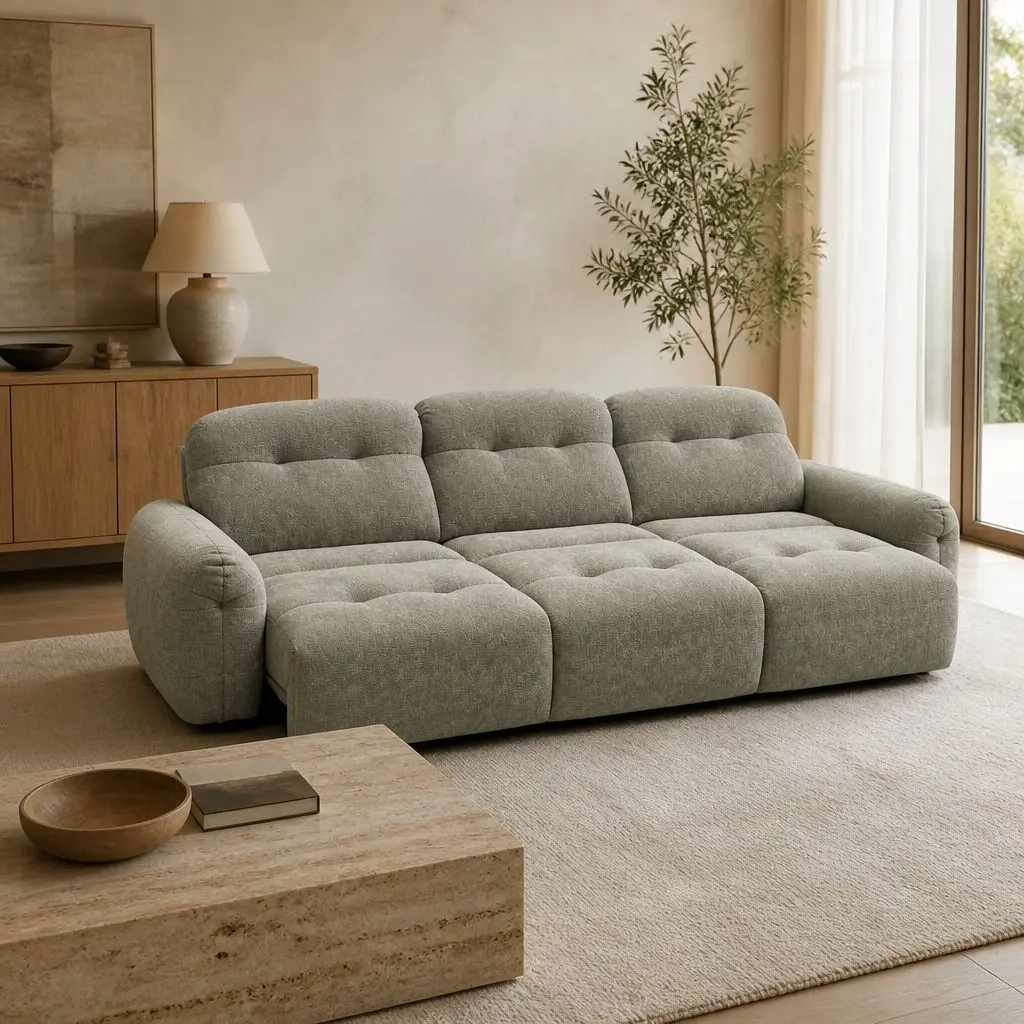
Spain is one of Europe's most mature upholstery markets, but its power-reclining segment behaves differently from the rest of the continent. This page is written as an information-gain brief for Spanish buyers: what the local channel actually demands, how to avoid the compliance and logistics traps, and how a Foshan manufacturer with 10+ years of export history can take responsibility across the whole route.
Each model below answers a different commercial brief — from high-turnover sectional retail in Madrid and Barcelona to project seating for Catalan hospitality. Every listing links directly to the live specification page.
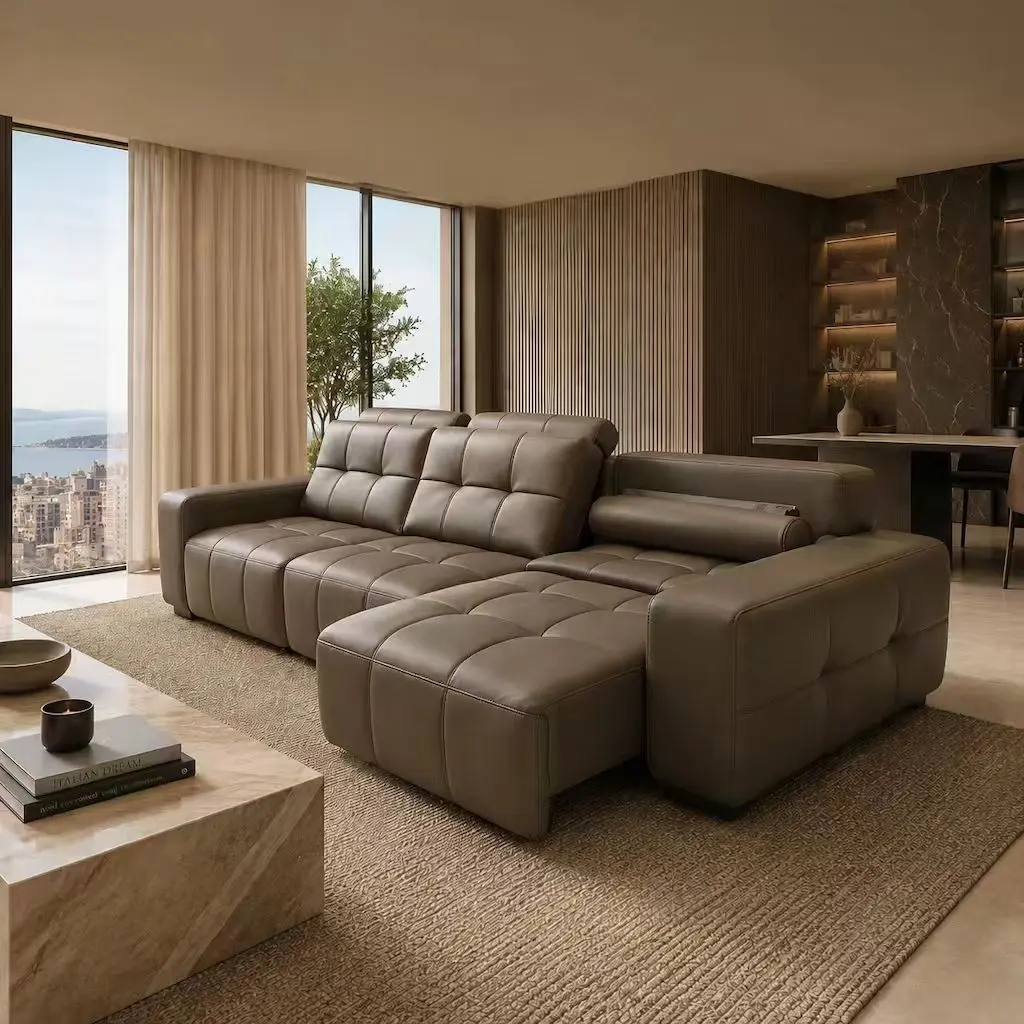
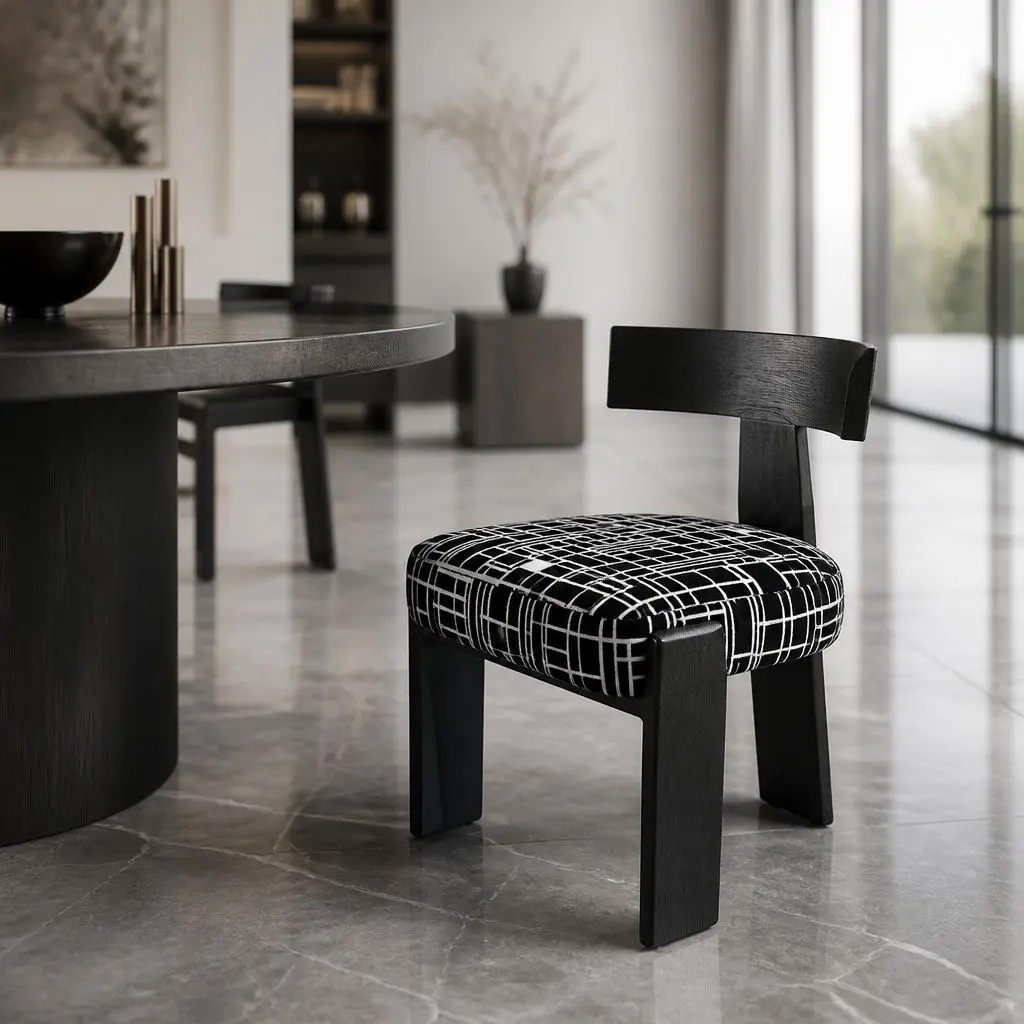
Spain's furniture channel is concentrated, climate-driven and unusually demanding on documentation. Understanding these four structural realities is the difference between a profitable container and a returned one.
Spanish furniture retail runs through a small number of national chains, a dense layer of regional multi-store independents (Levante, Andalucía, País Vasco) and a growing online channel. Each has a different minimum order, a different pack-out expectation and a different appetite for private label. A wholesaler who only ships full 40HQ loads will lose the regional independents; a manufacturer who can mix categories and mix pallets wins them.
Interior Spain regularly exceeds 40°C in summer; the Cantabrian coast sits in sustained humidity. Motor housings, PU-leather coatings and bonded foams all behave differently across those two extremes. A recliner designed for a Nordic living room can fail in Sevilla within two seasons. Heat-tolerant actuator ratings, moisture-stable foam densities and UV-stable upholstery are not marketing extras in Spain — they are entry requirements.
Spanish importers are audited on technical files, EU declarations and traceability far more closely than on price. A missing declaration of conformity, an unbranded motor without an EU authorised representative, or a fabric without a reaction-to-fire classification can stop a container at Algeciras or Valencia. Documentation quality is the hidden competitive moat in this category.
Reclining sofas are volumetric, not weight-driven — the reclined mechanism forces oversize cartons. Spanish ports handle high volumes of container traffic, but per-unit freight only becomes competitive when a buyer mixes recliners with beds, dining and outdoor categories in one box. Single-category containers are the most common margin leak we see from Iberian buyers.
Reclining seating has moved from a niche comfort category to a mainstream living-room default in North America and is now following the same curve through Southern Europe. Three macro forces shape what a Spanish buyer should be sourcing today.
Globally, motion and reclining frames have been the fastest-growing upholstery sub-segment for several consecutive cycles, driven by ageing populations, home-cinema adoption and the post-pandemic revaluation of the living room. The category that was once "a chair in the corner" is now a modular sectional with two or three powered seats — which is precisely the format Spanish independents are now asking for.
The global recliner mechanism and actuator supply chain is dominated by a handful of component makers. That concentration means lead times for mechanisms move independently of upholstery lead times — a manufacturer without pre-positioned mechanism stock cannot promise a stable delivery date. Buyers who ask "where do your motors come from and how much stock do you hold" are asking the most commercially important question in this category.
European requirements around product safety documentation, chemical restrictions in textile coatings and, increasingly, repairability and spare-part availability are converging. Spain applies these as an EU member state, and Spanish retailers increasingly push the obligation upstream to importers. A supplier who can hand over a technical file at the point of order removes an entire layer of risk from the importer's balance sheet.
Rather than quoting a single model, we structure recliner supply as a four-layer programme. Each layer answers a different question your procurement team will be asked internally.
| Layer | What It Covers | Why It Matters in Spain | Deliverable |
|---|---|---|---|
| 01 · Frame & Structure | Larch and hardwood frame engineering, corner-block joinery, seat-deck reinforcement for reclined load paths | Reclined positions move load to points a static sofa never stresses; Spanish buyers return frames, not fabrics | Structural test report + frame drawing |
| 02 · Motion & Electronics | Actuator selection, control-board specification, plug-type localisation (EU Schuko), cable routing, manual override | Spanish homes run 230V/50Hz with Schuko outlets; a UK or US plug configuration is an instant rejection | Wiring diagram + component certificates |
| 03 · Upholstery & Climate Fit | Fabric and leather grade selection, foam density and compression-set targets, seam and stitch specification | Heat and humidity tolerance separates a two-season sofa from a ten-season sofa in Iberian conditions | Material spec sheet + swatch set |
| 04 · Compliance & Logistics | Technical file assembly, declaration of conformity, labelling, carton engineering, container mixing | Documentation gaps stop containers; poor carton engineering destroys recliners in transit | Full export document pack + loading plan |
Each layer is optional to discuss and mandatory to resolve before a first production run. Buyers can enter at any layer.
Spanish demand for reclining seating is not uniform. These five scenarios cover the majority of enquiries we receive from Iberian buyers — and each one implies a different specification priority.
High-specification short-let and second-home villas along the Andalusian coast need seating that survives seasonal vacancy, coastal humidity and rapid turnover between guests. Specification priority: moisture-stable foam, removable washable covers, and a mechanism that tolerates intermittent use after long idle periods.
Compact urban apartments drive demand for narrow-depth modular recliners where the power chaise extends usable seating without extending the footprint. Specification priority: modular configurability, low back heights that clear windows, and lift-friendly carton dimensions for buildings without service lifts.
Spanish and Balearic hotel refurbishments increasingly specify reclining seating in suites and public lounges. Specification priority: contract-grade fabric with documented abrasion performance, reinforced frames for institutional use, and a documented maintenance and spare-part path.
Spain's ageing population is expanding the senior-living segment, where powered recline is a functional aid rather than a luxury. Specification priority: low-effort actuation, stand-assist-friendly geometry, anti-tip stability and simple, high-contrast controls.
Levante and Andalucía independents need a differentiated recliner programme under their own brand without committing to full-container volumes per model. Specification priority: private-label labelling, mixed-model palletisation and a fast sampling route to test new configurations.
AV specialists and home-cinema integrators specify powered recliners as part of a technology package. Specification priority: multi-seat synchronised actuation, quiet motor operation, and clean cable management that integrates with a room's AV routing.
Compliance is not a certificate you attach at the end — it is a chain of decisions that starts at the material specification meeting. Here is how we build that chain for Spanish consignments.
Every powered recliner destined for Spain is configured for 230V/50Hz with an EU plug standard and a motor and control-board set that carries the documentation a Spanish importer needs to place the product on the market. Cable routing, control placement and manual-override positioning are all specified at the drawing stage, not retrofitted on the line.
We assemble the product technical file alongside production: drawings, component lists, material declarations, test summaries and labelling artwork. The file travels with the shipment reference so your compliance team is not rebuilding it from photographs after arrival.
Spanish consignments typically route through Valencia, Barcelona, Algeciras or Bilbao depending on the buyer's inland distribution. We plan pack-out and pallet configuration against the destination port and the onward transport leg, because a carton that survives a Valencia devanning may not survive a multi-drop delivery to inland Andalucía.
Actuators, control boards and hand controls are the failure points in any powered recliner. We maintain a documented spare-part reference for each model programme, so a Spanish retailer can resolve a service issue without replacing a sofa. This single provision is often what converts a trial order into a repeat programme.
Reclining technology is moving through four visible stages. Knowing which stage a model sits in tells a buyer exactly what they are committing to for the next three to five seasons.
One actuator per seat, wired hand control, manual override. Proven, repairable, and still the volume category for Spanish independents because service cost is predictable.
Two to three synchronised powered seats, modular control modules, USB charging integration. This is the configuration driving home-cinema and premium retail demand.
Battery-powered and wireless-control recliners remove cable routing constraints from room planning — a significant advantage in Spanish apartments where wall placement is fixed.
Load sensing, stand-assist sequencing and posture-responsive recline aimed at senior living and healthcare-adjacent channels. Regulatory clarity is still developing in the EU.
EU buyers are beginning to ask for replaceable covers, documented foam composition and spare-part availability as standard. We plan model programmes around cover replaceability from the pattern stage, because retrofitting repairability into an existing frame design is materially more expensive than designing for it.
A recliner programme specified today will still be on Spanish retail floors in three to five years. Source for serviceability and spare-part availability, not only for the opening price — the second and third order are where margin actually accrues.
Foshan Qingyumai Technology Co., Ltd. operates from Longjiang, Shunde — the production cluster that supplies a substantial share of the world's upholstered furniture. We are an integrated manufacturer, not a catalogue reseller, and we extend capacity through audited specialist partner factories so that recliners, beds, mattresses, dining and outdoor furniture ship under one quality standard.
More than a decade of export operations across European, North American and Middle Eastern markets, with documented QC checkpoints at frame assembly, upholstery and pre-packing. Buyers are welcome to send a third-party inspector at any stage.
Mechanism selection, load-path frame reinforcement and actuator documentation are handled by a dedicated engineering team, not by a general sales desk. That distinction is visible in the technical file you receive.
Our commercial model depends on second and third orders. That is why spare-part references, cover replaceability and documentation completeness are treated as commercial commitments rather than optional extras.
Send us your target configuration, destination port and volume. Our export team will return a specification proposal, a compliance checklist and a loading plan for your review.
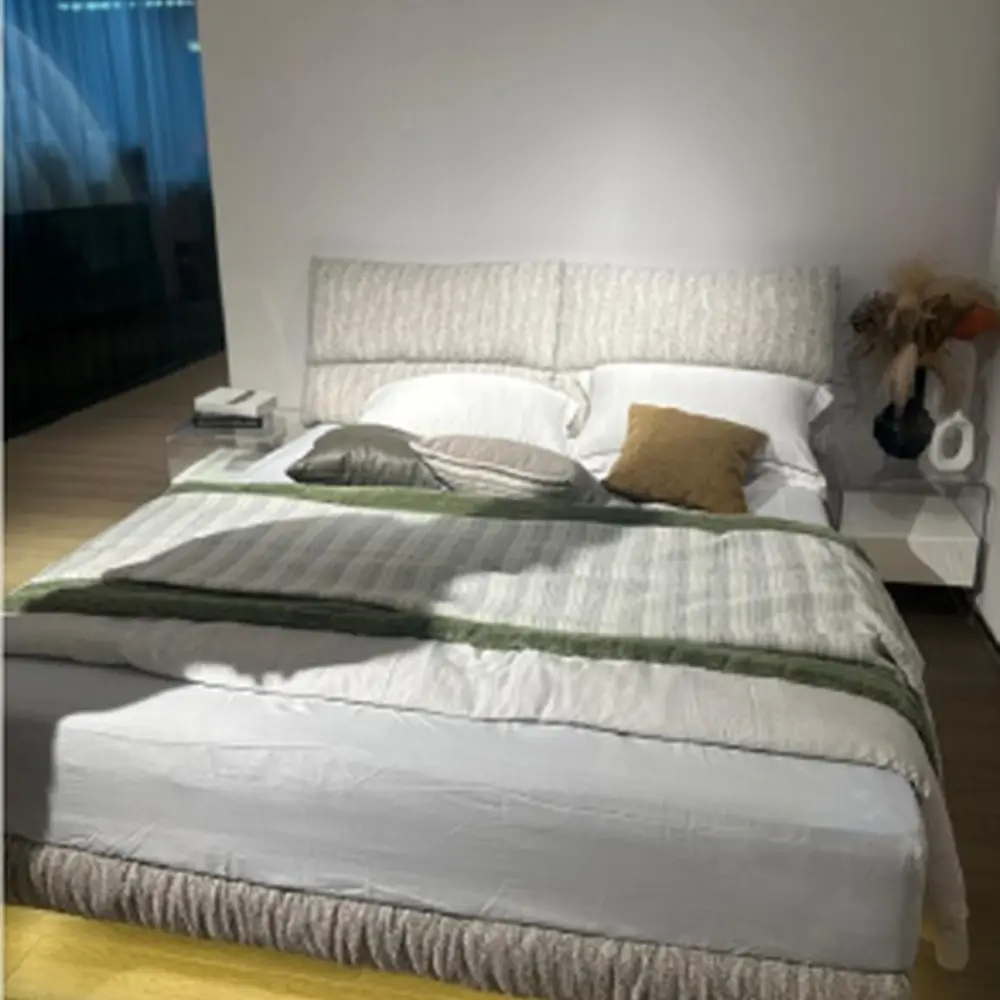
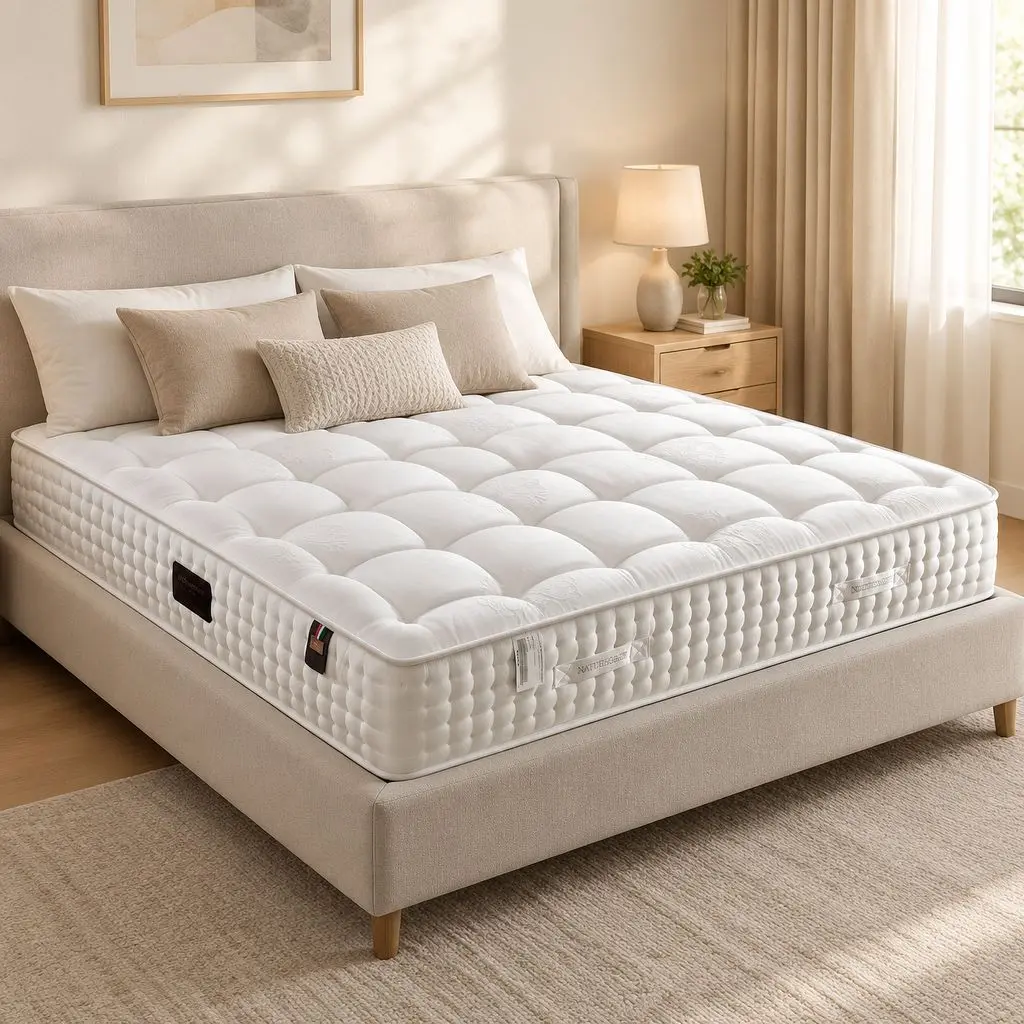
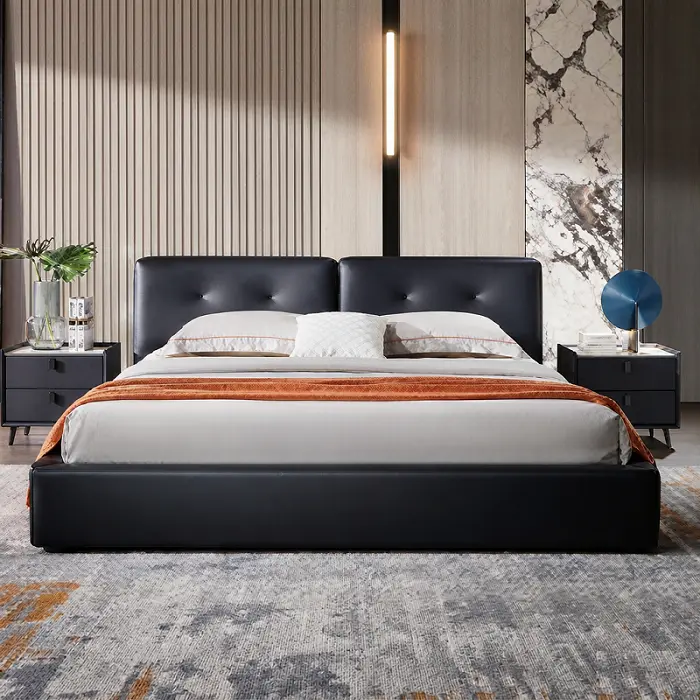
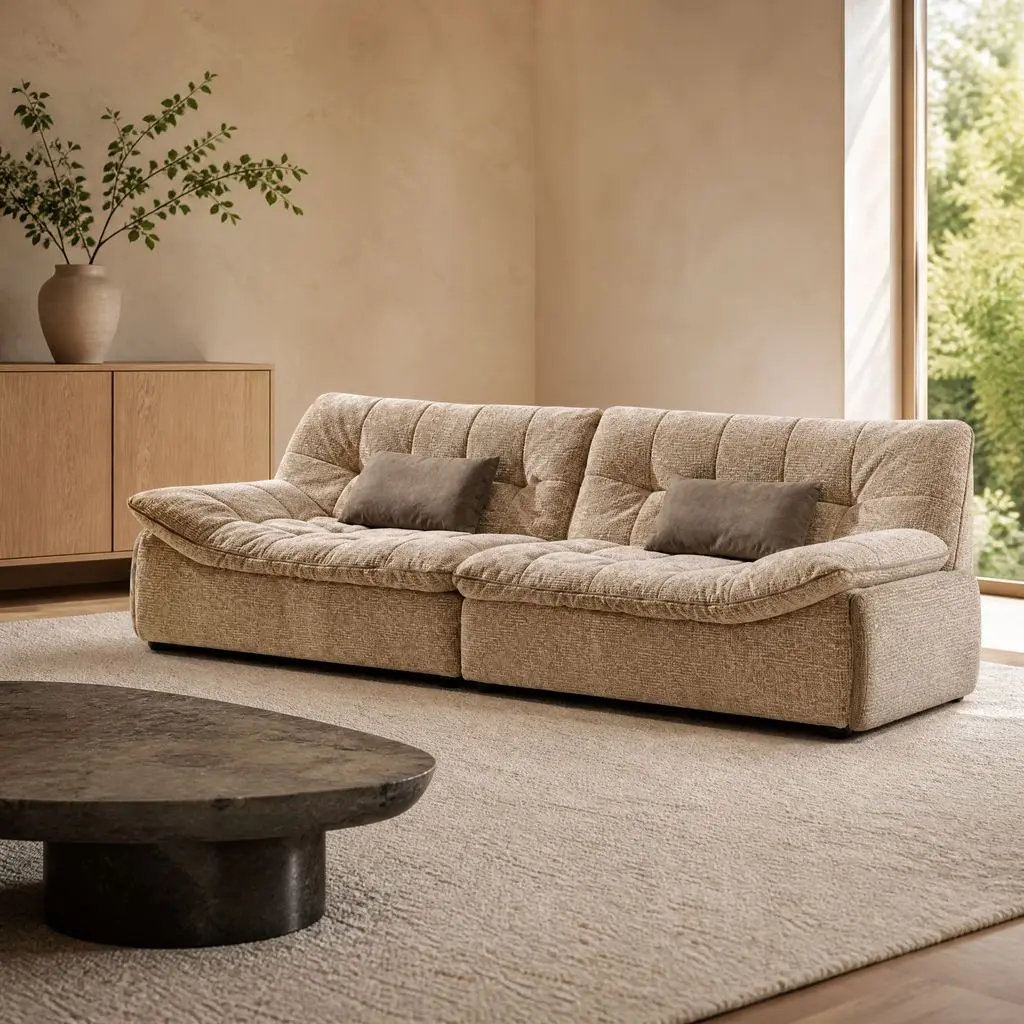
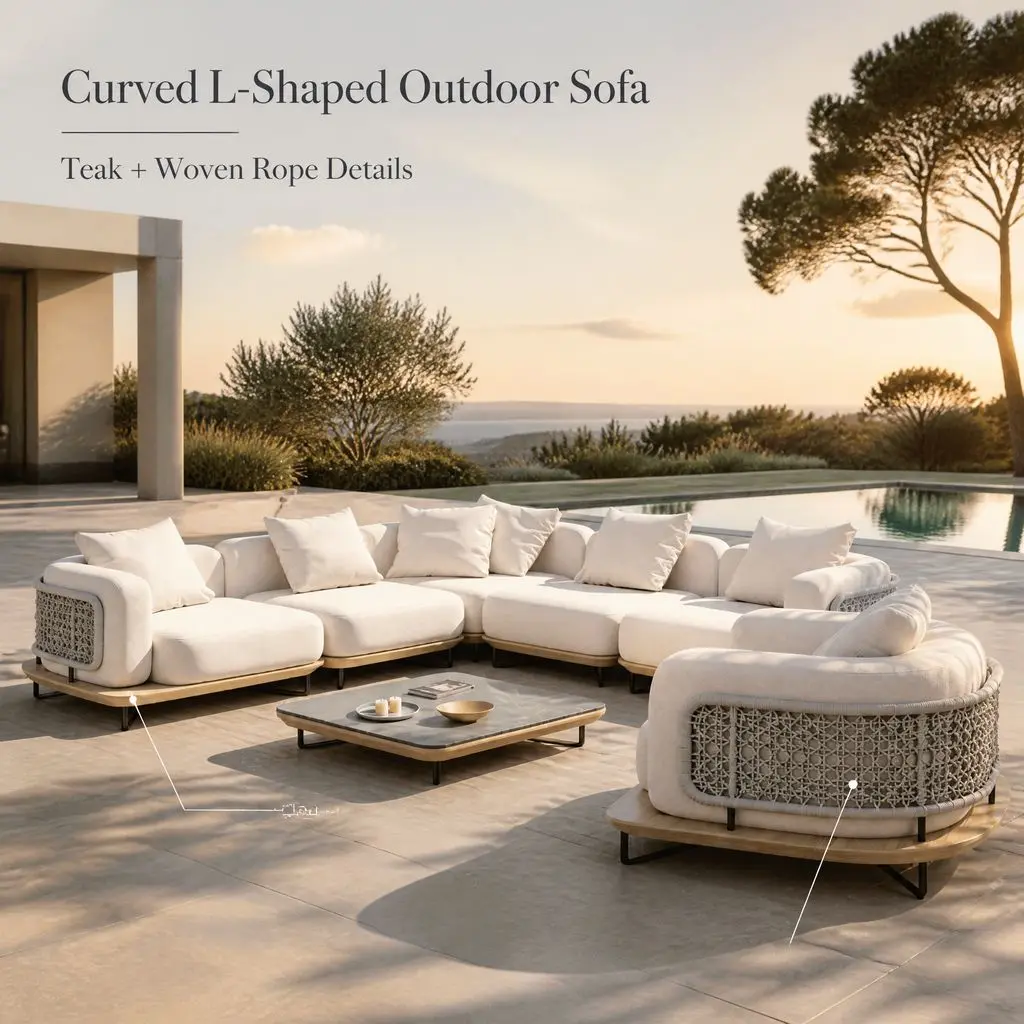
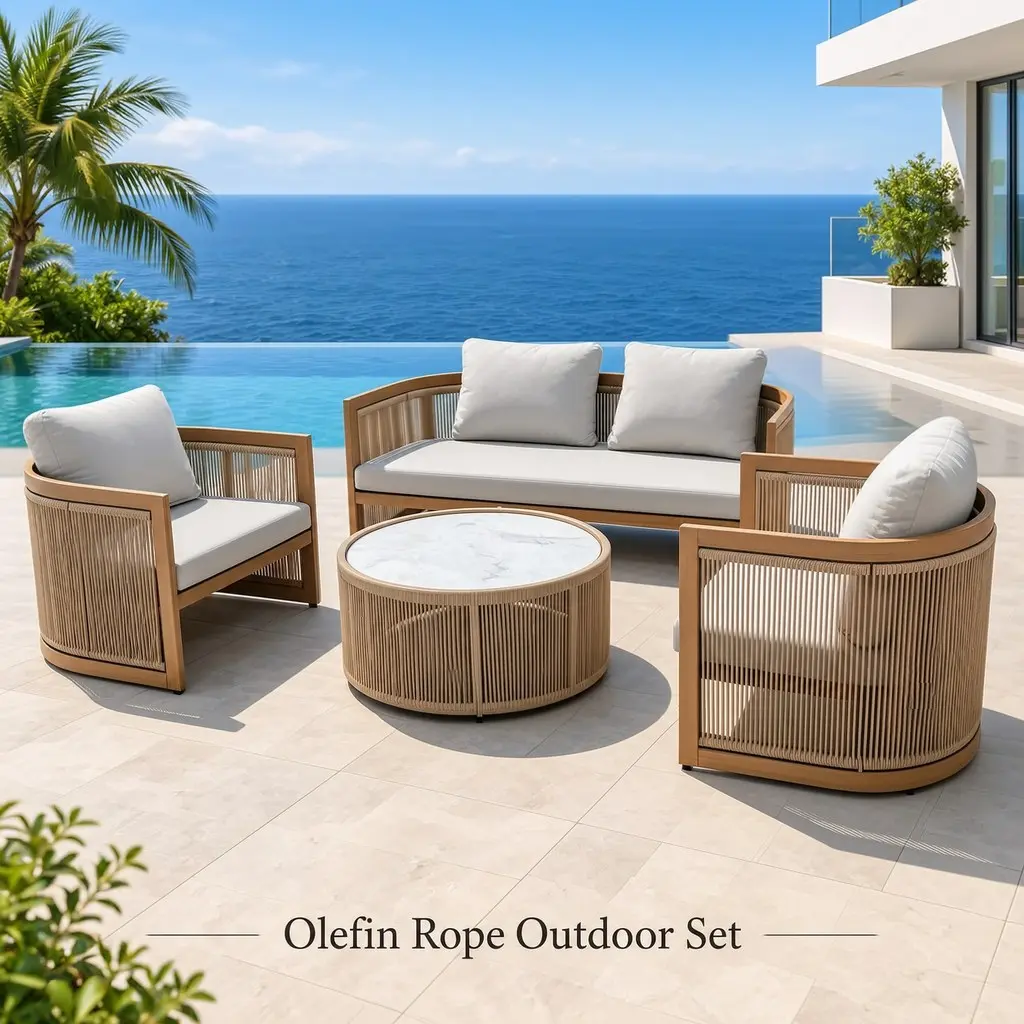
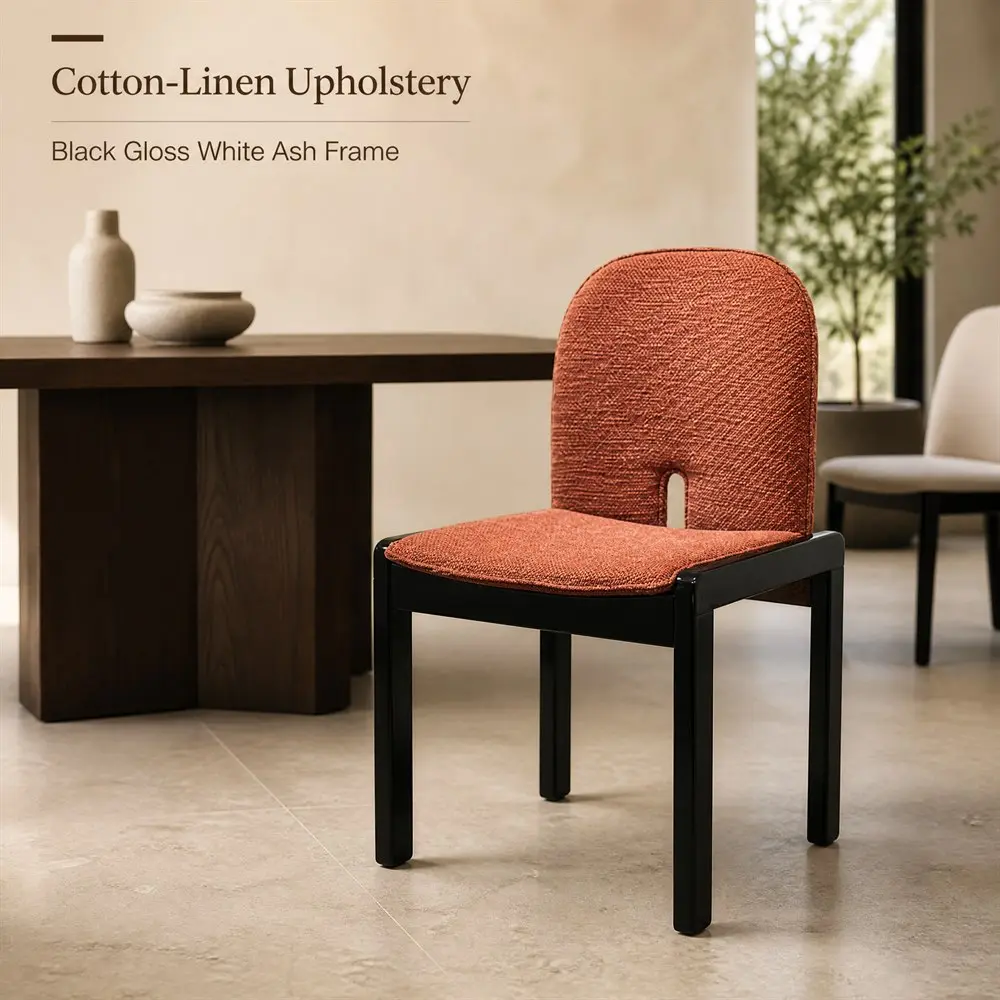
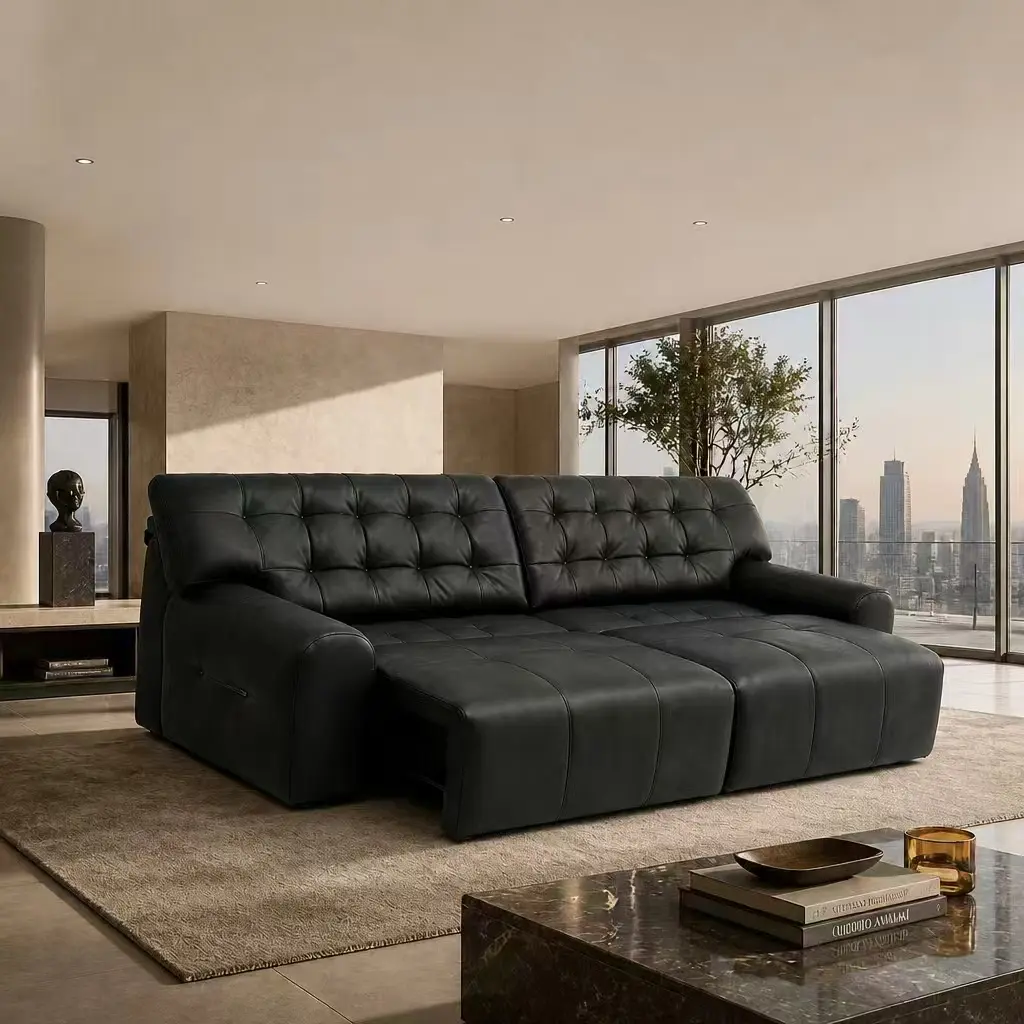
Spanish buyers rarely order recliners alone. These eight models are the categories most often consolidated alongside recliner programmes — the practical route to a competitive freight cost per unit.
The questions Spanish importers, project buyers and retail buyers ask most often before a first recliner order.