
Solid Wood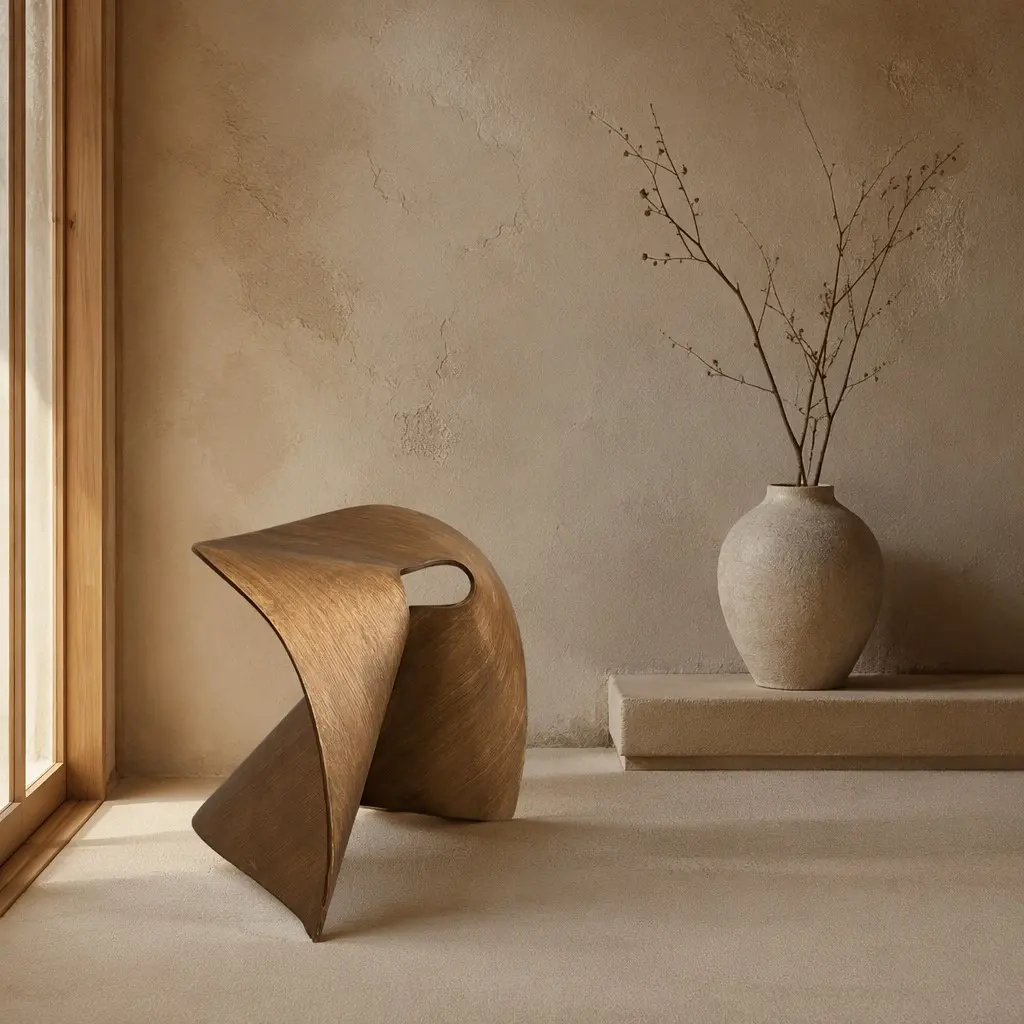
These four lines are the highest-repeat items for Thai buyers — a styling-friendly dining chair, a pressure-relief mattress for treatment and rest rooms, a swivel meeting chair for consultation zones, and a sculptural accent chair that lifts reception photography. All available under one purchase order.
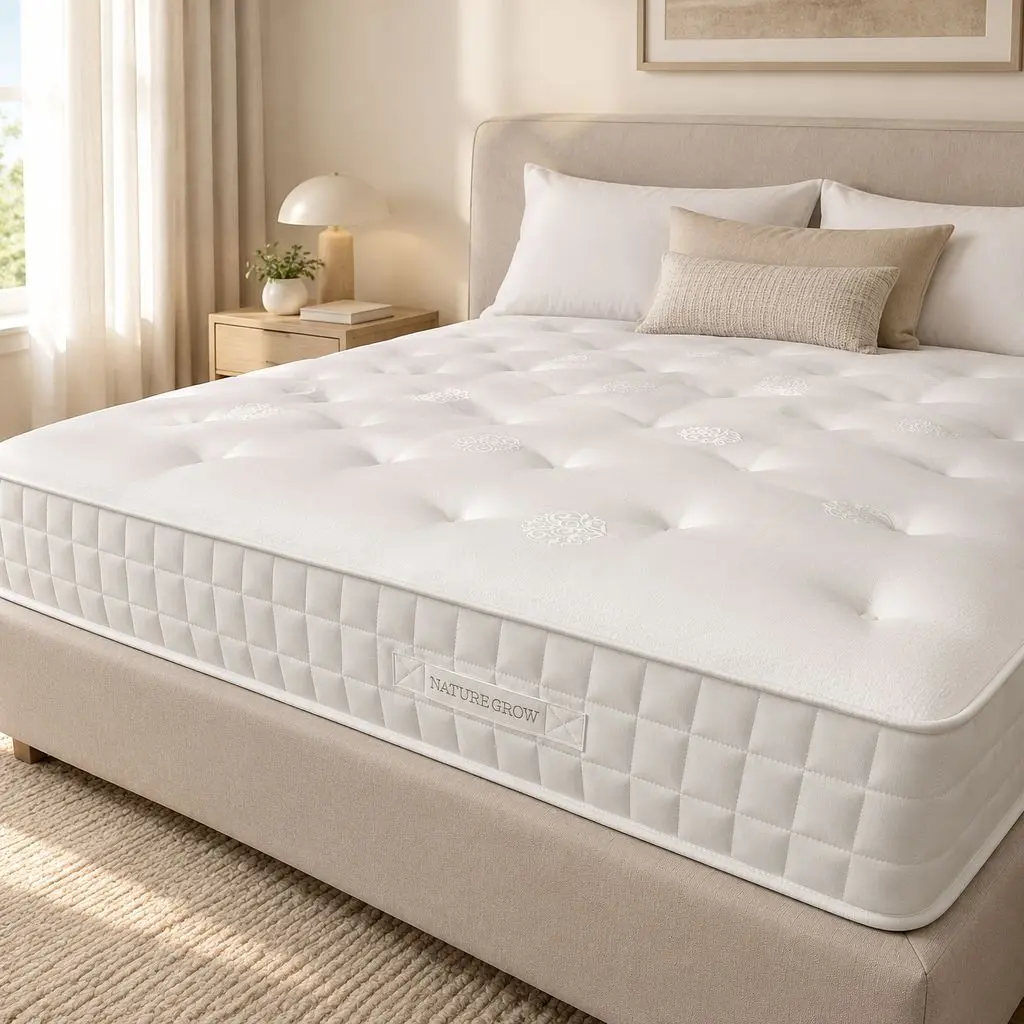
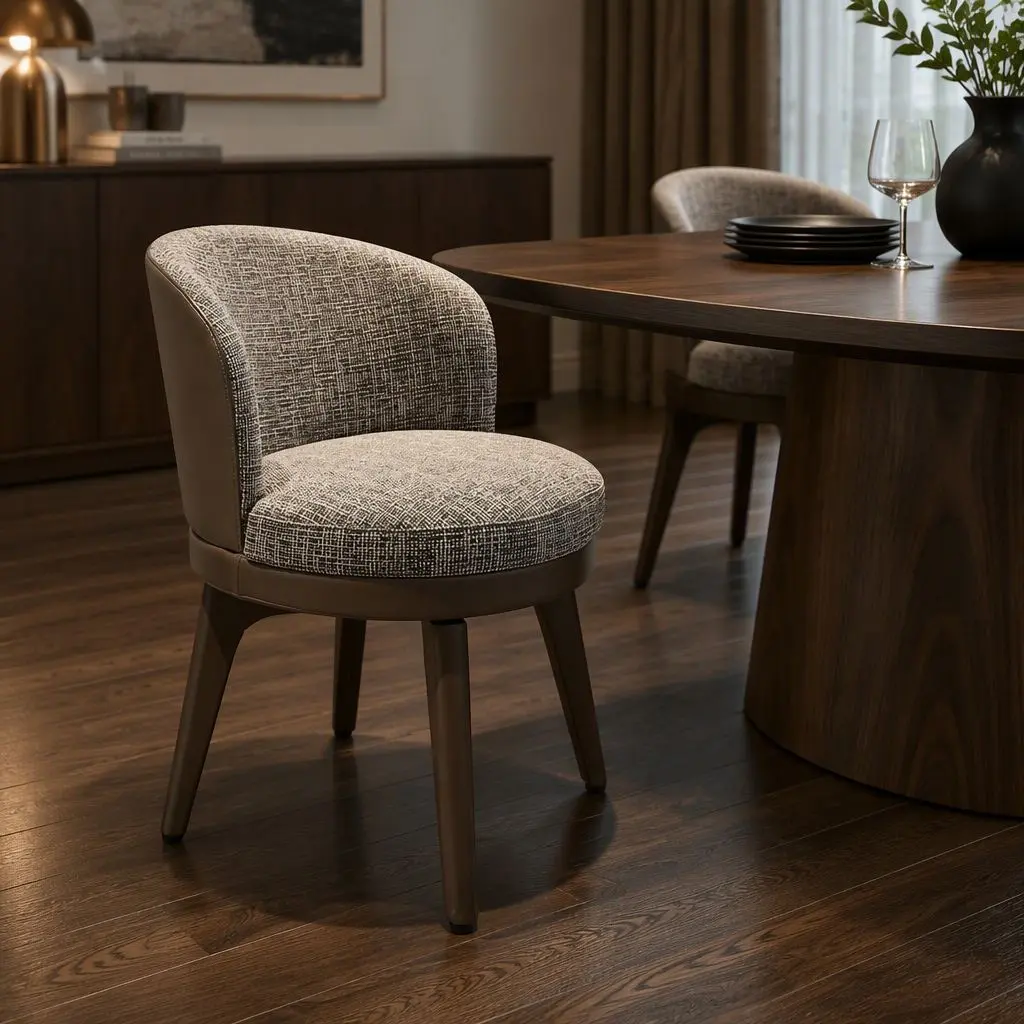
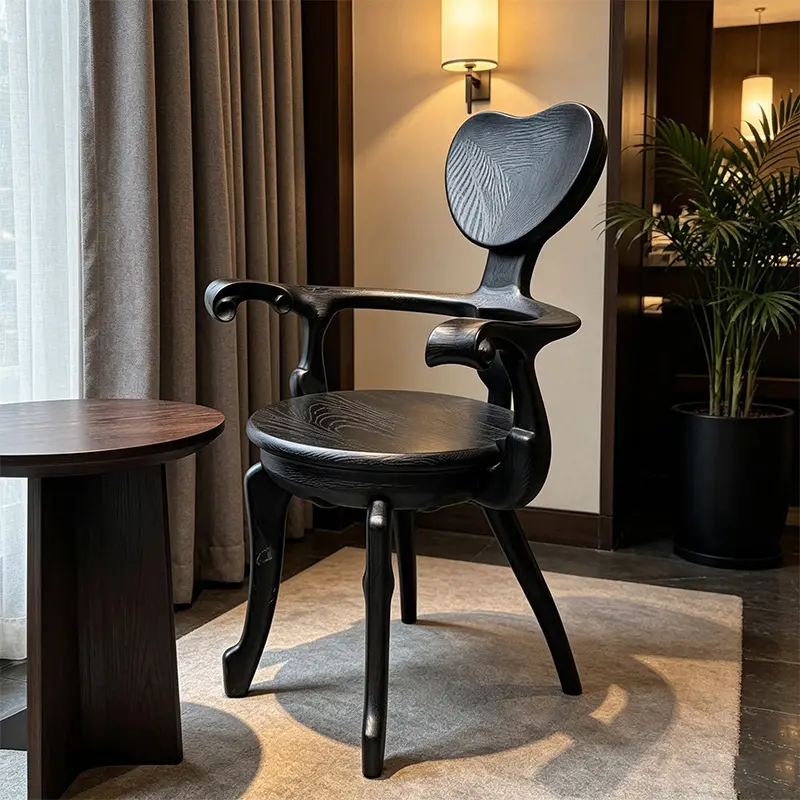
Thailand's wellness, beauty and hospitality economy is structurally different from most ASEAN markets: it is simultaneously a domestic retail story (Bangkok's 3,000+ registered salons and barber studios), a tourism-driven spa economy (Phuket, Koh Samui, Chiang Mai), and a medical-wellness hub (Bumrungrad, Samitivej and the growing aesthetic clinic sector). Each of these three buyer types needs different furniture, and all three are currently under-served by local wholesale supply.
Thailand has strong domestic furniture manufacturing — particularly in the North (Chiang Mai teak) and around Nakhon Pathom and Samut Sakhon — but local output is concentrated in solid wood casegoods and traditional residential furniture. Commercial-grade salon seating, treatment beds, wet-area-resistant upholstery and high-cycle reception lounge furniture are still largely imported from China, Vietnam and Malaysia. That gap is where a Foshan-based manufacturer with an export program for Thailand wins.
Bangkok's Sukhumvit, Thonglor and Siam corridors see continuous churn of new salons and barber studios, driving repeat demand for reception seating, styling chairs and retail display units.
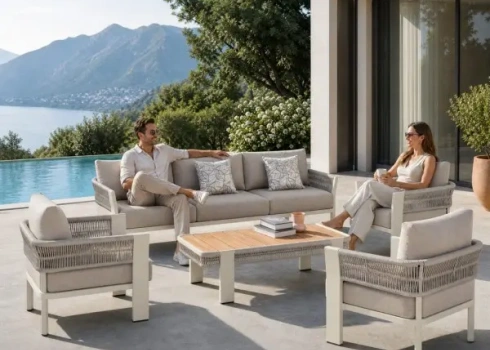
Phuket, Koh Samui and Chiang Mai spa resorts specify treatment beds, relaxation lounges and outdoor terrace furniture that must survive humidity and salt air.
Medical-aesthetic clinics in Bangkok and Chiang Mai need clinical-grade seating, consultation chairs and waiting lounges that read premium but withstand hospital-grade cleaning.
Thailand's hotel pipeline continues to expand beyond Bangkok into secondary cities. FF&E procurement teams buy in coordinated packages — salon, guestroom, lobby and pool terrace.
China–Thailand rail links, Laem Chabang port capacity and FCL/LCL consolidation from Guangdong make factory-direct sourcing logistically simpler than five years ago.
Thai salon buyers are price-aware but refuse to compromise on visible quality — leather-look finishes, brushed metal bases and refined stitching are now baseline expectations.
Salon furniture is not a single category — it is a set of use cases with distinct durability, hygiene and aesthetic requirements. Below is how we map products to the six Thai deployment scenarios we see most often in inquiry data.
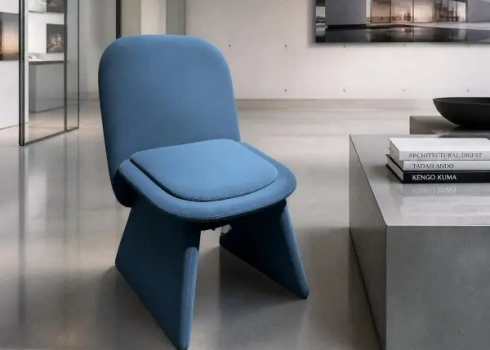
Bangkok's Thonglor, Ekkamai and Ari districts — plus Chiang Mai's Nimmanhaemin — are dense with boutique salons that treat furniture as brand identity. These buyers specify statement reception chairs, low-profile waiting benches and retail display plinths in smoked wood, brushed brass and matte black.
Phuket, Koh Samui, Hua Hin and Krabi resort spas specify treatment beds, relaxation lounges and outdoor terrace furniture that must tolerate 70–85% year-round relative humidity, salt-laden air and monsoon-season exposure. Specifying marine-grade aluminum frames, quick-dry foam and solution-dyed acrylic or olefin fabrics is not optional — it is the difference between a three-year and a ten-year asset.
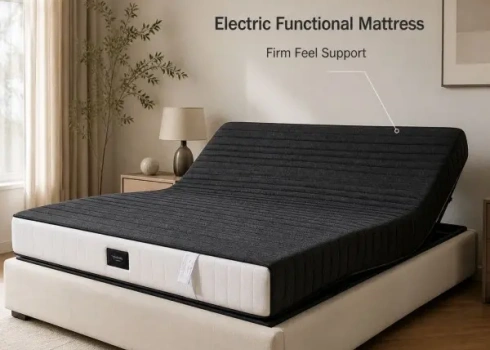
Thailand's aesthetic clinic sector — concentrated in Bangkok's Sathorn and Phloem Chit corridors and expanding into Chiang Mai, Khon Kaen and Hat Yai — has become a meaningful buyer of clinical-grade furniture. Requirements are stricter: easily wipeable surfaces, non-porous upholstery options, and ergonomics that support both patient comfort and clinician workflow.
Coordinate salon furniture with guestroom beds, lobby seating, restaurant dining chairs and outdoor terrace pieces in a single purchase order.
Compact, modular furniture for high-density urban studios — pedestal stations, low-profile tech chairs and backlit retail displays.
Phuket and Koh Samui villa developers specify coordinated in-unit salon and dressing furniture as part of premium property packages.
Understanding where Thailand's domestic furniture industry is strong and where it is not helps explain why an increasing share of commercial salon furniture specification lands on import programs from China.
Solid wood casegoods, teak residential furniture, hand-carved architectural elements and rattan/wicker production remain globally competitive. Chiang Mai's teak cluster and Nakhon Pathom's mid-market residential furniture producers set the standard for local output.
High-cycle commercial seating, engineered treatment beds, complex upholstery (power recliner, memory foam, motorized adjustments), and premium leather-look salon reception pieces are still largely imported due to domestic capacity gaps and per-unit economics.
Laem Chabang Port (Chonburi) and Bangkok Port (Khlong Toei) handle the majority of containerized furniture imports. The China–Laos–Thailand railway continues to reshape inland logistics, opening LCL consolidation from Guangdong to inland Thai destinations.
Sea freight from Shenzhen/Yantian or Guangzhou/Nansha to Laem Chabang typically runs 7–12 days port-to-port; door-to-door including customs clearance and inland delivery to Bangkok or Phuket runs 18–28 days depending on congestion and shipping line schedule.
| Procurement Scenario | Typical Quantity | Recommended Mode | Thailand Port of Entry | Realistic Lead Time |
|---|---|---|---|---|
| Single boutique salon | 8–25 pcs | LCL consolidation | Bangkok (Khlong Toei) / Laem Chabang | 28–35 days door-to-door |
| Multi-branch local chain | 60–180 pcs | 1x40HQ FCL | Laem Chabang | 24–30 days |
| Resort spa / hotel FF&E | Mixed categories | 2–4x40HQ FCL, multi-shipment | Laem Chabang / Phuket (via transhipment) | 30–45 days per phase |
| Importer / distributor restock | 300+ pcs | Full container program | Laem Chabang | Scheduled quarterly |
| Aesthetic clinic group | 20–60 pcs | LCL / shared container | Bangkok | 26–32 days |
A common mistake international buyers make is to assume that a product approved for the EU or US market is automatically Thailand-ready. It is not always. Below is the framework our Thailand program uses to protect buyers from customs friction, duty surprises and specification mismatch.
Salon furniture typically classifies under HS 9401 (seats) or 9403 (furniture) with subheadings based on material and function. We provide pre-shipment HS code documentation aligned with Thai Customs Department nomenclature to reduce clearance friction.
While TISI mandatory standards rarely apply directly to decorative salon furniture, buyers specifying furniture for healthcare-adjacent clinics may require flame-retardant upholstery or material data sheets compatible with Thai FDA-adjacent facility audits. We provide material declarations on request.
Thai importers and interior specifiers increasingly ask for low-formaldehyde board declarations. We specify E1-grade or better engineered wood with test reports available per project — important for hotels pursuing green building certification.
Commercial invoice, packing list, bill of lading and certificate of origin are issued in English with Thai-language key fields on request — reducing friction for buyers whose freight forwarders operate primarily in Thai.
Structural warranty terms (typically 2–5 years depending on product line) with replacement part shipping via LCL consolidation from Guangdong. Our Thailand buyers typically schedule after-sales parts alongside their next container to avoid air-freight costs.
For larger FF&E projects, we coordinate with trusted Thai-side installation and last-mile delivery partners so a Phuket resort can receive a coordinated package without requiring the buyer to manage fragmented logistics.
"Made in China" is not a single story. The furniture production that actually delivers high-cycle salon furniture at scale is concentrated in Guangdong province, and within Guangdong, in a handful of specialized clusters including Shunde, Longjiang, Lecong and Houjie. Understanding this geography helps buyers evaluate whether a supplier is truly a factory or a reseller.
Sofas, chairs, beds, mattresses and outdoor furniture can be sourced within 30 km of one another in Shunde — meaning lower logistics costs inside China, faster sampling cycles and easier cross-category quality control.
Foshan's ecosystem includes industrial designers, structural engineers, mold makers and specialized fabric suppliers — enabling private-label ODM development that would take years to build in smaller manufacturing economies.
Direct factory economics bypass regional distributors and secondary agents. Scale-driven material purchasing, in-house upholstery and multi-category consolidation all reduce per-unit landed cost while preserving specification quality.
Shenzhen (Yantian), Guangzhou (Nansha) and Hong Kong are all within a few hours of Shunde, giving Thailand buyers direct sailing options to Laem Chabang and Khlong Toei with predictable transit windows.
Buyer shares salon layout, brand direction, target landed cost. We map categories, propose materials and prepare an indicative quote.
Pre-production samples confirm dimensions, fabric hand-feel, color and structural durability. Fabric and foam declarations prepared for the buyer's compliance file.
Internal QC engineers perform on-site line audits checking structural durability and finish consistency. Buyer can schedule video QC calls or third-party inspections.
Mixed-category container loading with multi-layer export crating and moisture-absorption inserts matched to tropical ocean freight.
FCL or LCL to Bangkok (Khlong Toei) or Laem Chabang, with Thai customs documentation prepared in coordination with the buyer's forwarder.
Warranty coordination and replacement part shipping bundled into the buyer's future container to avoid air-freight premiums.
While this page speaks directly to Thai buyers, the underlying demand patterns are global. Below is what our inquiry data shows buyers prioritize in 2025–2026 — useful for anyone benchmarking a supplier.
Buyers increasingly require factory audit reports, video walkthroughs and live production checks before placing first orders. Trading companies posing as factories are being filtered out.
Private-label programs with custom dimensions, fabric grades, logo embossing and retail-ready packaging are now baseline for distributors building their own brand lines.
Buyers who previously sourced sofas, beds, chairs and outdoor furniture from different suppliers now consolidate into one container to reduce ocean freight cost per unit.
Material safety data sheets, formaldehyde declarations, flame-retardant reports and country-of-origin documentation are now requested by more buyers than three years ago.
Long-term after-sales service — including replacement parts shipping bundled with new orders — is now a meaningful differentiator among competitive suppliers.
Buyers want to plan container cycles six months ahead. Suppliers with stable production scheduling and documented lead times win repeat orders over lower-price competitors.
These are the shifts shaping both design briefs and procurement behavior in the next 24–36 months. Buyers planning multi-year rollouts should factor them into specification decisions now.
Salon interiors are shifting toward spa-grade calm — warmer neutrals, natural wood tones, curved silhouettes, softer upholstery. Furniture increasingly blends with wellness rather than retail spectacle aesthetics.
Buyers increasingly reject residential-grade fabrics for commercial lounges. Contract-grade textiles (higher Martindale cycles, solution-dyed, coated options) are becoming standard specification.
Multi-branch salon groups and hotel operators want furniture that can be reconfigured between locations as layouts change — driving demand for modular sectionals and swivel seating.
More buyers ask for FSC wood declarations, recycled foam certifications and textile eco-labels. Suppliers without organized documentation are losing bids to those with it.
Buyers are increasingly moving from category specialists to consolidated suppliers who can ship sofas, beds, dining, salon and outdoor pieces together — reducing procurement overhead.
Video walkthroughs, digital spec sheets and 3D renderings are replacing first-round physical sampling — shortening sourcing cycles without sacrificing specification precision.
Qingyumai is the export brand of Foshan Qingyumai Technology Co., Ltd., an integrated furniture manufacturer based in Longjiang, Shunde, Foshan — the heart of one of the world's most established furniture production clusters. For more than 10 years we have combined in-house R&D, our own production facility and a network of rigorously audited partner factories to deliver coordinated salon, living room, bedroom, dining, office, outdoor and hotel furniture under one purchase order, one QC Standard and one shipping plan.
Our own production facility plus a coordinated network of audited partner factories — not a trading-company shell. Factory and showroom visits are welcome.
100+ original patents owned. Our design team develops new pieces from buyer feedback and global trends — protected by registered IP.
In-line QC audits check structural durability and finish consistency. Pre-sale consultants recommend material configurations aligned with the regulatory standards of your destination market.
Get our salon furniture catalogue, material specifications, Thailand shipping guidance and a tailored quotation for your project. Our export team will help you plan categories, configurations and container loading for the Thai market.
Upholstered beds, modular sectionals, leather beds, accent chairs and full-house collections — these eight lines round out the furniture packages Thai salon owners, hotel developers and importers order most often alongside their salon pieces.
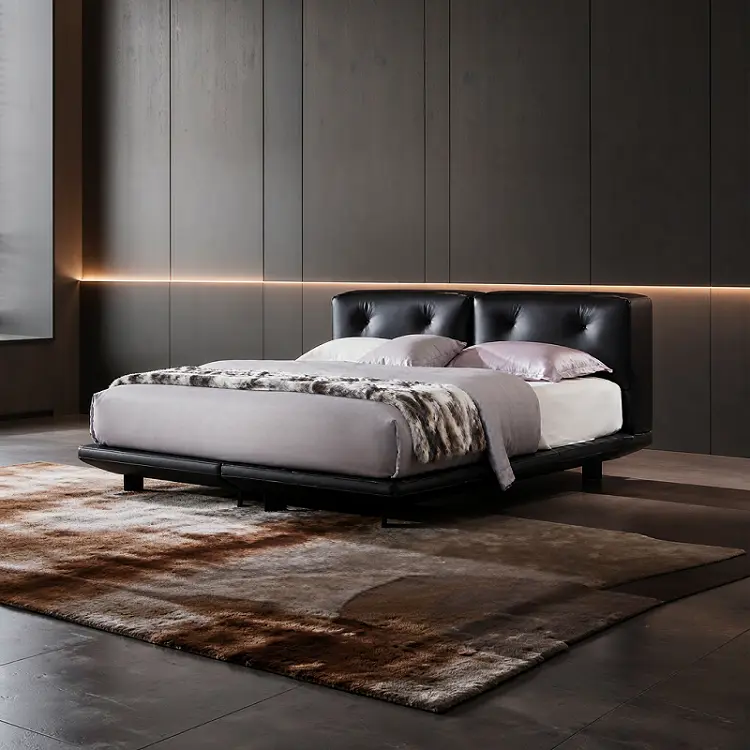
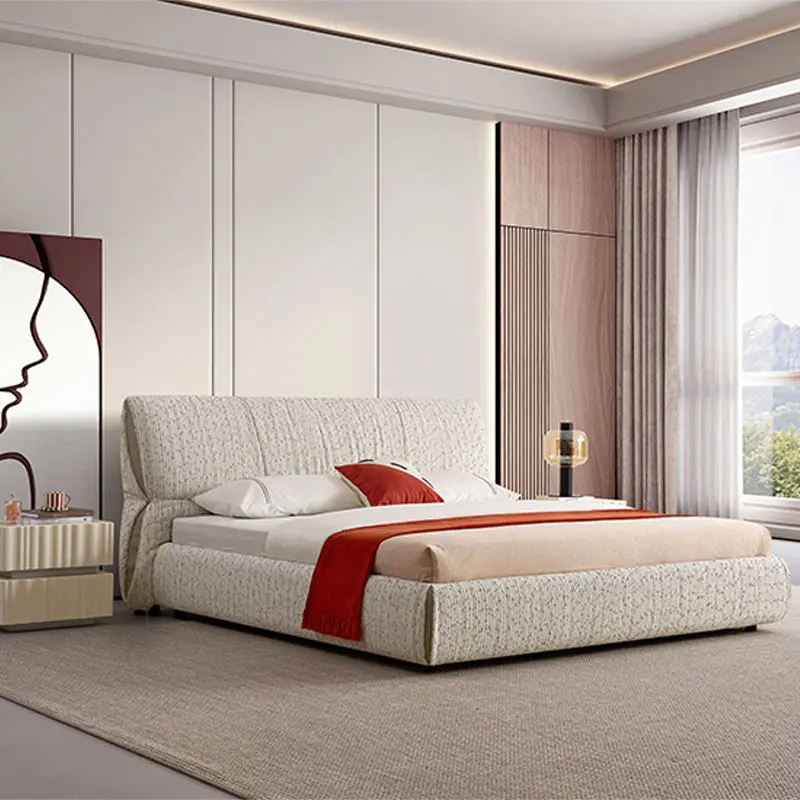
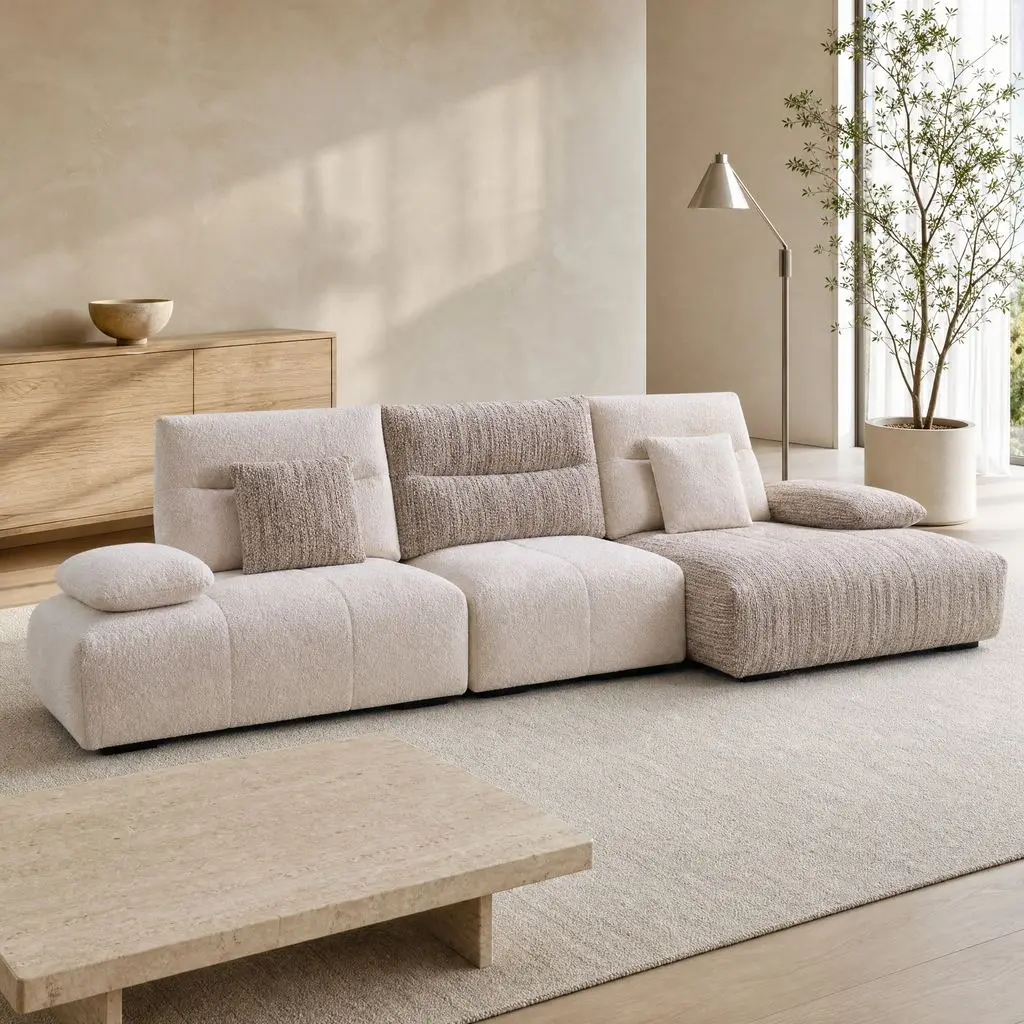
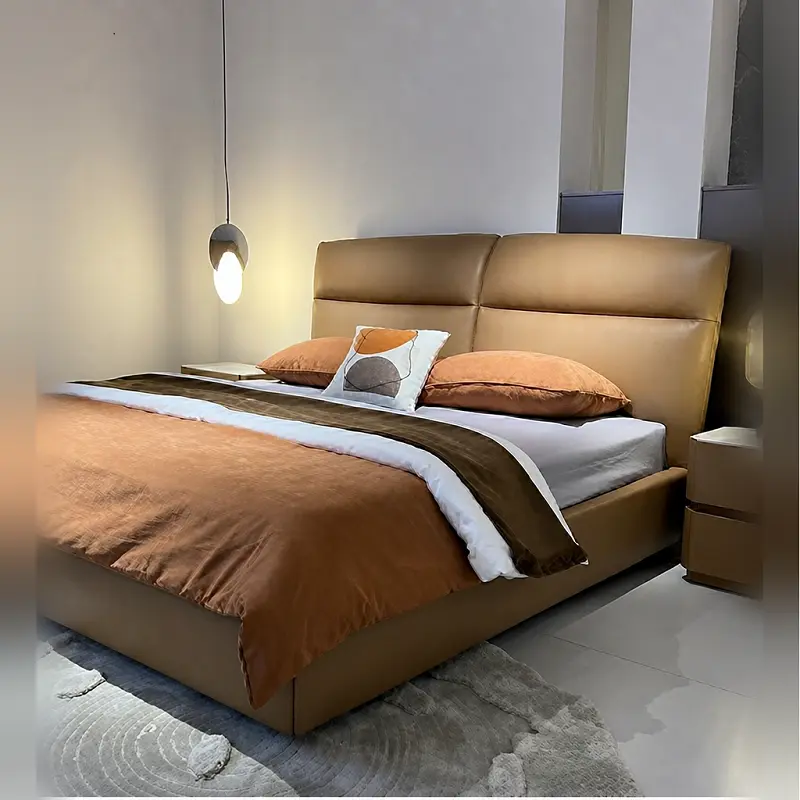
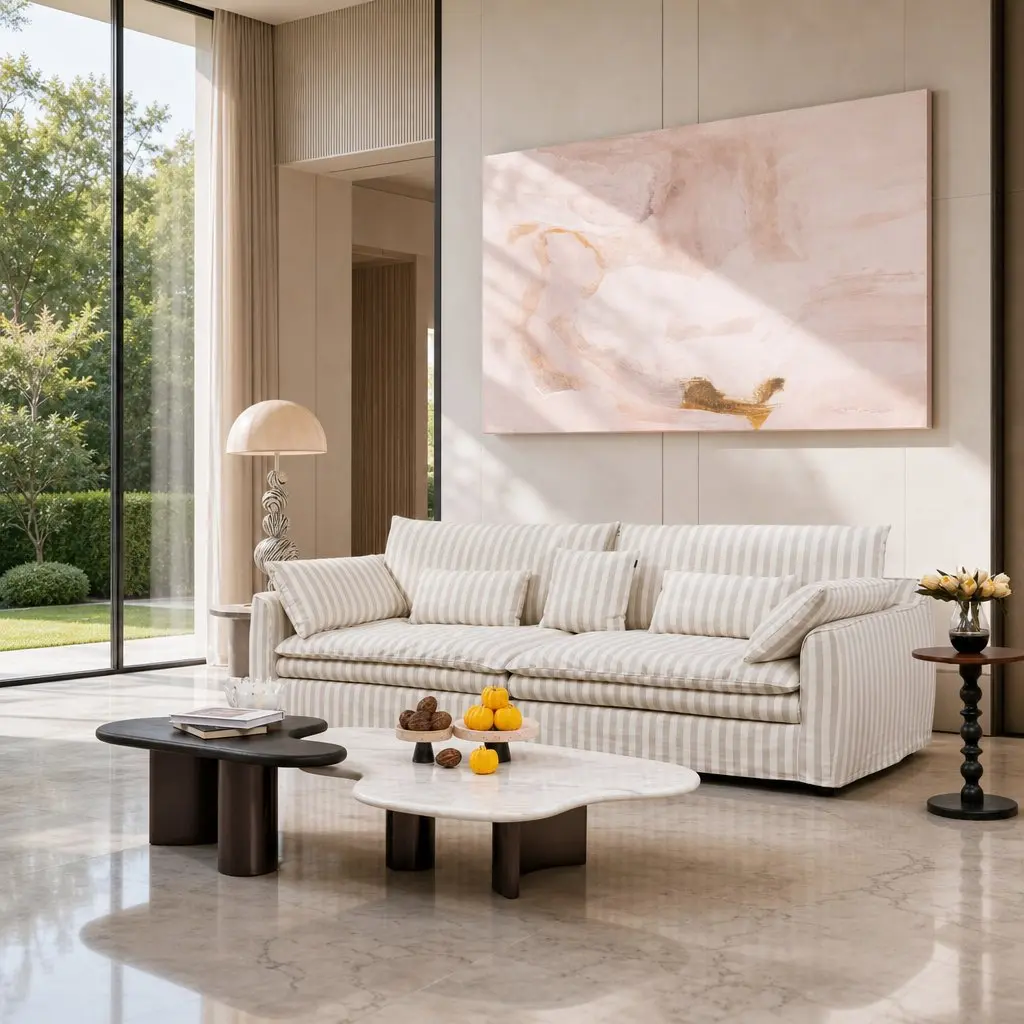
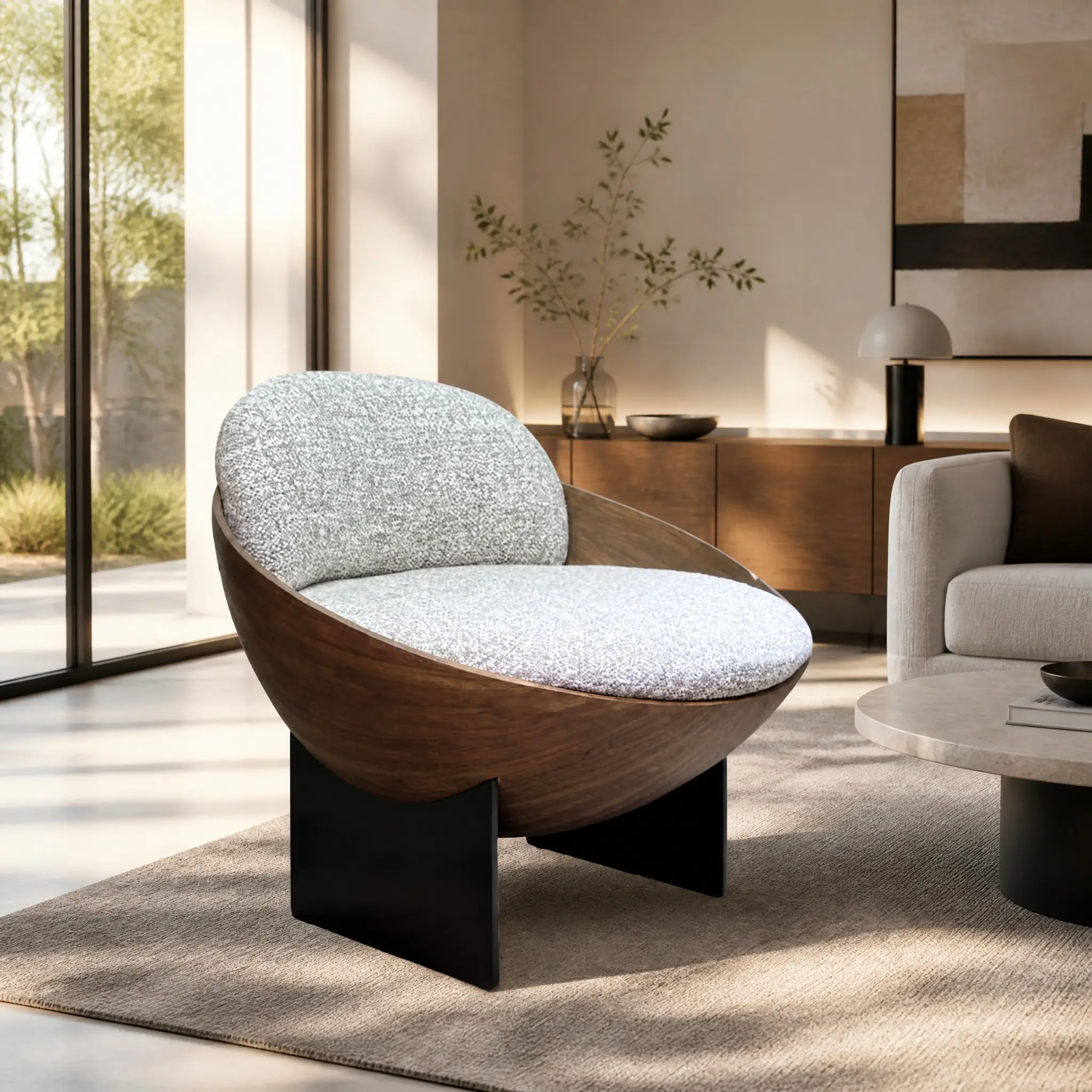
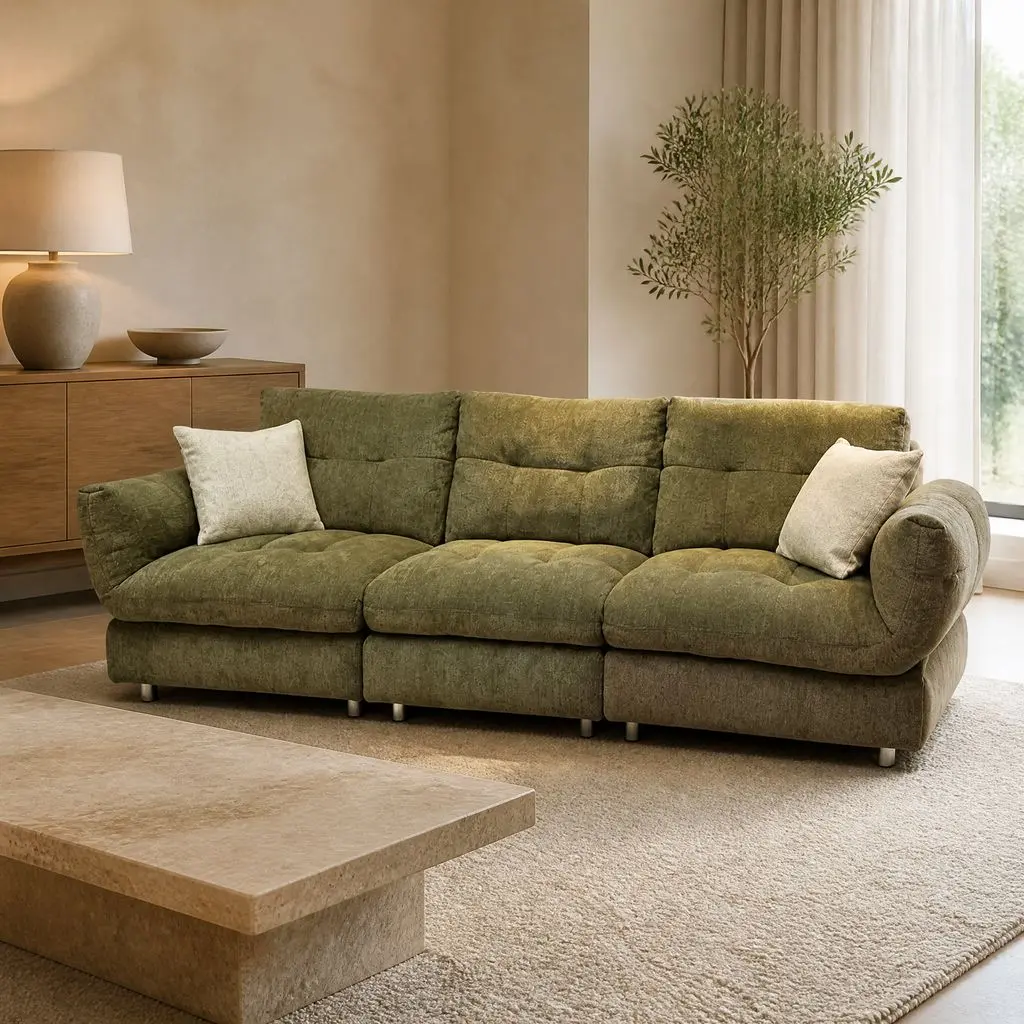
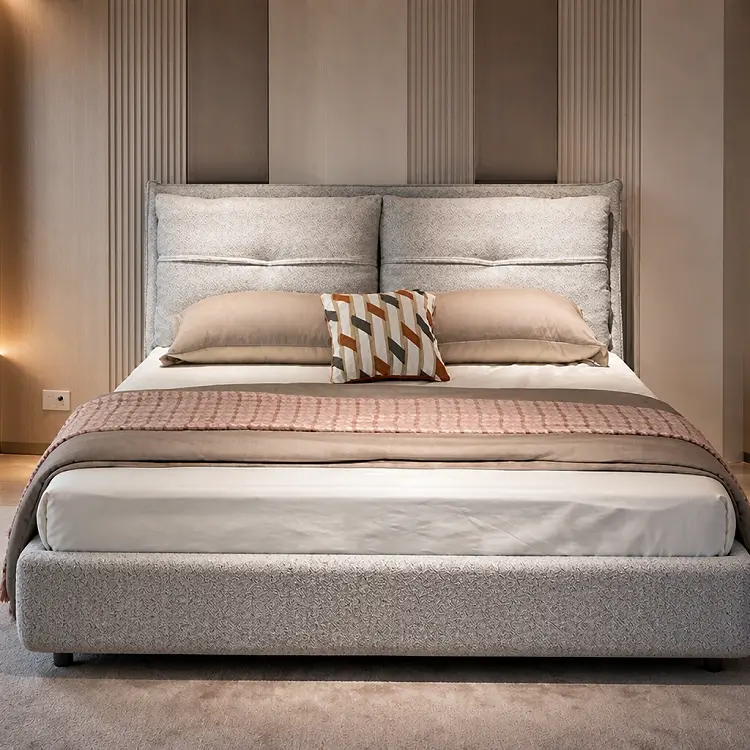
We are an integrated manufacturer — the export brand of Foshan Qingyumai Technology Co., Ltd., with our own production facility in Shunde, Foshan, plus a coordinated network of audited partner factories for categories outside our core lines. All salon, living room, bedroom, dining and outdoor categories ship under one quality standard and one purchase order.
Yes. We regularly ship FCL and LCL to Bangkok (Khlong Toei) and Laem Chabang. For Phuket, Koh Samui and southern resorts, we coordinate with the buyer's forwarder for transhipment or feeder services. Thailand-side inland delivery can be arranged through trusted local partners for larger projects.
MOQ varies by product line. For stock models, we can support LCL orders starting at 8–25 pieces per category — practical for a single Bangkok salon. For custom OEM/ODM with private-label branding, MOQ typically starts around 30–50 pieces per model to justify tooling and material minimums.
Yes. Our post-sale team consolidates across categories in a single container, planning loading space to reduce ocean freight cost per unit while using multi-layer export crating to prevent transit damage. This is how hotel FF&E teams and multi-category importers typically buy from us.
We provide commercial invoice, packing list, bill of lading and certificate of origin in English. For TISI-adjacent specifications (flame-retardant upholstery, material safety data), we provide declarations on request. Buyers requiring formal TISI certification for regulated categories should confirm requirements with their Thai-side compliance partner — our role is to provide material documentation to support that work.
Production for standard models runs about 25–35 days. Ocean transit Shenzhen/Guangzhou to Laem Chabang runs 7–12 days. Customs clearance plus inland delivery to Bangkok adds 3–6 days. Total door-to-door is typically 40–55 days. Custom OEM/ODM projects add 2–3 weeks for sampling and approval.
Yes. We customize dimensions, upholstery and frame colors, fabric grades, and branding — including woven labels, embossed logos and retail-ready packaging. For multi-branch salon groups, we can build a coordinated private-label program that scales across locations.
Our internal QC engineers carry out on-site production line audits checking structural durability and finish consistency before every shipment. Buyers can schedule video QC calls or third-party inspections. Pre-sale consultants also recommend material configurations aligned with Thailand's regulatory standards and typical commercial use conditions.
Structural warranty terms (typically 2–5 years depending on product line) with replacement parts shipping bundled into the buyer's future container. For larger projects we coordinate with Thailand-side installation partners for last-mile delivery and setup. Thai buyers are welcome to schedule factory and showroom visits in Foshan.
We are located in Hui Cheng Industrial Park, Longjiang Town, Shunde District, Foshan, Guangdong, China — one of the world's best-known furniture manufacturing hubs. Factory and showroom visits by appointment are welcome.