
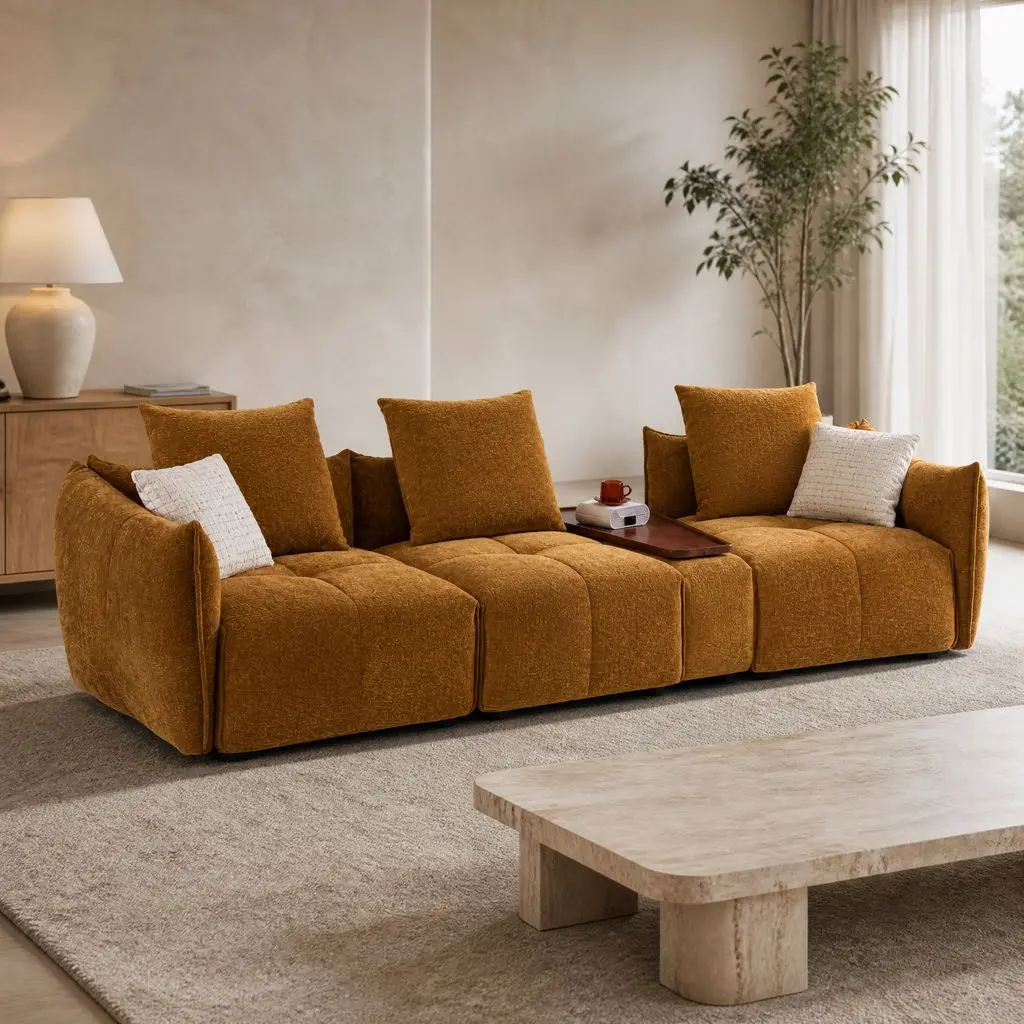
 Living Room · Ireland
Featured Lines · Ireland Ready
Signature Living & Bedroom Lines for Irish Retailers
Four flagship lines from our Foshan production floor, curated for Irish furniture retail floors, hotel refurbishment packages and show-home fit-outs. Every model is available with localized fabric specifications, EU-compliant foam grades and consolidated container shipping to Dublin, Cork and Belfast corridors.
Living Room · Ireland
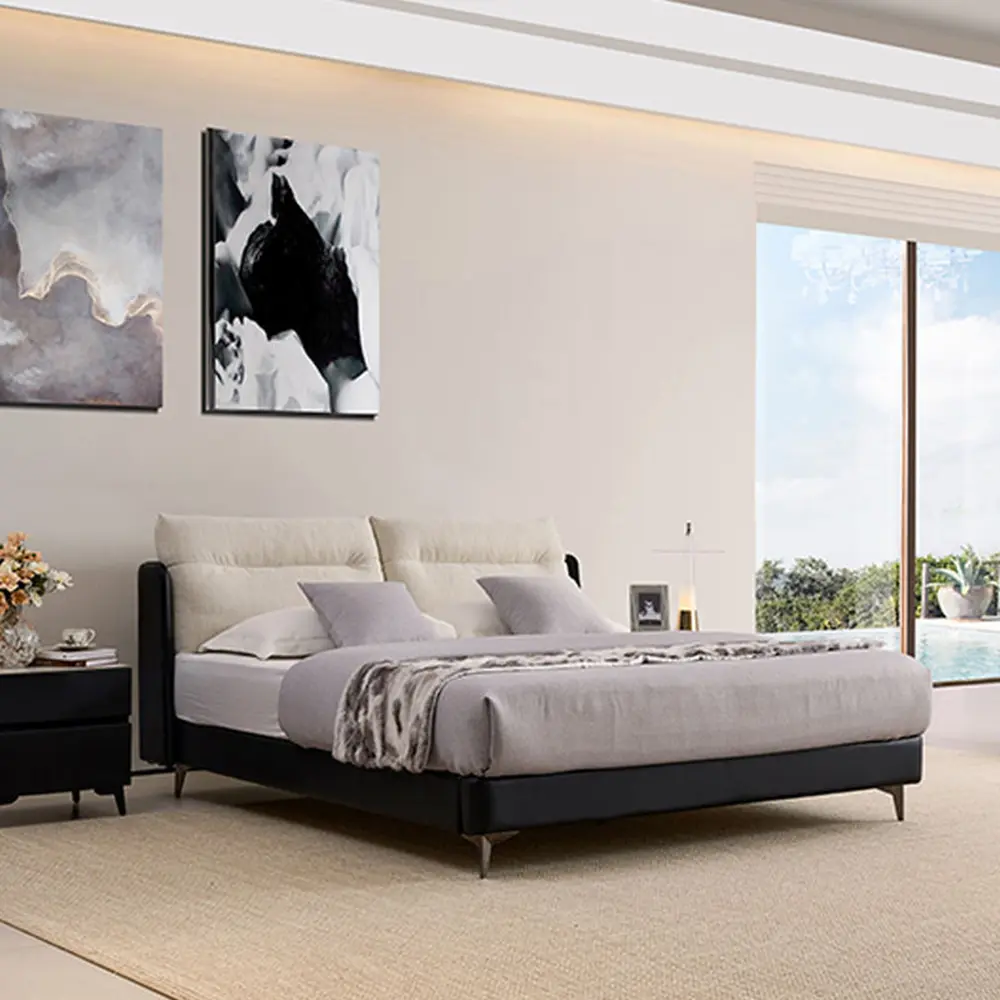 Bedroom · Ireland
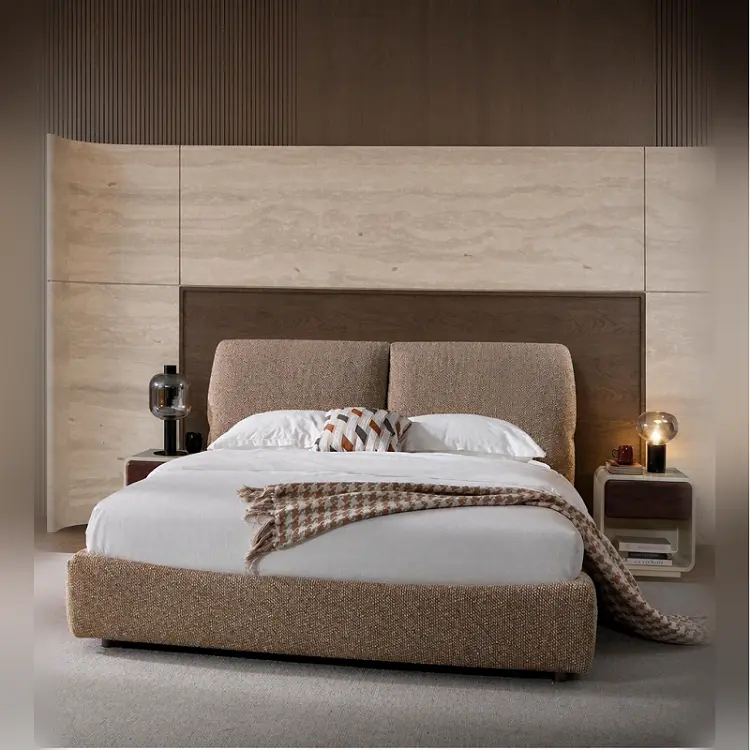 Hospitality · Ireland
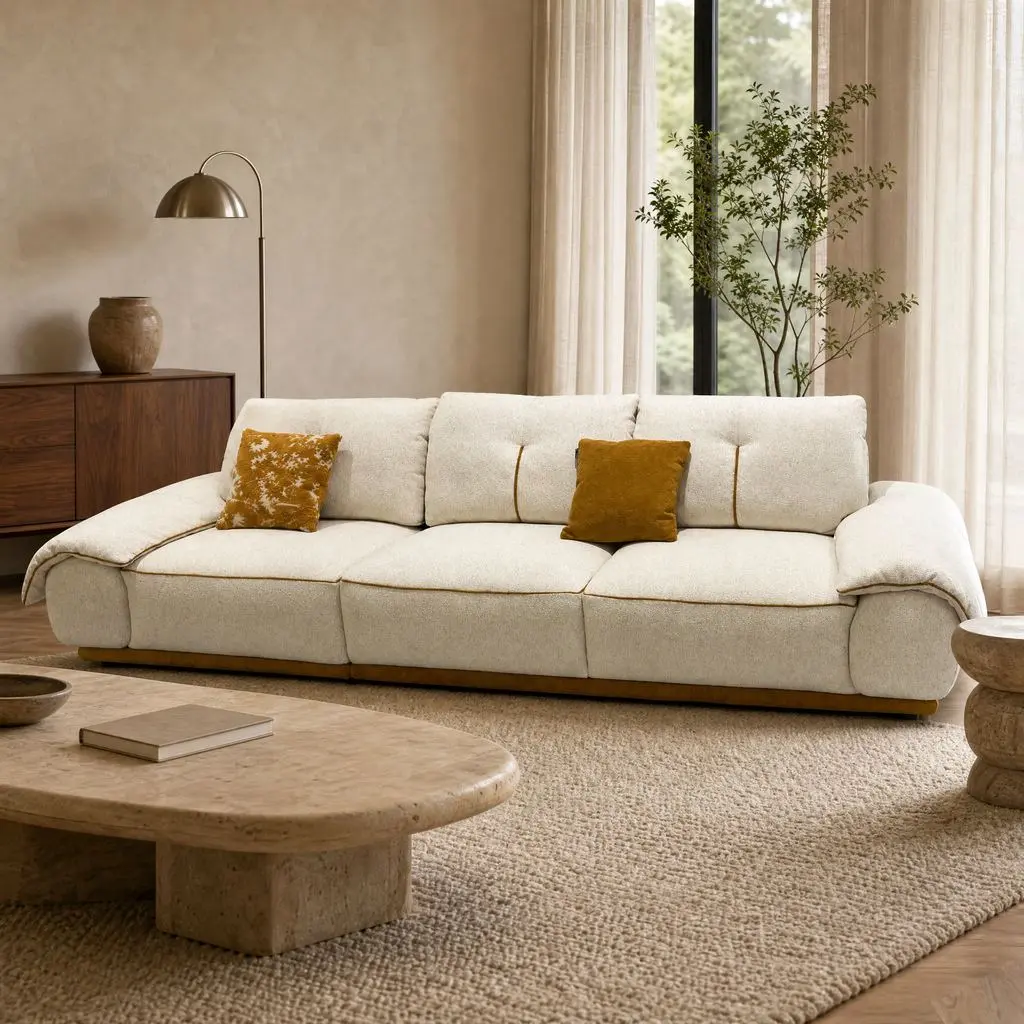 Living Room · Ireland
Ireland Market Intelligence
Why Ireland Is a High-Conviction Market for Contract-Grade Sideboards & Buffets
Ireland's furniture import economy is small in headline volume but disproportionately demanding on specification, compliance and delivery reliability — which is precisely where a manufacturing partner with vertical control outperforms a trading intermediary.
Between 2021 and 2025, the Irish residential construction pipeline and the hotel refurbishment cycle have both expanded, driven by Dublin's build-to-rent pipeline, the Wild Atlantic Way hospitality upgrade programme, and a wave of boutique hotel openings in Galway, Cork and Kilkenny. Each of these segments specifies storage-led living furniture — sideboards, buffets, console units and media credenzas — as a repeatable, per-key line item in FF&E schedules rather than as a discretionary purchase.
For Irish buyers, the practical sourcing challenge is not catalogue breadth. It is consistency: a 120-key hotel refurbishment needs every buffet unit to match in veneer tone, hardware pull and drawer tolerance, whether it ships in February or September. That is an engineering discipline, not a merchandising one — and it is the core of how Qingyumai structures production for the Irish market.
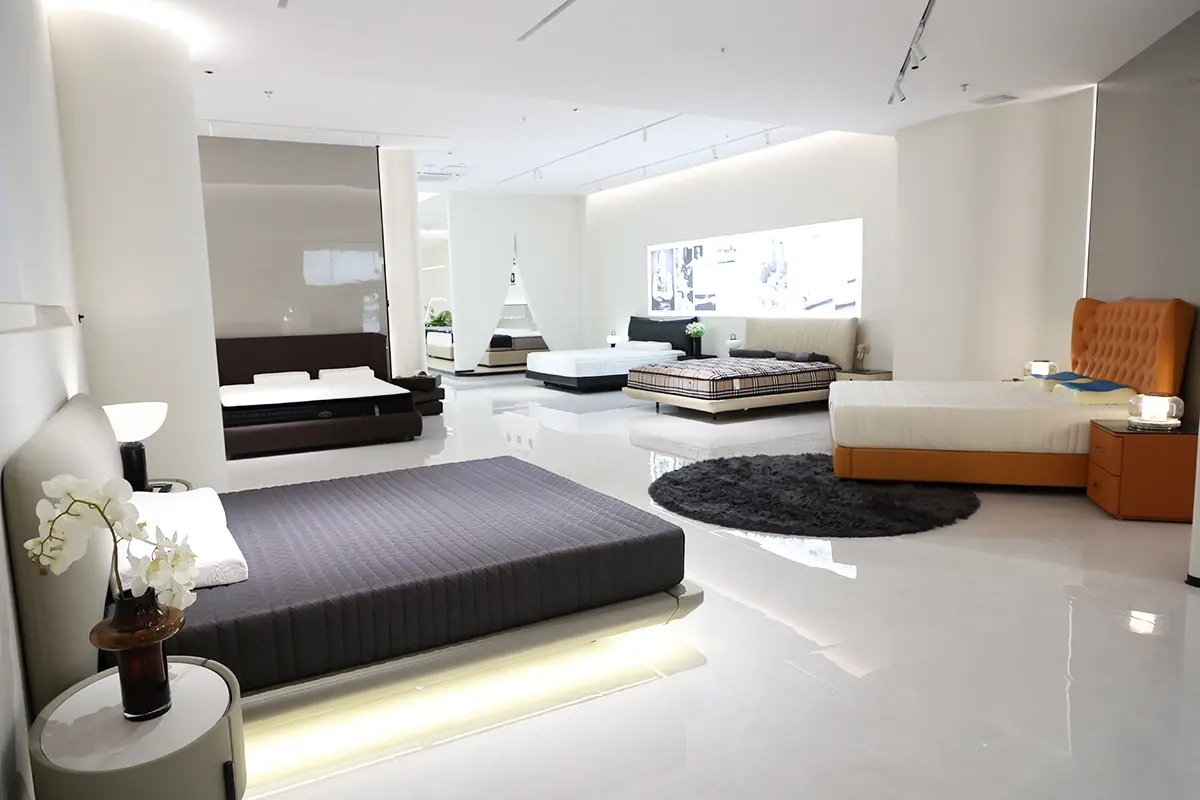
Showroom sampling available for Irish specifiers
0Furniture categories under one PO
0Original design & structure patents
0Years supplying export markets
0Day average sampling turnaround
Local Commercial & Industrial Context
Ireland's Furniture Supply Chain: Structure, Pressure Points and Sourcing Behaviour
Understanding how Irish buyers actually purchase storage furniture is the difference between a supplier who ships boxes and a supplier who becomes a repeat line item in a procurement plan.
Retail Floor Dynamics
Irish independent furniture retailers and regional chains typically operate on 12–20 week replenishment cycles with limited warehouse depth. This favours suppliers who can hold buffer stock of core sideboard SKUs and ship mixed pallets rather than full containers.
Hospitality Refurbishment Cycle
Irish hotel groups refurbish guestrooms and public areas on 7–10 year cycles. Buffet and sideboard units in breakfast rooms and lobbies are replaced as complete sets, creating concentrated, spec-driven demand windows that reward suppliers with rapid sampling capability.
Build-to-Rent & Student Housing
Ireland's BTR and purpose-built student accommodation sectors specify compact sideboards and media units at volume. These projects prioritise flat-pack efficiency, assembly speed and damage-resistant finishes over decorative complexity.
Interior Design & Staging
Irish design studios and property staging firms source in small, high-variety batches. They value suppliers offering finish libraries, made-to-measure dimensions and low minimum order quantities on premium veneer and lacquer ranges.
Port & Logistics Reality
Dublin Port handles the majority of containerised furniture imports into Ireland, with Cork and Rosslare serving regional distribution. Direct China–Dublin sailings and UK transshipment routes both introduce lead-time variability that a single-supplier consolidation model materially reduces.
Compliance Expectations
Irish buyers increasingly request documentation on timber origin, formaldehyde emission class and surface finish safety. Suppliers who can produce this evidence at quotation stage shorten procurement approval cycles significantly.
Industry Development Trends
Six Structural Shifts Reshaping Sideboard & Buffet Sourcing Through 2030
These trends are observable across European contract furniture procurement and directly shape how Irish buyers should structure supplier relationships today.
01 · Specification-Led Buying
Buyers now issue performance specs — drawer cycle ratings, finish abrasion classes, moisture resistance — rather than stylistic briefs. Suppliers must respond with engineering documentation.
02 · Lead-Time Compression
Hotel opening dates and retail launch windows no longer tolerate 120-day cycles. Modular production planning and pre-stocked hardware allow 45–60 day fulfilment on core ranges.
03 · Material Circularity
Irish public sector and large-scale residential tenders increasingly weight recyclability. Water-based lacquers and disassemblable joinery are becoming procurement differentiators.
04 · Modular Standardisation
Buffet units are increasingly designed as scalable modules — 900mm, 1200mm, 1600mm widths from shared carcass platforms — reducing tooling cost across a hotel floorplan.
05 · Digital Procurement
Irish buyers now request 3D models, BIM-compatible dimensions and high-resolution finish photography before approving samples — compressing approval cycles by weeks.
06 · Supply-Chain Transparency
Post-pandemic procurement teams audit factory tier depth. Suppliers who can name their board mills, hardware brands and finish suppliers win trust faster.
Factory 4.0 · Supply-Chain Resilience
How Chinese Manufacturing 4.0 Delivers Reliability to Irish Buyers
The phrase "Factory 4.0" is often applied loosely in sourcing conversations. In the context of sideboards, buffets and casegoods production, it has a specific and measurable meaning: digital process control from panel cutting to container loading.
At Qingyumai's Foshan facility, CNC panel optimisation software allocates every sheet of plywood, MDF and veneered board to the highest-yield cutting plan, tracking grain direction and edge-banding requirements automatically. This is not a marketing claim — it is the practical mechanism that keeps a 200-unit hotel buffet order consistent in tone and dimension regardless of when each unit is produced.
Hardware specification follows the same logic. Soft-close drawer runners, concealed hinges and metal lamp fittings are sourced from named, audited suppliers and batch-tested on incoming inspection. When an Irish buyer requests replacement hardware six months after installation, the supplier can trace the exact batch and match it.
Supply-chain resilience in practice means three things for Irish procurement teams: buffer capacity on core ranges, dual-sourcing on critical components, and documented alternatives when a specified finish is discontinued. We structure production around all three.
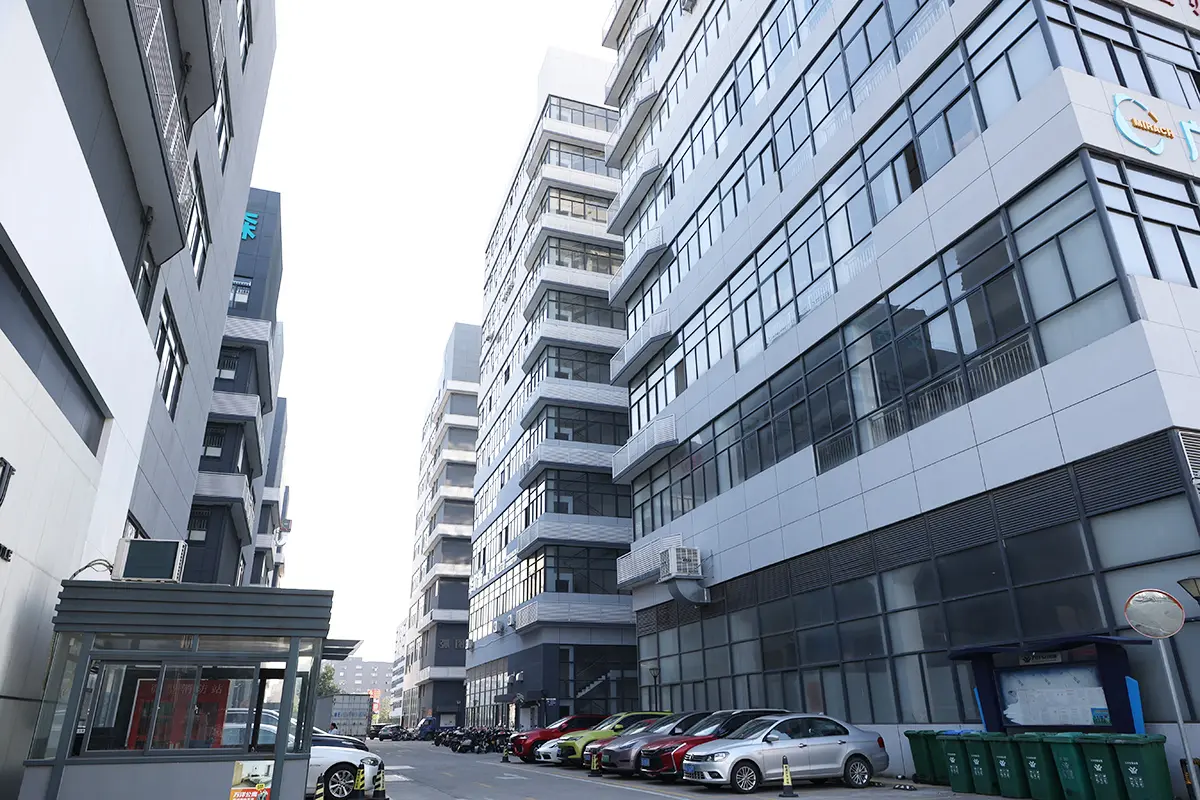
CNC panel optimisation · batch-traced hardware · documented finishes
01
Brief & Specification
Irish buyer submits drawing, finish reference and compliance requirements.
02
Material Engineering
Board, veneer and hardware selected against EU documentation standards.
03
Sample Approval
Pre-production sample confirms dimensions, finish and drawer tolerance.
04
In-Line QC Audit
Production-line inspection on joinery strength and surface consistency.
05
Container Consolidation
Mixed-category loading and multi-layer export crating to Dublin.
Global Procurement Demand
How Global Buyers Evaluate Sideboard & Buffet Suppliers — and What Ireland Borrows From That Playbook
Irish procurement teams are increasingly adopting evaluation frameworks refined in larger European and North American markets. Understanding those frameworks accelerates supplier selection.
| Evaluation Criterion | What Global Buyers Test | How It Applies to Irish Orders |
|---|---|---|
| Structural Integrity | Load-bearing capacity of carcass, drawer cycle testing, joint stress | Critical for BTR and hotel buffet units receiving heavy daily use |
| Finish Consistency | Batch-to-batch color and gloss variance across a multi-unit order | Determines whether a 60-unit hotel order reads as a matched set |
| Compliance Documentation | Timber origin, emission class, surface finish safety data | Reduces approval friction with Irish specifiers and public tenders |
| Sampling Speed | Days from brief to approved sample, revision throughput | Protects hotel opening dates and retail launch windows |
| Consolidation Capability | Ability to mix categories in one container without damage | Lowers freight cost per unit on mixed furniture orders |
| Post-Sale Traceability | Hardware batch traceability and replacement part availability | Essential for hotel maintenance teams and retail warranty handling |
Localised Application Scenarios
Where Sideboards & Buffets Actually Land in Irish Projects
Specification decisions differ sharply by application. This breakdown maps each Irish use case to the material and engineering priorities that govern it.
Boutique Hotels & Guesthouses
Breakfast room buffets and lobby consoles in Galway, Killarney and Kinsale properties. Priorities: heat-resistant tops, soft-close drawers, finish matching across 20–40 units.
Build-to-Rent Apartments
Dublin and Cork BTR schemes specifying compact 1200mm media sideboards. Priorities: flat-pack efficiency, assembly speed, scratch-resistant laminate finishes.
Restaurants & Cafés
Front-of-house service consoles and wine buffets. Priorities: commercial-grade lacquer, moisture resistance, reinforced drawer bases for cutlery weight.
Show Homes & Staging
High-variety, low-volume sourcing for property developers. Priorities: finish library breadth, made-to-measure dimensions, fast sampling turnaround.
Corporate & Co-Working
Reception credenzas and storage consoles in Dublin office fit-outs. Priorities: cable management integration, durable edge-banding, neutral finish palette.
Retail & Hospitality Venues
Display buffets in independent retail and hospitality spaces. Priorities: visual presence, brand-color matching, low-MOQ private-label options.
Complete Collection · Ireland Sourcing
Full Range: Beds, Mattresses, Sofas & Dining for Coordinated Irish Projects
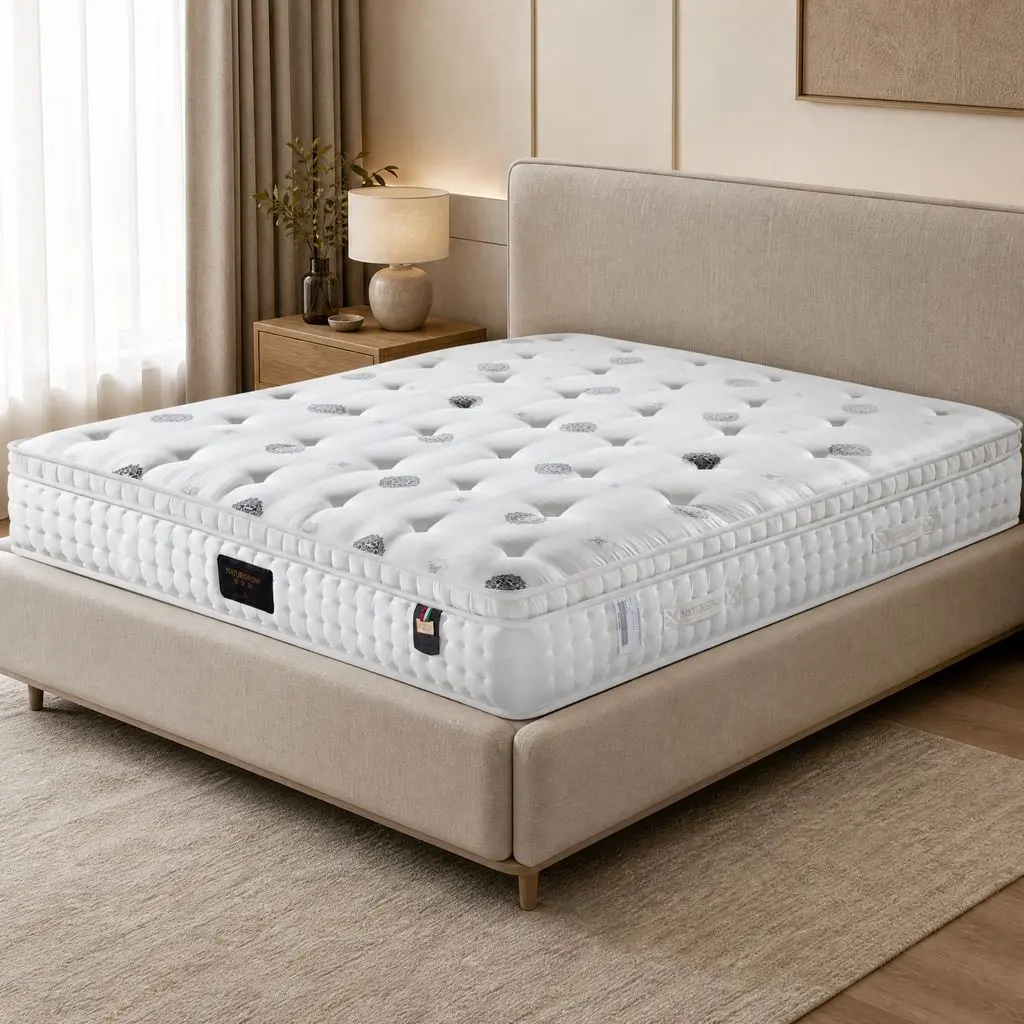
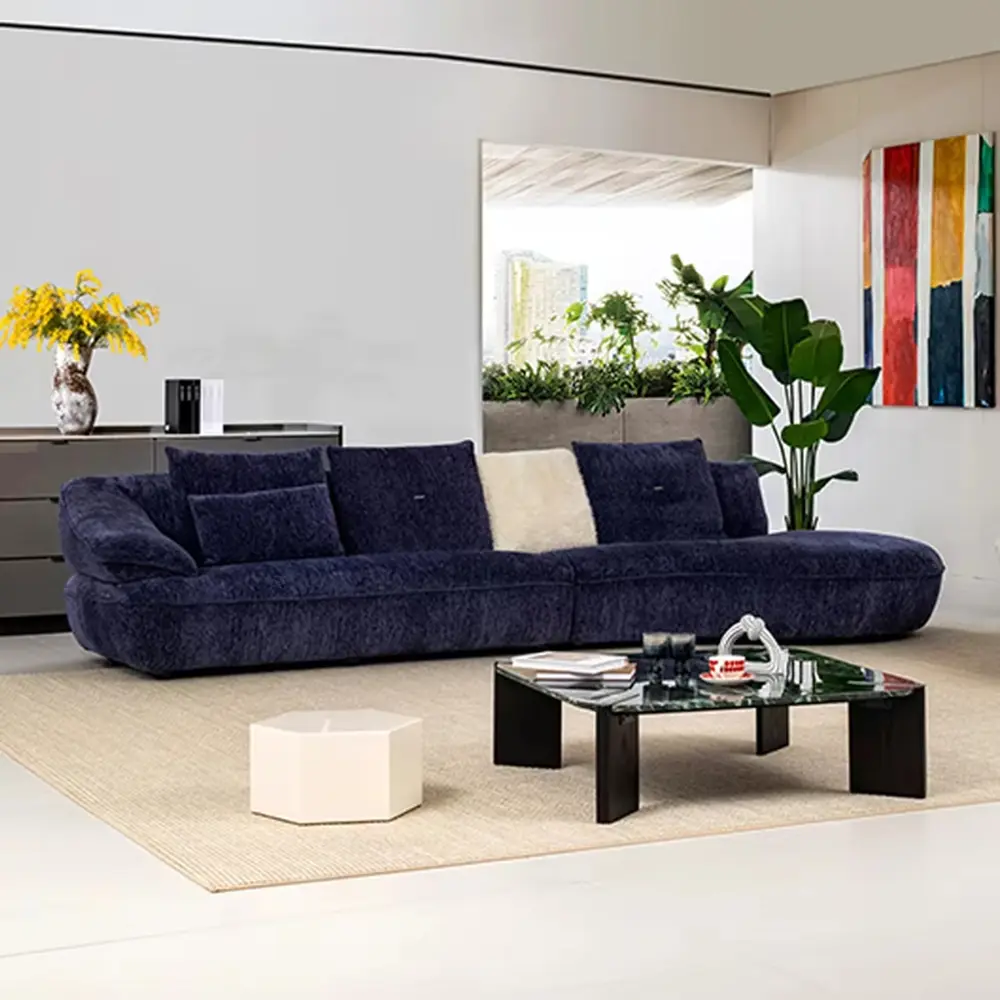
Sideboards and buffets rarely ship alone. Irish project buyers typically coordinate storage furniture with beds, mattresses, sofas and dining pieces under one purchase order. The eight lines below represent the core coordinated range available for consolidated Ireland shipping.
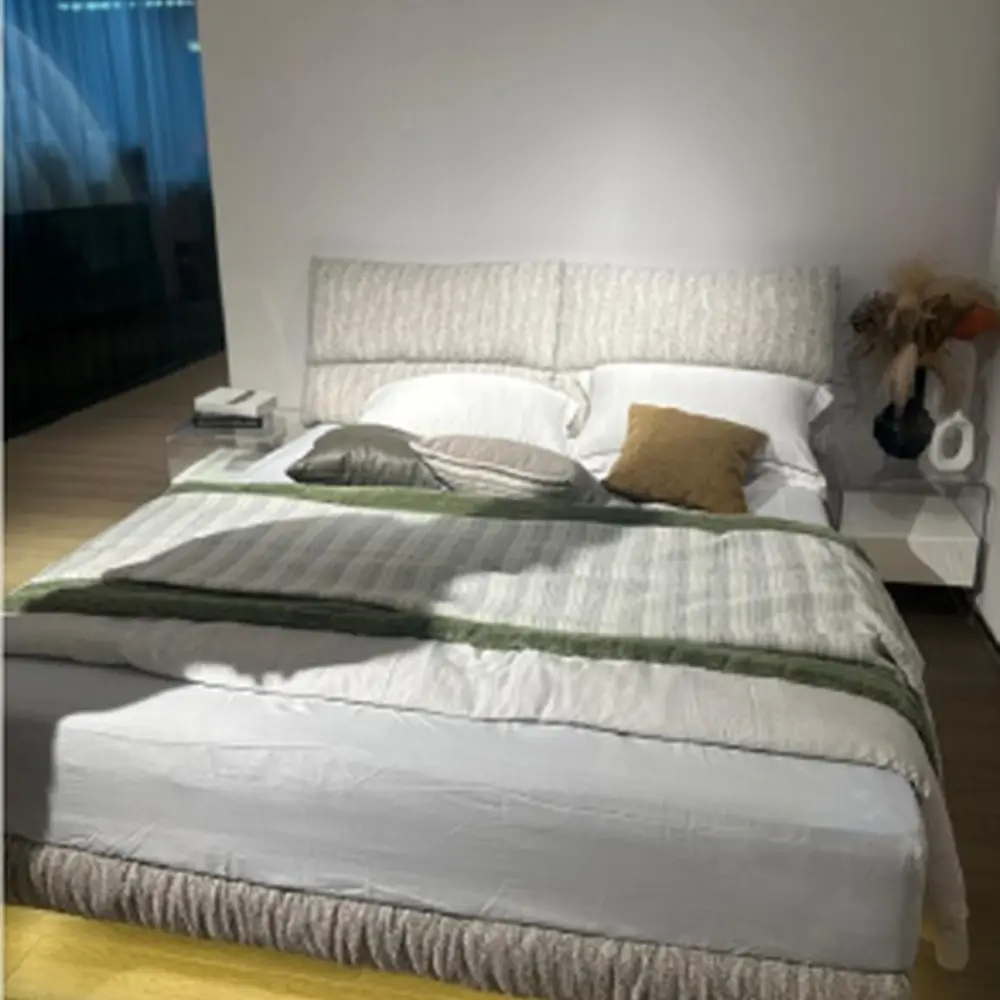 Bedroom
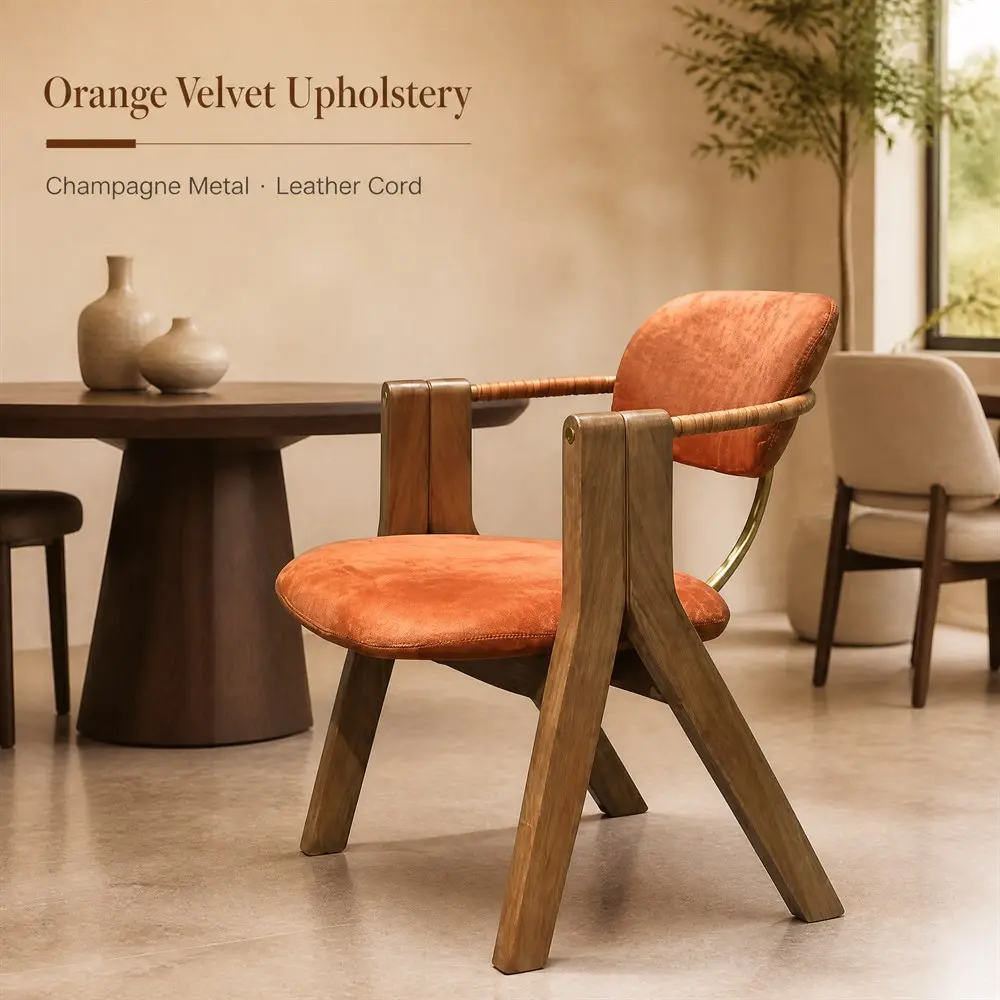 Dining
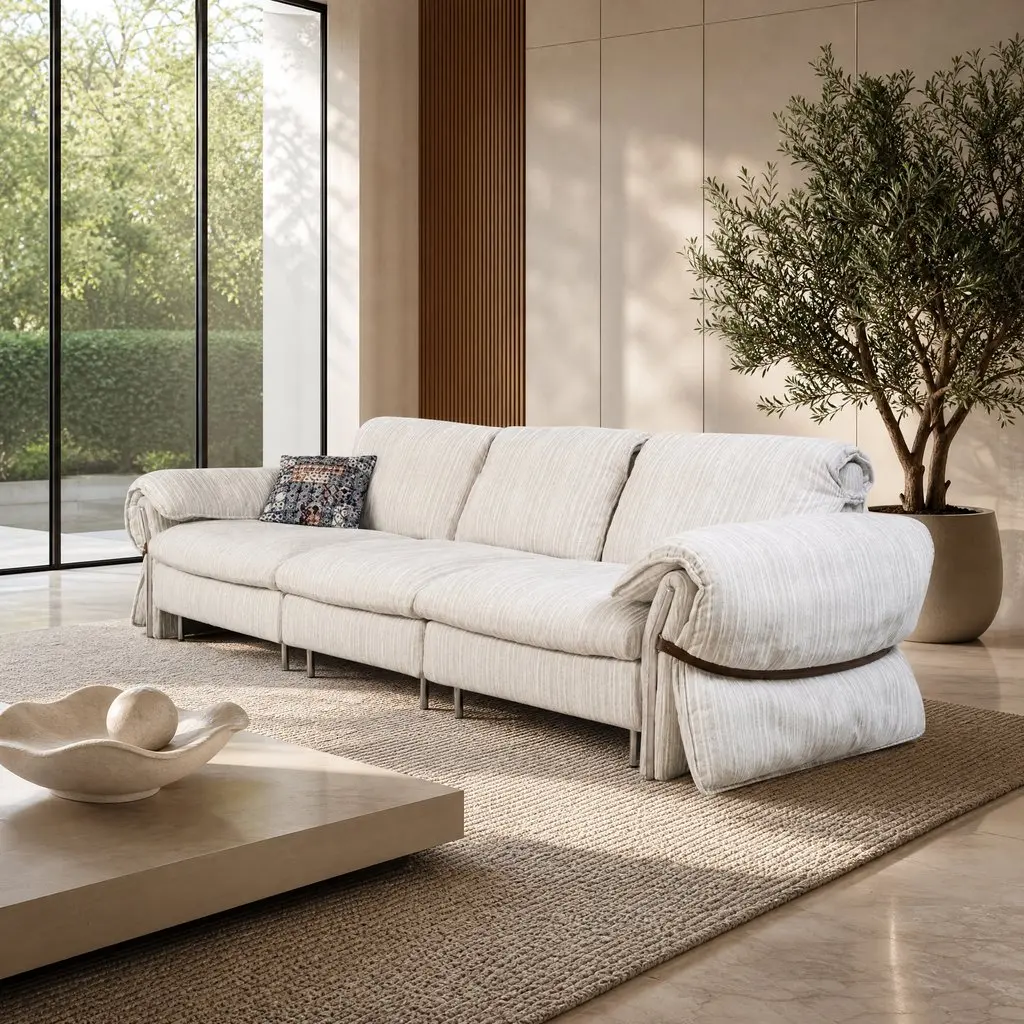 Living Room
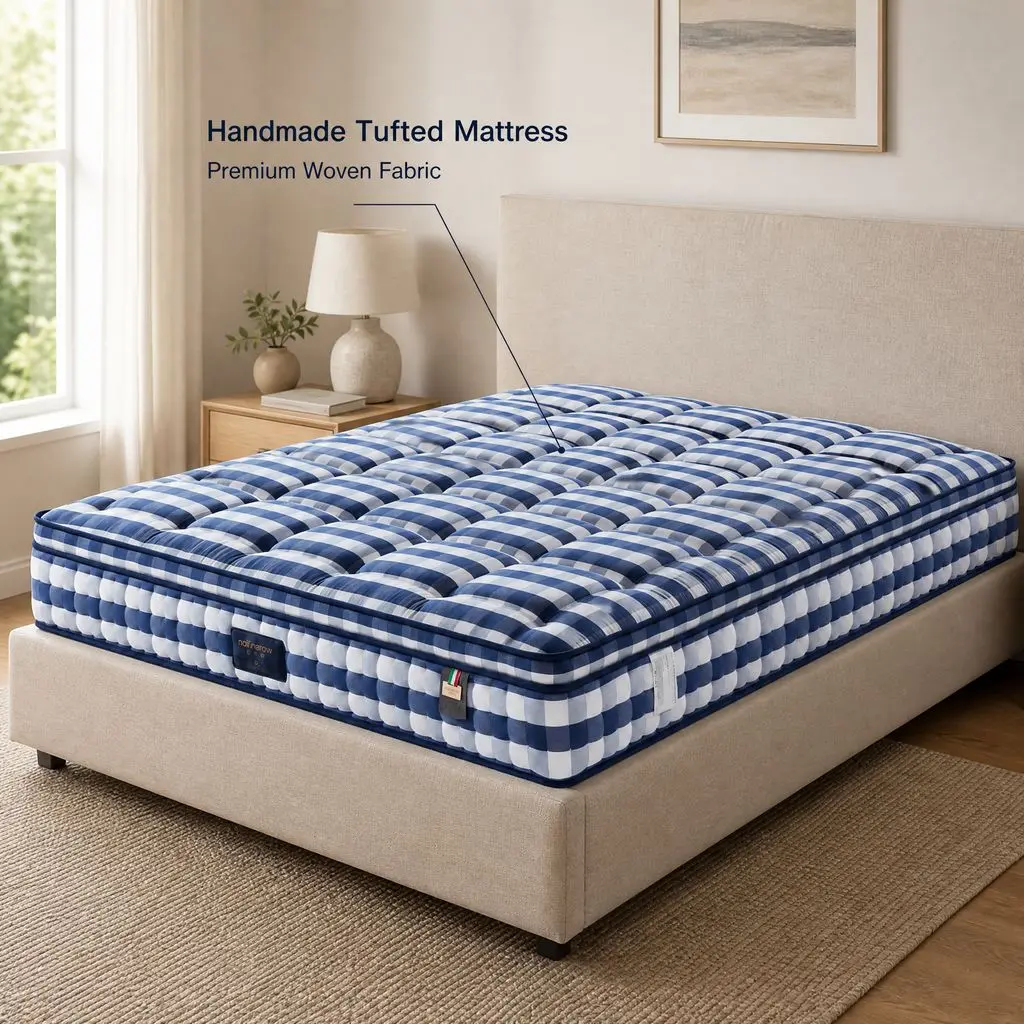 Mattresses
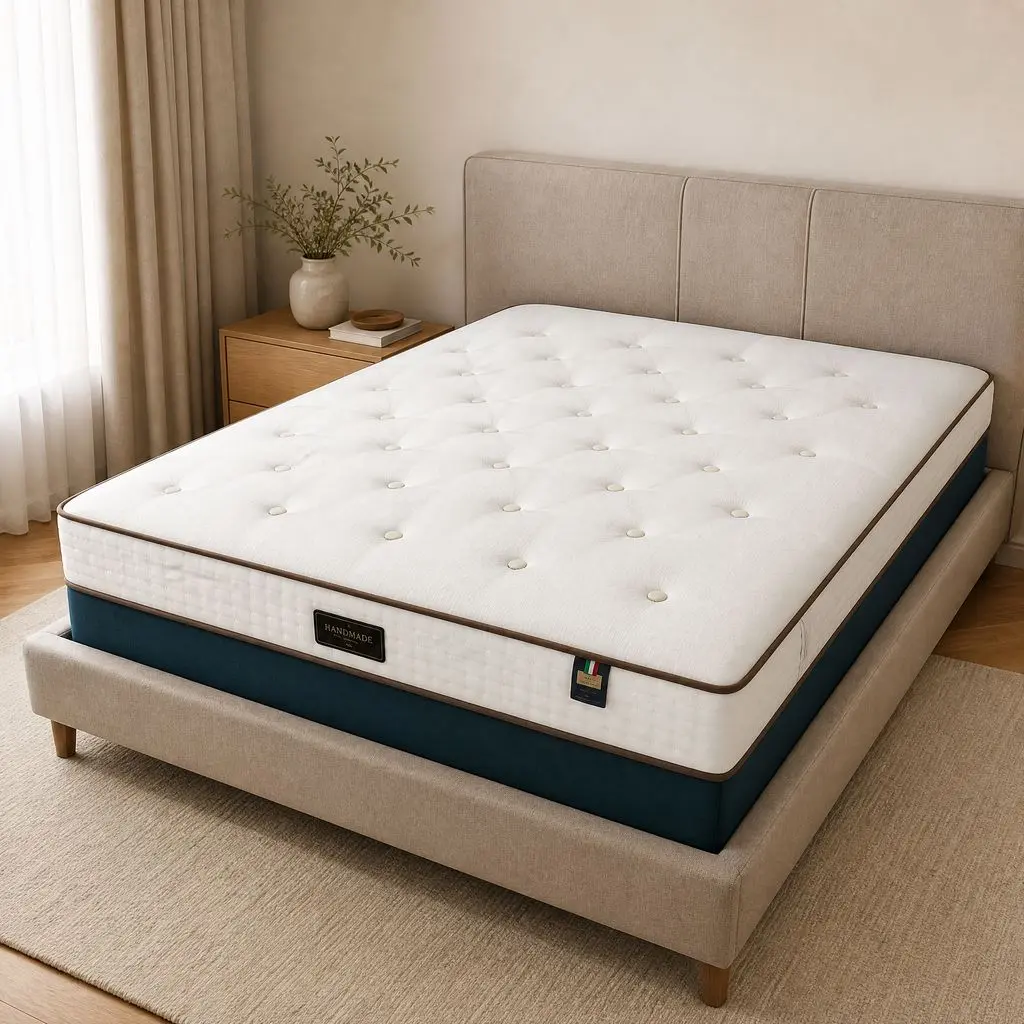 Mattresses
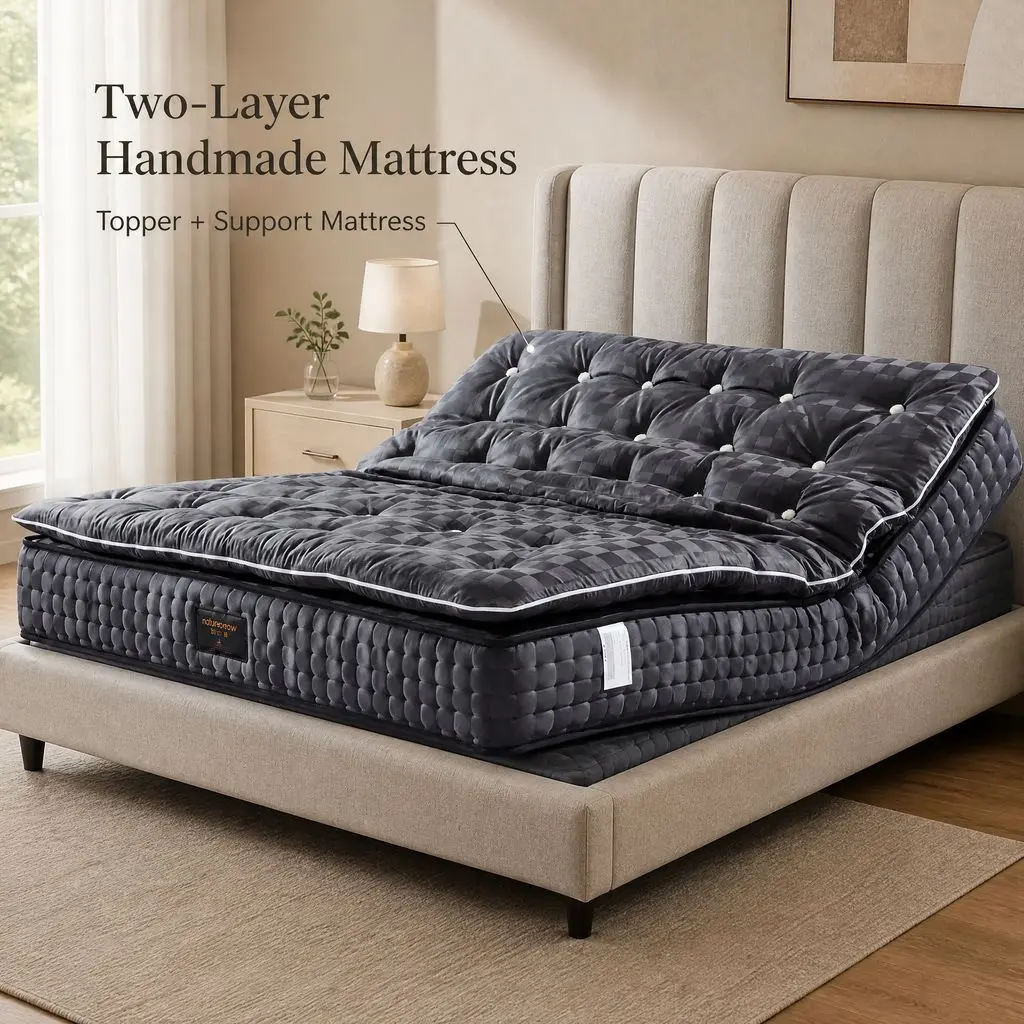 Smart Sleep
 Mattresses
 Living Room
E-E-A-T · Credentials You Can Verify
Why Irish Buyers Trust This Manufacturing Partner
Trust in furniture sourcing is earned through verifiable experience, documented expertise, traceable authority and consistent reliability — not through catalogue claims.
Experience
Over a decade of export production across living room, bedroom, dining and contract furniture, with repeat wholesale relationships serving European, North American and Middle Eastern markets.
Expertise
In-house engineering and design teams hold more than 100 original patents covering structure, modularity and upholstery systems. Casegoods engineering follows the same discipline.
Authority
Located in Longjiang, Shunde — the Foshan furniture cluster that supplies a substantial share of global contract furniture. Production is supported by a network of audited specialist factories.
Reliability
Pre-sale material consulting, in-line QC audits on the factory floor, and post-sale container consolidation with multi-layer export crating — a documented three-stage quality process.
Buyer Q&A
Frequently Asked Questions — Sideboards & Buffets for the Ireland Market
Practical answers for Irish importers, hotel procurement teams, developers and design studios evaluating a China-based manufacturing partner.
Can you supply sideboards and buffets specifically sized for Irish apartment and hotel layouts?
Yes. Sideboard and buffet dimensions are fully customisable within our OEM/ODM scope. Irish apartment layouts often favour 1200mm–1600mm widths, while hotel breakfast rooms typically require 1800mm–2400mm service runs. We engineer from a shared carcass platform so different widths retain identical drawer geometry, hardware specification and finish tone.
What compliance documentation can you provide for Irish procurement?
We provide material declarations covering timber origin, formaldehyde emission class for board products, and surface finish safety documentation aligned with EU REACH expectations. For projects requiring FSC-certified timber, this can be specified at quotation stage so that documentation is prepared alongside production rather than after it.
How long does sampling and production take for an Irish order?
Sampling typically runs 10–14 working days from approved brief, depending on finish complexity. Mass production for a 40–80 unit sideboard or buffet order runs 30–45 days after sample sign-off, plus ocean transit to Dublin. Where a hotel opening date is fixed, we work backwards from the delivery window and flag any finish or hardware selections that could extend the timeline.
Can sideboards, buffets, beds and sofas ship in a single container?
Yes. Container consolidation across categories is a standard part of our post-sale service. Our loading team plans volumetric efficiency across casegoods, upholstery and mattresses so that Irish buyers can combine a hotel bedroom package and a breakfast room buffet order in one shipment, reducing freight cost per unit and simplifying customs handling.
How do you maintain finish consistency across a multi-unit hotel order?
Finish consistency is controlled at three points: batch allocation of veneer and laminate at order confirmation, CNC panel optimisation that tracks grain direction per unit, and in-line QC audits that compare surface gloss and tone against the approved sample. Where a production run spans multiple weeks, finished panels are held and assembled in matched batches rather than sequentially.
What are the minimum order quantities for Irish buyers?
Minimum order quantities depend on the range and finish. Core catalogue models are available at lower MOQs suitable for independent Irish retailers and design studios, while fully customised sideboards with bespoke veneer or lacquer finishes require higher minimums to amortise tooling and material setup. We quote MOQ specific to the requested configuration rather than applying a single company-wide figure.
Can you support private-label branding for Irish retail chains?
Yes. Private-label support includes custom woven labels, embossed or laser-etched logos, branded packaging and product documentation carrying your brand identity. This is commonly specified by Irish retail chains and online furniture brands building their own range rather than reselling a visible manufacturer catalogue.
What happens if hardware fails after installation in Ireland?
Hardware is batch-traced, meaning every drawer runner, hinge and fitting used in a given production run is recorded against the order. If a replacement is needed months or years later, we can match the original specification and supply compatible parts. This matters most for hotel maintenance teams and retailers handling warranty claims across a matched furniture set.