
Villa Bedroom
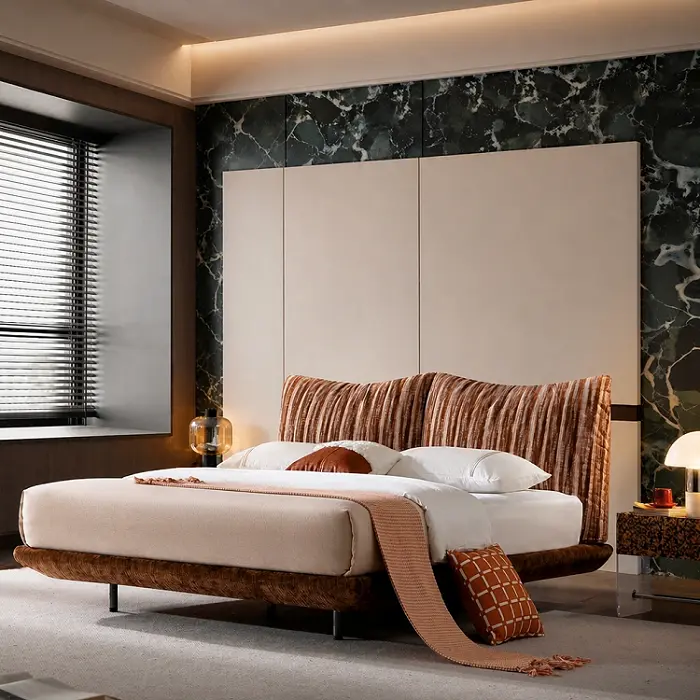
New Zealand's villa, hospitality and commercial fit-out market is defined by distance, compliance and small-batch diversity. This whitepaper explains how an integrated Foshan-based turnkey manufacturer closes those gaps — with evidence from project workflows, compliance frameworks and technical roadmaps rather than marketing claims.
Procurement teams across Auckland, Queenstown, Wellington and Christchurch face a structural problem: New Zealand has a small domestic furniture manufacturing base, high import freight sensitivity, and a compliance landscape (NZS 4284, AS/NZS 4680 durability, CCC building consent documentation, and the Biosecurity NZ wood packaging standard ISPM 15) that rewards suppliers who understand it deeply.
Qingyumai — the export brand of Foshan Qingyumai Technology Co., Ltd. — operates as a villa & commercial turnkey supplier and factory, combining in-house R&D, our own upholstery and casegoods production floor in Longjiang, Shunde, and a coordinated network of audited partner factories. For New Zealand buyers this translates into one purchase order, one quality standard and one shipping plan covering living room, bedroom, mattresses, dining, outdoor and hotel contract categories.
Rather than re-listing product specifications, this page is structured as an industry reference: local market dynamics, global procurement demand, technical solutions, a phased technology roadmap, localised compliance support and a buyer FAQ. Product entry points remain available below and at the bottom of the page.
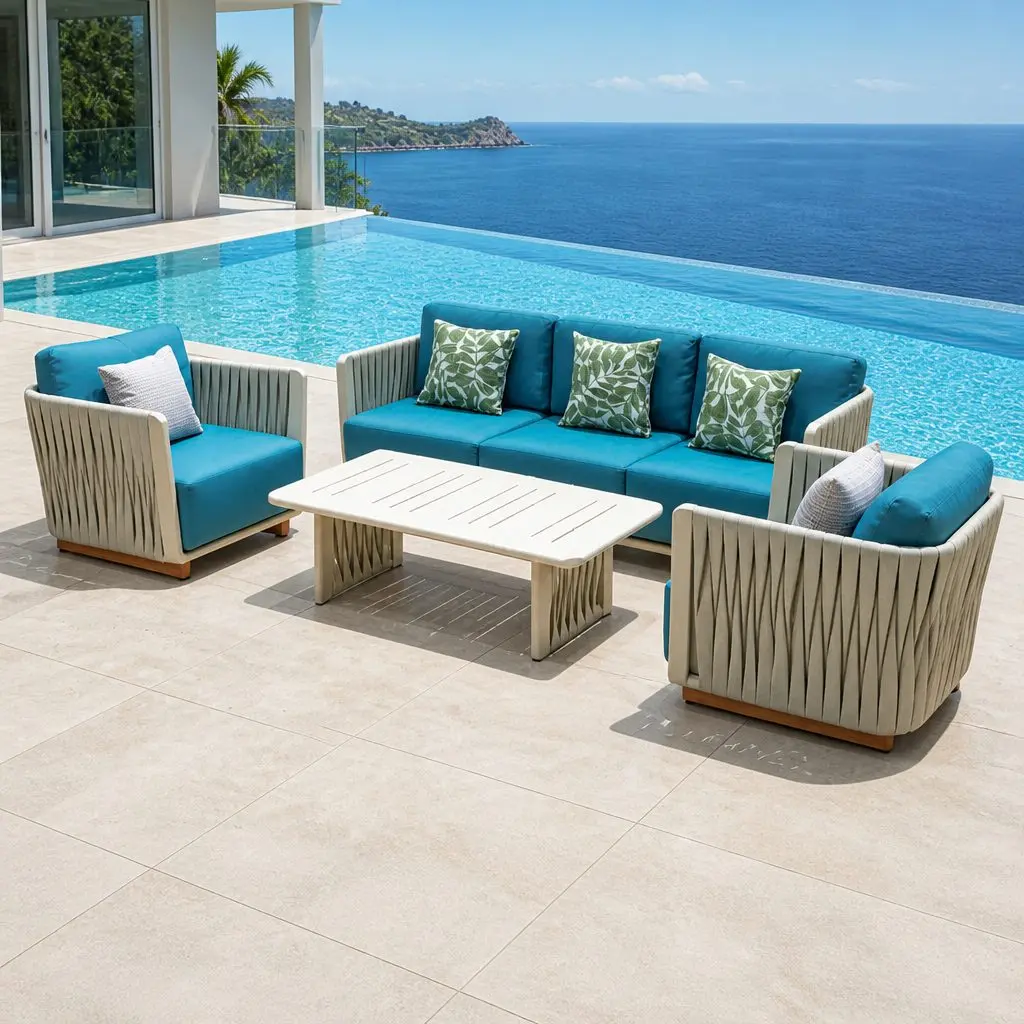
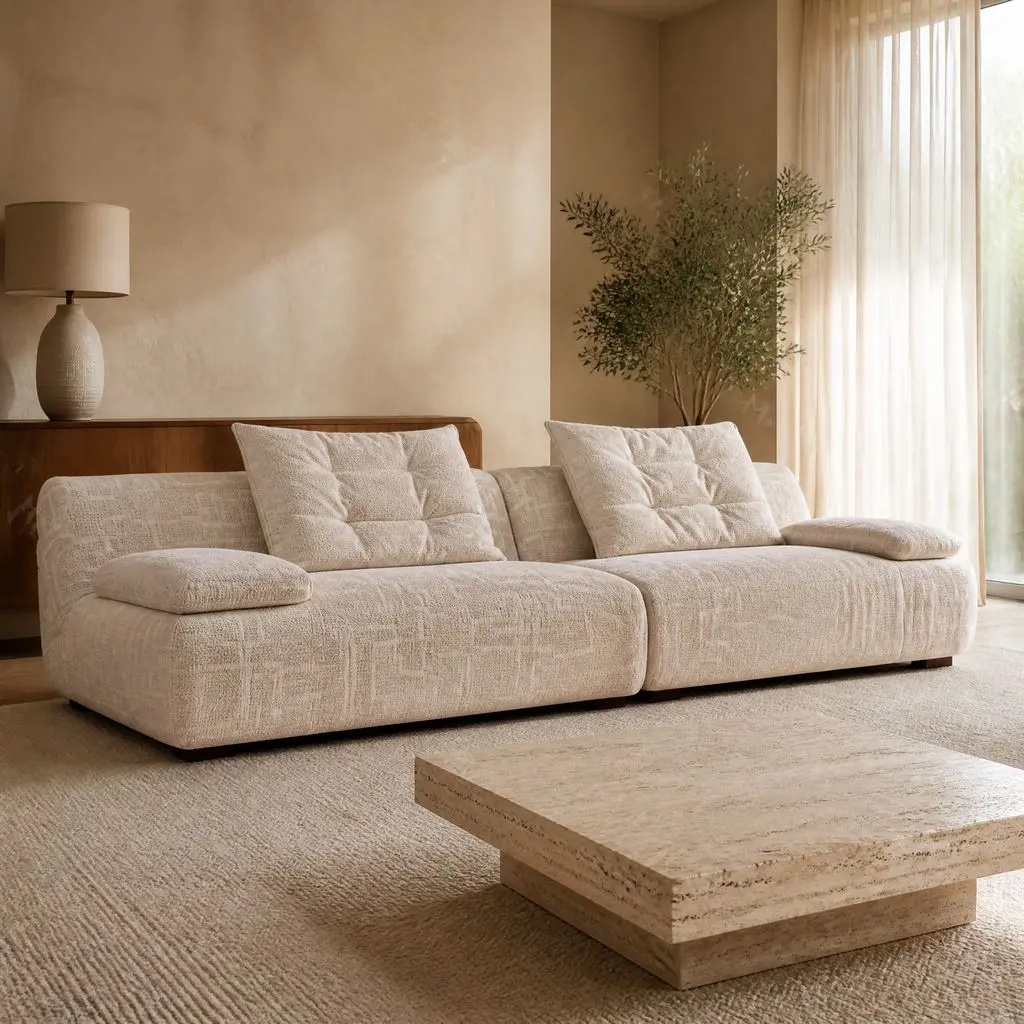
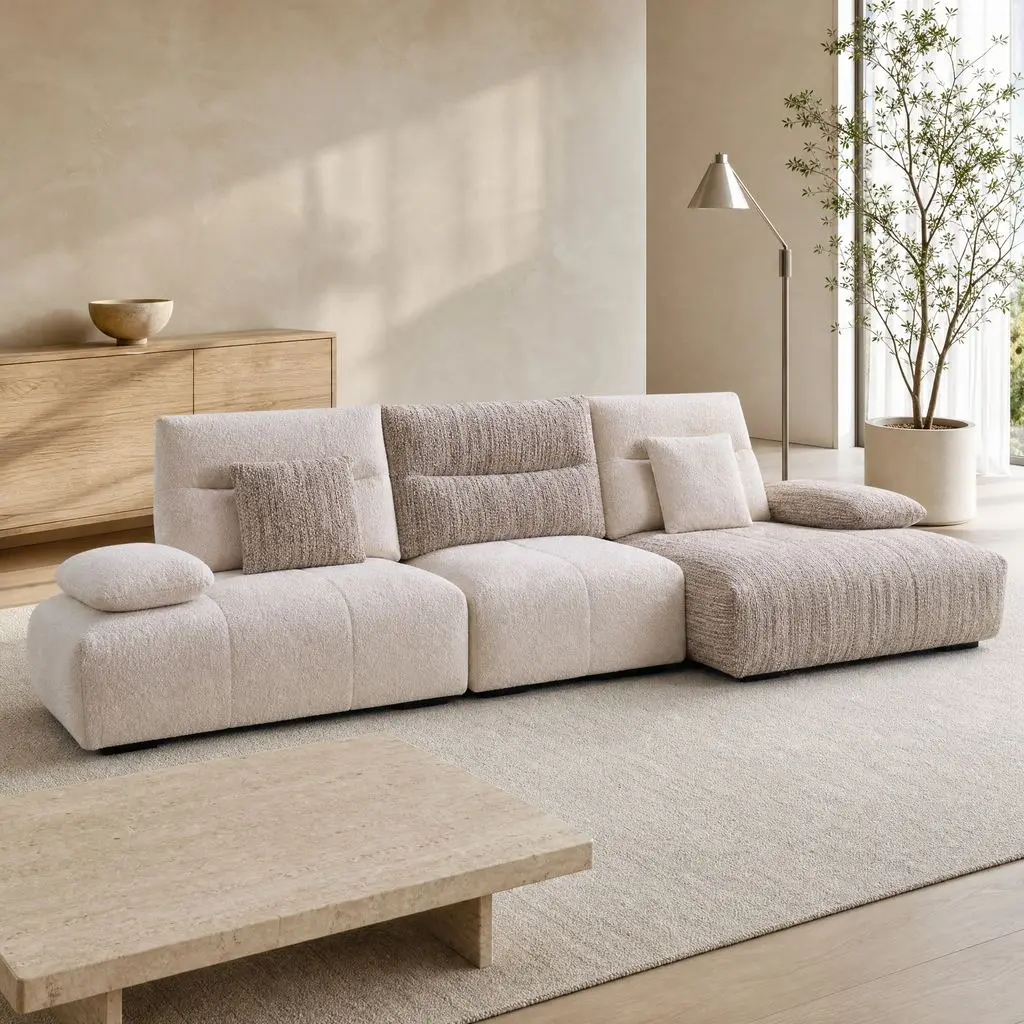
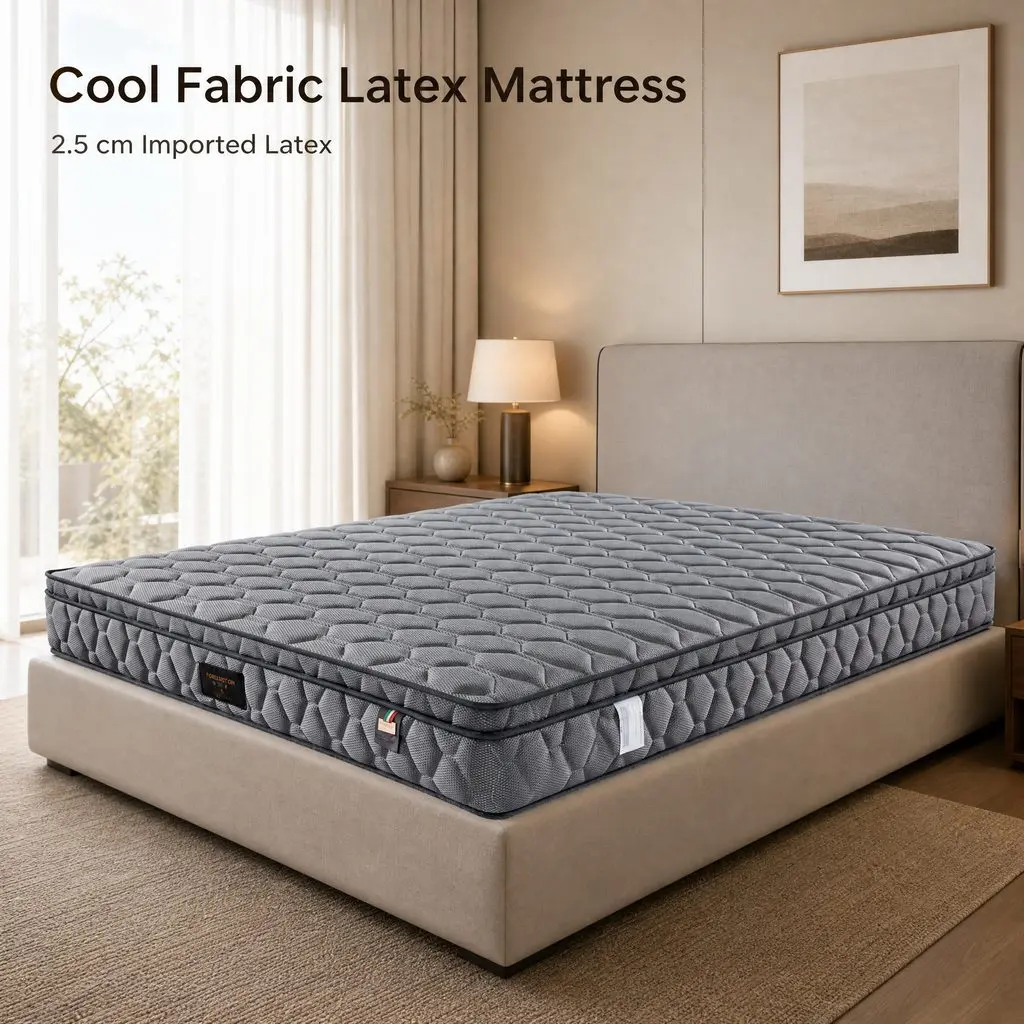
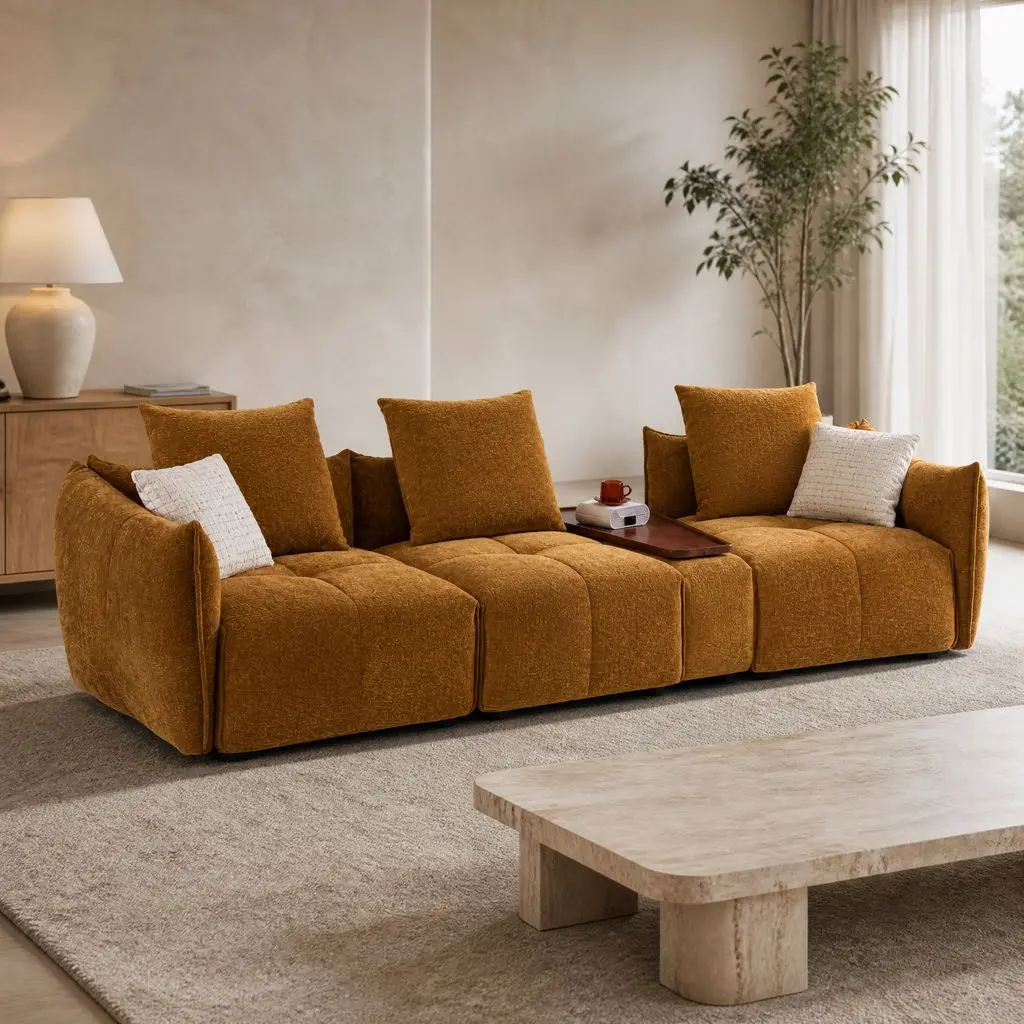
Four cornerstone models used across villa bedrooms, hospitality lounges, resort terraces and dining venues. Each item is available for OEM/ODM adaptation to New Zealand project specifications.
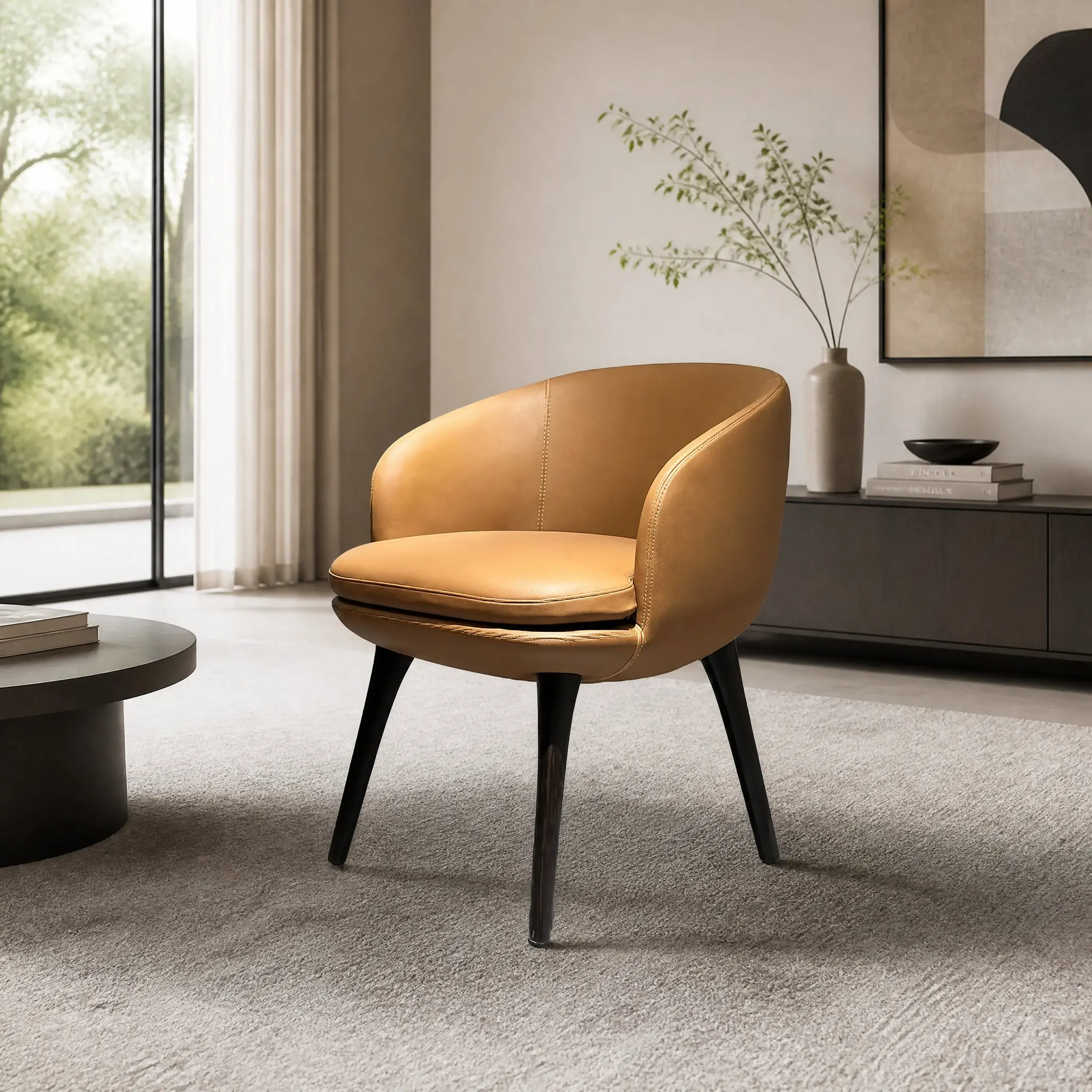
What drives demand for turnkey villa and commercial furniture across New Zealand in 2025–2026, and why imported integrated supply is gaining share.
Post-COVID hospitality investment across Queenstown Lakes, Rotorua and Auckland CBD has produced steady demand for hotel FF&E, lodge guestrooms, resort terraces and boutique café seating — typically delivered as coordinated packages rather than single-category orders.
Medium-density residential intensification (MDRS) in Auckland, Wellington and Christchurch is generating compact villa and townhouse interiors where modular sofas, space-efficient beds and integrated storage outperform oversized legacy formats.
New Zealand sits at the end of long ocean lanes from Asia. Container utilisation, flat-pack engineering and multi-category consolidation have a greater impact on landed cost here than in almost any other OECD market — a structural argument for one integrated supplier.
Building consents, fire performance for commercial upholstery and biosecurity wood-packaging rules require documentation at the supplier level. Furnishing an NZ project is a compliance workflow, not just a purchase.
New Zealand project timelines are short, but ocean transit from South China to Auckland or Tauranga runs 18–28 days plus port dwell. Suppliers who pre-plan consolidation and documentation protect handover dates better than those shipping category by category.
NZ developers, iwi-aligned projects and Crown agency procurement increasingly evaluate suppliers on low-VOC foams, FSC-aligned timber sourcing, recyclable packaging and documented lifecycle practices — expectations that must be designed in, not claimed after the fact.
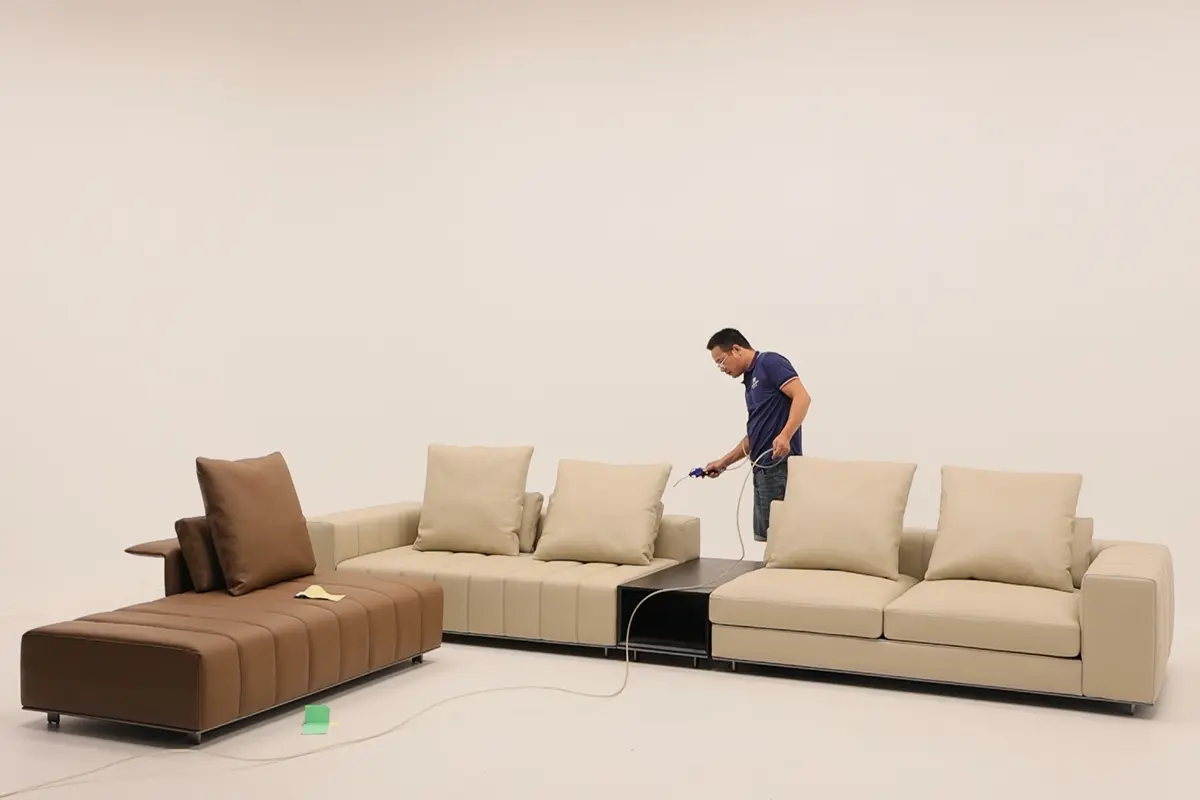
Global procurement behaviour has shifted measurably over the past five years. Rather than buying sofas from one supplier, beds from another and outdoor sets from a third, buyers in Australia, New Zealand, the UK, the Middle East and North America increasingly procure coordinated packages from a single accountable manufacturer.
The reasons are structural:
For New Zealand specifically, this shift is amplified by geography: every additional supplier is another ocean lane, another documentation set, another risk of a mismatched delivery window. Turnkey supply converts a fragmented import process into a single project workflow.
Each solution set is engineered as a package: shared material library, matching lead times, coordinated packaging and consolidated containers.
Whole-home packages spanning living room sofas, dining sets, upholstered beds, pocket-spring mattresses, nightstands and outdoor terrace furniture — matched finish libraries from one design source.
Guestroom packages, lobby seating, restaurant and bar furniture, terrace sets for coastal and alpine resorts — with contract-grade fabrics, fire-retardant foam options and durability validation.
Cafés, clinics, salons, showrooms and office reception areas requiring high-wear upholstery, modular seating and consistent visual language across multiple sites.
Repeatable show-home and apartment furniture packs configured for rapid deployment across multiple developments, with pre-approved finish options to simplify buyer selection.
Full-category container programs, private-label programs and packaging customisation for retail and trade channels across the North and South Islands.
FF&E packages aligned to the contractor's programme: staged shipping, room-by-room labelling and site-ready protection to reduce on-site handling and damage.
From brief to handover, every turnkey order follows a structured technical workflow designed around New Zealand's compliance, freight and installation realities.
Drawings, room schedules and target budgets are converted into a category map. Materials are pre-screened for AS/NZS durability expectations and commercial-use suitability before quoting.
Frame species (imported larch, solid ash, powder-coated aluminium), foam density and fabric grades are selected and validated against the intended use case. Sample approval locks dimensions, colour and comfort.
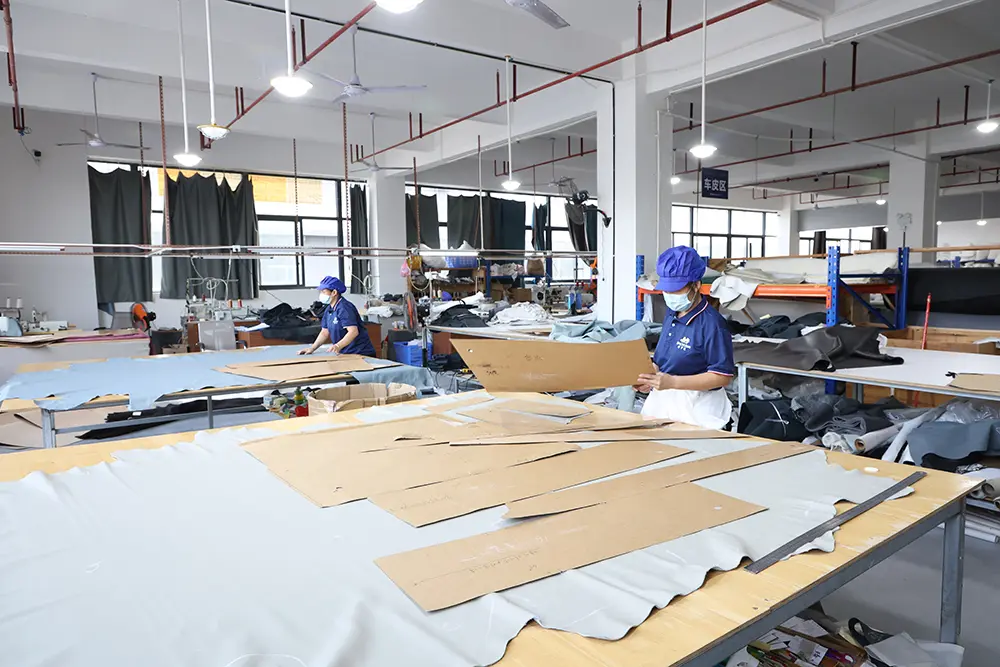
Dedicated QC engineers run on-site line audits checking frame joinery, upholstery tension, finish consistency and hardware durability — documented before packing begins.
Multi-category container loading plans, ISPM 15-compliant crating, room-labelled packaging and export documentation aligned with NZ Customs and MPI biosecurity expectations.
Understanding the macro picture explains why a Foshan-integrated turnkey model is now competitive in New Zealand.
Global buyers have diversified away from single-country dependence, yet China's furniture cluster retains dominance in upholstered and casegoods categories due to vertical integration, fabric access and design velocity. New Zealand buyers benefit from that cluster while mitigating risk through consolidated full-container programs.
Hospitality, retail and workplace clients now expect contract-grade specification as standard: higher foam densities, tested load ratings, abrasion-resistant fabrics and cleanable surfaces. Residential-grade products no longer meet commercial-invoice requirements in most markets, including NZ.
Ocean freight rates and port dwell times remain unpredictable. Suppliers who manage their own consolidation protect clients better than those dependent on third-party consolidators — a critical advantage on NZ lanes, where recovery options are limited.
Each market applies its own rules — AS/NZS in NZ and Australia, BS in the UK, CAL 117 in California, EN 13501 in the EU. Suppliers with a documented multi-market testing matrix reduce the risk of non-compliant post-delivery surprises.
Across markets, interior aesthetics have converged around warm minimalism, natural textures and quiet colour palettes. This convergence allows a single design language to travel from a Queenstown lodge to an Auckland showroom with only fabric and finish adaptation.
BIM, digital sample libraries and video factory tours now substitute for much of the physical sourcing process. Suppliers who invest in digital specification tools win specification earlier in the project cycle.
Turnkey supply only works when the supplier's documentation and packaging workflow is aligned with the destination market. Here is how we align to New Zealand expectations.
| Area | New Zealand Expectation | Qingyumai Turnkey Response |
|---|---|---|
| Wood Packaging | Biosecurity NZ requires ISPM 15-compliant solid wood packaging and clear declaration. | ISPM 15 heat-treated or processed crating, declared on documentation and inspected before container sealing. |
| Commercial Upholstery Performance | AS/NZS-aligned durability, abrasion, and fire performance expectations for contract interiors. | Contract-grade fabric options (rub-count documented), fire-retardant foam variants and material cards supplied per project. |
| Structural Durability | Frames and joints expected to withstand commercial use cycles. | Imported larch, solid ash and powder-coated aluminium frames; internal load testing and QC line audits before shipment. |
| Moisture & Coastal Exposure | Coastal humidity and salt-air exposure across NZ resorts and villas. | Outdoor aluminium with UV-stable powder coat, marine-grade fittings, quick-dry foam options and removable washable covers. |
| Customs & Documentation | Accurate HS classification, packing lists, and commercial invoice alignment. | Project-level documentation pack prepared by the export team, coordinated with the NZ customs broker ahead of shipping. |
| Localised Communication | Time-zone alignment with NZ project managers and clarity on progress. | Dedicated account management with NZ-overlapping communication windows, weekly in-line QC photo updates and shipping milestone reporting. |
| Installation Support | Assembly clarity for on-site teams and reduced call-backs. | Room-by-room labelling, clear assembly guides and optional installation guidance documentation per project. |
Practical experience, technical expertise, long-standing authority and documented reliability — the four pillars that make turnkey supply credible for New Zealand buyers.
International turnkey furniture is not a catalogue exercise. It is a coordination discipline. Our team has delivered mixed-category programs across residential, hospitality and commercial project types, and understands the friction points New Zealand buyers face: documentation gaps, container wastage, mismatched finish samples and late-stage substitutions. Each of those risks has a defined mitigation inside our workflow — and each is documented before the container closes.
Send your room schedule, drawings or project brief. Our export team will return a category map, material options, container plan and a consolidated quotation — one purchase order, one quality standard, one shipping plan.
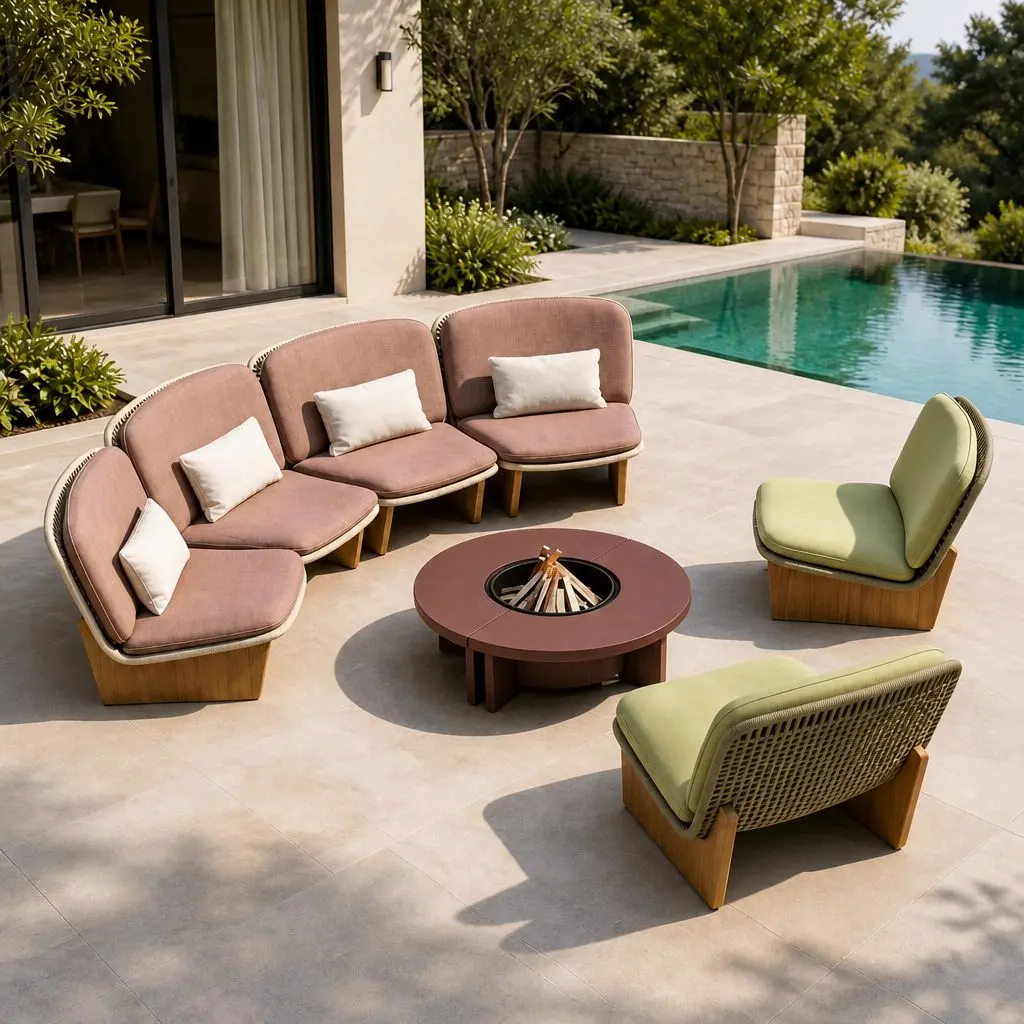
Outdoor lounges, modular sofas, dining chairs and pocket-spring bedding — every line is available for OEM/ODM adaptation and container consolidation alongside the four models above.
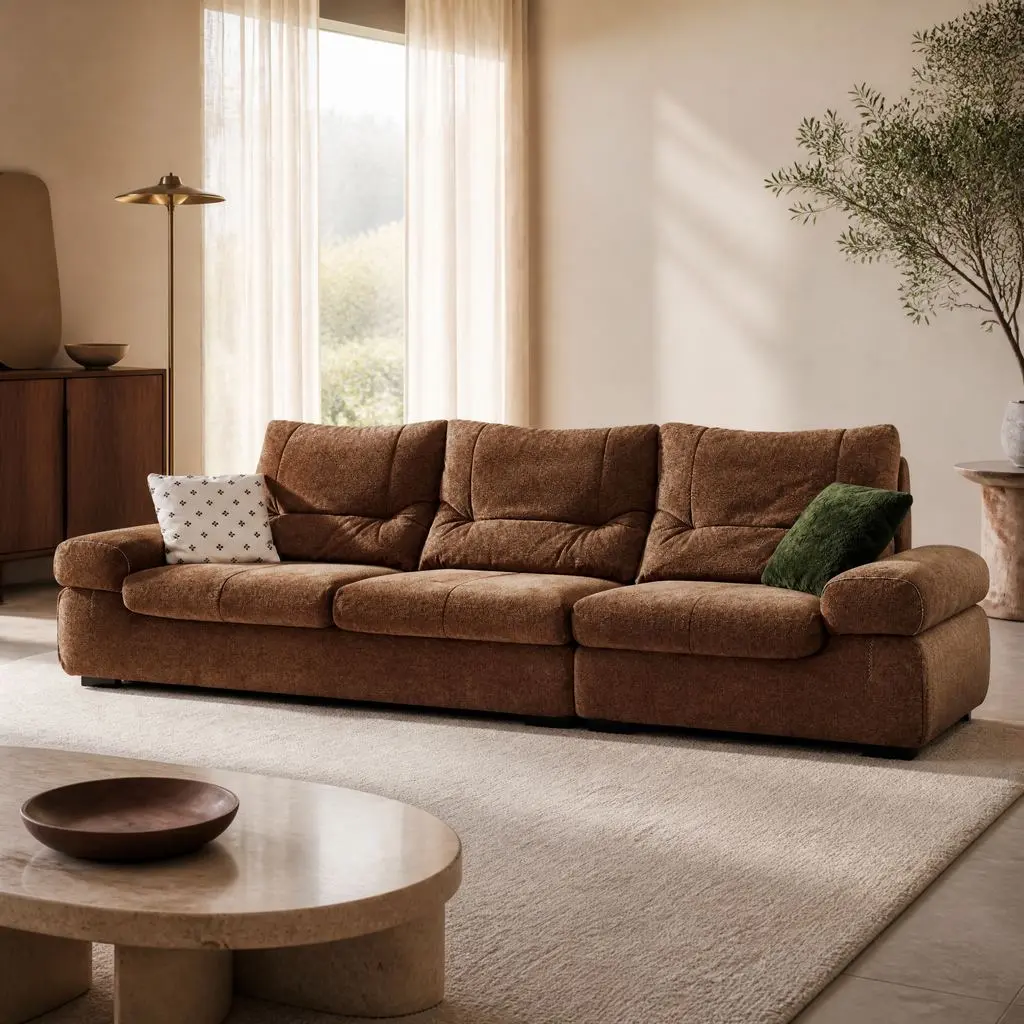
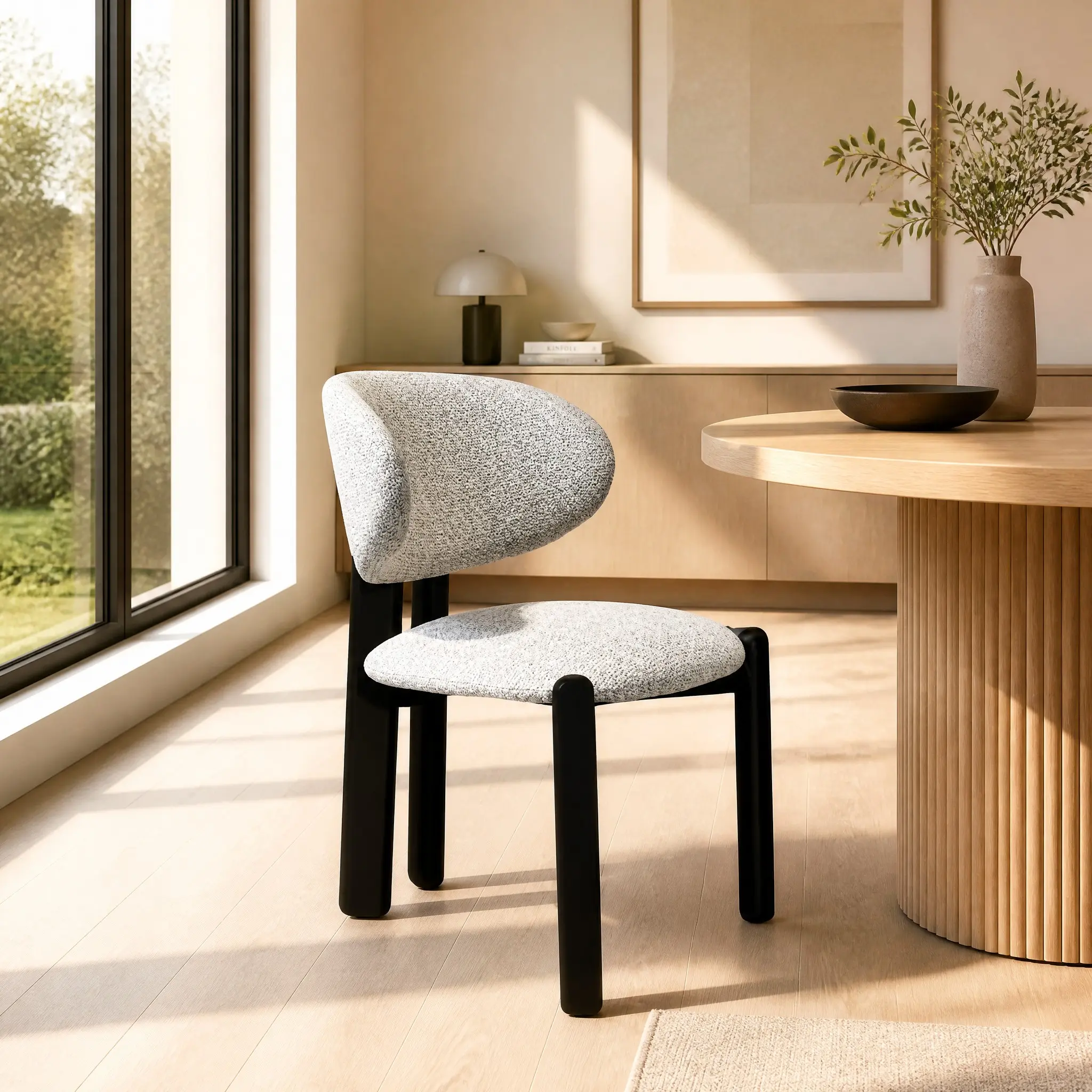
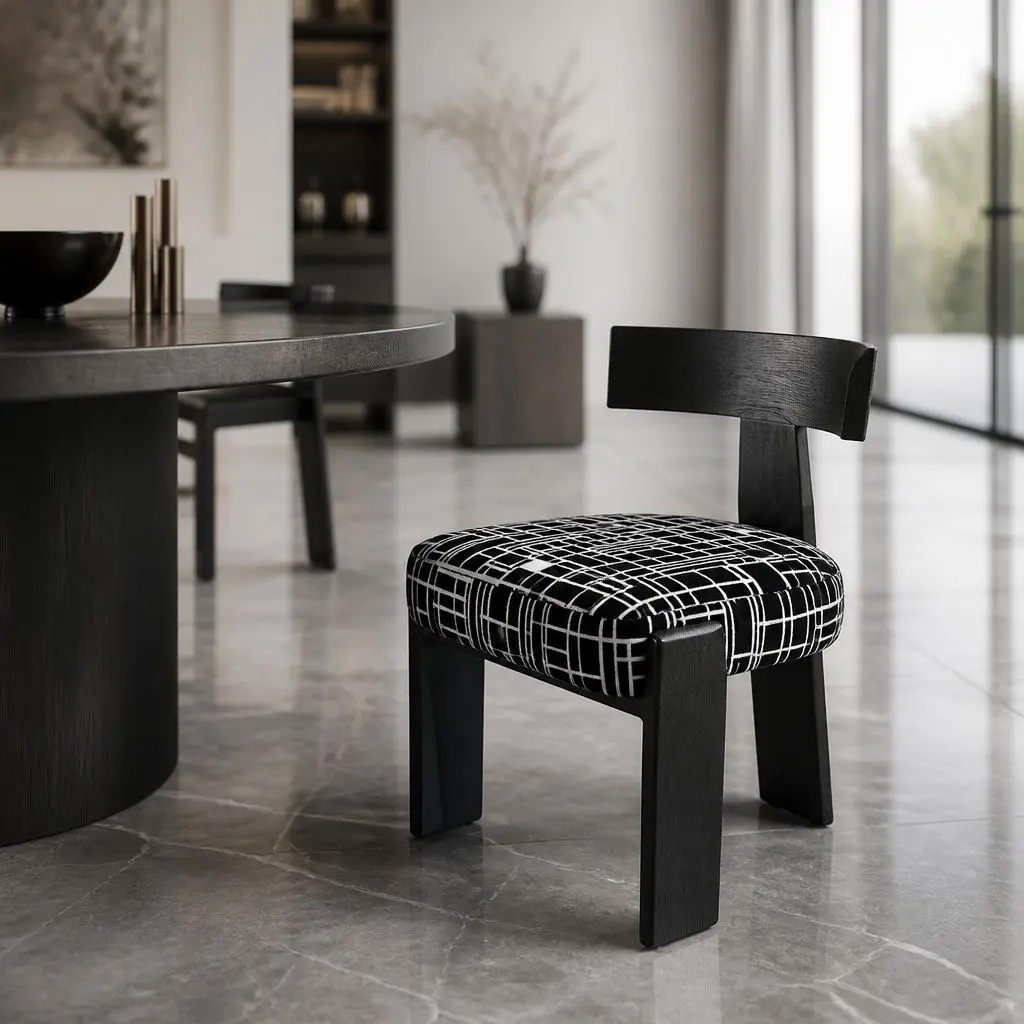
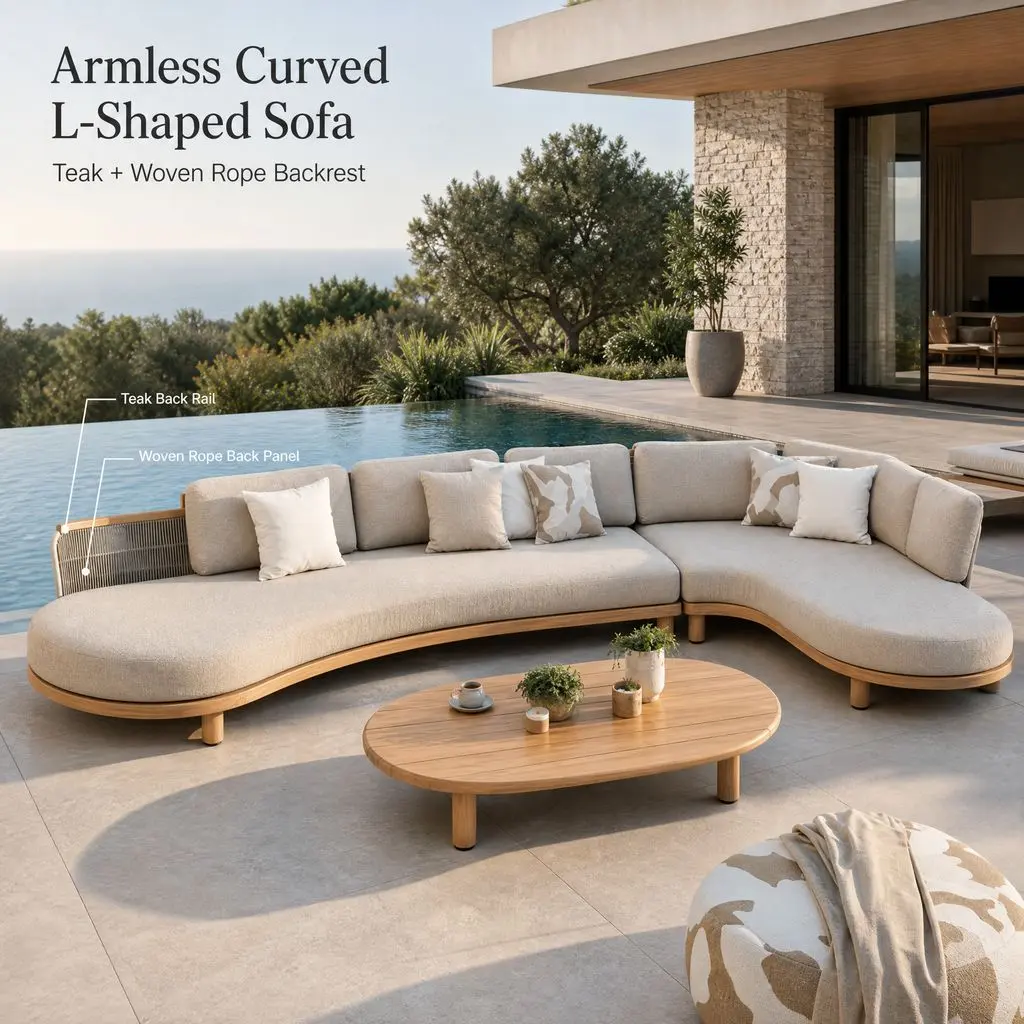
Straight answers to the questions NZ villa owners, hotel procurement teams and commercial fit-out contractors ask most before placing a first order.
We are an integrated manufacturer and turnkey supplier. Our own facility produces upholstery and casegoods, and we coordinate a network of audited partner factories for mattresses, outdoor lines and specialist categories. That means a villa or hotel project can be sourced as a coordinated package under one purchase order, one quality standard and one shipping plan.
We work within AS/NZS-aligned material practices, supply ISPM 15-compliant wood packaging, and provide contract-grade fabric and foam options with documented performance characteristics. Fabric and material cards are supplied per project, and our export team coordinates documentation with your NZ customs broker ahead of shipping.
Yes. Container consolidation across categories is a core part of the turnkey model. Our export team plans loading space to reduce ocean freight cost per unit and uses multi-layer export crating to prevent transit damage on the long route to Auckland or Tauranga.
Yes. We customise dimensions, upholstery and frame colours, fabric grades (cashmere, cotton-linen, cool-touch and commercial-grade contract fabrics) and branding such as woven labels and embossed logos. Private-label programs for NZ retail and trade channels are supported.
Lead time depends on category mix, customisation depth and sampling approvals. Once the sample is approved, production runs are scheduled with in-line QC checkpoints, and ocean transit from South China to Auckland or Tauranga typically runs 18–28 days plus port dwell. Staged shipping is available for larger projects to align with on-site installation phases.
Internal QC engineers carry out on-site production line audits checking structural durability, upholstery tension, finish consistency and hardware integrity. Photo and video updates are shared at key milestones, and pre-sale consultants recommend material configurations aligned with New Zealand project requirements.
We supply villa owners and developers, hotel and lodge procurement teams, hospitality groups, commercial fit-out contractors, interior design firms, furniture importers and wholesale distributors. Residential clients sourcing a coordinated whole-home package are also supported through our project services.
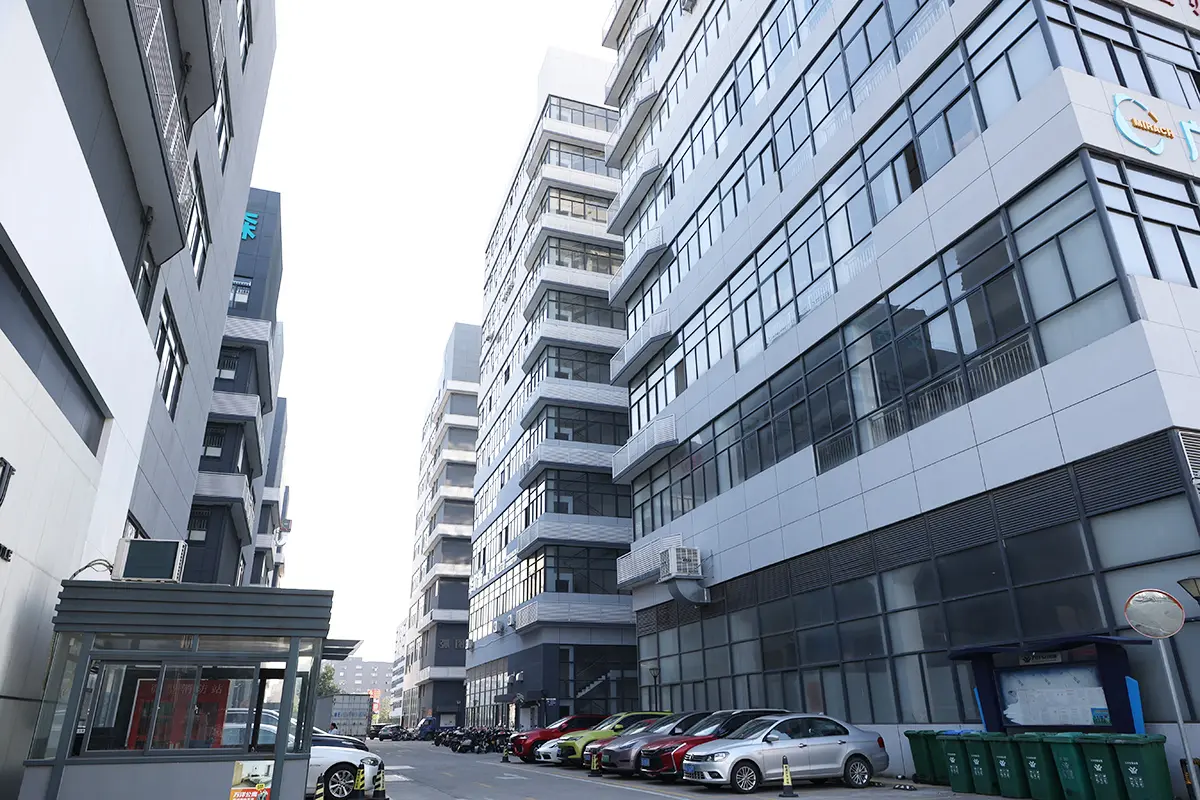
Our facility is located in Hui Cheng Industrial Park, Longjiang Town, Shunde District, Foshan, Guangdong, China — one of the world's most established furniture manufacturing clusters. New Zealand buyers are welcome to arrange factory and showroom visits; virtual factory tours and video walkthroughs can also be arranged for remote evaluation.