
 Dining
Villa & Commercial Turnkey Suppliers & Factory for Korea
A factory-direct, whole-house furniture program built for Korean villa developers, hotel & hospitality operators, serviced-apartment brands, interior studios and B2B importers — one purchase order, one QC standard, one shipping plan from Foshan to Busan, Incheon and Seoul.
10+Years Exporting to Global B2B Buyers
100+Original Structural & Design Patents
19Coordinated Furniture Categories
1Purchase Order · One Quality Owner
Featured Turnkey Models
Signature Pieces for Korean Villa & Hospitality Interiors
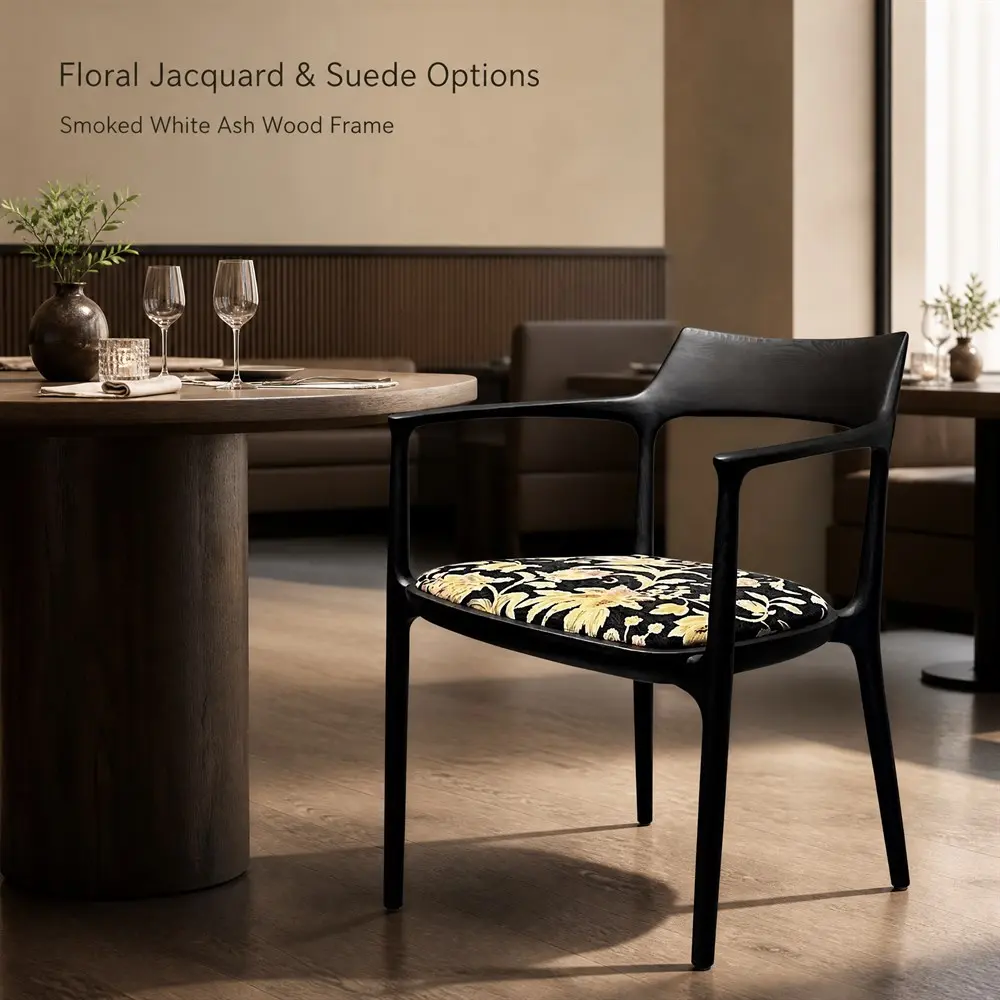
Four factory-built models that Korean buyers deploy most often: retro dining armchairs for boutique cafés, a full-cowhide upholstered bed for premium villas, an L-shaped outdoor sectional for resort terraces, and a handmade pocket-spring mattress for serviced apartments and hotel suites.
Dining
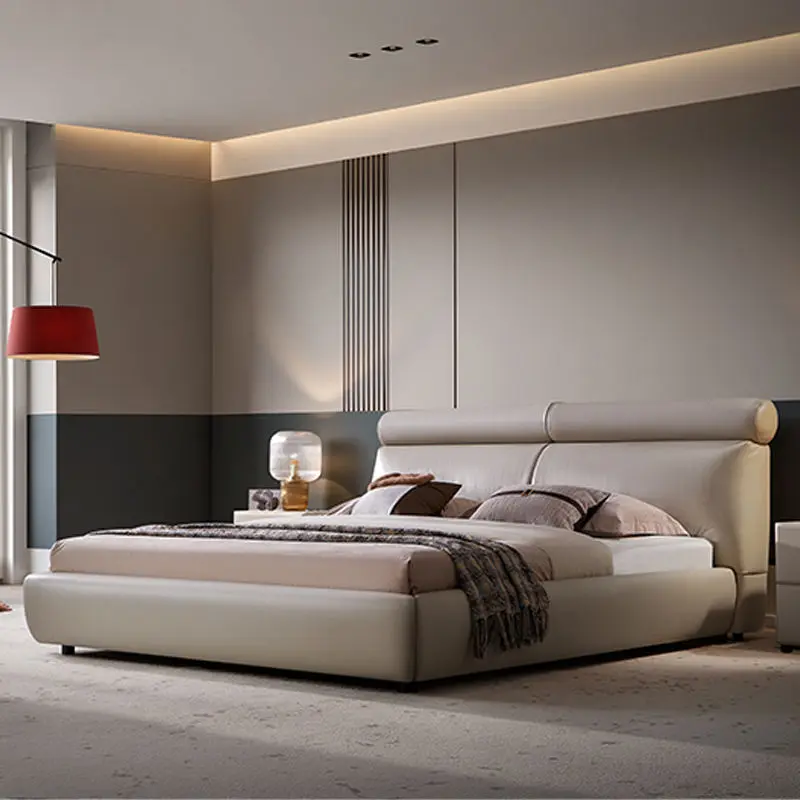 Bedroom
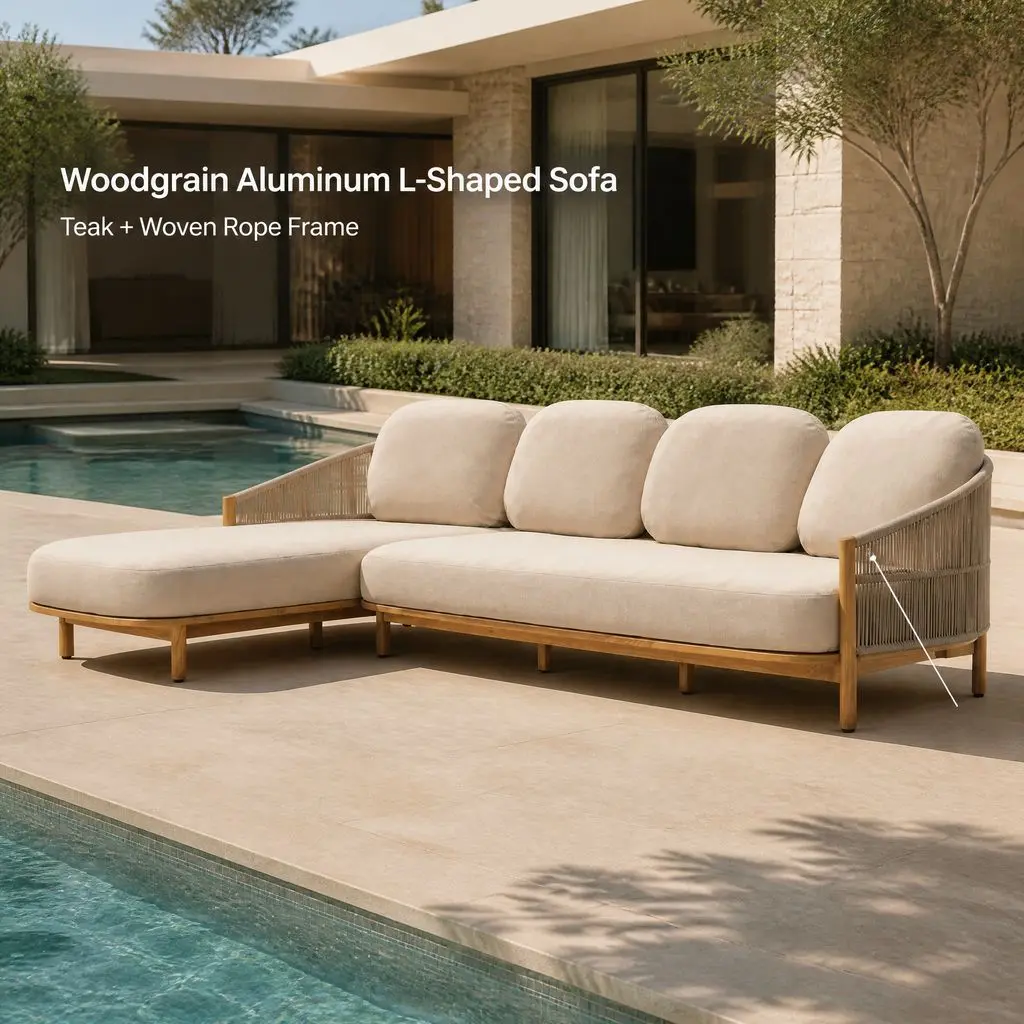 Outdoor
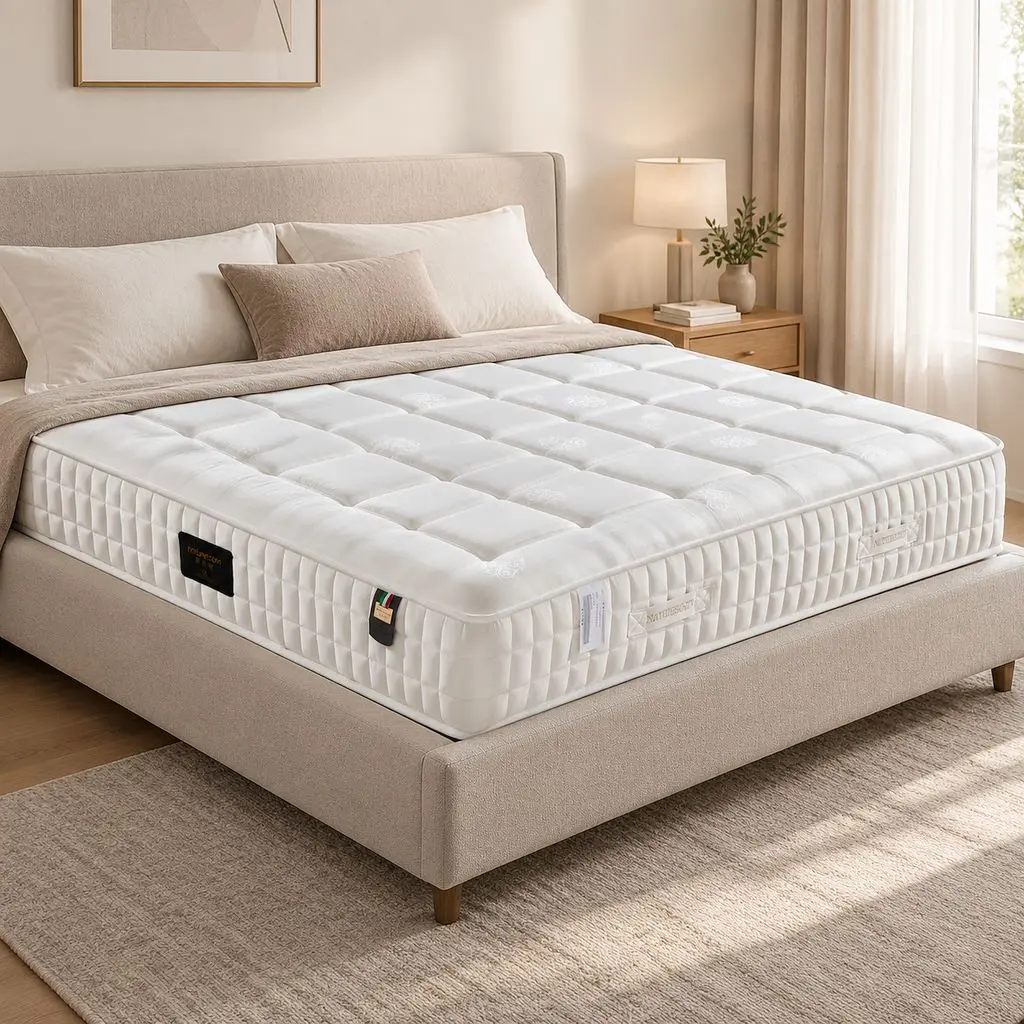 Mattress
Korea Market Landscape
Why Korea Is One of the Fastest-Growing Turnkey Furniture Markets
Korea's residential and commercial interior market has shifted decisively from individual piece purchases to turnkey, whole-space furniture delivery. Three structural forces are driving this shift: the explosion of premium villas and jeonse-deposit-free apartments in Seoul's Gangnam, Seocho and Songpa districts and the wider Gyeonggi belt; an aggressive hotel and serviced-residence pipeline across Busan, Jeju and Incheon's Songdo International Business District; and the rapid professionalisation of Korea's interior design and co-working space industries.
Unlike most Western markets, Korean project buyers rarely tolerate multi-vendor fragmentation. A villa developer in Bundang expects the same finished leather, the same wood tone and the same stitching standard across bedrooms, dining rooms, lounges and outdoor terraces — installed within a fixed handover date. That expectation is exactly what Qingyumai's aggregated manufacturing model was engineered to serve.
Korean hospitality procurement is equally demanding. Branded hotel chains such as those operating in Myeongdong and Haeundae require FF&E packages that pass fire-retardancy, stability and VOC screening while matching a global design brief. Our factory-floor QC engineers and pre-sale material engineers work with Korean specifiers to select contract-grade fabrics, low-emission foams and KCs-aligned electrical components for powered seating and adjustable beds.
- Premium villa and officetel interior markets concentrated in the Seoul capital area and Gyeonggi
- Hospitality pipeline spanning boutique hotels, resort villas, serviced residences and wellness retreats
- Boutique café, bakery and F&B retail rollouts requiring coordinated dining and lounge furniture
- Interior design studios and space-planning firms demanding private-label OEM programs
One Turnkey Partner for Korea
Soji, beds, mattresses, dining, outdoor terrace and salon-grade seating sourced from a single factory partner reduces vendor management, protects design consistency and compresses project lead times.
Localized Application Scenarios
Where Korean Buyers Deploy Turnkey Furniture Most
From Jeju resort villas to Seoul co-living studios, our collections are configured for the specific spatial and climatological realities of the Korean peninsula — humid summers, dry winters, floor-heating ondol systems and tight urban floorplates.
Luxury Villas & Jeju Resort Homes
Whole-house packages covering master bedroom, guest suites, formal dining, living lounge and outdoor terrace — with moisture-resistant teak and aluminum outdoor lines tuned for Jeju's coastal humidity and salt spray.
Boutique Hotels & Serviced Residences
Guestroom beds, mattresses, lounge seating and public-area furniture in coordinated contract-grade finishes, engineered to withstand high turnover and pass Korean hospitality procurement audits.
Boutique Cafés & Bakery Chains
Retro dining armchairs, Italian minimalist swivel chairs and tub dining chairs for café rollouts in Seongsu-dong, Yeonnam-dong and Busan's Jeonpo — durable upholstery matched to F&B cleaning schedules.
Co-Living & Officetel Studios
Space-optimized platform beds with integrated storage, compact L-shaped sofas and modular dining sets engineered for small Seoul floorplates and tenant turnover cycles.
Salon, Clinic & Wellness Spaces
Reception and waiting lounge seating for Korean beauty clinics, dental studios and wellness centres — coordinated with salon-grade upholstery and height-adjusted ergonomics.
Interior Design Studios & OEM Buyers
Private-label OEM/ODM programs for Korean design studios delivering to end-clients — custom dimensions, fabric grades, woven labels and branded packaging.
Whole-House Turnkey Catalog
Eight Factory-Direct Models for Korean Villa & Commercial Projects
Mattresses, upholstered beds, outdoor lounge and dining pieces from a single Foshan factory floor. Combine these models in one consolidated container to reduce ocean freight per unit and simplify Korean customs clearance.
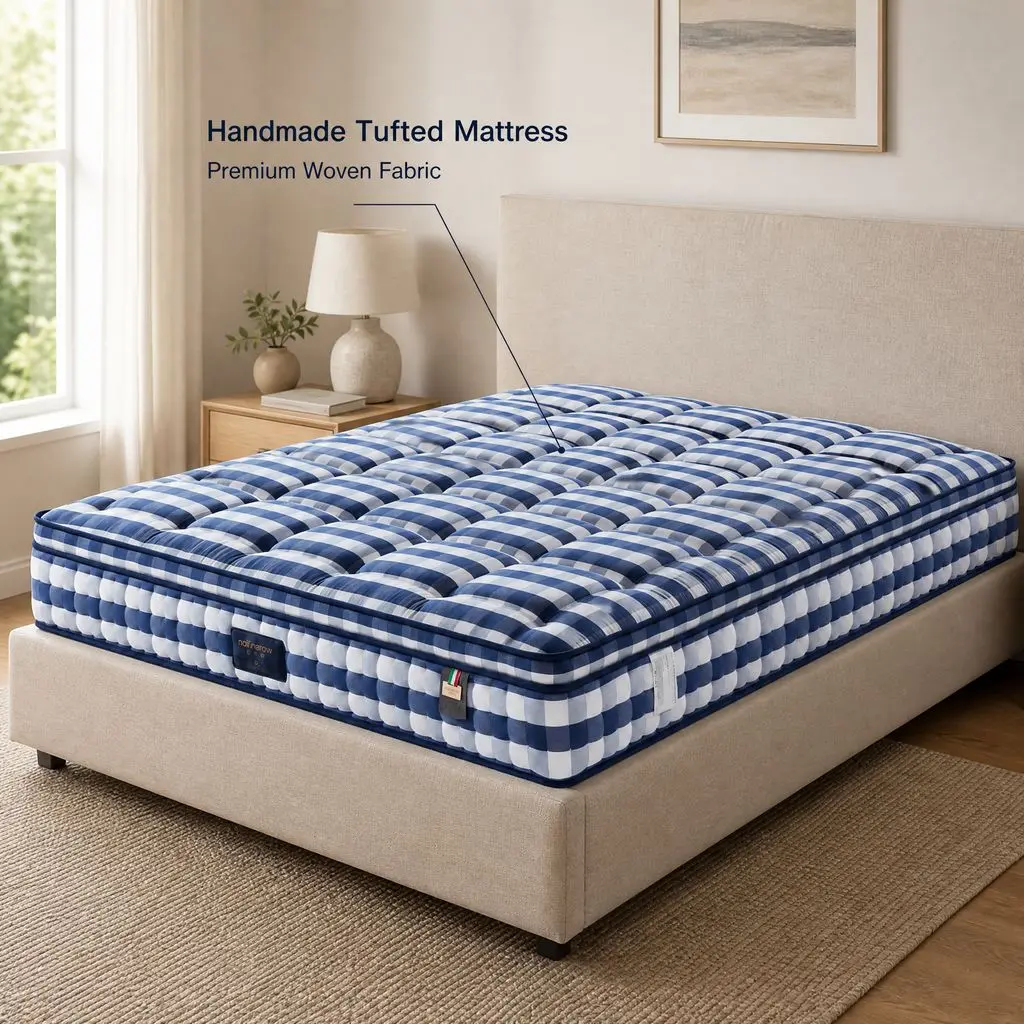 Mattress
 Bedroom
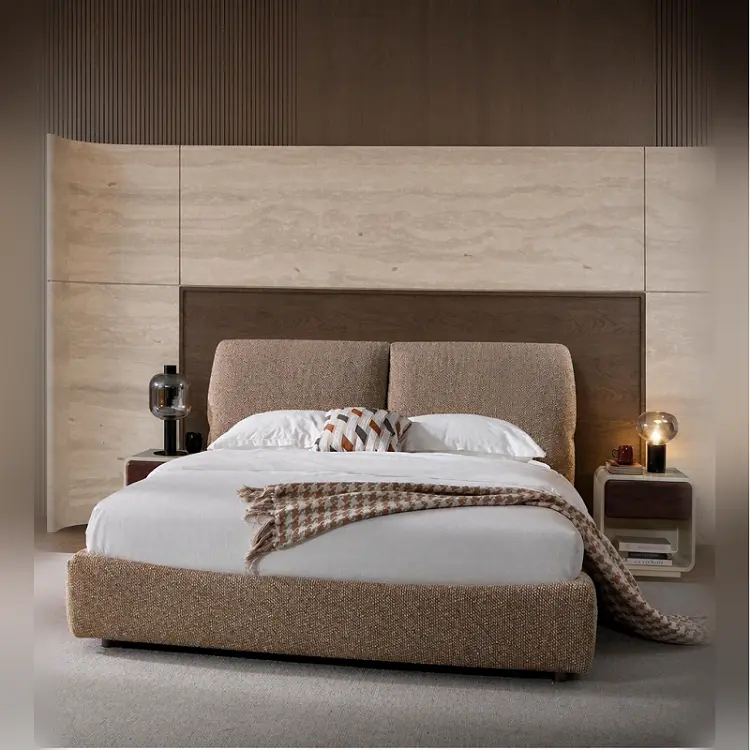 Bedroom
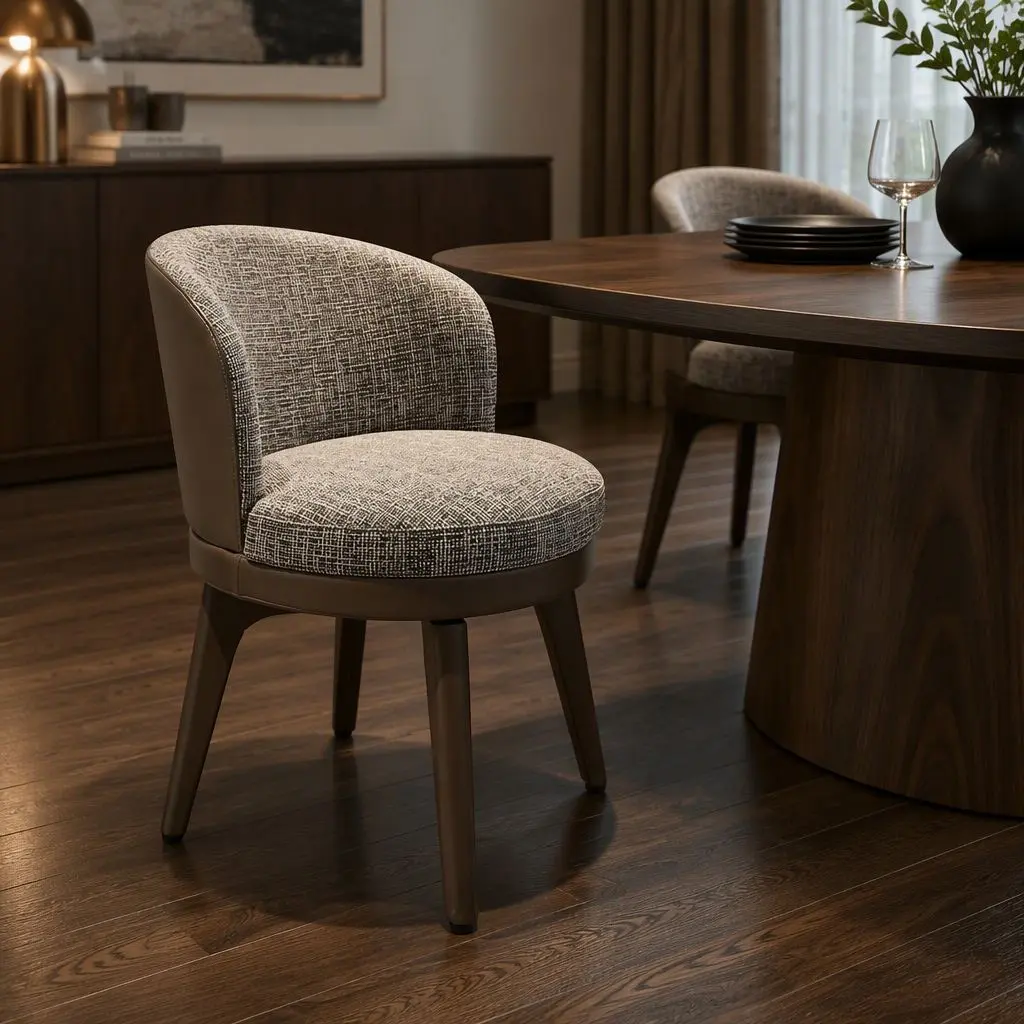 Dining
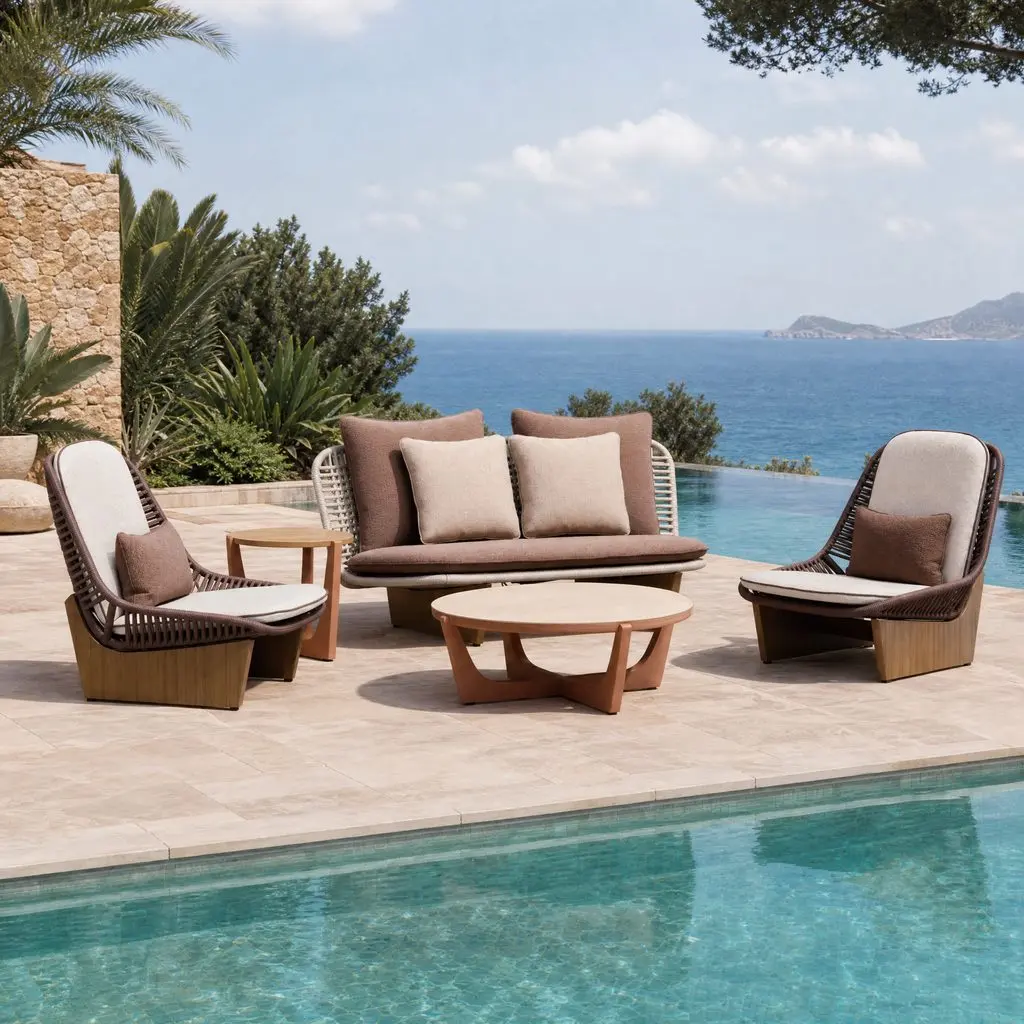 Outdoor
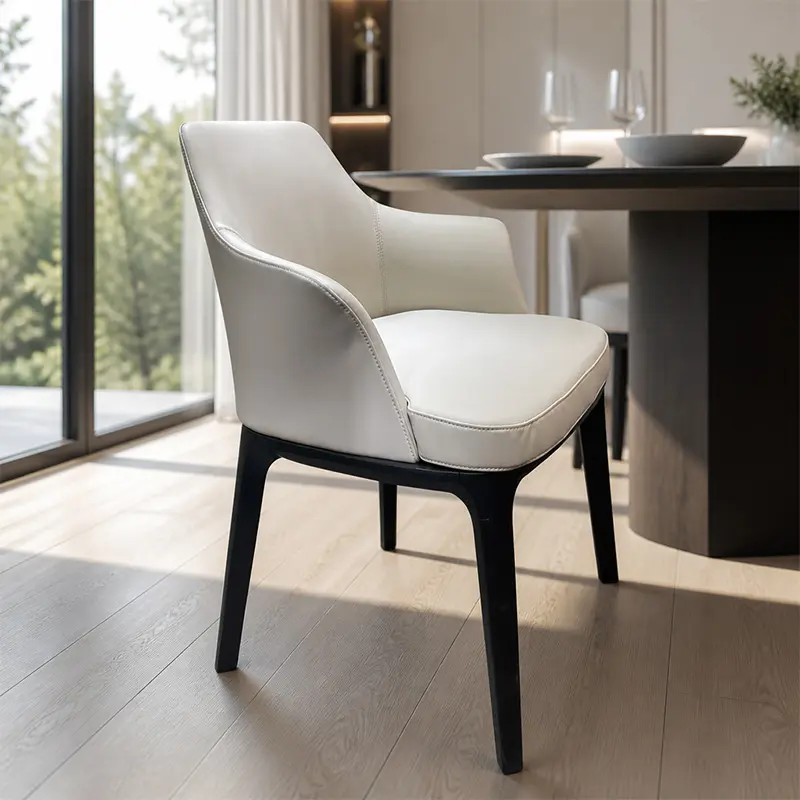 Dining
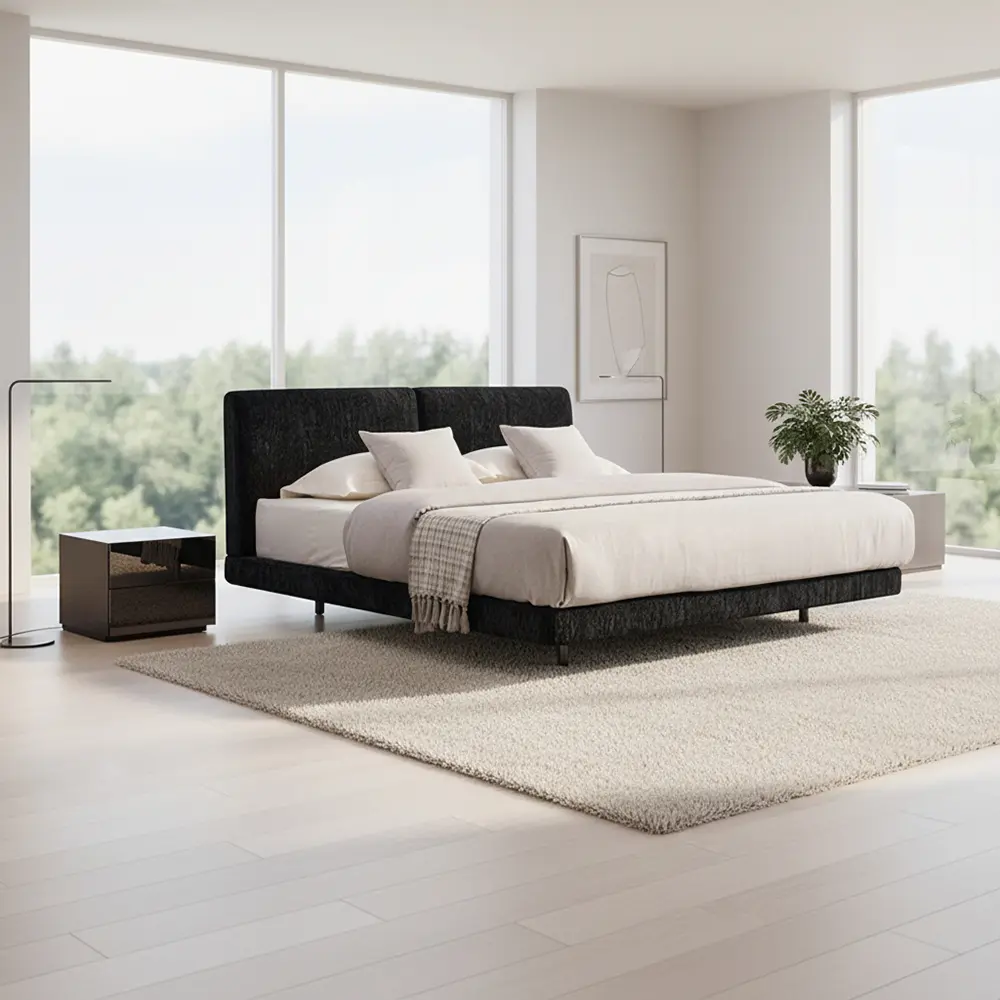 Bedroom
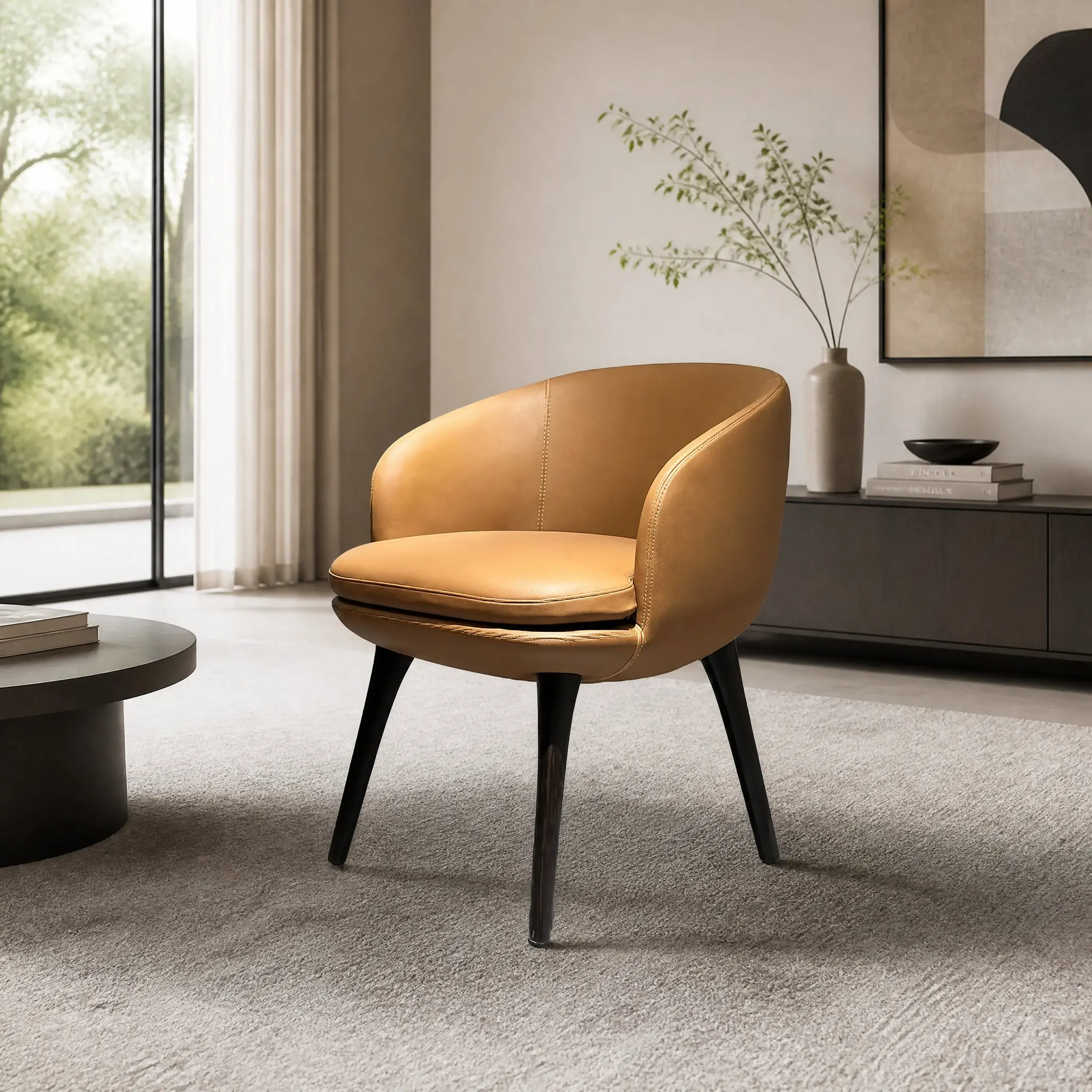 Dining
Consolidated Container Loading
Mixed-category orders (beds, mattresses, sofas, dining, outdoor) ship from one Foshan loading bay — reducing the number of containers and per-unit ocean freight to Busan and Incheon.
Multi-Layer Export Crating
Edge protection, foam wrap and corrugated reinforcement tuned for the longer 12–22 day sea freight transit from Nansha/Shenzhen to Korean ports.
Predictable Lead Times
Synchronized production schedules across our in-house facility and audited partner factories keep project handover dates protected even during peak Korean fit-out seasons.
Supply Chain Resilience
China Factory Supply-Chain Resilience & Efficiency for Korean Buyers
Korean project buyers are rightly cautious about supply-chain concentration. The Foshan–Shunde furniture cluster is not a single-point risk; it is a deep, vertically integrated ecosystem where wood, foam, hardware, fabric, leather and packaging suppliers operate within a 30-kilometre radius. That proximity is the foundation of our responsiveness.
Qingyumai operates its own production facility in Longjiang, Shunde, and extends capacity through long-term alliances with audited specialist factories for casegoods, mattresses and outdoor lines. Critically, this is not a trading-house arrangement — our internal QC engineers physically audit each partner factory line, and our pre-sale consultants own the material specification, so the buyer deals with a single accountable quality owner regardless of how many sub-factories contribute to the container.
For Korea specifically, our supply-chain team has tuned three efficiency levers:
- Category batching: grouping upholstery sewing, frame assembly and mattress build into synchronized production windows
- Port flexibility: routing through Nansha, Yantian or Shekou depending on Korean delivery port and vessel schedule
- Consolidation discipline: planning loading space to reduce the number of containers required per turnkey project
Global Industry Context
Turnkey Furniture Supply in the Global Commercial & Residential Market
The shift from piece-by-piece furniture buying to coordinated whole-space delivery is a global phenomenon, and Korea is one of its most evolved expressions. Understanding where Korea sits relative to other markets clarifies what world-class turnkey supply should look like.
Hospitality FF&E Globalisation
International hotel groups now standardise FF&E specifications across regions, demanding suppliers who can deliver consistent finishes in Asia, the Middle East and Europe while respecting local fire and stability codes.
Serviced Residences & Co-Living
Urban co-living and serviced-apartment operators are scaling across Seoul, Tokyo, Singapore and Dubai, requiring rapid-fit furniture packages engineered for high turnover and easy replacement.
Design Consistency as a Procurement KPI
Global procurement teams now evaluate suppliers on finish consistency across categories — the same wood tone across beds, chairs and outdoor pieces is increasingly a contract requirement.
Localized Support & Compliance
Working with Korea: Localized Support, Regulatory Alignment and After-Sales
A turnkey program is only as strong as the support behind it. For Korean buyers, our engagement model is structured around three operational pillars: pre-sale engineering, in-production QC and post-sale logistics and after-sales support.
Pre-Sale Material Engineering
Consultants recommend low-emission foams, contract-grade upholstery and KCs-aligned electrical components for powered seating to support Korean project compliance screening.
In-Line QC Audits
Structural durability and finish consistency are checked on the production floor by internal QC engineers before every Korean shipment.
Transit Planning to Korea
Routing via Nansha, Yantian or Shekou tuned to Korean delivery ports and vessel schedules, with consolidation to reduce container count.
Export Documentation Support
Commercial invoices, packing lists, certificates of origin and HS-code guidance support smoother Korean customs clearance.
Dedicated Account Management
Korean-facing importers and project buyers are assigned a single account manager for the entire program lifecycle.
After-Sales Replacement Support
Replacement-part coordination for hardware, foam and fabric supports long-term building operations and hospitality warranty programs.
Technology Roadmap
Technical Roadmap & Future Outlook for Turnkey Furniture Supply
Turnkey furniture is entering a materials and manufacturing decade. Our technology roadmap focuses on seven fronts that directly affect Korean villa and hospitality buyers.
01
Low-Emission Foam & VOC-Reduced Adhesives
Expanding the use of low-emission polyurethane foams and VOC-reduced adhesives to align with tightening indoor air quality requirements in Korean residential and hospitality projects.
02
Contract-Grade Fabric Engineering
Developing upholstery grades tuned for Korean humidity cycles and high-turnover F&B use — improving abrasion resistance, stain release and colour fastness without sacrificing the premium hand-feel Korean buyers expect.
03
Powered Furniture & Smart Mattress Integration
Scaling adjustable-bed and powered-recliner production with motor and control systems specified to Korean electrical standards, supporting the growth of smart living and wellness-oriented suites.
04
Modular & Replaceable-Component Design
Designing beds, sofas and dining chairs so that key components — cushions, covers, feet, hardware — can be replaced on site, extending lifecycle for co-living and hotel operators.
05
Digital Spec Sheets & QR-Linked Traceability
QR-linked digital spec sheets for every model, enabling Korean architects and procurement teams to access material, dimension and care information directly from a piece of furniture on site.
06
Digital Twin & 3D Configuration
Expanding 3D modelling so Korean interior designers can configure and visualise full-room schemes before sampling — compressing the brief-to-container cycle.
07
Outdoor Durability for Peninsula Climate
Advancing wood-grain aluminum, olefin rope and waterproof cushion engineering for Korean coastal and island projects exposed to salt spray and monsoon humidity.
Q&A · FAQ
Turnkey Furniture for Korea — Frequently Asked Questions
Direct answers to the questions Korean villa developers, hotel procurement teams and importers ask most before placing a first container order.
Does Qingyumai supply turnkey furniture programs specifically for the Korean market?
Yes. Qingyumai (Foshan Qingyumai Technology Co., Ltd.) supplies coordinated whole-space furniture packages to Korean villa developers, hotel and hospitality procurement teams, serviced-residence operators, interior design studios and B2B importers. A single purchase order can cover upholstered beds, mattresses, sofas, dining chairs, outdoor lounge and salon-grade seating, configured to the design brief of the project.
Can I combine beds, mattresses, sofas and outdoor furniture in one container to Korea?
Yes. Our post-sale and logistics team handles mixed-category container consolidation, planning loading space to reduce ocean freight cost per unit. A single turnkey villa or hotel floor package typically ships as one or two containers rather than several smaller shipments — simplifying Korean customs clearance and reducing handling damage.
How do you handle regulatory and compliance considerations for Korean projects?
Our pre-sale consultants recommend material configurations aligned with the regulatory standards of the destination market, including low-emission foams and VOC-reduced adhesives, contract-grade upholstery, and electrical components specified to Korean market requirements for powered seating and adjustable beds. Export documentation — commercial invoice, packing list, certificate of origin and HS-code guidance — is prepared to support Korean customs clearance.
What is the typical lead time from confirmed order to Korean port delivery?
Lead time depends on the category mix, customization depth and season. Standard production typically runs 30–50 days, with sea freight from South China ports (Nansha, Yantian or Shekou) to Busan or Incheon adding approximately 12–22 days depending on vessel schedule. For turnkey project orders, our account manager will produce a combined schedule aligned to your handover date at the start of the program.
Do you accept OEM and ODM orders for Korean interior design studios and private-label brands?
Yes. We customize dimensions, upholstery and frame colours, fabric grades (cashmere-touch, cotton-linen, cool-touch and commercial-grade contract fabrics) and branding such as woven labels and embossed logos. Korean design studios frequently use our ODM program to deliver private-label furniture to their villa and hospitality clients.
How do you control quality when multiple sub-factories contribute to one turnkey container?
Our internal QC engineers carry out on-site production-line audits in each contributing facility, checking structural durability and finish consistency before goods move to consolidation. Because the material specification is owned by our pre-sale consultants and the final QC sign-off is owned by us, the buyer deals with a single accountable quality owner — not a chain of independent factories.
What is your factory location and can Korean buyers visit before ordering?
We are located in Hui Cheng Industrial Park, Longjiang Town, Shunde District, Foshan, Guangdong, China — one of the world's most established furniture manufacturing hubs. Korean buyers are welcome to arrange factory and showroom visits; our export team can coordinate itinerary, sampling reviews and container planning during the visit.
What after-sales support is available for Korean hospitality and residential projects?
After-sales support includes replacement-part coordination for hardware, foam and fabric, documentation to support warranty programs for hotel and building operators, and continued account management throughout the project lifecycle. For ongoing portfolio programs, we also assist with phased re-supply as additional villa or hotel rooms come online.
Planning a Villa or Commercial Turnkey Program for Korea?
Send us your project brief, room schedule or design reference. Our export team will respond with suitable models, material options, customization guidance and a consolidated container plan aligned to your handover date.