
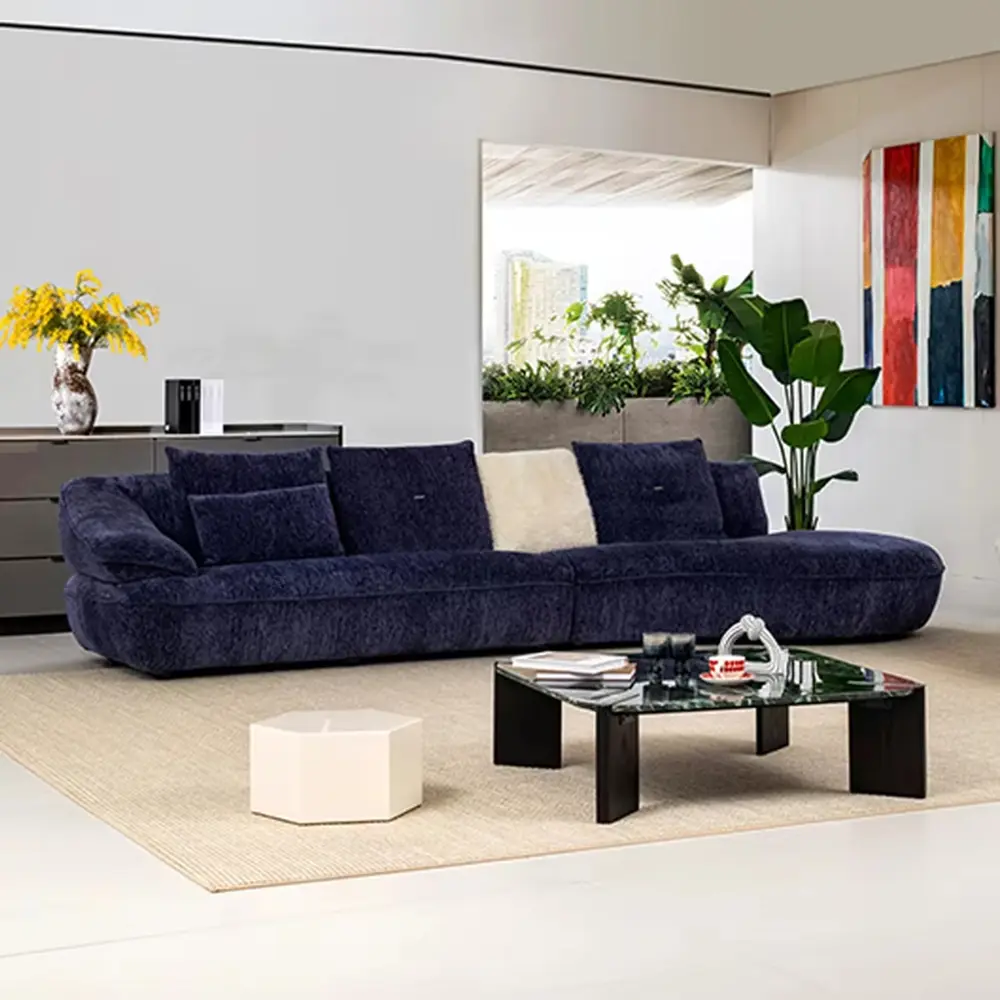
Core Reception Models
Signature Waiting & Reception Furniture for Mexican Buyers
These four flagship lines are the models most frequently specified for hotel lobbies, clinic waiting areas, salon receptions and corporate lounges across Guadalajara, Monterrey, Mexico City and the Riviera Maya. All ship under one quality standard and one purchase order.
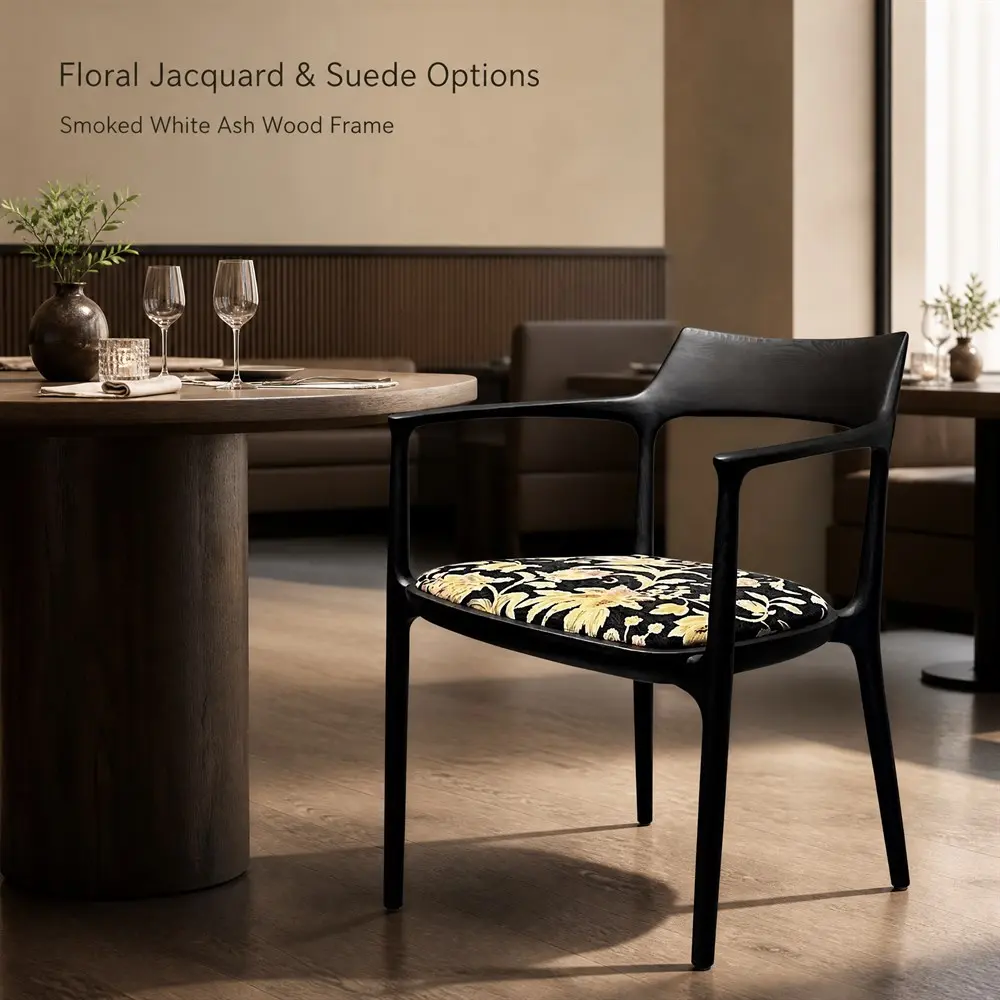
QYM American Retro Dining Armchair – Jacquard Cotton-Linen / Misty Blue Suede, Smoked Ash Wood Frame
Send Inquiry Now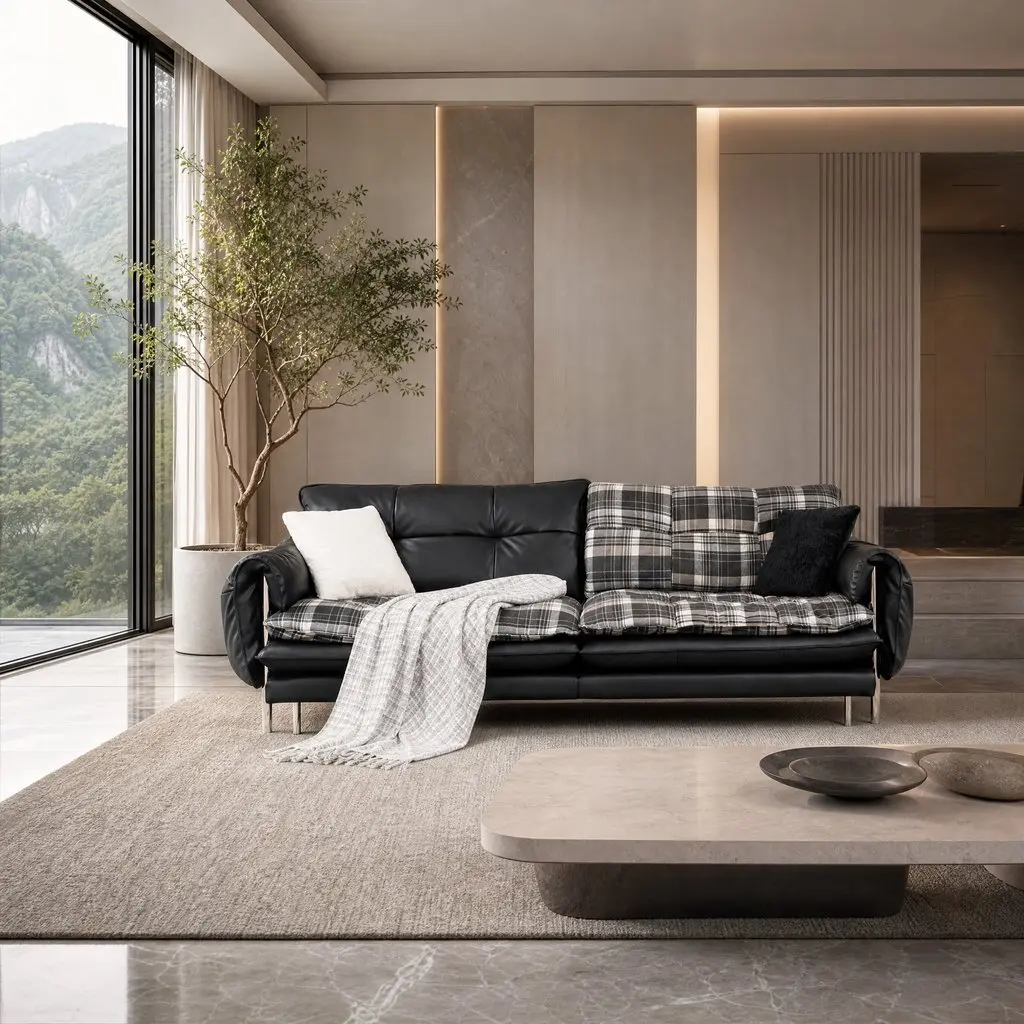
QYM M1079 Luxury Living Room Set – Modular Sectional with Down Feather & Silk Cotton Padding, Eco-Leather Mixed Plaid Fabric
Send Inquiry Now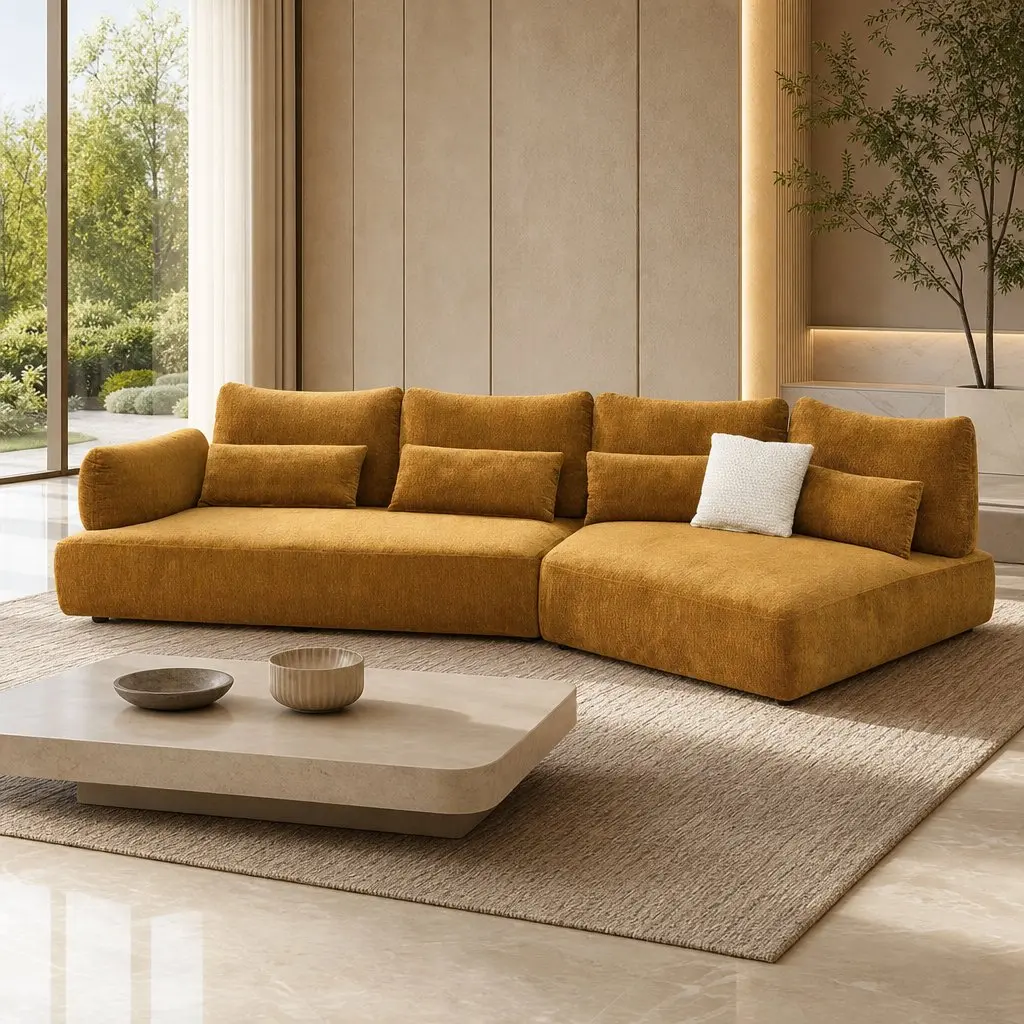
QYM M1075-B Modern Chenille L-Shape Sectional Sofa – Washable Solid Wood Frame for High-Traffic Lobbies
Send Inquiry Now
Why Mexico, Why Now
The Business & Industrial Reality of Waiting & Reception Furniture in Mexico
Mexico has become one of the highest-growth destinations for contract and commercial furniture in the Americas. Understanding where the demand originates — and what local buyers actually require — is the difference between a one-off shipment and a recurring wholesale relationship.
Nearshoring is reshaping Mexican commercial real estate. Since 2022, manufacturers relocating supply chains from Asia to northern Mexico have driven a wave of industrial-park construction in Nuevo León, Coahuila, Querétaro and Baja California. Every new industrial campus requires reception lobbies, visitor waiting areas, HR interview lounges and executive briefing rooms — categories where upholstered seating, armchairs and modular sofas are specified in volume.
Hospitality is expanding faster than the domestic supply chain can finish. Cancún, Tulum, Los Cabos, Puerto Vallarta and Mexico City continue to add hotel keys and mixed-use residential towers. Hotel FF&E procurement teams rarely source reception seating domestically at scale — Mexican upholstery workshops are strong in custom residential work but limited in high-volume contract output, consistent fabric runs and multi-container scheduling.
Healthcare and wellness are a silent giant. Private hospital groups (Grupo Ángeles, Hospitales MAC, Christus Muguerza), dental chains and aesthetic clinics are standardizing waiting rooms across dozens of branches. That standardization requires repeatable SKUs, uniform fabric specifications and reliable replacement-part supply — a manufacturing discipline that favors a structured factory partner over ad-hoc local sourcing.
Salon and beauty chains are scaling through franchising. Brands expanding across multiple states need identical reception desks, styling chairs and waiting benches in every location. The franchise model makes color consistency, upholstery durability and packaging standardization commercially critical.
Where Reception Seating Demand Concentrates
- Hotel lobbies & resort arrival lounges (Riviera Maya, Los Cabos, CDMX)
- Corporate & industrial park reception areas (Monterrey, Querétaro, Tijuana)
- Private hospitals, dental & aesthetic clinic waiting rooms
- Salon & spa franchise reception zones
- Residential tower lobbies & co-working reception desks
Buyer Profile in Mexico
- Importers & distributors serving contract furniture resellers
- Hotel & hospitality FF&E procurement agencies
- Interior design & architecture firms specifying for developers
- Franchise operators standardizing multi-site rollouts
- Facility management & office fit-out contractors
0States served across Mexico
0+Contract seating SKUs available
0+Days typical production window
0+Days port-to-door via Manzanillo / Lázaro Cárdenas
Industry Trends
Design, Material and Procurement Trends Shaping Reception Furniture in Mexico
Four structural shifts are redefining how Mexican buyers specify waiting and reception furniture. Each one directly affects the factory specification you should request.
Warm Minimalism & Biophilic Palettes
Reception areas are shifting from cold corporate grey to warm neutrals, terracotta, olive and natural wood tones. Chenille, cotton-linen and suede-touch fabrics now dominate specification sheets for hotel and clinic lobbies.
Contract-Grade Durability
Mexican facility managers increasingly require 30,000+ Martindale abrasion ratings, reinforced seams and replaceable cushion covers — because reception seating in high-traffic lobbies is replaced far less often than it should be.
Modular & Reconfigurable Systems
Open-plan waiting areas favor modular sectionals that can be reconfigured for social distancing, event overflow or seasonal layout changes without purchasing new furniture outright.
Health, Hygiene & Easy-Clean Surfaces
Post-pandemic clinic and hospital procurement now lists wipeable eco-leather, removable covers and non-porous armrests as mandatory. Washable covers are increasingly a bid-winning feature rather than a premium add-on.
Global Sourcing Behavior
How Global Enterprises Buy Reception Furniture — and What Mexico Can Learn From It
Multinational hotel groups and healthcare operators have already professionalized their waiting-room procurement. Understanding their playbook gives Mexican buyers a template for cost control, quality assurance and risk mitigation.
Direct Factory Consolidation
Global buyers increasingly bypass regional distributors and consolidate reception seating, dining chairs, lounges and casegoods under a single factory relationship. This reduces landed cost, guarantees finish consistency across an entire property, and simplifies warranty handling.
Specification Standardization
Hospitality and healthcare chains define a furniture "kit of parts" — one fabric, one frame finish, one seating platform — replicated across every property. Reordering and replacement of a single unit becomes a catalog line item rather than a custom project.
Compliance-First Sourcing
Buyers require documentation on flame retardancy, formaldehyde emissions, structural load testing and material composition before approving a sample. Mexican importers increasingly need the same paper trail from their factory partner.
Lead-Time Reliability
Procurement teams plan openings on a fixed date. A factory that quotes 15 days but ships in 40 is disqualifying. Reliability — not lowest price — dominates final vendor selection for contract projects.
Third-Party QC & Inspection
Buyers routinely commission SGS, Intertek or BV pre-shipment inspections. Factories that already maintain internal in-line QC and can host third-party audits pass faster and ship without surprise rejections.
After-Sales Parts Supply
A five-year-old sectional needs replacement covers, foam and feet. Contract buyers prioritize manufacturers who commit to spare-parts availability and offer remote technical support for installers.
Macro Solutions
End-to-End Solutions for Waiting & Reception Programs
Beyond individual products, a professional reception furniture program integrates design coordination, material engineering, container planning and after-sales support into one accountable workflow.
Space Planning & Layout Design
We review floor plans and traffic flow, then propose seating configurations that maximize capacity without compromising comfort or code-required clearances.
Material & Compliance Engineering
Fabric selection, foam density and frame species are matched to the destination's usage intensity and to documentation requirements — from contract abrasion ratings to flame-retardancy standards.
Container Consolidation
Reception seating, dining chairs, bed frames and outdoor sets ship in one container to minimize landed freight cost — with multi-layer export crating designed for long ocean routes to Manzanillo or Lázaro Cárdenas.
Localized After-Sales Support
Spanish-language documentation, remote reorder workflows and spare-parts coordination keep a fleet of reception seating in service long after the initial shipment.
Localization & Compliance
Compliance, Logistics and Spanish-Language Support for Mexico
Importing contract furniture into Mexico requires more than a good product. Mexican customs, NOM standards and label regulations shape what can legally cross the border — and a professional factory partner must be able to supply the correct documentation before the container is sealed.
For reception and waiting-room furniture, the most frequently requested documents include commercial invoice with precise material composition, packing list with per-carton dimensions, NOM compliance declarations where applicable, and origin certificates under the applicable trade framework. Buyers should also confirm surface finishing and labeling in Spanish for end-user compliance on commercial sites.
Documentation & Compliance Support
- Spanish-language spec sheets and assembly guides
- Material composition declarations for customs
- Fire-retardant fabric and foam documentation on request
- NOM-oriented labeling support for finish and materials
- Carton-level dimensions for LTL and FCL planning
Logistics Routes to Mexico
- FCL via Manzanillo — principal West Coast gateway
- FCL via Lázaro Cárdenas — growing alternative gateway
- Veracruz routing for Gulf-side distribution
- Consolidation with dining, bedroom and outdoor lines
- Multi-layer crating engineered for ocean transit
Technology Roadmap
A Technology Roadmap for Reception Furniture Through 2028
Manufacturing, materials and procurement technology are evolving together. Here is how we see the waiting and reception furniture category developing over the next three years — and what Mexican buyers should prepare for.
01
2026 · Digital Specification
Digital product configurators and BIM-ready models become standard inputs for Mexican architecture and design firms specifying reception seating.
02
2027 · Recycled & Bio-Based Materials
Recycled polyester fabrics, bio-based foams and FSC-certified hardwoods move from optional to expected in hospitality and healthcare RFQs.
03
2027 · Smart Upholstery
Stain-resistant, antimicrobial and easy-replace modular upholstery systems will reduce long-term ownership cost for franchise operators.
04
2028 · Nearshore Hybrids
Final assembly and finishing partners in Mexico are expected to emerge, blending Asian manufacturing scale with nearshore delivery speed.
Planning a Reception or Waiting Room Project in Mexico?
Share your floor plan, target location and opening timeline. Our export team will recommend product configurations, materials and container plans aligned with Mexican import requirements.
Send Inquiry Now
Buyer FAQ
Frequently Asked Questions from Mexican Buyers
Can you ship waiting and reception furniture directly to Mexico?
Yes. We ship FCL and consolidated LCL containers to Manzanillo, Lázaro Cárdenas and Veracruz, and can coordinate inland trucking to Guadalajara, Monterrey, Mexico City and other major cities. We provide Spanish-language documentation, packing lists with carton-level dimensions and material composition declarations required for customs clearance.
Do you support NOM compliance and Mexican labeling requirements?
We prepare material composition declarations, finish documentation and product labeling support aligned with Mexican import expectations. For specific product categories requiring formal NOM certification, our team will confirm documentation scope during the RFQ stage so buyers can plan certification with their local customs broker.
Can I combine reception seating with dining, bed and outdoor furniture in one order?
Yes. Container consolidation is a core part of our export workflow. Reception sofas, dining armchairs, upholstered beds and outdoor sectional sets can ship in one container, with loading plans engineered to minimize empty volume and reduce per-unit ocean freight cost.
What is the typical lead time from order to delivery in Mexico?
Production typically runs 15–25 days depending on the model and material customization. Ocean transit from South China to Manzanillo or Lázaro Cárdenas is generally 22–32 days, with additional inland trucking time depending on final destination. Buyers planning hotel or clinic openings should budget 60–75 days total and confirm the schedule at the RFQ stage.
How do you handle fabric and frame customization for Mexican projects?
We support custom dimensions, fabric grades (chenille, cotton-linen, suede-touch, contract-grade eco-leather), frame finishes, and branding such as woven labels and embossed logos. Buyers can provide a color reference, physical swatch or brand palette, and pre-production samples confirm the match before mass production begins.
Do you offer sample approval before a full order?
Yes. For wholesale and project orders, we produce a pre-production sample confirming dimensions, fabric color, upholstery density and frame finish. Sample cost is generally credited back against the first production order once the sample is approved.
What after-sales support is available for Mexican buyers?
We provide Spanish-language assembly guides, remote technical support for installation teams, and a spare-parts process for replacement covers, foam, feet and hardware. For multi-property rollouts, we help plan reorder batches so future units match earlier shipments in fabric and finish.
Extended Collection
Complementary Seating, Lounge & Project Furniture for Mexico
Reception areas rarely stand alone. These additional product lines let Mexican buyers build a coordinated furniture program across lobby, dining, outdoor terrace and guest-room zones under a single purchase order.
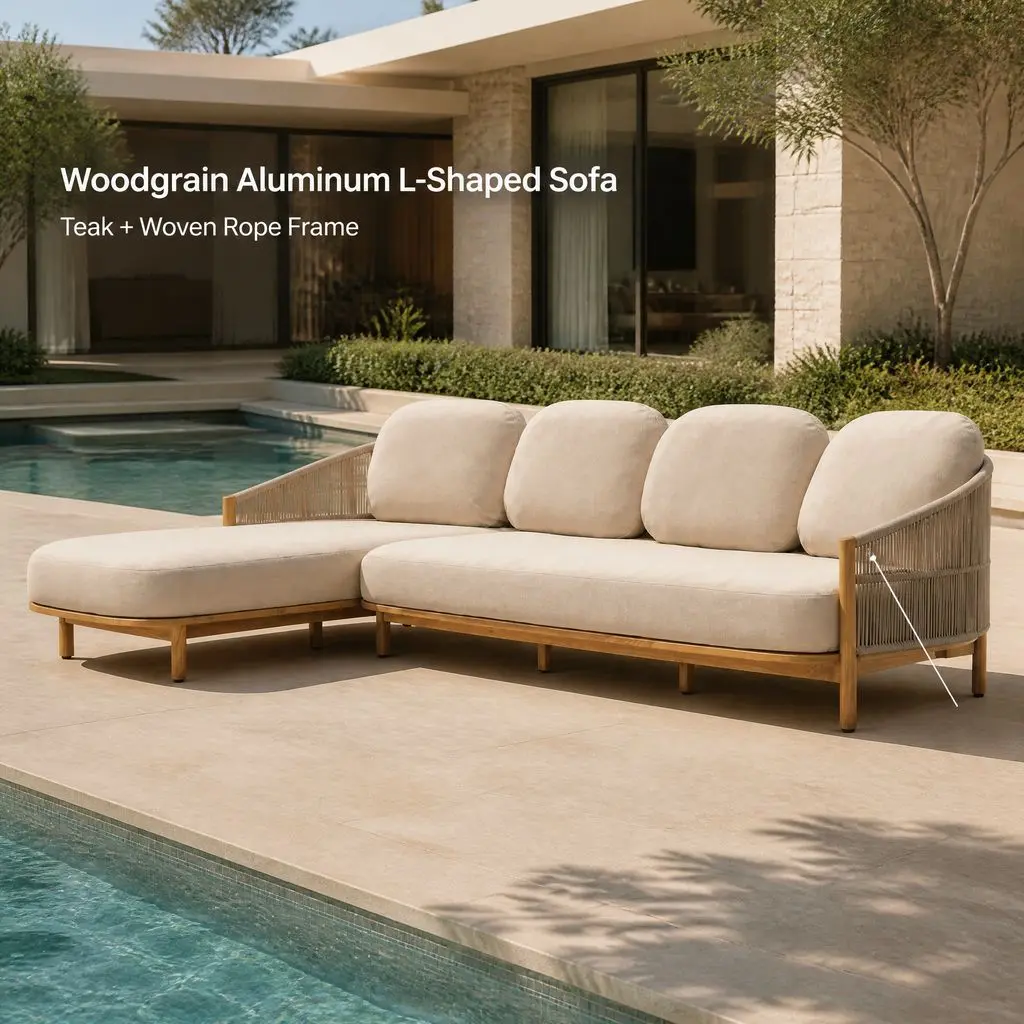
QYM XD-6008 L-Shaped Outdoor Sectional Sofa – Wood-Grain Aluminum Frame, Teak Armrests, Woven Rope & Waterproof Cushions
Send Inquiry Now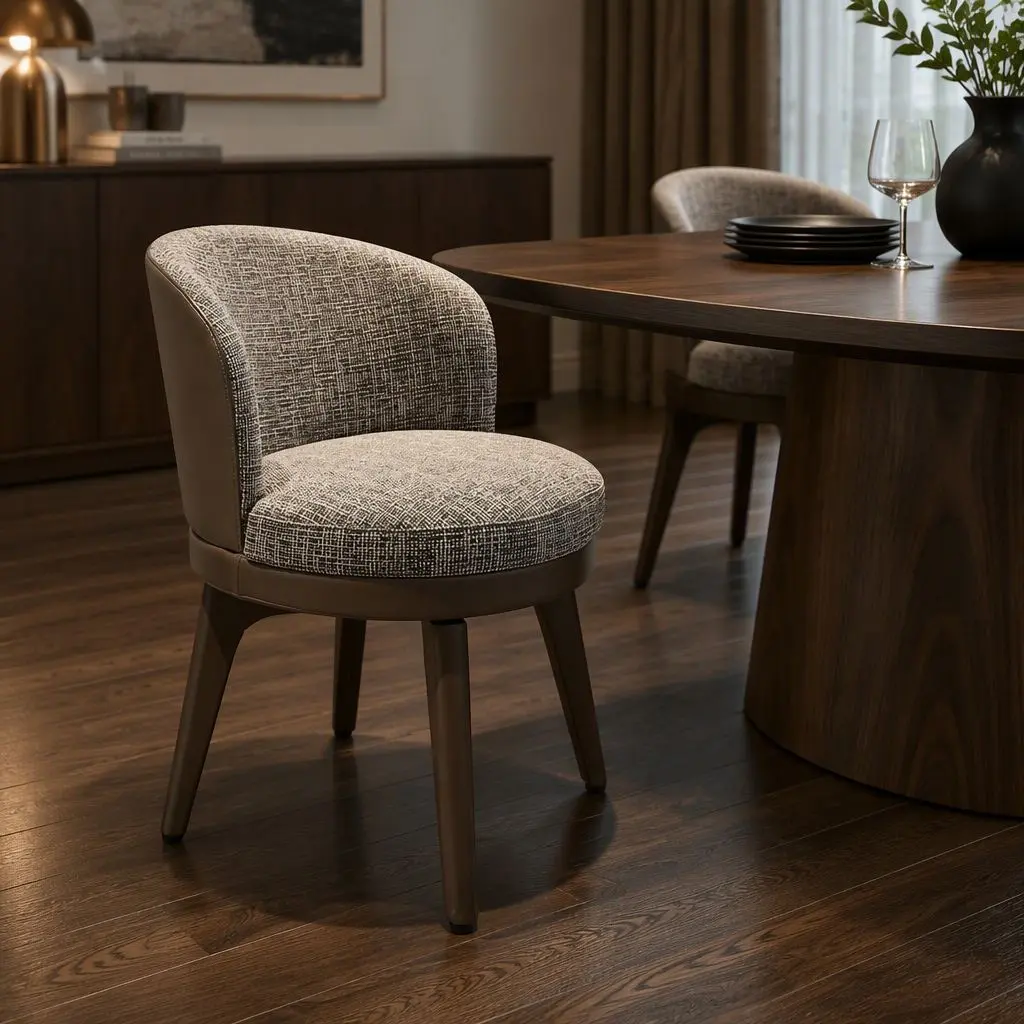
QYM Italian Minimalist Swivel Dining Chair – Solid Wood Frame, Upholstered Light Luxury Seat for Home, Hotel & Restaurant
Send Inquiry Now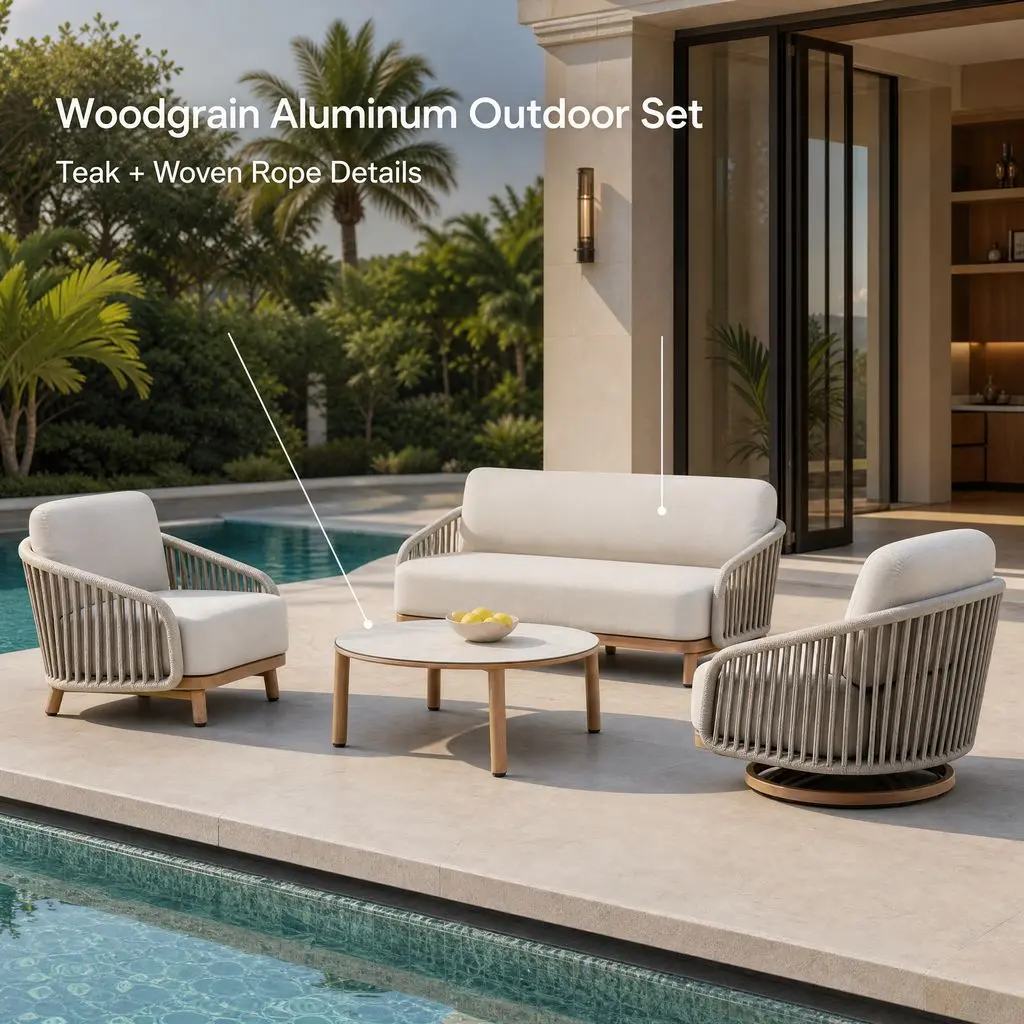
QYM XD-6009 Modern Outdoor Sofa Set – Wood-Grain Aluminum Frame, Teak Armrests, Woven Rope & Waterproof Cushions
Send Inquiry Now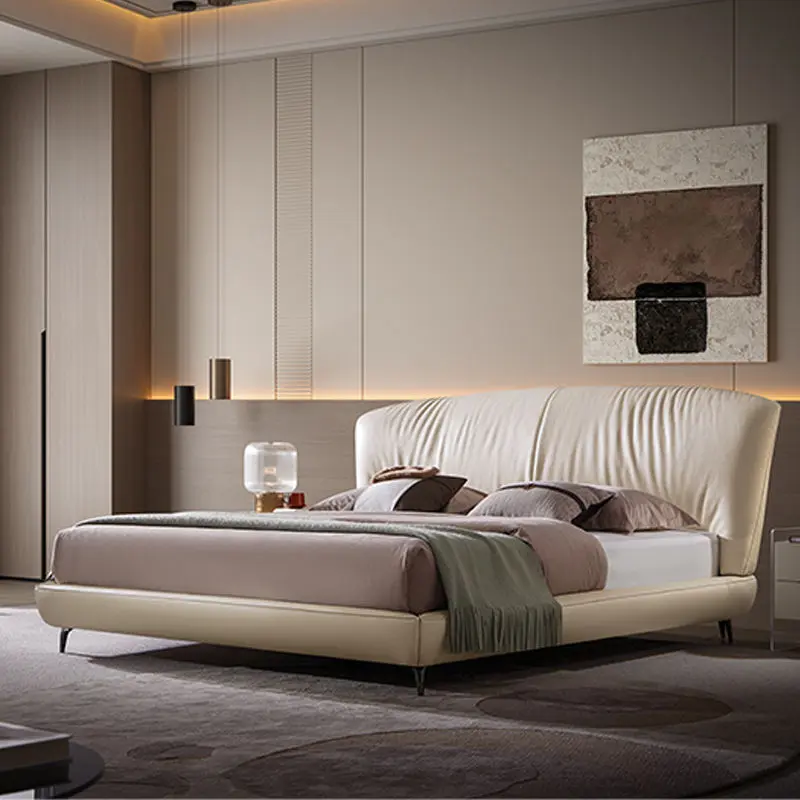
QYM C175 Modern Luxury King Size Soft Bed – Top Layer Cowhide Genuine Leather Upholstered Bed Frame
Send Inquiry Now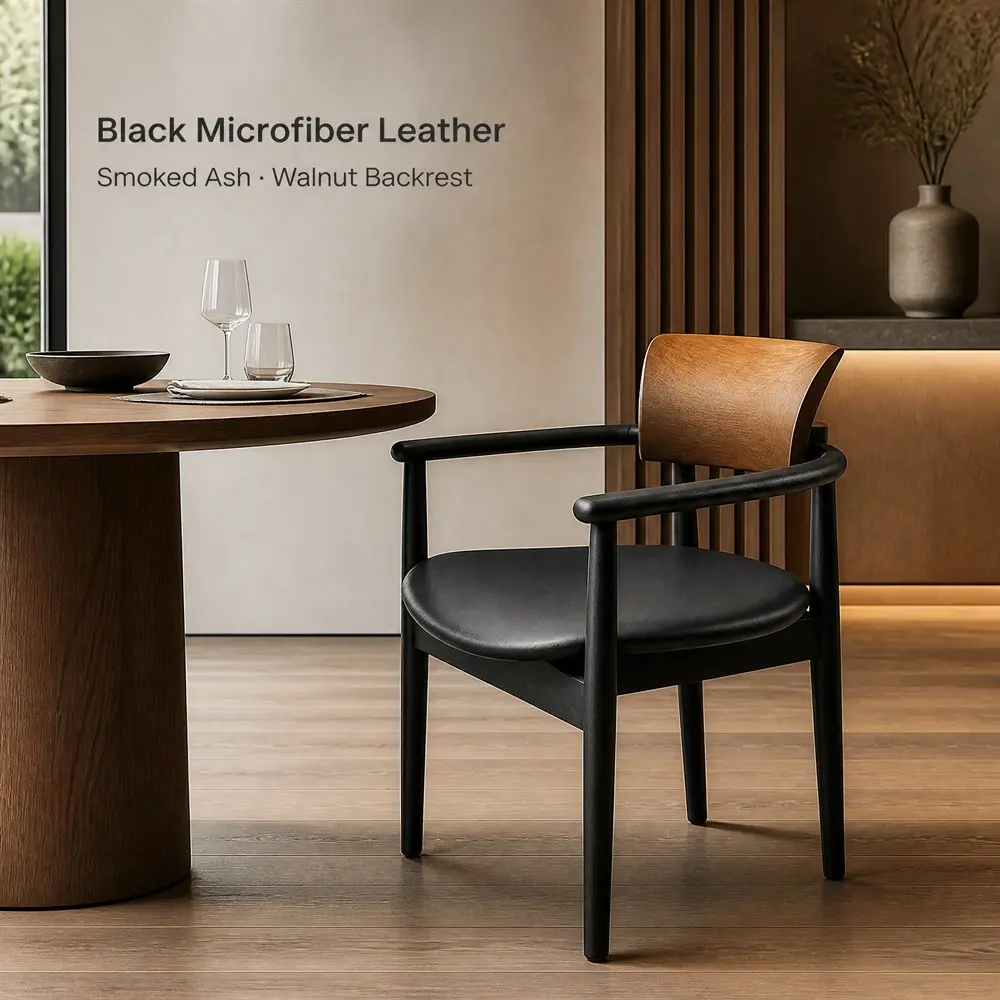
QYM Modern Black Microfiber Leather Dining Armchair – Smoked Ash Frame with Walnut Backrest
Send Inquiry Now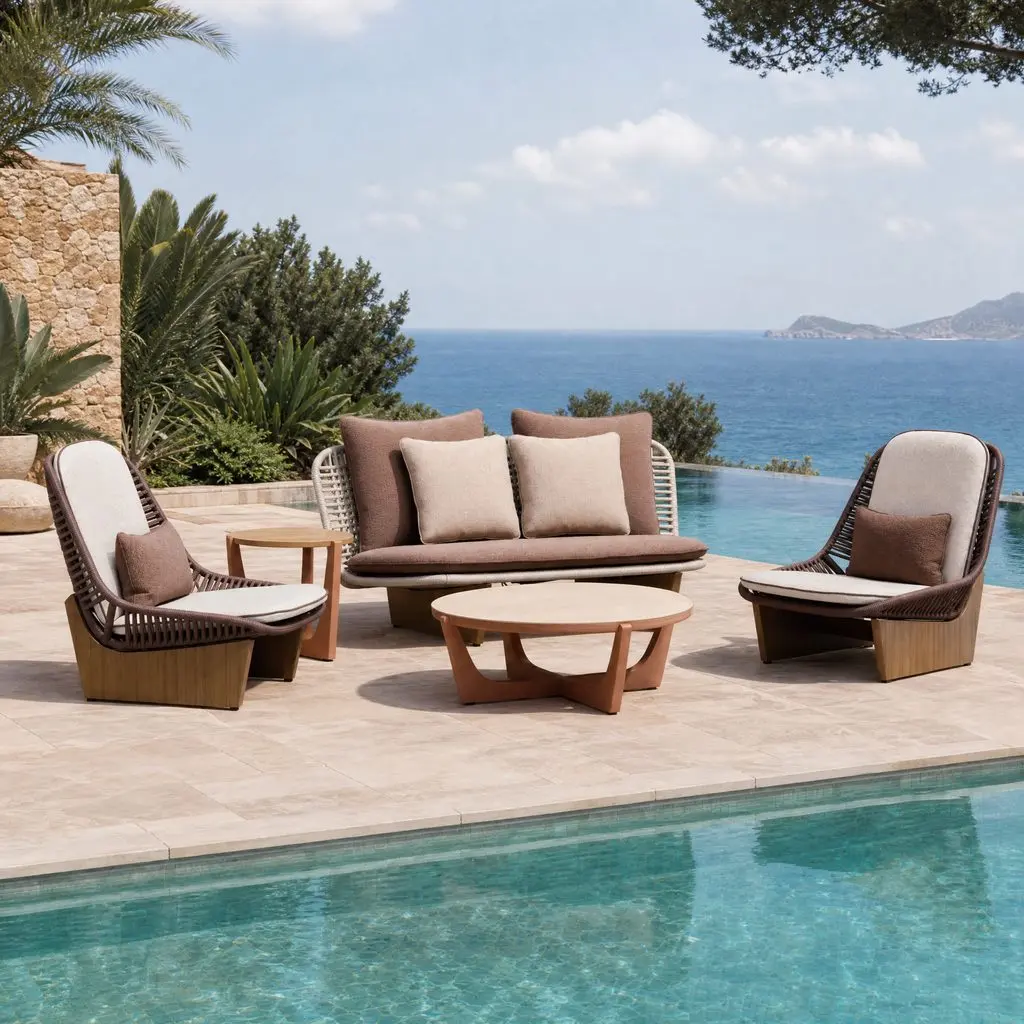
QYM XD-6016 Armless Outdoor Sofa Set – Wood-Grain Aluminum Frame, Olefin Rope Weave & Teak Details
Send Inquiry Now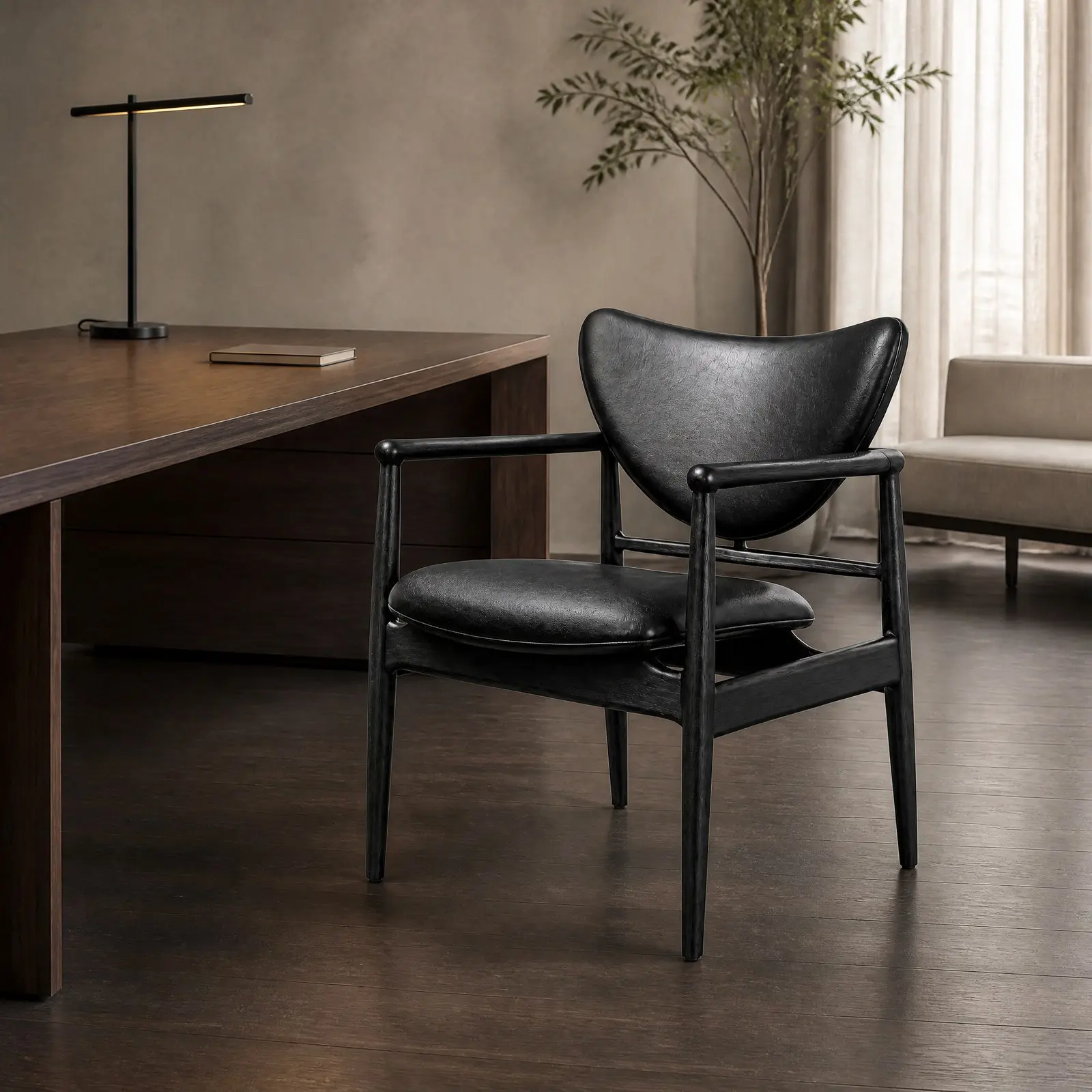
QYM High Quality Ash Wood Frame Dining Armchair – Black Microfiber Leather Modern Dining Chair for Home & Restaurant
Send Inquiry Now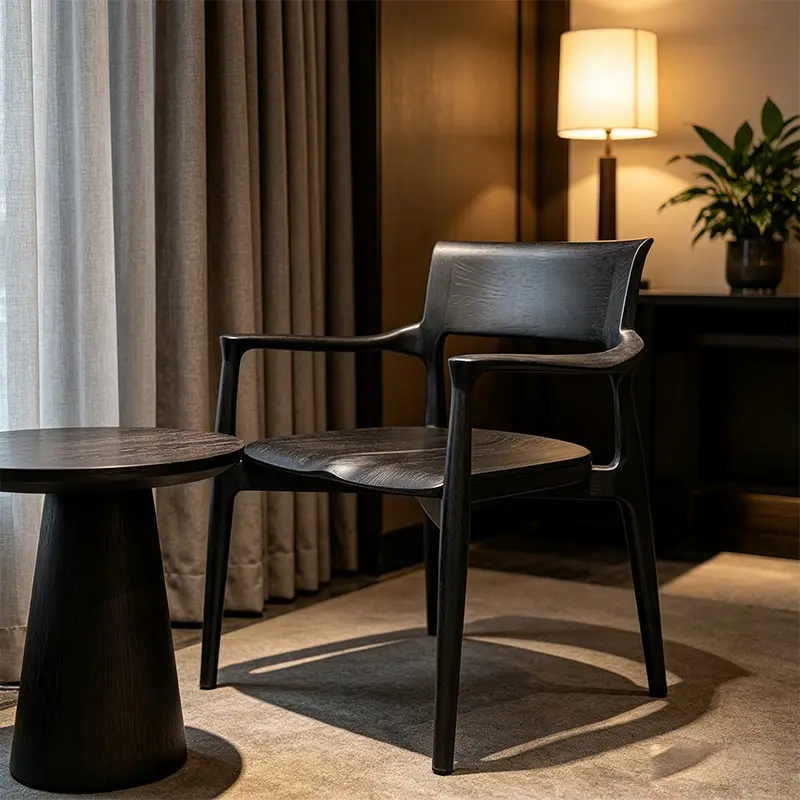
QYM Modern Integrated Arm Solid Ash Wood Dining Chair – Smoked Black Finish, Hollow Back Hard Seat for Hotel & Restaurant Projects
Send Inquiry NowSource Waiting & Reception Furniture With a Factory That Understands Mexico
From a single reception sofa to a full multi-property FF&E package — request a quotation with material options, container planning and Spanish documentation support.
Send Inquiry Now