Core Reception Program
Four Flagship Pieces for Nagoya Waiting & Reception Spaces
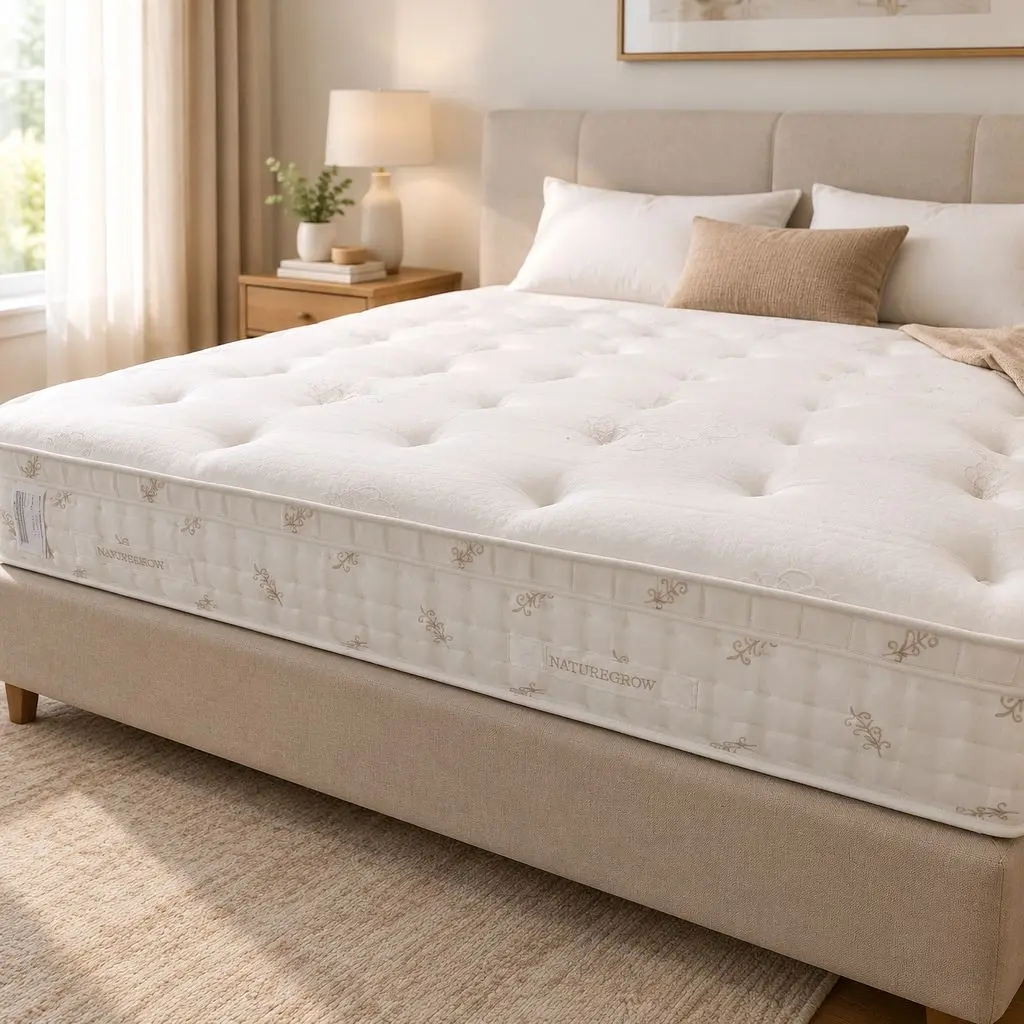
These four models form the backbone of our Nagoya-oriented reception lineup: a mattress platform for clinic recovery rooms and staff rest areas, a luxury sectional for hotel lobbies and premium showrooms, and two upholstered beds that convert into waiting-room daybeds and recovery beds for Aichi's growing medical and wellness sector.
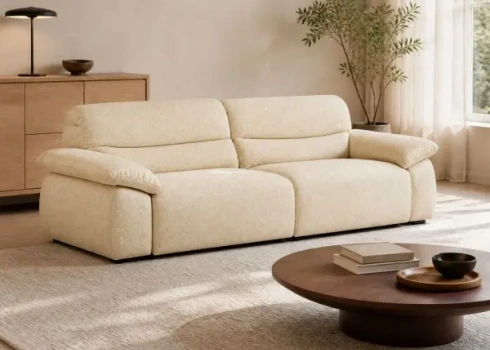
Lobby Sofa · Hotel & Showroom
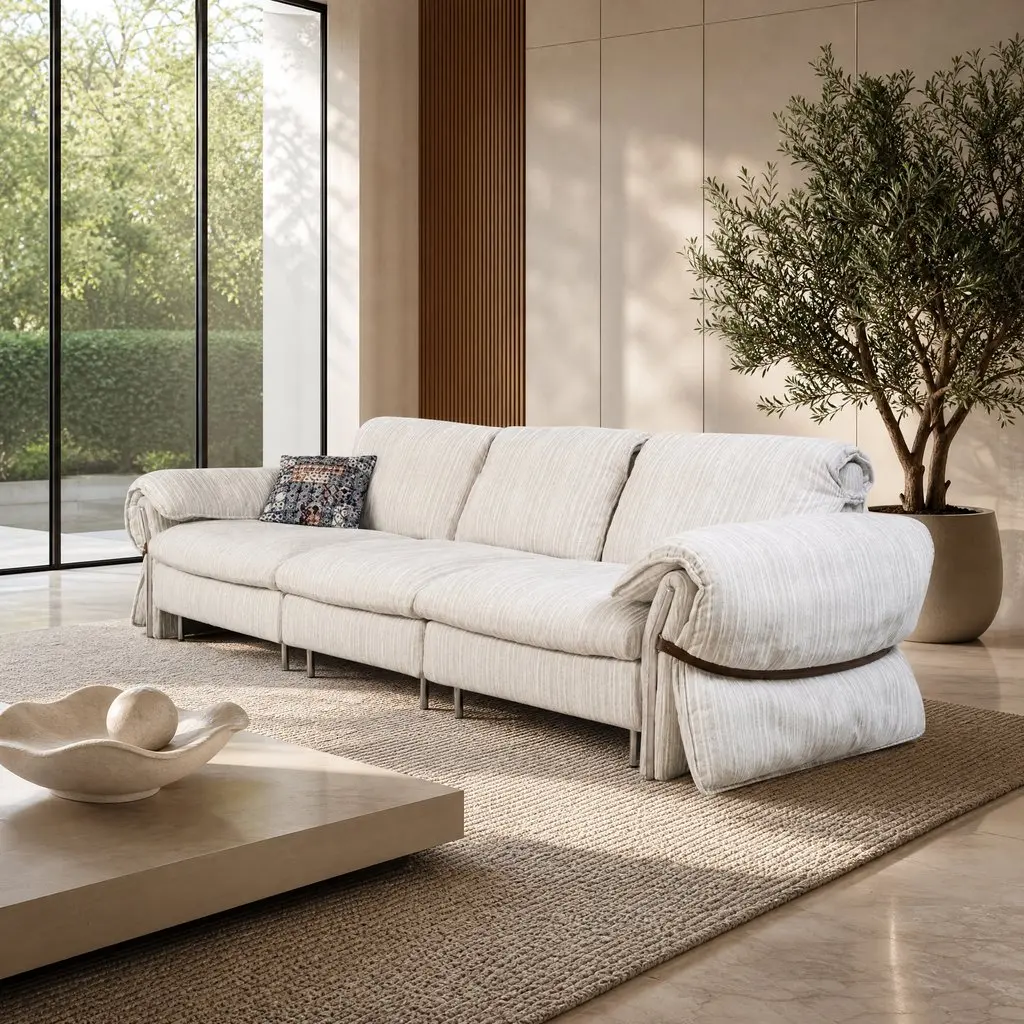
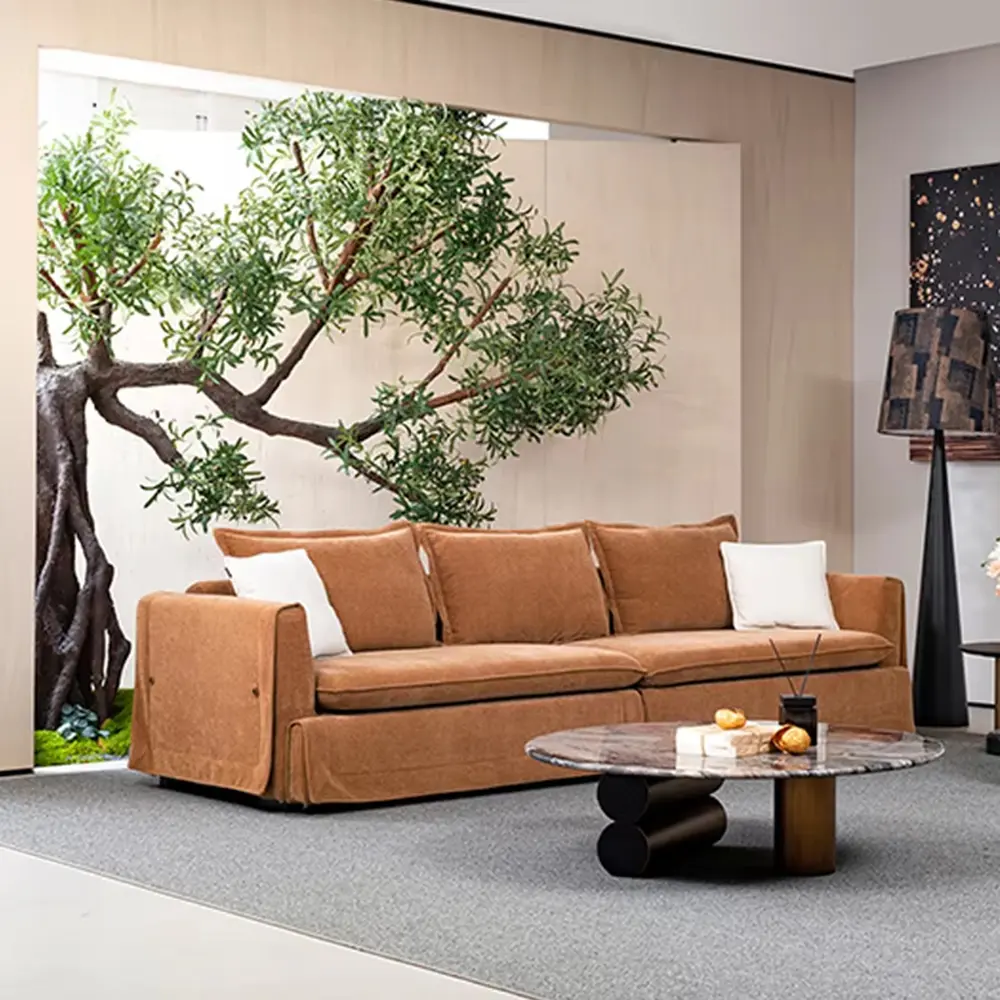
Nagoya Lobby Sectional — QYM M1078 Luxury Chenille Jacquard Modular Couch, Down-Filled & Washable
View Product
Velvet Bed · Boutique & Clinic
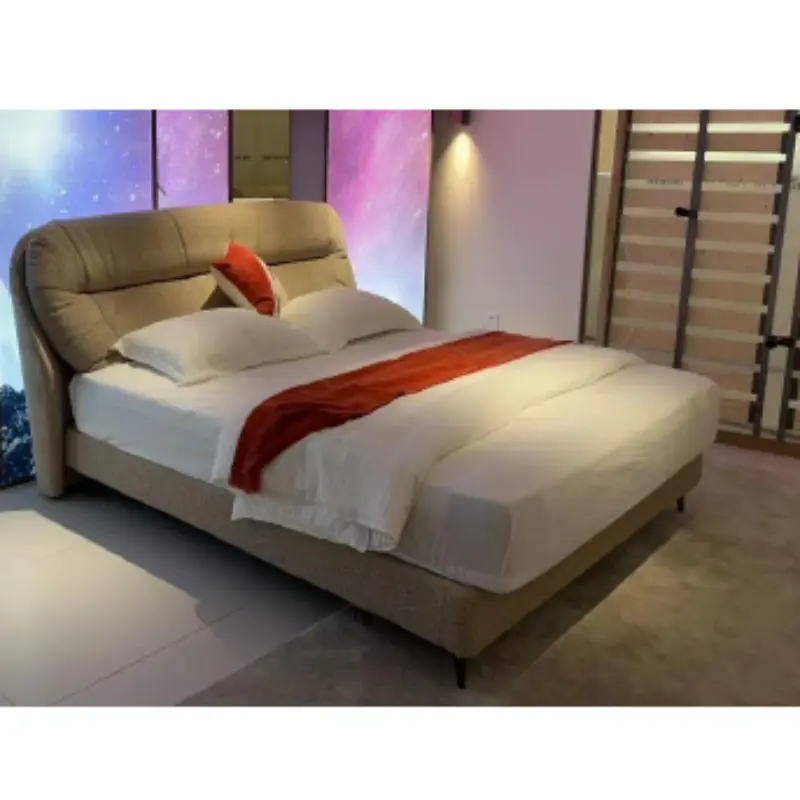
Nagoya Recovery Bed — QYM C209 Velvet Upholstered Bed with Soft Matte Velvet Texture
View Product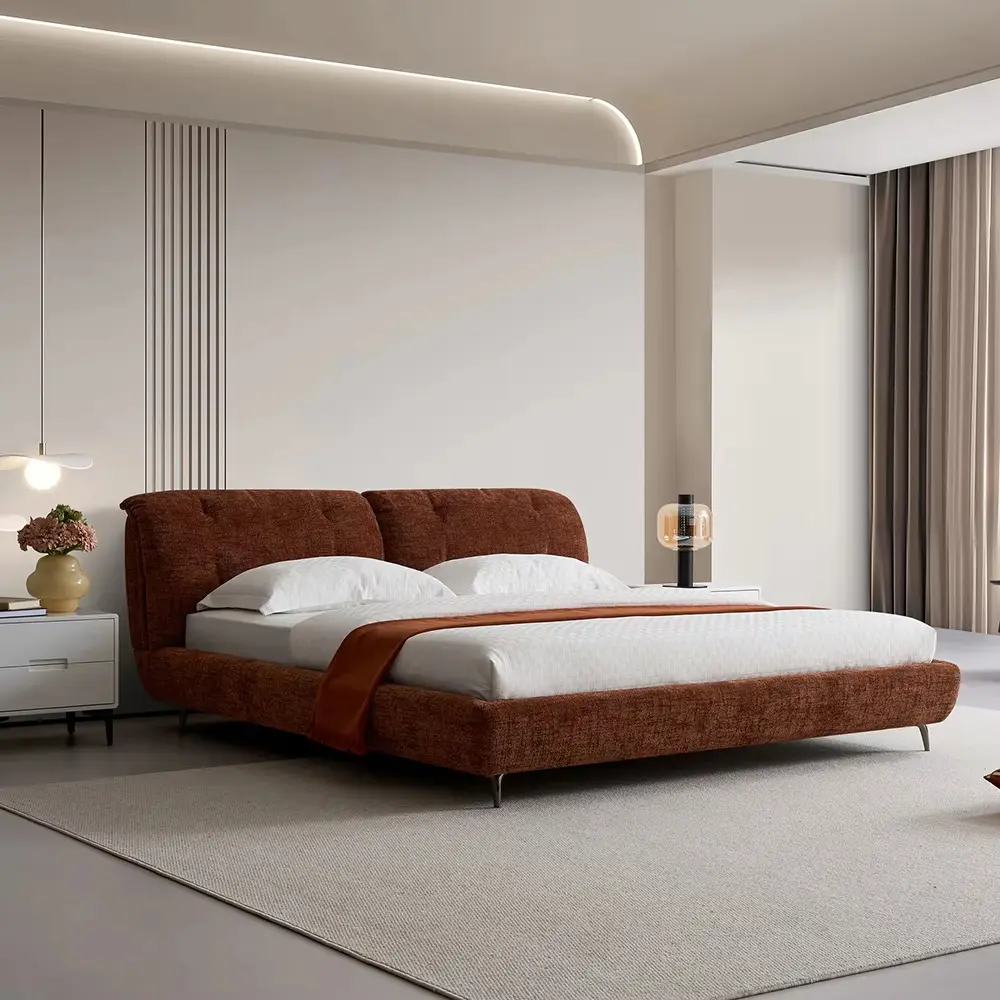
Platform Bed · Serviced Apartment
Nagoya Platform Bed — QYM C200 Minimalist Italian Luxury Soft Bed with Storage & Reinforced Frame
View Product
Local Commercial Reality
Why Nagoya Is a Distinct Waiting & Reception Market
Nagoya is not a scaled-down Tokyo. It is a mid-sized, high-discipline business capital where reception furniture is judged by how quietly it performs across a decade of daily use. Aichi Prefecture anchors Toyota's supply chain, a dense network of precision manufacturers, and a services economy built on dental clinics, dermatology, cosmetic salons, private infertility clinics, executive search showrooms and boutique hotels concentrated around Meieki, Sakae, Kanayama and the Chubu Centrair corridor.
For specifiers in these sectors, three local pressures recur:
- Compressed floor plates. Nagoya clinic and salon interiors frequently sit between 25 and 60 m², so reception seating must be modular, low-depth and reconfigurable without losing visual gravity.
- Quiet operation. Japanese waiting rooms value acoustic restraint. Pocket-coil silence, damped drawer tracks and soft-close mechanisms are treated as functional requirements, not luxury features.
- Long refresh cycles. Tenants rarely replace reception furniture every three years. Buyers expect a fabric that survives 8–12 years of daily patient or client traffic, with replaceable covers.
Our Nagoya-oriented program is designed around these three pressures rather than around a European showroom aesthetic. That is why the same pieces that anchor a medical waiting room in Kanayama can be re-specified for a hotel lobby near Nagoya Station without a new supply chain.
0+Years exporting to Japan-facing buyers
0Furniture categories under one PO
0+Original design and structure patents
0Customization dimensions (size, color, fabric, logo)
Localized Application Scenarios
Where Nagoya Buyers Actually Deploy Reception Furniture
Reception furniture in Aichi is rarely bought as a single sofa. It is bought as a behaviour sequence: arrival, check-in, waiting, consultation, recovery and departure. Each stage has different seating geometry, fabric durability and lighting tolerance.
Dental & Medical Waiting Rooms
Kanayama and Meieki clinic clusters need bench seating with armrests, wipe-clean vinyl beyond the fabric face, and a clear sight line to the reception counter. Pocket-spring silence matters more than visual drama.
Cosmetic & Aesthetic Salons
Sakae and Osu salons favour velvet and chenille for tactile luxury, but require removable, washable covers because hair dye and treatment oils are a daily hazard. The QYM M1078 and C209 both accept replaceable upholstery.
Boutique Hotel Lobbies
Small-format hotels around Nagoya Station and Fushimi use modular sectionals to define a waiting zone that doubles as a co-working corner during the day and a lounge in the evening. Modularity is the operative word.
Executive Search & Recruitment Shows
Nagoya's HR and B2B recruitment firms run tightly programmed showrooms where a candidate may wait 8–20 minutes. Low-depth lounge chairs with a side table arc are the standard configuration.
Fertility & Wellness Clinics
Aichi has a dense private fertility clinic sector. Recovery beds and daybeds based on our C200 and C209 platforms are re-specified with medical-grade vinyl wraps and short-leg stances for privacy zones.
Automotive Supplier Showrooms
Toyota-adjacent Tier 1 and Tier 2 suppliers host visiting engineers and buyers. Reception sofas here are specified in muted greys and blacks, with 5-year fabric wear warranties and export-crated protective wrapping.
Global Context & Supply-Chain Resilience
Where Chinese Factory Supply Actually Wins for Nagoya Buyers
Globally, reception and waiting furniture has bifurcated into two procurement models. The first is local dealer supply — fast, but with 2–3× unit pricing and limited customisation. The second is direct factory procurement from Asia — lower unit cost and genuine customisation, but with the perception of higher lead-time and QC risk. For Nagoya buyers, that perception gap has narrowed sharply over the last three years for three structural reasons.
- Horizontal capacity pooling. Foshan manufacturers now operate as federated networks. A single purchase order can draw sofas from one factory, mattresses from a second, beds from a third, without the buyer managing three contracts. Qingyumai's model formalises this — one QC standard, one shipment.
- Export-centric production. Factories that serve Japan typically run double-line production — one line for domestic, one for export — because Japanese buyers demand export-grade crating, moisture barriers and documentation on every SKU.
- Container optimization. Sofa frames, mattress vacuum rolls and bed KD packs load together at densities that Japanese distributors cannot match, cutting landed cost by 18–32% versus single-category orders.
Why Nagoya Buyers Specifically Benefit
Nagoya's proximity to Chubu Centrair International Airport and to the Port of Nagoya means a Foshan-origin container can clear customs and reach an Aichi warehouse within roughly the same 14–21 day window as an order routed through a Tokyo distributor — while retaining factory-level cost and customisation. The advantage compounds for multi-category orders.
| Procurement Route | Typical Lead Time to Nagoya | Unit Cost Index | Customization Depth | Best Fit |
|---|---|---|---|---|
| Japanese domestic dealer | 1–2 weeks (stocked) | 100 (baseline) | Low — catalogue selection | Single-unit replacement, urgent fit-outs |
| Tokyo / Osaka distributor importing from Asia | 5–8 weeks | 78–88 | Medium — limited fabric choices | Mid-size projects with modest customization |
| Direct factory (Foshan) + Nagoya consignee | 4–6 weeks sea + 2–4 weeks build | 55–70 | High — size, color, fabric, logo | Multi-category reception programs, hotel and clinic rollouts |
Technical Roadmap & Future Outlook
What the Next 5 Years of Reception Furniture Will Look Like
Reception furniture is entering a quiet but real phase of technical change. The Nagoya market — with its precision manufacturing culture and its dense service economy — is a natural early adopter.
01
Replaceable Modular Upholstery
Whole-frame replacement is being replaced by module-level cover replacement. Our M1078 and C205 platforms already support removable covers, with future iterations targeting tool-free cover swaps within 15 minutes per module.
02
Acoustic-Ready Cushion Systems
Pocket-spring units are being paired with high-density acoustic foams that reduce seated sound transmission. For waiting rooms this translates directly into perceived calm — a measurable patient-satisfaction factor in Japanese clinics.
03
Integrated Low-Voltage Power
USB-C charging is now expected in hotel and showroom reception. We are moving from retrofit charging pads to factory-integrated 5V/20W modules that pass PSE compliance for the Japanese market.
04
Antimicrobial & Stain-Resistant Finishes
Silver-ion treated fabrics and PFC-free stain barriers are moving from medical-only to hospitality mainstream. Expect these to become the default contract fabric finish in Aichi by 2027.
05
KD (Knock-Down) Flat-Pack Architecture
Container density is a supply-chain lever. Beds and modular sofas are being redesigned for tool-assisted flat-pack assembly without compromising joint rigidity — reducing ocean freight per unit by 20–28%.
06
Traceable Material Passports
Japanese B2B buyers increasingly ask for FSC wood sourcing and fabric composition documentation. Our own roadmap tracks toward a per-SKU material passport by 2026, aligning with EU DPP standards.
Local Support & Compliance
Designing to Japanese Compliance and Nagoya After-Sales Reality
Compliance is not a checkbox. It is the practical boundary condition of every reception project in Aichi — and it is where many overseas suppliers silently fail.
Fire Safety & Upholstery Compliance
Contract-grade fabrics are specified against Japanese Fire Service Act expectations for commercial interiors. For hotels we default to FR-treated textiles with documented test reports. All foam materials are selected to meet low-formaldehyde thresholds.
FSC Wood & Material Documentation
Larch, ash and solid-wood frame sourcing is documented with FSC chain-of-custody where required, and we provide material composition sheets (fabric, foam density, spring structure) suited to building-materials submissions.
Packaging Engineered for Chubu Humidity
Aichi's humid summers demand more than shrink-wrap. Our export packaging uses moisture-barrier film, silica desiccant packs, corner guards and multi-layer cardboard, tuned to humidity patterns typical of the Chubu region.
Nagoya-Area After-Sales Coordination
We coordinate with a Nagoya-area partner network for delivery inspection, minor installation support and replacement part logistics. Defect claims are handled directly with our export team, not routed through a distributor chain.
Electrical Safety for Powered Units
Reclining and motorised components are designated at 100V / 50–60Hz compatibility and sourced with PSE-marked adapters for power recliners, adjustable beds and USB-C integrated reception pieces shipped to Japan.
Bilingual Documentation
Specification sheets, assembly drawings and care labels are supplied in Japanese and English for Japanese facility managers, enabling maintenance teams to service products without contacting the factory.
E-E-A-T & Information Gain
What This Guide Adds Beyond a Product Catalogue
This page is built to meet Google's Search Quality Rater Guidelines expectations of Experience, Expertise, Authoritativeness and Trust — and to deliver information gain that a standard distributor page cannot provide.
Experience
More than a decade of exporting upholstered furniture to Japan-facing distributors, project buyers and hospitality procurement teams, with documented learnings on crating, compliance and defect rates in Japanese climates.
Expertise
In-house design and engineering teams, 100+ original patents, and material engineers who specify foams, spring units and fabrics per destination-market requirement rather than per generic catalogue.
Authoritativeness
Operating from Longjiang, Shunde — the heart of Foshan's furniture cluster — with an audited partner network across upholstery, casegoods, mattress and outdoor lines under one quality standard.
Trust
Transparent pricing structure, documented QC stages, verifiable factory and showroom visits, and export documentation that buyers can submit directly to Japanese landlords, contractors and regulators.
Planning a Waiting or Reception Fit-Out in Nagoya?
Send us your floor plan, seating count and target completion date. Our export team will return a category-by-category proposal, fabric and material shortlist, and a container loading plan aligned to your Nagoya delivery window.
Full Reception & Waiting Range
Eight More Pieces for Nagoya Waiting, Reception & Recovery Spaces
The four pieces above cover the pilot fit-out. These eight complete the range — from outdoor terraces and clinic recovery beds to executive salons and modern sectional systems. Each can be ordered individually or combined into a single container.
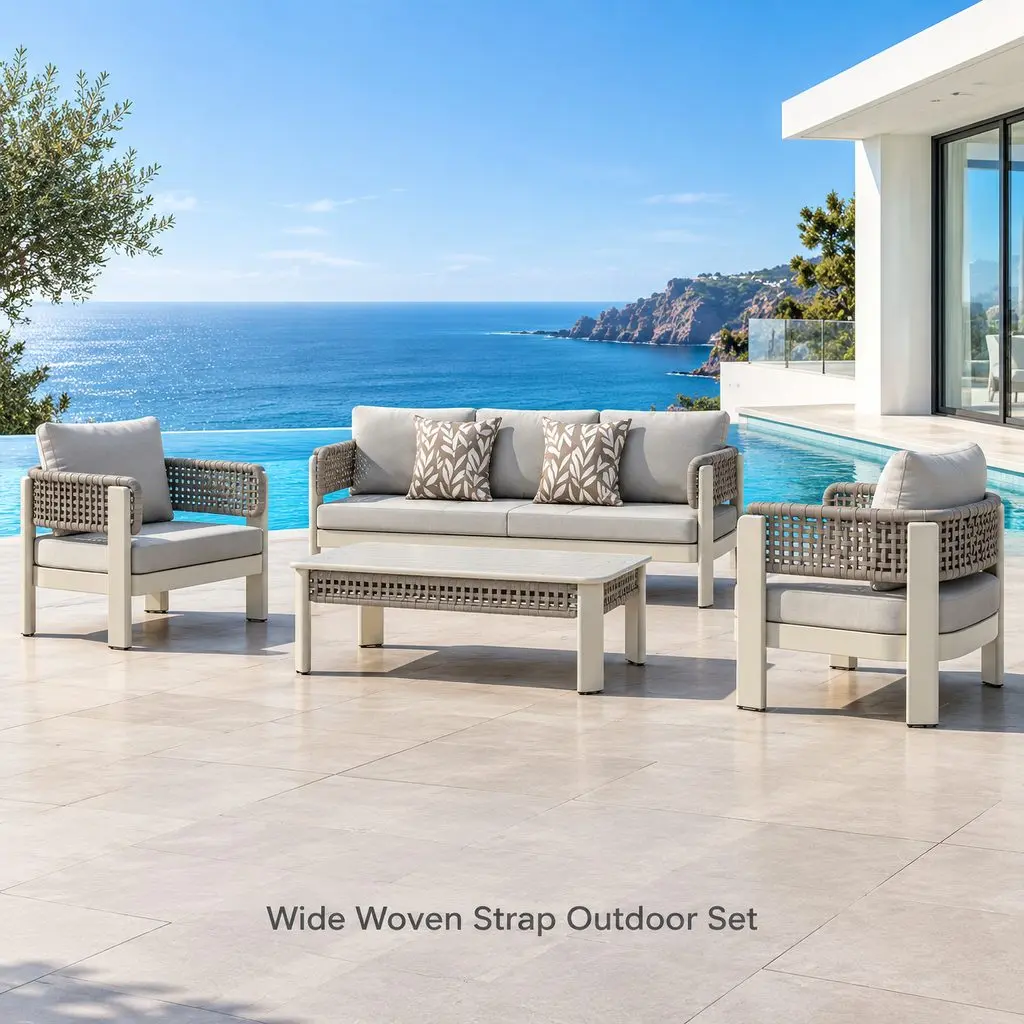
Outdoor · Terrace Reception
Nagoya Terrace Set — QYM XD-6021 Outdoor Sofa Set, Aluminum Frame & Waterproof Cushions
View Product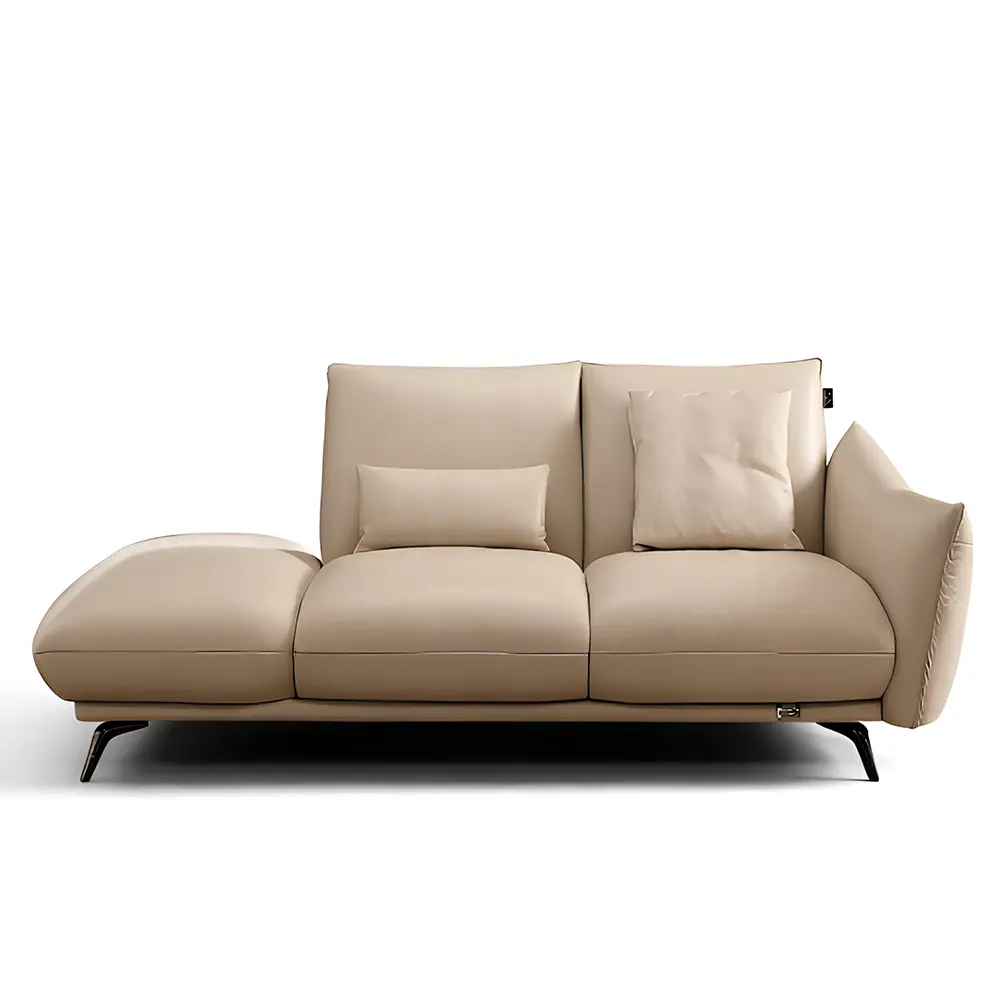
Leather · Executive Lounge
Nagoya Executive Sofa — QYM Luxury Italian Leather L-Shape Sectional in Genuine Blue Leather
View Product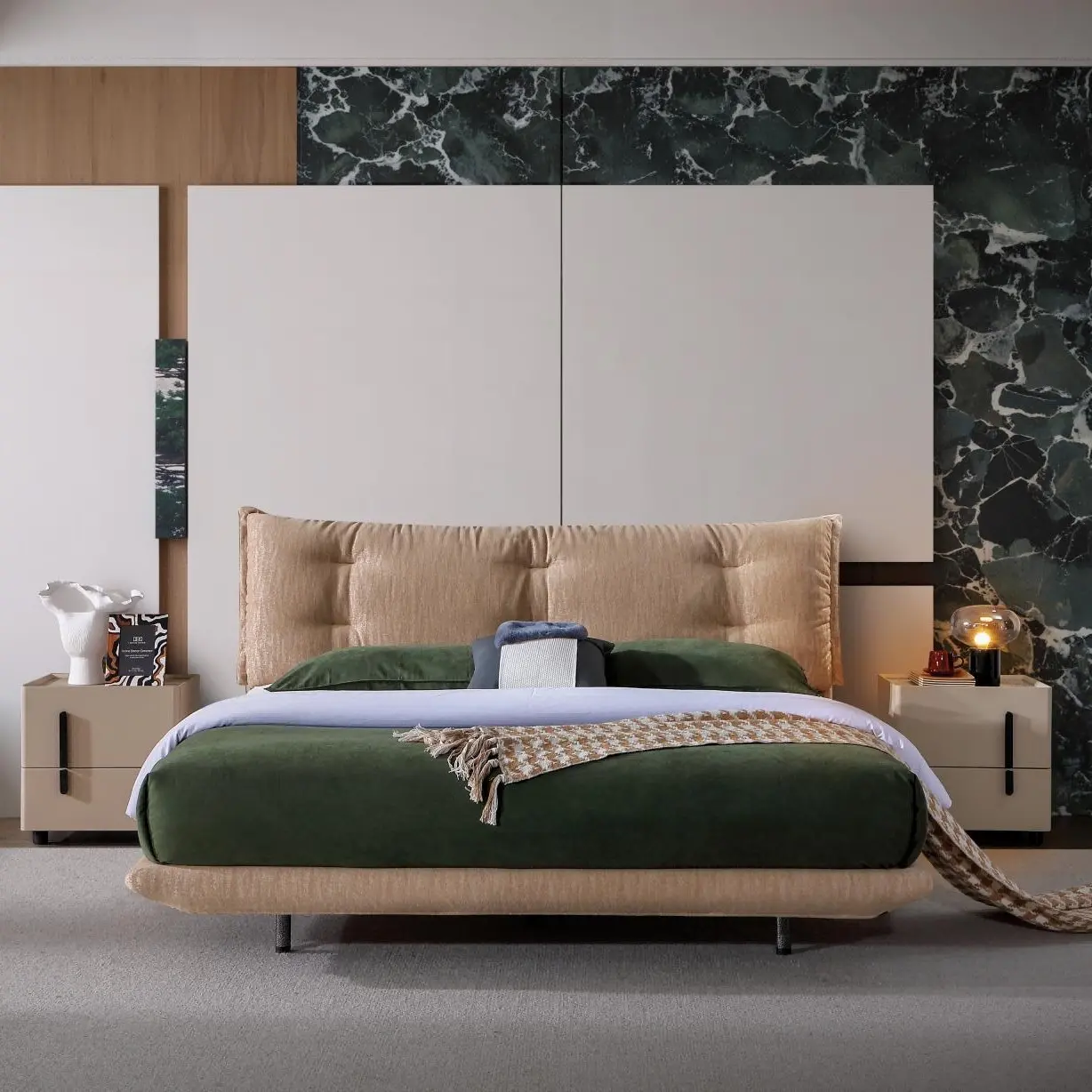
Upholstered Bed · Recovery Room
Nagoya Calm Bed — C221 Fabric Upholstered Bed with a Calm Profile for Modern Bedroom Projects
View Product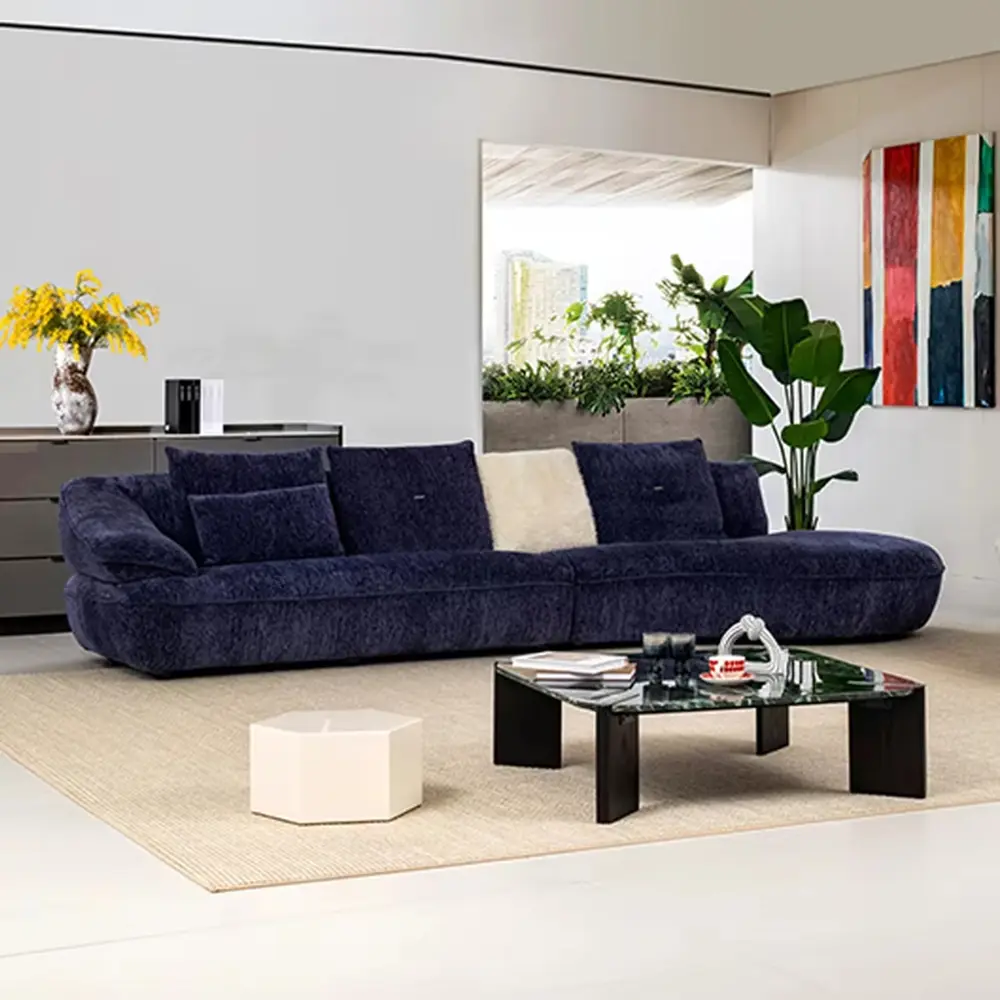
Modular Sofa · Waiting Zone
Nagoya Modular Sofa — QYM Contemporary 3-Seat Modular Sectional in Detachable Chenille
View Product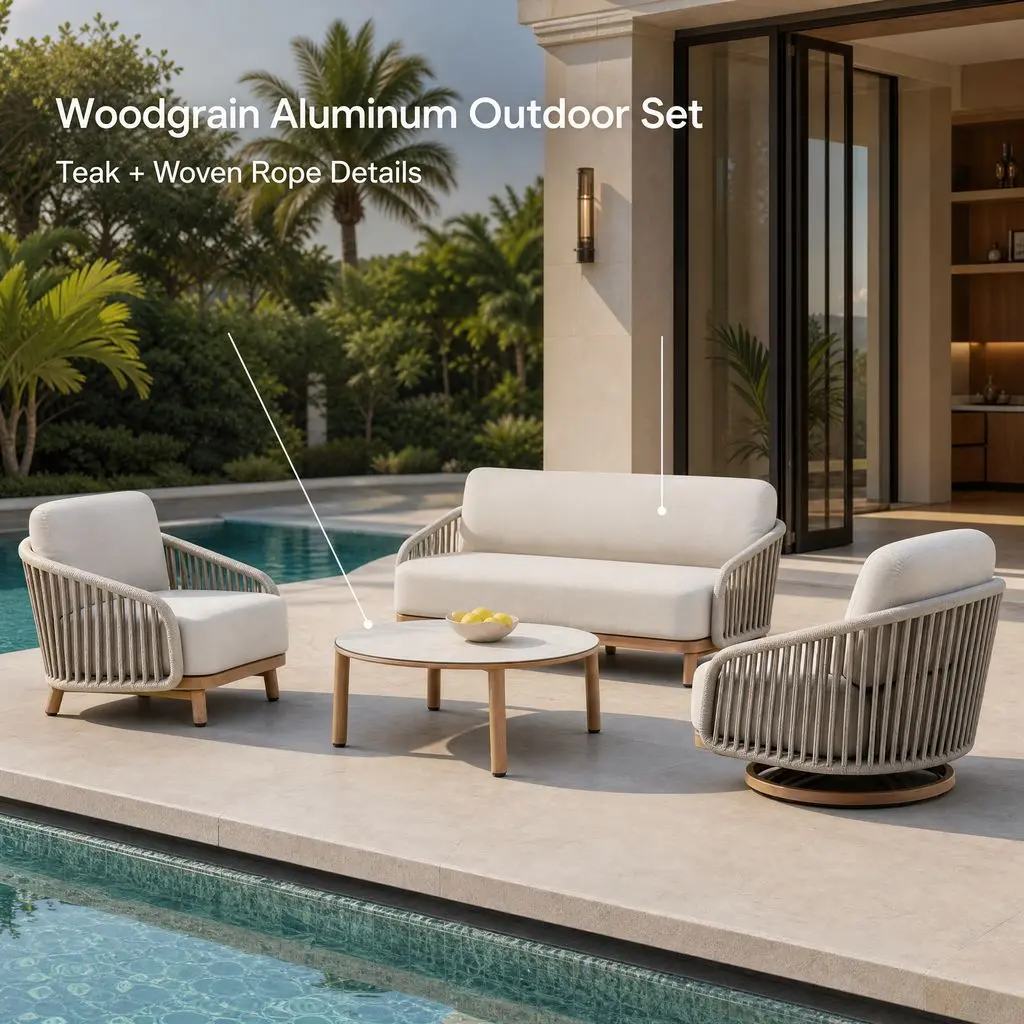
Cotton Linen Bed · Hospitality
Nagoya Linen Bed — QYM C205 Cotton Linen Upholstered Bed with Soft Natural Texture
View Product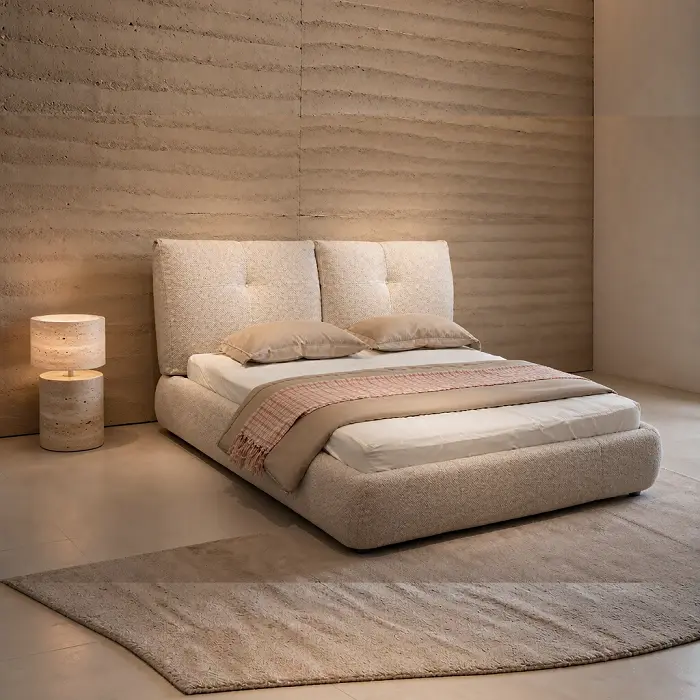
Linen Bed · Serviced Apartment
Nagoya Everyday Bed — QYM C156-B Linen Upholstered Bed with a Clean Cotton-Linen Profile
View Product
Buyer FAQ
Frequently Asked Questions from Nagoya & Aichi Buyers
Direct answers to the questions that come up most often when Nagoya clinics, hotels, salons and showrooms source waiting and reception furniture from a Foshan factory.
Are you a manufacturer or a trading company for the Nagoya market?
Qingyumai is the export brand of Foshan Qingyumai Technology Co., Ltd., an integrated manufacturer in Shunde, Foshan, with its own production facility and a QC team that audits production lines before every shipment. For Nagoya orders that combine multiple categories — sofas, beds, mattresses and outdoor lines — we coordinate an audited partner network under one quality standard and one purchase order, so the buyer does not have to manage three or four suppliers.
How long does shipment to Nagoya typically take?
Production lead time ranges from 2 to 4 weeks depending on category and customisation. Sea freight from South China to the Port of Nagoya typically adds 4 to 6 weeks, with customs clearance and local delivery to an Aichi warehouse completing in roughly 5–8 business days. For multi-category orders shipped as a full container, buyers usually plan a 7–9 week window from confirmed PO to warehouse arrival.
Can you provide fabric and foam documentation for Japanese building submissions?
Yes. We supply material composition sheets covering fabric type, foam density, spring structure, frame species and origin, and FR documentation where FR-treated textiles are specified. These documents are designed to support submissions to Japanese building managers and to assist hospitality procurement teams with their internal compliance review.
Do you offer OEM / ODM customisation for private-label reception collections?
Yes. Customisation covers four dimensions: size (width, depth, seat height, module count), color (frame and upholstery), fabric (cashmere, cotton-linen, cool-touch, contract-grade and medical-grade vinyl), and branding (woven labels, embossed logos, branded packaging). Minimum order quantities vary by category but are typically achievable for Nagoya buyers running 10+ unit clinic or hotel programs.
How are defective units or missing parts handled for Nagoya buyers?
Defect claims are handled directly with our export team. We coordinate with a Nagoya-area partner network for on-site inspection where required, and replacement parts are shipped in consolidated parcels to minimise logistics cost. Documentation of the defect — photographs, delivery receipt and assembly status — accelerates the process significantly.
Can power recliners and USB-C equipped reception pieces be shipped to Japan?
Yes. Powered units are specified at 100V / 50–60Hz compatibility and sourced with PSE-marked adapters. USB-C modules are sourced as 5V/20W class components so they integrate cleanly into Japanese hospitality and showroom electrical systems.
Can I visit the factory or see the reception range in person before ordering?
Yes. Our showroom in Longjiang, Shunde, Foshan is open to visiting buyers, and factory audits can be arranged. Many Nagoya buyers combine a factory visit with a wider Guangdong sourcing trip before committing to a multi-category reception program.
How do you handle packaging for Aichi's humid summers?
Standard export packaging includes moisture-barrier film, silica desiccant packs, corner guards and multi-layer cardboard, tuned for humidity patterns typical of the Chubu region. For hotels and multi-unit orders we can supply individual unit packaging with outer cartons labelled per room or per floor, simplifying on-site distribution.
Ready to Specify Your Nagoya Reception Fit-Out?
Send your floor plan, seat count and target date. We return a category-by-category proposal, fabric shortlist, shipping schedule and compliance documentation package — usually within two business days.