
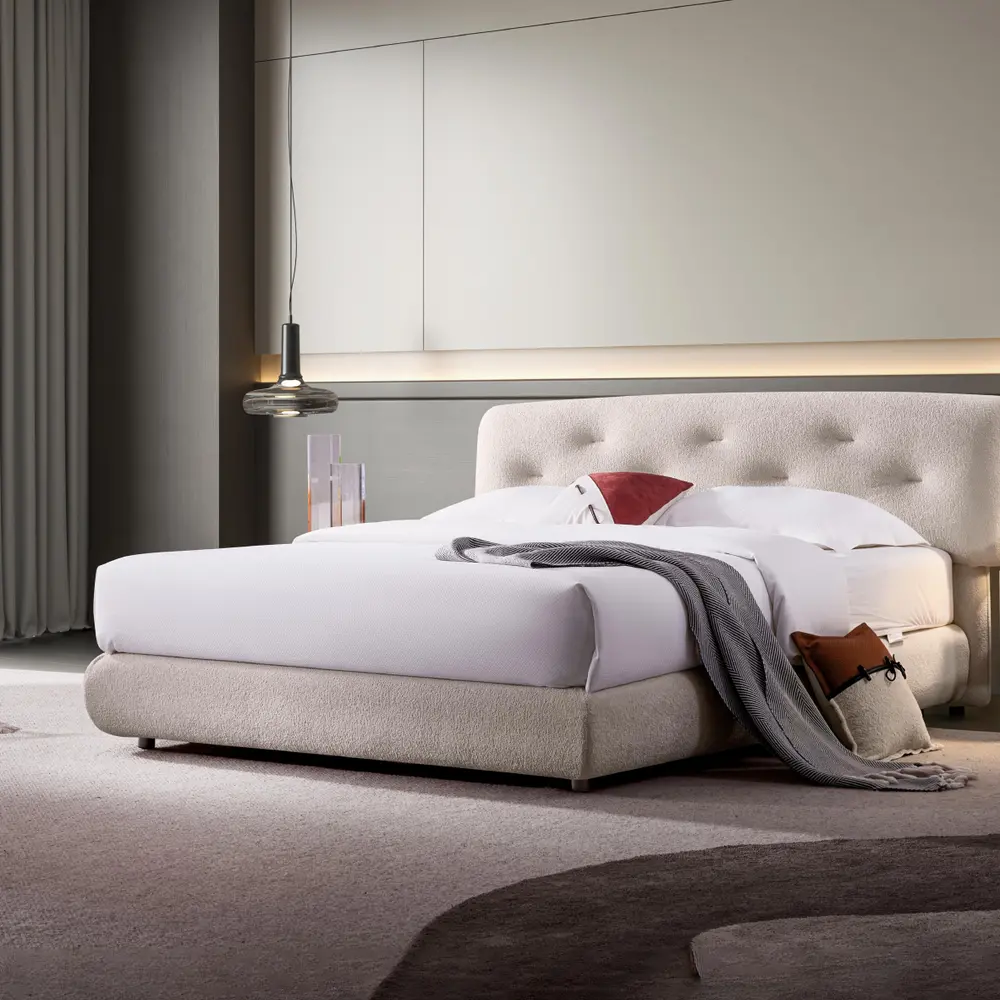
Upholstered Bed
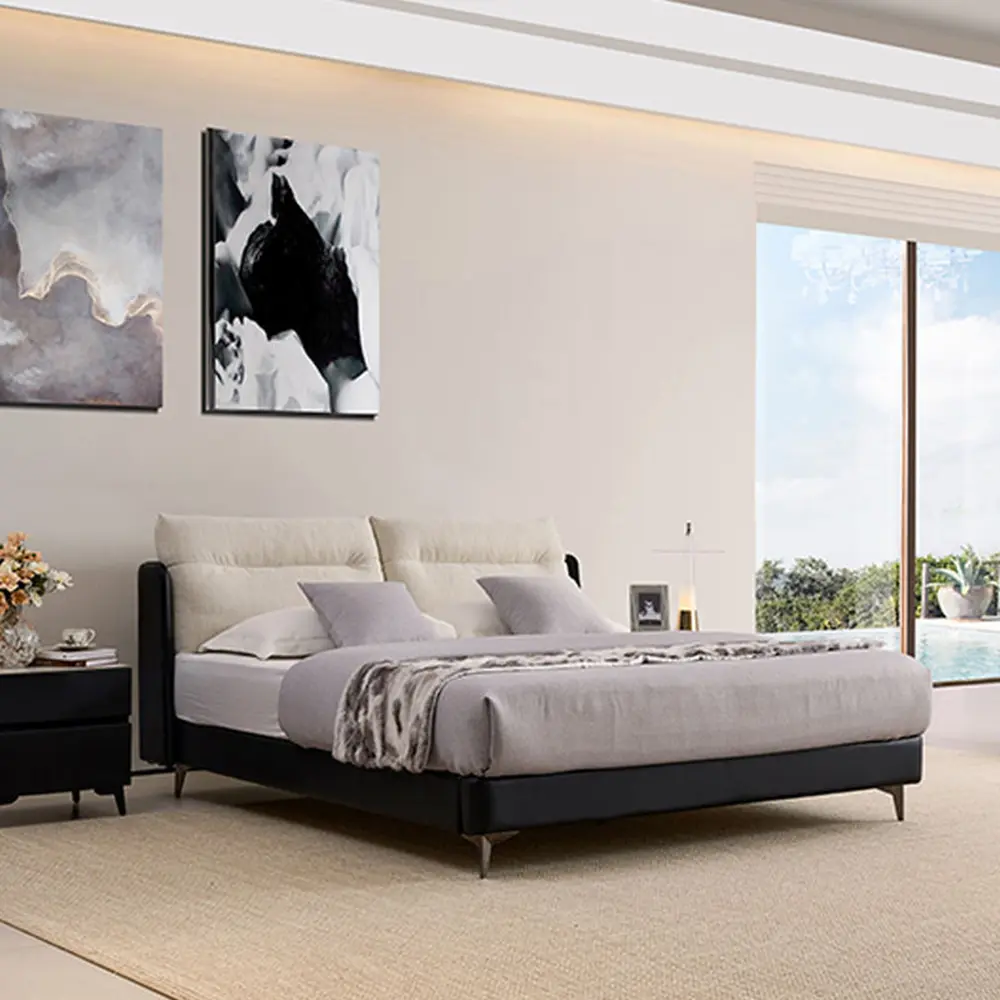
These four models form the core of our India waiting-area program — lounge-grade upholstery, soft seating geometry and stable solid-wood cores tuned for high-traffic clinics, salons, hotel lobbies and corporate receptions.
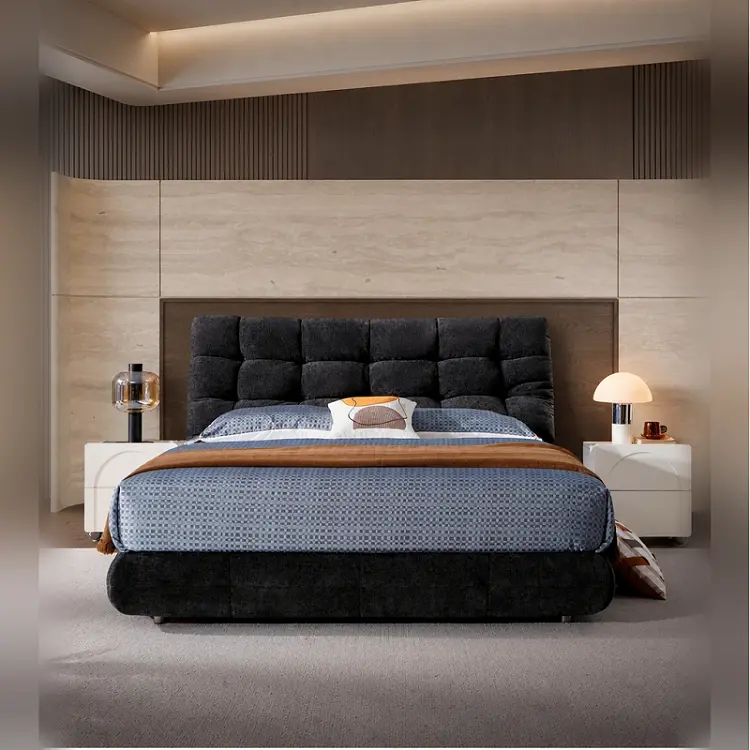
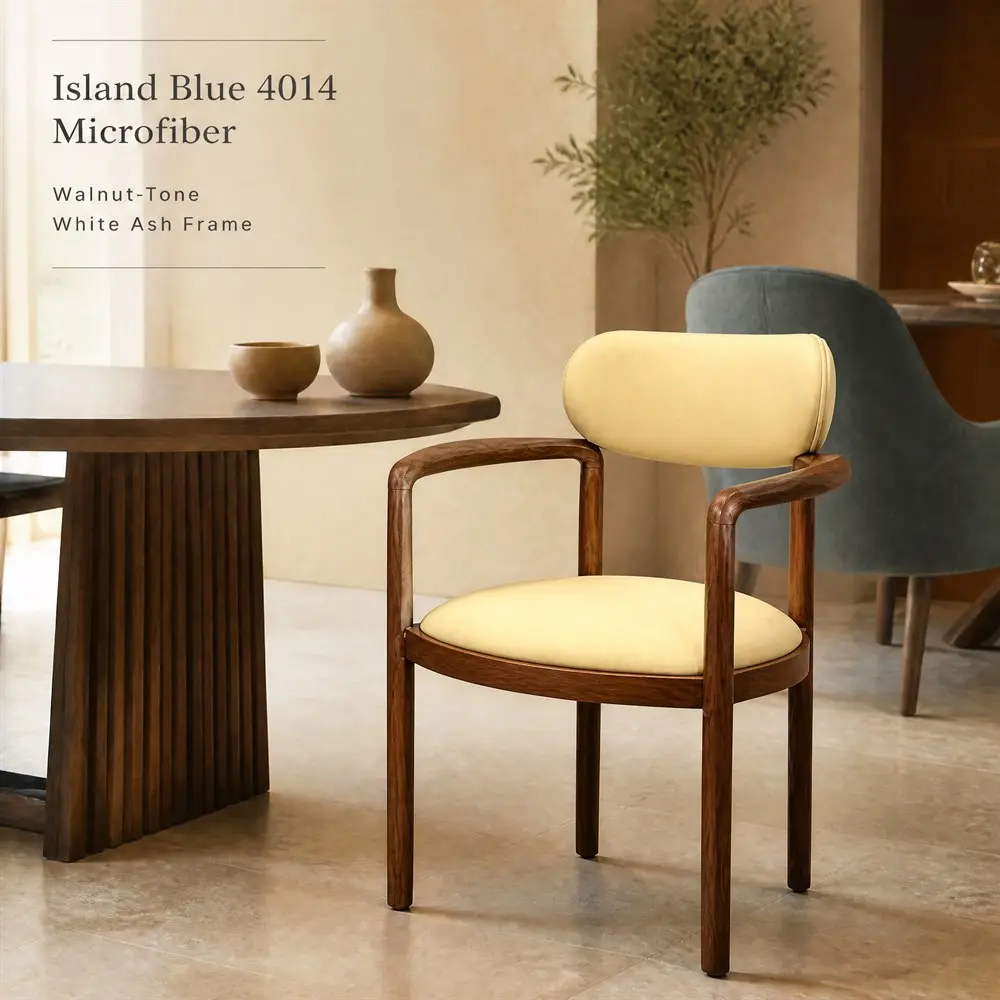
In Indian commercial fit-outs, the waiting and reception zone is no longer a decorative afterthought. Whether you operate a dermatology clinic in Bengaluru, a hair studio chain in Delhi NCR, a 120-key hotel in Jaipur or a co-working lobby in Pune, the reception area now functions as a brand micro-environment — the first 90 seconds where visitors form a judgement about quality, hygiene and price bracket.
That shift has made waiting-area seating a specialised procurement line. It sits between residential living-room furniture and contract-grade hospitality furniture, and it carries requirements that neither category fully satisfies: higher abrasion cycles than a home sofa, tighter cleanability than a hotel lobby lounge, and layout flexibility so that chairs and modular benches can be re-configured as footfall grows.
For Indian buyers, the sourcing challenge is not availability — it is consistency. A single clinic chain may order seating for 14 branches across four states, and each branch must arrive with the same fabric sheen, the same seat firmness and the same colour batch. Fragmented local procurement almost never delivers that. A coordinated factory program does.
Our India-focused waiting & reception program is built precisely around that requirement: one factory standard, one QC protocol, one container plan, and a documented material specification you can attach directly to your tender or interior-fit-out BOQ.
India's waiting-area demand is spread across several fast-expanding verticals. Each one imposes a different specification profile — and it pays to understand the difference before you issue a purchase order.
High chair turnover, strict wipe-clean requirements and long dwell times for elderly patients. Seating needs firmer foam, armrests that aid standing and fabrics that tolerate hospital-grade disinfectants without discolouration.
Aesthetic-first front-of-house zones where the seating directly merchandises the brand. Velvet, bouclé and matte microfiber dominate, but they must be backed by commercial-rub upholstery rather than domestic-grade fabric.
Lobby and pre-function waiting zones require the widest coordination — hotel guestroom furniture, lounge seating, dining chairs and outdoor sets frequently ship in a single consolidated container to control freight to Nhava Sheva or Chennai.
Deep tech-park and Grade-A office pipelines in Bengaluru, Hyderabad and Gurugram create steady demand for modular reception benches, accent chairs and durable ottomans that survive heavy daily footfall.
A waiting area is a system: seating, tables, storage, lighting adjacency and traffic flow. We treat it that way — mapping the zone, then specifying products and materials that work together.
Our project team starts with the physical reality of the space: how many visitors in peak hour, how long they wait, whether the reception desk faces the entry, and what sightlines the brand wants to control. Those answers define seat count, module widths and circulation clearance.
Only after the zone is mapped do we specify. That sequence prevents the most common Indian fit-out error — ordering a fixed number of single chairs when a mix of a modular bench plus two accent chairs would have delivered 40% more seating in the same footprint.
Seat height, depth and armrest design tuned for the demographic actually using the zone — not a generic showroom standard.
Commercial abrasion cycles, stain-release backing and colour-fastness verified against the cleaning chemicals used on site.
Bench-and-ottoman systems that can be reconfigured as footfall grows, without re-ordering an entirely new seating range.
Importing furniture into India involves more than freight. Documentation, labelling, finish specifications and after-sales responsiveness all influence whether a project completes on schedule.
Commercial invoice, packing list, HS-code classification and certificate-of-origin preparation handled by our export desk so your customs broker receives a complete, consistent file on the first submission.
Written specifications for frame timber, foam density, upholstery composition and finish type, formatted so they can be attached directly to your project BOQ or tender comparison sheet.
Dedicated account handling with communication windows aligned to Indian Standard Time, so approvals, sample feedback and production questions do not stall overnight.
Loading plans prepared with routing to Nhava Sheva, Mundra, Chennai or Kolkata in mind, and crating reinforced for multi-leg inland transport to Tier-2 project sites.
Each scenario below has a different specification priority. Matching product to scenario is what separates a durable, brand-consistent waiting area from one that looks tired within twelve months.
Wipe-clean seating with supportive armrests, configured for mixed-age footfall. Bench-and-single-chair combinations deliver more usable seats per square metre than uniform chairs.
Statement accent chairs and velvet-backed benches that merchandize the brand while withstanding constant turnover. Fabric selection balances tactile luxury against commercial abrasion cycles.
Coordinated with guestroom beds, mattresses and dining furniture so that a single container covers the full hotel FF&E scope — reducing per-unit freight and simplifying customs clearance.
Modular reception benches, ottomans and accent seating that can be rearranged for events, with high-density foam that holds shape across long working-day dwell times.
The category is moving from static seating to specification-driven infrastructure. Buyers increasingly ask for documented material data, reconfigurable systems and circular-design credentials — not just finishes.
Material data sheets for foam density, abrasion cycles and finish type become standard attachments to procurement files.
Bench-and-ottoman systems designed for phased fit-outs and future expansion without full re-purchase.
Replaceable covers, recyclable foam grades and reduced packaging volumes for lower carbon intensity.
Seat-selection guidance driven by measured dwell time and footfall patterns rather than visual preference alone.
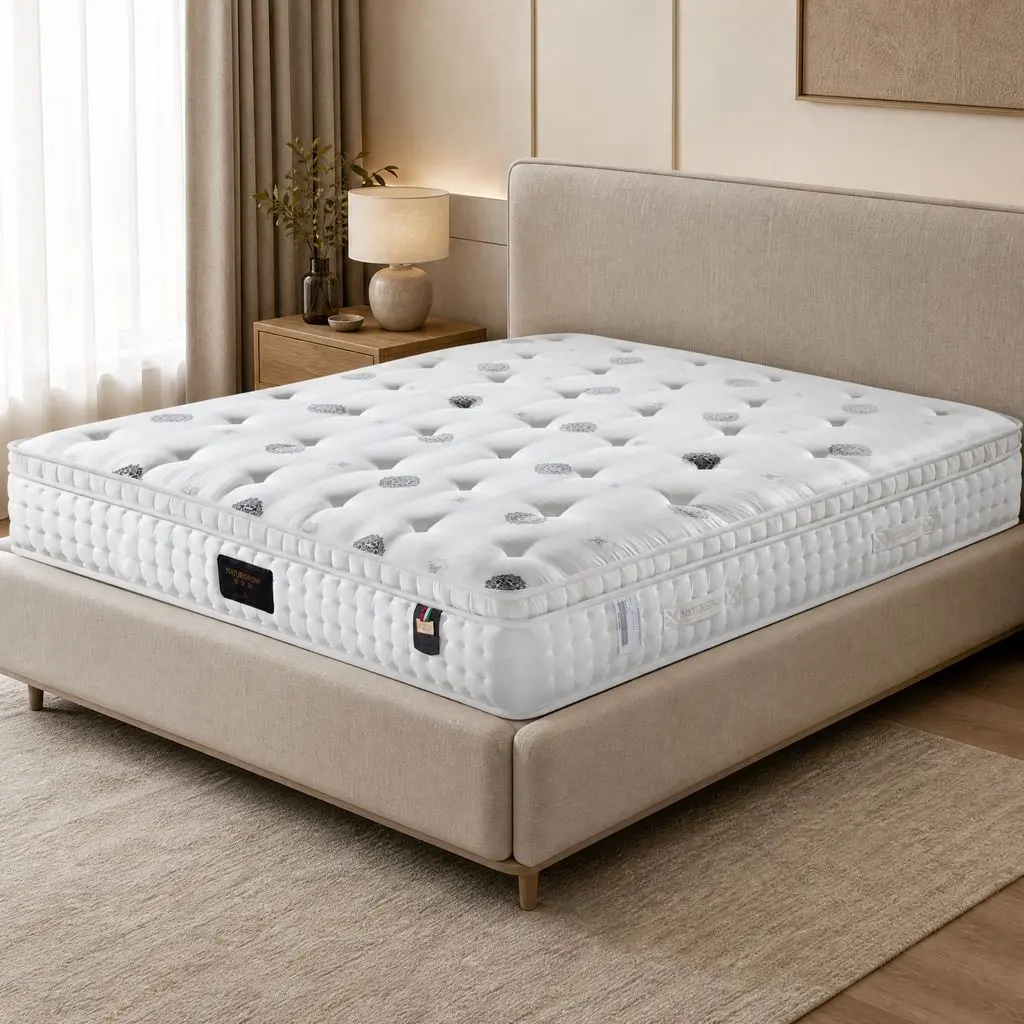
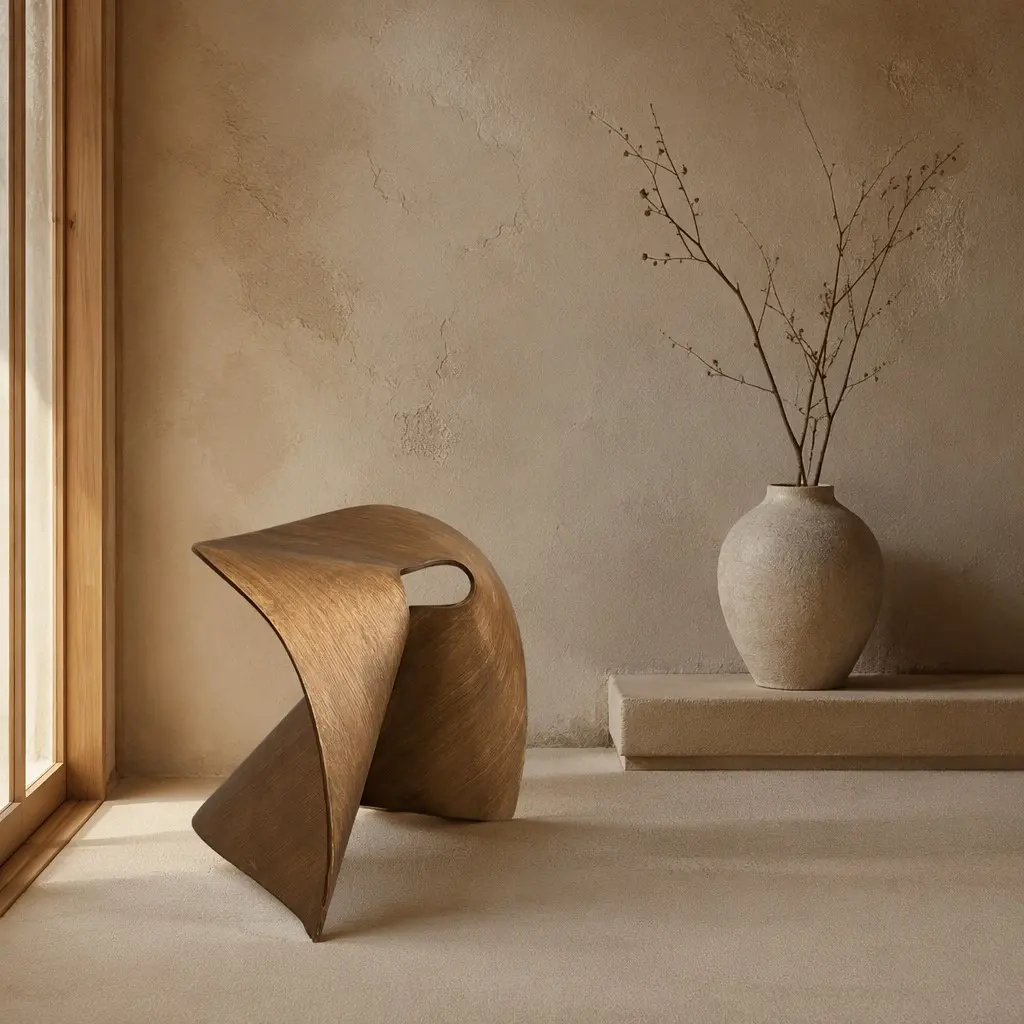
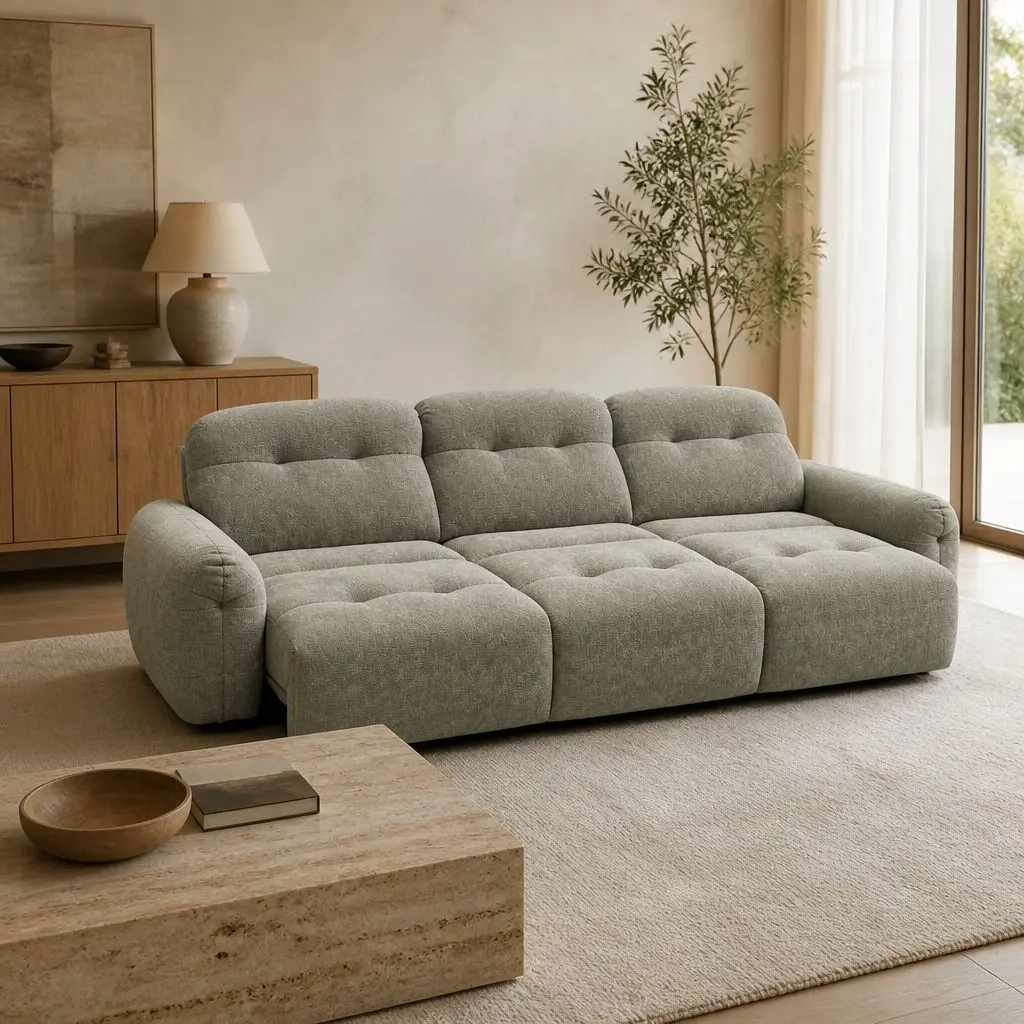
Waiting and reception programs rarely ship alone. These eight coordinated categories let a clinic, hotel or corporate fit-out arrive in one container, under one quality standard and one shipping plan.
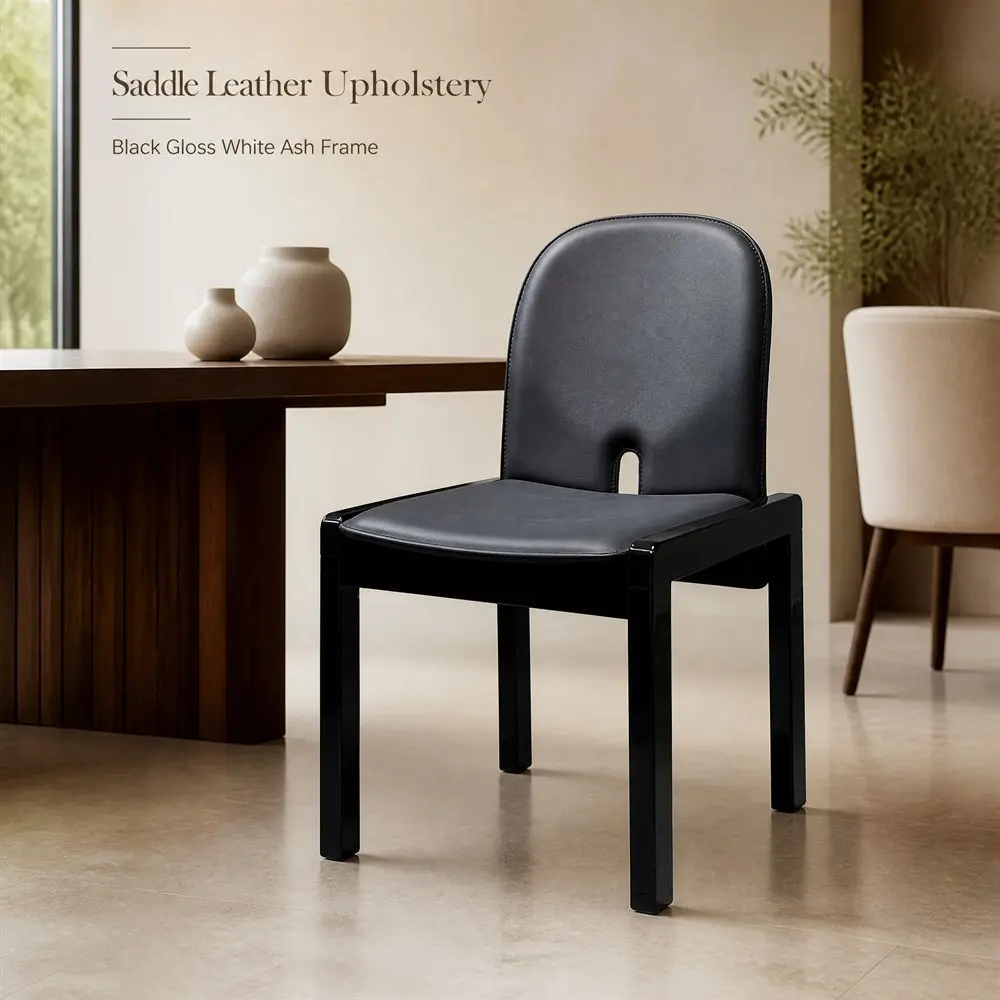
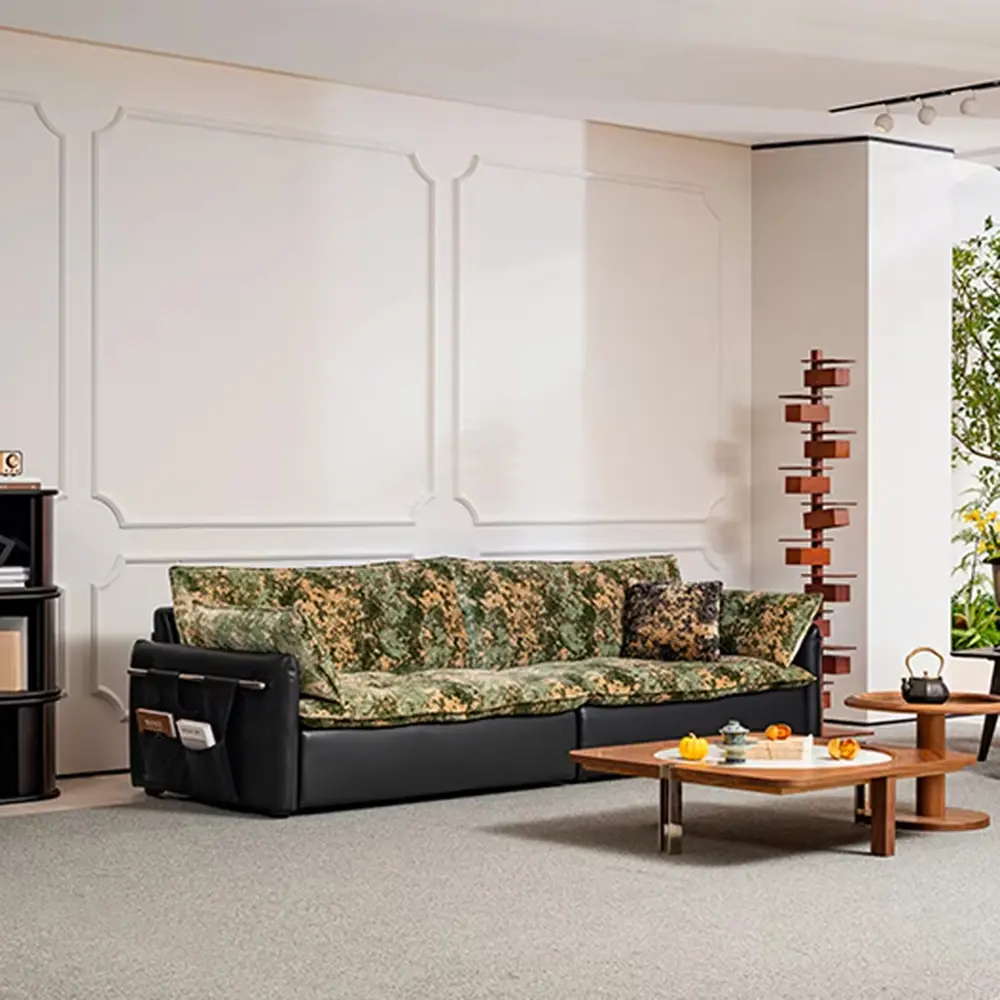
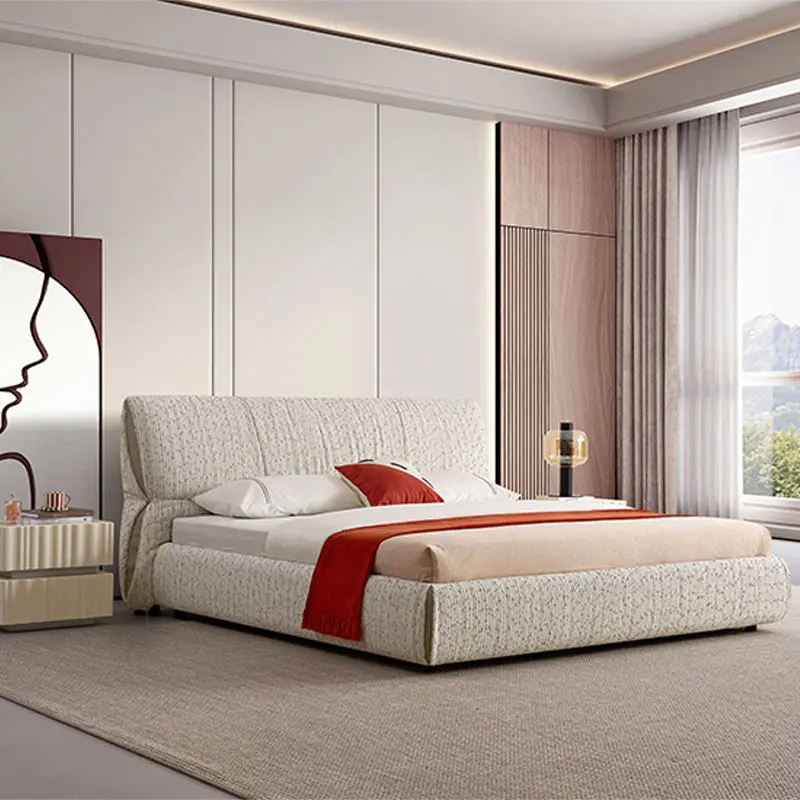
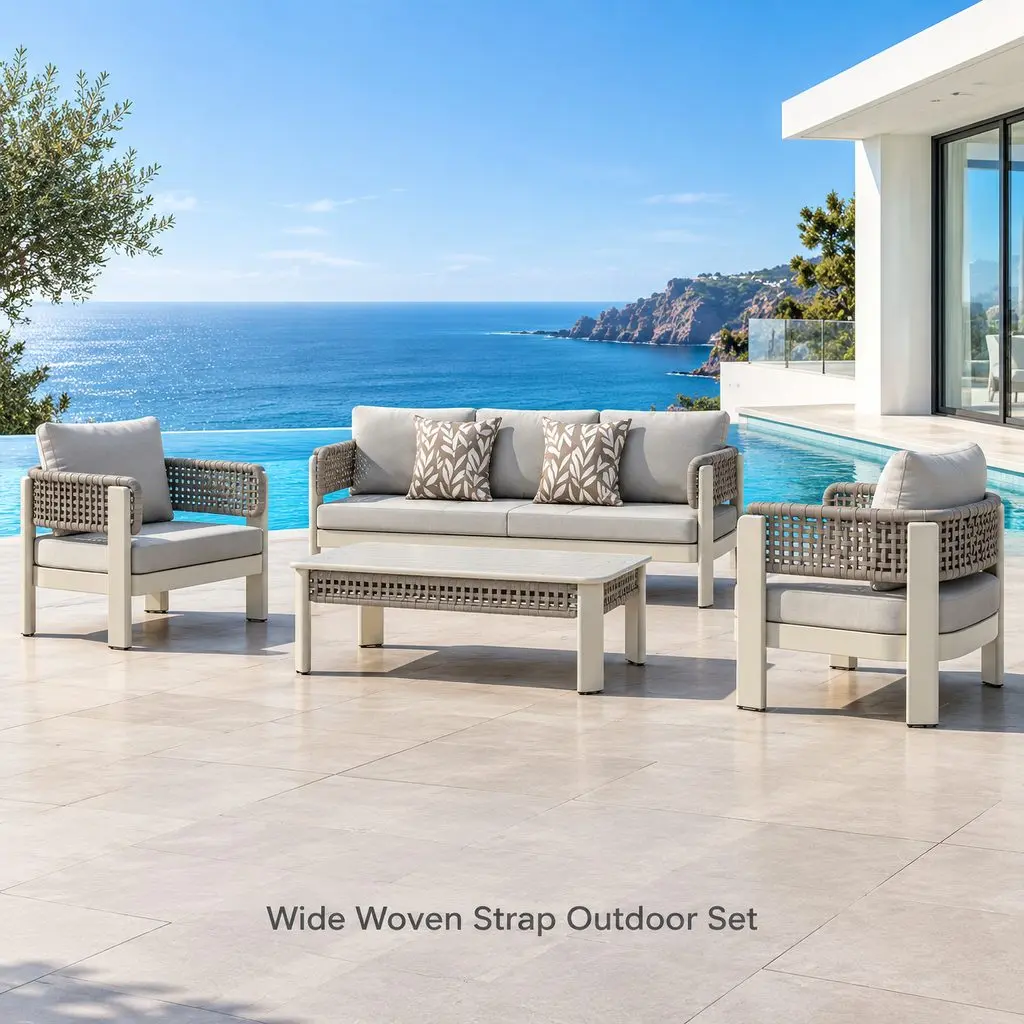
Direct answers to the questions Indian importers, clinic chains, hotel procurement teams and interior fit-out contractors ask before placing a first order.
We are an integrated manufacturer based in Shunde, Foshan, covering R&D, production and international sales with our own production facility. For whole-project orders that combine waiting seating, guestroom beds, mattresses, dining chairs and outdoor sets, we also coordinate a network of audited partner factories — so every category ships under one quality standard and one purchase order.
Yes. Container consolidation across categories is standard practice for hotel and clinic-chain projects. Our team plans loading sequence and space utilisation so that upholstered seating, beds, mattresses and dining chairs travel together, reducing landed freight cost per unit. Multi-layer export crating protects upholstered items from transit compression and port handling.
Yes. We customise dimensions, upholstery and frame colours, fabric grades — including higher-abrasion contract fabrics for clinical and hospitality environments — and branding such as woven labels and embossed logos. ODM development is supported for buyers who want a proprietary silhouette rather than a catalogue model.
We ask buyers to describe the cleaning chemicals and frequency used on site, then recommend upholstery grades accordingly. For clinical and diagnostic settings we typically propose wipe-clean, higher-abrasion options; for salon and hotel front-of-house we balance tactile finishes against commercial-cycle rub resistance so the fabric does not discolour or pill prematurely.
Our QC engineers conduct on-site production line audits that check structural durability and finish consistency, and pre-sale consultants document the material configuration for each order. Because a multi-branch rollout is produced against one specification and one colour batch, branch-to-branch variation is minimised — a common failure point when seating is purchased branch-by-branch from local vendors.
We supply furniture wholesalers and importers, clinic and diagnostic chains, salon and spa groups, hotel and hospitality procurement teams, property developers, interior design and fit-out firms, and corporate workplace teams that need coordinated furniture across reception, waiting, guestroom and dining zones.
We are located in Hui Cheng Industrial Park, Longjiang Town, Shunde District, Foshan, Guangdong, China — one of the world's most established furniture manufacturing clusters. Indian buyers are welcome to arrange factory and showroom visits, and we can coordinate itinerary planning around sourcing trips that also cover Guangzhou and Shenzhen.
Share your floor plans, footfall assumptions and target budget. Our export team will map categories, recommend material grades for your cleaning regime, and prepare a consolidated container plan that keeps your landed cost predictable.