
Best-Selling Dining Room & Coordinated Pieces for Indonesian Buyers
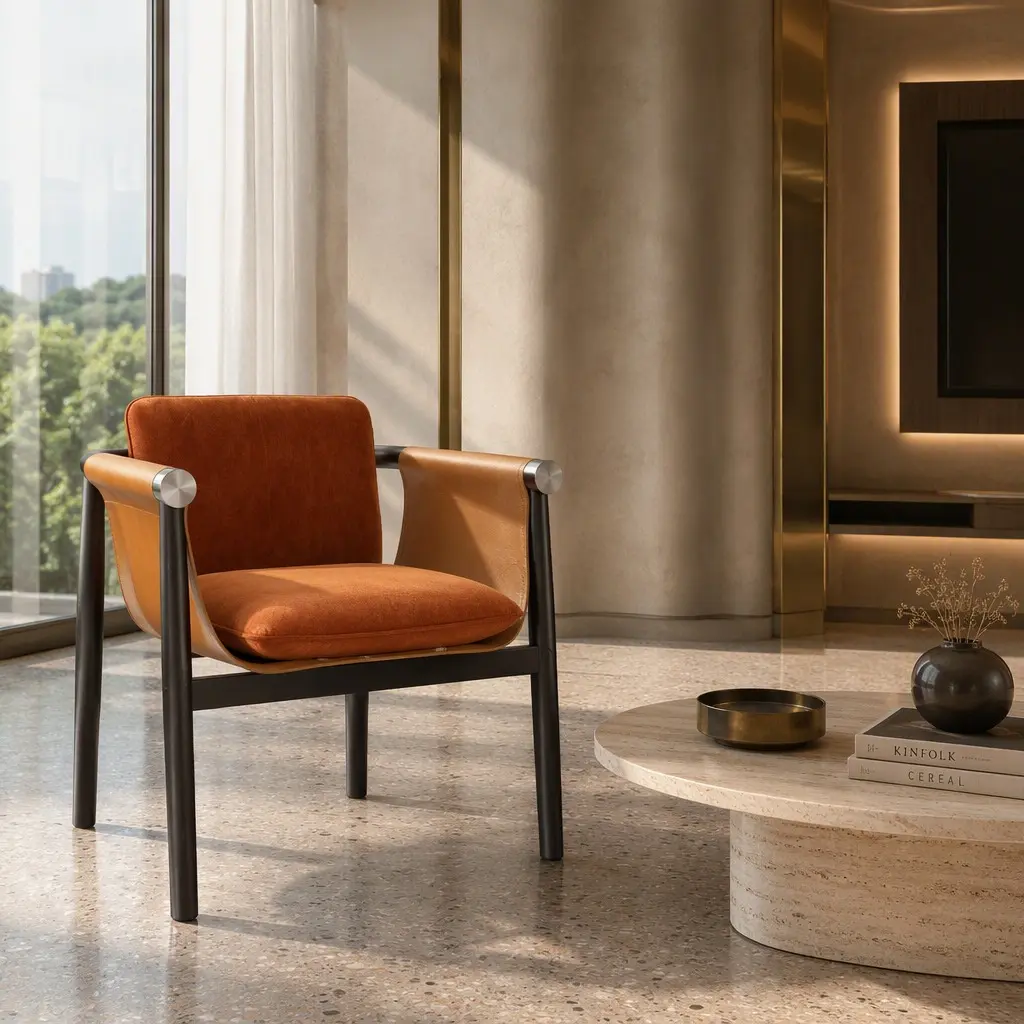
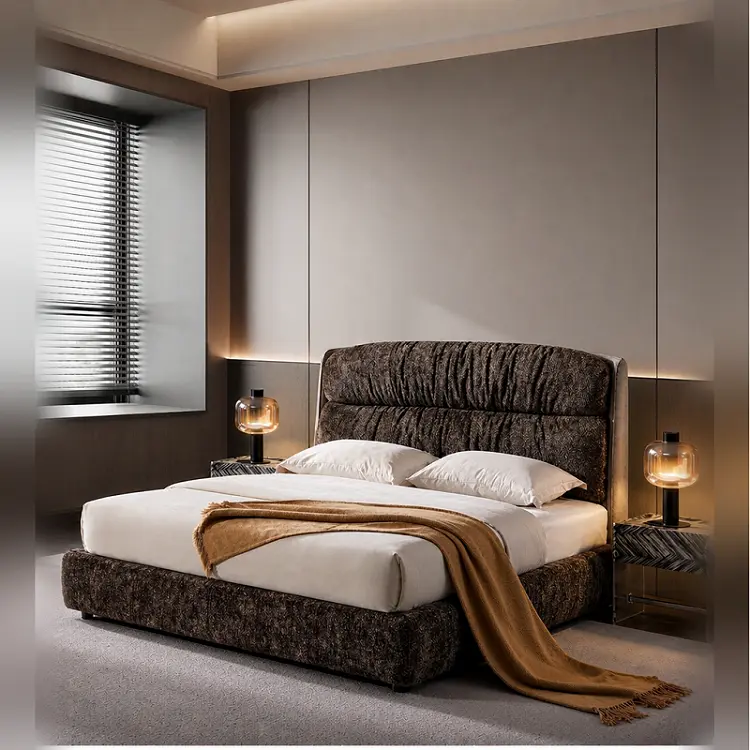
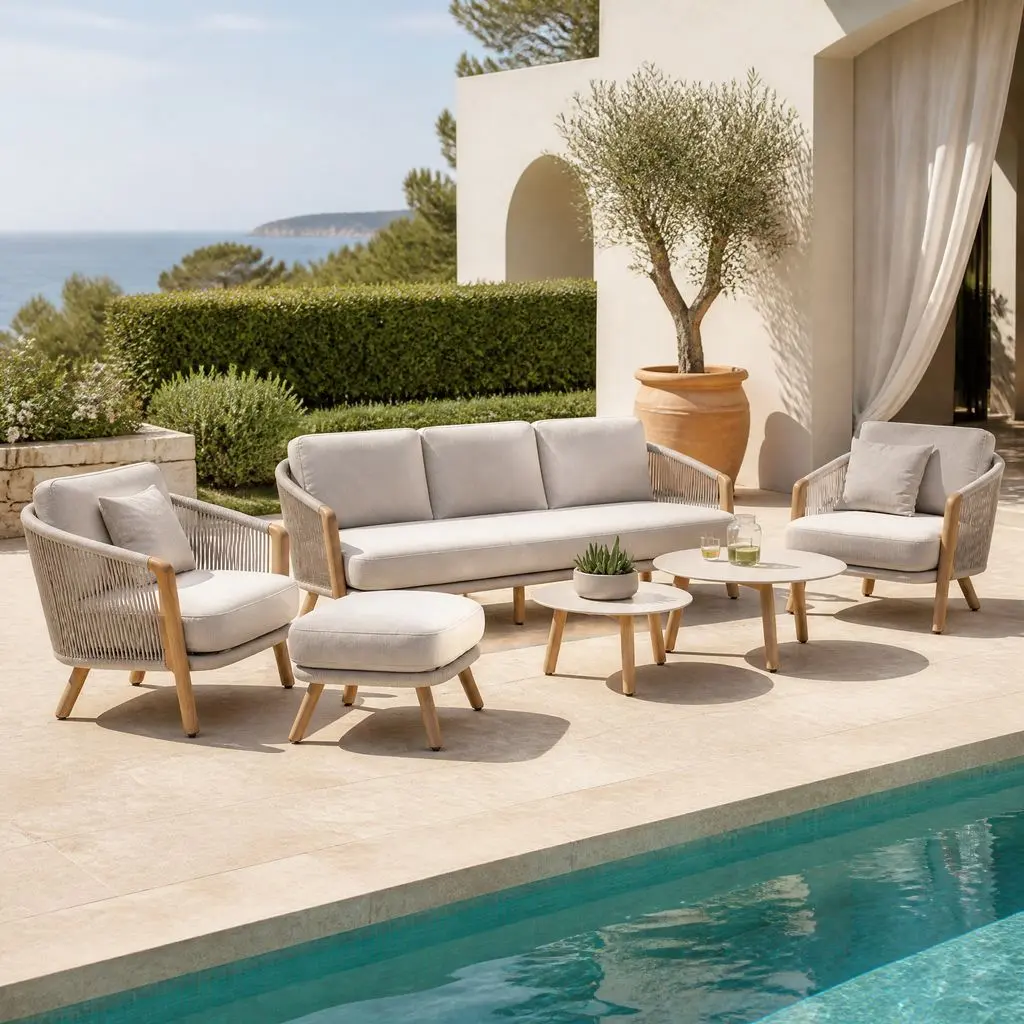
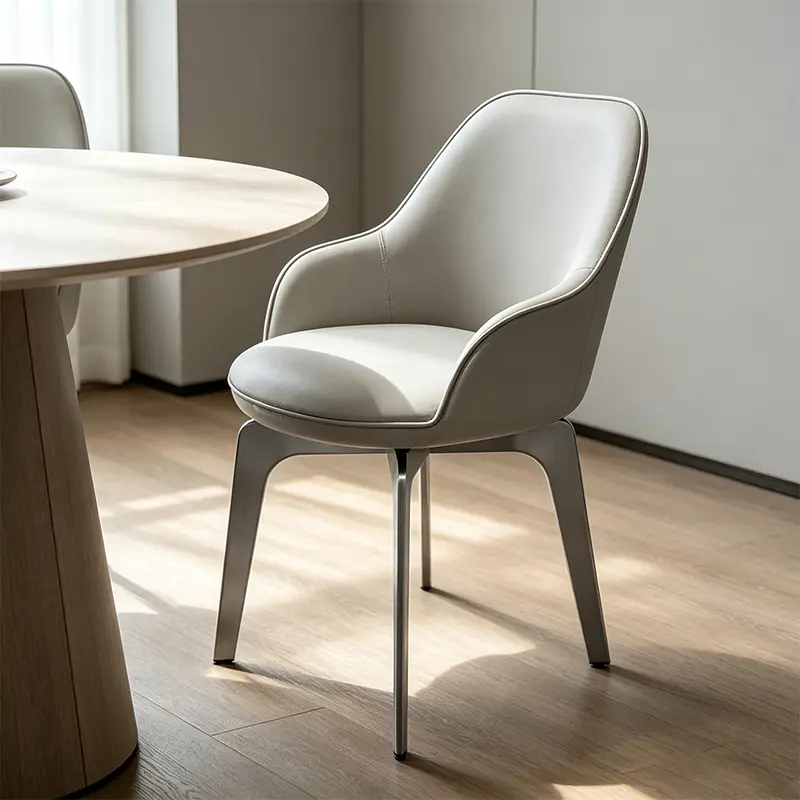
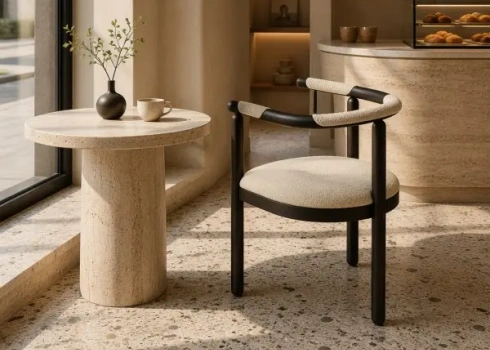
These factory-direct models are frequently selected for Jakarta apartments, Bali resorts and Surabaya café fit-outs. Every link opens the full specification page — dimensions, MOQ, material options and export packaging details are included.
The Indonesia Dining Furniture Market: Local Commercial & Industrial Reality
Indonesia is one of Southeast Asia's fastest-growing furniture import economies. Understanding the on-the-ground commercial dynamics is essential for any importer structuring a dining set program.
Indonesia's furniture demand is driven by four converging forces: a rapidly urbanising middle class, a booming hospitality sector concentrated in Jakarta, Bali, Surabaya and Batam, a growing HORECA (hotel, restaurant, café) market, and a wave of property development tied to new apartment and landed-house clusters. Dining sets sit at the intersection of all four — they are simultaneously consumer goods, contract furniture for F&B outlets, and specification items for serviced apartments.
On the commercial side, Indonesia produces a strong domestic wood and rattan furniture industry, particularly in Jepara (Central Java) and Cirebon (West Java). However, local manufacturing focuses heavily on solid-wood, rattan and carved heritage pieces. It is less competitive in modern upholstered dining chairs, metal-leg and stainless-steel dining chairs, tempered-glass dining tables, and coordinated dining sets for hospitality fit-outs — the exact categories where Chinese factories offer deep specialisation and consistent finish quality across volume orders.
On the industrial side, Indonesia's own furniture export infrastructure has been constrained by raw-material supply and labour specialisation. As a result, importers and project procurement teams increasingly source from Foshan, Guangzhou and Dongguan for modern dining room collections — because local suppliers cannot match the width of models, fabric variety, metal-finishing options, or unit pricing achieved by China's integrated furniture clusters.
The Global Dining Furniture Trade: What's Driving B2B Sourcing in 2026
The global residential and contract furniture market has been reshaped post-pandemic by nearshoring debates, freight volatility and sustainability compliance. Yet in practice, no alternative manufacturing geography has been able to replace Chinese furniture clusters for mid-to-high volume modern dining sets.
Importer behaviour reveals three decisive patterns. First, consolidated multi-category orders are now the norm — buyers want dining chairs, dining tables, sideboards and lighting specs from one accountable partner. Second, price competition has migrated toward value engineering — factories that can reduce cost without structurally degrading the product win the shelf. Third, compliance has intensified: EUTR-style timber due-diligence, formaldehyde emission limits for Australia/NZ, and — specifically for Indonesia — SNI-compliant material documentation on import.
This means the winning supplier profile for 2026 is not "the cheapest factory" but the factory with verified QC, documented materials, reproducible finish quality across reorders, and the IP protection that allows private-label launch. That is precisely the profile we operate under at our Foshan facility.
Why Chinese Factories Outperform on Dining Set Efficiency
Foshan's furniture cluster has a decade-plus head start on any competing manufacturing ecosystem. Four structural efficiencies matter most for wholesale dining set buyers.
Vertical Integration
Wood-cutting, foam-shaping, upholstery, metal-powder coating and packaging all operate within the same industrial park. A single dining chair can be completed in under 12 working days without handoffs to third parties.
Component Ecosystem
Stainless fabrication, ash-wood drying, tempered-glass suppliers and PU leather mills cluster within a 20-kilometre radius. This compresses sample cycles and enables small-batch innovation.
Quality Documentation
Factories operating export-grade workflows maintain traceable material records, chemical compliance certificates and test reports — critical for Indonesian import clearance and SNI alignment.
IP & Brand Protection
100+ original patents across structures, joinery and upholstery frames let OEM clients commercialise exclusive models with legal defensibility against copycat import competition.
Where Our Dining Sets Land in Indonesia
Each Indonesian application carries a distinct finish, material and configuration requirement. Our OEM design assist calibrates the dining set build to its destination.
Jakarta Apartments
High-rise condominiums around SCBD, Kemang and Pantai Indah Kapuk demand compact 4-seat dining sets with scratch-resistant sintered stone or tempered glass tops. Our ash-wood or metal-leg chairs fit balcony-to-interior layouts.
Bali Villa & Resort
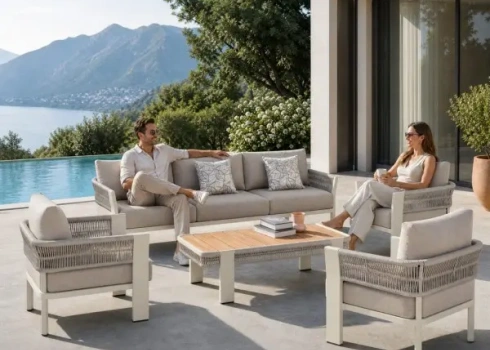
Open-air villas in Seminyak, Ubud and Canggu specify rattan-look, teak-finish and outdoor dining collections rated for humidity and intermittent rain. Aluminum-frame rope dining sets and PU-wrapped chairs are the dominant specification.
HORECA Fit-Outs
Café chains, brunch restaurants and cloud kitchens in Surabaya, Bandung and Yogyakarta order dining chairs in volume with contract-grade PU leather, reinforced steel legs and high-density foam rated for 30,000+ seating cycles.
Hotel FF&E Projects
All-day-dining restaurants and banquet setups inside 4- and 5-star hotels in Jakarta and Nusa Dua require uniform finishes, durable hardware and a documented QC history — all of which we supply under one PO.
Six Trends Reshaping Dining Set Sourcing
1. Sintered stone > glass. Indonesian and global buyers increasingly choose sintered-stone-top dining tables over tempered glass because of impact resistance and a luxury feel. Our top-supplier options include both.
2. Contract-grade upholstery. PU leather is being replaced by microfiber leather, silicone-dipped fabric and recycled polyester velvet — driven by durability demands from café and hotel operators.
3. Environmental accountability. FSC-certified ash, formaldehyde-free board and low-VOC PU finishes are becoming default expectations for western-facing importers in Indonesia.
4. Knocked-down and container optimised. Freight cost has pushed chair design toward stackable, semi-assembled and reduced-cubing packaging — improving landed cost per seat.
5. Private label emergence. National retail chains and D2C furniture brands across Jakarta and Bali are launching their own dining labels, requiring custom logos, hangtags and shoebox packaging.
6. Cross-category bundling. Dining room, living room and bedroom are being sourced from one factory to align finishes and reduce total vendor count.
How a Wholesale Dining Set Order Moves From Brief to Jakarta Container
A structured five-stage workflow protects the timeline, the finish and the compliance of every dining program we ship.
Brief & Specification
Share target price, dimensions and site photos. Our consultants recommend model line, material stack and finish to fit your Indonesian channel.
Material Engineering
Frame species, PU grade, foam density, metal plating and finish are documented in a bill of materials aligned to SNI and destination-market standards.
Prototype Approval
A physical sample is produced within 7–10 working days. Adjustments to scale, colour and comfort are signed off before mass production begins.
Mass Production & QC
On-line QC engineers audit ergonomic fit, weight-load testing, finish consistency and hardware tolerance at the assembly station.
Container Loading & Ship
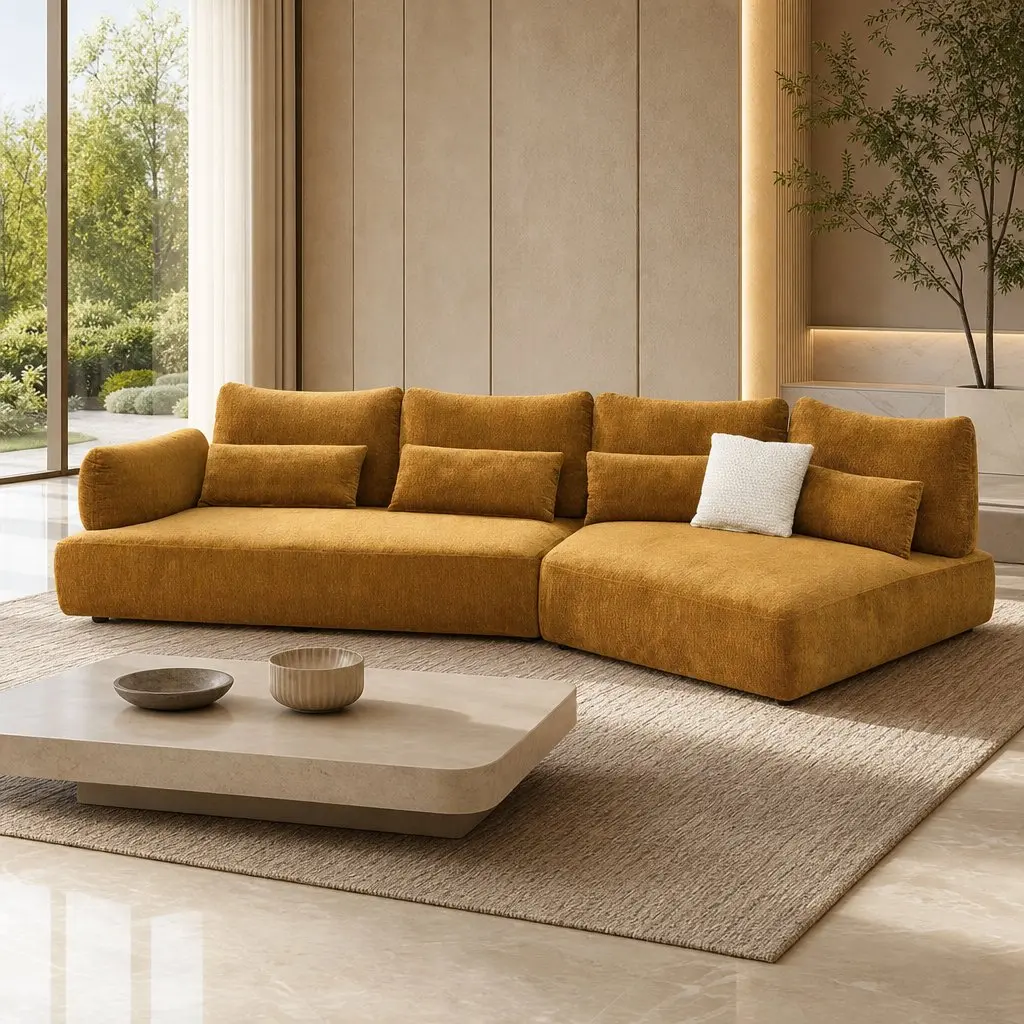
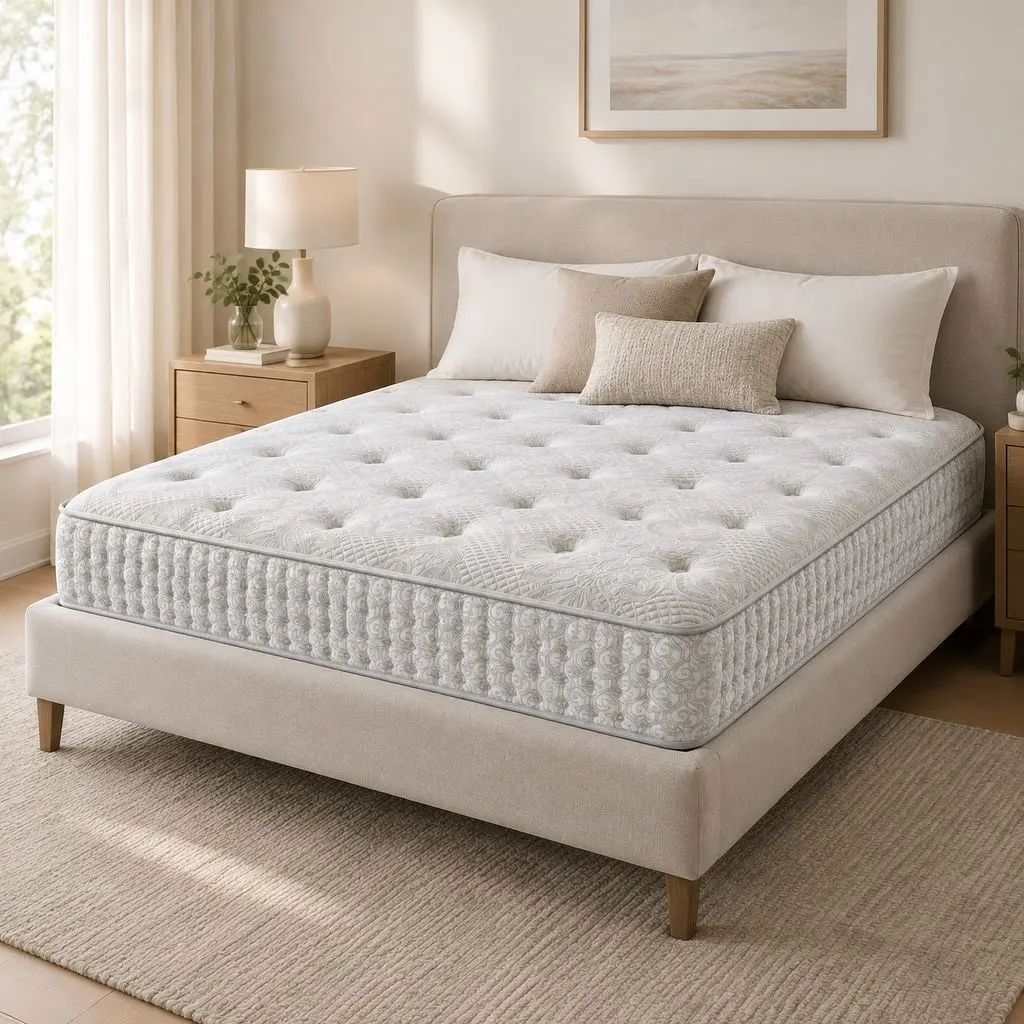
Mixed-category loading plans with multi-layer export crating deliver dining chairs and tables alongside beds, sofas and mattresses in one container.
Eight Coordinated Collections Available for Indonesia Buyers
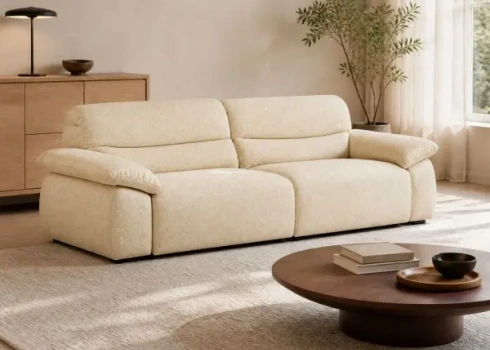
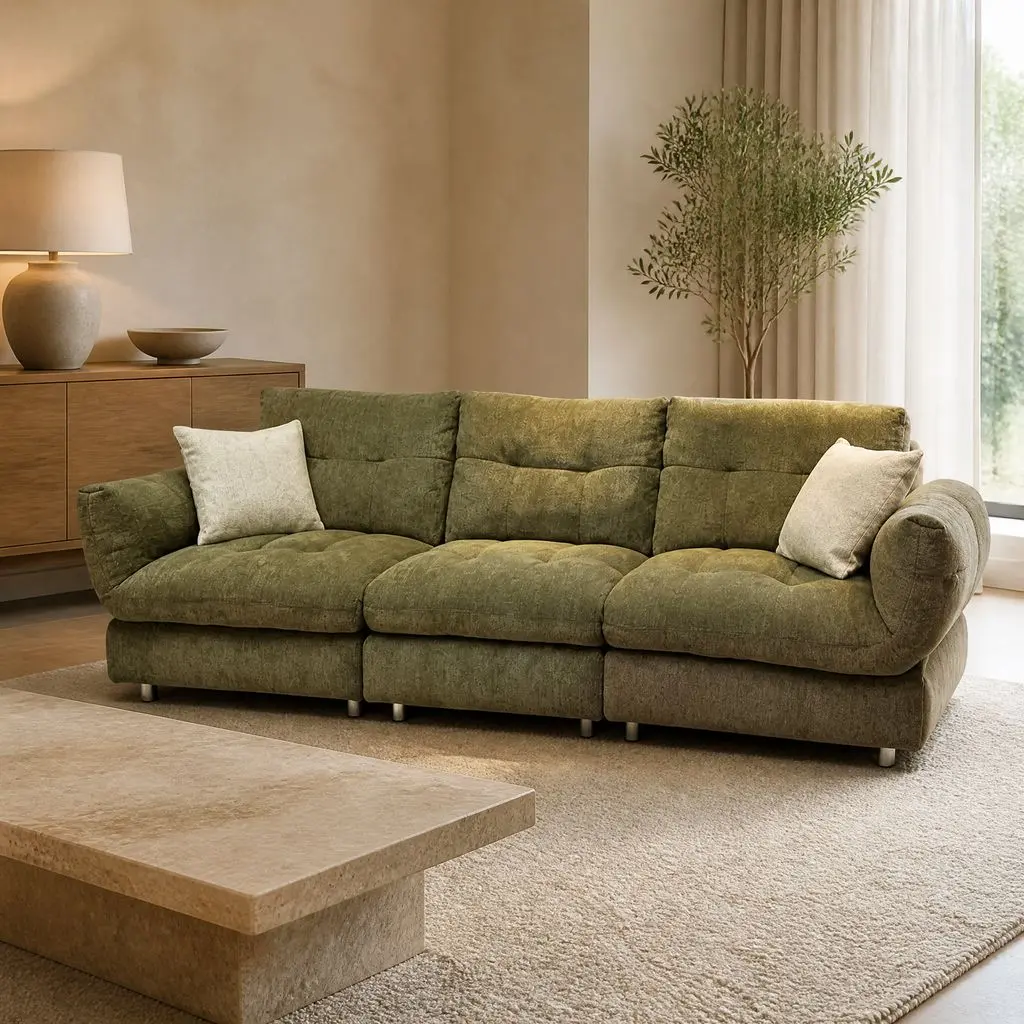
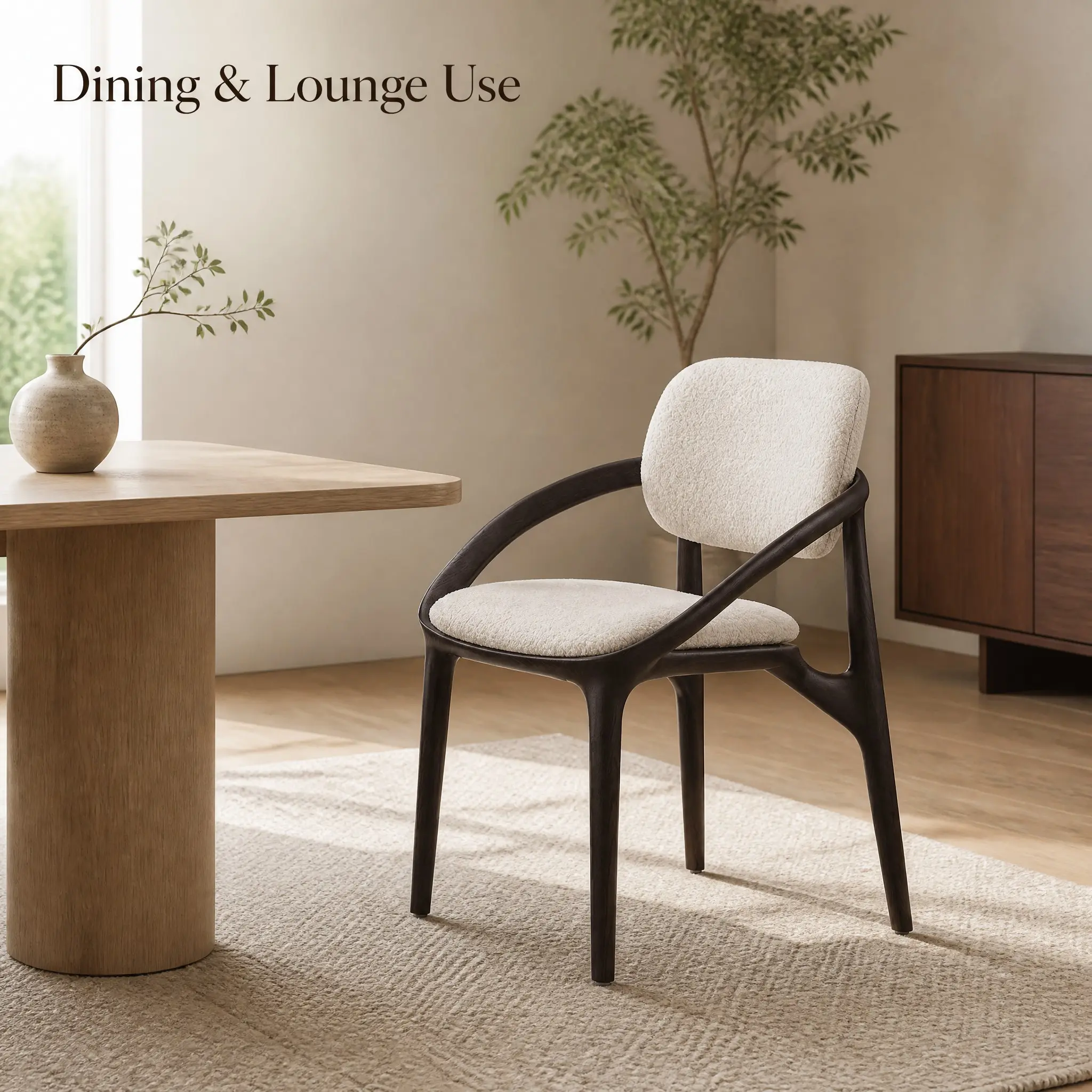
Mix dining sets with matching sofas, beds and mattresses to consolidate vendors and align finishes. Each link opens the full product specification with dimensions, MOQ and material swaps.
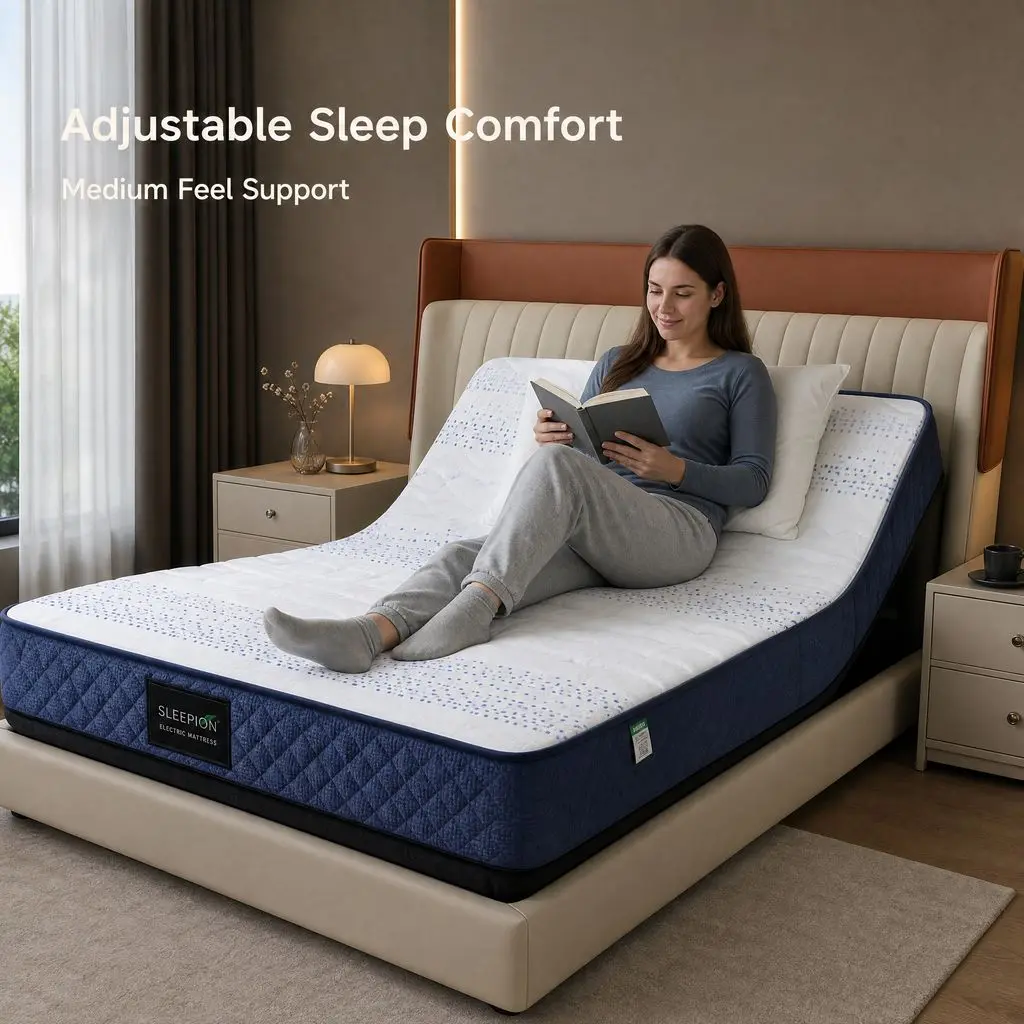
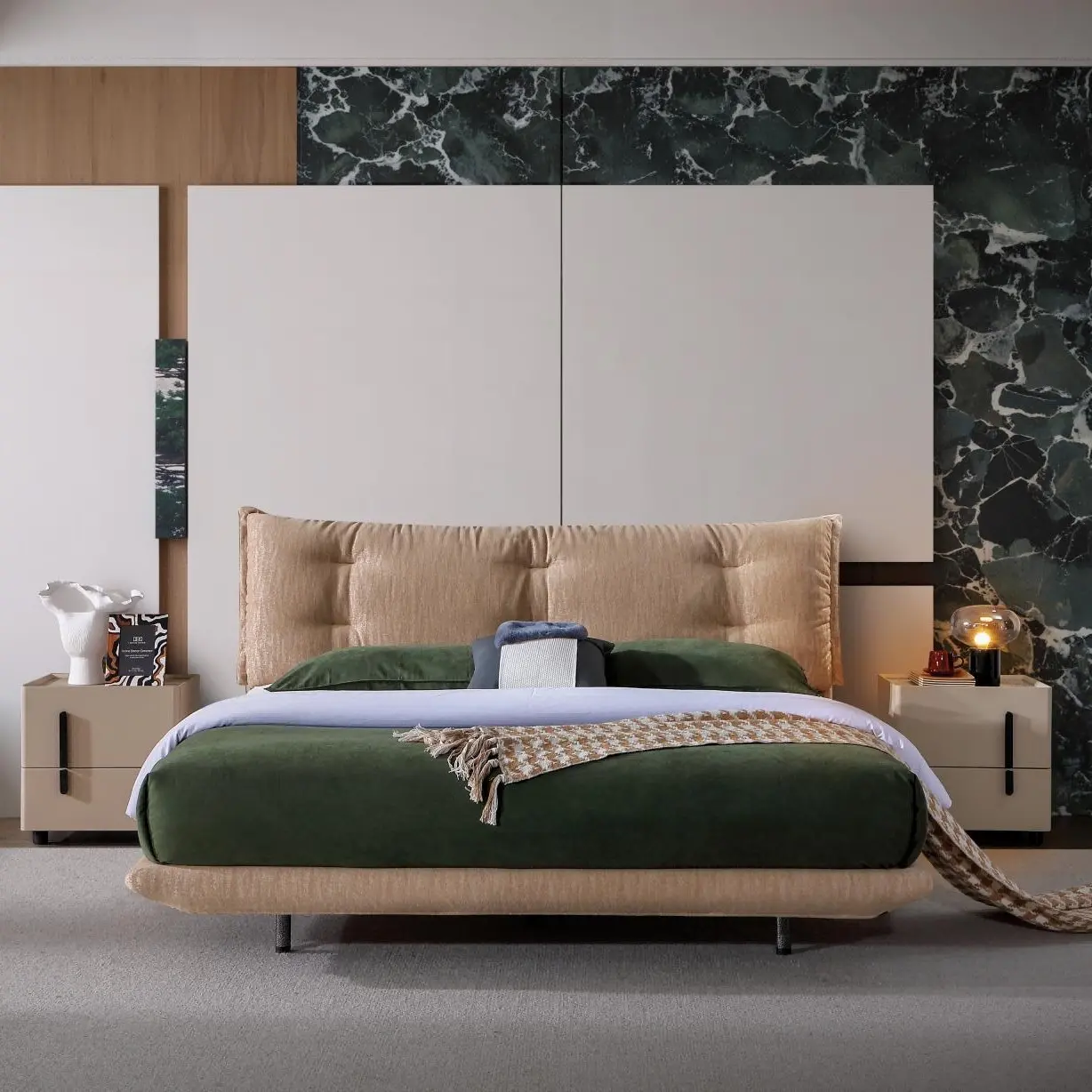
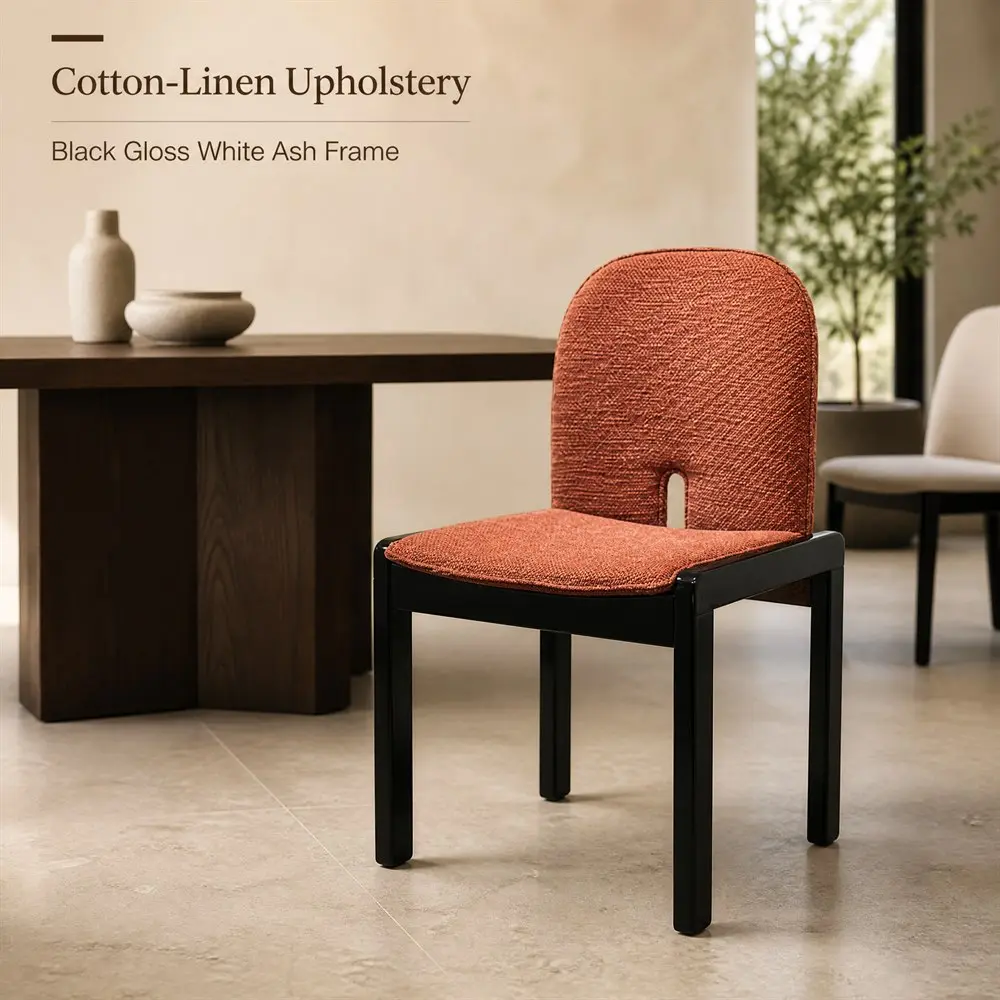
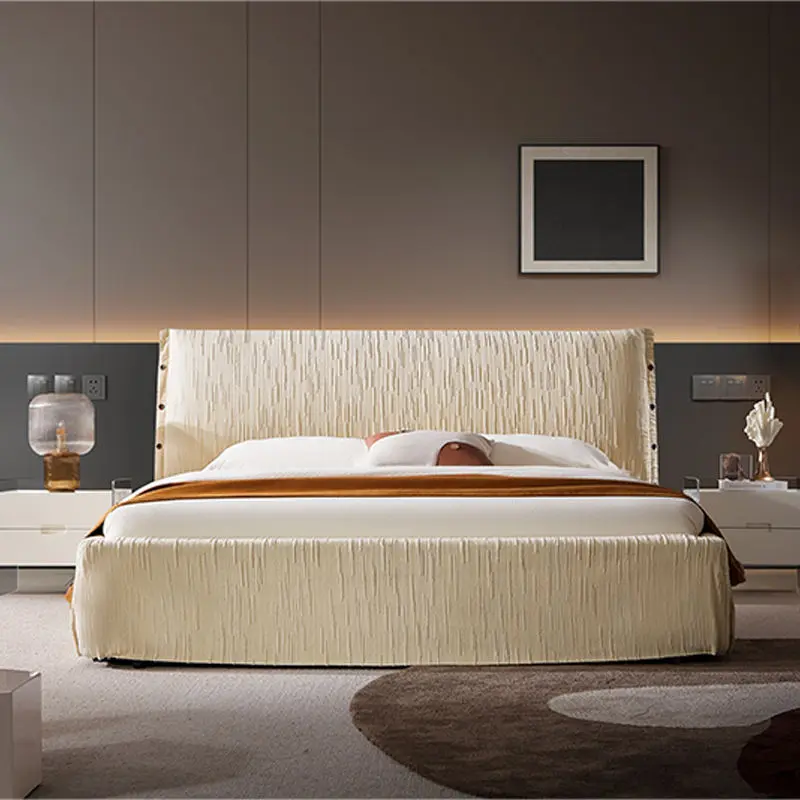
Frequently Asked Questions From Indonesian Importers
Direct answers to the questions procurement teams most commonly raise before placing their first wholesale dining set order.
Are you a wholesale dining sets manufacturer or a trading company?
We are the export brand of Foshan Qingyumai Technology Co., Ltd., an integrated manufacturer with our own production facility in Shunde, Foshan. For whole-house orders we coordinate a network of rigorously audited partner factories so that dining sets, sofas, beds and mattresses ship under one quality standard and one purchase order.
Do you supply to Indonesia and what is the MOQ?
Yes. We supply importers, distributors, HORECA and hotel FF&E projects across Indonesia. Typical MOQ for dining chairs is 20–50 pieces per colour / finish, and for dining tables 10–20 pieces. Consolidated multi-category orders can reduce effective MOQ per SKU to as low as 10 pieces.
How do you handle shipping and FOB / CIF terms for Indonesian ports?
We ship FOB Shenzhen, Guangzhou or Foshan consolidation; CIF Jakarta (Tanjung Priok), Surabaya (Tanjung Perak), Belawan and Batam are also common. Container optimisation plans ensure dining chairs are stack-loaded to maximise cubic utilisation, which is crucial for keeping landed cost low.
What material compliance documentation is available for SNI clearance?
We supply material bill-of-materials, chemical compliance reports, timber species declarations, and test records for PU, foam and powder-coated metal parts. These documents assist importers navigating SNI requirements through BPJPH and Indonesian customs clearance.
Can dining chairs be supplied with private label branding?
Yes. Custom woven labels, embossed hardware logos, printed hangtags and branded export packaging are available for MOQ of 100+ units per model. Branded cartons can carry your logo, model code, barcode and SKU layout for direct-to-store shipment.
What is the lead time for a wholesale dining set order?
Standard models ship 20–30 working days after deposit confirmation. Sample approval adds 7–10 working days. Repeat orders with confirmed specification typically ship in 12–18 working days depending on order volume and finishing complexity.
Do you offer contract-grade dining chairs for hotels and cafés?
Yes. Contract variants are available with reinforced steel frames, high-density foam (45D+), microfiber or silicone-dipped PU leather and heavy-duty hardware tested for 30,000+ seating cycles — suitable for 4-star hospitality and high-traffic café fit-outs in Jakarta, Bali and Surabaya.
Can I visit the factory or receive a video tour?
Absolutely. We welcome buyers to our Shunde factory and showroom, and offer structured video tours for overseas clients who cannot travel. Our English-speaking export team can arrange both within a few business days of your request.
Plan a Wholesale Dining Set Container for Indonesia Today
Our export team will help you select dining models, configure materials for Indonesian climate and compliance, and coordinate a mixed-category loading plan that reduces landed cost per seat. Request the 2026 dining collection catalogue or schedule a factory tour.