
Dining Armchair
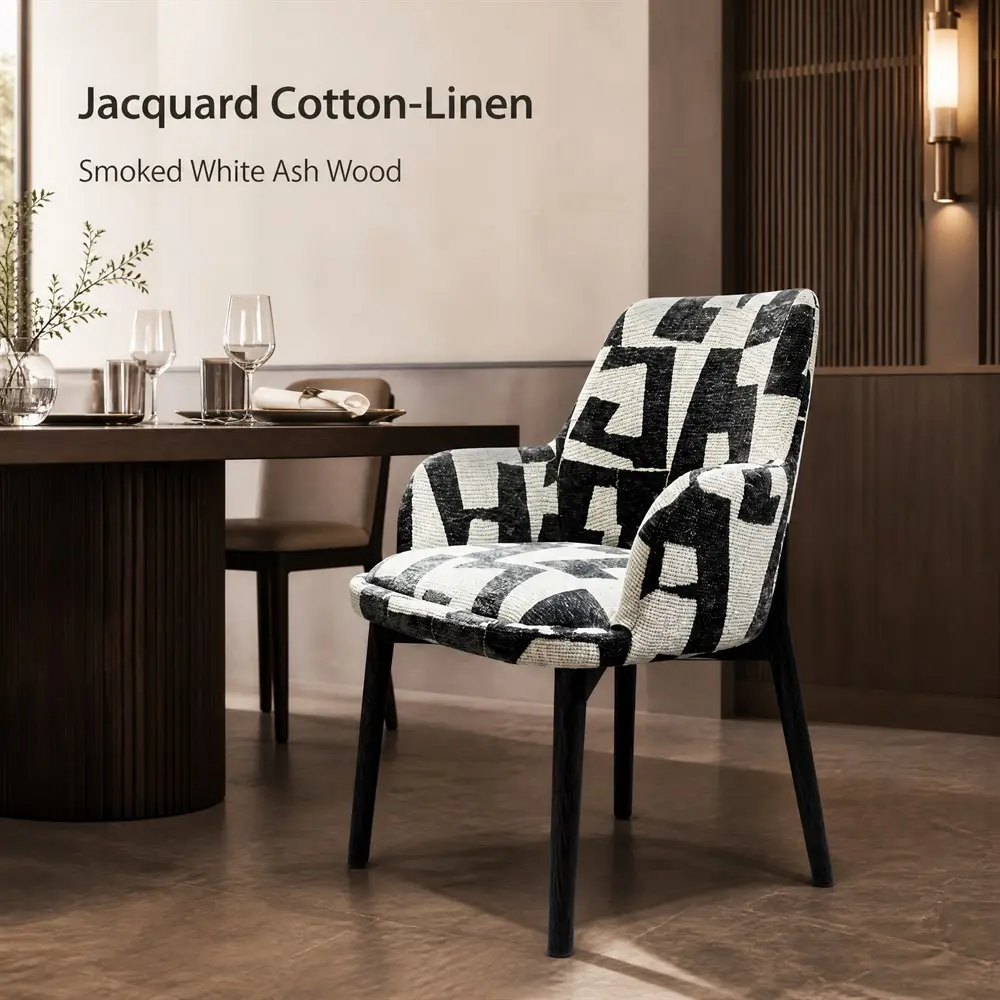
These four models form the commercial backbone of many Seoul restaurant, hotel-guestroom and residential dining schemes. Each is available for OEM finishing, contract-grade upholstery and consolidated container loading.
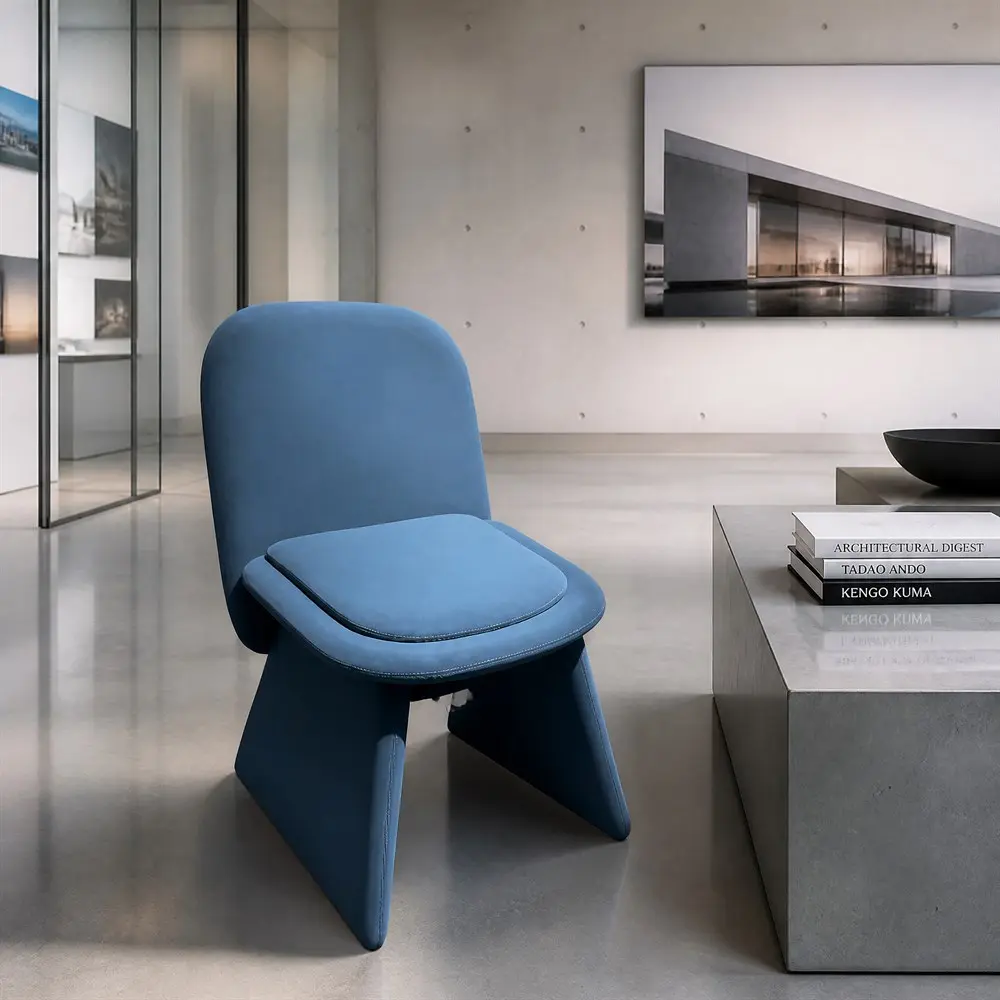
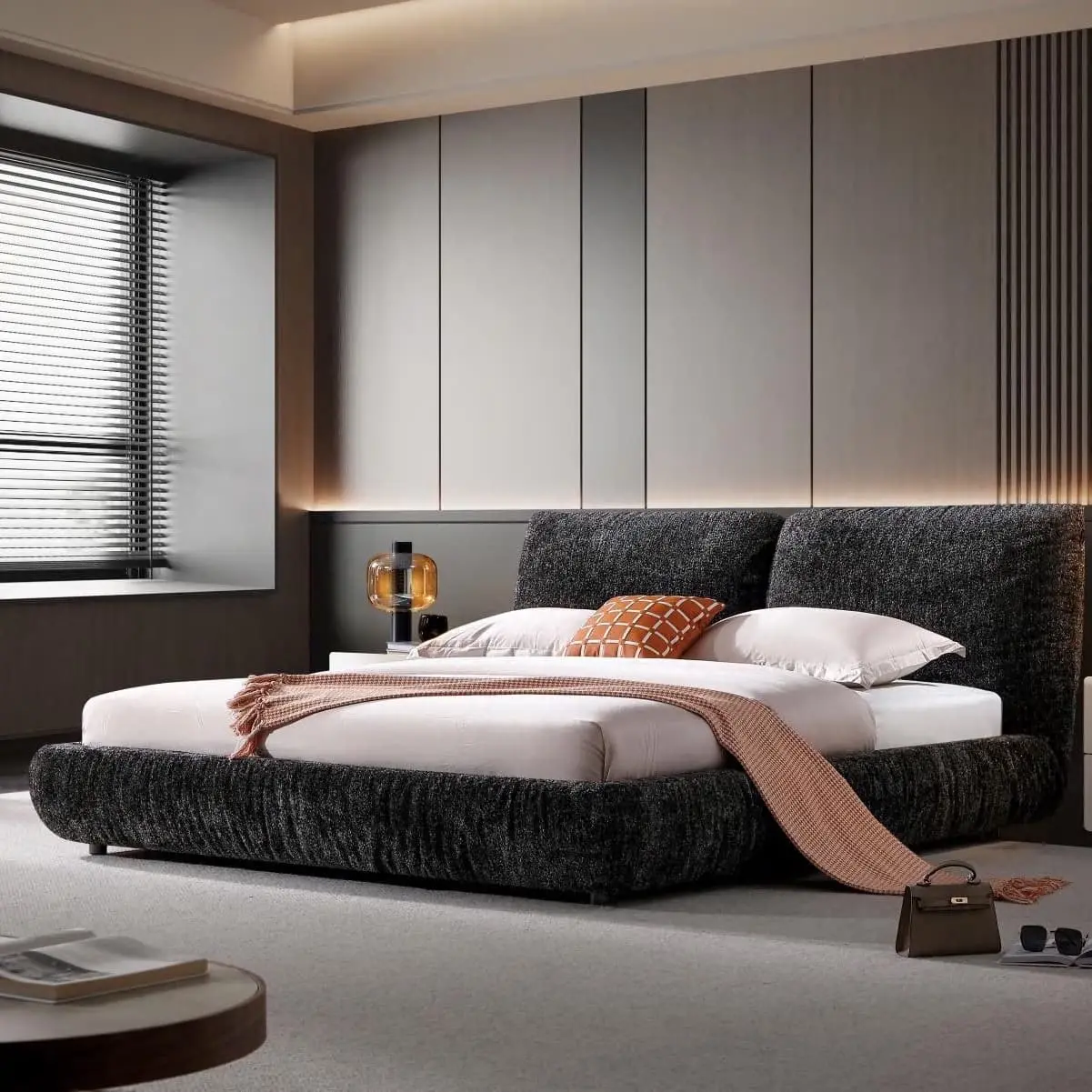
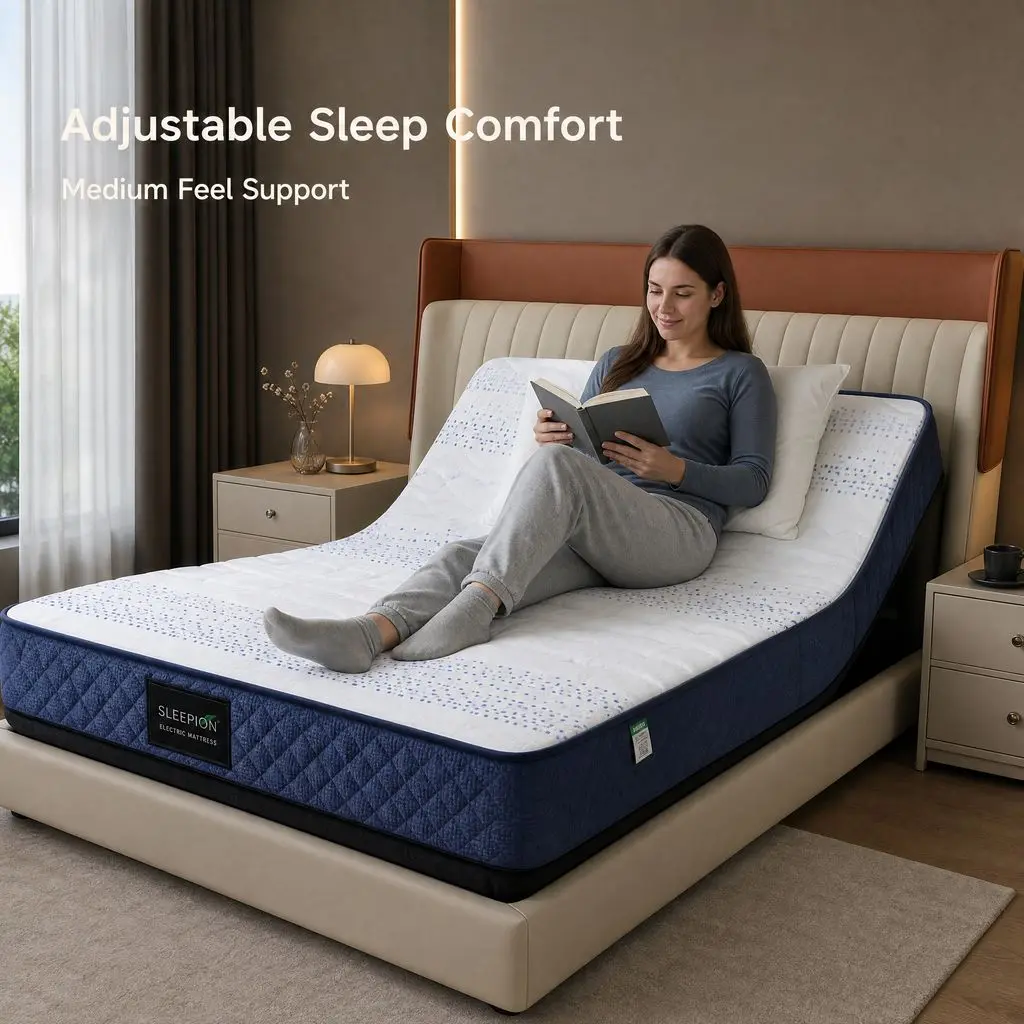
Seoul is no longer only a retail market. It has become a specification-driven procurement hub for the broader Northeast Asian region: restaurant groups expanding across Gangnam, Seongsu and Yeouido; hotel operators refurbishing in Mapo and Jung-gu; and property developers fitting out serviced apartments in Songdo and Pangyo.
That shift changes what a wholesaler must deliver. Korean buyers increasingly evaluate a dining furniture partner on four axes — structural safety for high-traffic settings, material transparency for environmental review, delivery reliability for soft-opening deadlines, and flexibility for localized finish selection. Price matters, but it is no longer the only buying signal.
This briefing explains how Qingyumai, as an integrated Foshan manufacturer and export partner, addresses those four axes for Seoul-facing importers, contract furniture dealers and hospitality procurement teams.
Factory-direct pricing plus mixed-category consolidation lowers per-unit ocean freight into Busan and Incheon.
Frames, foams and joints tested for commercial seating cycles before a model enters the catalogue.
Smoked ash, walnut, coffee microfiber and light-grey palettes aligned to Korean interior trends.
Production schedule synced to soft-opening dates, with consolidated loading to prevent split shipments.
Seoul's food-service and hospitality sectors convert into very specific furniture requirements — different from European or North American retail demand.
Concentrated F&B clusters in Gangnam, Seongsu, Hongdae and Yeouido create rapid-fit-out cycles. Seating must survive turns measured in dozens per day, with replaceable covers and repairable joints rather than disposable construction.
Refurbishment programmes in Jung-gu, Mapo and Yongsan require FF&E dining pieces that match a design narrative while meeting fire and durability expectations for public-area and guestroom use.
Apartment and officetel layouts reward dimensionally adaptable dining sets — lower-profile armchairs, sliding or extendable tables, and modular groupings that work in 12–18 m² dining zones.
Korean operators frequently compress the window between design sign-off and opening. Suppliers must offer reliable lead-time commitments, pre-approved fabric libraries and container consolidation to hit those dates.
Interior studios hold significant influence over final specification. Suppliers with OEM finishing capability and rapid sampling outperform those offering fixed catalogues only.
Importer-distributors, contract dealers and direct project buyers coexist. Each requires different documentation depth, from line-sheet simplicity to full technical submittal packages.
Practical implication for wholesalers: a Seoul-facing dining sets supplier cannot treat Korea as "another Asian market". The winning model combines commercial durability, finish flexibility and disciplined delivery — which is precisely the operating model Qingyumai has built around its Foshan production base.
Dining furniture is evolving from a styling decision into an engineering decision. Here is the roadmap we work to across our own production and our audited partner network.
Solid white ash, smoked ash and walnut appearances combined with reinforced internal cores to balance visual warmth with commercial load capacity.
Microfiber leather, jacquard cotton-linen and contract-grade woven fabrics selected for abrasion resistance, colourfastness and cleanability.
Replaceable seat cushions, swappable covers and bolt-on legs that extend service life and simplify maintenance for high-turn venues.
3D models, photoreal material previews and structured spec sheets that allow designers to approve finishes before sampling begins.
The next phase of dining furniture development will be driven less by silhouette trends and more by lifecycle accountability. Buyers will increasingly ask for documented material origins, replaceable component availability and end-of-life planning alongside the aesthetic brief.
We expect three concrete shifts across the Seoul-facing supply chain:
Every dining model in this briefing is developed against four internal checkpoints: structural durability under commercial cycling, upholstery performance classification, dimensional adaptability for compact interiors, and finish consistency across repeat orders.
Where a project requires documentation for Korean regulatory or client-side review, our pre-sale consultants coordinate material declarations with the relevant partner factory before sampling.
Send Inquiry NowDifferent buyer types need different commercial structures. Our team adapts the workflow — not just the catalogue — to how you actually purchase.
Container-level ordering with private-label packaging, stable model continuity for repeat stocking, and volume-based pricing tiers. Ideal for Korean furniture distributors and online retail operators.
Project-based supply for hotels and serviced apartments, combining dining chairs, beds and casegoods under one quality standard, with submittal support and phased delivery scheduling.
Multi-site rollouts with consistent finish continuity across venues, pre-approved upholstery swatches, and replacement-component planning for high-turn dining floors.
Rapid sampling, dimensional customization and finish matching to an approved design intent — with documentation formatted for client presentation and technical review.
Compliance is not a marketing claim — it is a workflow. For Seoul-facing orders we assemble documentation and material decisions before production, not after a shipment is already on the water.
| Compliance Area | What We Coordinate | When It Happens |
|---|---|---|
| Upholstery & Foam | Composition, density, abrasion class and care guidance | Pre-sale consultation |
| Frame & Structure | Wood species, joinery detail and load-bearing design notes | Sample engineering |
| Fire & Safety Specs | Configuration choices for public-area and hospitality use | Before sampling |
| Labelling | Importer-facing labelling and packaging text | Production planning |
| Export Documents | Invoices, packing lists, loading plans | Pre-shipment |
Regulatory requirements vary by project and client. Our consultants help identify what documentation a specific Seoul project needs; final certification responsibility rests with the responsible importing entity.
The term "Factory 4.0" is often used loosely. In our context it means something specific: a digitally coordinated production and logistics chain that reduces variance between what a buyer approves and what arrives at the port.
Production stages tracked against a defined schedule, so buyers receive milestone updates rather than silence followed by an unexpected shipping notice.
Upholstery, casegoods and outdoor lines produced across audited partner facilities but quality-governed from a single point of accountability.
In-line and pre-shipment inspection checkpoints with documented findings, reducing the risk of finish mismatch across multi-category orders.
Allocating production across partner factories to absorb peak-season demand without compromising promised lead times.
Mixed-category containers planned for maximum cube utilization, reducing ocean freight cost per unit shipped into Busan or Incheon.
Multi-layer protective packaging designed for ocean transit and domestic distribution, with corner protection and moisture control.
Post-2020, procurement teams in Seoul and across Asia rank supply-chain resilience alongside price and design. A supplier that cannot absorb disruptions becomes a liability, regardless of catalogue quality.
Our response has been structural rather than promotional: diversified factory relationships within the Foshan cluster, documented quality gates, and logistics planning that anticipates customs and vessel-schedule variability.
What this means for your order: when you place a mixed-category order, you receive one schedule, one QC standard and one shipping plan — instead of three vendors each with a different definition of "on time".
Send Inquiry NowLarge-scale buyers — multinational restaurant chains, hotel groups and international distributors — apply procurement frameworks that go beyond product inspection.
Technical submittals, material declarations and consistency across repeat orders.
Predictable schedules with proactive communication when risks emerge.
Same finish, same dimensions, same comfort — order after order.
One team responsible for the whole order, not a chain of hand-offs.
Ability to scale from pilot orders to full container programmes.
Genuine OEM/ODM capability rather than rebadged catalogue items.
Container planning, crating standards and customs-ready paperwork.
Replacement components and spares planning after the container arrives.
Seoul-specific note: Korean enterprise buyers frequently bundle dining and bedroom categories in a single refurbishment programme. Our whole-house structure — 19 categories under one purchase order — is designed precisely for that pattern, with dining sets anchoring the public spaces and upholstered beds and mattresses completing the private ones.
These eight models fill out the ranges most requested by Seoul dining, hospitality and residential buyers — all available for OEM finishing and consolidated loading.
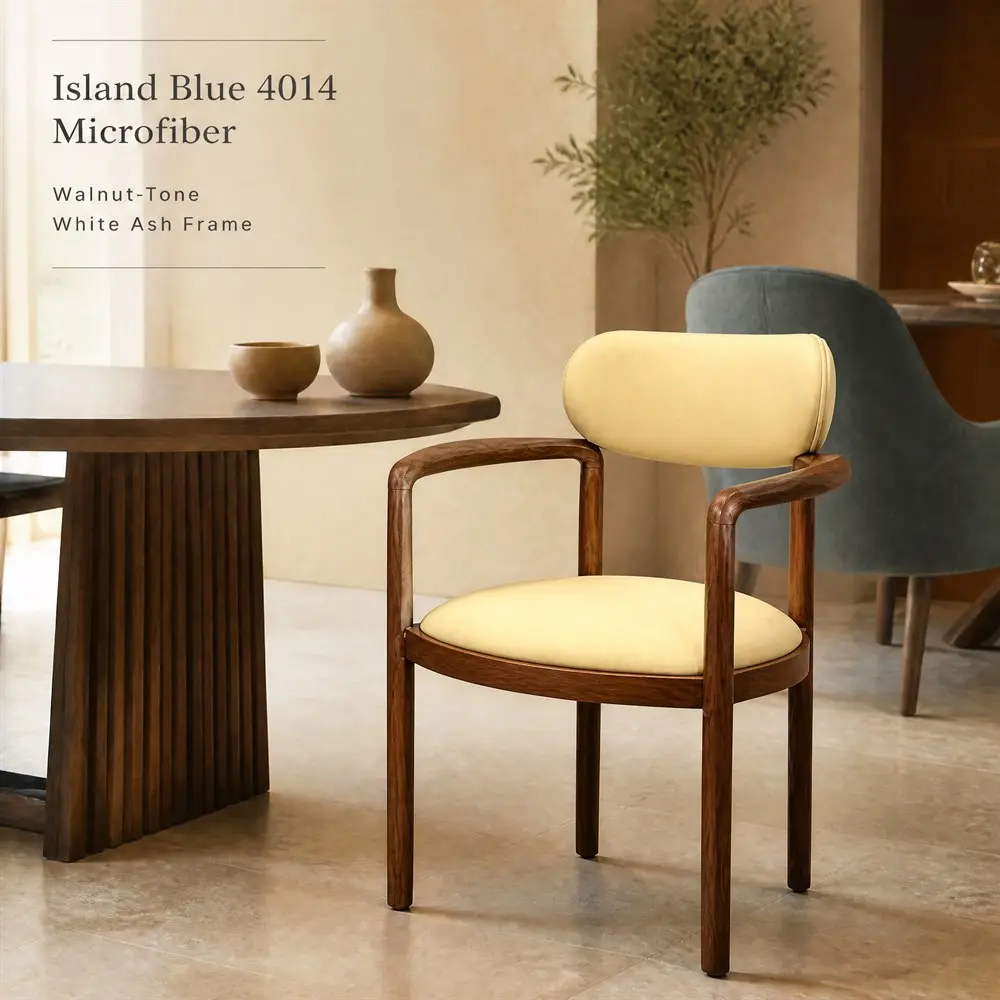
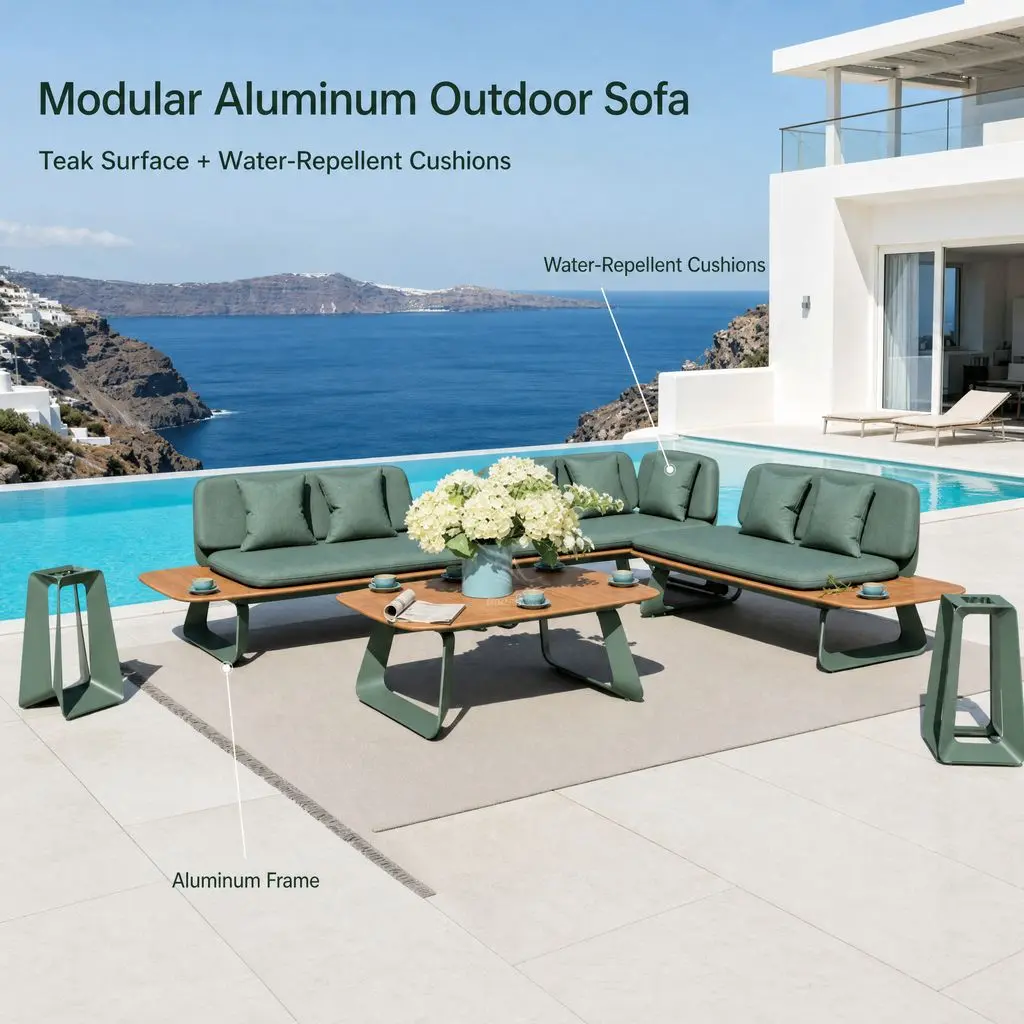
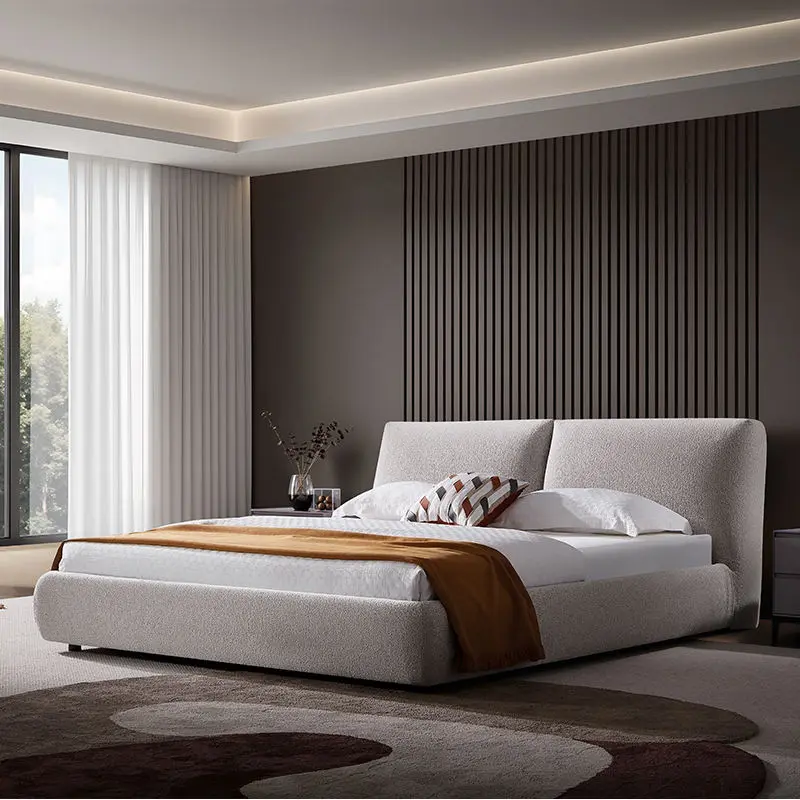
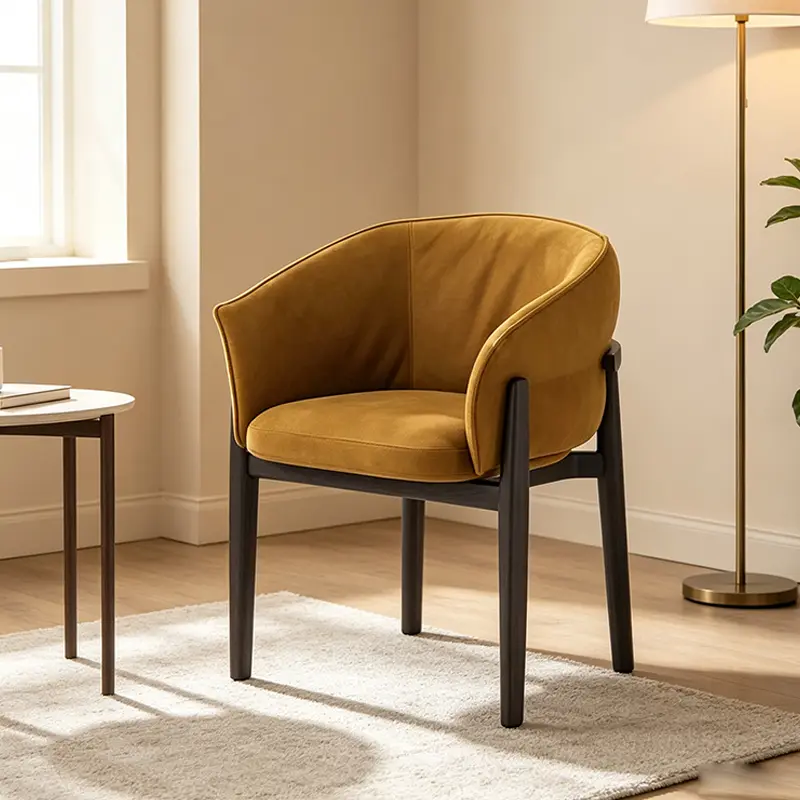
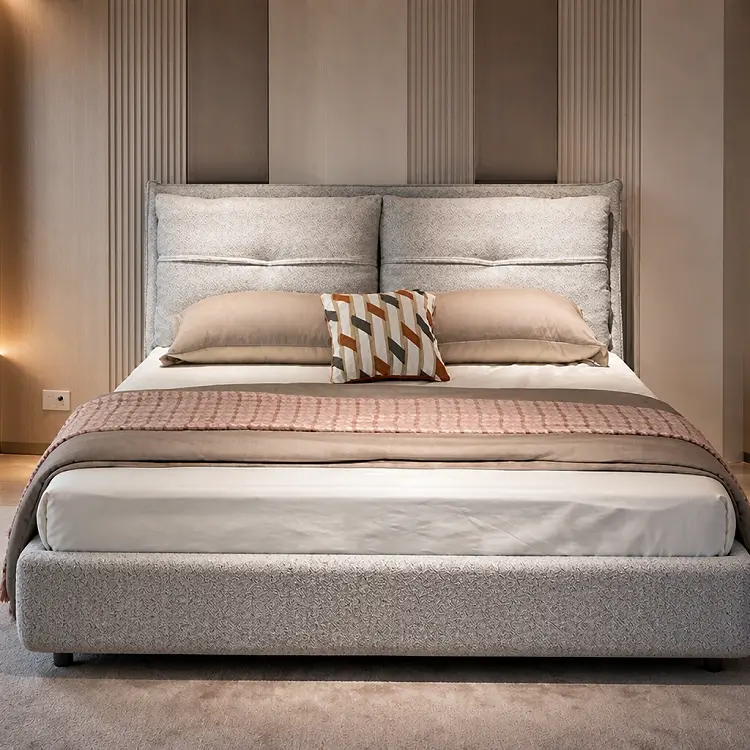
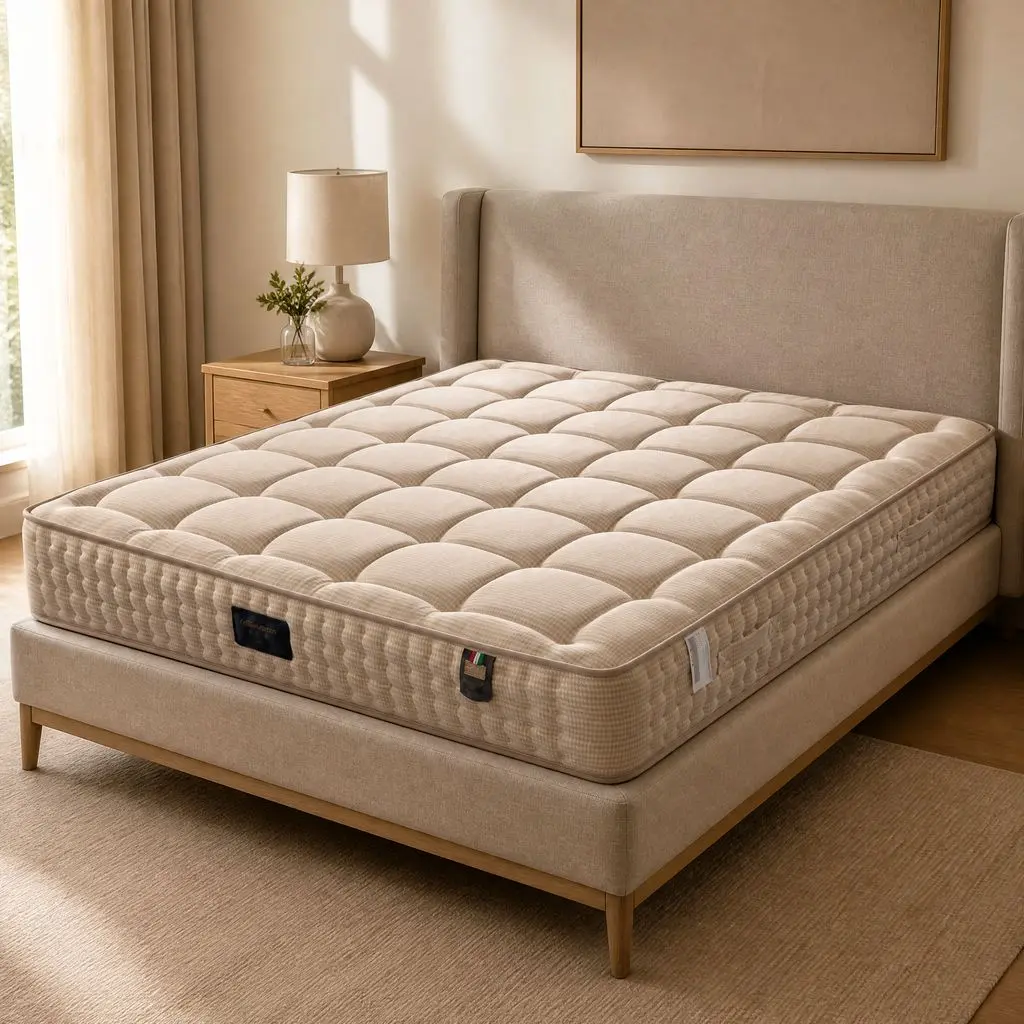
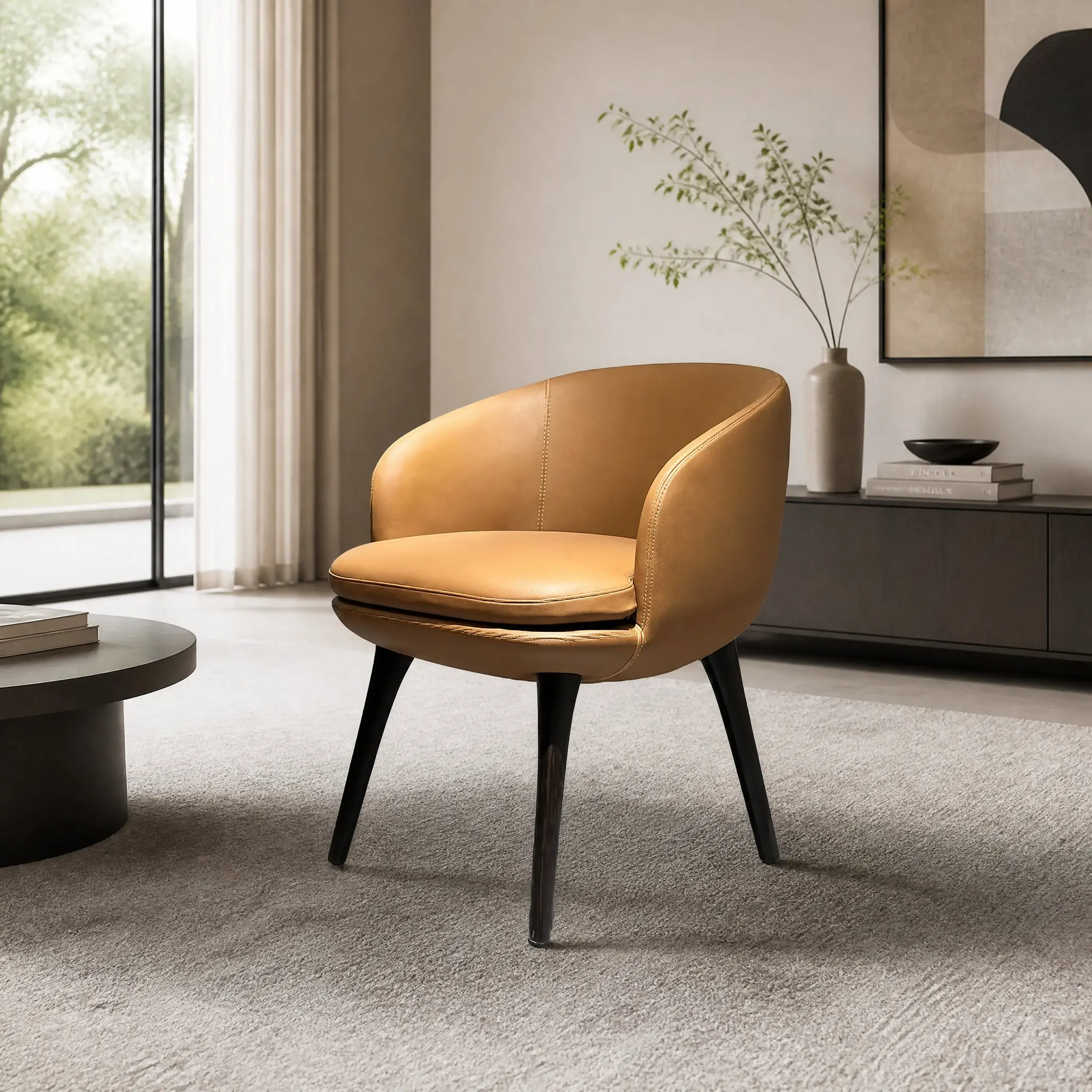
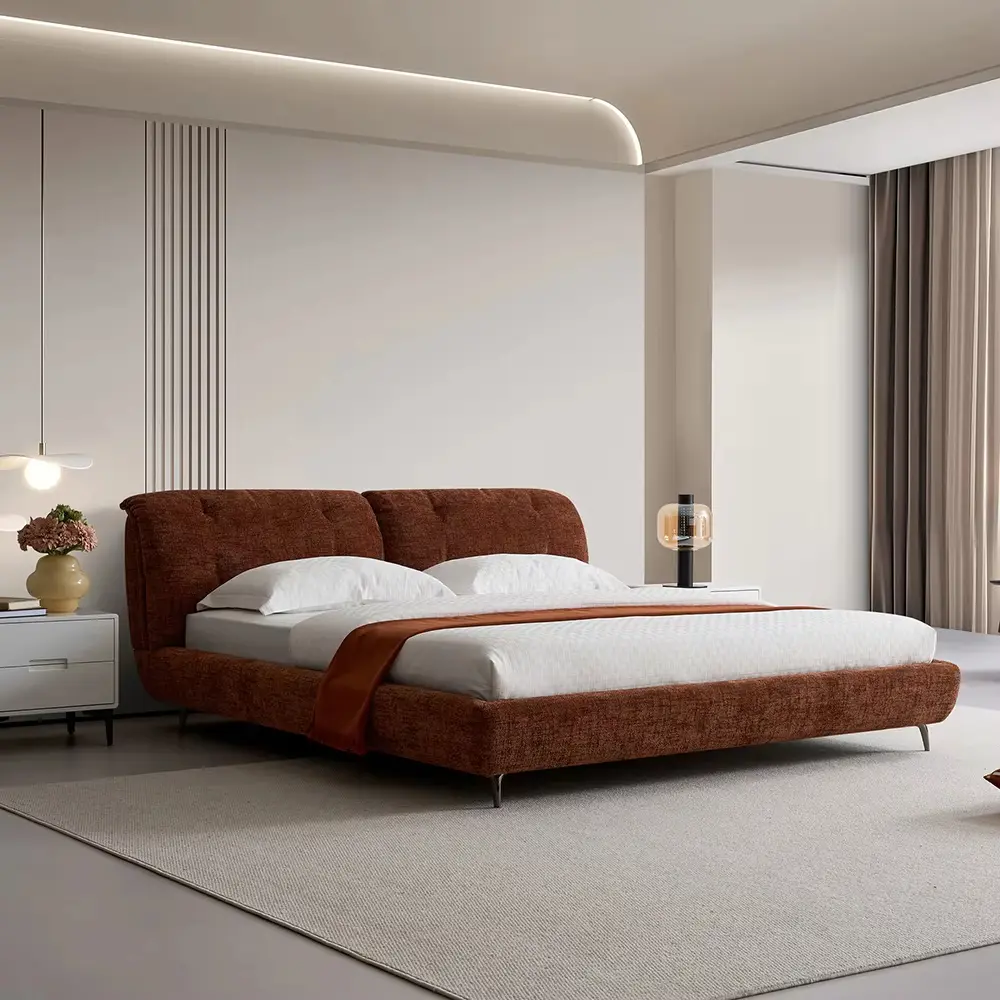
Share your room count, target finishes and opening date. Our export team will respond with a category plan, material options and a consolidated loading proposal for your project.
Direct answers to the questions Seoul-facing importers, designers and hospitality buyers ask most before their first order.
We are an integrated manufacturer: our own production facility in Shunde, Foshan, handles R&D, manufacturing and export. For whole-house or mixed-category orders we coordinate a network of audited partner factories, so every category ships under one quality standard and one purchase order rather than fragmenting across vendors.
Yes. Seoul-facing projects are a defined part of our export programme. We accommodate Korean finish preferences (smoked ash, walnut, coffee microfiber, light-grey palettes), compact dining-zone dimensions common in urban apartments, and documentation requests that importing distributors need for smooth clearance.
Yes. Container consolidation across categories is a core part of our post-sale service. Loading space is planned to reduce ocean freight cost per unit, while multi-layer export crating protects finished furniture during transit into Busan or Incheon and onward domestic distribution.
MOQ depends on model, finish customization and whether the order is stock-based or fully OEM. Standard models support lower starting quantities for pilot orders, while private-label and custom-dimension programmes typically require container-level volumes. Our consultants will quote against your specific brief rather than a generic threshold.
Internal QC engineers carry out in-line and pre-shipment inspections that check structural durability, joinery integrity and finish consistency. Pre-sale consultants also recommend material configurations aligned to the destination market's expectations, so quality is designed in before production starts rather than corrected afterwards.
Yes. We customize dimensions, upholstery and frame colours, fabric grades (cashmere-touch, cotton-linen, cool-touch and commercial-grade contract fabrics) and branding such as woven labels and embossed logos. For ODM projects our design team develops new pieces from your brief and market feedback.
Timelines vary by category mix, customization depth and sampling requirements. Standard models with existing finishes move faster; private-label or custom-dimension programmes require sampling before mass production. We commit to a schedule after the brief is confirmed and communicate milestone updates throughout production.
We supply furniture wholesalers and importers, hotel and hospitality procurement teams, property developers, interior design firms, restaurant groups and residential clients who need coordinated furniture across multiple rooms or venues — including Seoul-based buyers and Korean distributors serving the wider Northeast Asian region.
We are located in Hui Cheng Industrial Park, Longjiang Town, Shunde District, Foshan, Guangdong, China — one of the world's best-known furniture manufacturing clusters. Buyers are welcome to arrange factory and showroom visits; our team can coordinate the itinerary around your sourcing trip.
Use the Send Inquiry Now button anywhere on this page, or reach our export team directly by phone or email. Share your room count, preferred finishes, target opening date and any design references — that is enough for us to respond with a category plan and material options.