
Executive Summary
Why Vietnam Has Become the Fastest-Growing Fabric Sofa Import Opportunity in ASEAN
Vietnam's furniture demand is no longer a single-city story. Urbanisation across Ho Chi Minh City, Hanoi, Da Nang, Hai Phong and Can Tho, an 8%+ annual growth in middle-income households, and a hotel pipeline of over 120,000 keys through 2030 have converged into a structural, multi-year procurement wave — one that rewards suppliers who can combine factory-direct pricing, coastal shipping efficiency and locally compliant materials in one contract.
98MPopulation with rising per-capita furniture spend
9%+Forecast CAGR of Vietnam's upholstered furniture demand to 2030
120K+New hotel & resort keys in the pipeline by 2030
7-12 dSea freight from South China ports to Hai Phong / Cat Lai
Signature Collection for Vietnam
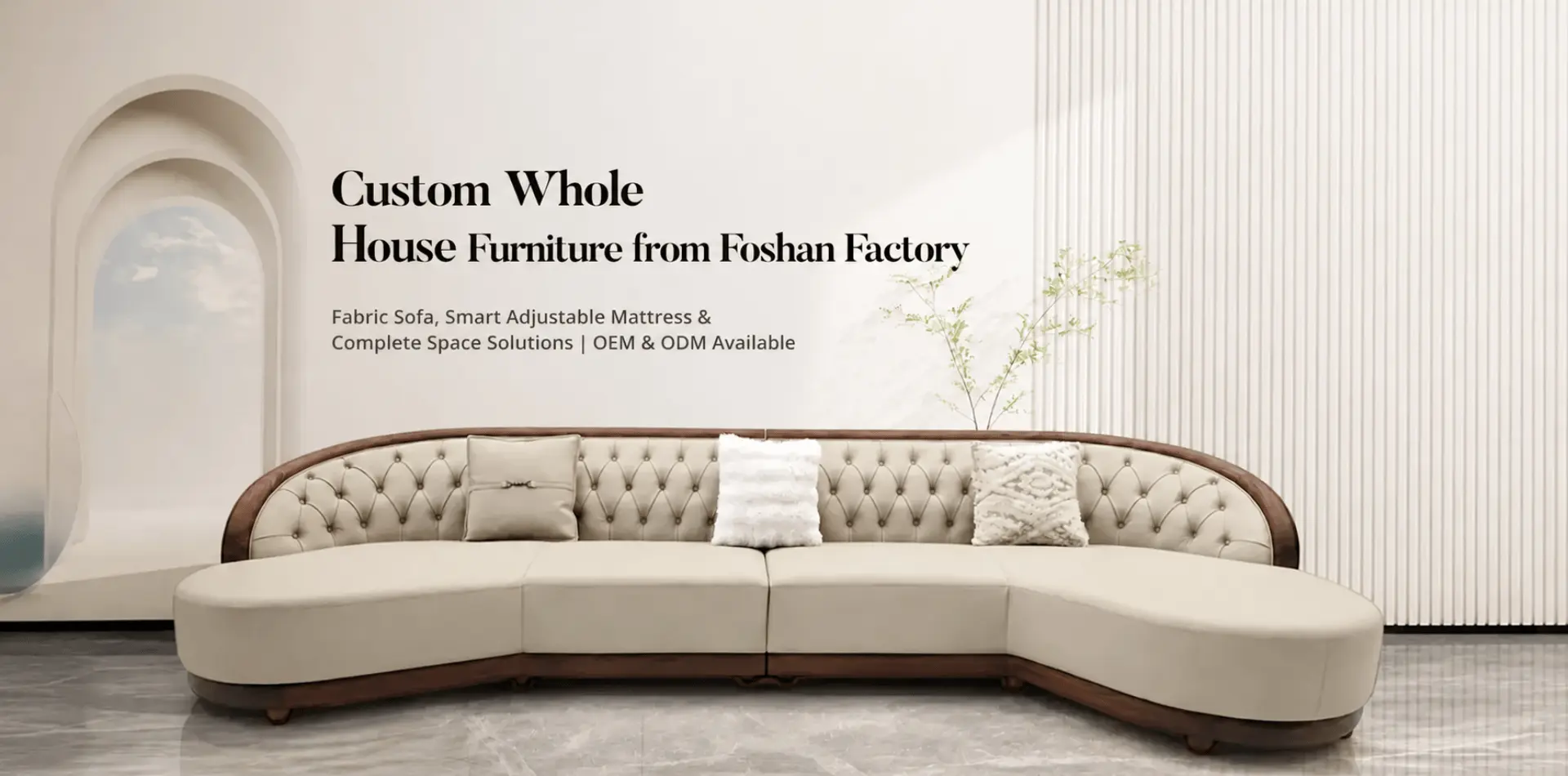
Four Fabric Sofa Platform Series Engineered for Vietnamese Living Rooms & Hospitality Projects
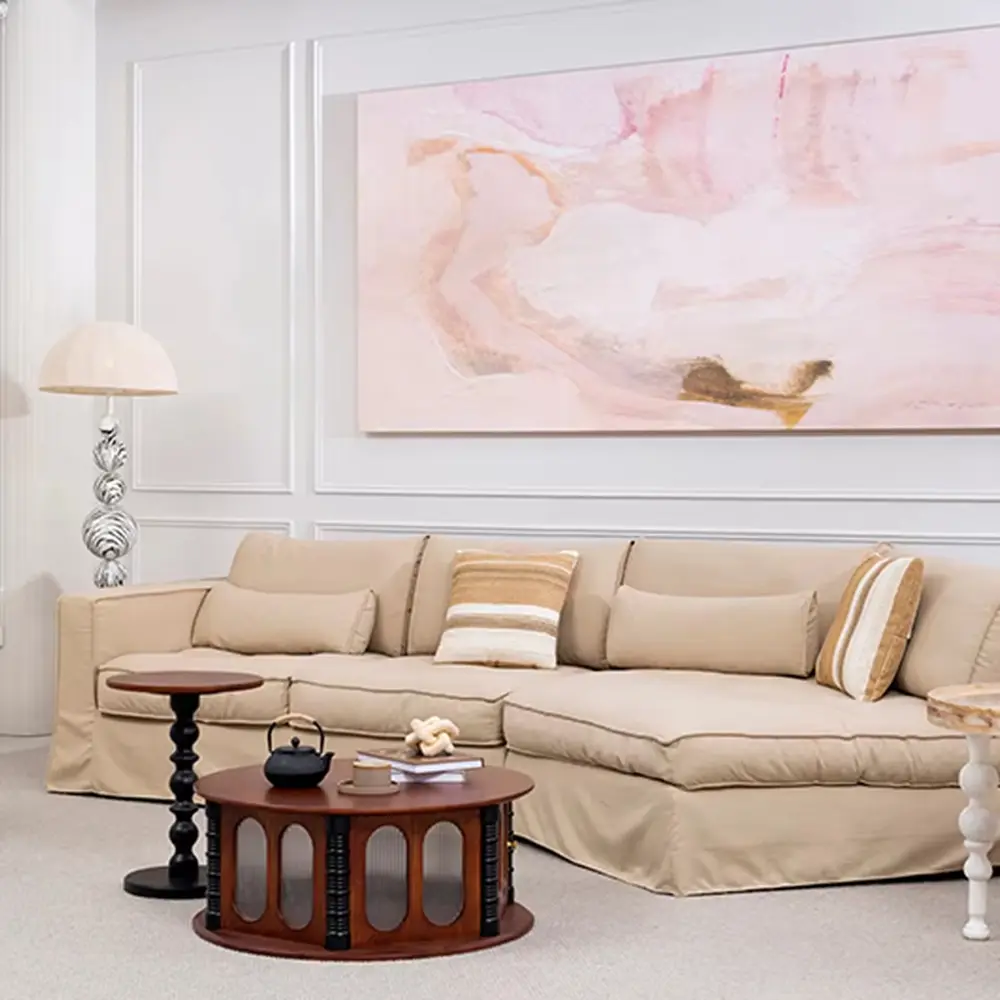
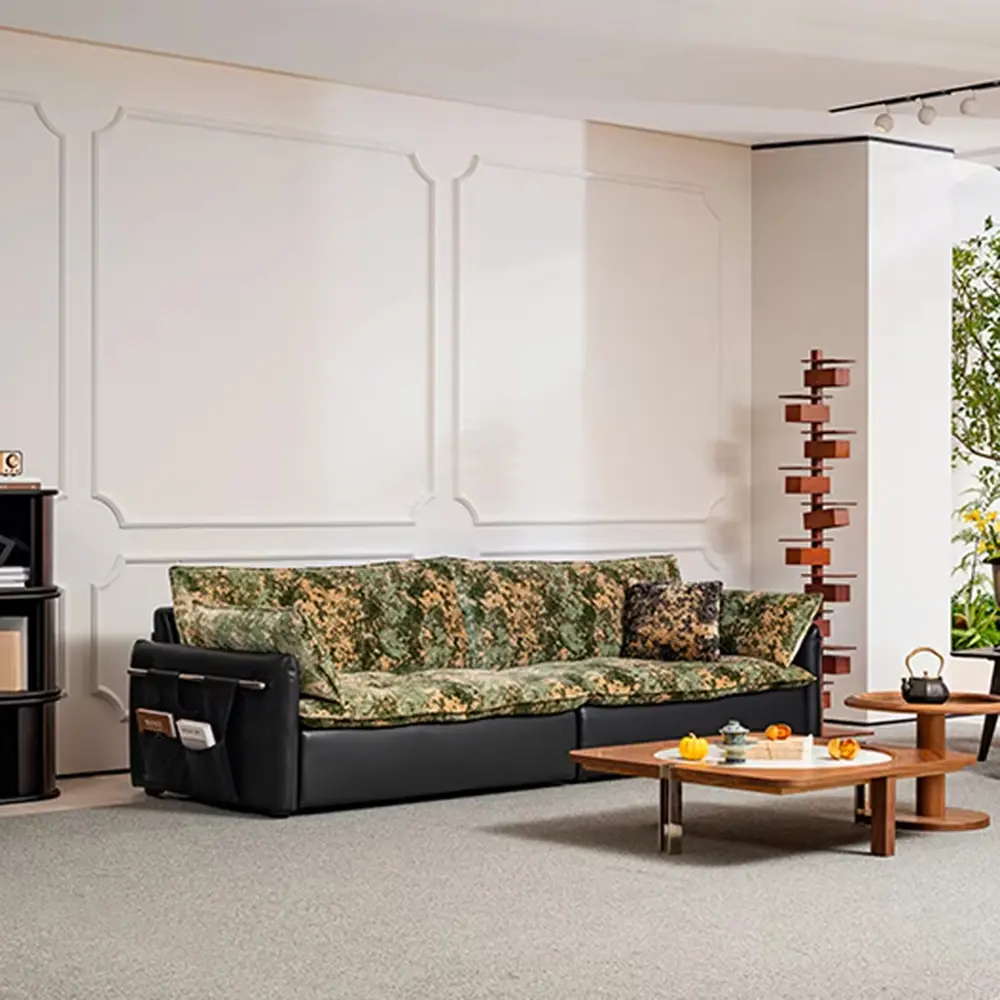
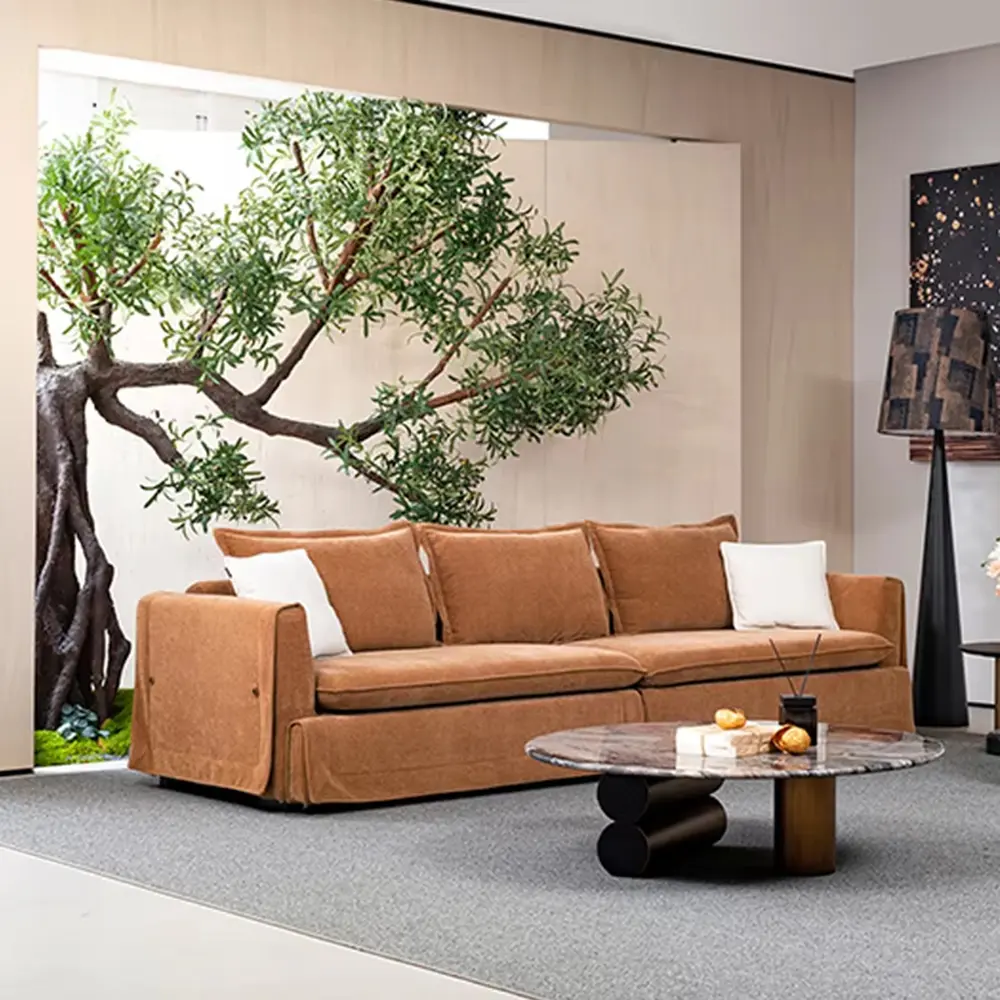
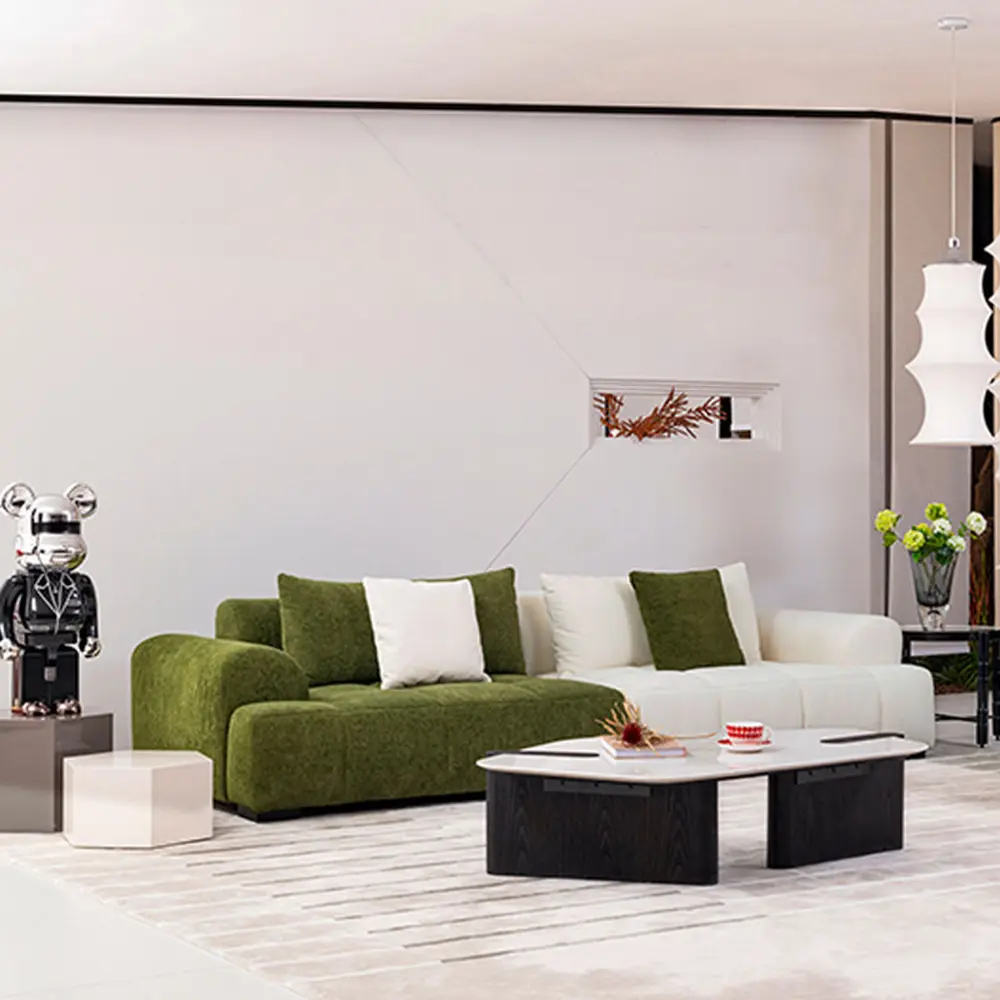
Each series is built around modular L-shape flexibility, removable washable covers, latex or high-density foam padding, and a solid larch or eucalyptus wood frame — engineering choices that match Vietnam's humidity profile, apartment-density layouts and the rapidly expanding serviced-apartment and hotel sector.
Vietnam Market Reality
Vietnam's Fabric Sofa Landscape: Commercial Dynamics, Distribution and Buyer Behaviour
Vietnam's furniture market is split into three distinct purchasers that a wholesale sofa supplier must serve simultaneously: urban tier-1 homeowners in District 2 and District 7 of Ho Chi Minh City, regional distribution chains such as Nội Thất Hòa Phát, Nội Thất Nhà Xinh and the emerging e-commerce players on Shopee and Tiki, and project-based specifiers serving hotels, serviced apartments, resorts, and Ho Chi Minh City metro-adjacent master-planned communities.
Fabric sofas dominate the residential segment over leather because of three converging factors: a preference for Scandinavian and Japanese minimalist interiors among younger buyers, the tropical climate that favours breathable cotton-linen and chenille over hot leather, and the price elasticity of the mid-market segment. The result is that a wholesale supplier able to deliver modular, washable, climate-engineered fabric sofas at USD 180–380 FOB captures the largest addressable volume.
- Distribution: Showroom-dominated in Hanoi & HCMC, growing e-commerce in tier-2 cities (Da Nang, Nha Trang, Bien Hoa).
- Trade activity: Importers often combine container loads with coffee tables, dining sets, and bedroom casegoods to hit MOQs.
- Payment: T/T and L/C at sight standard; 30/70 payment schedules common among first-time Vietnam buyers.
- Regulatory: QCVN 03:2019/BKHCN on furniture safety and Circular 21/2021 on chemical & formaldehyde limits drive material selection.
Localization & Compliance
Localisation Support & Regulatory Safeguards for Vietnamese Buyers
Vietnam-specific sourcing requires more than a translated catalogue. From formaldehyde limits to fabric flammability, sizing to local apartment footprints, a serious wholesale partner engineers compliance and adaptation into every production run.
Material Compliance
Fabrics and wood frames aligned with QCVN 03:2019/BKHCN, E1/E0 formaldehyde emission limits and low-VOC foam certifications — every consignment documented for customs and retailer compliance audits.
Climatic Engineering
Anti-mould treatment on foam and fabric backings, kiln-dried larch wood frames at 8–12% MC, and breathable cotton-linen weaves specifically chosen for Vietnam's 75–90% average humidity.
Dimension Localisation
Seat depth reduced to 92–98 cm for Vietnamese apartment living rooms (60–85 m²), narrower chaise options for narrow urban row houses, and modular configurations optimised for lifts and stairwells.
Documentation & Customs
Full set of packing list, commercial invoice, certificate of origin (Form E for ACFTA tariff reduction), fumigation certificate (ISPM 15) and test reports packaged for Vietnam customs clearance.
After-Sales Localisation
Replacement cover programs, spare parts kits, and remote video QC walkthroughs for Vietnamese distribution partners, backed by a Hanoi & HCMC after-sales escalation channel.
Language & Commercial Fit
English–Vietnamese documentation, price lists in VND equivalents, and payment terms tuned to Vietnamese importer cash-flow cycles (T/T 30/70, L/C at sight, or D/A under approved banking relationships).
Factory 4.0
China Factory 4.0: Supply-Chain Resilience & Efficiency Advantages for Vietnam Buyers
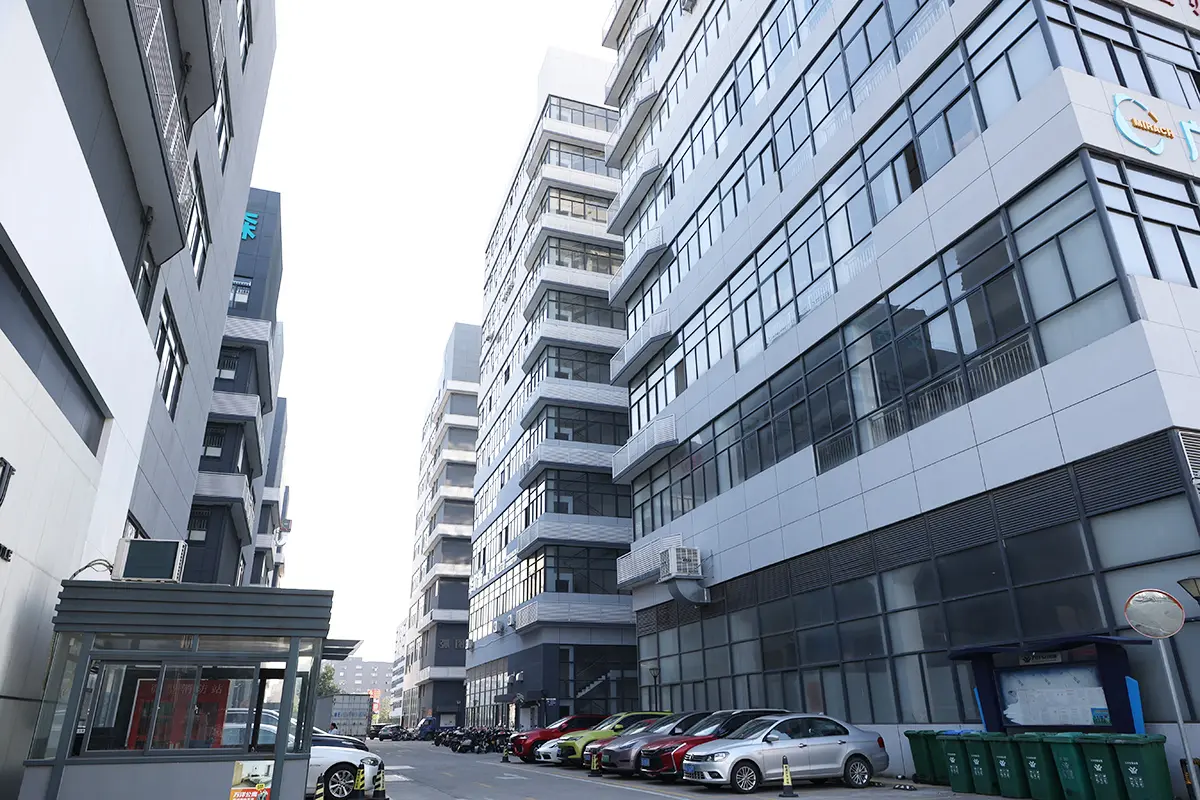
The traditional procurement narrative positioned Vietnam as a cost-competitor to China. In the fabric sofa category, the more honest picture is one of complementarity: China's mature Foshan and Shunde ecosystem delivers engineered frames, foam core density consistency and fabric finishing depth that Vietnam's younger upholstery cluster is still scaling up to.
Qingyumai operates as a Factory 4.0-aligned supplier: CNC larch wood frame cutting, automated foam cutting with tolerance under ±2 mm, digital pattern-making for fabric cutting, and a real-time QC dashboard that lets Vietnamese buyers track production status via weekly video audits.
Cutting Precision±2 mm CNC
Foam Density25–35 kg/m³
Frame Moisture8–12% MC
Sea Transit7–12 days
Industry Roadmap
Vietnam Fabric Sofa Industry: A Four-Phase Technology Roadmap (2025–2032)
This four-phase roadmap summarises how the Vietnam fabric sofa category is expected to evolve across materials, manufacturing, retail interfaces and sustainability — and how a wholesale supplier should prepare for each phase.
Phase 01 · 2025
Localised Modular Standard
Modular L-shape sofas become default; cotton-linen, chenille and cool-touch fabric dominate; anti-mould treatment standardised.
Phase 02 · 2027
Smart & Sustainable Materials
Recycled yarn fabric, bio-based foam, and latex-blend cushions enter mainstream mid-market. QR-based material traceability begins.
Phase 03 · 2029
Digitised Retail & Customisation
AR try-on in showrooms, direct-to-factory configurators, and 4-week custom lead times for modular components.
Phase 04 · 2032
Regional Circular Supply Chains
Fabric recycling take-back programs, near-shore assembly in Vietnam, and harmonised ASEAN furniture standards.
Global Enterprise Demand
What Global Enterprise Buyers Now Expect From a Fabric Sofa Supply Chain
Whether you are a Vietnam-based distributor, a Singapore-headquartered retail chain, an Australian importer or a European hospitality group, the 2026 procurement brief for fabric sofas is remarkably consistent. Enterprise buyers expect the following — and a factory-direct Vietnamese-market supplier must meet every one.
Full-Margin Transparency
Line-by-line FOB cost breakdown, freight cost projections for Hai Phong and Cat Lai, and duty/tariff modelling under ACFTA (Form E) so that landed-cost calculations are contract-quality, not estimate-quality.
Compressed Lead Times
40–55 day production windows for mixed SKU containers, with expedited 28-day slots for project-driven hospitality orders and stock-sofa programs pre-positioned in Foshan warehouses.
Auditable Quality
Pre-shipment inspection reports, ISO 9001 and BSCI-aligned partner audits, and video-recorded load-out for every container shipped to Vietnam.
Brand & Packaging Flexibility
Private-label programs with woven labels, embossed logos, custom cartons and Vietnamese-language care labels ready for direct retail shelf placement.
Complete Fabric Sofa Catalogue for Vietnam
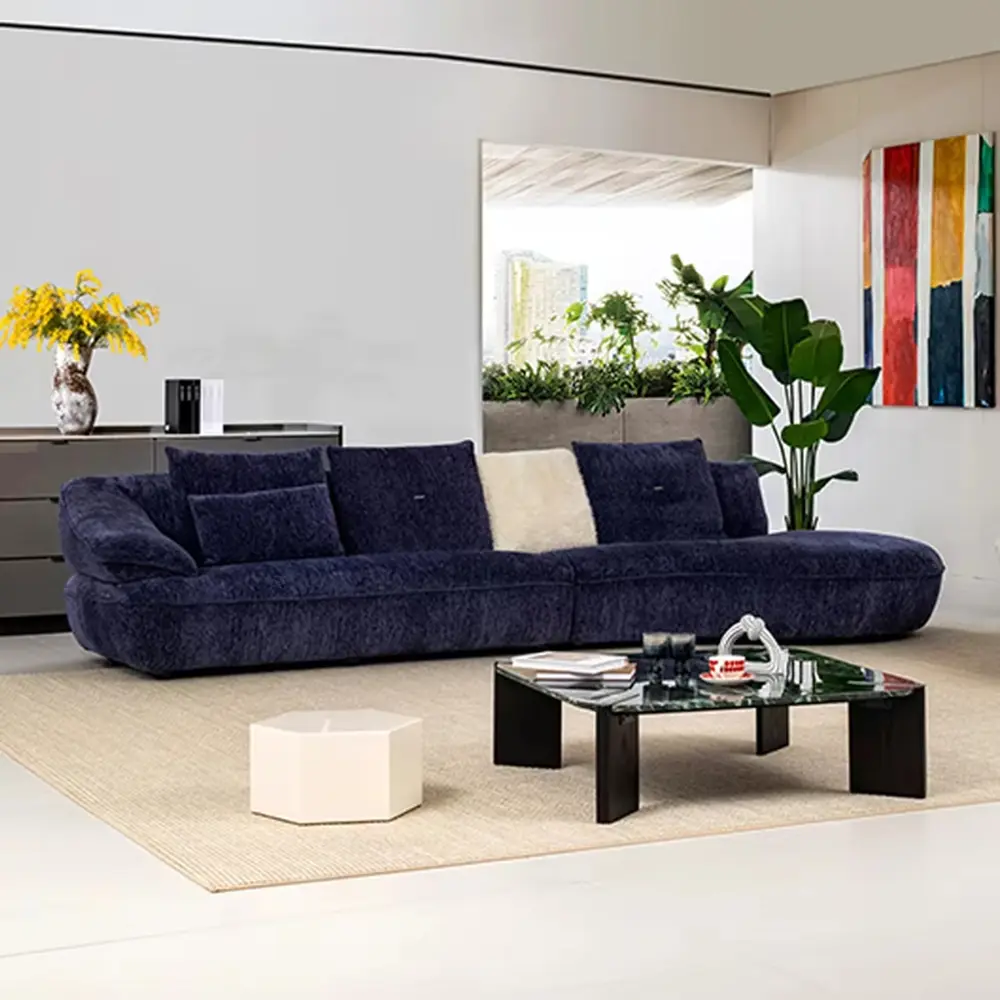
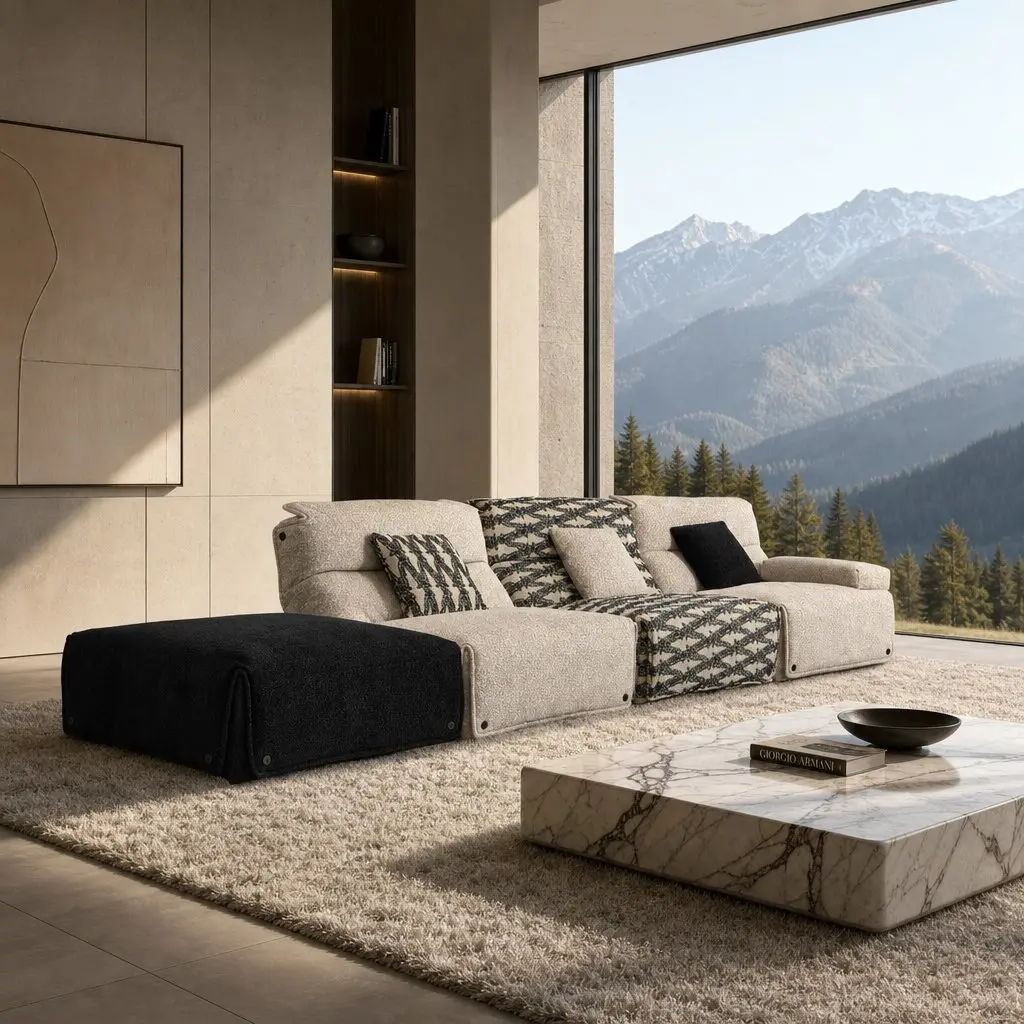
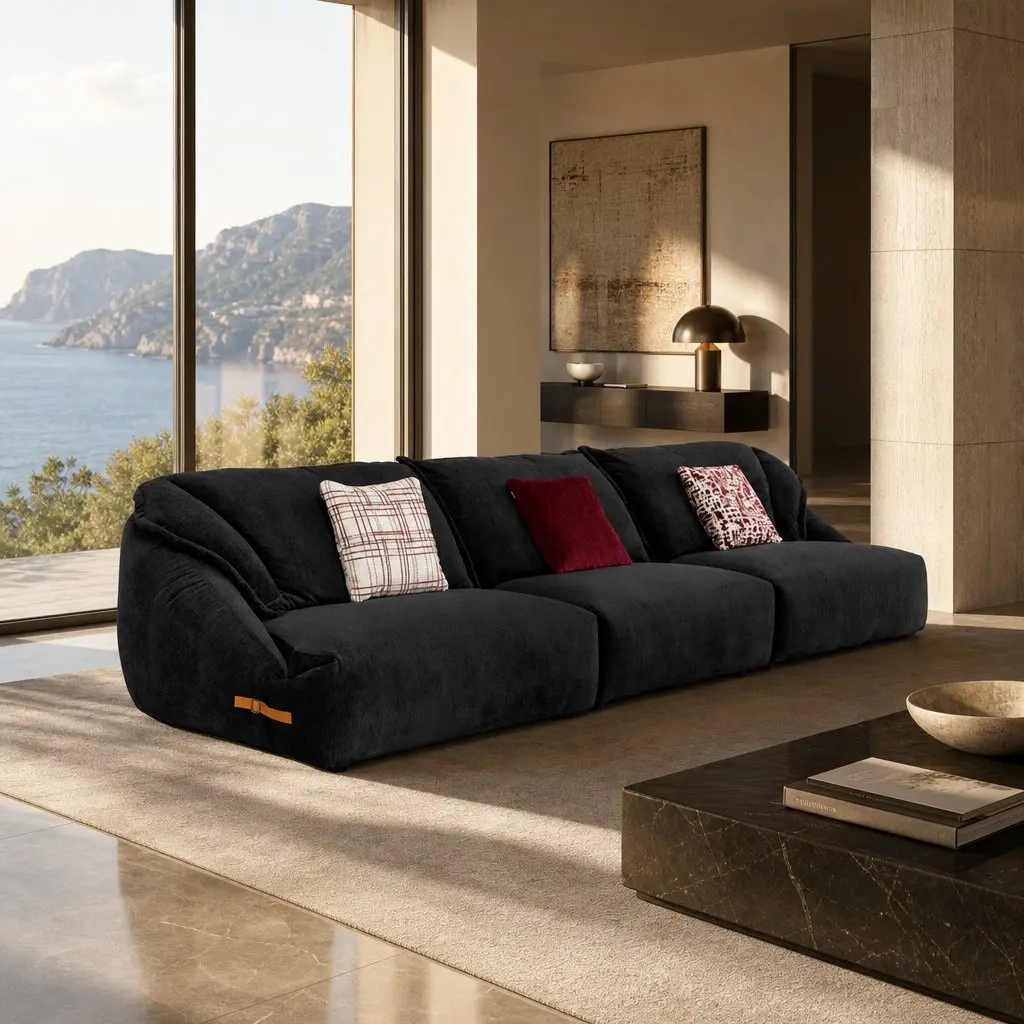
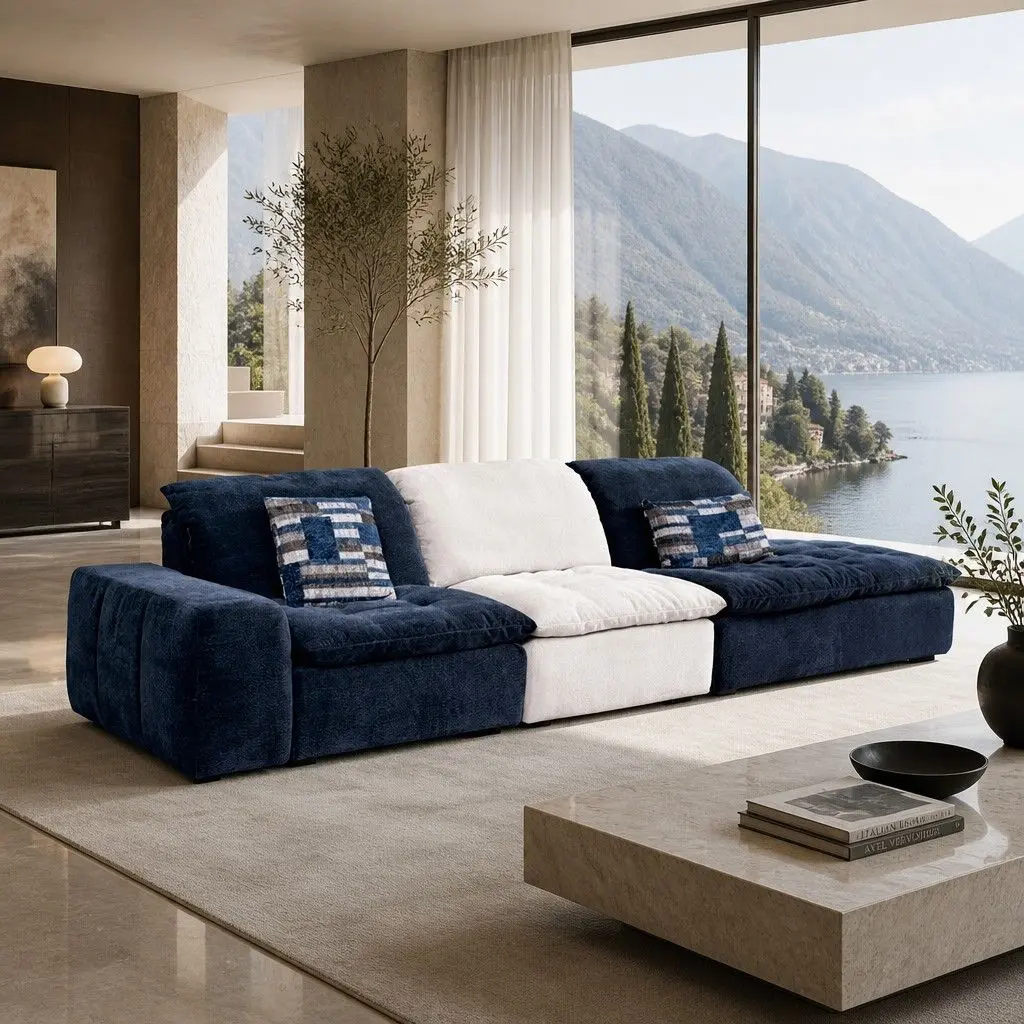
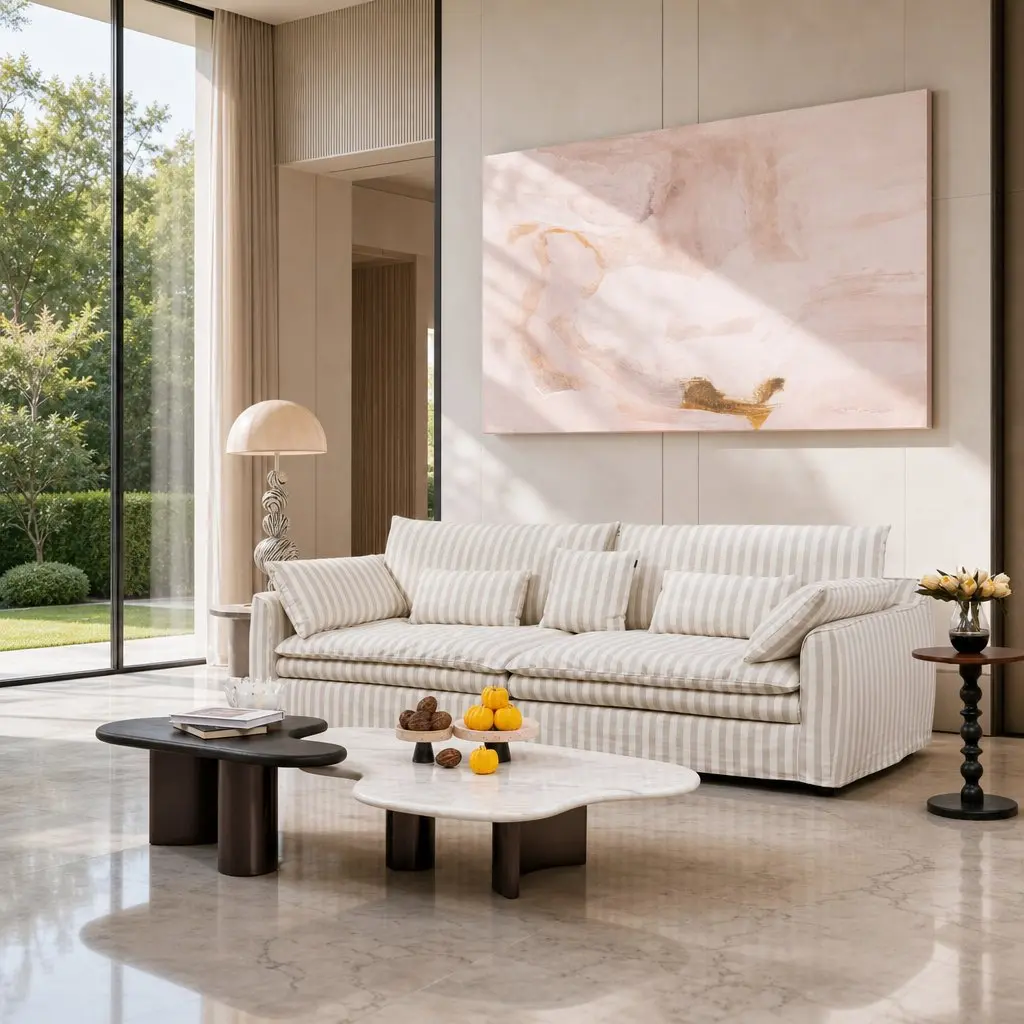
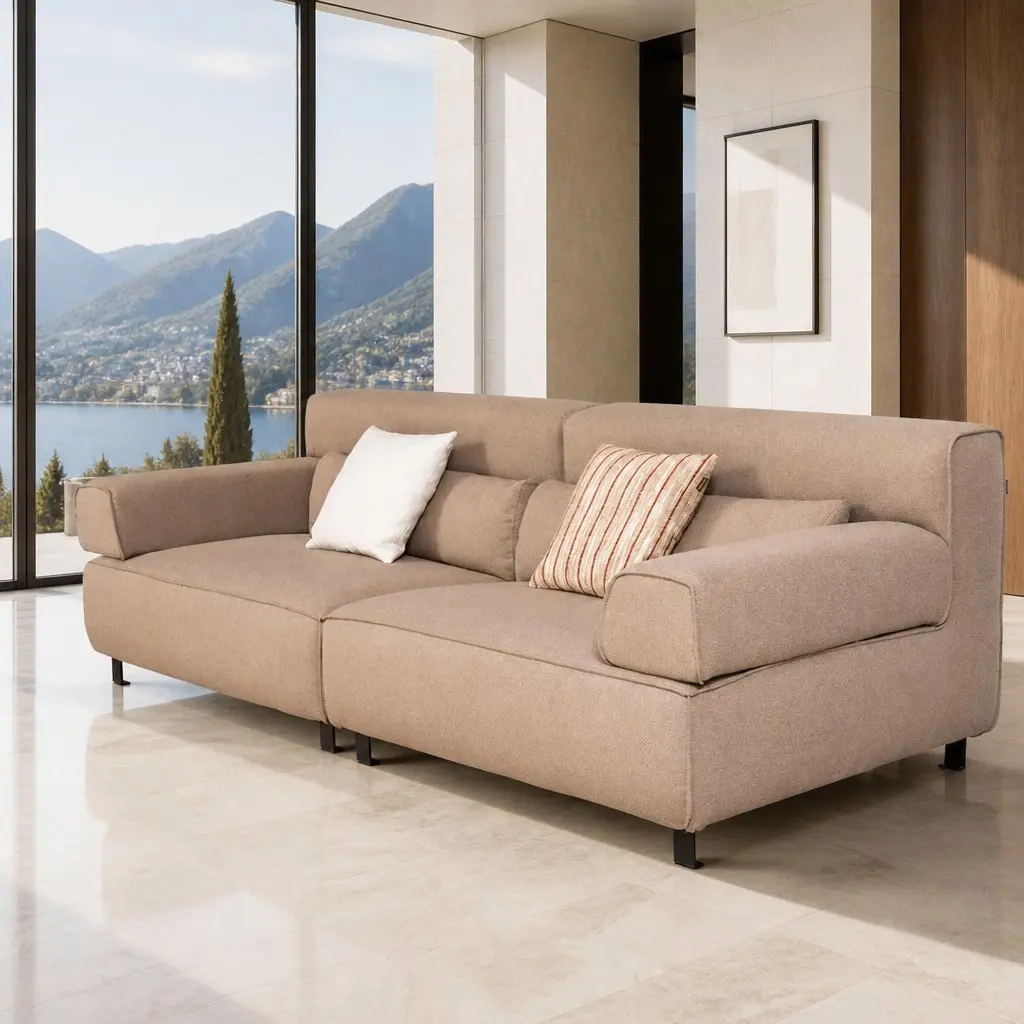
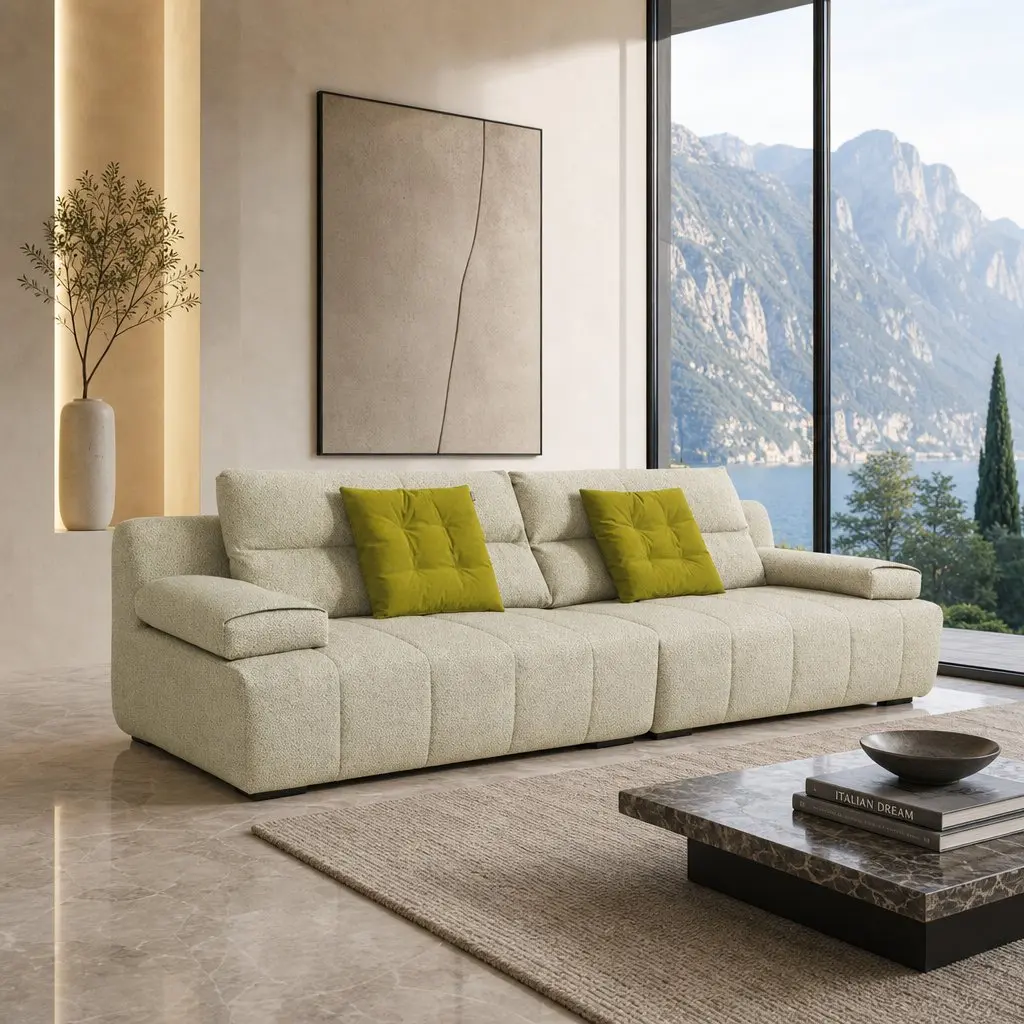
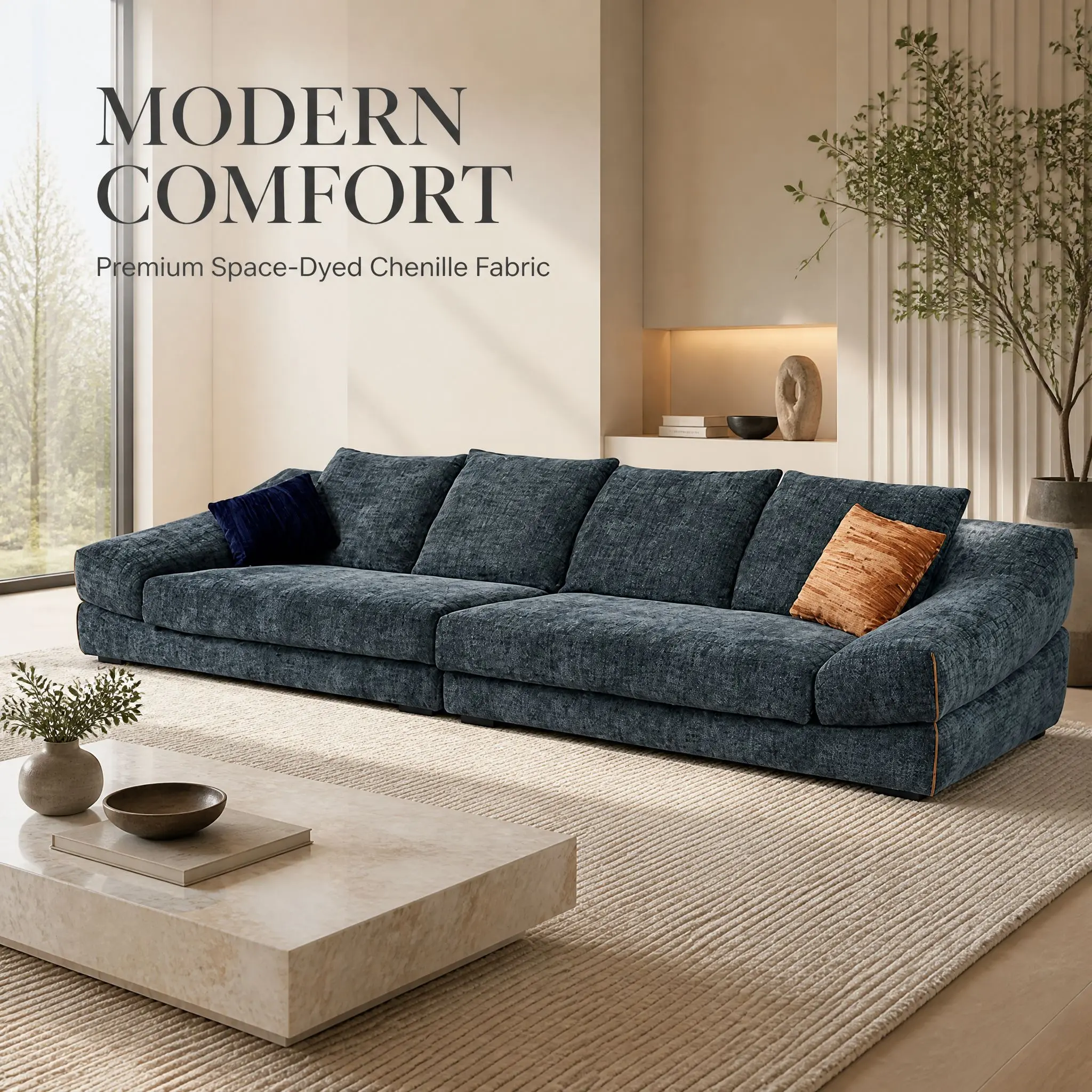
Eight Configurable Fabric Sofa Series — Wholesale-Ready for Vietnam Importers
Each of the following models is available in multiple modular configurations, five fabric grades, three foam density tiers and two frame options — enabling Vietnam buyers to build a full showroom or hotel scheme from one production partner.
Macro Industry Solutions
End-to-End Fabric Sofa Solutions for Vietnam's Three Procurement Segments
Residential Distribution
Full container programs of 6–8 SKUs with mixed modular configurations, matched fabric palettes and showroom-grade packaging — engineered for Hanoi and HCMC retail showrooms and e-commerce fulfilment centres.
Hospitality & Serviced Apartments
Contract-grade fabric sofas with higher rub count (≥ 40,000 Martindale), commercial foam density and fire-retardant backed ticking for hotel lobbies, guestrooms and co-living operators across Vietnam's resort corridor.
Project Developer Packages
Turnkey furniture packages for developers fitting out 50–500 unit apartment projects, coordinating sofas, coffee tables, TV units, beds and dining sets under one purchase order for handover-ready delivery.
Talk to Our Vietnam Desk
Ready to Build Your Vietnam Fabric Sofa Program?
Share your project brief, target retail price points and destination port — our export team will return a fully itemised FOB quote, a container packing plan and a fabric swatch book within 3 working days.
Buyer Q&A
Frequently Asked Questions from Vietnam Fabric Sofa Buyers
Straight, procurement-quality answers to the questions Vietnamese importers, distributors, project specifiers and hospitality procurement teams ask most before their first container.
Can you deliver a mixed container of fabric sofas plus other furniture to Vietnam?
Yes. Container consolidation is a standard service. Most of our Vietnam buyers combine modular sofas, coffee tables, TV stands, occasional chairs, and dining sets in one 40HQ container to hit distributor MOQs while maximising freight efficiency. Our post-sale team plans the loading layout to keep dead space under 5%.
What fabric grades are most suitable for Vietnam's tropical climate?
Breathable cotton-linen, chenille, cool-touch technical weaves and space-dyed linen-chenille blends are the top performers in 75–90% humidity. We finish these fabrics with anti-mould and anti-static treatment and can supply fabrics rated for ≥ 30,000 Martindale for residential use or ≥ 40,000 for hospitality contracts.
Do you provide Form E and other documents required for Vietnam customs?
Yes. All Vietnam consignments are accompanied by a Form E certificate of origin (ACFTA), commercial invoice, packing list, bill of lading, and ISPM 15 fumigation certificate. We also supply test reports for formaldehyde (QCVN 03:2019/BKHCN alignment) and fire-retardancy upon request.
What is the minimum order quantity for fabric sofas to Vietnam?
For standard models, the MOQ is typically 10–20 sets per SKU, or 1 mixed 40HQ container for opening orders. For project orders and hospitality contracts, we can accept 5–10 sets per SKU when combined into a single production run. Private-label programs usually start at 3 SKUs × 20 sets.
How long does production and shipping take from Foshan to Vietnam?
Standard production lead time is 40–55 days after sample approval. Sea transit from Shenzhen / Guangzhou / Foshan to Hai Phong or Cat Lai (Ho Chi Minh City) is 7–12 days. Total door-to-port cycle from confirmed PO is typically 50–65 days.
Can I customise dimensions and fabric for the Vietnamese market?
Yes. We routinely localise seat depth (92–98 cm typical), and chaise width for narrower Vietnamese apartment configurations (60–85 m²). Fabric colour, foam density, frame wood (larch or eucalyptus) and cover attachment (removable, washable, slipcover) are all fully customisable.
What quality assurance do you provide for Vietnam bulk orders?
Every container is supported by pre-shipment inspection reports, structural durability testing (frame load testing, 20,000-cycle seat compression), fabric rub testing, and video-recorded load-out. Our QC engineers conduct in-line factory audits that Vietnamese buyers can review during production via weekly video walkthroughs.
Do you offer private-label packaging and brand labeling for Vietnam retailers?
Yes. We produce custom woven labels, embossed logos, Vietnamese-language care labels, and full retail cartons for private-label programs. This includes showroom-ready tiered packaging for HCMC and Hanoi retail chains.
What payment terms do you offer to Vietnamese importers?
Standard terms are 30% T/T deposit with 70% balance against copy of B/L, or L/C at sight for first orders. For established relationships, we can negotiate 20/80 structures or D/A under approved banking guarantees. Pricing can be quoted in USD or VND-equivalent.
Can you support hotel and serviced-apartment projects in Vietnam with FF&E?
Yes. We have dedicated hospitality programs with contract-grade fabrics, high-density foam (≥ 32 kg/m³), fire-retardant ticking, and rapid prototyping. We coordinate with local interior designers and project managers for Da Nang, Nha Trang, Phu Quoc and HCMC hotel pipelines.