
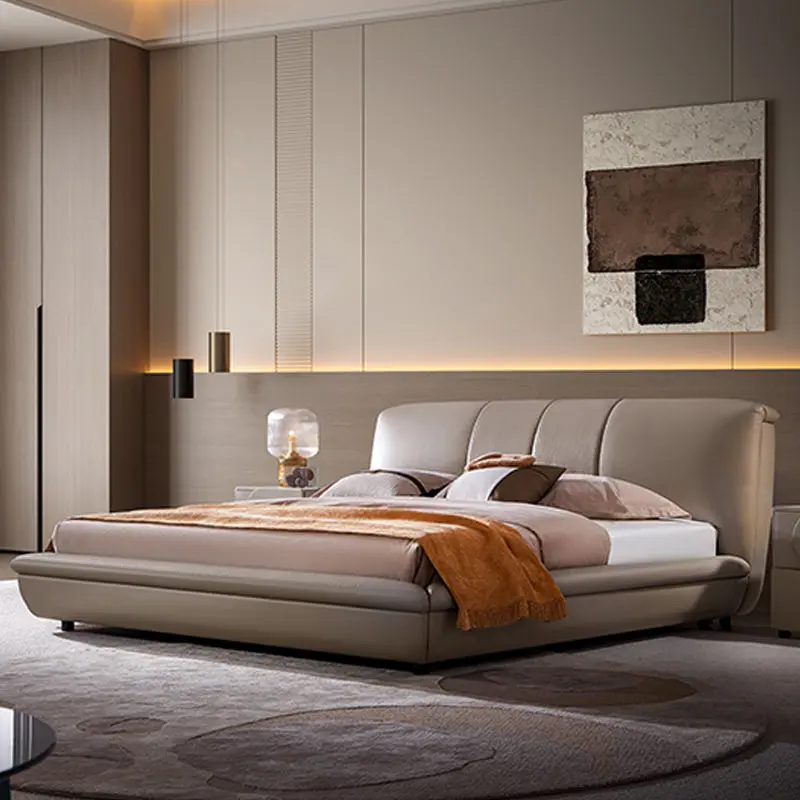
 Upholstered Beds
10+Years exporting bedroom & upholstered furniture
100+Original design & structure patents
19Furniture categories under one purchase order
28–35Days typical Foshan→Callao ocean transit
Featured Bedroom Programs
Send Inquiry Now
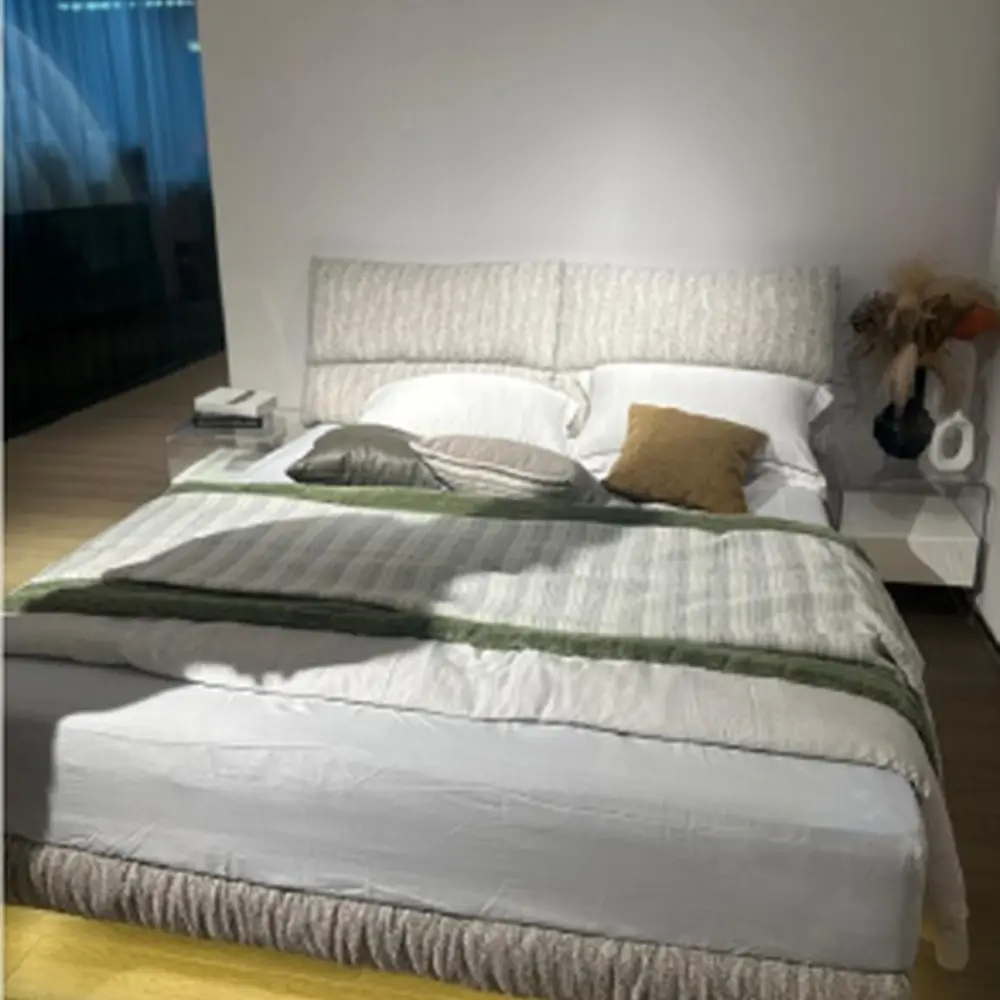
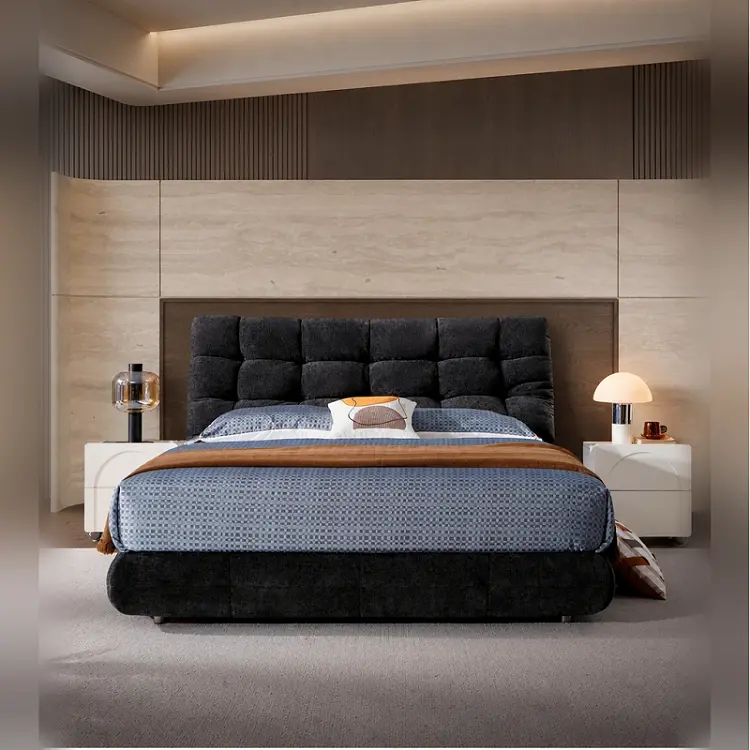
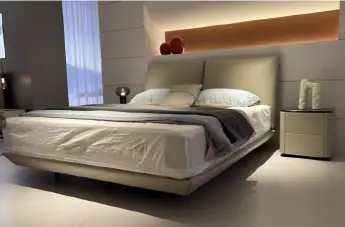
Four Bed Frames That Anchor a Nightstand Assortment
Nightstands are rarely bought alone. Peruvian retail floors and hospitality projects specify bedside storage together with the bed frame, so the assortment below shows the coordinated anchors that drive nightstand attach-rate in mixed containers.
Upholstered Beds
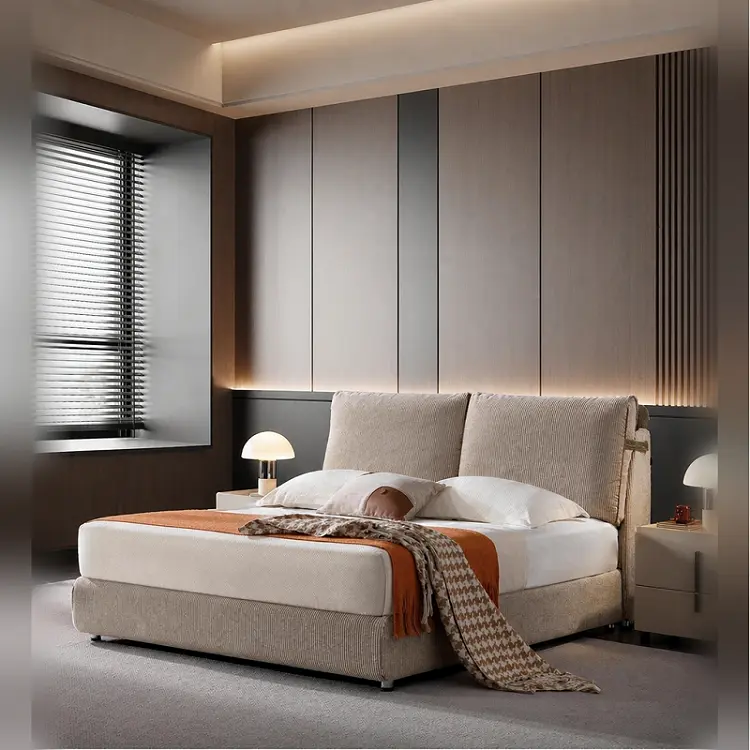 Upholstered Beds
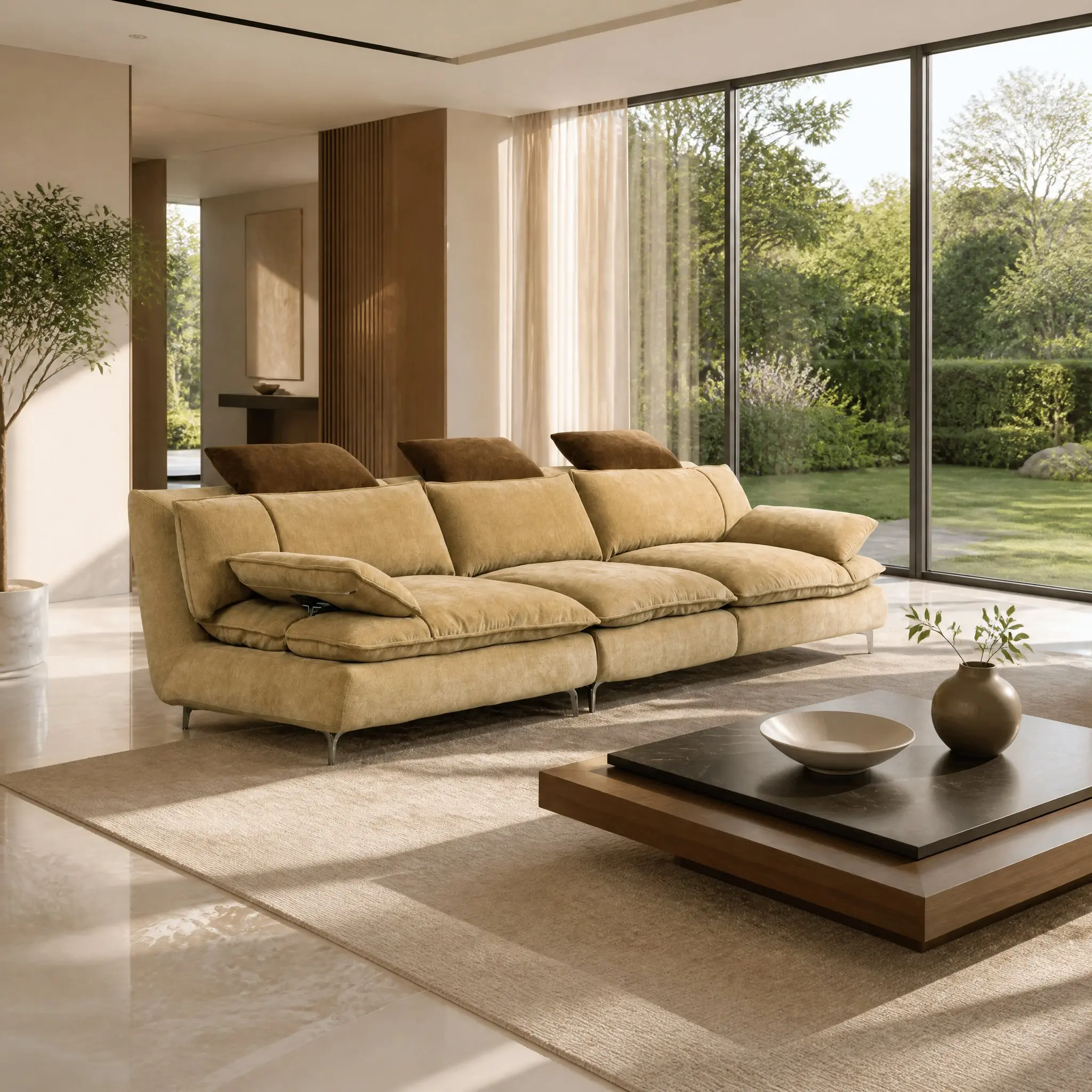 Sectional Sofas
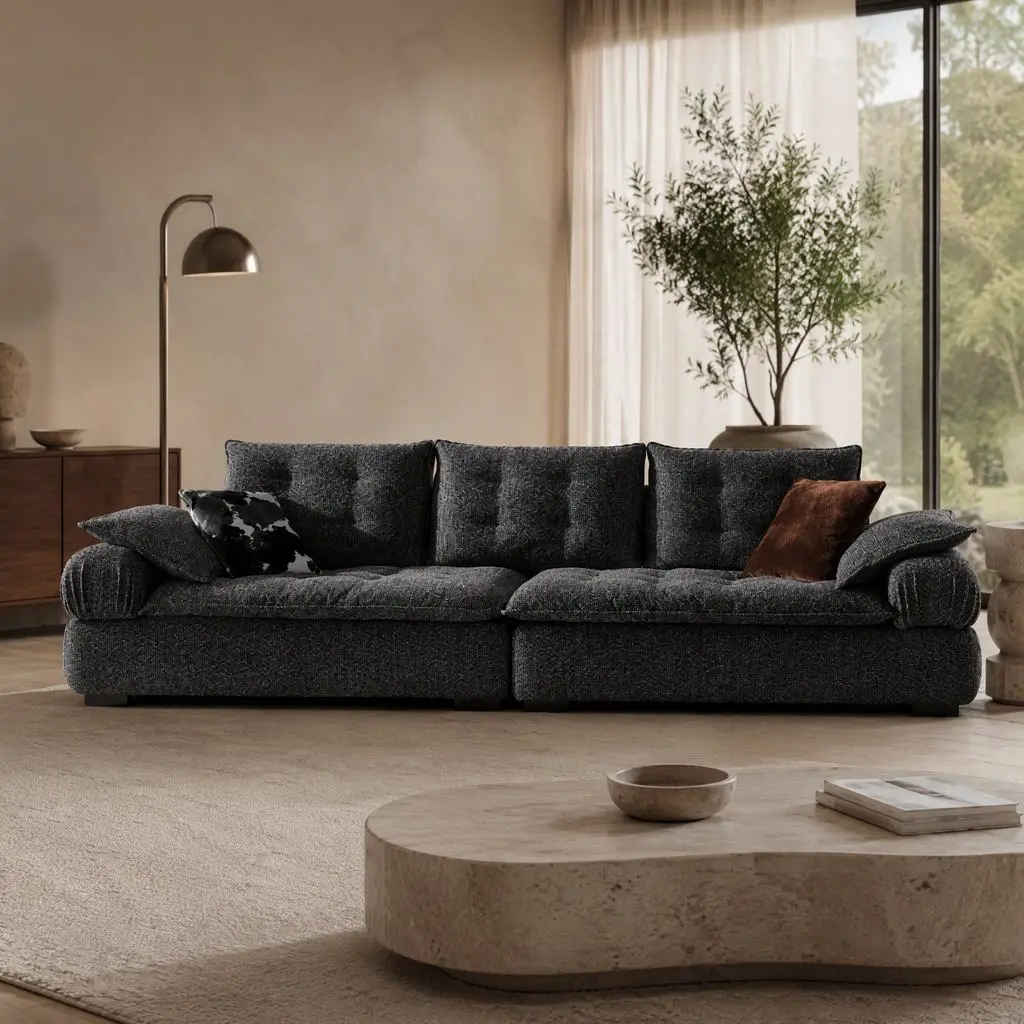 Sectional Sofas
Peru Market Intelligence
Why Peru Is a Structurally Under-Served Nightstand Market
Peru's furniture demand is concentrated in Greater Lima — roughly a third of the national population lives in the metropolitan area — but domestic production remains fragmented. The local carpintería (joinery) sector is skilled at bespoke MDF and tropical-hardwood casegoods, yet it operates at low volume, with long lead times, inconsistent moisture control and limited capacity for container-scale repeat orders. That gap is exactly where wholesale nightstand imports from Foshan enter the market.
Three demand engines are visible in the current cycle. First, a housing deficit that government and private developers are addressing through dense multifamily towers in Lima districts such as Surco, San Isidro, Miraflores, La Molina and the rapidly expanding north and east cones. Second, a hospitality pipeline — city hotels in Lima, plus resort and eco-lodge projects in Cusco, Arequipa, Paracas, Máncora and the Sacred Valley. Third, a fast-modernizing home-retail channel where chains and marketplace sellers compete on delivery speed rather than price alone.
Nightstands are a high-velocity entry product for importers because they are compact, freight-efficient, easy to bundle with beds and dressers, and they sell at price points where the landed cost advantage of factory-direct sourcing is most visible. They are also the item most likely to be re-ordered: a nightstand consumer buys in pairs, and a hotel buys in dozens.
Localized Application Scenarios
Where Nightstands Actually Land in Peru
Sourcing decisions only make sense against a real placement. These five scenarios reflect how Peruvian buyers typically deploy wholesale nightstand programs.
Multifamily Apartment Towers
Developers in Lima's modern districts specify compact 45–55 cm wide nightstands to fit tight bedroom modules. Repeatable specifications, identical finishes and staged delivery windows matter more than unit price.
Hospitality & Eco-Lodges
City hotels and Sacred Valley lodges need contract-grade casegoods with hotel-resistant surfaces, integrated USB-C outlets and matching wardrobe language. Quantities per project range from 40 to 300 units.
Retail Chains & Showrooms
Retail buyers need seasonal color refreshes and a stable core SKU set. Private-label cartons, barcodes and assembly instructions in Spanish reduce friction at the point of sale and in the warehouse.
Interior Design Studios
Lima studios serving high-income residential clients request veneer, lacquer, marble-top and floating wall-mounted nightstands in small mixed batches — a segment where MOQ flexibility beats unit cost.
Marketplace & E-commerce Sellers
Peruvian online sellers increasingly buy flat-pack nightstands with drop-test-certified cartons. Carton optimization directly determines last-mile cost in a market where delivery fees can exceed product margin.
Rental & Furnished-Apartment Operators
Short-term rental operators in Miraflores and Barranco replace nightstands at high frequency. Durable powder-coated steel legs, replaceable drawer fronts and spare-part availability extend lifecycle.
Technical Specification Matrix
Nightstand Configuration Architecture for Peruvian Buyers
A practical reference for procurement teams comparing construction routes. Figures reflect typical Foshan export programs and should be confirmed per PO.
| Construction Tier | Core Structure | Finish Options | Typical Width | Best-Fit Peru Channel | Carton Strategy |
|---|---|---|---|---|---|
| Value Flat-Pack | 15 mm MDP / particleboard with PVC edge banding | Melamine, matte laminate | 40–45 cm | Marketplace sellers, rental operators | Knock-down, 5-layer corrugated, drop tested |
| Mid-Market | 18 mm MDF, engineered drawer runners, soft-close | Lacquer, veneer, two-tone | 45–55 cm | Retail chains, apartment towers | Partially assembled with protective EPS |
| Contract / Hospitality | Solid + engineered hybrid, reinforced corner blocks, metal glides | High-pressure laminate, PU, brushed metal | 50–60 cm | Hotels, serviced apartments, lodges | Fully assembled with multi-layer export crating |
| Premium / Designer | Solid ash or larch frame, dovetail joints, marble or sintered stone top | Hand-rubbed lacquer, natural oil, genuine leather accents | 50–65 cm | Interior studios, villas, boutique hotels | Custom foam-cradled packing per unit |
| Smart / Integrated | Timber body with embedded wiring channel and modular back panel | Any of the above plus matte metal panels | 50–58 cm | Premium retail, business hotels | Electronics bagged separately, ESD-safe inner layer |
Search Intents Peruvian Buyers Actually Type
Wholesale nightstands Peru
Fábrica de veladores al por mayor
Importar veladores desde China
Nightstand OEM supplier Foshan
Hotel bedroom furniture Peru
Proveedor muebles dormitorio Lima
Bedside table container consolidation
These queries split into three intent families — transactional procurement (wholesale, supplier, factory), Spanish-language local sourcing (veladores, importar, proveedor) and project specification (hotel, contract, apartment). A single content asset addressing all three, with the specification matrix above, answers the query in one landing rather than forcing a bounce.
China Supply Chain Resilience
Why the Foshan Cluster Outperforms on Speed and Stability
Shunde and Longjiang form one of the densest furniture manufacturing clusters in the world. Within a radius of roughly 30 kilometres, a buyer can access panel processing, edge banding, veneer pressing, lacquer lines, metal hardware, foam, upholstery and export packing — often as separate specialist suppliers. That density produces three structural advantages that matter to Peruvian importers.
Component depth. Hardware, hinges, drawer runners and finishes are all sourced locally, so substitution and specification upgrades happen in days rather than weeks. When a Peru buyer asks for soft-close runners or a specific laminate colour, the answer is a factory-floor change, not a new supplier onboarding.
Capacity elasticity. Aggregate-manufacturing models combine in-house production with audited partner factories. If a hotel project needs 300 nightstands in a single delivery window, capacity is pooled rather than queued behind other clients.
Freight and documentation maturity. Foshan exporters ship continuously to Latin America. Consolidation across categories, carton optimization, ISPM-15 pallet compliance and Spanish-language documentation are routine rather than exceptions — reducing the friction that typically stalls first-time importers.
For Peruvian buyers, the practical translation is a shorter sample-to-shipment cycle. Where a domestic joinery workshop may quote 60–90 days for a custom bedroom programme, a Foshan programme can typically deliver pre-production samples in 10–15 days and mass production in 30–40 days after approval, subject to material selection.
Global Commercial Context
Where the Global Nightstand Category Is Heading
Design Consolidation
Across North America, the EU and Latin America, the bedroom category is consolidating around a small number of visual languages: warm minimalism, Japandi, soft contemporary and mid-century revival. Buyers increasingly want a single finish family across bed, nightstand, dresser and wardrobe. This favours suppliers who can coordinate finishes across categories rather than selling isolated SKUs.
Integrated Power & Lighting
USB-C ports, embedded LED strips, wireless charging pads and integrated reading lights have moved from premium tier to mainstream expectation in hospitality and upper-mid retail. The engineering challenge is not the electronics — it is routing and serviceability. Modular back panels now allow electronics to be replaced without scrapping the casegood.
Material Substitution
Engineered wood remains dominant globally, but the specification language is shifting. Buyers now ask about formaldehyde class (E0/E1 and CARB P2), recycled content, water-based lacquers and FSC-certified timber. Suppliers who can document these on request win specification-led projects that price-only competitors lose.
Nearshoring vs. Asia Sourcing
Nearshoring narratives have grown, but for casegoods the economics still favour Asian factory-direct sourcing at volume. The winning model for Latin American buyers is hybrid: core volume from a stable Asian programme, with local finishing or upholstery for rapid replenishment and customization. Foshan suppliers increasingly support that hybrid by shipping knock-down components.
Technical Roadmap
A Five-Horizon Roadmap for Nightstand Programs
Where specification, engineering and compliance are headed over the next several years — and what buyers should be building into POs now.
01
Standardize & Document
Lock a core finish family, publish a specification sheet per SKU and confirm formaldehyde class documentation before the first PO.
02
Integrate Power
Move to modular back panels with serviceable USB-C and lighting. Specify replaceable electronics and spare-part availability.
03
Optimize Freight
Redesign cartons for volumetric efficiency, test drop performance and plan mixed-category container loading to cut landed cost per unit.
04
Localize for Peru
Spanish assembly instructions, local warranty handling, spare hardware kits and e-commerce-ready barcoding.
05
Circular & Compliant
Water-based finishes, FSC timber traceability, recycled packaging and documented end-of-life disassembly guidance.
Localized Support & Compliance
Documentation, Duties and After-Sales for Peru
Import Compliance Basics
- RUC registration and importer-of-record status with SUNAT before the first shipment.
- Commercial invoice, packing list, bill of lading and certificate of origin prepared consistently across shipments.
- HS classification for wooden and MDF furniture confirmed per SKU to avoid duty reclassification.
- Free Trade Agreement preference assessed case by case; documentation must match the declared origin.
- ISPM-15 heat-treated or fumigated packaging for any solid-wood packing material.
Product-Level Compliance
- Formaldehyde emission class documentation (E0/E1 targets) on engineered wood components.
- Heavy-metal and finish safety statements for lacquers and painted surfaces.
- Tip-over stability guidance and wall-anchor hardware supplied with taller units.
- Electrical component certification for integrated USB and LED modules, matched to destination requirements.
- Spanish-language assembly and safety leaflets included in cartons on request.
Logistics & Routing
- Primary sea route Foshan/Shenzhen → Callao, typically 28–35 days depending on carrier and schedule.
- Alternative routings via Busan or Manzanillo considered for schedule reliability during peak season.
- Mixed-category consolidation: nightstands, beds, dressers and seating in a single container.
- Volumetric planning to reduce cost per unit on knock-down nightstand cartons.
- Warehouse pre-delivery checks and photo documentation before container sealing.
After-Sales Support
- English and Spanish communication throughout the order cycle.
- Spare hardware kits shipped with the order for replacement and repair.
- Claim handling process with photographic evidence workflow and defined response window.
- Replaceable drawer fronts and panel components designed for field repair rather than scrap.
- Annual programme review to refresh finishes, colours and SKU mix against local sell-through.
Experience · Expertise · Authority · Trust
What Makes This Sourcing Guidance Credible
Hands-On Production Experience
Our team builds in Longjiang, Shunde — the core of the Foshan cluster. Specification decisions in this report come from running production lines, not from reading catalogues.
Category Depth
Nineteen furniture categories under one purchase order means bedroom casegoods are specified alongside beds and seating, with coordinated finishes across the order.
Documented Design Ownership
Over one hundred original patents cover structures and designs, giving buyers confidence that specifications are proprietary rather than copied from an unverifiable source.
Accountable Export Operations
From pre-production sampling to in-line QC audits and consolidated container loading, one team owns the order end to end — with a single point of contact for claims.
Work With the Factory
Planning a Nightstand Programme for Peru?
Share your target price band, finish direction, width range and delivery window. Our export team will map the right construction tier, propose a mixed-category container plan and prepare a pre-production sample schedule.
Buyer FAQ
Frequently Asked Questions from Peruvian Buyers
Are you a nightstand factory or a trading company?
Both functions exist under one roof. We operate our own production facility in Shunde, Foshan, and extend capacity through long-term audited partner factories in the surrounding cluster. Nightstands are produced under one quality standard and one purchase order, with a single accountable contact for the buyer.
What is a realistic MOQ for nightstands to Peru?
For standard catalogue models, MOQ is typically driven by container economics rather than a hard production floor. A 40HQ container can hold several hundred knock-down nightstands depending on carton volume, so most importers combine multiple SKUs and categories into a single container. Fully custom designs carry a separate sampling and MOQ discussion.
Can I mix nightstands with beds and dressers in one container?
Yes, and it is the recommended approach. Our post-sale team handles mixed-category container consolidation, planning volumetric loading so nightstands fill the void space around beds and dressers. This lowers freight cost per unit and keeps a single finish family arriving together.
How long does shipping from Foshan to Callao take?
Ocean transit is typically 28 to 35 days depending on carrier, routing and season, before customs clearance. Add production lead time of roughly 30 to 40 days after sample approval, plus sampling time of 10 to 15 days. We build the full schedule into the quotation so buyers can plan retail launches and project handovers.
What documentation do you provide for Peruvian customs?
Commercial invoice, packing list, bill of lading and certificate of origin are prepared consistently. HS classification is confirmed per SKU, ISPM-15 compliance is maintained for any solid-wood packing, and formaldehyde or finish safety statements are supplied where applicable. Your Peruvian customs broker should always validate documentation against current SUNAT requirements.
Can you supply private-label cartons and Spanish instructions?
Yes. Private-label printing, custom barcodes, brand labels and Spanish-language assembly and safety leaflets are available for wholesale and project orders. These reduce friction at retail and in the warehouse, especially for sellers listing on marketplaces.
How is quality controlled during mass production?
Pre-production samples confirm dimensions, finish and hardware before mass production begins. QC engineers carry out on-site production line audits checking structural durability, drawer operation, edge finishing and hardware consistency. Photographic documentation is captured before container sealing.
Do you support hotel and contract projects, not just retail orders?
Yes. Contract orders include reinforced corner construction, commercial-grade surfaces, tip-over stability hardware and integrated power modules. We work with hospitality procurement teams, developers and interior design firms on projects ranging from boutique lodges to city hotels, with staged delivery schedules matched to fit-out milestones.
Where is your factory and can buyers visit?
We are located in Hui Cheng Industrial Park, Longjiang Town, Shunde District, Foshan, Guangdong, China. Buyers are welcome to arrange factory and showroom visits, and we can coordinate a cluster tour covering partner factories for casegoods and upholstery if the visit coincides with a project review.
Complete Bedroom & Dining Range
Send Inquiry Now
Eight Programs to Build a Coordinated Wholesale Assortment
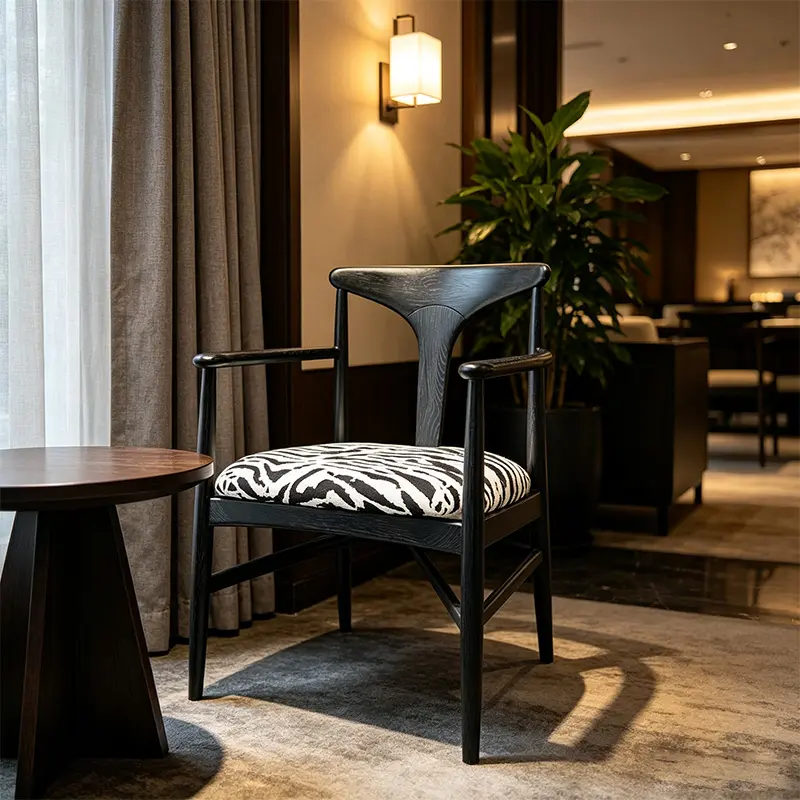
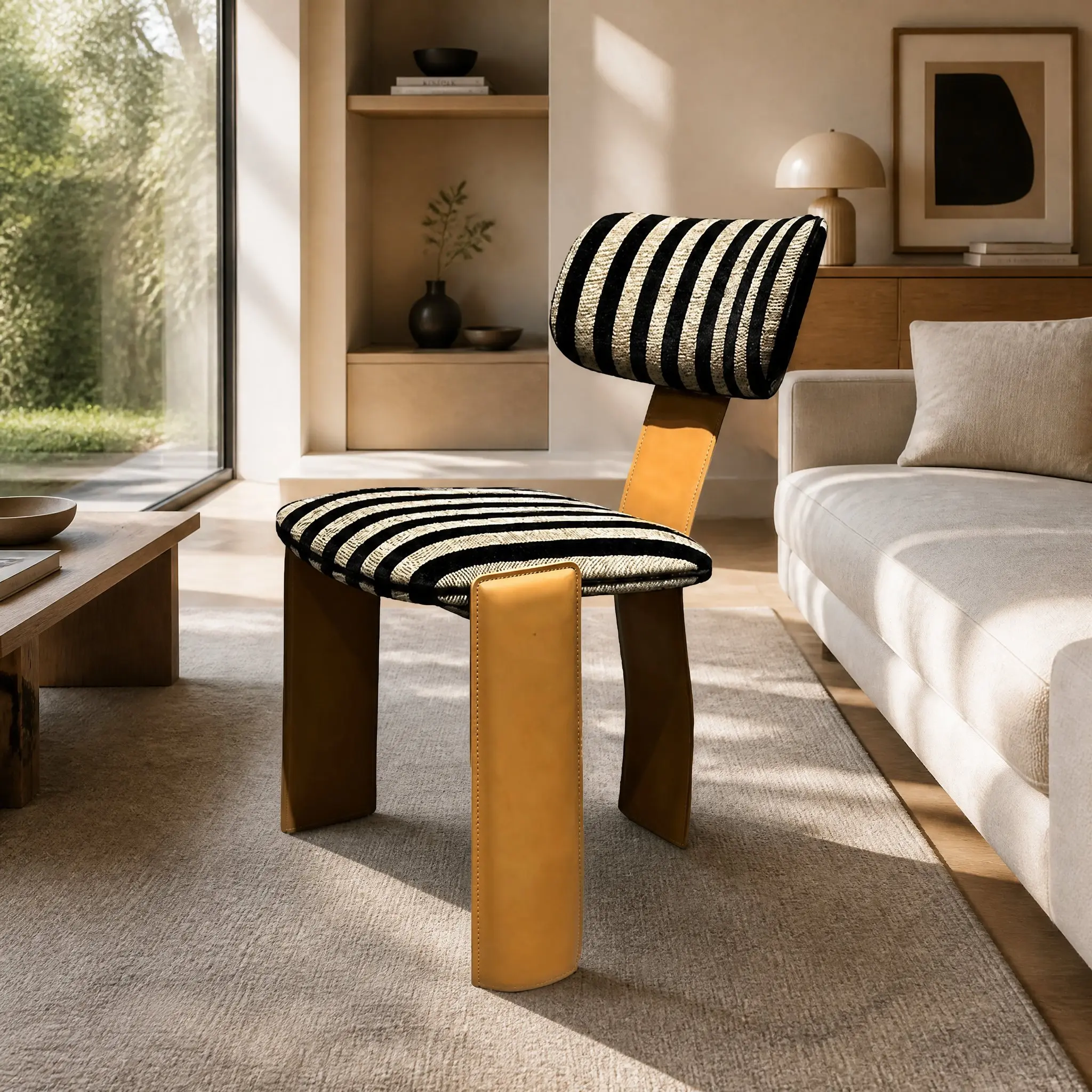
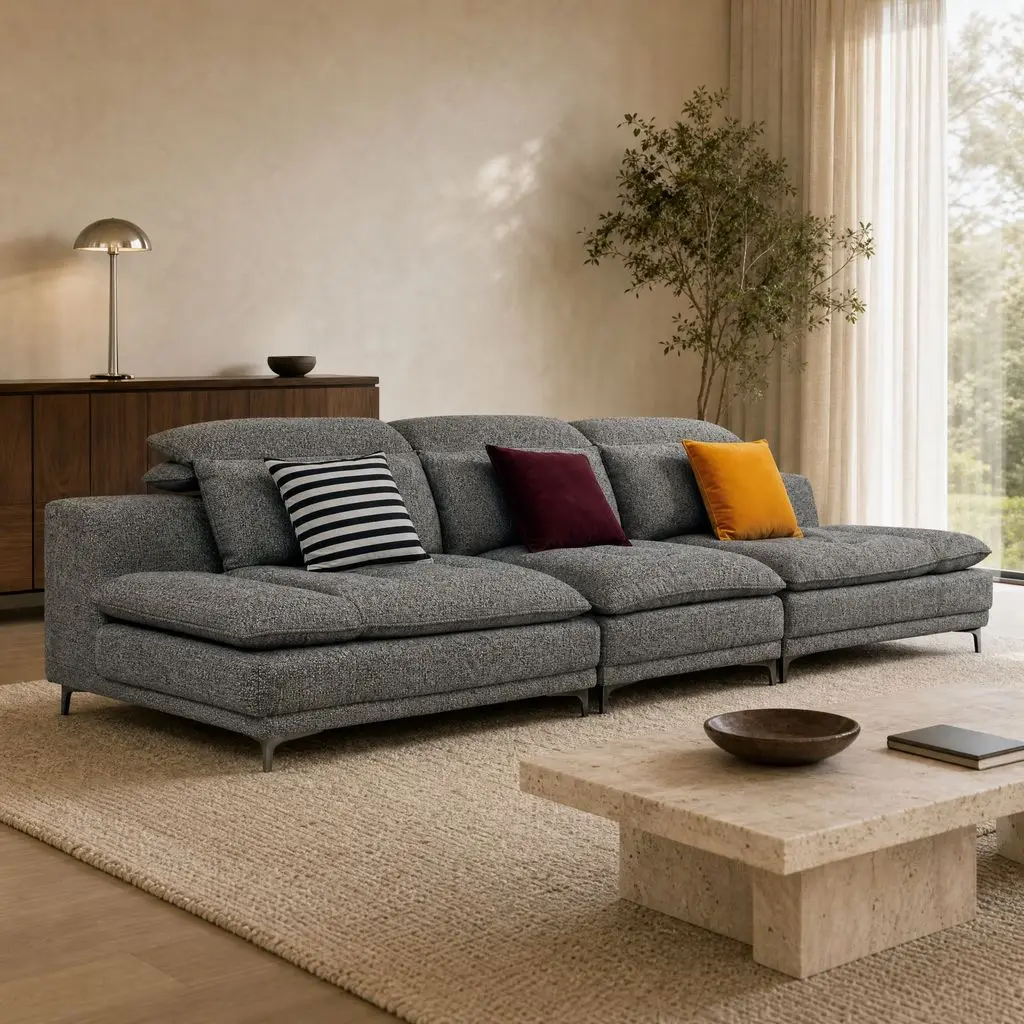
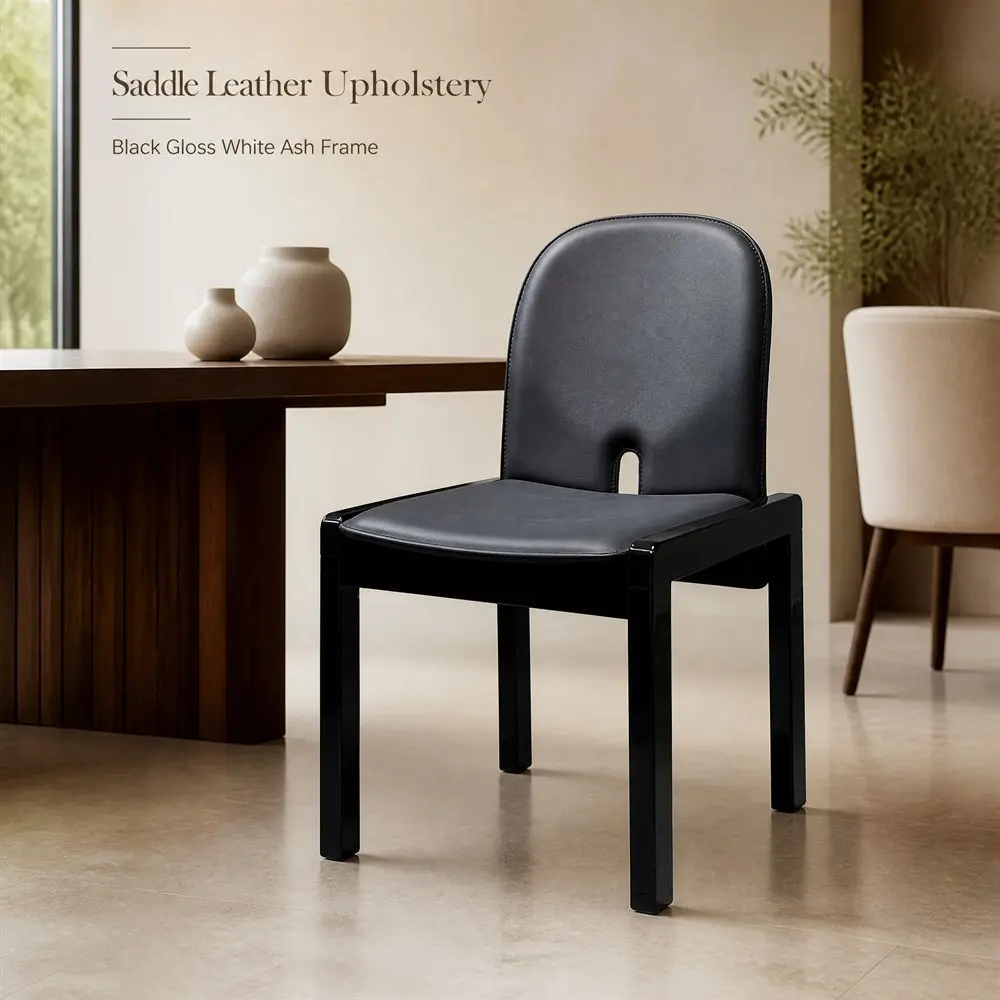
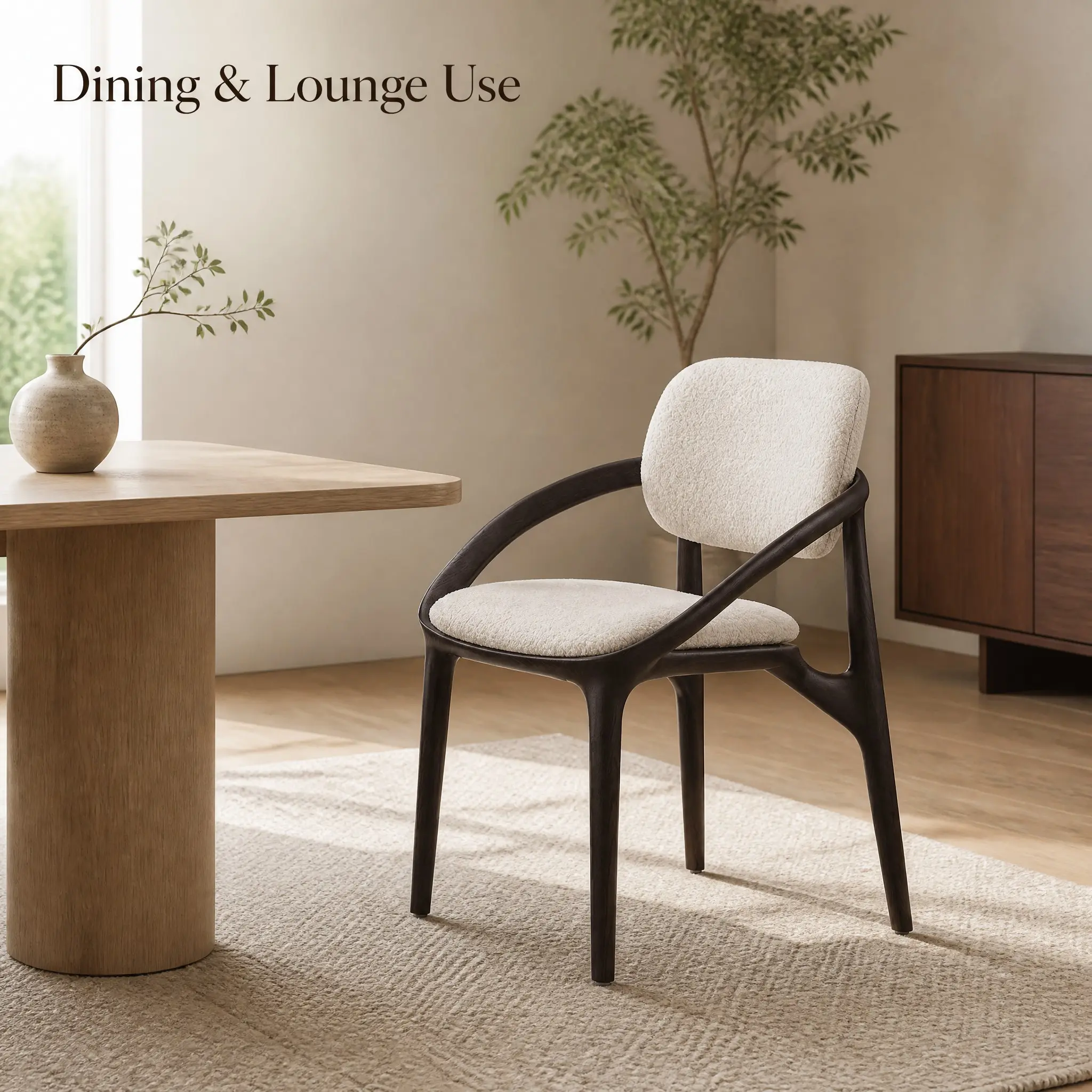
Nightstands sit inside a larger bedroom and dining ecosystem. The models below show how finish families, upholstery textures and wood tones can be matched across a single import programme.
Upholstered Beds
Dining Chairs
 Accent Chairs
 Sectional Sofas
 Upholstered Beds
 Upholstered Beds
 Dining Chairs
 Accent Chairs