
Bedroom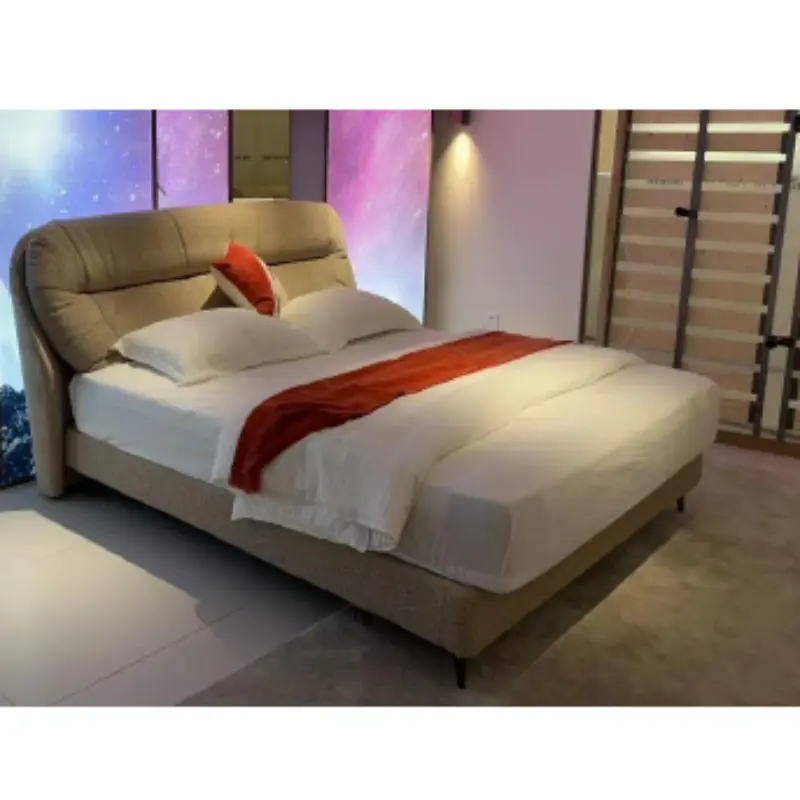
Southeast Asia's outdoor living market is expanding faster than its domestic manufacturing capacity for premium, weather-rated lounge seating. Hanoi sits at the intersection of that demand — a fast-growing hospitality and residential market, a maturing trade corridor with China's Pearl River Delta, and an increasingly sophisticated buyer base that expects contract-grade durability rather than seasonal imports.
Buyers researching "outdoor lounge chairs Hanoi" are rarely searching for a single chair. They are searching for a supply relationship that can survive monsoon season, serve hotel rooftop pools, and scale across multiple properties without a quality drift between batches.
Hanoi's hotel pipeline has shifted decisively toward lifestyle and resort-adjacent properties with rooftop terraces, pool decks and courtyard dining. Each new rooftop bar or infinity pool becomes a lounge-seating specification, and procurement teams need vendors who can deliver matching pieces across a phased opening.
Northern Vietnam's humid subtropical climate — hot, wet summers and cool, damp winters — is a brutal test environment. Powder-coated aluminium frames, marine-grade stainless hardware, quick-dry foam and solution-dyed acrylic fabrics are now baseline requirements, not upgrades. Specification failures at the 18-month mark are the single most common complaint from Hanoi-based facility managers.
Vietnamese furniture production is strong in indoor casegoods and rattan craft, but the contract-grade outdoor lounge segment — precision aluminium welding, woven rope over engineered frames, waterproof cushion construction — still relies heavily on imported components and finished goods. That gap creates a natural role for wholesale partners operating between Hanoi demand and Chinese manufacturing capacity.
Hanoi's proximity to the Pingxiang and Hekou border crossings, plus the deepwater capacity at Hai Phong, gives buyers two freight strategies: faster overland consolidated trucking for urgent project deliveries, or full ocean containers for volume restocking. This dual corridor is a genuine structural advantage over buyers sourcing from Southern China into Europe or the Americas.
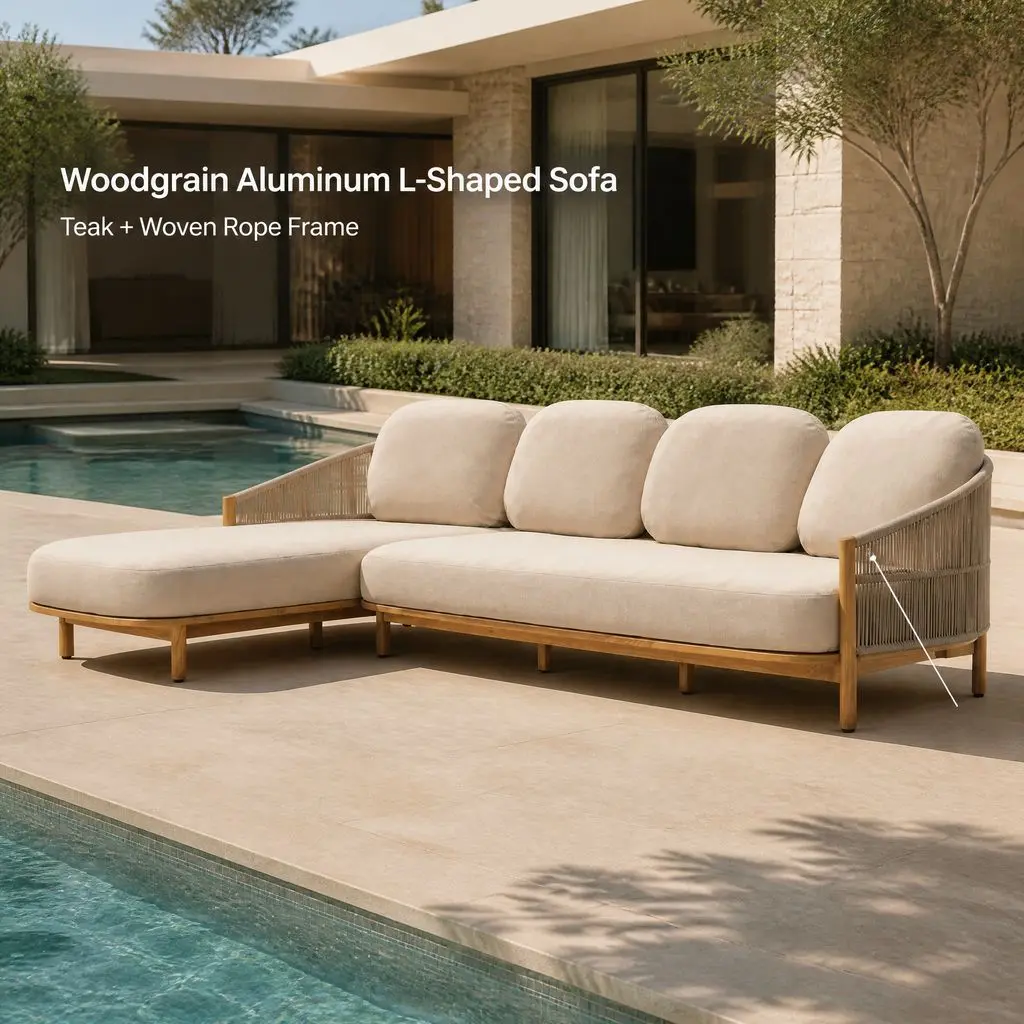
A new generation of Hanoi architects and interior studios is specifying furniture online, comparing reference images across Pinterest and Instagram, and rejecting generic catalogue pieces. Wholesalers who can supply differentiated silhouettes — rope-wrapped frames, teak accents, low-profile lounge profiles — win specification preference over commodity importers.
Worldwide, the outdoor furniture market continues to expand as residential buyers treat balconies and terraces as extended living space, and hospitality brands invest in open-air amenities as a differentiator. Buyers in Europe, the Middle East, Australia and North America are actively seeking consolidated suppliers who can ship mixed outdoor collections at factory-direct pricing.
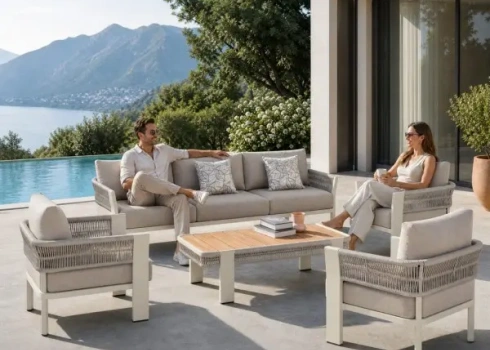
For a Hanoi wholesaler or hospitality procurement manager, the arithmetic is straightforward. China's furniture manufacturing clusters — Foshan for upholstery and metalwork, Ningbo and Taizhou for outdoor frames and woven components, Guangdong for rope and acrylic fabrics — concentrate specialised suppliers within a few hours' drive of one another. That density creates advantages no emerging cluster can replicate quickly.
Quantified context behind the recommendation to source outdoor lounge chairs through an established Foshan manufacturing partner with Hanoi-facing logistics.
Specification decisions differ sharply by end-use. Matching the right frame, rope and cushion build to the deployment context is what separates a five-year asset from an eighteen-month liability.
| Deployment Context | Key Performance Demand | Recommended Build |
|---|---|---|
| Rooftop hotel bars & pools | UV resistance, chlorine tolerance, wind stability, weight | Powder-coated aluminium frame, solution-dyed acrylic cushion, weighted base or tie-down points |
| Resort terraces & bungalow decks | Monsoon drainage, rapid drying, aesthetic warmth | Teak armrests, quick-dry reticulated foam, woven olefin rope over aluminium |
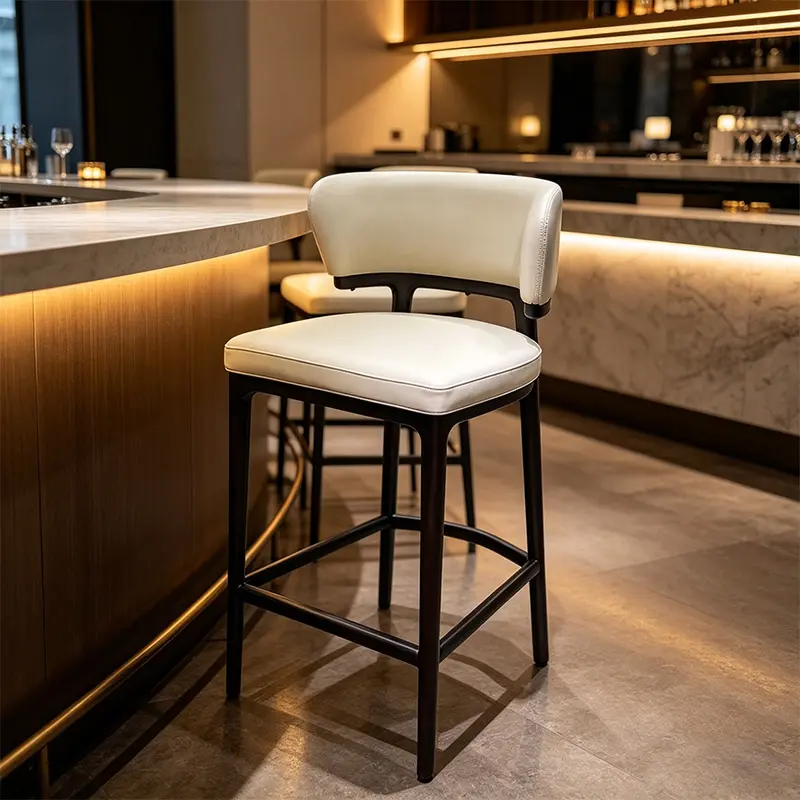
| Restaurant & café courtyards | High-turnover durability, easy-cleaning surfaces | Stackable lounge chairs, high-density commercial foam, wipe-clean faux leather or coated fabric |
| Residential balconies & villas | Lightweight, compact footprint, design-led silhouettes | Low-profile acacia or aluminium frame with removable, washable covers |
| Serviced apartments & co-living | Modular flexibility, maintenance longevity | Modular sofa system with replaceable cushions and standardised hardware |
| Showrooms & outdoor retail floors | Visual differentiation, sample availability | ODM configurations with custom rope patterns and branded fabric options |
Five shifts reshaping specification decisions for buyers, suppliers and designers across Southeast Asia and beyond.
Recycled aluminium, FSC-certified teak, solution-dyed acrylics with lower VOC content and recycled olefin rope are appearing in tenders. Buyers increasingly ask for material disclosures that survive consumer and investor scrutiny.
Hospitality operators want lounge configurations that can be reshaped for events, seasonal layouts and phased openings. Modular systems with standardised connectors reduce respecification cost when a venue evolves.
Design cycles are compressing. Buyers who can prototype and sample faster win commitments. Factory partners with in-house engineering capability — not just catalogue stock — are increasingly preferred over commodity importers.
Outdoor seating quality is now a visible guest-experience signal. Sagging cushions or faded frames at a rooftop bar are reputational liabilities. Buyers are shifting specification spend toward contract-grade durability rather than short-cycle aesthetics.
Post-pandemic risk management pushes buyers toward dual-corridor sourcing. A Hanoi-facing supply chain gives access to Chinese manufacturing depth while offering option value in regional trade agreements and freight routing.
Wholesale buyers now compare factory catalogues, request quotes and verify credentials online before contact. Factories that present clear specification data, patent portfolios and material documentation convert more inquiries.
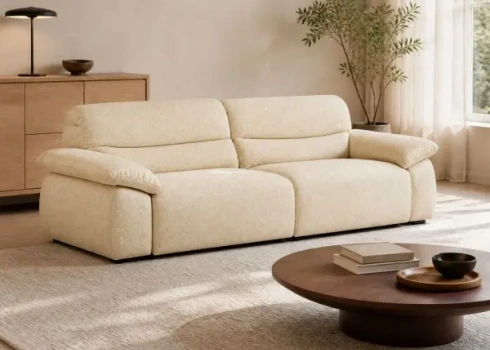
International buyers sourcing outdoor lounge chairs through Hanoi or directly from Foshan consistently raise the same procurement requirements. Understanding these signals is essential to filtering viable suppliers.
A documented, auditable sequence — designed for buyers who need predictable outcomes across multi-phase hospitality projects and repeat wholesale programmes.
Share site plans, reference images, target market and budget. Consultancy maps each zone to suitable categories and flags performance requirements early.
Frame alloy, rope grade, foam density and fabric construction recommended against destination climate and regulatory standards.
Pre-production samples confirm dimensions, colour fidelity and comfort before mass production is released to the line.
On-site engineers test structural durability, weld integrity and finish consistency at production line checkpoints.
Mixed-category loading plans, multi-layer export crating and dual freight corridors — overland via border or ocean via Hai Phong.
Replacement cushion and rope programmes, hardware supply and long-term maintenance coordination for hospitality clients.
Per Google's Search Quality Rater Guidelines, commercial content should be evaluated for genuine experience, demonstrable expertise, authoritative standing and reliable, verifiable claims. Here is how a credible outdoor furniture sourcing partner meets those benchmarks.
Over a decade of export operations to global wholesale and project buyers, with documented factory visits, in-line QC audits and real-world performance feedback from deployed lounge collections.
In-house engineering teams, over 100 original structural and design patents, and specialist knowledge across outdoor frame construction, fabric chemistry and contract-grade cushion engineering.
Vertically integrated manufacturing in Foshan, the world's densest furniture production cluster, plus an audited partner-factory network spanning multiple outdoor categories.
Transparent material specifications, documented QC checkpoints, verifiable factory locations, and after-sales replacement programmes that protect buyers across the lifecycle of a deployed collection.
Share your project or reorder brief and receive a specification recommendation with logistics options.
Direct answers to the questions importers, hospitality procurement teams and design studios most often ask before placing a first order.
Hanoi's humid subtropical climate — hot, wet summers and cool, damp winters — requires a powder-coated aluminium or marine-grade stainless frame, solution-dyed acrylic fabric, quick-dry reticulated foam and rot-resistant rope. Teak is a good accent material, but any wood component must be kiln-dried and sealed to prevent swelling. UV fade resistance and chlorine tolerance matter for pool areas, and drainage design matters everywhere.
Yes. A vertically integrated factory network in Foshan ships lounge chairs, sectional sofas, side tables, dining sets and accessories under one purchase order. Consolidation planning reduces ocean or overland freight cost per unit and simplifies destination customs handling compared to multi-vendor sourcing.
Request written specifications for frame alloy grade, powder-coating thickness, fabric composition and foam density. Reputable suppliers provide this documentation as part of the quotation process. Sample evaluation — including outdoor exposure tests where possible — is the most reliable verification step before a large order.
Lead times depend on order volume, customisation depth and material availability. Standard catalogue programmes typically move through sampling, production and consolidation stages within a defined window that the supplier should confirm in writing at quotation. Custom ODM designs add engineering and sample approval time. Factories with in-house engineering capability compress these stages materially.
Yes. Customisation includes dimensions, upholstery and frame colours, fabric grades (cashmere-touch, cotton-linen, commercial-grade contract fabric, solution-dyed acrylic) and branding such as woven labels, embossed logos and branded packaging. ODM design services are available where buyers want differentiated silhouettes rather than catalogue stock.
Two corridors are commonly used. Overland consolidation via border crossings between Guangxi/Yunnan and northern Vietnam offers faster transit for urgent project deliveries. Ocean freight via Hai Phong suits volume restocking and larger container programmes. Suppliers should provide route options with transit estimates and cost comparison at quotation.
Reputable factories conduct on-site production line audits checking structural durability, weld integrity and finish consistency at defined checkpoints. Pre-production samples confirm colour and dimensional accuracy before the line is released. Pre-sale consultants should also align material configurations with the regulatory standards of the destination market.
Look for replacement cushion and rope programmes, hardware supply availability and documentation for maintenance. Hospitality buyers deploying large collections should ask specifically about long-term replacement component access, since a well-built frame with a failing cushion system still becomes an operational liability.
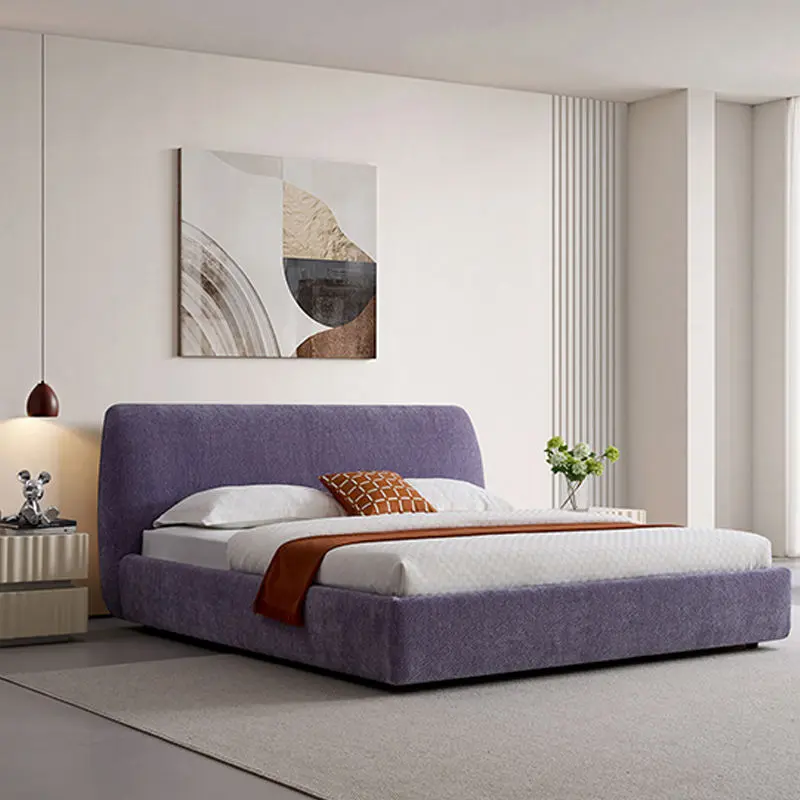
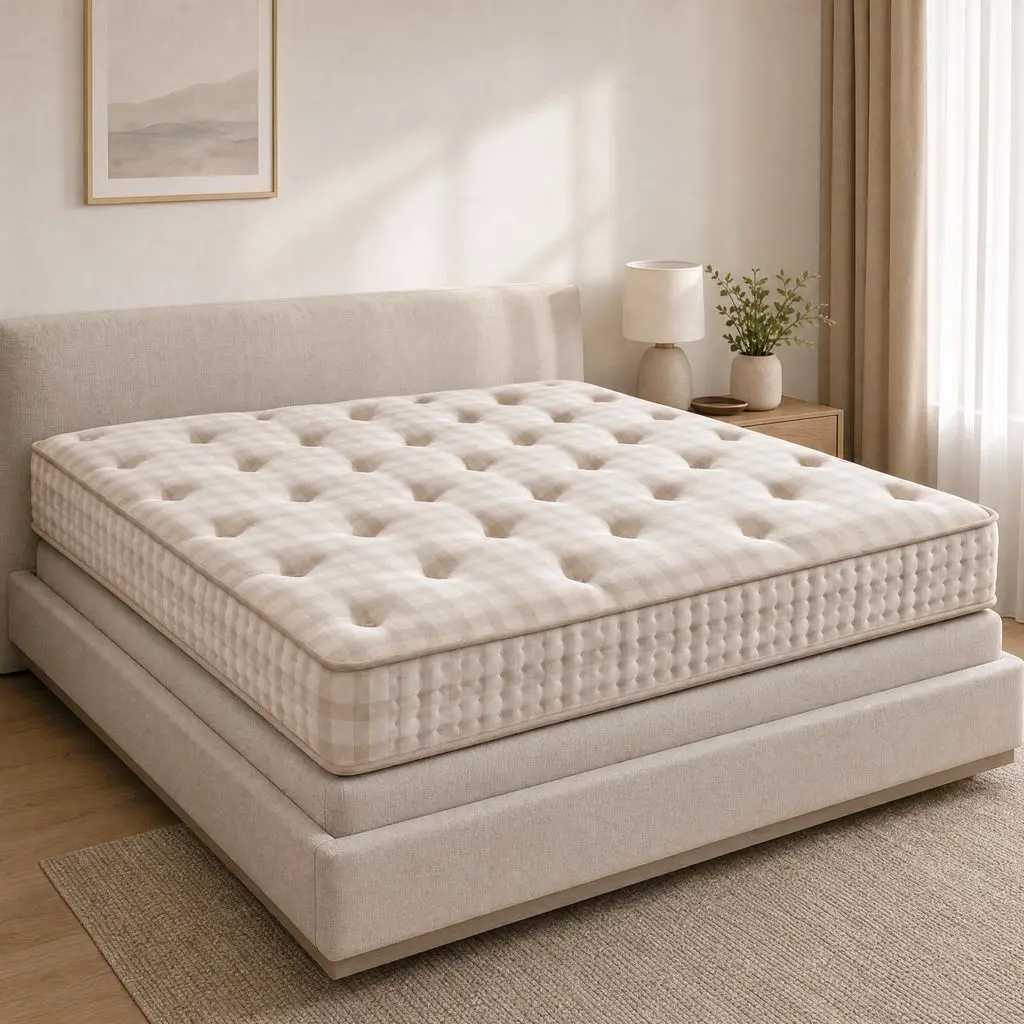
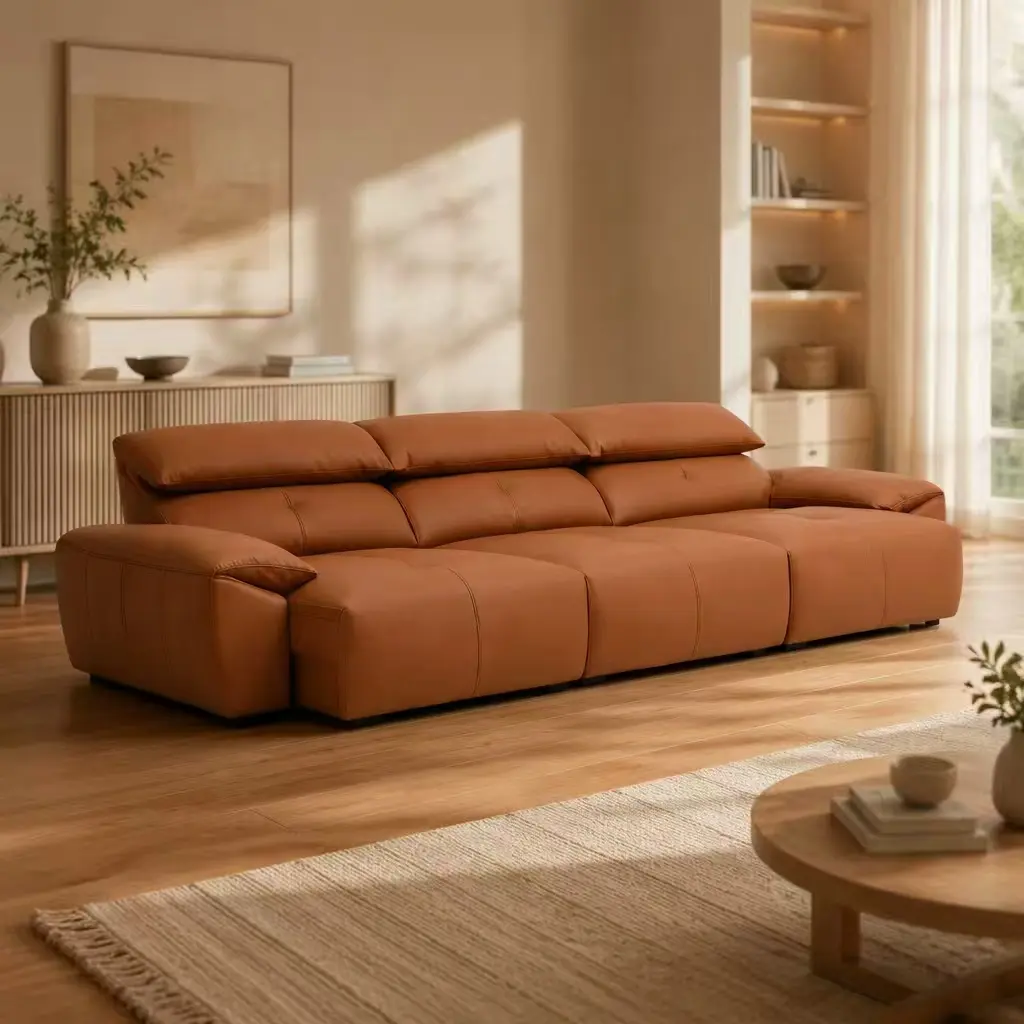
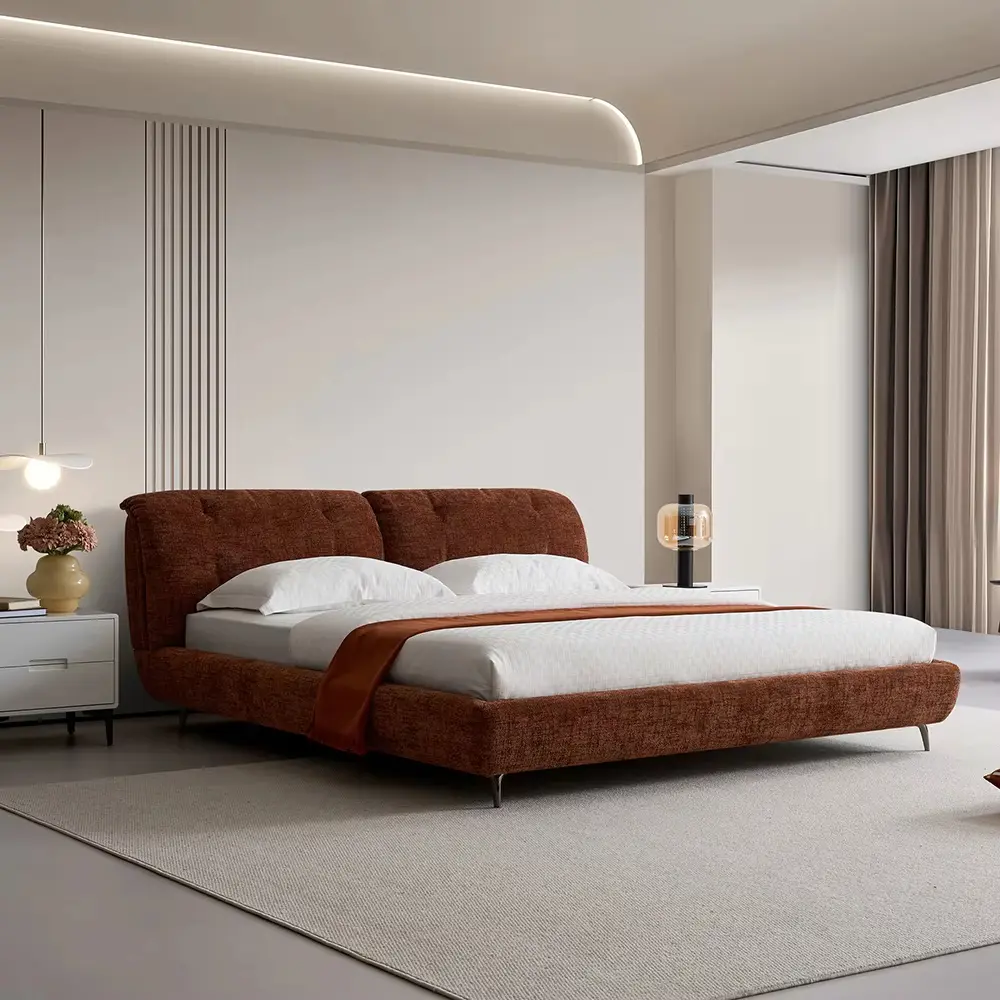
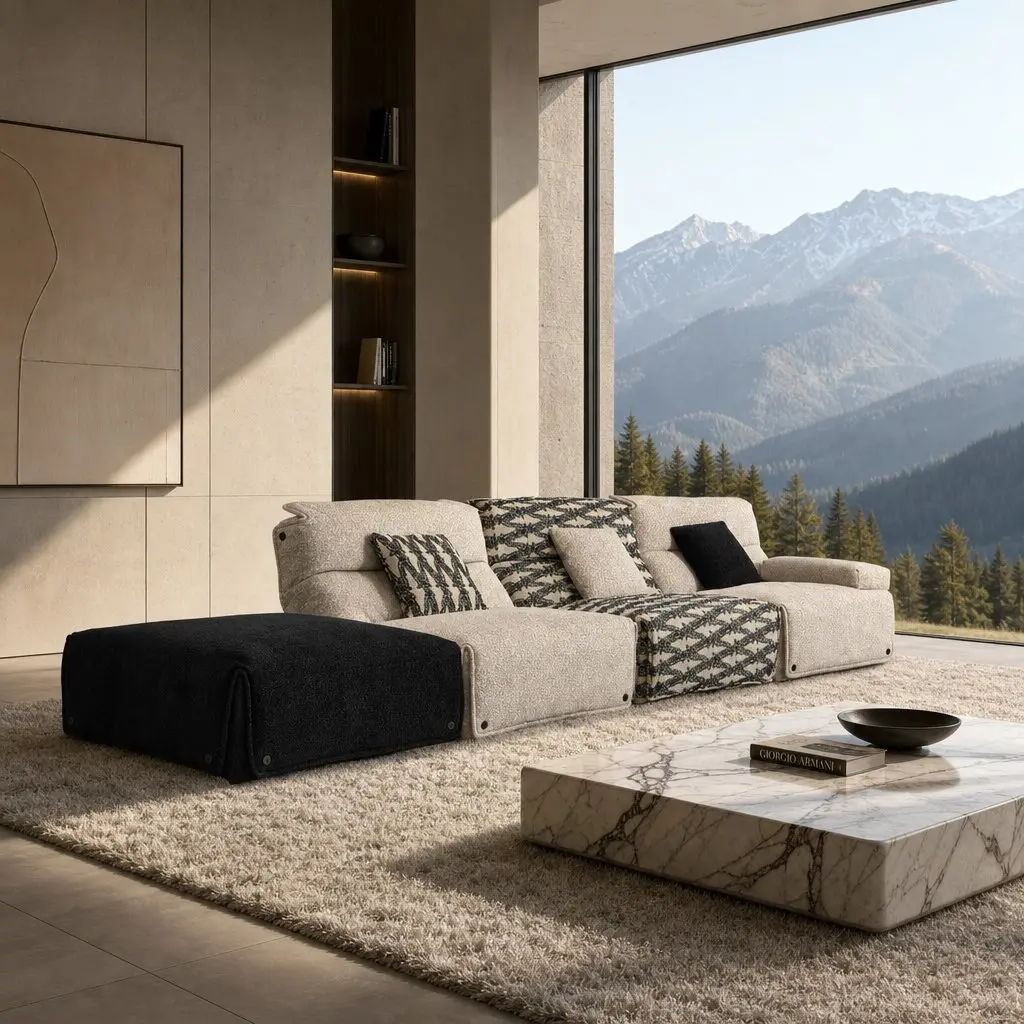
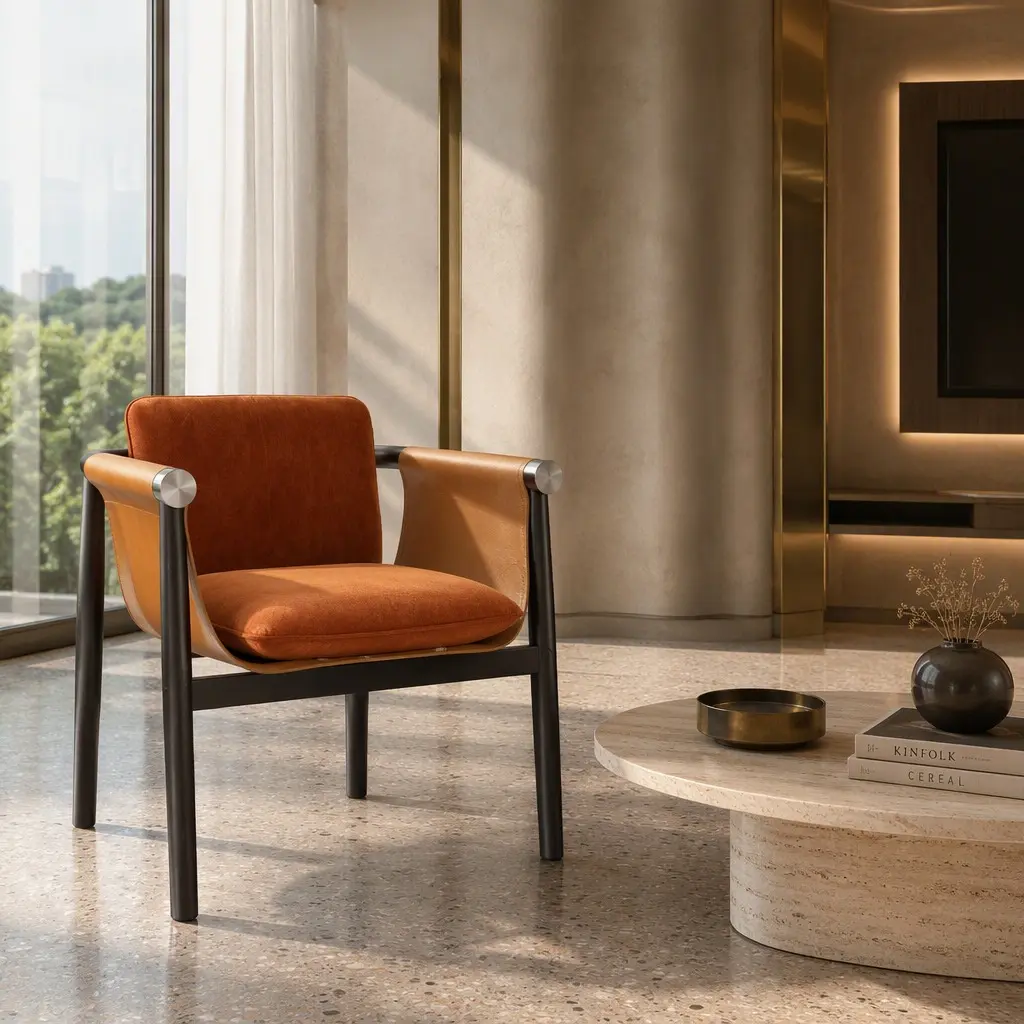
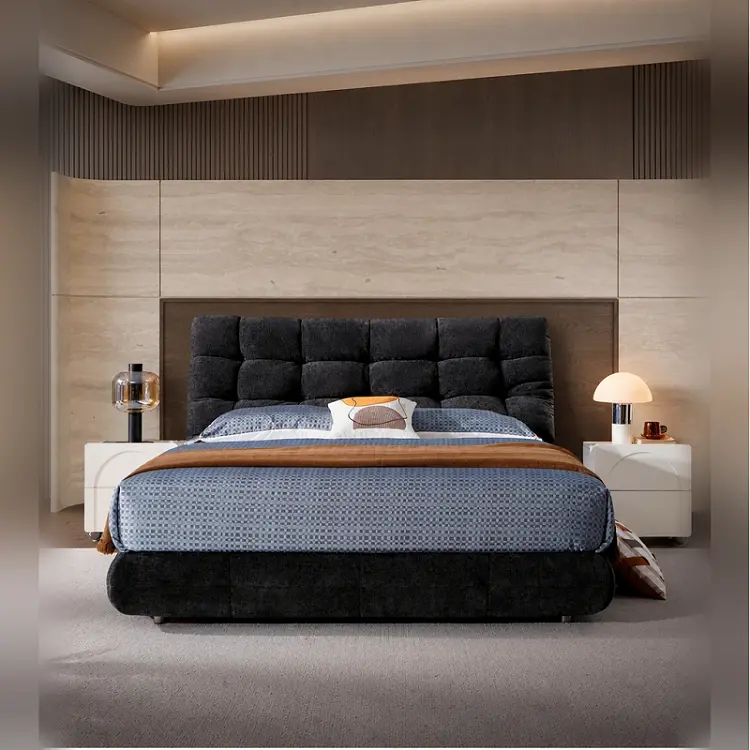
Outdoor lounge chairs rarely ship alone. Buyers consolidating for hospitality or residential projects frequently combine lounge seating with coordinated beds, mattresses, sofas and dining pieces from a single source.
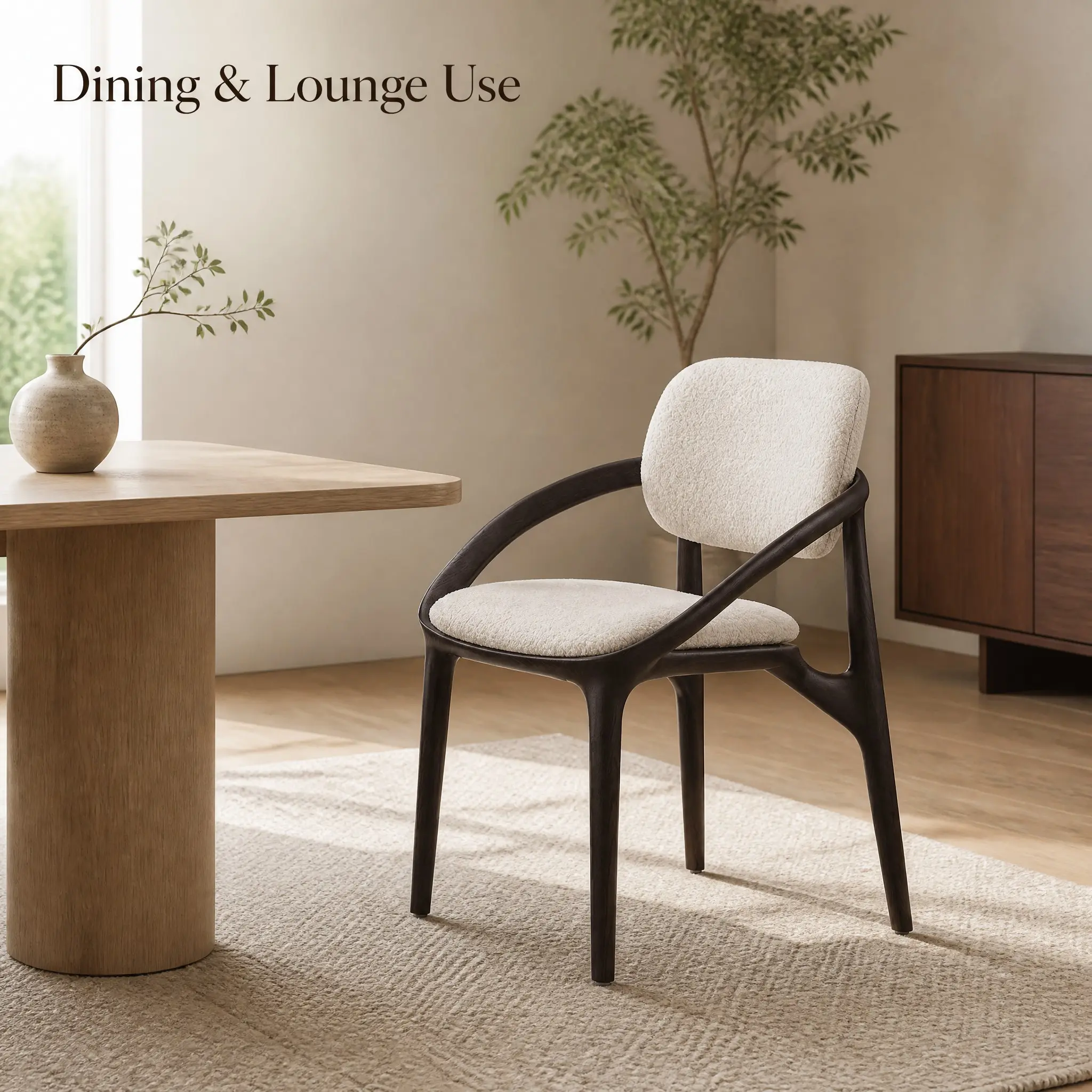
Share your brief and receive a specification, sampling and logistics response tailored to your project or reorder cycle.