Wholesale Outdoor Side Tables Manufacturer & Wholesaler Serving the Kenya Market
Contract-grade outdoor side tables, teak and aluminum-accent collections engineered for Nairobi, Mombasa and Kenya's hospitality corridors — factory-direct from Foshan with full OEM/ODM, compliance and container-consolidation support.
Why Kenya Buyers Choose Our Platform
An Information-Dense Outdoor Program Built for East African Procurement
Foshan Qingyumai Technology Co., Ltd. supplies the Kenya market through an integrated whole-house manufacturing model — combining in-house outdoor table design, an audited partner ecosystem for rope, teak and aluminum lines, and a factory-4.0-adjacent quality program. Whether you are stocking a Nairobi furniture showroom, outfitting a Mombasa resort terrace, or tendering a safari lodge in the Mara, our team engineers side tables that survive equatorial UV, salt-air and monsoon-season humidity.
10+Years exporting to global wholesalers & project buyers
100+Original design & structure patents across outdoor & indoor
4OEM / ODM customization dimensions for outdoor tabletops
1Purchase order, one QC standard, one consolidated container
Featured Outdoor & Interior Anchor Products
Signature Pieces Deployed in Kenya Outdoor Programs
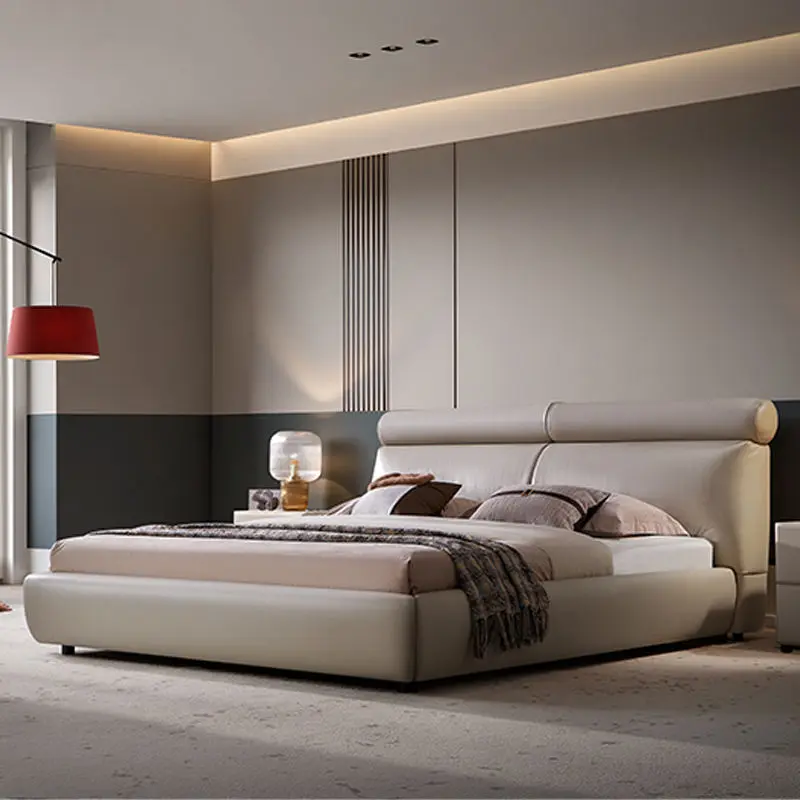
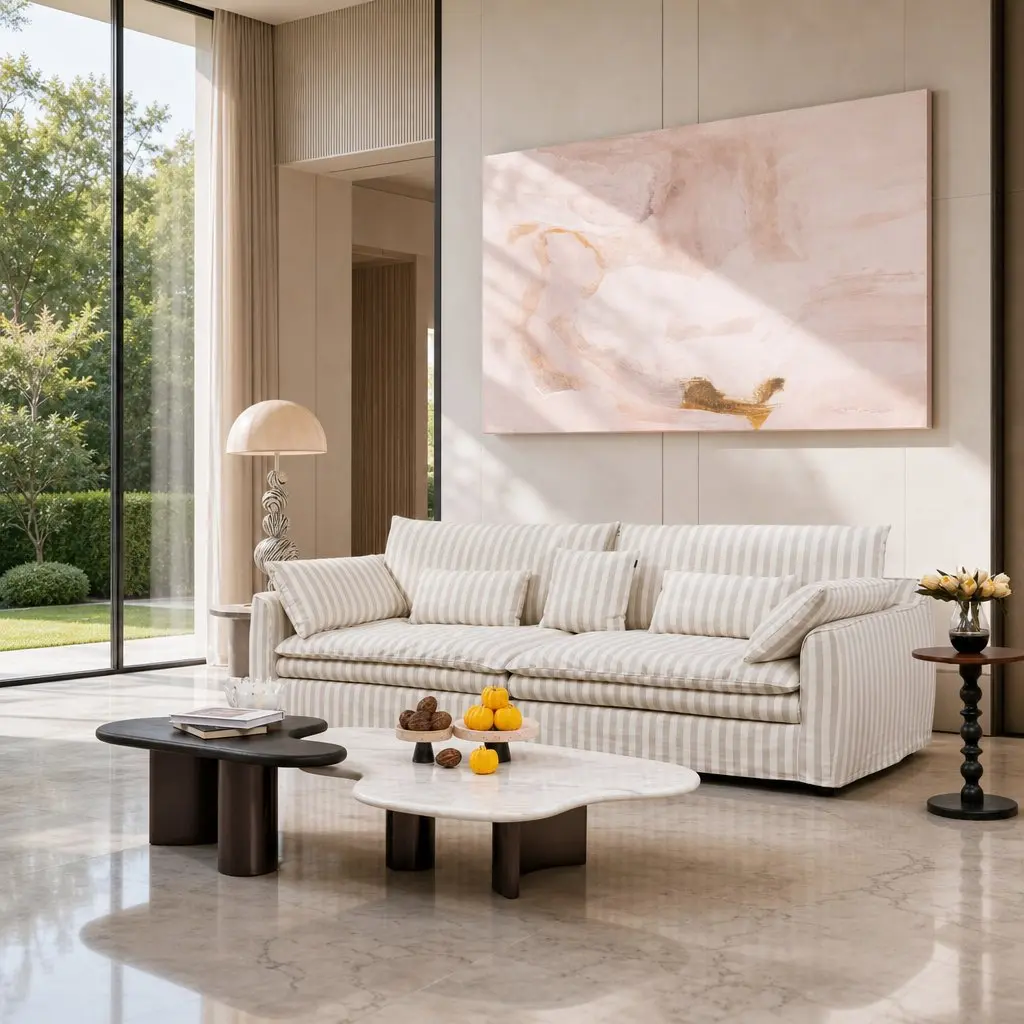
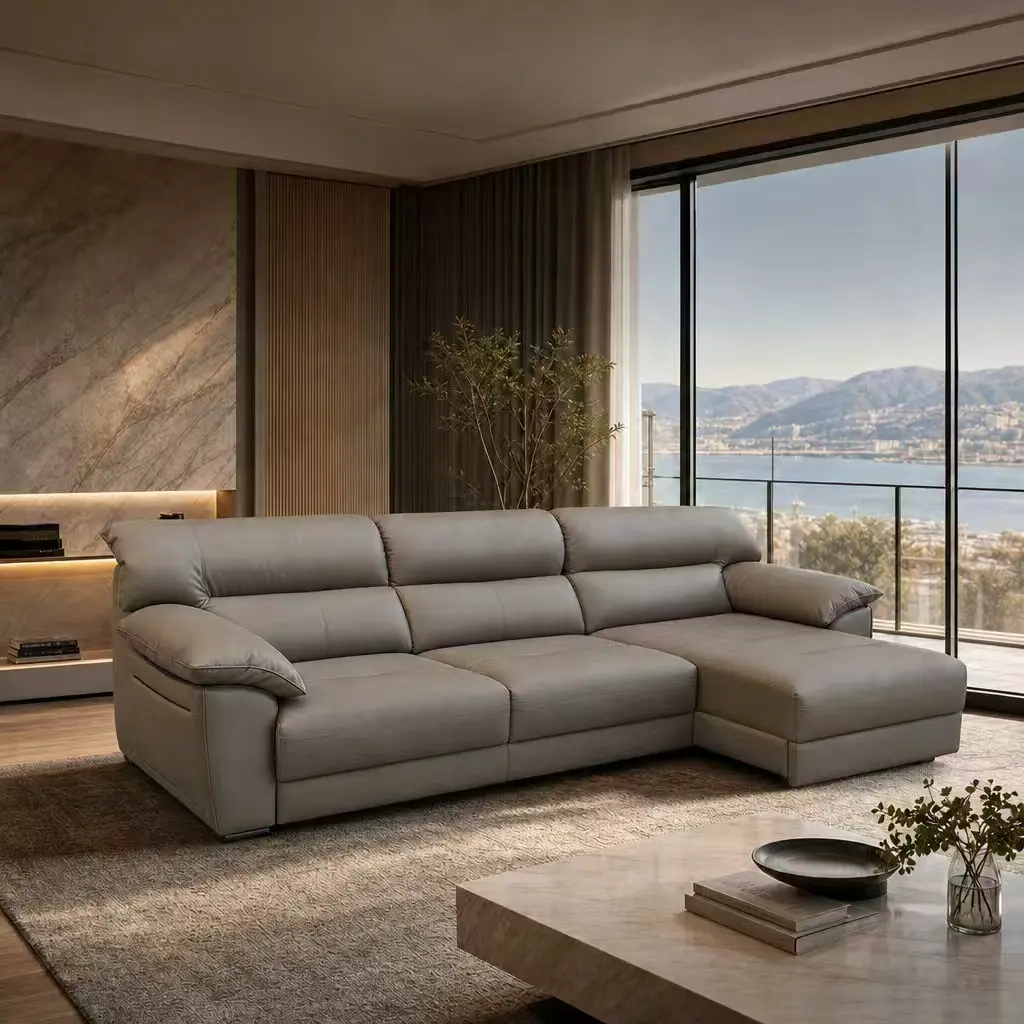
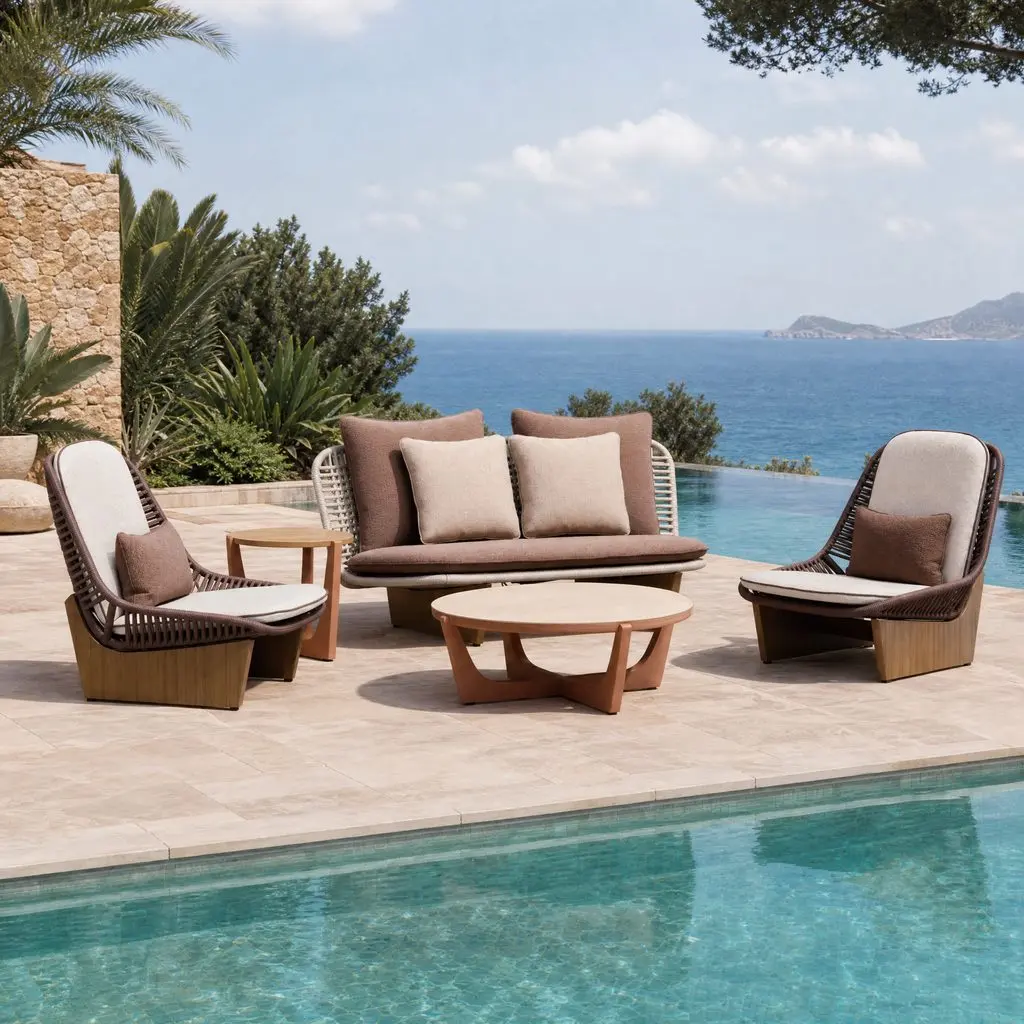
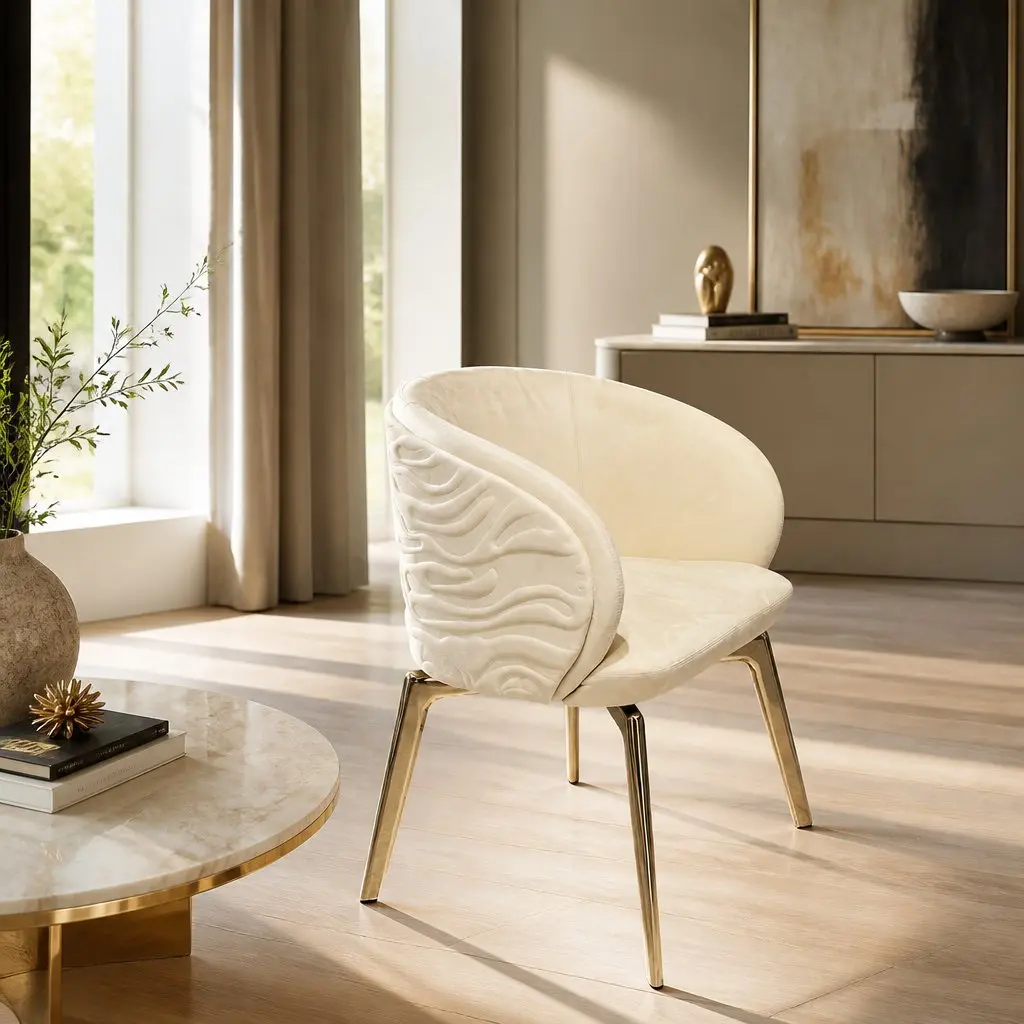
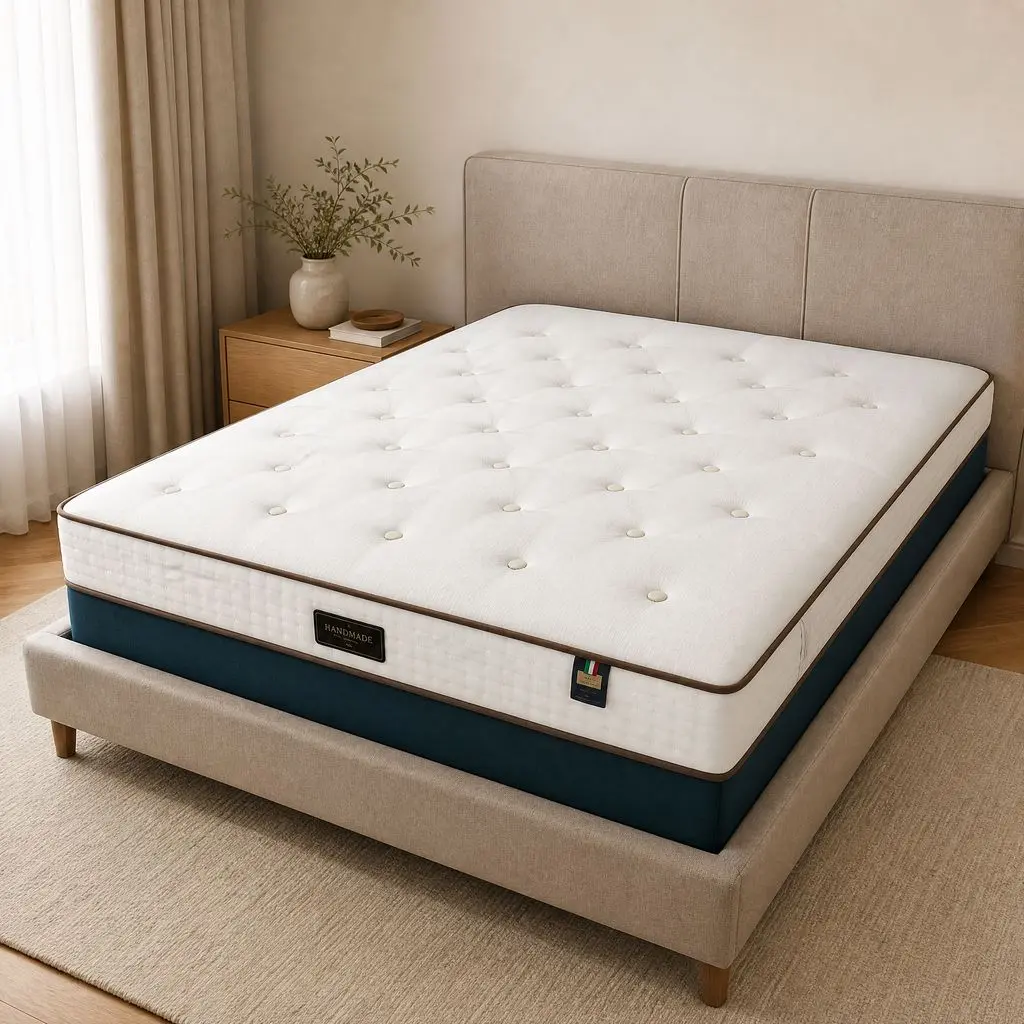
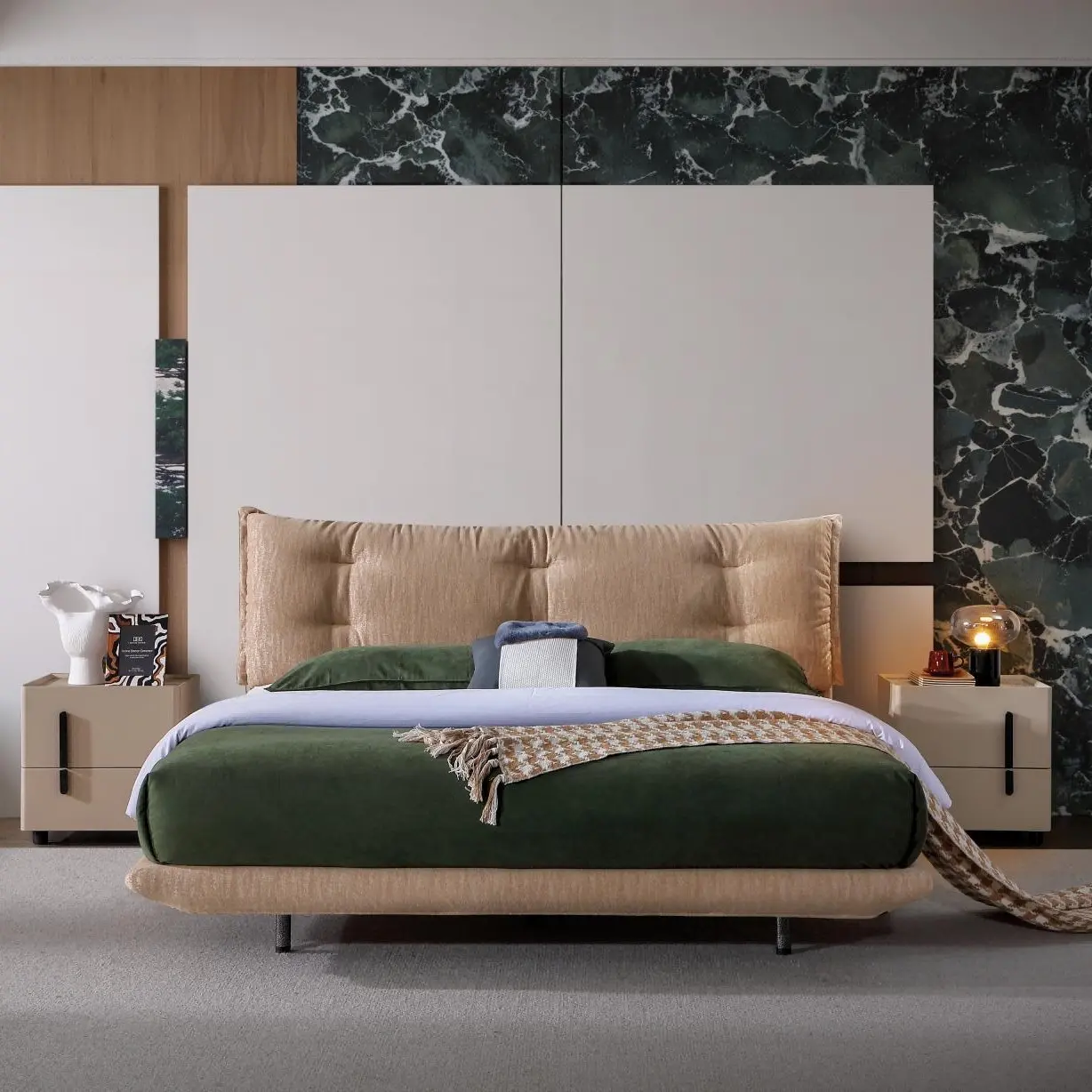
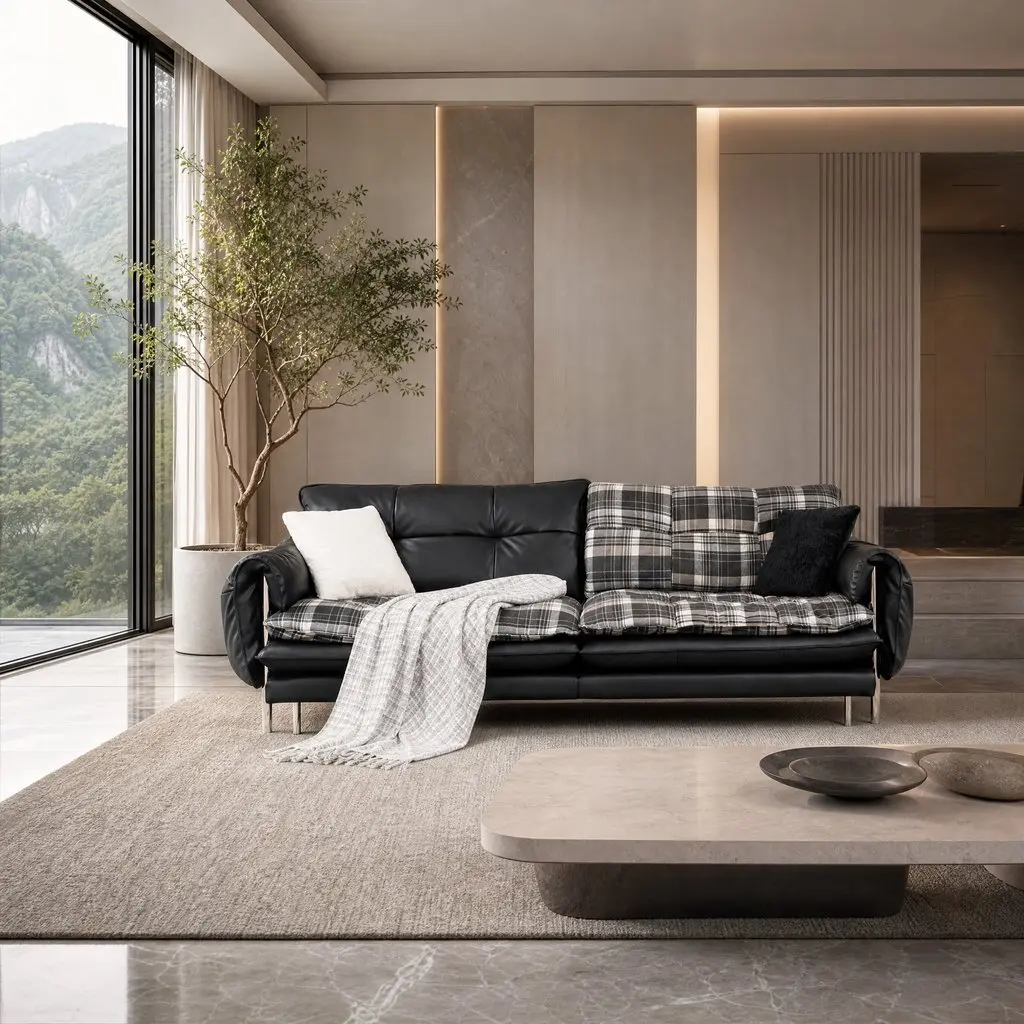
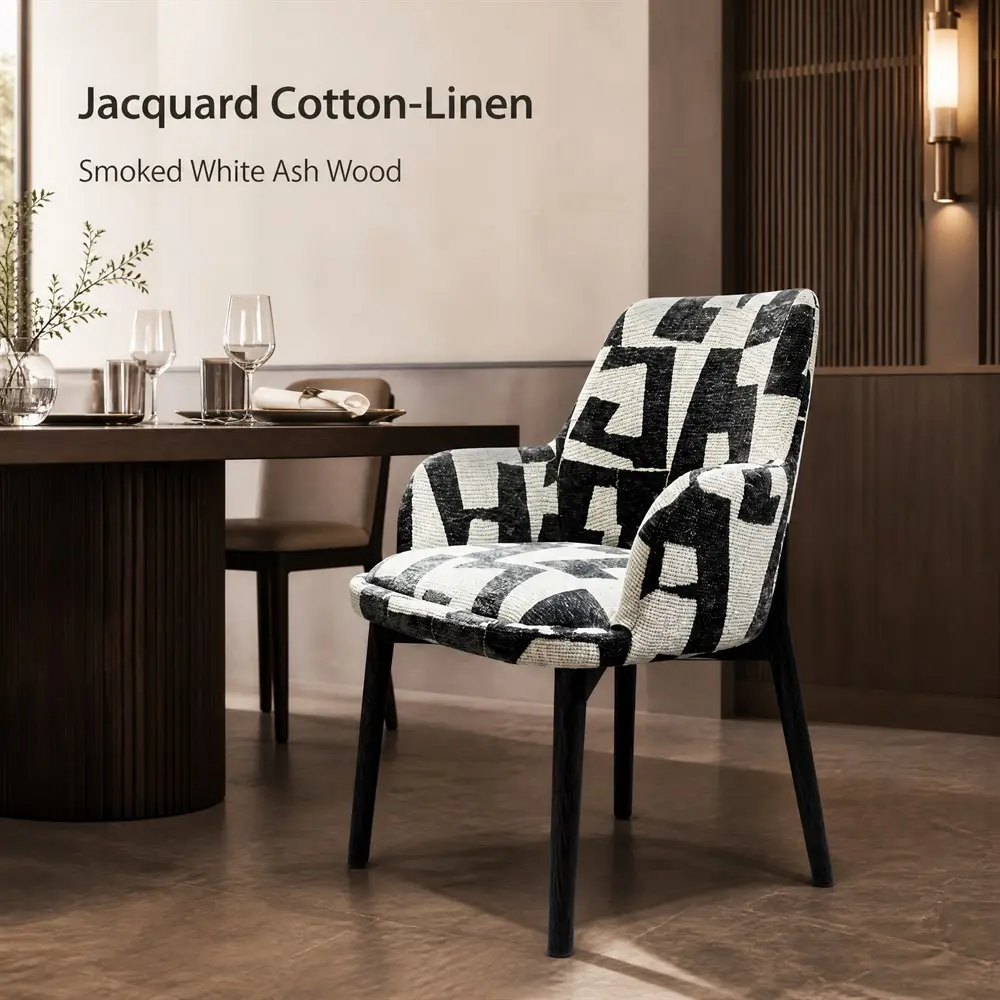
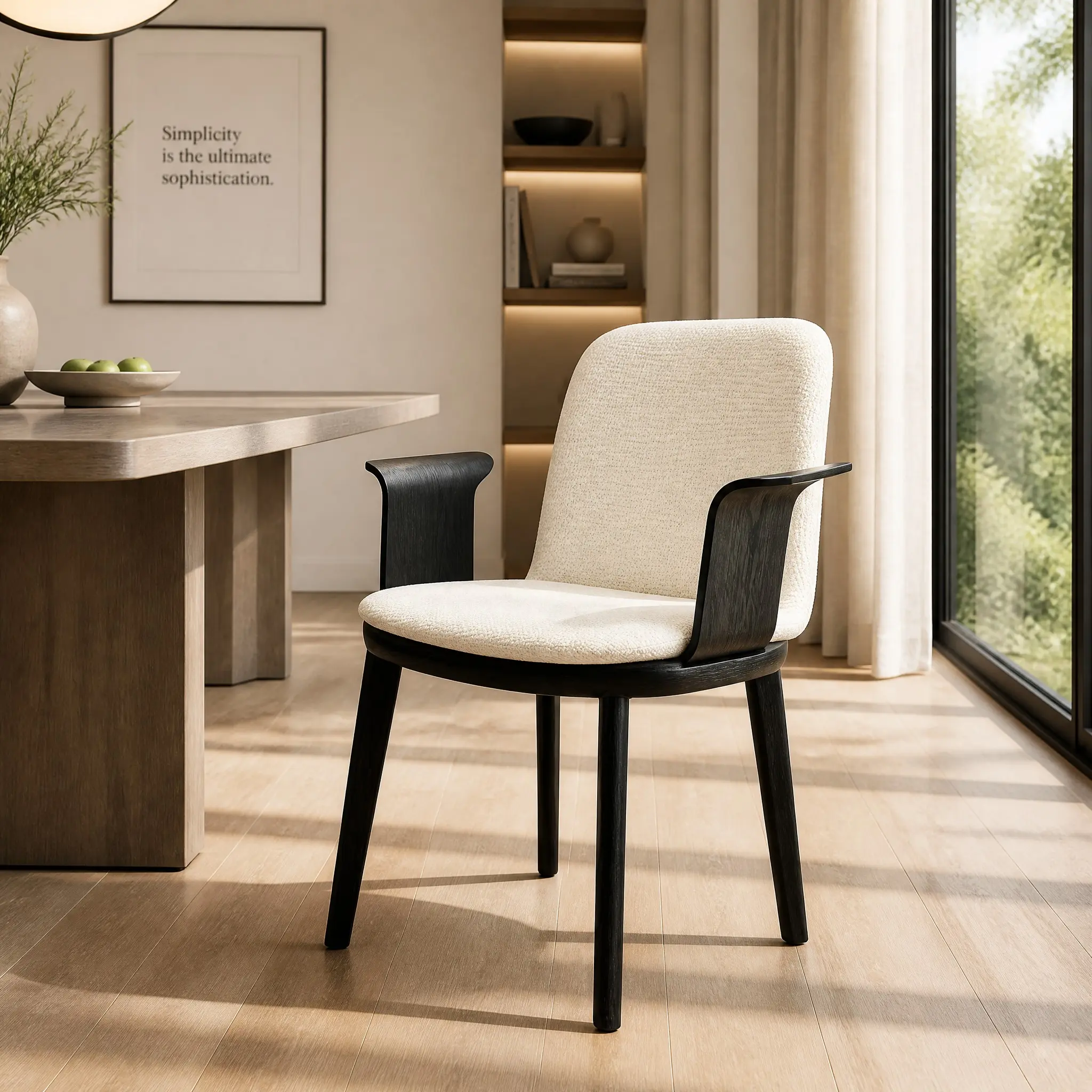
The following four anchor products form the backbone of many East African outdoor & mixed-interior programs — ideal as catalogue heroes alongside side table bundles. Each is fully customizable for Kenya's coastal and highland climates.
Why Kenya Is One of East Africa's Fastest-Maturing Outdoor Side Table Markets
Kenya's outdoor furniture category has moved in less than a decade from ad-hoc imports to a structured, specification-driven market. Three forces are converging: a hospitality construction boom across Nairobi, the Kenyan coast and the Maasai Mara; a residential premiumisation trend in gated communities such as Karen, Runda and Nyali; and a maturing interior design and A&D (architecture & design) community that increasingly treats terrace, poolside and balcony furniture as a design discipline rather than an afterthought. Outdoor side tables — the most frequently replaced and most frequently specified accent in garden and poolside sets — sit at the centre of this shift.
Hospitality Expansion
From boutique tented camps in the Mara to beach resorts in Diani and Watamu, and business hotels in Westlands and Upper Hill, project specifiers now demand outdoor side tables with UV-stable finishes, salt-air resistance and repeatable supply for phased fit-outs.
Residential Premiumisation
Middle-income and upper-income homeowners, plus the growing serviced-apartment sector in Kilimani, Lavington and Kileleshwa, are upgrading balconies and rooftop terraces — driving demand for compact, weather-proof side tables that pair with lounge seating.
Trade & Logistics Maturation
Mombasa Port's expanded container handling, the Nairobi Inland Container Depot and improving last-mile corridors have shortened import cycles for furniture wholesalers — making factory-direct container models from Foshan increasingly viable versus local middlemen.
A Material Reality: Kenya's Climate Demands More Than "Outdoor" Marketing
Kenya's outdoor specification environment is unforgiving. Nairobi's highland UV at 1,700+ metres altitude accelerates colour fade and polymer degradation. Mombasa and the coastal strip impose salt-laden humidity that corrodes low-grade steel hardware within a single season. The long-rains period (March–May) and short-rains (October–December) test water-shedding, drainage and joint integrity. A side table marketed as "outdoor" in a Northern European catalogue will often fail these conditions — which is why material certification must be Kenya-specific, not generic.
For wholesale buyers and project specifiers, this reality changes the sourcing brief. Aluminum frames should be powder-coated at 60–80 microns minimum, ideally with a marine-grade pre-treatment. Teak components must be genuine plantation teak (Tectona grandis) with documented origin, not teak-effect timber. Rope weaves must be solution-dyed high-density polyethylene (HDPE) or olefin — not PVC-core rope that cracks under UV. Stainless hardware should be AISI 304 minimum, with 316 preferred for coastal projects.
"If a side table cannot survive a Mombasa salt-air season and a Nairobi UV summer, it is not an outdoor table for the Kenya market — it is an indoor table with marketing."
Technology Roadmap & Future Outlook
The Outdoor Side Table Technology Roadmap Through 2030
Outdoor accent furniture is undergoing a quiet materials revolution. We track four technology axes for our Kenya partners — so the side tables you buy today remain competitive when you reorder in 2028.
2024–2025 · Present Baseline
Weather-Engineered Aluminum & Rope Systems
Wood-grain powder-coated aluminum frames paired with solution-dyed HDPE rope, FSC plantation teak inlays and AISI 304 hardware. This generation defines the current Kenya market standard and remains the volume backbone through 2027.
2025–2026 · Near-Term
Recycled & Traceable Material Streams
Recycled aluminum (up to 70% post-industrial content), recycled HDPE rope, and digital product passports that document origin, carbon footprint and recyclability — increasingly requested by hospitality ESG procurement teams and institutional investors backing Kenyan resort groups.
2026–2027 · Mid-Term
Composite & Bio-Based Tabletops
High-pressure laminate (HPL) and fibre-reinforced composite tops engineered for zero water absorption, wood composite (WPC) with improved dimensional stability, and bio-based resins from agricultural by-products — reducing weight per unit for air-and-sea-freight optimisation into Mombasa.
2028–2030 · Longer-Term
Smart & Modular-Integrated Outdoor Systems
Modular side tables with integrated charging (solar or low-voltage), quick-lock assembly for rapid resort reconfiguration, and sensor-enabled wear signalling for large hotel groups managing hundreds of identical units across multiple properties. Early-stage prototyping in our Foshan R&D lab.
Macro Industry Solutions
Four Procurement Archetypes We Serve in Kenya
Outdoor side tables are rarely bought in isolation, and no two Kenya buyers need the same program. Our approach segments the market into four solution archetypes — each with its own specification, packaging and logistics playbook.
Wholesale & Distribution Programs (Nairobi / Mombasa)
Container-load replenishment of best-selling side table silhouettes for multi-store retailers and regional distributors. Fixed SKU architecture, palletised or cartonised export packing, and repeatable finish consistency across reorders — with our team matching container fill to your Nairobi warehouse sell-through.
Hotel & Resort FF&E Packages
Room-set-matched outdoor side tables paired with lounge seating, sun loungers, dining sets and poolside groups — all specified for the property's environmental zone (coastal, highland, safari). Phased delivery aligned to construction milestones, with mock-up samples and inspection support ahead of volume production.
Property Developer Programs
Terraced balconies, rooftop amenity decks, poolside lounges and clubhouse outdoor areas — delivered as standardised side table bundles with brand-neutral finishes for Kenya's mid-to-premium residential developments. Common pallet and carton architecture simplifies distribution across sites.
Private Label & Designer Collaborations
For Kenya's boutique furniture brands and A&D studios: white-label side table collections with your own woven labels, custom dimensions and bespoke finish palettes. We produce to your spec sheet; you own the brand, the client relationship and the local market position.
Localization & Compliance
Localized Support, Kenyan Compliance and Import-Ready Documentation
The difference between a shipment that clears smoothly at Mombasa and one that stumbles is almost never the product — it is the paperwork, the labelling and the pre-shipment technical alignment. We treat compliance as a design input, not an afterthought.
Localization Support
English-language documentation aligned to Kenyan import practice
Dimension tolerances, packaging marks and carton labeling prepared for KEBS review
Finish palettes tuned to East African design preferences (warm neutrals, deep olive, off-white powder coat)
Coastal vs. highland spec dials — same SKU, different material build depending on Kenya use case
Compliance & Documentation
Pre-shipment inspection (PSI) support aligned with KEBS PVoC process expectations
Certificate of Conformity (CoC) pathway coordination through accredited inspection bodies
Fumigation & phytosanitary certificate support for teak and wood-composite components
Material safety data sheets, finish specs and structural load test reports on request
A note for procurement teams: while our production teams prepare side tables to spec, we also prepare the paperwork your customs broker will accept. Both matter equally at the Port of Mombasa.
China Factory 4.0 · Supply Chain Resilience
Factory 4.0: How Supply Chain Resilience Becomes Your Competitive Advantage
China's furniture production base — with Foshan–Shunde at its centre — is entering a new phase. The old model (large-batch, seasonal, opaque-expectation factories) is giving way to a distributed, digitised, contract-grade model. For Kenya buyers, this shift translates into three concrete operational advantages.
Faster Sampling & Iteration
Digital drawings, cutting lists and 3D mock-ups flow between our design team and factory floor in days, not weeks. For Kenya A&D studios and hospitality mock-up rooms, this dramatically accelerates sign-off cycles.
Multi-Site Capacity Resilience
Our aggregate-manufacturing model federates in-house capability with audited partner factories for rope, teak and aluminum specialist lines. If one site is constrained, we reroute — protecting your delivery window.
Digitised QC & Traceability
In-line inspections, photo documentation and per-batch traceability give buyers documented proof of finish consistency and structural integrity — a required input for hospitality and developer procurement files.
The Full Stack of China Factory 4.0 Advantages for Kenya Sourcing
Material engineering integrated at the design stage, not bolted on after sampling
Factory-direct pricing — distributors and secondary agents bypassed, margin preserved for the buyer
Container consolidation across categories (sofas, beds, dining, outdoor tabletops) to reduce per-unit ocean freight
Export-grade multilayer packaging engineered for the Mombasa–Nairobi corridor and beyond
Documented quality standards traceable to source — an emerging prerequisite for ESG-sensitive hospitality groups
Global Procurement Demands
What Global Buyers Now Expect — and Kenya Buyers Are Starting to Demand
Kenya's outdoor furniture buyers increasingly benchmark their procurement expectations against what their counterparts in the GCC, Southeast Asia and Southern Europe already require. These are the standards we now build to as default.
Full Specification Transparency
Buyers expect detailed material specs, finish codes, hardware ratings and test references on every SKU. We deliver these as part of the standard quotation pack — not on request.
Audit-Ready Supply Chains
Hospitality and developer clients increasingly require documented factory capability, social compliance and environmental performance — not verbal assurances. We prepare buyers for both internal and third-party audits.
End-to-End Program Ownership
One vendor contact responsible for sampling, production, QC, packaging, documentation and post-sale support. Fragmented sourcing across many small suppliers is now understood to be more expensive than a coordinated program.
Data-Backed Replenishment
Wholesale buyers expect per-SKU sales performance data and reorder recommendations. Our account teams provide this as part of ongoing wholesale programs.
ESG & Material Traceability
Recycled content, FSC sourcing, low-VOC finishes and packaging minimisation — increasingly explicit in tenders from institutional and international hotel groups operating in Kenya.
Flexible MOQ & Mixed Loads
The ability to combine mixed-category orders into a single container — reducing import cost and inventory risk — has become a purchasing standard rather than a special request.
Complete Catalogue — Mixed-Interior Products for Kenya Programs
Full Anchor Range — Mix Into Your Kenya Container
Every SKU below can be bundled with our outdoor side tables and shipped in a mixed-category container — the standard procurement pattern for Kenya wholesalers and multi-room project buyers.
Share your target SKUs, container volume and Kenya delivery window. Our export team will return a factory-direct quotation, material specification sheet and container loading plan — usually within two business days.
Frequently Asked Questions from Kenya Wholesalers & Project Buyers
Do you ship outdoor side tables directly to Kenya, and what are typical lead times?
Yes. We regularly ship containerised outdoor side table orders to Mombasa and to the Nairobi inland container depot. Typical production lead time is 30–45 days from order confirmation and sample approval, with ocean transit to Mombasa in the 25–35 day range depending on carrier and port schedules. We provide an indicative door-to-port timeline with every quotation so you can plan warehouse and project delivery dates accurately.
Can you customize outdoor side tables for Kenya's climate — UV, salt-air and rainy seasons?
Absolutely — this is core to how we operate. We prepare two baseline climate profiles: a "Coastal Kenya" profile (marine-grade powder coat, AISI 316 hardware, solution-dyed HDPE rope, salt-spray-tested finishes) and a "Highland Kenya" profile (UV-stabilised finishes, high-altitude fade resistance, thermal-cycling stable joints). Your specification sheet documents exactly which build is going into each SKU, so reorders and additions stay consistent.
What are your MOQs for wholesale orders and can I mix categories in one container?
MOQs vary by model and customization level, and we routinely support mixed-category orders — for example, outdoor side tables combined with lounge seating, dining sets and indoor bedroom or dining lines, all loaded in a single container. This is the standard procurement pattern for Kenya wholesalers and multi-room project buyers, and our post-sale team plans container loading to maximise fill and reduce per-unit freight cost.
Do you provide KEBS / PVoC documentation and pre-shipment inspection support?
Yes. We prepare the documentary package aligned with Kenya import practice, coordinate with accredited inspection bodies where the buyer's program requires pre-shipment inspection, and support fumigation and phytosanitary documentation for wood-component products. Final responsibility for regulatory filings rests with your importer or customs broker, but we ensure the technical file is complete and ready.
Are your outdoor side tables suitable for hotel and resort projects in Kenya?
Yes — hotel and resort projects are a core segment for us. We support mock-up samples, program-level catalogues, room-set matching and phased delivery aligned to construction. We can provide structural load test reports, finish specifications and material safety data sheets to satisfy hospitality procurement requirements. For large multi-property groups, we also support sensor-enabled and modular variants under development in our R&D lab.
How do I place a first order and what does the process look like?
The process is straightforward: (1) share your target SKUs, projected volume and Kenya delivery window; (2) we return a factory-direct quotation with material specification and container loading plan; (3) you approve pre-production samples; (4) we run in-line QC on the factory floor with photo documentation; (5) we coordinate container consolidation and shipping documentation. Your account manager stays with you through shipping and post-sale support. To start, simply click any "Send Inquiry Now" button on this page.
Where is your factory located and can Kenya buyers visit?
We are based in Hui Cheng Industrial Park, Longjiang Town, Shunde District, Foshan, Guangdong, China — one of the world's most established furniture production clusters. Kenya buyers are welcome to arrange factory and showroom visits; our team can coordinate accommodation and inspection scheduling alongside other Foshan supplier visits to make the trip efficient.
What sets your outdoor side tables apart from other China suppliers?
Three things. First, we engineer for the destination market — Kenya climate profiles, not generic export defaults. Second, we own the full stack: in-house design, audited partner factories for specialist components, in-line QC, and consolidated shipping under one quality owner. Third, we provide "information gain" for procurement — transparent material specs, documented test references and reorder-matched finishes. You get factory-direct pricing and a repeatable quality standard, not a catalogue markup.