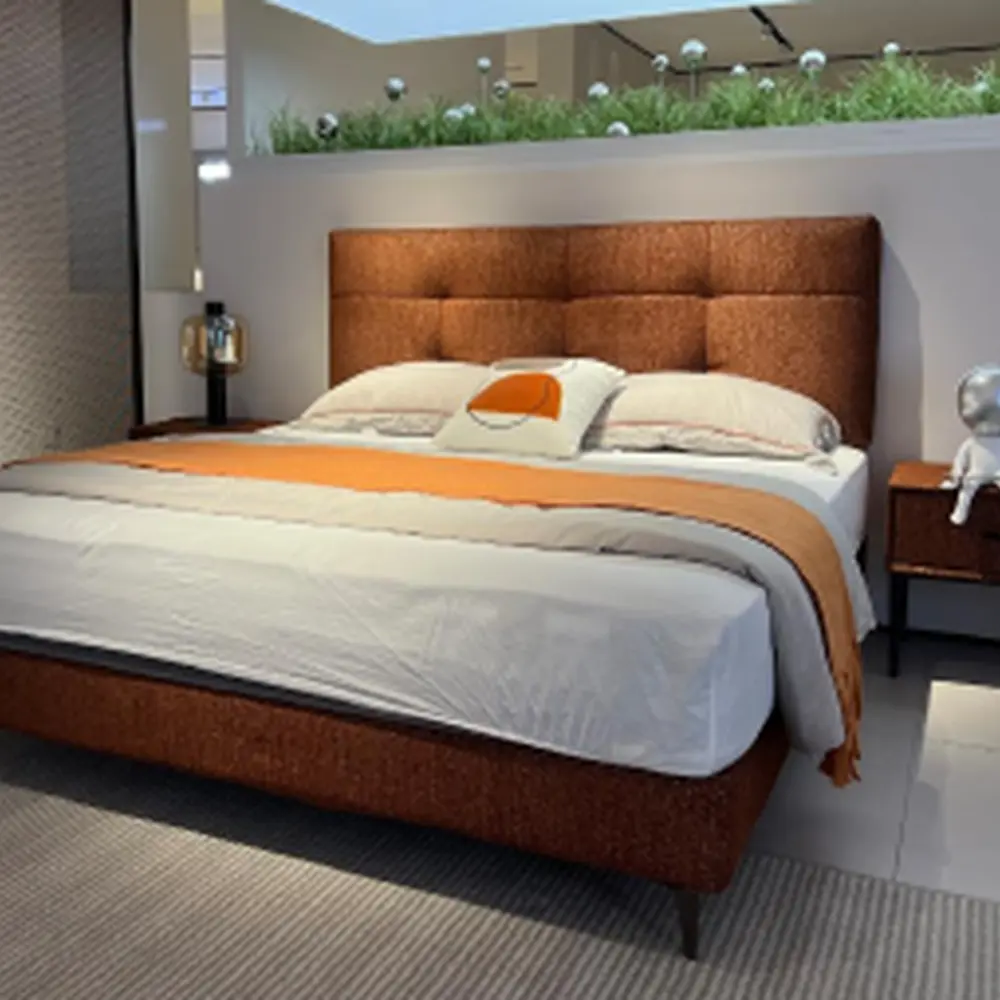
Wholesale Salon Furniture for Finland
A Factory Partner Built for Finnish Salon, Spa and Hospitality Procurement
Qingyumai is the export brand of Foshan Qingyumai Technology Co., Ltd. — an integrated furniture manufacturer in Longjiang, Shunde, with more than a decade of OEM and ODM export experience and 100+ original design and structure patents. This page explains how salon furniture is specified, sourced and shipped for the Finnish market, and what wholesale buyers should evaluate before committing to a container.
Finland is not a volume market in the way Central Europe is, but it is a high-standard market. Finnish buyers — whether a salon chain in Helsinki, a spa operator in Lapland, a hotel procurement team in Tampere or a wholesale distributor serving the Baltic region — tend to specify fewer SKUs, demand longer service life, and ask pointed questions about fire performance, upholstery durability and cold-climate logistics.
That combination rewards manufacturers who can answer technical questions with documentation rather than reassurance. Our salon furniture lines are produced in a facility where upholstery, frame joinery and foam cutting happen under one quality owner, which is why we can support OEM/ODM customization across four dimensions — size, color, fabric grade and private label — without fragmenting the order across multiple suppliers.
For Finnish buyers the practical benefit is consolidation. Salon reception seating, waiting-area lounge chairs, styling-station stools, spa relaxation pieces and back-of-house dining furniture can ship together, packed to Nordic export standards, on one bill of lading and one quality standard.
- One quality owner across upholstery, frames and foam
- Commercial-grade fabric and finish options for high-traffic salon floors
- Mixed-category container consolidation to protect freight economics
10+Years of export manufacturing
100+Original patents owned
19Furniture categories in production
1Purchase order, one QC standard
Featured Wholesale Models
Salon & Hospitality Furniture Selected for Nordic Projects
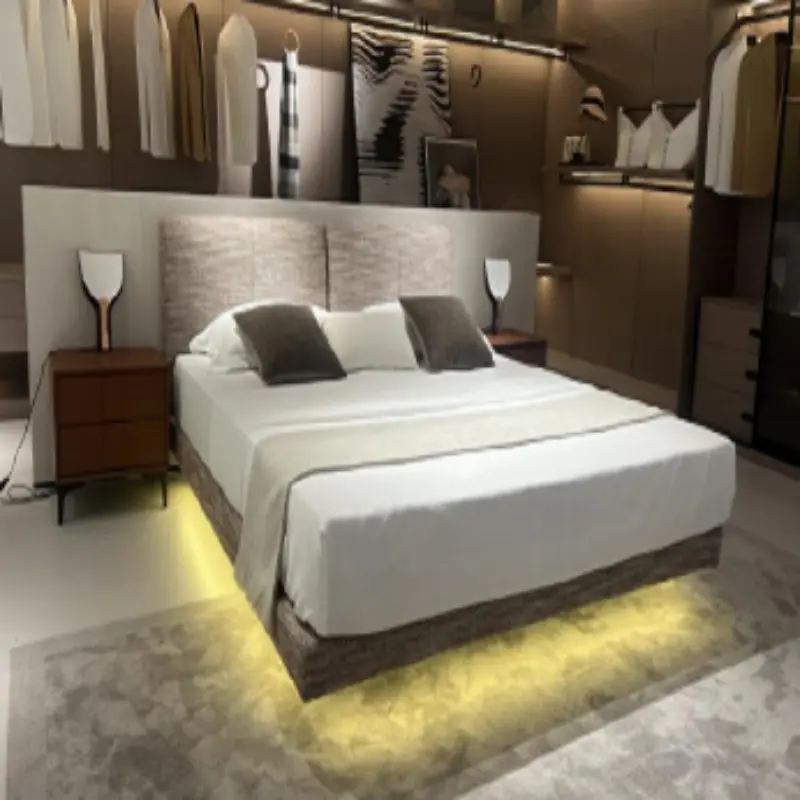
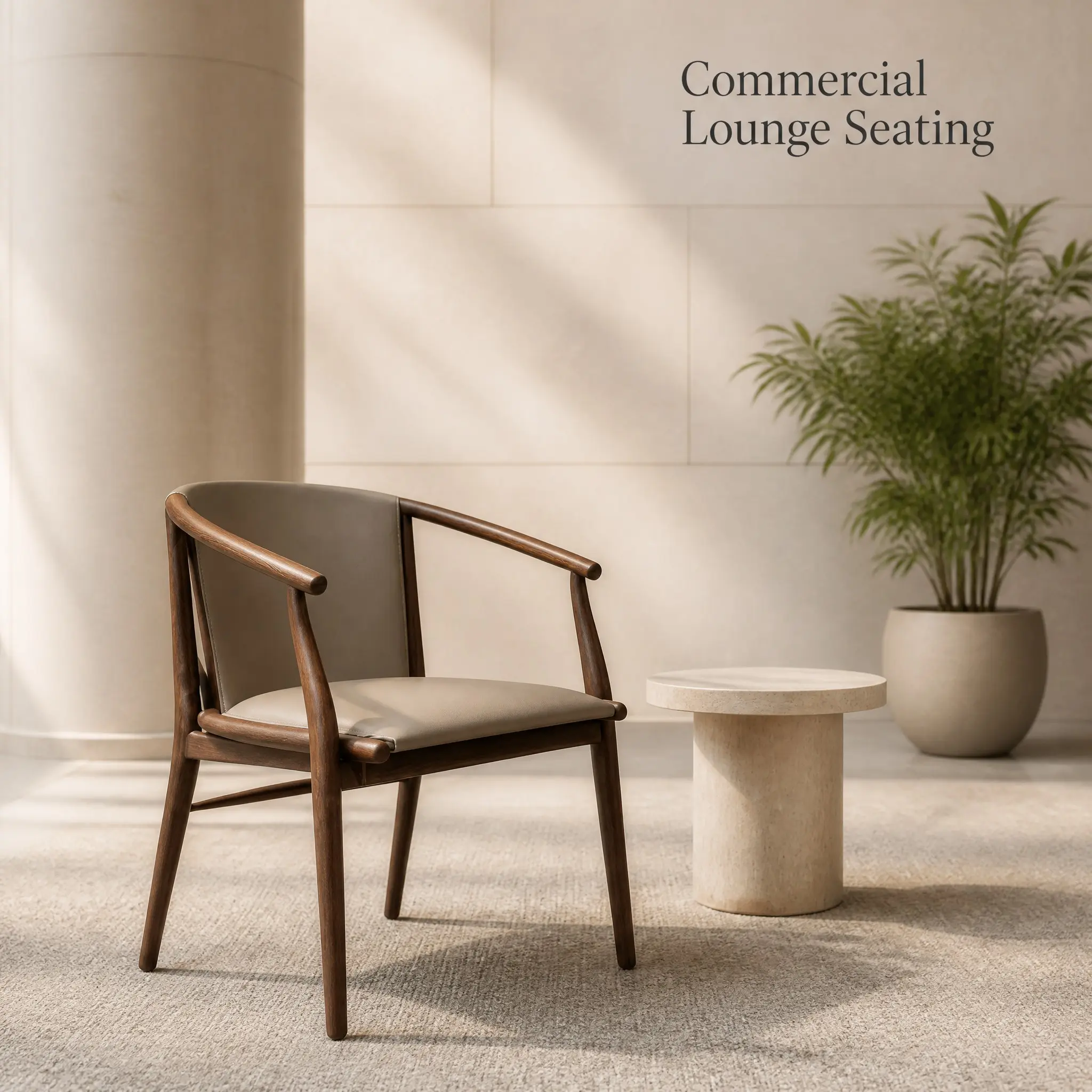
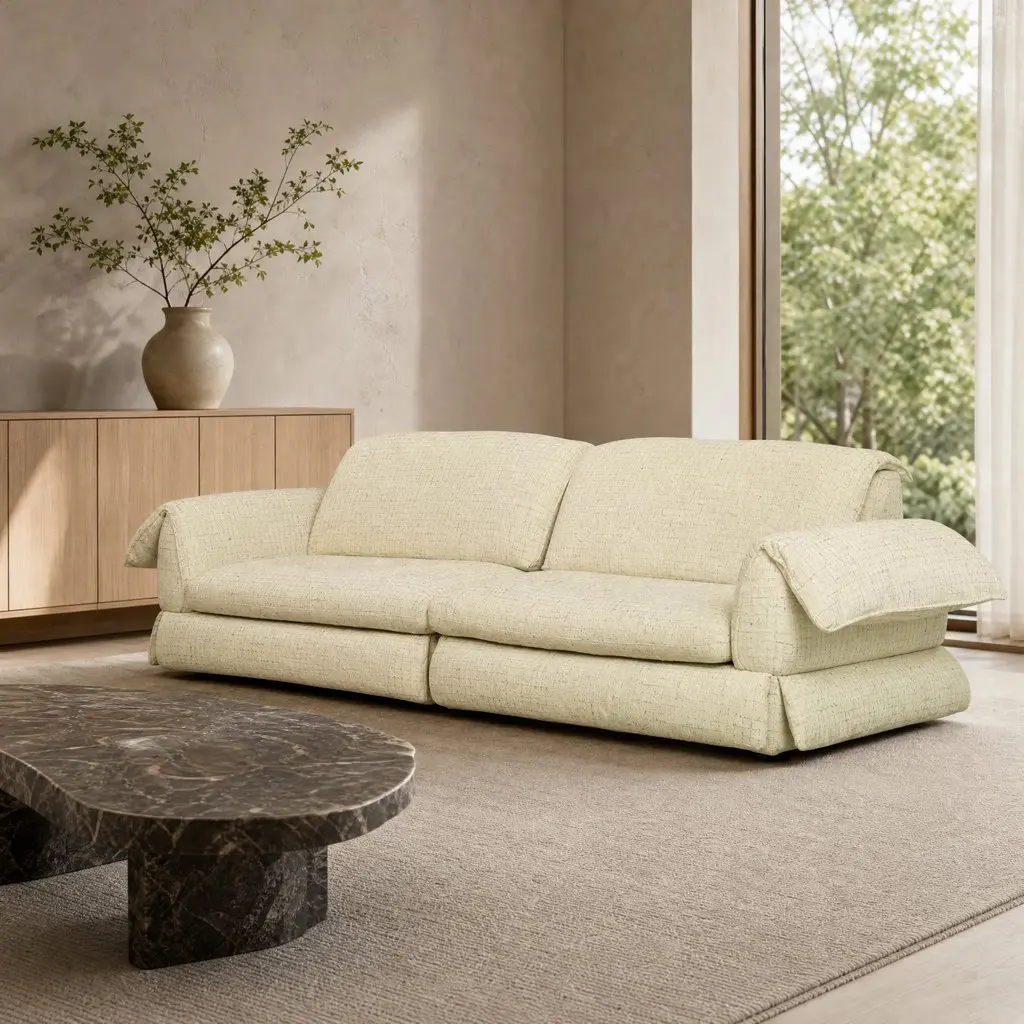
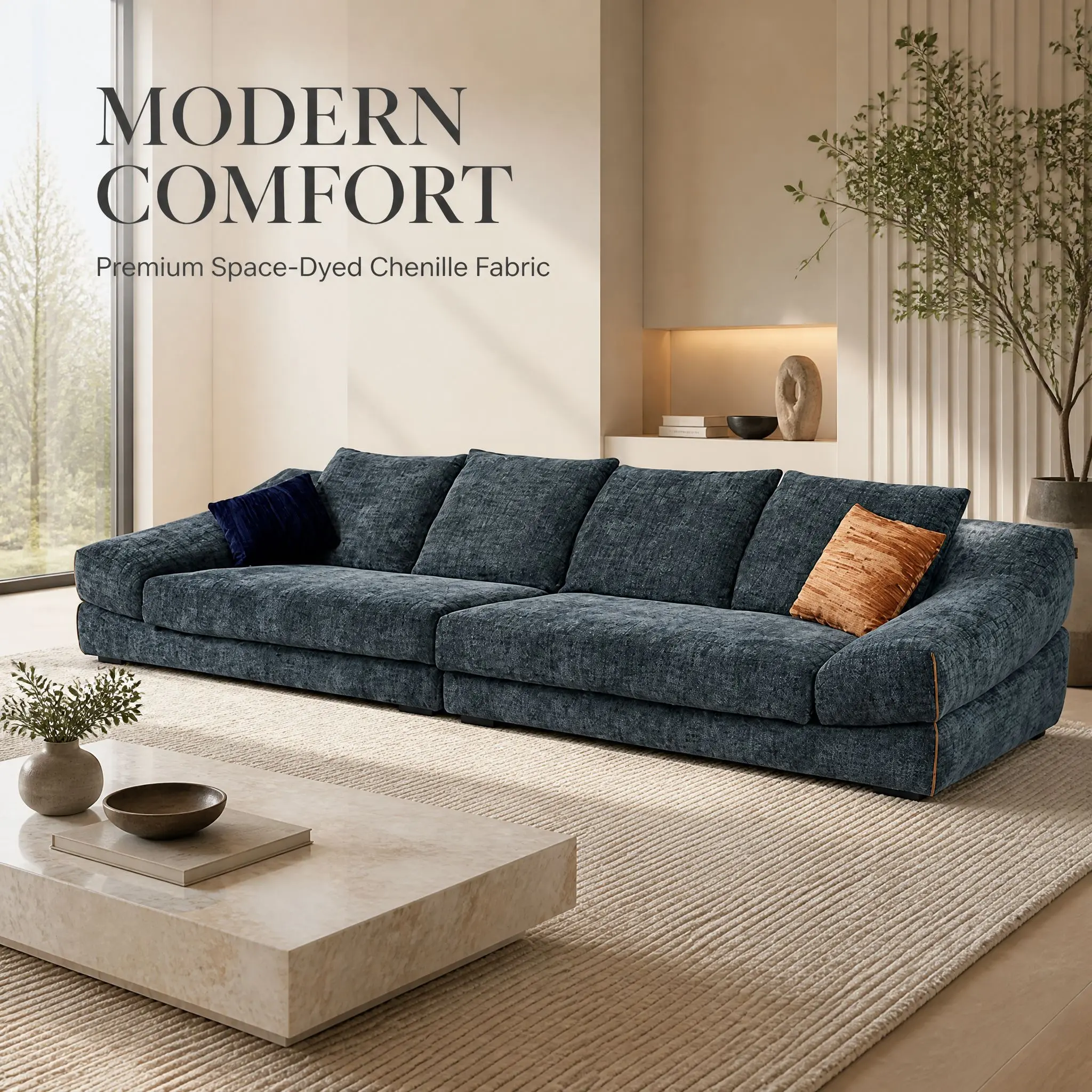
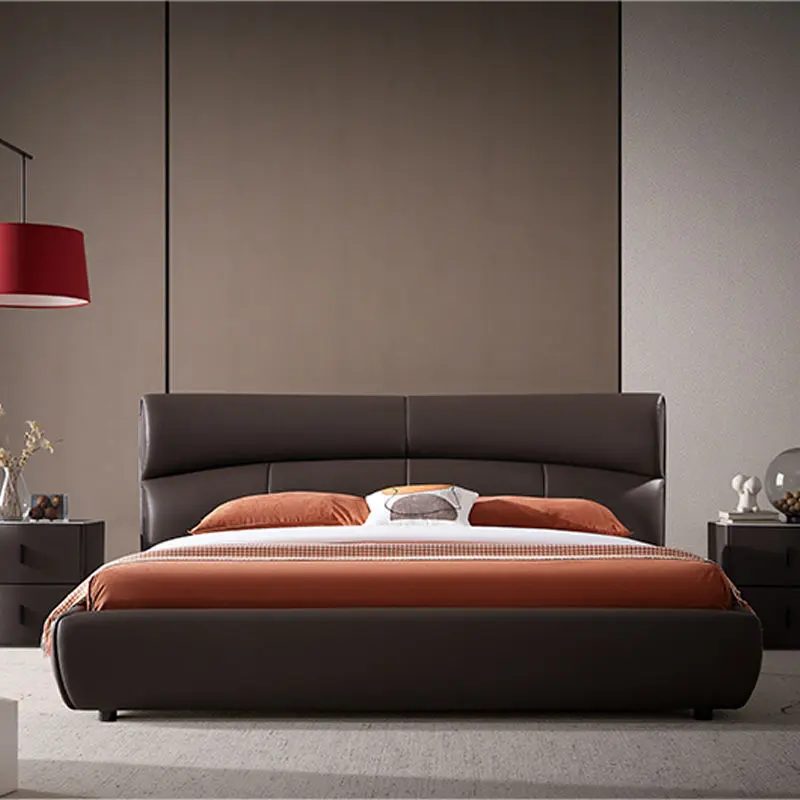
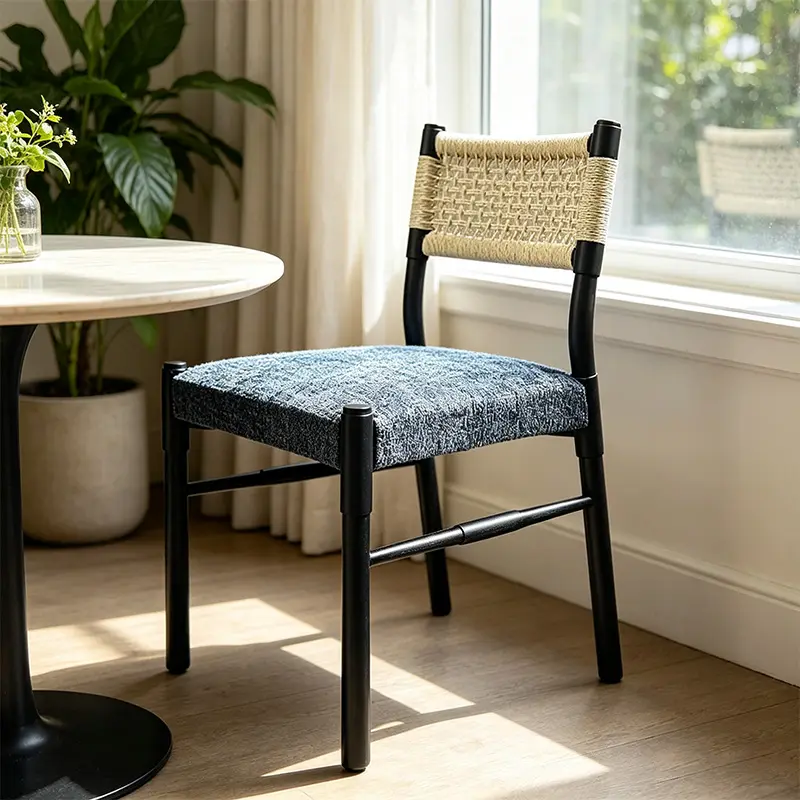
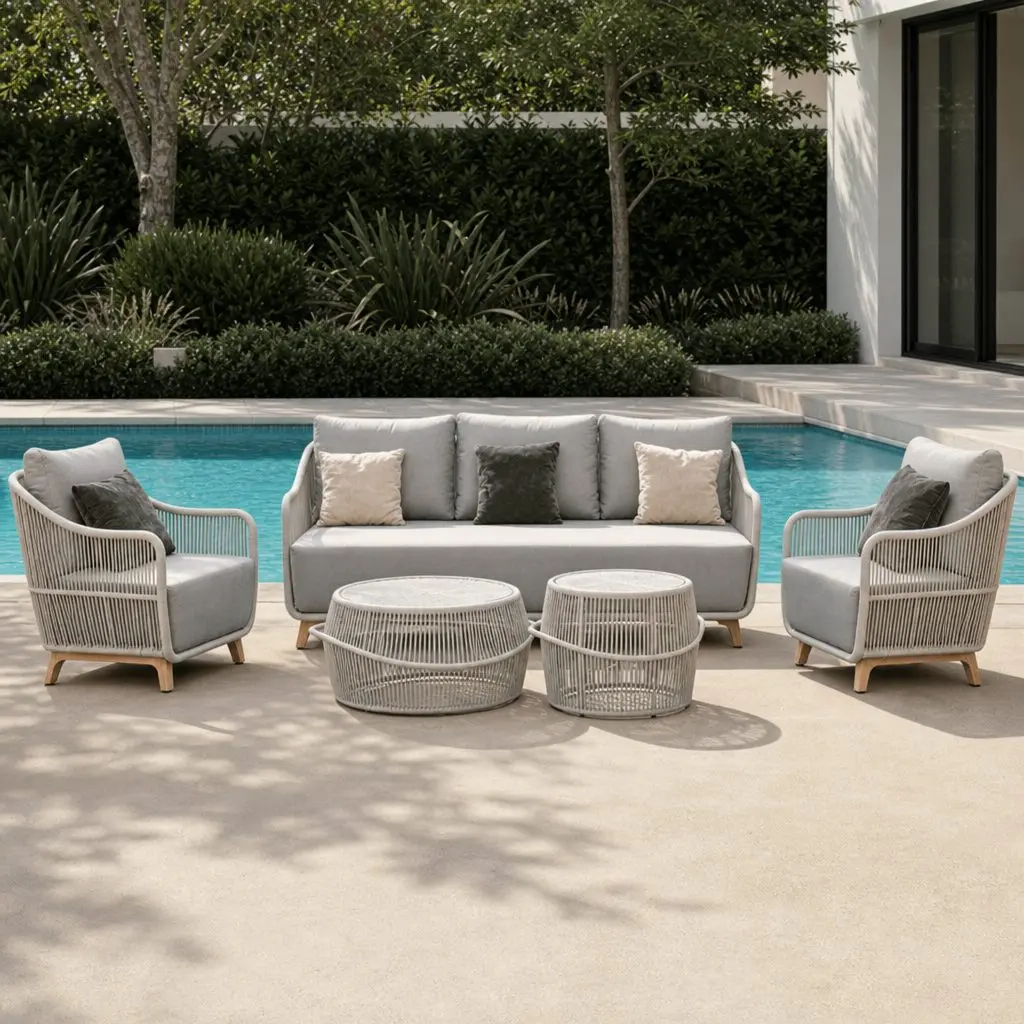
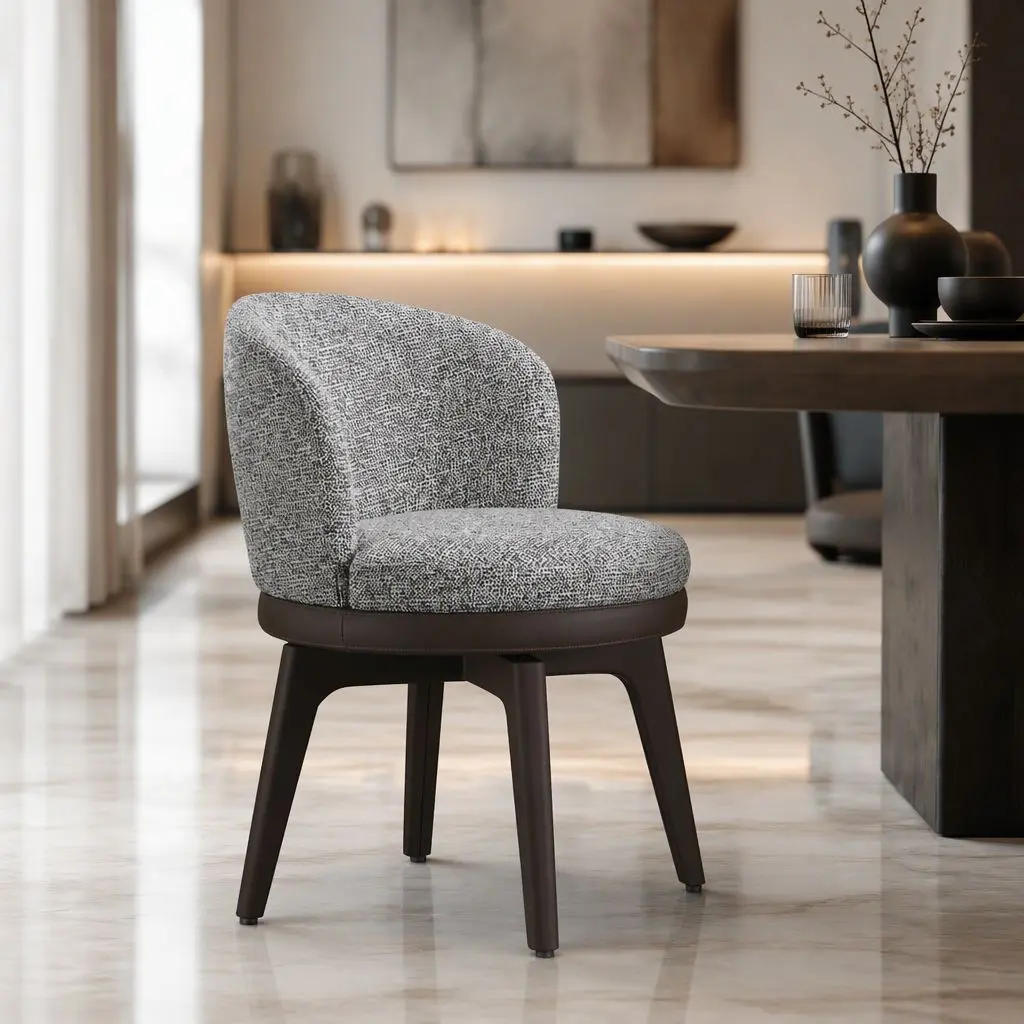
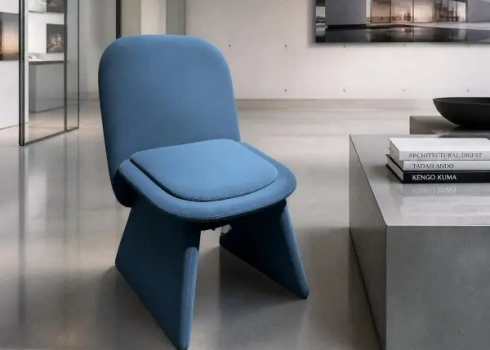
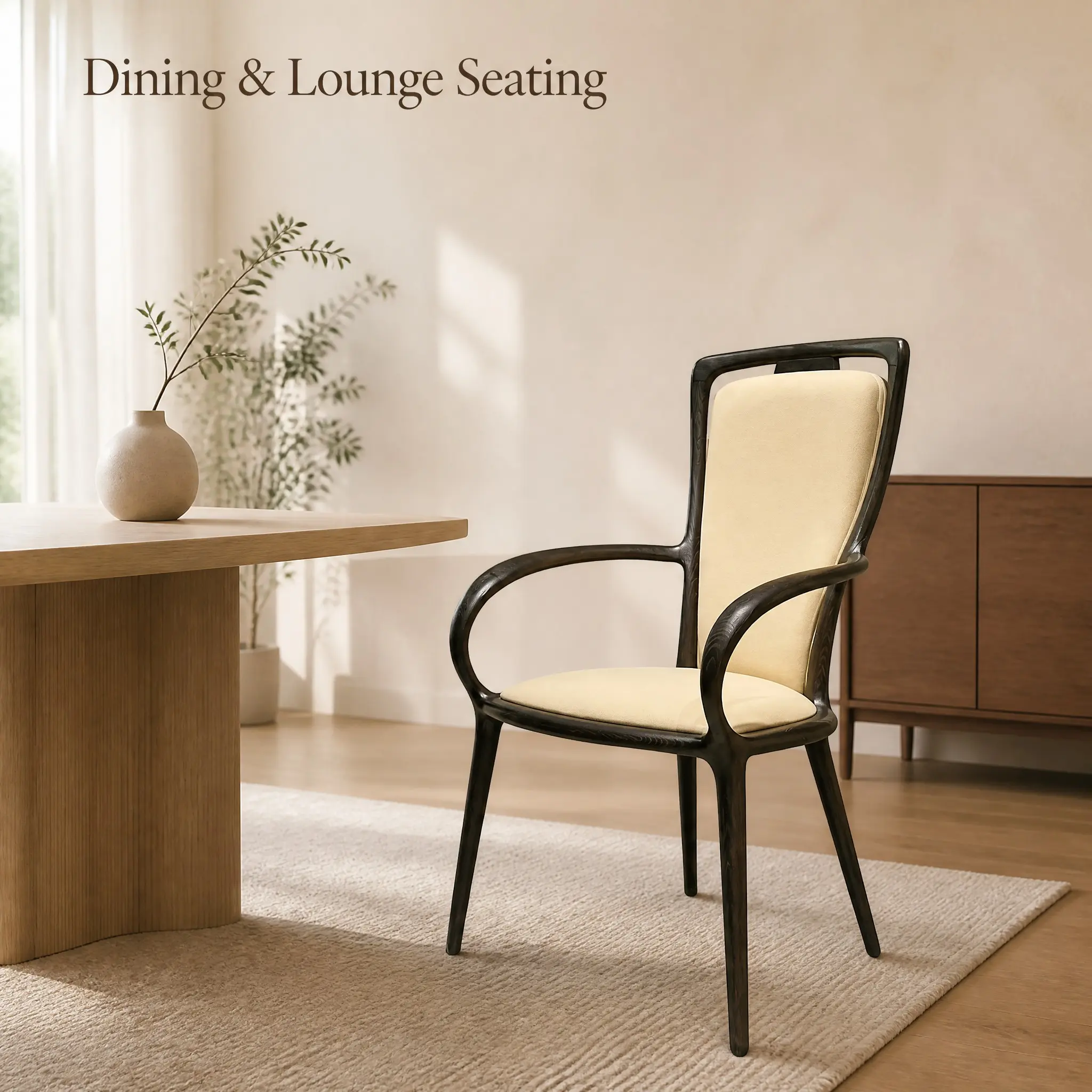
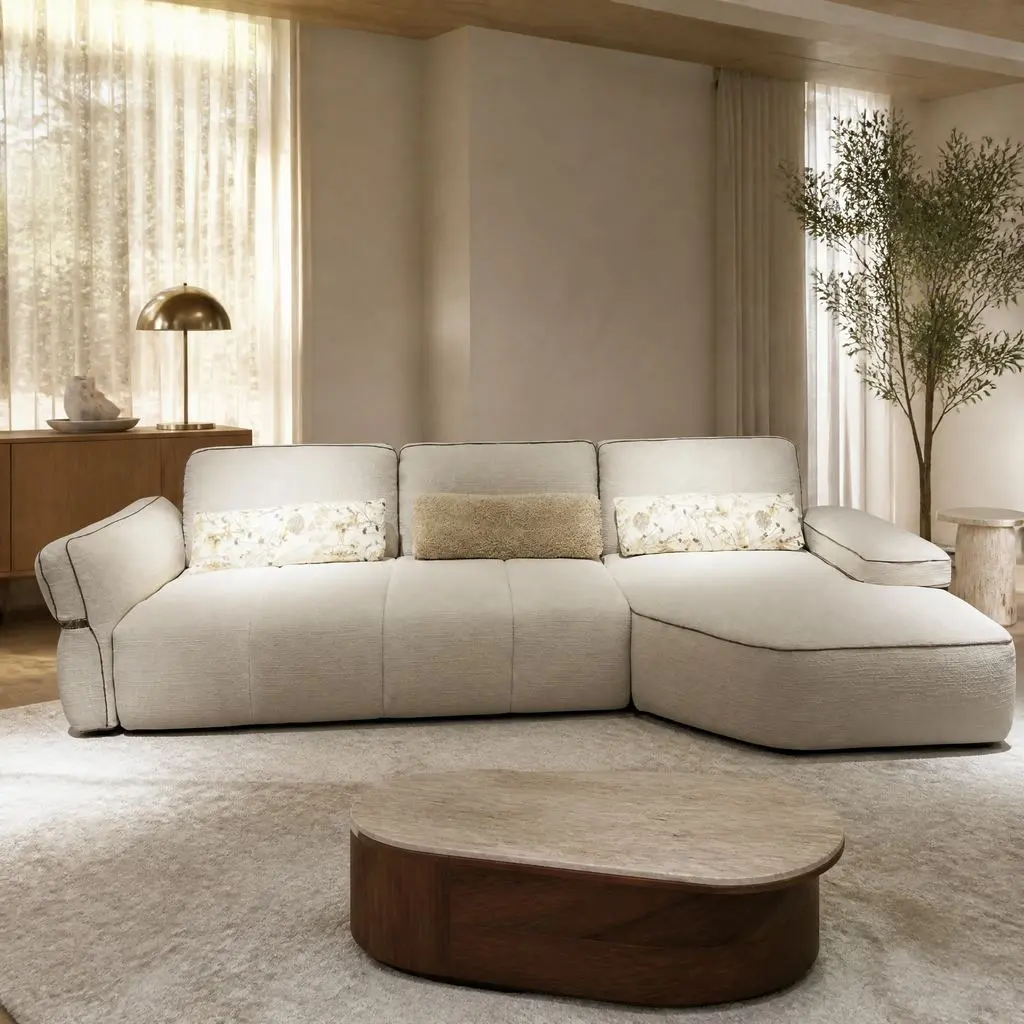
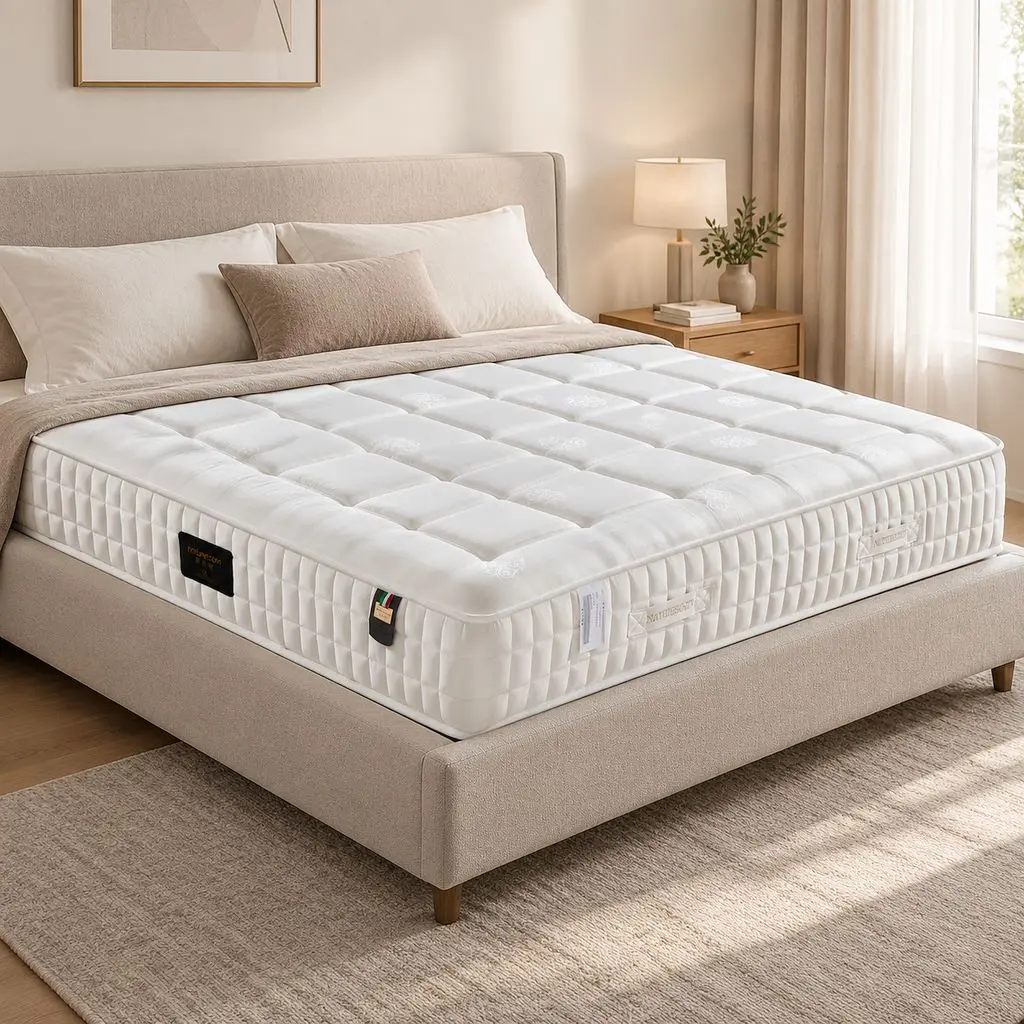
These four models reflect the typologies Finnish salon and spa buyers request most often: lounge seating with a calm upholstered profile, armchairs with natural wood frames, modular sofas for reception areas, and sleep-grade mattresses for spa and wellness suites.
Market Intelligence · Finland
The Finnish Salon & Wellness Furniture Landscape
Understanding how Finnish salons, spas and hotels actually buy furniture is the difference between a container that sells through and one that sits in a warehouse.
A Service-Dense, Urban-Led Market
Finland's salon and beauty sector is concentrated in the Helsinki metropolitan area, with secondary clusters in Tampere, Turku, Oulu and Jyväskylä. Because premises are often leased and refurbished on 5–7 year cycles, Finnish operators replace reception and waiting furniture more frequently than styling equipment. That creates steady, repeatable wholesale demand for lounge seating, reception sofas and side tables.
Design Literacy Raises the Bar
Finnish buyers are design-literate. They reference Nordic minimalism, natural wood tones and muted textiles — and they can tell a genuine ash frame from a laminate imitation. This is why models built around solid ash, larch and walnut-finish hardwoods outperform generic MDF-based pieces in this market, both at wholesale and at retail resale.
Climate-Driven Material Choices
Long, dark winters and dry indoor heating stress upholstery differently than in Southern Europe. Fabrics that resist static build-up, hold color under low UV exposure and tolerate indoor humidity swings are preferred. Buyers increasingly request removable, washable covers — a specification our sectional sofa lines already support as standard.
Documentation Over Sales Talk
Finnish procurement teams, especially in hospitality and public-adjacent projects, expect written specification: frame material, foam density, fabric composition and care instructions. A manufacturer that cannot supply this in English at quotation stage is usually eliminated before pricing is even discussed.
Logistics Shaped by Distance and Season
Sea freight from South China to Helsinki and Kotka is long-haul, and Baltic winter routing can add variability. Finnish importers therefore favour suppliers who can consolidate mixed categories into a single container, pack for cold and damp transit, and provide loading plans that maximize cubic utilization.
Compliance as a Gate, Not a Bonus
Furniture placed in commercial premises in Finland is expected to meet applicable EU product safety and textile labeling requirements. Buyers should confirm fabric composition labeling, flame-performance documentation where relevant, and packaging materials that satisfy Finnish recycling conventions before confirming a production run.
Global Industry Context
Where the Commercial Salon Furniture Supply Chain Stands Today
Salon and wellness furniture sits at the intersection of three larger furniture markets: contract hospitality, commercial seating and residential upholstery. Each is moving in a direction that affects how Finnish buyers should source.
1. Contract and Commercial Segments Are Growing Faster Than Residential
Across Europe, hospitality, wellness and personal-care operators have been refurbishing at a faster cadence than the residential market, which is more sensitive to interest rates and housing turnover. For wholesale buyers this means project-driven orders — a salon chain refitting six locations, a spa opening a new wing — are increasingly the backbone of revenue, and suppliers must be able to scale a single approved sample across many units without quality drift.
2. Buyers Are Consolidating Suppliers, Not Expanding Them
The post-pandemic procurement trend is unmistakable: fewer vendors, deeper relationships. A Finnish distributor would rather buy reception sofas, styling chairs, spa loungers and back-of-house dining furniture from one accountable partner than manage six. Manufacturers that only offer one category are being squeezed out of consideration for larger accounts.
3. Material Transparency Is Becoming a Purchasing Criterion
EU-facing buyers increasingly ask about foam density, frame species, adhesive type and whether covers are replaceable. This is partly regulatory and partly reputational — a salon brand does not want furniture that looks worn after eighteen months of daily use. Suppliers who can document material specifications at quotation stage are winning more contracts.
4. Freight Economics Are Reshaping Product Design
Container costs remain volatile. Designers are responding with knock-down frames, separable cushions and flatter packaging that raises units per cubic meter. This is a genuine engineering advantage: a sofa that packs 30% more efficiently can be priced more competitively in Finland without reducing factory margin.
| Supply Chain Factor | What It Means for Finnish Buyers | How We Respond |
|---|---|---|
| Long-haul sea freight to Helsinki / Kotka | Freight cost per unit dominates landed price | Mixed-category container consolidation and optimized loading plans |
| Cold and damp transit conditions | Risk of moisture damage and finish defects | Multi-layer export crating and moisture-barrier packaging |
| High labor cost of installation | Assembly errors are expensive to correct | Clear assembly guides and knock-down designs where appropriate |
| Design-literate end customers | Product must look credible up close | Solid hardwood frames and commercial-grade upholstery options |
| Long service life expectations | Replacement cycles stretch to 5–7 years | Replaceable covers and documented foam density specifications |
Factory Efficiency Advantage
Why a Foshan Factory Outperforms a Trading Intermediary
The efficiency advantage of a Chinese furniture factory is not simply lower labor cost — it is cluster density, vertical integration and the ability to iterate a sample in days rather than months.
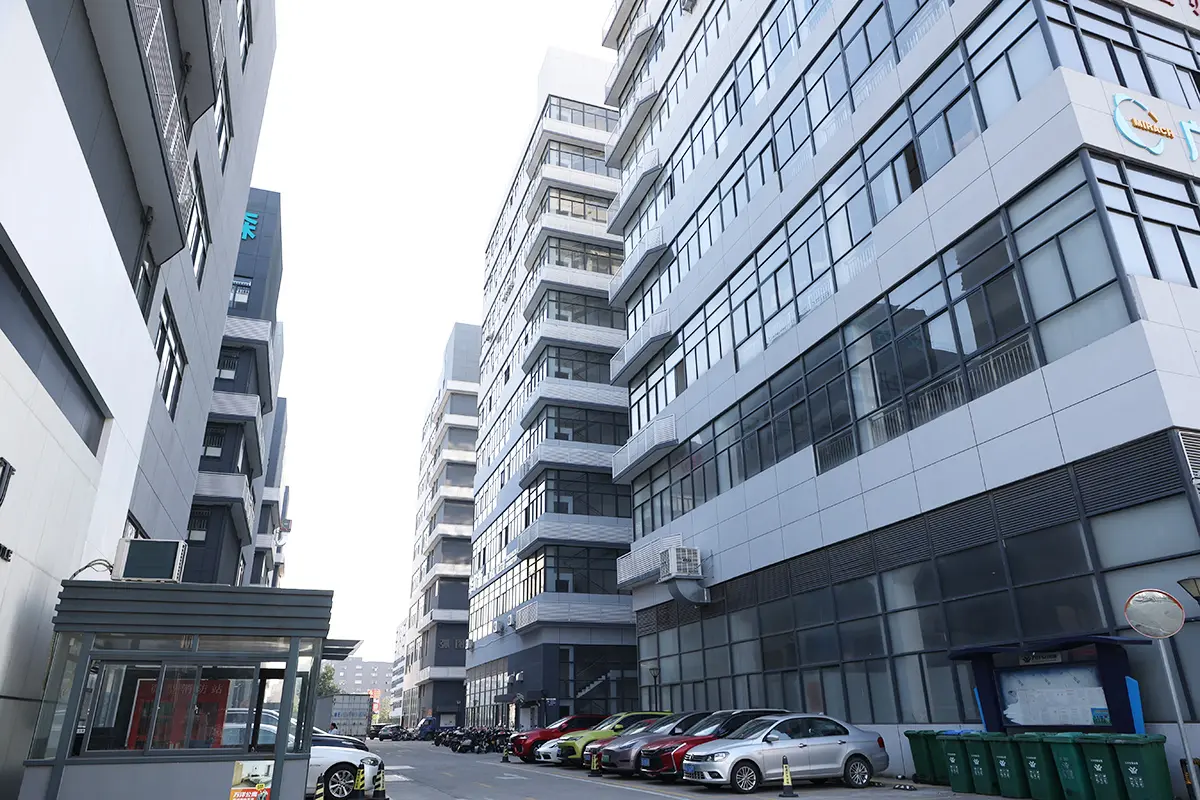
Shunde and Longjiang form one of the densest furniture manufacturing clusters in the world. Within a short radius you can source hardwood frames, high-density foam, commercial upholstery, metal fittings and export packaging — all from specialists who supply each other daily. That density compresses lead times in ways a dispersed supply chain cannot match.
Our model combines in-house production for upholstery-heavy salon and lounge products with a network of rigorously audited partner factories for casegoods, mattresses and outdoor lines. The result is scalable capacity without diluting quality ownership.
- Rapid sampling: design iterations measured in days, not quarters
- In-line QC: engineers audit production lines on the factory floor
- Material depth: access to commercial-grade fabrics and hardwood species
- Consolidation: one container, multiple categories, one bill of lading
- Value engineering: direct-from-factory pricing protects importer margin
Localized Application Scenarios
Where Finnish Salon Furniture Actually Gets Used
A salon in Helsinki and a spa resort in Lapland need different furniture — different traffic patterns, different acoustic demands, different service durations. These are the scenarios our wholesale buyers specify most.
Helsinki Urban Salon Reception
Compact footprints, high footfall and a design-forward clientele. Specified with upholstered reception benches, accent chairs and side tables that photograph well for social media. Removable covers matter here because of makeup and color product contact.
Lapland Spa & Wellness Resorts
Longer dwell time, lower throughput, higher expectations of tactile comfort. Relaxation loungers, deep-cushion sofas and sleep-grade mattresses in treatment and recovery suites. Fabric hand-feel and cushion resilience outweigh color-fastness concerns.
Hotel & Resort Spa FF&E
Contract-grade specification with fixed installation dates. Requires sample approval, in-line QC documentation and consolidated shipping aligned to the fit-out schedule rather than to a stock replenishment cycle.
Salon Chain Rollout Programmes
A single approved prototype repeated across multiple locations. The critical requirement is batch-to-batch consistency in fabric dye lot, foam density and frame finish — which is why one factory owner for the whole order matters.
Distributor Stock Programmes
Finnish and Baltic distributors holding inventory for resale. Priority shifts to packaging durability, replacement-part availability and predictable replenishment lead times on best-selling models.
Barber & Grooming Studios
Heavier wear, industrial aesthetics, darker palettes. Specified with reinforced stitching, denser foam and finishes that hide scuffs from equipment and trolleys.
Industry Trends
Five Directions Shaping Salon Furniture Design Through 2030
These are the design and specification shifts that wholesale buyers should build into their next range plan rather than react to after the fact.
01 · Modularity Over Fixed Footprints
Leased premises change. Modular lounge systems that can be reconfigured from a two-seat reception arrangement into a six-seat waiting area without buying new pieces are gaining share. Our sectional platforms — including the M1090 and M1080 lines — are built around this assumption, with modules that combine and separate cleanly.
02 · Commercial-Grade Fabrics as Default
The line between residential and contract upholstery is dissolving. Buyers increasingly refuse fabrics that cannot survive commercial cleaning protocols, and they want composition data up front. Expect fabric grade to become a named line item on more purchase orders, not a hidden assumption.
03 · Natural Hardwood Frames as a Values Signal
Ash, larch and walnut-finish frames communicate durability and material honesty — values Finnish and wider Nordic customers respond to. This is not purely aesthetic: solid hardwood joinery survives relocation and reassembly far better than particleboard construction.
04 · Washable and Replaceable Covers
Service life extension is now a procurement KPI. Covers that zip off for cleaning or replacement extend a sofa's commercial life by years and reduce landfill. Our dual-color chenille and linen-textured ranges already ship with fully removable, washable covers as a standard configuration.
05 · Acoustic and Privacy Considerations
Open-plan salon layouts create noise. Higher-back lounge chairs and upholstered screens are being specified for consultation zones. This is a modest but growing category that rewards manufacturers able to adapt an existing chair platform with a taller back and denser padding.
06 · Consolidation-Friendly Packaging
As freight costs fluctuate, packaging efficiency becomes a design brief. Flatter cartons, separable cushions and knock-down frames that assemble without specialist tools let a single container carry more sellable units — a direct margin gain for importers.
Global Procurement Demand
What International Buyers Are Asking For in 2025–2026
Patterns we observe across wholesale, project and distributor enquiries — useful for benchmarking your own specification brief.
MOQ Flexibility
Buyers want a low trial quantity on a new model before committing to a container-scale order. We support staged commitments on selected lines.
Written Material Specs
Foam density, frame species, fabric composition and care instructions are now requested at quotation stage, not after order confirmation.
Private Label Readiness
Woven labels, embossed logos and branded packaging are baseline expectations for distributors building their own range identity.
Predictable Lead Times
Importers plan cash flow around production and transit windows. Vague lead times are treated as a red flag regardless of price.
Sample-Before-Bulk
Pre-production samples confirming dimensions, color and comfort remain standard practice, and buyers expect sampling to be fast.
After-Sales Parts Support
Replacement covers, foam inserts and hardware availability over a multi-year horizon increasingly influence supplier selection.
Work With Us
Planning a Salon, Spa or Hospitality Furniture Order for Finland?
Share your project brief, target quantities and material preferences. Our export team will map categories, confirm specifications and prepare a consolidated loading plan for your market.
Send Inquiry Now
Buyer FAQ
Wholesale Salon Furniture to Finland — Frequently Asked Questions
Direct answers to the questions Finnish wholesalers, salon chains and project buyers raise before placing a first order.
Are you a manufacturer or a trading company?
We are the export brand of Foshan Qingyumai Technology Co., Ltd., an integrated manufacturer with its own production facility in Shunde, Foshan, covering R&D, production and international sales. For whole-house and multi-category orders we coordinate a network of audited partner factories so every category ships under one quality standard and one purchase order.
Can you supply salon furniture specifically for Finnish salons and spas?
Yes. Our salon and lounge lines cover reception seating, waiting-area sofas and armchairs, accent chairs, side tables and spa relaxation furniture. Specifications can be adapted for commercial use in Finland, including removable covers, denser foam and hardwood frames. We recommend confirming applicable EU and national product requirements with your compliance advisor before ordering.
Do you accept OEM and ODM orders?
Yes. We customize dimensions, upholstery and frame colors, fabric grades (cashmere-touch, cotton-linen, cool-touch and commercial-grade contract fabrics) and branding such as woven labels and embossed logos for wholesale and project orders.
Can I combine salon furniture with beds, mattresses and dining furniture in one container?
Yes. Our post-sale team handles container consolidation across categories, planning loading space to reduce ocean freight cost per unit while using multi-layer export crating to protect against cold and damp transit conditions.
How is quality controlled during mass production?
Our internal QC engineers carry out on-site production line audits that check structural durability and finish consistency. Pre-sale consultants also recommend material configurations aligned with the regulatory standards of your destination market, and pre-production samples confirm dimensions, color and comfort before bulk manufacturing.
How long does production and shipping to Finland typically take?
Lead time depends on model mix, order quantity and material availability. Our team provides a written production schedule with your quotation so you can plan cash flow and installation dates. Sea freight to Helsinki or Kotka is long-haul, which is why consolidated container planning is central to our shipping approach.
Where is your factory located, and can buyers visit?
We are located in Hui Cheng Industrial Park, Longjiang Town, Shunde District, Foshan, Guangdong, China — one of the world's best-known furniture manufacturing hubs. Buyers are welcome to arrange factory and showroom visits.
Complete Wholesale Range
Beds, Seating, Sofas and Mattresses for Coordinated Finnish Projects
These models show the breadth available under one purchase order — from upholstered beds and solid ash dining chairs to modular sectionals and outdoor pieces for terrace and balcony areas.