
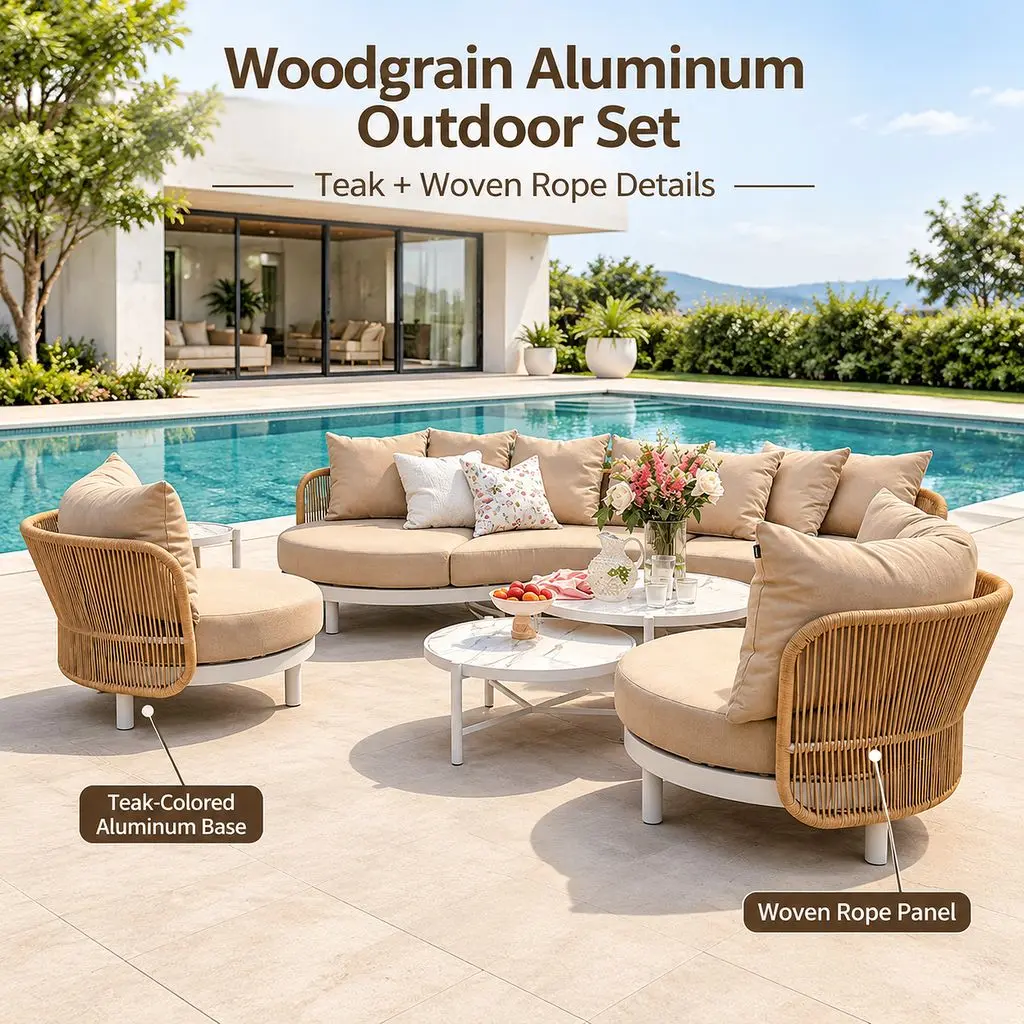
Product Showcase
Selected Models from Our Manufacturing Range
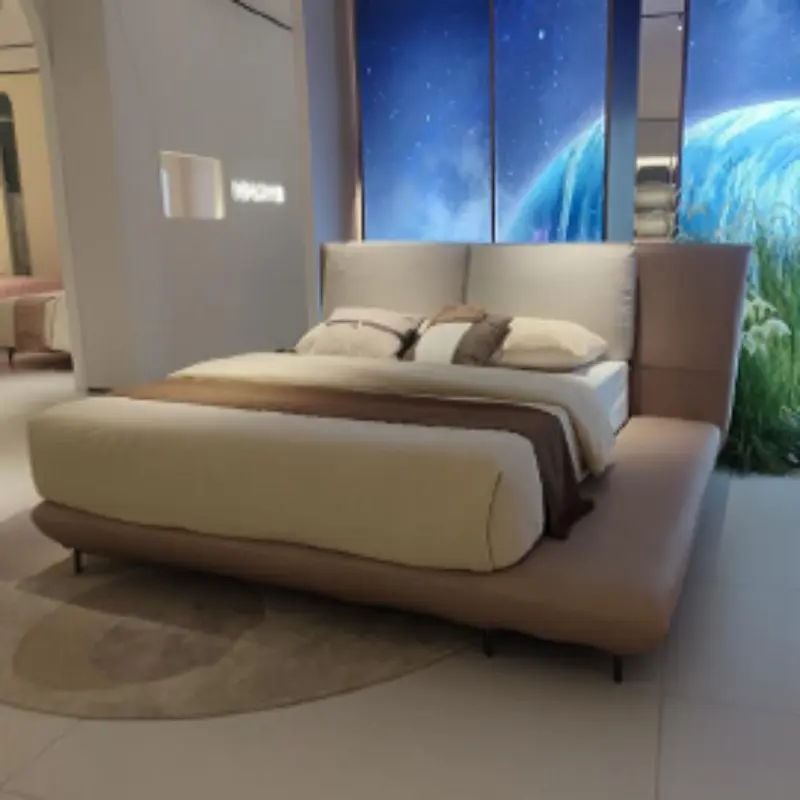
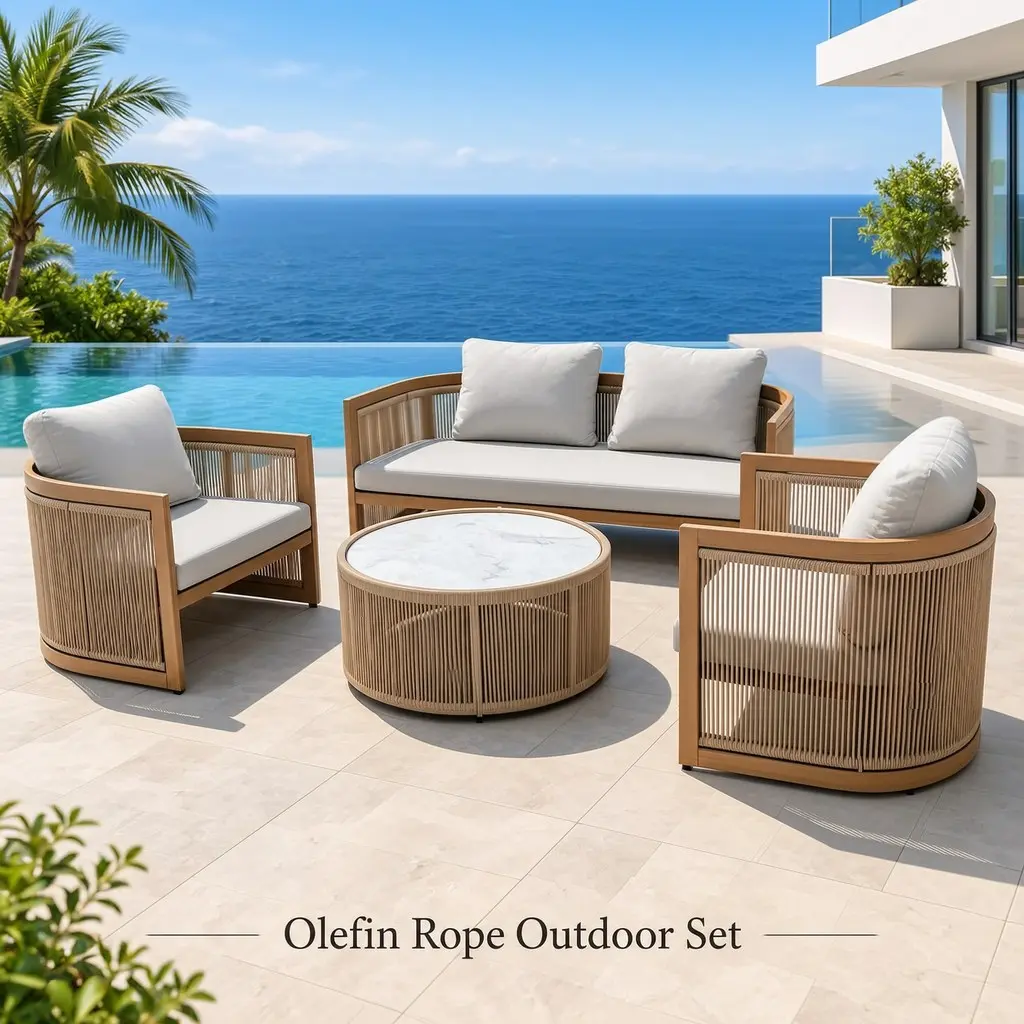
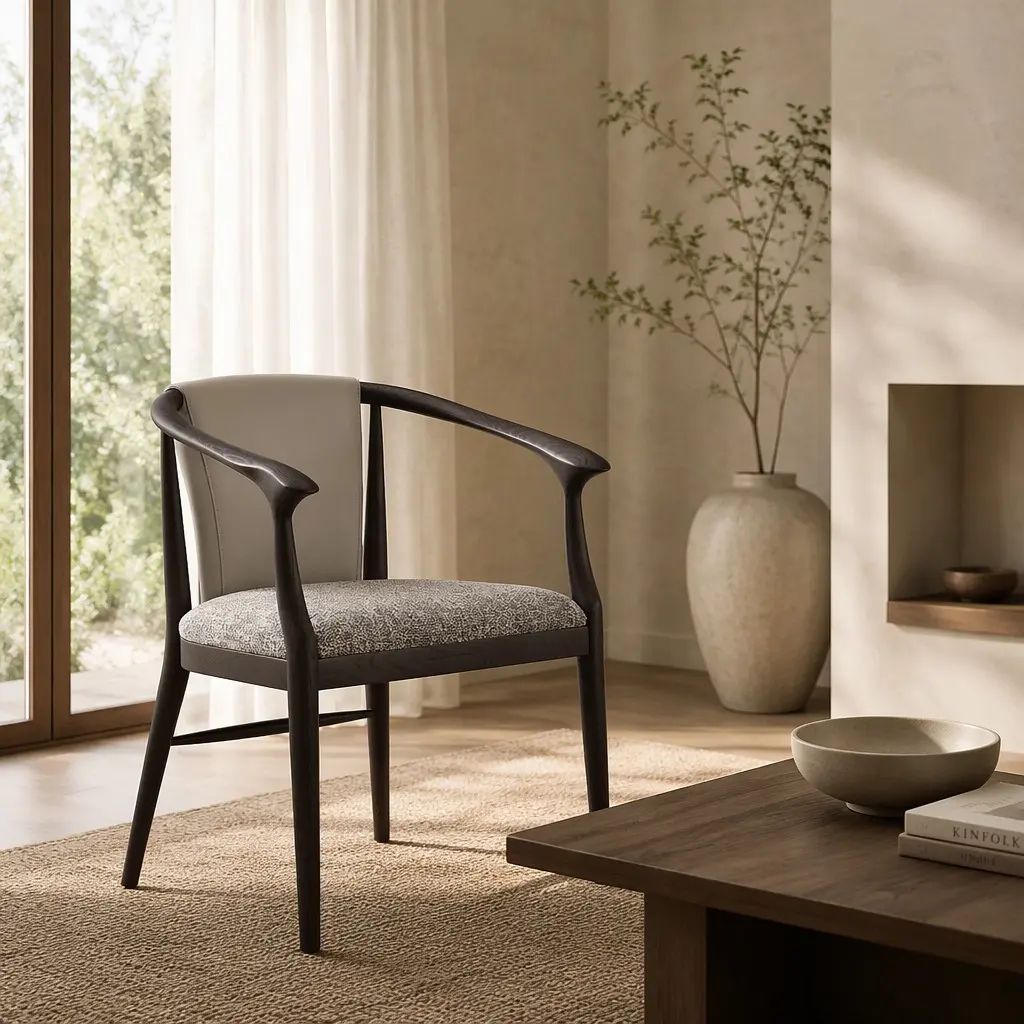
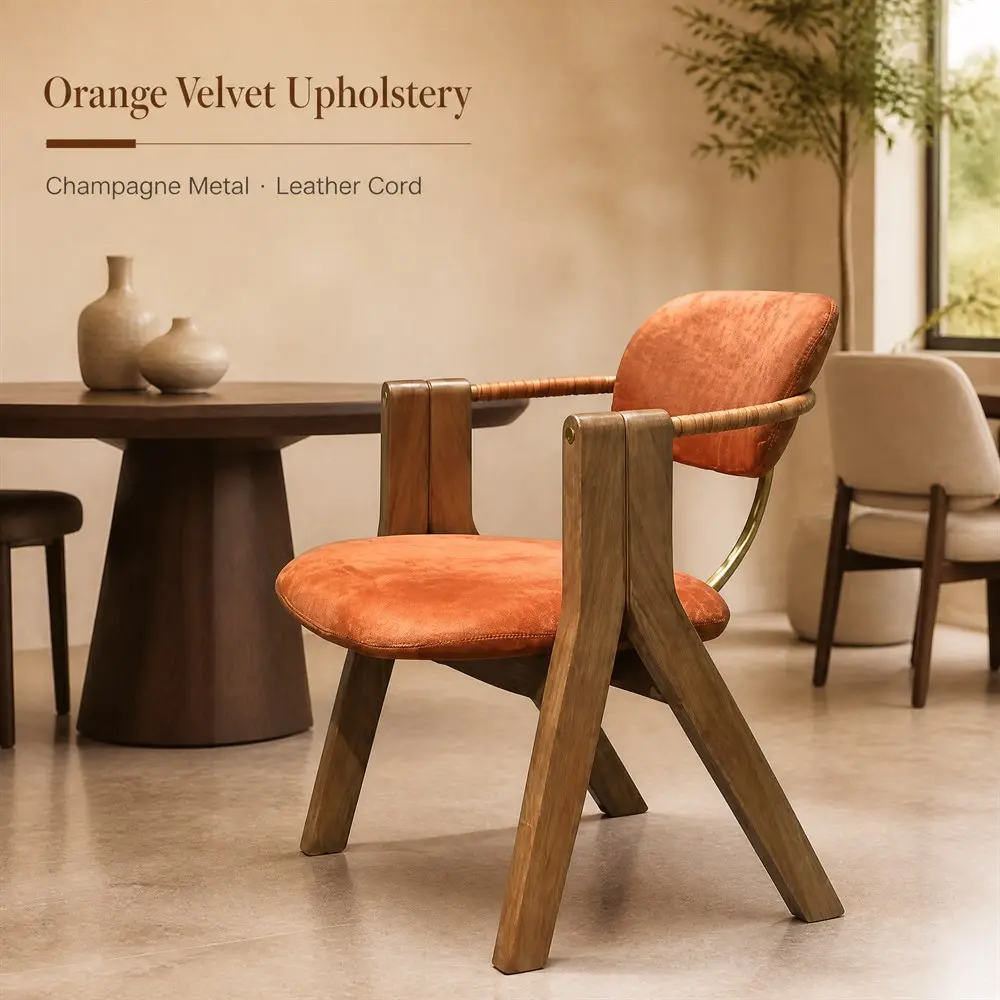
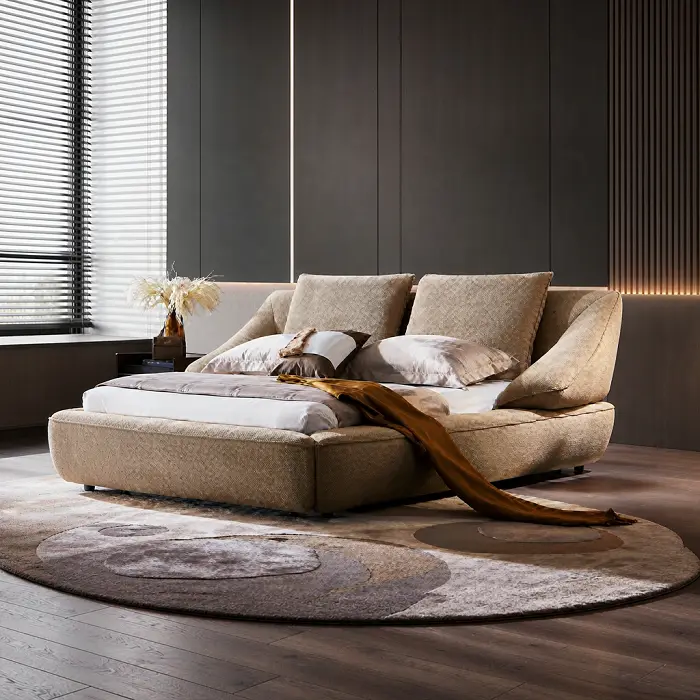
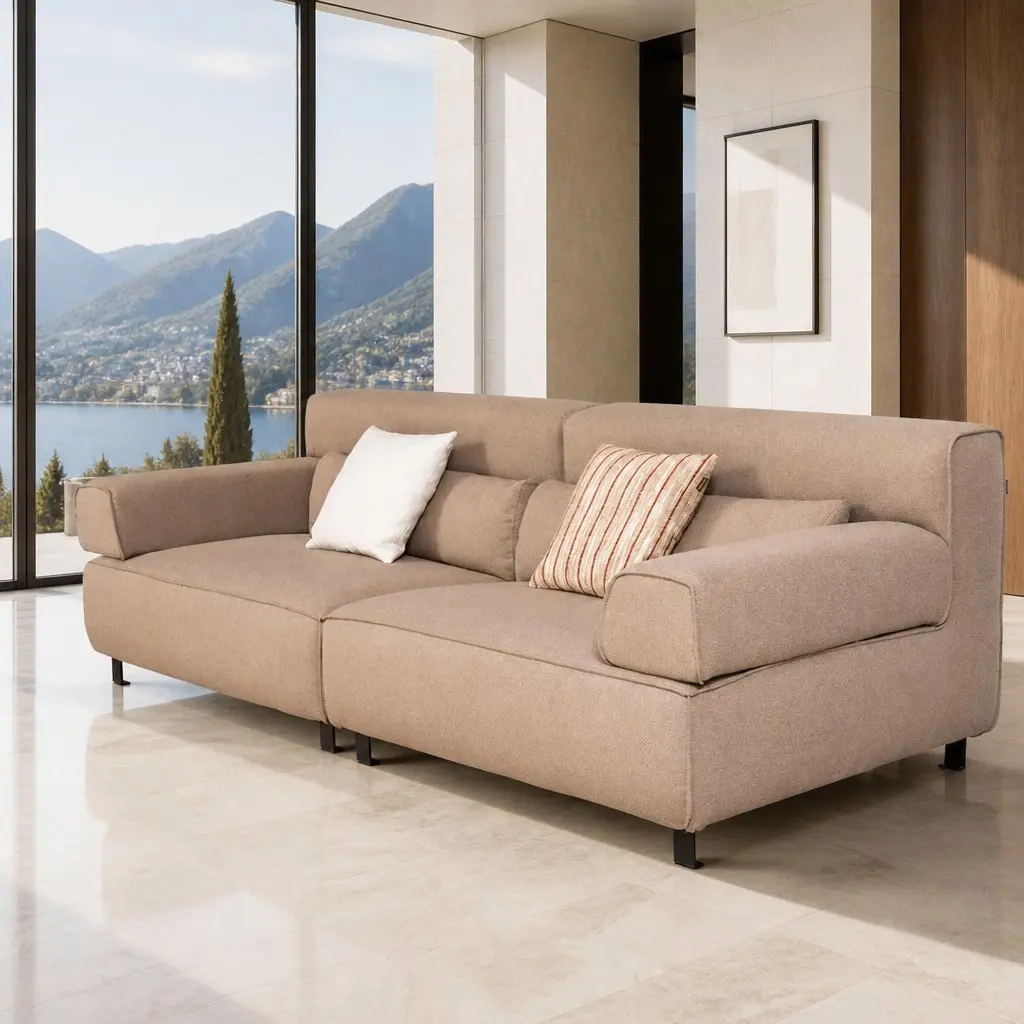
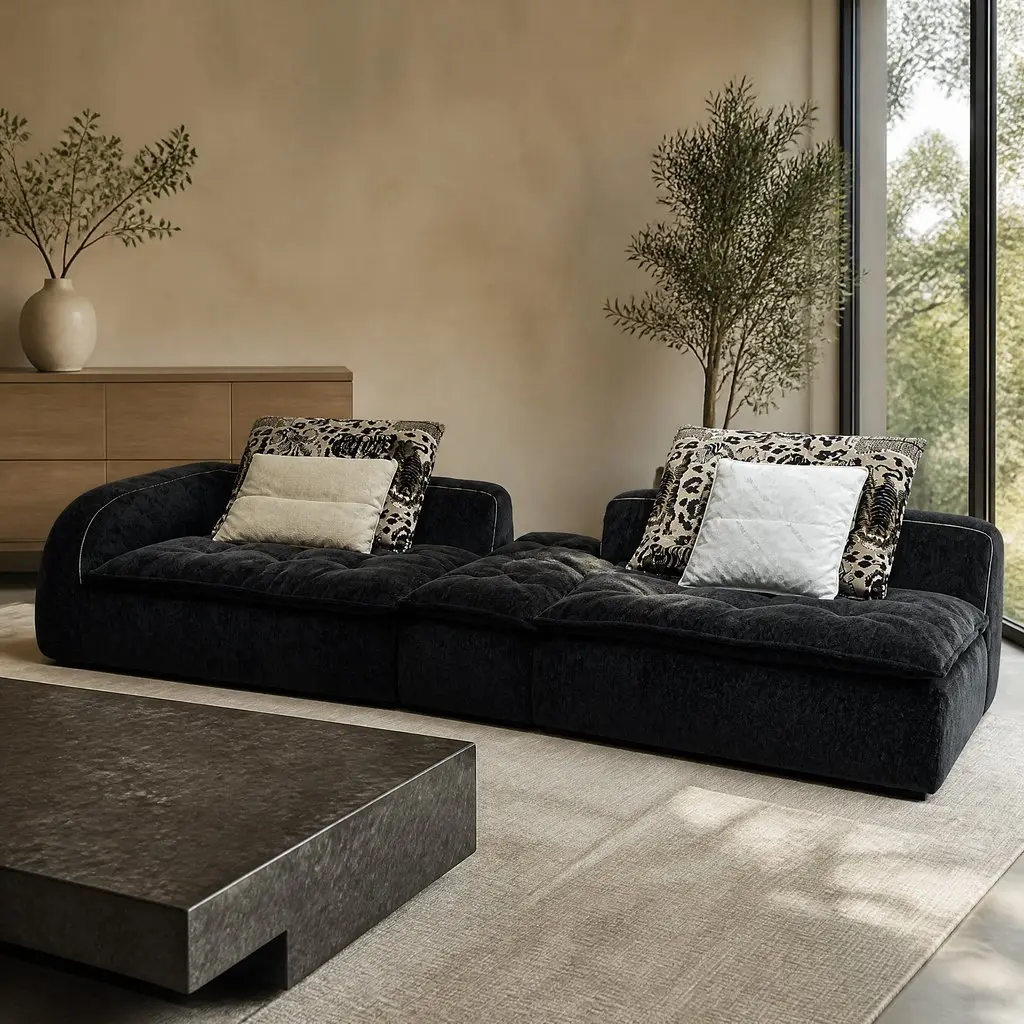
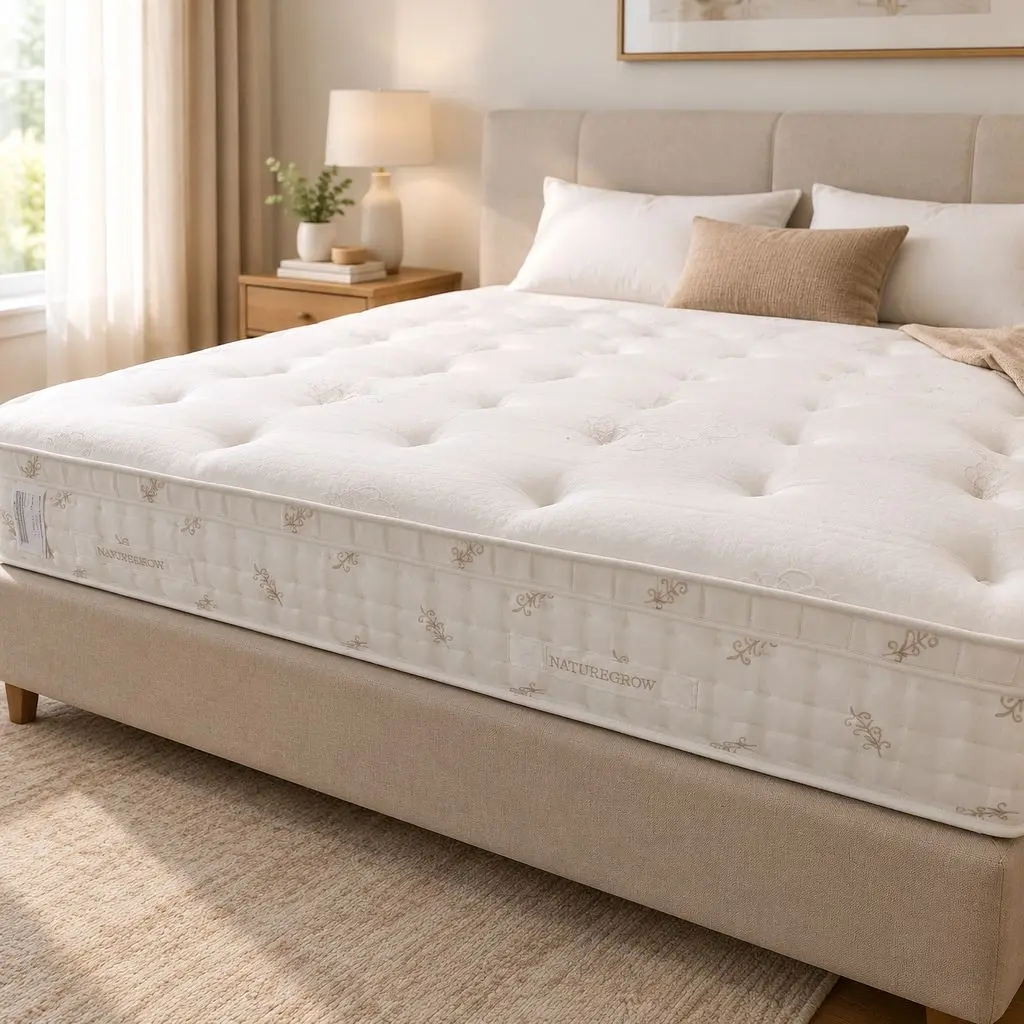
Browse representative configurations across outdoor, dining, living and bedroom categories — all produced under one quality framework in Foshan.
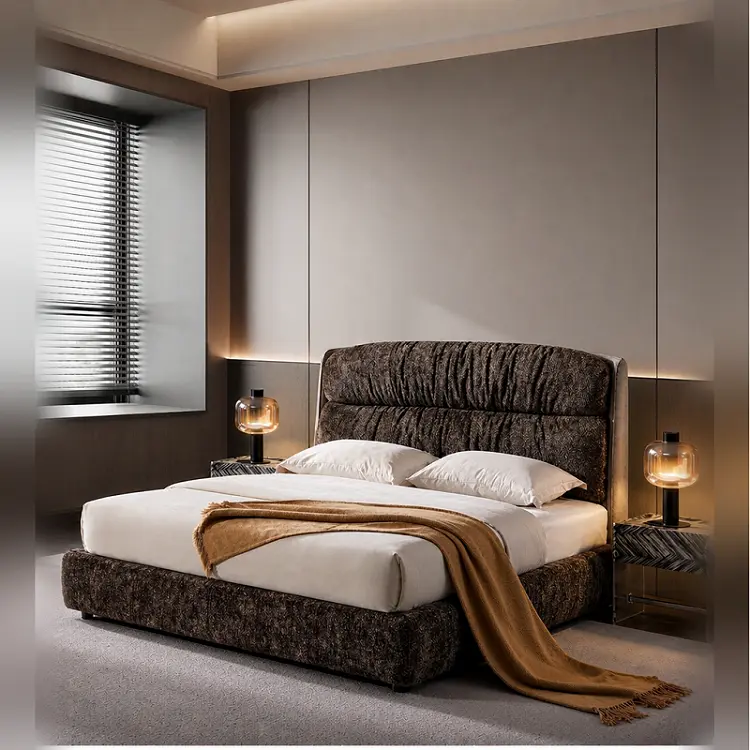
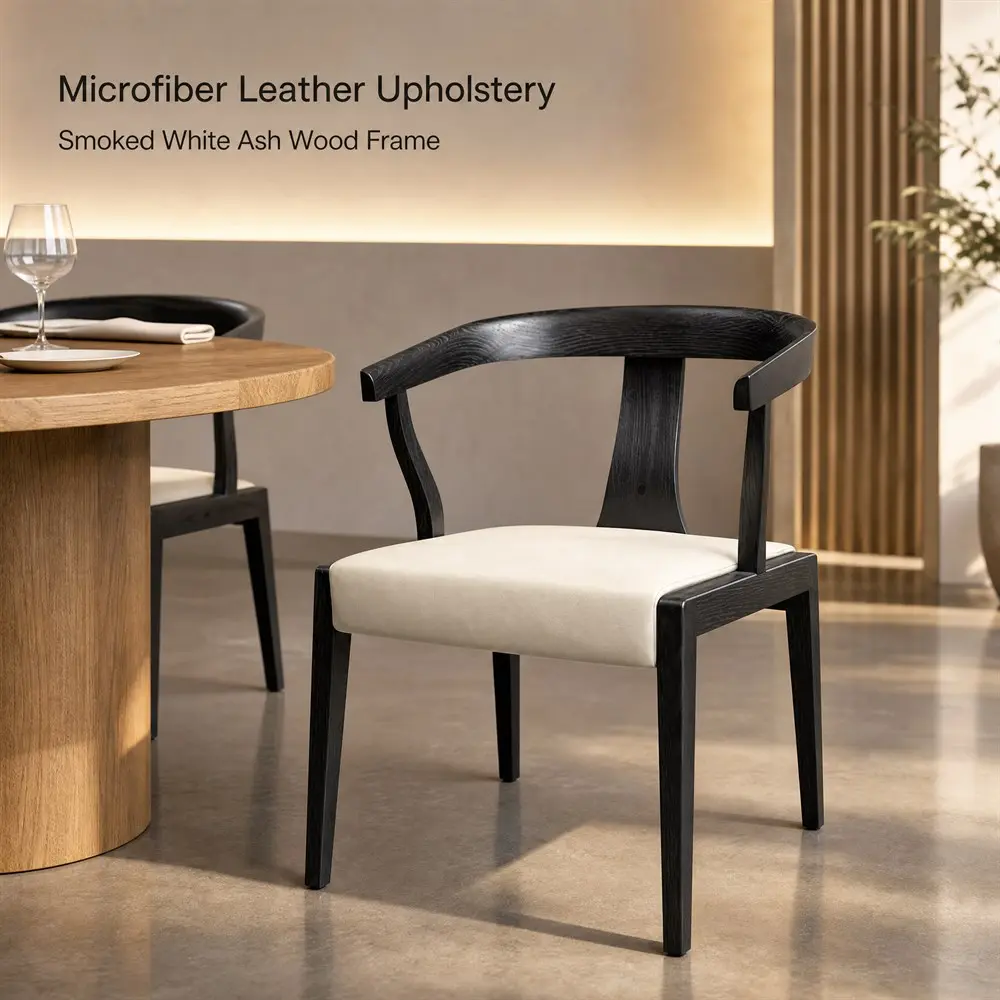
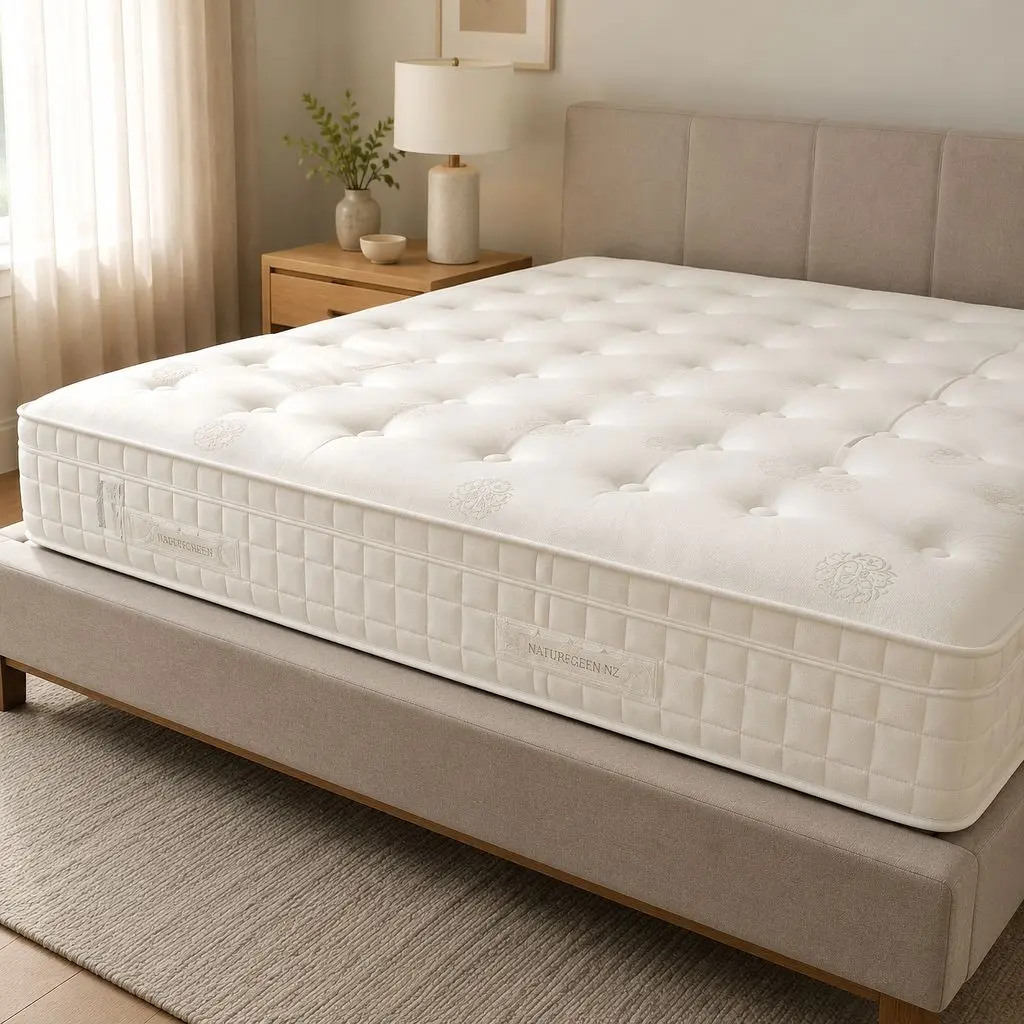
Industry White Paper
The Outdoor Dining Set: A Category Defined by Materials, Environment and Trust
Outdoor dining sets sit at the intersection of furniture engineering, climate science and consumer lifestyle. This white paper, published by Foshan Qingyumai Technology Co., Ltd., distills more than a decade of export manufacturing experience into a practical reference for wholesalers, importers, hospitality procurement teams and interior specifiers sourcing from China.
Experience
10+ years of export manufacturing across 19 furniture categories, with field-tested knowledge of UV exposure, salt-air corrosion ties, freeze-thaw cycling and monsoon-grade humidity.
Expertise
In-house engineering and 100+ original patents covering joinery, welded aluminum frames, olefin rope weave and waterproof cushion construction — validated for export compliance.
Authority & Trust
Audited partner ecosystem, in-line QC engineers and post-sale consolidation teams. Buyers are invited to visit our Shunde factory and showroom before confirming any program.
The evidence base for this paper includes live production data from our Foshan facility, buyer feedback from wholesalers in North America, the EU, Australia and the Middle East, and the material specifications we maintain for each export destination. When we state that an outdoor dining set will perform in a specific climate, it is because we have shipped it there, tracked warranty data, and iterated the design as a result.
China Factory Advantage
Why China Remains the Global Benchmark for Outdoor Dining Set Manufacturing
China is not merely a low-cost origin. It is a vertically integrated industrial cluster where aluminum extrusion, powder coating, rope weaving, foam production, cushion sewing and export packaging sit within a two-hour radius.
01
Cluster Depth & Component Access
Foshan, Shunde, Longjiang and Lecong form one of the densest furniture ecosystems on earth. Aluminum frames, olefin and HDPE rope, quick-dry foam, acrylic fabric and stainless hardware can be sourced within a single production run, cutting lead-times and enabling mid-run customization.
02
Vertical Integration
Manufacturers that control extrusion, welding, coating and upholstery avoid the quality gaps and cost layering introduced by subcontractors. Qingyumai operates this way, extending capacity through audited specialist partners for adjacent categories.
03
Scale Without Sacrificing Consistency
Export-oriented factories run repeatable production protocols and standardized QC checklists. A 500-set program and a 50-set pilot follow the same material and inspection rules.
04
Design-to-Market Speed
Prototyping, sample dispatch and revision cycles that once took weeks are now compressed. Buyers can test a seasonal design concept in a fraction of the time it takes with fragmented regional suppliers.
05
Export Infrastructure Maturity
Deepwater ports, seasoned freight consolidation and container-optimization expertise make China the lowest-risk high-volume origin for bulky outdoor products.
06
Compliance Capability
Materials can be specified to EU REACH, California Prop 65, US CPSC, AS/NZS and Middle East standards before production, because the supply chain has built the libraries and documentation to do so.
Market Intelligence
Industry Trends Reshaping Outdoor Dining Procurement
Trends are not marketing slogans. They surface first as change orders, then as category-level demand shifts. These are the trends driving specification decisions among global buyers today.
Material Longevity Over Disposability
Buyers increasingly treat outdoor dining sets as a five-to-ten-year purchase. Powder-coated aluminum frames, olefin/HDPE rope and solution-dyed acrylic are now baseline, not premium.
Climate-Specific Engineering
Coastal salt-air programs, desert UV-intense programs and alpine freeze-thaw programs are diverging in specification. One global SKU no longer satisfies rigorous buyers.
Indoor-Outdoor Continuity
Designers want outdoor dining sets that visually echo interior collections. This drives demand for coordinated upholstery palettes between indoor and outdoor lines.
Hospitality-Level Durability in Retail
Consumers are matching the durability expectations of cafés and hotels. Contract-grade fabric and frames are migrating into residential SKUs.
Logistics-Aware Design
Freight cost is now a design constraint. Knock-down joint systems, stackability and carton optimization directly affect landed cost per set.
Transparent Sourcing
Importers increasingly demand traceability of materials, recycling content and responsible manufacturing evidence alongside the product itself.
Macro Industry Solutions
Program-Level Sourcing: From Container Loads to Turnkey Outdoor Environments
The modern buyer rarely orders a single SKU. They assemble programs: a resort renovation, a chain-wide refresh, a distributor’s seasonal catalogue. Our macro solutions are designed for these programmatic realities.
0Furniture categories, one purchase order
0Original design and structure patents
0Years of export experience
0OEM / ODM customization dimensions
Hospitality & Resort Programs
Pool-deck dining, terrace lounges and beach-club sets engineered for continuous commercial use, salt-air exposure and daily turnover.
Multi-Unit Residential
Balcony and rooftop dining solutions delivered as a single coordinated package with consistent finishes and packaging across apartment tiers.
Retail & Distributor Assortments
Seasonal catalogues with a coherent material palette, private-label branding and container-optimized packing to protect retail margins.
Localized Application Scenarios
Region-by-Region Specification for Outdoor Dining Sets
What performs in Melbourne may fail in Dubai. This section maps climate and lifestyle context to material and construction decisions — the practical core of localization.
North America
Patio, Deck & Backyard Dining
Large-format sets with 6–8 seat tables, wide armrests and generous cushioning. Buyers prioritize fast replacement-part availability and Prop 65 compliant finishes. Deep-seating dining benches and fire-pit adjacent layouts are growing fast.
European Union
Balcony, Terrace & Garden
Space-efficient bistro and 4-seat sets with refined detailing. REACH compliance, timber legality documentation and recyclability heavily influence purchasing. Stackable designs are favoured by urban buyers.
Middle East
Poolside, Desert Terrace & Majlis
UV-stable fabrics, fade-resistant rope and heat-resistant surfaces are non-negotiable. Large modular dining layouts with shading integration and premium teak or wood-grain aluminum finishes dominate.
Australia & New Zealand
Coastal & Bushfire-Zone Outdoor
Salt-air corrosion resistance and AS/NZS compliance drive specification. Buyers value marine-grade stainless fittings, drainage-ready cushion systems and weatherproof covers delivered as part of the set.
Southeast Asia
Tropical Resort & Villa Dining
High humidity, monsoon rainfall and intense sun demand quick-dry foam, mildew-resistant fabric and elevated frame clearance. Resort buyers often request matched indoor-outdoor palettes.
Latin America
Urban Terrace & Coastal Getaway
Compact dining sets with durable powder coats and bold colourways. Importers value price stability across seasons and consolidated shipping to reduce landed cost.
Global Procurement Requirements
What Global Buyers Actually Evaluate Before Committing to a Supplier
Purchase decisions for outdoor dining sets are program decisions. Buyers are not only comparing price per set — they are assessing risk, repeatability and the cost of failure at the port of destination.
| Evaluation Criterion | What Buyers Ask | How We Respond |
|---|---|---|
| Material Provenance | Which aluminum grade, powder coating thickness and fabric brand will actually arrive? | Documented material specifications per SKU, available to qualified buyers before PO. |
| Compliance Readiness | Will the product pass my destination market’s flammability, chemical and labeling rules? | Pre-sale material engineering aligned to REACH, Prop 65, CPSC, AS/NZS and regional standards. |
| Production Reliability | Can the factory hold the same finish and structural standard across a 500-set run? | In-line QC audits for structural durability and finish consistency on the factory floor. |
| Landed Cost & Freight | How many sets fit a container, and how much damage risk does the packaging introduce? | Container consolidation across categories and multi-layer export crating. |
| Program Flexibility | Can we customize dimensions, colors, fabrics and branding for our market? | OEM/ODM across four dimensions, with pre-production samples for approval. |
| After-Sale Accountability | Who owns the issue if a container arrives with a defect? | Single accountable team across pre-sale, production and post-sale stages. |
OEM & ODM Capability
Customization as a Competitive Advantage, Not a Surcharge
Customization is often presented as a premium add-on. In a mature manufacturing ecosystem, it is the baseline. The question is not whether a supplier can customize, but whether it can customize without breaking quality and lead-time.
Custom Sizes
Adjust width, depth and seat height for balconies, terraces, guestrooms or restaurant footprints.
Custom Colors
Frame and upholstery finishes matched to brand palettes and destination aesthetics.
Custom Fabrics
Solution-dyed acrylic, olefin, quick-dry foam and contract-grade options for each climate zone.
Private Label & Branding
Woven labels, embossed logos and branded packaging that turn a factory SKU into your product.
Every customization runs through the same process: brief, material engineering, sample approval, in-line QC, consolidated shipment. Buyers receive a pre-production sample before mass production, giving them a physical checkpoint before the container is sealed.
Buyer FAQ
Frequently Asked Questions from Global Outdoor Furniture Buyers
Direct answers to the questions we receive most often from importers, specifiers and hospitality procurement teams.
Are you an outdoor dining sets manufacturer or a trading company?
Qingyumai is the export brand of Foshan Qingyumai Technology Co., Ltd., an integrated manufacturer covering R&D, production and international sales with its own facility in Shunde, Foshan. For whole-house or program orders we coordinate a network of audited partner factories so outdoor dining sets, sofas, beds and dining furniture ship under one quality standard and one purchase order.
Which materials are best for outdoor dining sets in humid or coastal climates?
Powder-coated aluminum frames, olefin or HDPE rope weave, quick-dry foam and solution-dyed acrylic fabric deliver the strongest performance. For coastal markets we specify marine-grade stainless fittings and additional drainage detailing. We align materials to the climate of the destination market during pre-sale consultation.
Can you confirm UV stability and fade resistance before mass production?
Yes. We document the fabric and coating specifications for each SKU and can supply material certificates from upstream component suppliers so buyers can verify UV performance claims before committing to a production run.
How do you manage mixed orders of outdoor dining sets and indoor furniture?
Our post-sale team plans loading across categories, optimizing container space to reduce ocean freight per unit. Multi-layer export crating protects outdoor and indoor products alike during transit. A single shipment, a single inspection, a single accountable team.
What is the typical lead time for an outdoor dining set program?
Lead times depend on volume, customization depth and material availability. Standard configurations move faster than fully customized programs. During project briefing we map your target delivery window to the production schedule, sampling cycle and container consolidation plan.
Do you ship to my country, and can you handle compliance documentation?
We supply wholesalers, importers, hotel and hospitality procurement teams, property developers, interior design firms and private clients worldwide. Pre-sale consultants recommend material configurations aligned to the regulatory standards of your destination market and support the documentation process.
Where is your factory located, and can buyers visit?
Our facility is located in Hui Cheng Industrial Park, Longjiang Town, Shunde District, Foshan, Guangdong, China — one of the world’s most established furniture manufacturing clusters. Buyers are welcome to arrange factory and showroom visits before confirming a program.
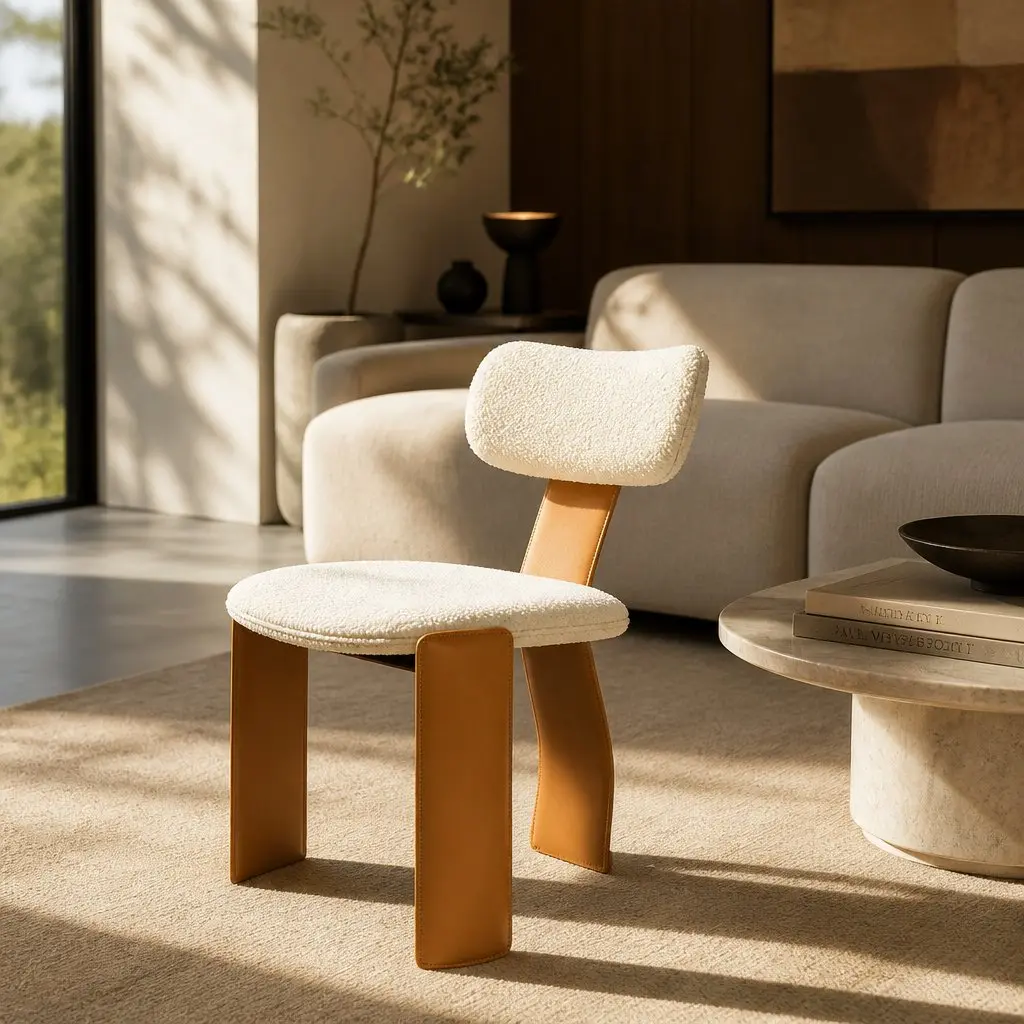
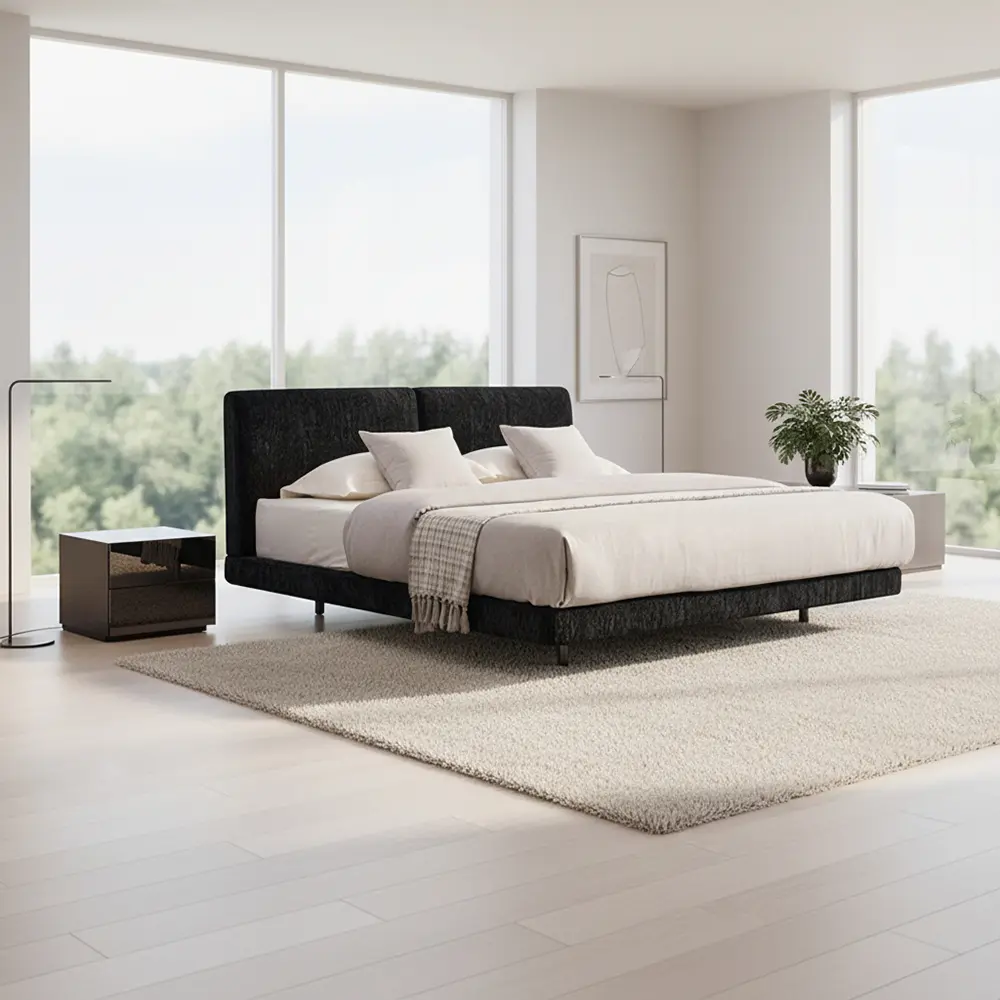
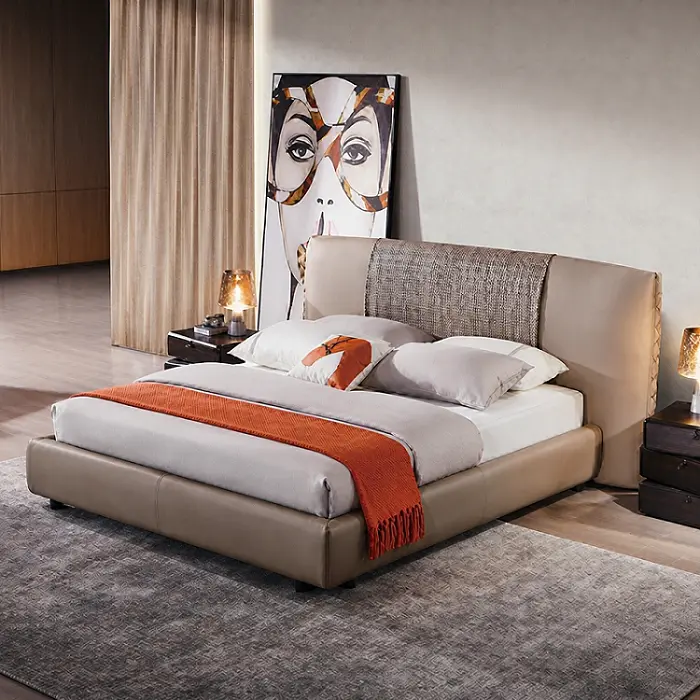
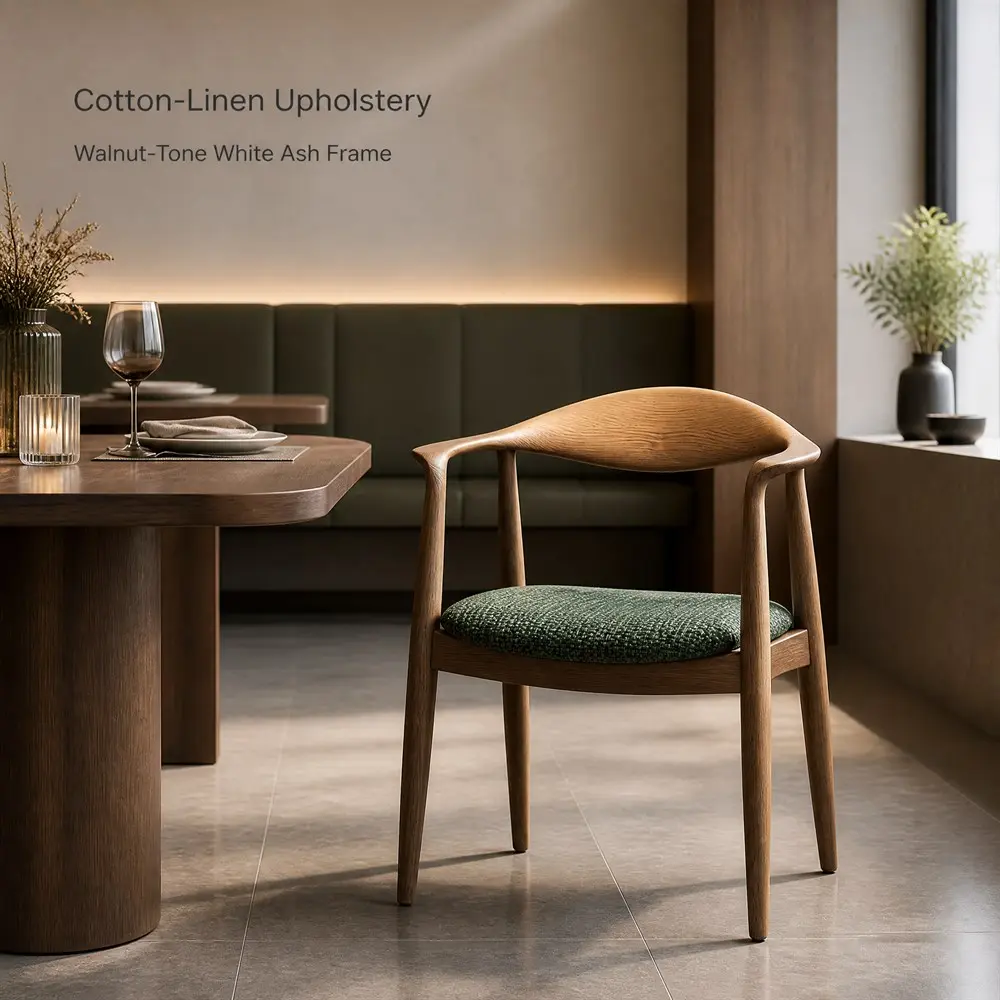
More From Our Range
Additional Models Across Living, Bedroom & Dining
A coordinated range means your outdoor and indoor programs can share finishes, materials and packing standards.
Work With Us
Need a Reliable Outdoor Dining Sets Manufacturer & Supplier?
Share your target market, climate and volume. Our export team will recommend material configurations, coordinate samples and map a production and consolidation plan that protects your margins.
Contact Our Export Team Request a Catalog